
Sadar Bazaar Delhi: Wholesale Markets, Timings & Bargain Strategies

Ananya Sharma
December 8, 2025
Shop at Sadar Bazaar Delhi with this complete guide. Know timings, wholesale markets, best buys, nearest metro & shopping tips for massive savings.
Why Shop at Sadar Bazaar?
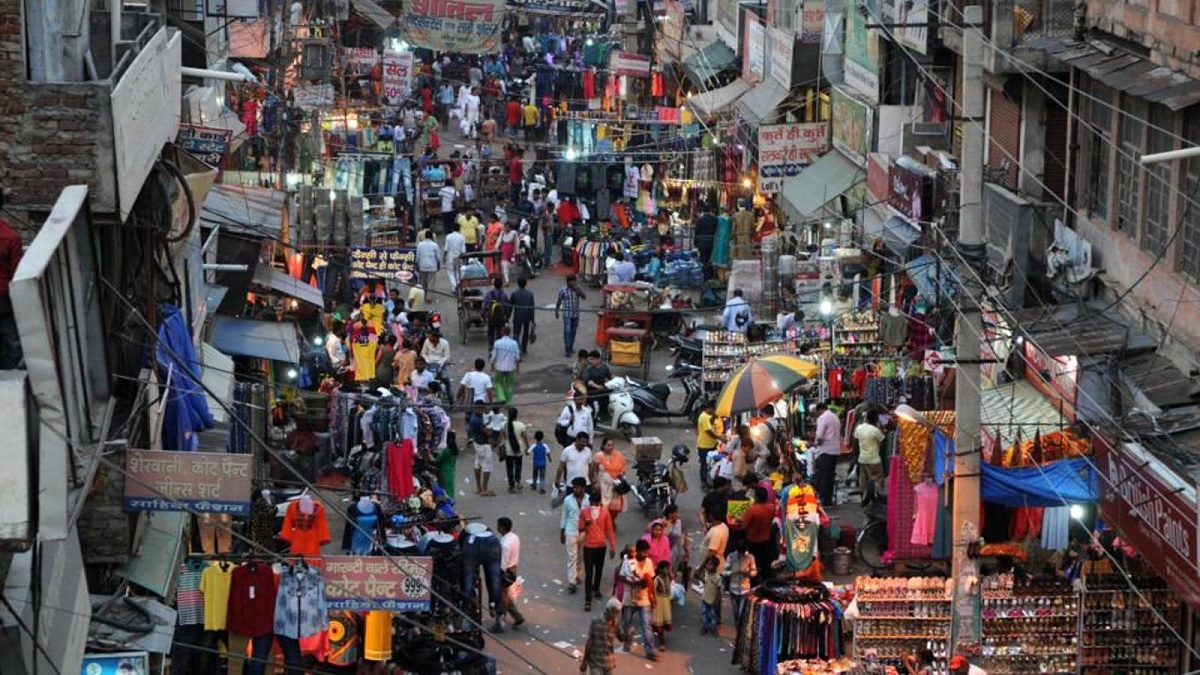
Sadar Bazaar stands as Delhi's largest and most iconic wholesale market, a sprawling labyrinth of narrow lanes and bustling streets that has served as the city's commercial heart for centuries. Located in the heart of Old Delhi, near the historic Chandni Chowk area, this massive marketplace offers everything from household essentials to wedding finery at prices that consistently undercut retail stores across the city. For visitors and locals alike, Sadar Bazaar represents the authentic Indian shopping experience—chaotic, overwhelming, yet ultimately rewarding for those who know how to navigate its complexities.
The market's history traces back to the Mughal era when Shahjahanabad (Old Delhi) was established as the capital. Over centuries, what began as organized trading spaces for specific commodities has evolved into Delhi's premier wholesale destination. Today, the market caters not just to individual shoppers but primarily to retailers from across North India who source their inventory here. This wholesale focus translates into significant savings for anyone willing to navigate the crowds, bargain assertively, and purchase in reasonable quantities.

What makes Sadar Bazaar truly special is its incredible diversity of merchandise within a confined area. Unlike specialized markets that focus on one category, Sadar Bazaar encompasses multiple interconnected markets each dedicated to different products—from textiles and clothing to electronics, from home decor to stationary, from spices to wedding accessories. This variety means you can complete an entire shopping list in one visit, moving from buying bulk stationery for your office to selecting wedding cards for your marriage, all within a few hundred meters.
The market operates on its own rhythm and rules. Understanding these unwritten protocols—when to visit, how to bargain, what quantities qualify for wholesale pricing—can transform your shopping experience from frustrating to fantastic. This guide will help you navigate Sadar Bazaar like a pro, whether you're a first-time visitor or a seasoned Delhi shopper looking to optimize your market expeditions.
What Makes Sadar Bazaar Special
Sadar Bazaar's uniqueness stems from several factors that distinguish it from other markets in Delhi and across India. Understanding these special characteristics helps explain why this market continues to thrive despite the rise of modern retail malls and e-commerce platforms.
Wholesale Price Advantage: The primary draw of Sadar Bazaar is undoubtedly the pricing. As a wholesale market, products are sold at 30-50% below retail prices found in air-conditioned stores and shopping malls. These discounts aren't promotional—they're the standard pricing because the market caters to retailers who resale elsewhere. Even individual shoppers buying smaller quantities can access these savings, though the best deals go to those buying in bulk. For wedding shopping or festival preparations, these savings can amount to substantial money, making the market visit worth the effort despite the challenging conditions.
Incredible Variety Under One Roof: Few markets in the world offer the sheer diversity of merchandise found in Sadar Bazaar. The market is essentially a collection of specialized bazaars, each dedicated to specific categories. Within the larger Sadar Bazaar area, you'll find distinct sections for paper and stationery (Chippiwada), textiles (Kucha Pati Ram), hardware and tools (Teliwara), jewelry and accessories (Pratap Market), and spices and dry fruits (Naya Bazaar). This concentration means you can comparison shop extensively without traveling between different parts of the city.
Historic Trading Heritage: Sadar Bazaar isn't just a commercial space—it's a living piece of Delhi's history. The market's layout, the traditional buildings housing shops, the community of traders whose families have operated here for generations—all contribute to an atmosphere that modern retail spaces cannot replicate. Walking through these lanes, you're participating in a commercial tradition that has continued for centuries, connecting you to the countless traders, shoppers, and characters who have passed through before you.
Massive Scale: The sheer size of Sadar Bazaar is difficult to comprehend until you experience it. The market area spans several kilometers, with thousands of shops employing tens of thousands of people. This scale creates an energy and bustle that's exhilarating for some and overwhelming for others. The market's size also means it's virtually impossible to explore completely in one visit—there are always more lanes to discover, more shops to explore, more products to examine.
Always Buzzing with Activity: Unlike some markets that have specific busy periods, Sadar Bazaar maintains high energy levels throughout its operating hours. From morning till evening, the lanes are crowded with porters carrying goods, wholesalers negotiating deals, retailers selecting inventory, and individual shoppers hunting bargains. This constant activity creates a vibrant atmosphere that makes shopping here feel like participating in something bigger than a simple transaction.
Authentic Traditional Trading Experience: In an increasingly digitized world, Sadar Bazaar maintains traditional trading practices. Face-to-face negotiations dominate over digital transactions. Personal relationships between buyers and sellers matter. Cash remains king despite growing digital payment acceptance. Bargaining isn't just accepted—it's expected as part of the dance of commerce. For those seeking an authentic Indian market experience rather than a sanitized shopping mall environment, Sadar Bazaar delivers in spades.
Key Markets Within Sadar Bazaar
Navigating Sadar Bazaar becomes easier when you understand that it's actually a collection of specialized markets, each with its own character and product focus. Knowing which market serves which category helps you plan your shopping route efficiently.
Swaranjayanti Park (Gifts and Toys): This area specializes in gift items, toys, and decorative products. It's particularly popular during festival seasons (Diwali, Christmas) and wedding periods. The market stocks everything from inexpensive novelty gifts to premium decorative items. For parents and gift shoppers, this section offers tremendous variety at prices significantly lower than retail stores. The toy selection is particularly impressive, ranging from educational toys to branded games to traditional Indian toys.
Baba Ka Dhaba Market (Clothing): Despite its unusual name (which translates to "Father's Restaurant"), this area is dedicated to clothing and textiles. Here you'll find wholesale apparel for men, women, and children. The market is particularly strong in casual wear, ethnic clothing, and basic garments. Many shops stock unbranded clothing that offers excellent value for money. During festival seasons, this area sees huge crowds shopping for new clothes.
Central Market (Household Items): This section caters to home needs, stocking everything from kitchenware to plastic containers to home decor. It's particularly popular with newly married couples setting up homes and with bulk buyers such as hotels and restaurants. The variety of household goods is staggering—you can find everything from basic utensils to sophisticated decorative pieces. Prices are especially good for bulk purchases.
Pratap Market (Jewelry and Accessories): Artificial jewelry dominates this market, making it a favorite with women shopping for wedding accessories, festival jewelry, and everyday wear. The selection includes traditional Indian jewelry, contemporary pieces, and fusion designs. Hair accessories, bangles, earrings, necklaces—every category of artificial jewelry is available. The market also stocks fashion accessories such as belts, bags, and hair clips.
Chippiwada (Paper and Stationery): This specialized market is Delhi's stationery hub, supplying schools, offices, and retail stores across the city. Paper products, notebooks, pens, art supplies, office essentials—everything stationery-related is available here. For students setting up for a new academic year or offices stocking up, this market offers unbeatable prices. The selection includes everything from basic items to premium imported products.
Teliwara (Hardware and Tools): This area serves hardware needs, from basic home repair tools to industrial equipment. Plumbing supplies, electrical fittings, hand tools, power tools—hardware professionals and DIY enthusiasts find everything they need here. The market particularly caters to bulk buyers such as contractors and maintenance companies, but individual shoppers can also access good deals.
Naya Bazaar (Spices and Dry Fruits): One of the oldest spice markets in Delhi, this area is a sensory delight with the aromas of various spices filling the air. Whole spices, ground spices, spice blends, dry fruits, nuts—this is the place for quality ingredients at wholesale prices. During wedding seasons and festivals, the market becomes exceptionally busy as people stock up on essentials.
Kucha Pati Ram (Textiles): This lane specializes in fabrics and textiles, catering to tailors, fashion designers, and clothing manufacturers. Cotton fabrics, silk materials, embroidery, lace, trimmings—the selection is extensive. Many shops also offer ready-made traditional clothing and can arrange custom tailoring. For those interested in Indian textiles, this market offers excellent variety and quality.
Best Things to Buy in Sadar Bazaar
Knowing what to buy in Sadar Bazaar helps you make the most of your visit. While the market sells almost everything, certain categories offer exceptional value and variety.
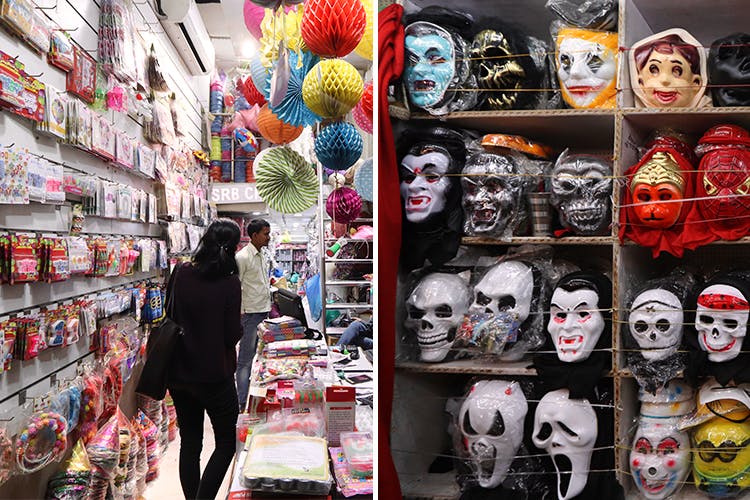
Home Decor and Candles: Sadar Bazaar is famous for its home decor items, particularly candles and decorative pieces. The candle selection is extraordinary—plain candles, scented candles, decorative candles, floating candles, religious candles—in every size, shape, and color. During festival seasons, special decorative candles flood the market. Beyond candles, the market stocks vases, wall hangings, photo frames, artificial flowers, and every category of home decoration. These items are available at prices that make bulk buying practical for weddings, events, or business purposes.
Gift Items and Novelties: If you're shopping for gifts, Sadar Bazaar offers tremendous variety at reasonable prices. The market stocks gift items for every occasion—birthdays, weddings, festivals, corporate events. Categories include photo frames, mugs, desk accessories, decorative pieces, and novelty items. Many shops also offer gift wrapping services. For event planners and those buying gifts in bulk, the wholesale pricing makes Sadar Bazaar the logical choice.
Clothing and Textiles: While not as fashion-forward as specialized clothing markets, Sadar Bazaar offers good value in basic clothing and textiles. Casual wear, ethnic clothing, children's clothes, undergarments—the selection covers everyday needs. The textile shops stock quality fabrics for those who prefer custom tailoring. During wedding seasons, the market sees increased demand for wedding-related clothing and fabrics.
Artificial Jewelry: The artificial jewelry selection is one of Sadar Bazaar's strengths. From expensive-looking bridal jewelry to inexpensive everyday pieces, the variety caters to all budgets and tastes. Traditional Indian jewelry dominates, but contemporary designs are increasingly available. For weddings, festivals, or special occasions, buying jewelry here rather than branded stores can save substantial money. The market also stocks jewelry boxes and accessories.
Stationery and Paper Products: For students, offices, and businesses, the stationery selection is unbeatable. Notebooks, pens, art supplies, office essentials—everything is available at wholesale prices. Schools stocking up for the academic year, offices ordering supplies, or individuals buying for personal use—all find value here. Specialty paper, invitation cards, and custom printing services are also available.
Household Items: Kitchenware, plastic containers, cleaning supplies, small appliances—the household items section offers practical products for daily use. The market is particularly strong in basic kitchen equipment and storage solutions. Many products are available in bulk packs, offering additional savings. For newly married couples or anyone setting up a new home, Sadar Bazaar offers substantial savings on household essentials.
Electronics and Accessories: While not a specialized electronics market, Sadar Bazaar stocks basic electronics and accessories at good prices. Mobile phone accessories, headphones, small speakers, charging cables—these items are widely available. For major electronics, you might find better selection in dedicated markets, but for basic accessories and small gadgets, Sadar Bazaar offers competitive pricing.
Spices and Dry Fruits: The Naya Bazaar area offers quality spices and dry fruits at wholesale prices. Whole spices maintain their aroma better than pre-ground versions, and the market offers excellent quality in both. During wedding seasons and festivals, the dry fruit selection becomes particularly popular as gifts and for cooking. The market also stocks specialty items such as saffron and premium nuts.
Shopping Tips and Bargaining in Sadar Bazaar
Shopping successfully in Sadar Bazaar requires understanding its unwritten rules and developing some strategies. Unlike fixed-price retail stores, this is a bargaining market where negotiation skills directly affect the prices you pay.
Understanding Bulk Buying: The concept of "bulk" varies by product and shop. For inexpensive items (stationery, small gift items), bulk might mean 10-20 pieces. For more expensive items (clothing, home decor), 3-5 pieces might qualify for wholesale pricing. Don't assume bulk means huge quantities—ask the shopkeeper what minimum quantity qualifies for wholesale rates. Often, shops will give better prices even for smaller quantities if you ask.
The Art of Bargaining: Bargaining is expected in Sadar Bazaar, particularly in smaller shops and for non-fixed price items. As a general rule, start your negotiation at 50-60% of the quoted price and work upward from there. Shopkeepers typically quote higher prices expecting negotiation. Be polite but firm in your bargaining. Don't be embarrassed to negotiate—this is how business is done here. If a shopkeeper won't budge on price, ask for free items or additional discounts on larger quantities.
Cash Preference: While digital payments are increasingly accepted, many shopkeepers still prefer cash and may offer better prices for cash transactions. Cash saves them payment gateway fees and provides immediate liquidity. Carrying sufficient cash is practical anyway, as some smaller shops may not accept digital payments or might have connectivity issues with payment machines.
Compare Across Shops: Before making significant purchases, compare prices across multiple shops. The first price you hear isn't necessarily the best. Spend time walking around, checking varieties, and asking prices at several shops. This comparison shopping gives you leverage in negotiations and ensures you're getting good value. Don't feel pressured to buy from the first shop you visit.
Timing Your Visit: Early morning visits (when shops first open) sometimes yield better deals as shopkeepers are eager for initial sales. Avoid peak afternoon hours when the market is most crowded and shopkeepers are busy. Late afternoon, just before closing, might also offer opportunities for negotiation as shopkeepers want to close sales. However, very late in the day, some shops might be less willing to negotiate on quality items.
Arranging Transport: If buying bulky items or large quantities, arrange for transport in advance. While porters are available within the market to move goods to your vehicle, you'll need a vehicle capable of carrying your purchases. Auto-rickshaws and cycle rickshaws work for smaller quantities, but for bulk purchases, consider hiring a small tempo or truck. Some shops can arrange delivery for additional cost.
Quality Verification: In the excitement of low prices, don't compromise on quality. Inspect items carefully before purchasing, especially clothing and electronics. Check fabrics, test electronics, examine stitching and finishing. If something seems too cheap, there might be quality issues. Remember that wholesale prices should reflect volume discounts, not inferior quality.
Build Relationships: If you plan to visit regularly, identify reliable shops and build relationships with the owners. Regular customers often get better prices and priority service. Ask for business cards or contact information. Good relationships in the market can pay dividends in better deals and service over time.
Timings and Closed Day
Planning your Sadar Bazaar visit requires understanding its operating schedule. Unlike malls that maintain consistent hours throughout the week, traditional markets like Sadar Bazaar follow different patterns.
Standard Operating Hours: Most shops in Sadar Bazaar open around 10:00 AM and close by 8:00 PM. However, these hours can vary by shop type and season. During peak wedding and festival seasons, some shops extend hours, opening earlier and closing later to accommodate increased customer traffic. Wholesalers often start earlier as they supply retailers who need stock before their shops open.
Weekly Closure: Sadar Bazaar is officially closed on Sundays. This weekly closure day is observed across most shops, though some exceptions exist. Sunday closure means that Saturdays are typically very busy as people rush to complete shopping before the weekly break. If you prefer less crowded shopping, weekdays (Monday-Friday) are generally better than weekends.
Partial Closure Days: Some sections of the market observe partial closure on certain days. For example, specific communities of traders might close on days of religious significance. These partial closures affect only some shops, not the entire market. If you're visiting for a specific type of product, it's worth checking if that particular section observes any additional closure days.
Festival and Holiday Closures: During major festivals (Diwali, Eid, Christmas), the market may have altered hours or complete closures. Some festivals see extended trading hours in the days leading up to the festival, followed by closures on the festival day itself. Wedding season (typically November-February) might see extended hours but no closures. National holidays sometimes see partial closures, with some shops remaining open.
Peak Business Hours: The market is busiest from approximately 11:00 AM to 4:00 PM. During these hours, lanes are crowded, and shopkeepers are occupied with multiple customers. If you prefer a more relaxed shopping experience, early morning (right after opening) or late afternoon (after 4:00 PM) might be better. However, some shopkeepers might be less willing to negotiate late in the day if they've already made good sales.
Seasonal Variations: Operating patterns shift significantly during peak shopping seasons. Wedding season (roughly November to February, with variations based on the Hindu calendar) sees extended hours and maximum activity. Festival seasons (particularly before Diwali) also see increased hours and business. Summer months (May-June) are relatively slower, with some shops maintaining reduced hours or even closing temporarily.
Recommended Visit Duration: For serious shopping, plan 3-4 hours in the market. This allows time to explore relevant sections, compare prices, negotiate, and complete purchases. For casual browsing or targeted purchases of specific items, 1-2 hours might suffice. Don't try to rush Sadar Bazaar—it's too chaotic and crowded for rushed shopping. Allow time to get lost in the lanes, discover unexpected finds, and enjoy the market's unique atmosphere.
How to Reach Sadar Bazaar
Sadar Bazaar's location in Old Delhi means it's well-connected by public transport, but reaching it requires navigating some of Old Delhi's congested areas. Understanding your transport options helps plan your visit efficiently.
Nearest Metro Station: Tis Hazari Metro Station (Red Line) is the closest metro station to Sadar Bazaar, approximately 1 kilometer away. From the station, you can walk (10-15 minutes) or take an auto-rickshaw to the market. The walk passes through busy commercial areas, so while manageable, it might be challenging in extreme weather or when carrying purchases. Alternatively, some shoppers use the Chandni Chowk Metro Station (Yellow Line), which is slightly farther but might be more convenient depending on your starting point.
Auto-Rickshaw and Taxi: Auto-rickshaws and taxis are readily available from metro stations and other parts of Delhi to reach Sadar Bazaar. However, be aware that the final approach to the market involves narrow, congested lanes that vehicles navigate slowly. Auto-rickshaws can drop you closer to specific market sections than taxis. Negotiate fares clearly before starting your journey—meters might not be used for the final approach through congested areas.
Bus Connectivity: Multiple DTC (Delhi Transport Corporation) bus routes serve the Sadar Bazaar area, stopping at various points near the market. Buses are economical but can be crowded and slow through Old Delhi's congested streets. If using buses, check routes that stop at Tis Hazari, Fatehpuri, or nearby landmarks. Buses work well for reaching the general area, but you'll likely need to walk or take an auto-rickshaw for the final approach.
Driving and Parking: Driving to Sadar Bazaar is generally not recommended due to extreme congestion in Old Delhi's narrow lanes. If you must drive, be prepared for very slow movement and difficulty finding parking. Limited parking is available in paid parking lots some distance from the main market areas. Weekend parking is particularly challenging. For a stress-free experience, use public transport or hire a driver who's familiar with Old Delhi's streets.
Approaching from Different Parts of Delhi: From Connaught Place, allow 30-40 minutes depending on traffic. From South Delhi locations, allow 45-60 minutes. From East Delhi, crossing the Yamuna River adds time—allow 45-60 minutes. Traffic patterns vary significantly by time of day, with peak hours (8-11 AM, 5-8 PM) seeing maximum congestion.
Landmarks and Navigation: Sadar Bazaar is located near Fatehpuri Masjid in the Chandni Chowk area. This proximity to a well-known landmark helps in giving directions to taxi and auto-rickshaw drivers. Within the market itself, navigation becomes challenging—Google Maps helps somewhat, but asking local shopkeepers for directions to specific sections is often more reliable.
Congestion Warning: Be mentally prepared for crowds, chaos, and slow movement through the market's lanes. This congestion is part of the Sadar Bazaar experience and can't be avoided. During peak seasons, the crowds become even denser. If you're uncomfortable with extremely crowded spaces, consider visiting during less busy hours or choosing alternative shopping destinations.
Sadar Bazaar may test your patience and endurance, but for those willing to embrace its chaos and master its unwritten rules, it offers shopping rewards unmatched anywhere in Delhi. The combination of wholesale prices, incredible variety, and authentic market atmosphere makes every visit an adventure. Whether you're shopping for a wedding, stocking up for a festival, or simply experiencing Old Delhi's commercial culture, Sadar Bazaar delivers an unforgettable shopping experience that connects you to centuries of trading tradition.
Location
Frequently Asked Questions
Q1.What are the timings of Sadar Bazaar?
Q2.On which day is Sadar Bazaar closed?
Q3.Where is Sadar Bazaar located in Delhi?
Q4.What is famous in Sadar Bazaar?
Q5.What can we buy in Sadar Bazaar?
Q6.Is Sadar Bazaar good for wholesale shopping?
Q7.What is the best time to visit Sadar Bazaar?
Q8.How to reach Sadar Bazaar by metro?
Recommended For You
Waste to Wonder Park Delhi: Entry Fee, Timings & Night View Experience
Plan your Waste to Wonder Park Delhi visit with updated timing context, ticket tips, nearest metro info, seven wonders highlights, and evening photo strategy.
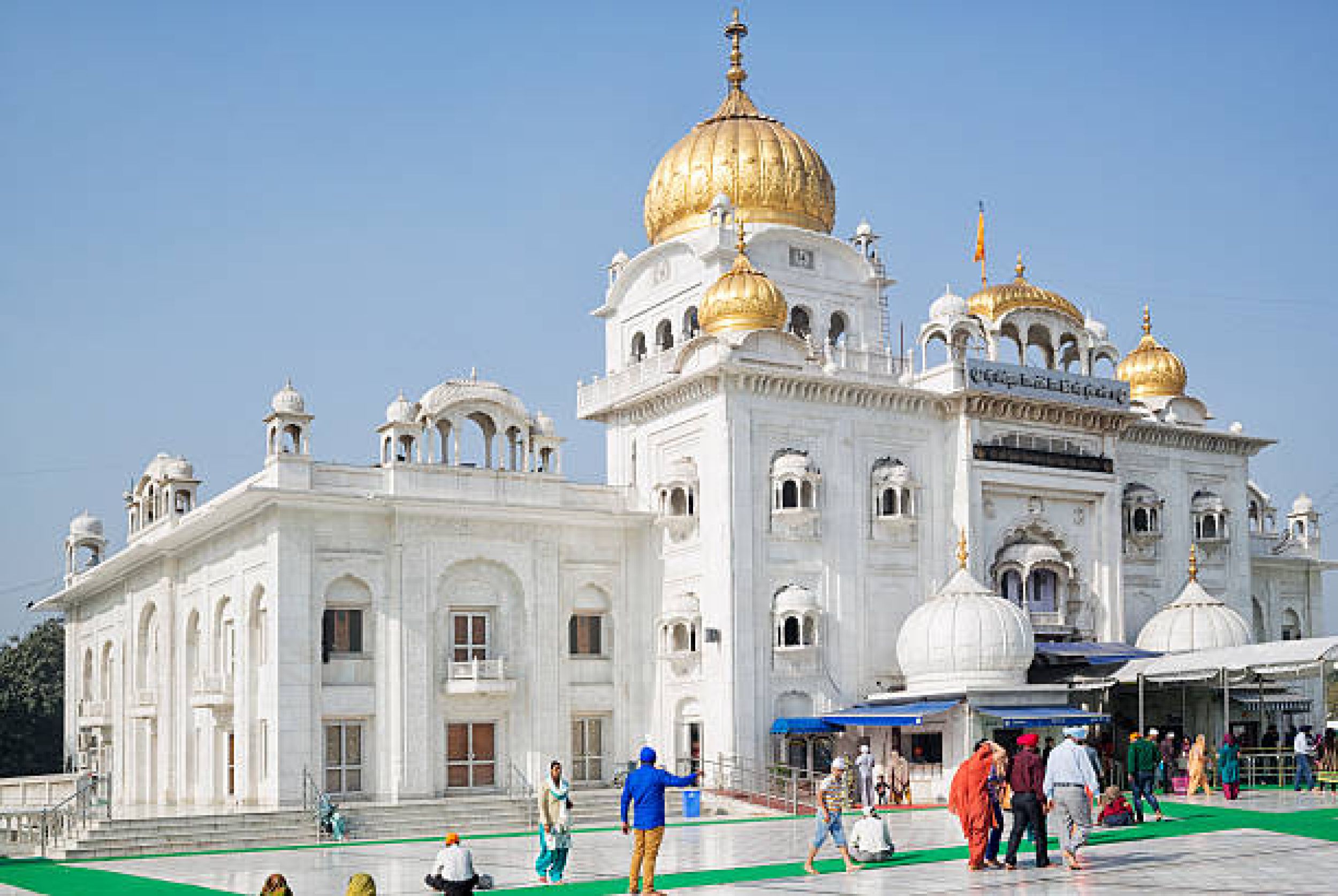
Gurudwara Bangla Sahib Delhi: Timings, Langar & Seva Information
Visit Gurudwara Bangla Sahib Delhi - sacred Sikh shrine dedicated to Guru Har Krishan. Discover lang timings, history, architecture, dress code & spiritual experience.
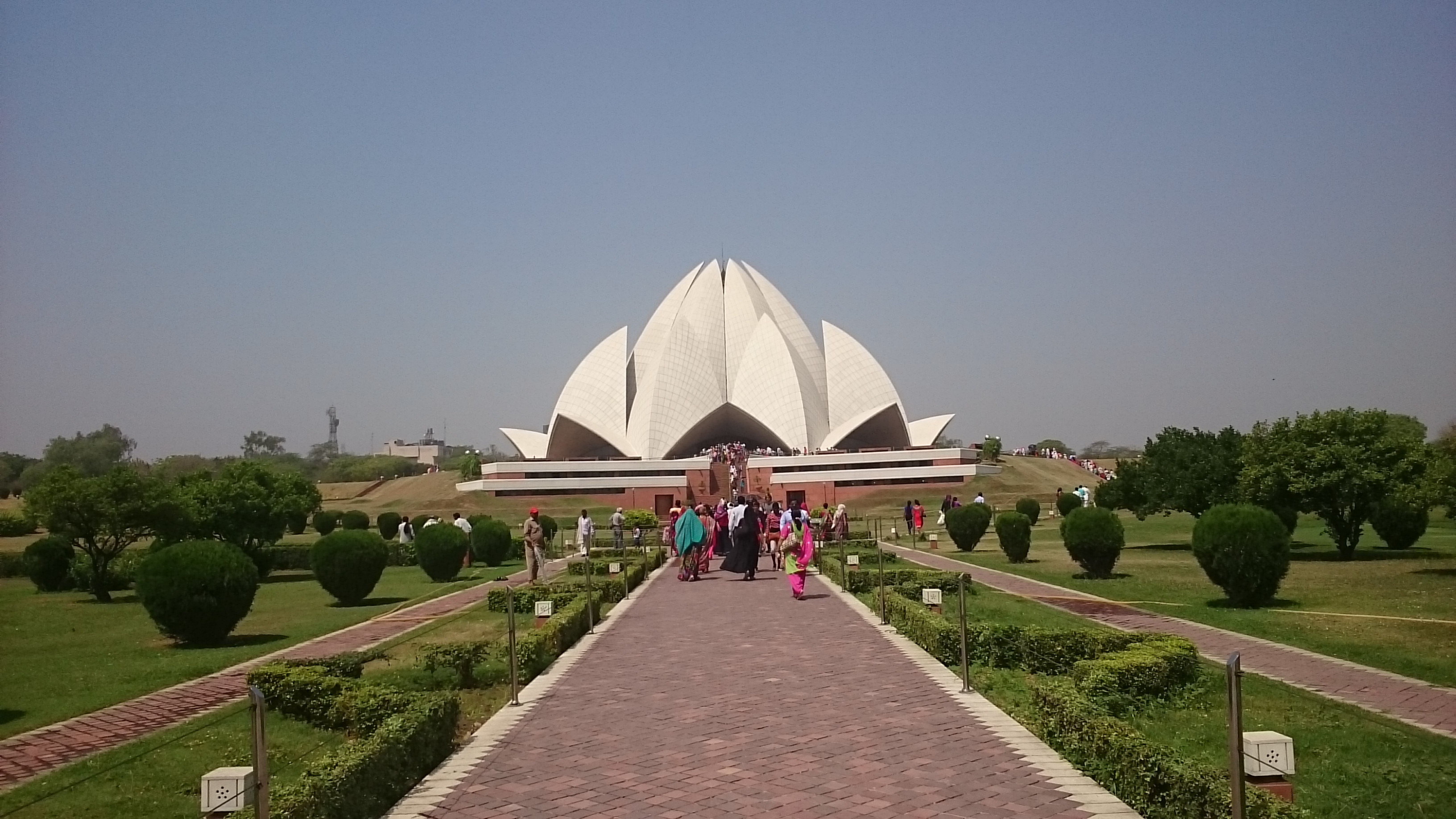
Lotus Temple Delhi: Timings, Entry Rules & Best Visiting Hours
Lotus Temple Delhi complete visitor guide: FREE entry, timings (9 AM-5:30 PM winter, 9 AM-7 PM summer), nearest metro (Kalkaji Mandir), photography rules, dress code, meditation tips & best time to visit. Plan your peaceful retreat.
Never Miss an Adventure
Get the latest trekking guides, travel tips, and exclusive offers delivered straight to your inbox.
