
Sajjangarh Biological Park Udaipur: Tickets, Timings & Animal Enclosures

Rahul Garg
January 20, 2026
Explore Sajjangarh Biological Park Udaipur - home to tigers, lions, and diverse wildlife. Discover safari experiences, timings, entry fees, and travel tips for this Rajasthan wildlife haven.
Introduction: Udaipur's Wildlife Haven
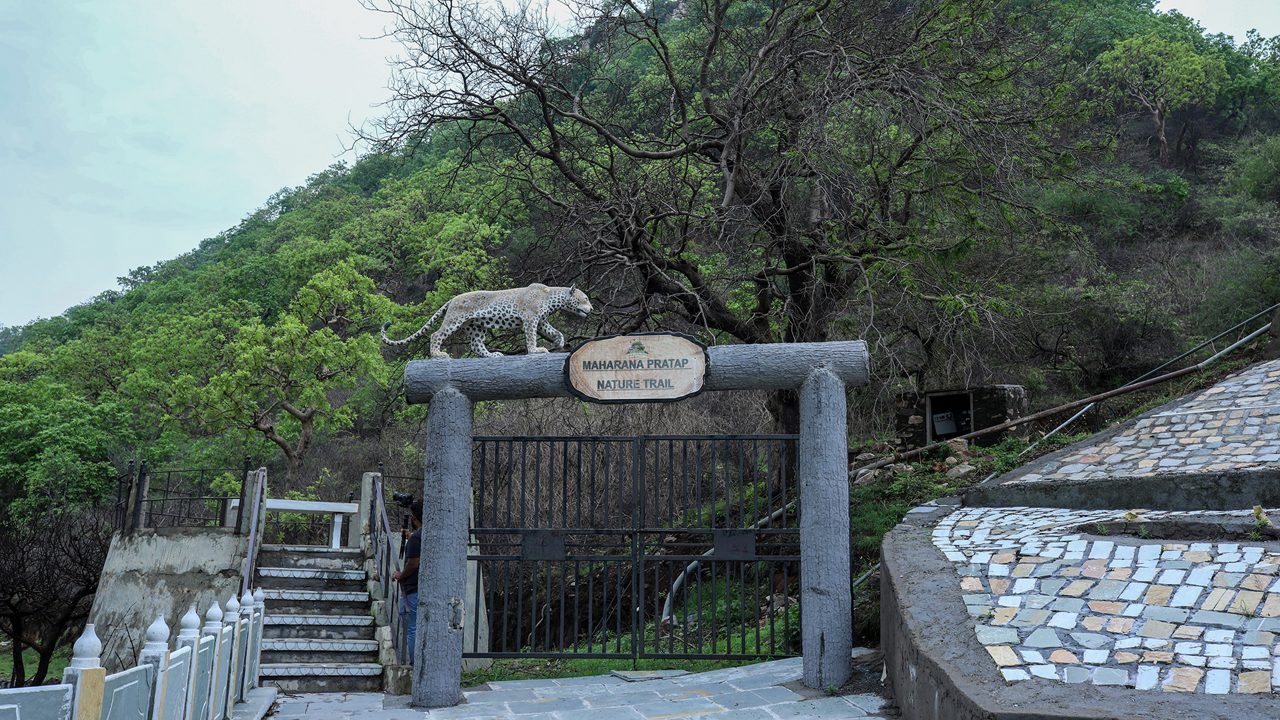
Nestled in the Aravalli hills near the famous Monsoon Palace, Sajjangarh Biological Park stands as Udaipur's premier wildlife destination. This sprawling 31-hectare park, established in 2010, offers visitors a unique opportunity to observe diverse animal species in carefully designed natural habitats. As one of Rajasthan's most well-maintained zoological parks, it has become a must-visit attraction for wildlife enthusiasts, families, and tourists exploring the City of Lakes.
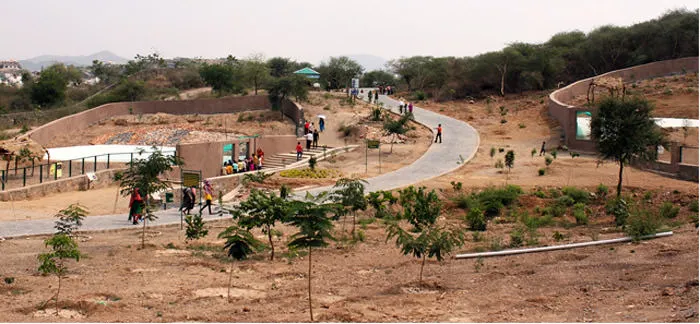
The biological park serves a dual purpose: conservation education and wildlife tourism. Managed by the Rajasthan Forest Department, it plays a crucial role in protecting endangered species while raising awareness about wildlife preservation among visitors. The park's strategic location on a hilltop provides animals with a natural environment while offering visitors breathtaking views of Udaipur's lakes and palaces in the distance.
What makes Sajjangarh Biological Park special is its commitment to creating spacious enclosures that mimic natural habitats. Unlike traditional zoos, this park focuses on animal welfare and conservation, making it a leader in ethical wildlife tourism in Rajasthan. Whether you're traveling with children, interested in wildlife photography, or simply seeking a peaceful retreat from Udaipur's bustling tourist spots, this biological park offers an enriching experience for all ages.
About Sajjangarh Biological Park
Sajjangarh Biological Park was established with a clear mission: wildlife conservation, education, and creating awareness about Rajasthan's rich biodiversity. The park spans over 31 hectares on the hilltop near the iconic Monsoon Palace, offering animals a natural habitat within the Aravalli mountain range. This location was carefully chosen for its elevation, climate, and natural vegetation, making it ideal for various species to thrive.
The park is divided into several zones, each housing different types of animals based on their natural habitat requirements. From the carnivore zone featuring majestic tigers and lions to the herbivore zone with various deer species, every section is designed to provide animals with ample space and natural surroundings. The park also features separate enclosures for reptiles, birds, and small mammals, ensuring that each species receives appropriate care.
One of the park's unique features is its location within the catchment area of Fateh Sagar Lake. This natural water source helps maintain the park's ecosystem and provides water for the animals. The surrounding Aravalli hills create a natural barrier and add to the park's scenic beauty, making it one of the most picturesque zoological parks in India.
Conservation Efforts
The biological park actively participates in conservation breeding programs for endangered species. It serves as an important center for wildlife research and education in Rajasthan. The park regularly organizes awareness programs for school children and tourists, highlighting the importance of wildlife conservation and biodiversity protection.
Animals and Wildlife
Sajjangarh Biological Park is home to an impressive variety of wildlife, making it a fascinating destination for animal lovers. The park houses over 50 different species, including mammals, birds, and reptiles. The diverse collection includes both native Indian wildlife and exotic species from around the world.
| Animal Category | Species | Key Features |
|---|---|---|
| Big Cats | Bengal Tigers, Asiatic Lions, Leopards | Majestic predators, main attraction |
| Herbivores | Sambar, Chital, Nilgai, Blackbuck | Graceful deer species, active throughout day |
| Birds | Peacocks, Parrots, Migratory Birds | Colorful avian species, birdwatching paradise |
| Reptiles | Various Snakes, Lizards, Tortoises | Essential ecosystem members |
The Big Cats
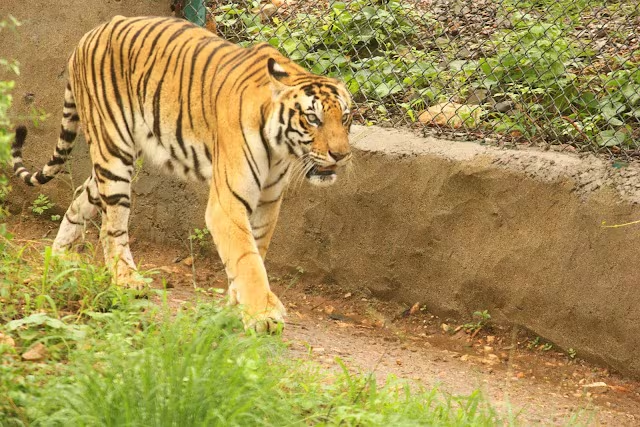
The star attractions of Sajjangarh Biological Park are undoubtedly the big cats. The park's Bengal tigers are among the most popular exhibits, drawing visitors who wish to see these magnificent predators up close. The tiger enclosures are designed with natural rock formations, water bodies, and dense vegetation, providing the animals with an environment that closely resembles their natural habitat.
The Asiatic lions, another major attraction, represent India's pride in wildlife conservation. These rare lions, found only in the Gir forest of Gujarat, are part of an important conservation breeding program. Seeing these majestic creatures in a well-maintained environment offers visitors a unique opportunity to learn about the challenges facing lion conservation in India.
Deer and Antelope Species
The park houses several species of deer and antelopes, including the graceful Sambar deer, spotted Chital, and the majestic Nilgai. These herbivores can be seen grazing peacefully in their enclosures, especially during the early morning and late afternoon when temperatures are cooler. The Blackbuck, an endangered antelope species native to India, is another highlight of the park's collection.
Avian Diversity
Bird enthusiasts will find plenty to admire at Sajjangarh Biological Park. The park's bird collection includes colorful parrots, peacocks, and various species of waterfowl. During the winter months, the park also hosts several migratory bird species, making it an excellent spot for birdwatching. The spacious aviaries allow birds to fly freely while ensuring their safety and conservation.
Safari Experience
One of the most exciting aspects of visiting Sajjangarh Biological Park is the safari experience. The park offers guided jeep safaris that take visitors through designated paths, providing close encounters with various animals in their enclosures. Unlike traditional zoos where animals are viewed from behind bars, the safari experience here allows for more natural wildlife observation.
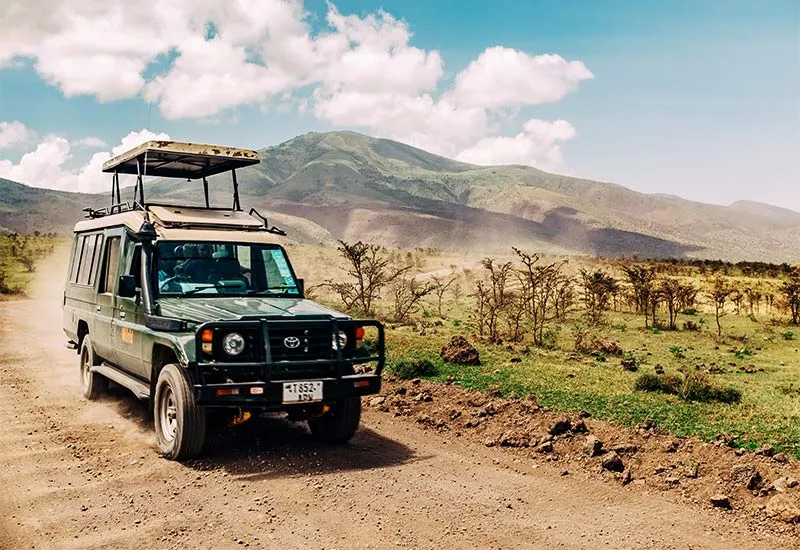
The safari typically lasts 1-2 hours, depending on the route and animal activity. Experienced naturalists accompany each safari, providing valuable insights about the animals, their behavior, and conservation efforts. These guides are knowledgeable about the park's inhabitants and help visitors spot animals that might be hidden in the vegetation.
What to Expect on Safari
During the safari, visitors travel in secure, open vehicles that allow for excellent photography opportunities. The routes are carefully designed to cover all major enclosures while minimizing disturbance to the animals. Morning safaris are particularly rewarding as animals are most active during cooler hours, and the lighting is perfect for photography.
The safari experience includes stops at key viewing points where visitors can observe tigers, lions, and other animals from a safe distance. The guides use their expertise to locate animals and share interesting facts about each species. Children especially enjoy the adventure of riding through the park and spotting animals in their natural-looking habitats.
Booking and Timings
Safari bookings can be made online in advance or at the park entrance, subject to availability. Morning slots (9:00 AM - 11:00 AM) and evening slots (3:00 PM - 5:00 PM) are available. Each safari vehicle accommodates up to 6-8 passengers, making it ideal for families and small groups. Private safari bookings are also available for those seeking a more personalized experience.
Timings and Entry Fee
Planning a visit to Sajjangarh Biological Park requires knowledge of the park's operating hours and ticket prices. The park follows a schedule that accommodates both morning and evening visitors, ensuring optimal wildlife viewing opportunities.
| Category | Details |
|---|---|
| Opening Days | Tuesday to Sunday (Closed on Mondays) |
| Winter Timings | 9:00 AM - 5:30 PM (October - March) |
| Summer Timings | 9:00 AM - 6:00 PM (April - June) |
| Monsoon Timings | 9:00 AM - 5:00 PM (July - September) |
| Adult Entry Fee | ₹100 per person |
| Child Entry Fee | ₹50 per person (ages 5-12) |
| Safari Charges | ₹200-₹500 per person (depending on vehicle type) |
| Camera Fee | ₹50 (still camera), ₹200 (video camera) |
Additional Charges
Visitors should note that the entry fee covers access to the walking areas and basic animal viewing. The safari experience requires an additional fee, which varies depending on the type of vehicle chosen. Private vehicle safaris cost more but offer a more personalized experience and better photography opportunities.
Professional photographers and videographers need to pay additional fees for bringing their equipment. Still cameras are charged at ₹50, while video cameras incur a fee of ₹200. These charges help support the park's conservation efforts and maintenance.
Online Booking
The park offers online booking facilities for both entry tickets and safari rides. Advance booking is recommended, especially during weekends and holidays when the park receives maximum visitors. Online tickets can be purchased through the official Rajasthan Forest Department website or authorized travel portals. Booking online not only saves time at the entrance but also guarantees safari slots, which are limited.
Best Time to Visit
Choosing the right time to visit Sajjangarh Biological Park can significantly enhance your experience. The park is open throughout the year, but each season offers a different wildlife viewing experience. Understanding these seasonal variations helps in planning the perfect visit.
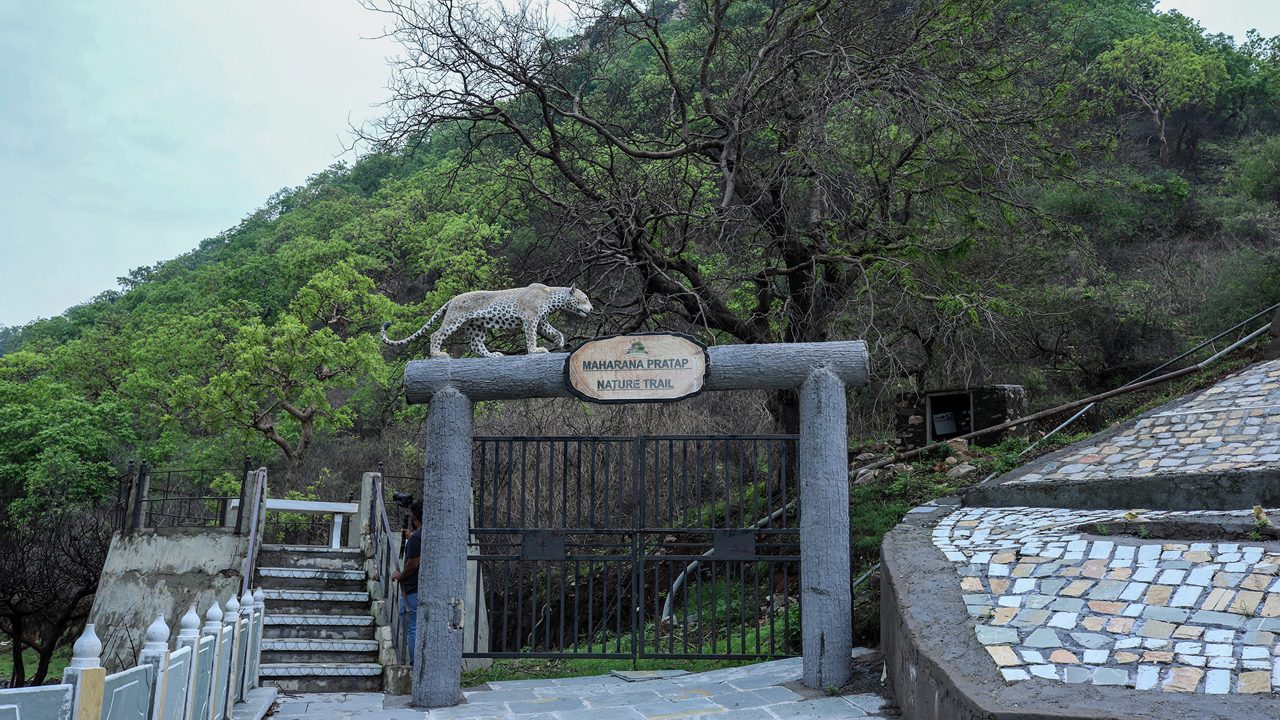
Winter Season (October - March)
Winter is widely considered the best time to visit Sajjangarh Biological Park. From October to March, the weather is pleasant with temperatures ranging between 15°C to 25°C during the day. Animals are most active during these months, often coming out of their shelters to bask in the sun. This makes wildlife viewing easier and more rewarding.
The winter season is also ideal for photography, with soft natural light and clear skies. Morning safaris during winter are particularly magical, as you might see animals covered in morning dew or mist. The park's surroundings are lush green after the monsoon, creating a beautiful backdrop for wildlife photography.
Monsoon Season (July - September)
The monsoon season transforms the park into a verdant paradise. The Aravalli hills turn lush green, and the entire park comes alive with fresh vegetation. While rainfall can be unpredictable, animals tend to be active during breaks in the rain. The park's water bodies fill up, attracting migratory birds and making it an excellent time for birdwatching.
Visitors during monsoon should carry rain gear and wear waterproof footwear. The park may close temporarily during heavy rainfall for safety reasons. However, the crowds are thinner during this season, allowing for a more peaceful wildlife viewing experience.
Summer Season (April - June)
Summer in Udaipur can be quite hot, with temperatures reaching up to 40°C. However, early morning visits (before 10 AM) can still be productive as animals emerge to drink water and cool down. The park provides water shelters and misting systems for animals during summer, so visitors can still see wildlife, though they may be less active during peak afternoon hours.
If visiting during summer, plan your visit for early morning or late afternoon. Carry plenty of water, wear sunscreen, and dress in light, breathable clothing. The advantage of visiting in summer is fewer crowds and potentially clearer views as animals gather around water sources.
Tips for Timing Your Visit
- Best Hours: 9:00 AM - 11:00 AM or 3:00 PM - 5:00 PM when animals are most active
- Feeding Times: Plan your visit around animal feeding schedules for the best wildlife action
- Weekdays: Visit on weekdays to avoid crowds and have a more intimate experience
- Weather: Check the weather forecast and plan accordingly, especially during monsoon
How to Reach Sajjangarh Biological Park
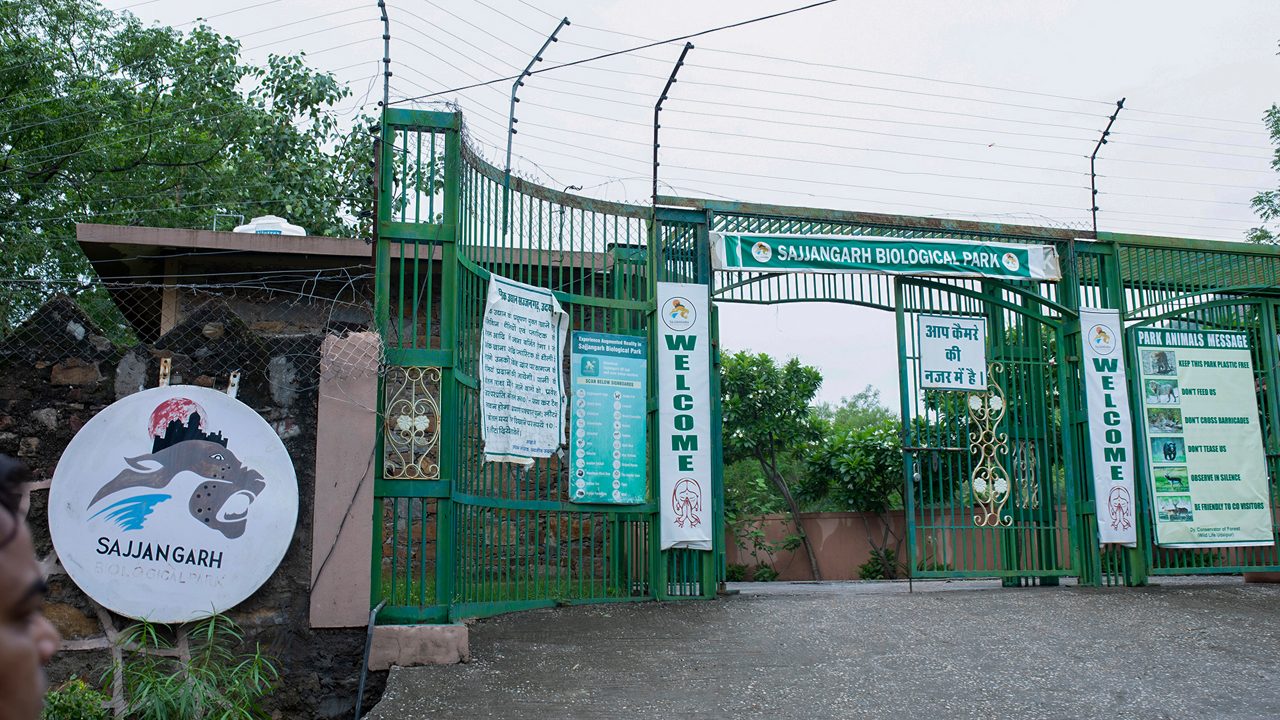
Getting to Sajjangarh Biological Park is relatively easy as it's well-connected to various parts of Udaipur. The park's location on a hilltop near the Monsoon Palace makes it accessible by road from all major tourist areas in the city.
| From Location | Distance | Approximate Cost | Travel Time |
|---|---|---|---|
| City Center | 8 km | ₹150 by auto-rickshaw | 20-25 minutes |
| Fateh Sagar Lake | 4 km | ₹80 by auto-rickshaw | 10-15 minutes |
| Lake Palace | 10 km | ₹200 by taxi | 25-30 minutes |
| City Palace | 9 km | ₹180 by auto-rickshaw | 20-25 minutes |
| Udaipur Railway Station | 12 km | ₹250 by taxi | 30-35 minutes |
By Auto-Rickshaw
Auto-rickshaws are the most common and economical mode of transport to reach the biological park. They are readily available from all major tourist locations in Udaipur. Auto-rickshaws can take you up to the base of the hill, from where the park entrance is a short walk or a quick ride in shared jeeps that operate during peak tourist season.
By Taxi or Private Car
Hiring a taxi or driving a private car offers more comfort, especially during summer or monsoon. Taxis can be hired for a half-day or full-day, allowing you to combine the biological park visit with other nearby attractions like the Monsoon Palace or Fateh Sagar Lake. Private vehicles also provide flexibility with timing and are ideal for families with children or elderly members.
By Bus
City buses run by the Rajasthan State Road Transport Corporation connect major parts of Udaipur to the area near Sajjangarh Biological Park. However, buses don't go all the way to the entrance, so you'll need to walk or take an auto-rickshaw from the nearest bus stop. This is the most budget-friendly option but may take longer.
Route Information
The main route to the biological park goes through Fateh Sagar Road. The road is well-maintained but includes some steep stretches as you ascend the hill. The drive offers beautiful views of Udaipur's lakes and the surrounding Aravalli hills. During monsoon, the route becomes particularly scenic with green hills and waterfalls along the way.
Parking Facilities
The park has adequate parking facilities for private vehicles and two-wheelers. Parking charges are nominal, and the area is monitored by security personnel. During peak tourist season, parking can fill up quickly, so arriving early is recommended, especially if you're planning a morning safari.
Nearby Attractions
Many visitors combine their trip to Sajjangarh Biological Park with a visit to the nearby Monsoon Palace, which is located on the same hilltop. The palace offers panoramic views of Udaipur's lakes and is particularly beautiful at sunset. Other nearby attractions include Fateh Sagar Lake and Sukhadia Circle, a popular landmark in Udaipur.
Visitor Tips and Guidelines
To make the most of your visit to Sajjangarh Biological Park, keep these essential tips in mind. Proper planning and preparation will ensure a comfortable and enjoyable wildlife viewing experience.
What to Carry
- Water Bottle: Stay hydrated, especially during summer visits
- Sunscreen: Protect yourself from the harsh Rajasthan sun
- Hat/Cap: Essential for shade during midday visits
- Binoculars: For better wildlife viewing, especially of birds and distant animals
- Camera: Don't forget to pay the camera fee if carrying professional equipment
- Comfortable Walking Shoes: The park involves walking on uneven terrain
- Light Snacks: Food options inside are limited
Rules and Regulations
- No Feeding Animals: Strictly prohibited for animal safety
- No Flash Photography: Avoid disturbing animals
- Keep Distance: Don't cross safety barriers near enclosures
- No Plastic: The park is plastic-free, dispose of waste properly
- Quiet Behavior: Maintain silence for better animal viewing
- Follow Guide Instructions: Especially during safari tours
Facilities Available
The park provides basic facilities including drinking water stations, restrooms, and a small snack shop. Wheelchair accessibility is limited due to the park's hilly terrain, so visitors with mobility issues should plan accordingly. First aid facilities are available at the entrance, and park staff are trained to handle emergencies.
Photography Tips
- Golden Hours: Early morning and late afternoon offer the best lighting
- Patience: Wait for animals to move into good positions for shots
- Respect Boundaries: Don't lean over or cross safety barriers
- Zoom Lens: Essential for capturing distant wildlife
Conclusion
Sajjangarh Biological Park offers a perfect blend of wildlife education, conservation awareness, and natural beauty. Whether you're a wildlife enthusiast, a photographer, or traveling with family, this park provides an enriching experience that goes beyond typical zoo visits. The combination of diverse wildlife, natural habitat enclosures, and stunning Aravalli hill views makes it a standout attraction in Udaipur's tourism landscape.
The park's commitment to animal welfare and conservation education sets it apart as a responsible tourist destination. By visiting Sajjangarh Biological Park, you not only enjoy a memorable wildlife experience but also contribute to important conservation efforts in Rajasthan. The park serves as a reminder of the importance of protecting our natural heritage and the incredible biodiversity that India possesses.
For anyone exploring Udaipur and seeking a break from the city's lakes and palaces, Sajjangarh Biological Park offers the perfect escape into the wild. It's a place where nature meets education, where conservation meets tourism, and where every visit leaves you with a greater appreciation for wildlife and the need to protect it.
Location
Frequently Asked Questions
Q1.What are the timings of Sajjangarh Biological Park?
Q2.What is the entry fee for Sajjangarh Biological Park?
Q3.Where is Sajjangarh Biological Park located?
Q4.What animals are there in Sajjangarh Biological Park?
Q5.Is safari available at Sajjangarh Biological Park?
Q6.How much time is needed to visit Sajjangarh Biological Park?
Q7.What is the best time to visit Sajjangarh Biological Park?
Q8.How far is Sajjangarh Biological Park from Udaipur city?
Q9.Is Sajjangarh Biological Park open on Monday?
Q10.Can we visit Monsoon Palace along with Sajjangarh Biological Park?
Recommended For You
Places to Visit in Udaipur: Lakes, Palaces & Sunset Points
Explore best places to visit in Udaipur. City Palace, Lake Pichola, Jag Mandir & more. Complete guide to timings, entry fee & boat rides.

Udaipur in Monsoon: Romantic Weather, Places & Tips
Plan Udaipur in monsoon with weather insights, top rainy-season places, things to do, packing tips, and a practical itinerary for a smooth lake-city trip.
Best Time to Visit Udaipur: Weather, Festivals & Best Travel Months
Find the best time to visit Udaipur with a season-by-season weather guide, monthly breakdown, festival context, and practical planning tips.
Never Miss an Adventure
Get the latest trekking guides, travel tips, and exclusive offers delivered straight to your inbox.
