
Sajjangarh Monsoon Palace: Udaipur Hill Fort

Rohan Malhotra
December 25, 2025
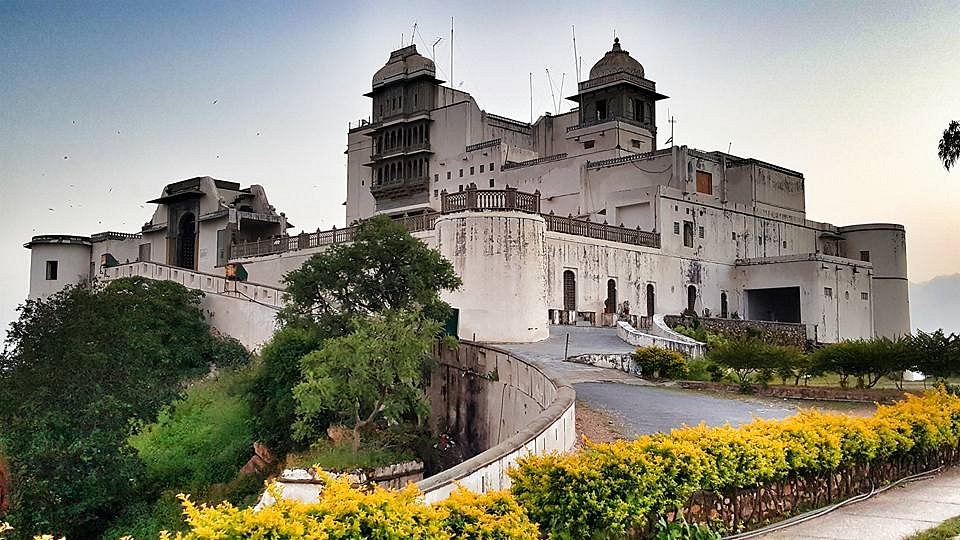
Perched atop the Aravalli Hills at 944 meters, Sajjangarh Monsoon Palace offers breathtaking views of Udaipur's lakes and stunning sunsets. Built in 1884 by Maharana Sajjan Singh, this white marble palace is a must-visit heritage site.
Introduction: The Monsoon Retreat of Udaipur
Perched atop the Bansdara Peak of the Aravalli Hills at an elevation of 944 meters, Sajjangarh Monsoon Palace stands as a magnificent testament to Rajasthan's royal heritage. This stunning white marble palace, overlooking the enchanting city of Udaipur, was originally built as a monsoon retreat for the Mewar dynasty rulers. The palace offers breathtaking panoramic views of Udaipur's lakes, including the shimmering Lake Pichola, Fateh Sagar, and Swaroop Sagar, making it one of the most Instagram-worthy spots in Rajasthan.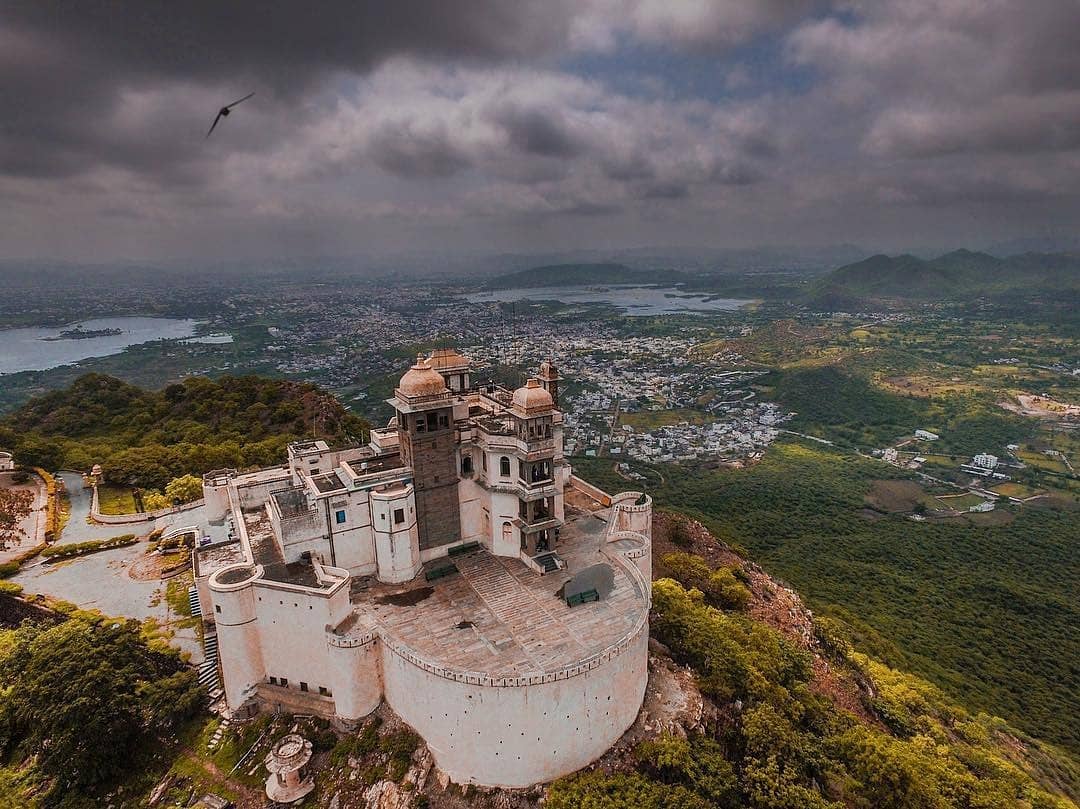 The palace gets its name from Maharana Sajjan Singh, who envisioned this hilltop fortress as a place to watch the monsoon clouds roll in over the surrounding landscape. Today, it stands as one of Udaipur's most popular tourist attractions, drawing visitors from around the world who come to witness its architectural grandeur and spectacular sunset views. Whether you're a history enthusiast, a photography lover, or simply seeking a serene escape from the bustling city below, Sajjangarh Monsoon Palace promises an unforgettable experience.
History of Sajjangarh Palace
| Historical Facts | Details |
|---|---|
| Built By | Maharana Sajjan Singh of Mewar |
| Year of Construction | 1884 |
| Purpose | Monsoon retreat and astronomical center |
| Named After | Maharana Sajjan Singh |
| Elevation | 944 meters above sea level |
| Current Status | Government monument under renovation |
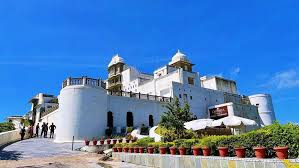 Following Maharana Sajjan Singh's untimely death, the palace remained abandoned for several decades. The British government later used it as a sanatorium for tuberculosis patients, taking advantage of the cool, clean air at this high altitude. In the subsequent years, the palace fell into disrepair until recent conservation efforts were undertaken to restore this magnificent structure to its former glory.
Today, Sajjangarh Monsoon Palace is recognized as a heritage monument and has been included in UNESCO's tentative list of World Heritage Sites. The palace stands as a proud reminder of the Mewar dynasty's architectural prowess and their deep connection with nature. The royal legacy of Udaipur is beautifully preserved within these white marble walls, making it a must-visit destination for anyone interested in exploring Rajasthan's rich cultural heritage.
Following Maharana Sajjan Singh's untimely death, the palace remained abandoned for several decades. The British government later used it as a sanatorium for tuberculosis patients, taking advantage of the cool, clean air at this high altitude. In the subsequent years, the palace fell into disrepair until recent conservation efforts were undertaken to restore this magnificent structure to its former glory.
Today, Sajjangarh Monsoon Palace is recognized as a heritage monument and has been included in UNESCO's tentative list of World Heritage Sites. The palace stands as a proud reminder of the Mewar dynasty's architectural prowess and their deep connection with nature. The royal legacy of Udaipur is beautifully preserved within these white marble walls, making it a must-visit destination for anyone interested in exploring Rajasthan's rich cultural heritage.
Royal Heritage and Mewar Dynasty Legacy
The Mewar dynasty, one of the oldest ruling dynasties in the world, has been instrumental in shaping the cultural landscape of Rajasthan. Sajjangarh Palace represents the pinnacle of their architectural achievements during the 19th century. Unlike other forts and palaces in Rajasthan that were primarily built for defense, this palace was conceived as a retreat - a place where royalty could connect with nature and find solace away from the rigors of court life. The palace's design reflects the unique sensibilities of the Mewar rulers, who were known for their patronage of arts, architecture, and sciences. The incorporation of astronomical elements in the palace's design speaks volumes about the scientific temperament of Maharana Sajjan Singh, who was not just a warrior but also a scholar and a lover of nature.Architecture and Design
Sajjangarh Monsoon Palace showcases a beautiful blend of Indo-European architectural styles, a testament to the evolving design sensibilities of the late 19th century. The palace is built entirely of white marble, which gleams brilliantly under the Rajasthan sun, creating a striking contrast against the rugged Aravalli Hills that surround it.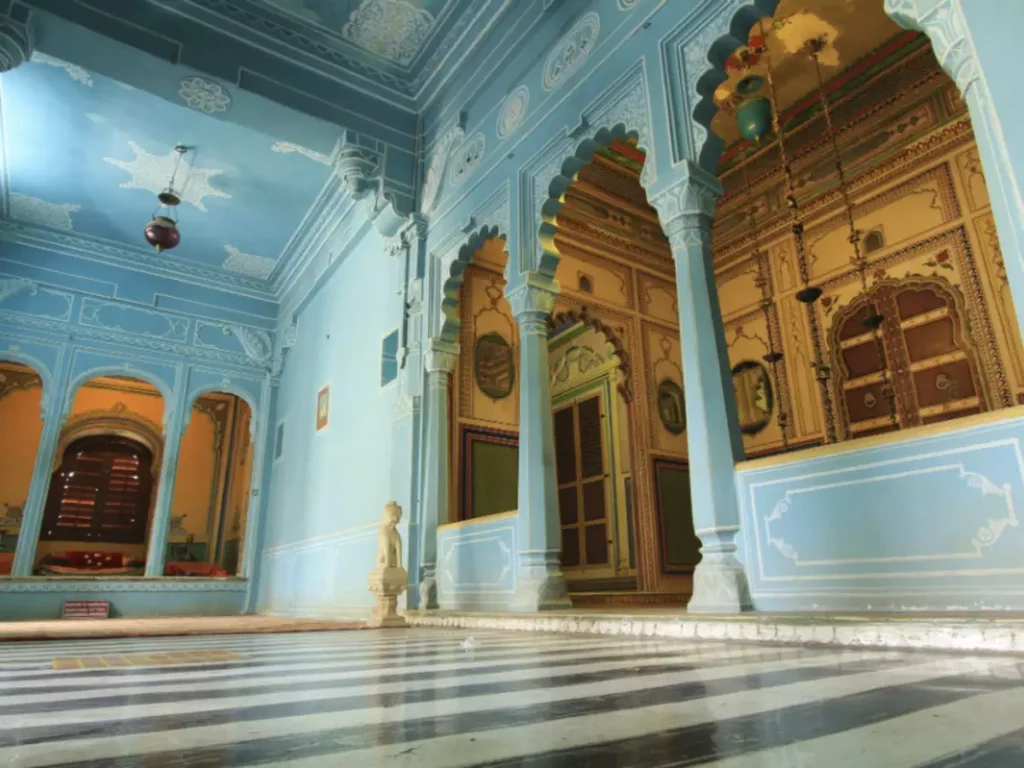
Architectural Highlights
| Feature | Description |
|---|---|
| Style | Indo-European fusion architecture |
| Primary Material | White marble |
| Structure | Rectangular with central courtyard |
| Turrets | Corner towers with intricate carvings |
| Rooms | Royal chambers, zenana quarters, observation decks |
| Water System | Ancient rainwater harvesting techniques |
Design Philosophy and Layout
The design philosophy behind Sajjangarh Monsoon Palace was deeply influenced by its intended purpose as a monsoon retreat. The orientation of the palace, the placement of windows, and the creation of open terraces were all carefully planned to maximize views of the approaching monsoon clouds and the dramatic rain showers that transform the arid landscape of Rajasthan into a verdant paradise. The palace's elevation on Bansdara Peak was not just for aesthetic reasons - it also served practical purposes. The height provided natural cooling during the scorching Rajasthan summers, while the unobstructed views allowed for astronomical observations, which were of great interest to Maharana Sajjan Singh. The palace's layout reflects this dual purpose of leisure and scientific inquiry, with dedicated spaces for relaxation as well as observation decks equipped with instruments for studying the sky.Panoramic Views and Sunset
The primary draw of Sajjangarh Monsoon Palace is undoubtedly its breathtaking panoramic views of Udaipur and its surrounding landscape. Perched high above the city, the palace offers a 360-degree view that encompasses Udaipur's famous lakes, the sprawling cityscape, and the majestic Aravalli Hills stretching into the distance.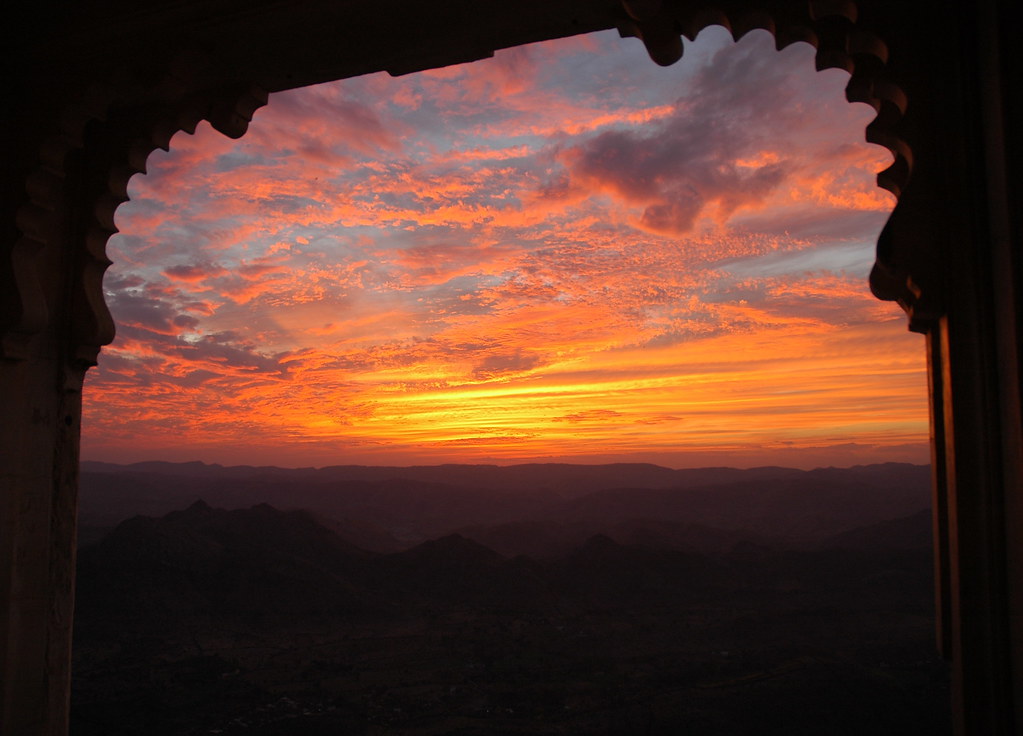
Lakes View from the Palace
From the palace's observation decks, visitors can see three of Udaipur's most beautiful lakes:- Lake Pichola: The iconic lake that features the stunning Lake Palace and Jag Mandir, looking like pearls floating on water
- Fateh Sagar: The second-largest lake in Udaipur, with its beautiful promenades and Nehru Park
- Swaroop Sagar: A smaller lake that connects to the other water bodies, creating a stunning interconnected water system
The Sunset Experience
Sunset at Sajjangarh Monsoon Palace is nothing short of magical. As the sun begins its descent, the white marble palace takes on a golden hue, creating a perfect photo opportunity. The changing colors of the sky - from brilliant oranges and pinks to deep purples and blues - reflect beautifully on the lakes below, creating a breathtaking natural light show. Many visitors time their visit to coincide with sunset, arriving in the late afternoon to explore the palace before settling down to watch the sun go down. The experience of watching the sunset from this vantage point, with the entire city of Udaipur laid out before you, is one that stays with you long after you've returned home. Photographers particularly love this time of day, as the soft golden light creates perfect conditions for capturing stunning images of the palace and the landscape beyond.Foggy Days and Monsoon Magic
While clear days offer spectacular views, there's something equally enchanting about visiting Sajjangarh Palace during foggy or overcast weather. On misty days, particularly during the winter months, the palace appears to float above a sea of clouds, with only the tallest spires of Udaipur's temples and palaces visible below. This ethereal atmosphere gives the palace an almost otherworldly quality. During the monsoon season, when the clouds descend and envelop the palace, visitors can experience the phenomenon of being surrounded by mist while rain falls on the marble terraces. This was the very experience that Maharana Sajjan Singh sought to create when he built the palace - a place where one could be immersed in the drama of the monsoon while remaining dry and comfortable within elegant surroundings.Timings and Entry Fee
Planning your visit to Sajjangarh Monsoon Palace requires knowledge of the opening hours and ticket prices. The palace is maintained by the Rajasthan government and is open to visitors throughout the week, making it accessible for tourists with any schedule.| Particulars | Details |
|---|---|
| Opening Days | All days of the week |
| Opening Time | 9:00 AM |
| Closing Time | 6:00 PM |
| Best Time to Visit | 4:00 PM - 6:00 PM (for sunset views) |
| Indian Citizens | ₹100 per person |
| Foreign Tourists | ₹400 per person |
| Still Camera | Free photography allowed |
| Video Camera | ₹50 additional charge |
| Suggested Duration | 1-2 hours |
Tips for Ticket Purchase and Entry
When purchasing tickets, make sure to carry a valid ID proof, as this may be required for verification, especially for foreign tourists. The ticket counter accepts cash payments, and it's a good idea to carry exact change to avoid delays. Children below a certain age (usually 15 years) may be eligible for discounted or free entry, so it's worth checking the current policy at the ticket counter. If you're planning to visit multiple monuments in Udaipur, consider purchasing a composite ticket or tourist pass that offers discounted entry to several attractions. The monsoon season is particularly popular, so expect larger crowds during July and August. Visiting on weekdays can help avoid the weekend rush, giving you more space and time to enjoy the palace at your own pace.Best Time to Visit Sajjangarh Palace
Choosing the right time to visit Sajjangarh Monsoon Palace can significantly enhance your experience. Udaipur's climate varies throughout the year, and each season offers a different perspective of the palace and its surroundings.Winter Season (October - March)
Winter is undoubtedly the best time to visit Sajjangarh Monsoon Palace for clear views and pleasant weather. From October to March, the skies are generally clear, offering unobstructed views of Udaipur's lakes and the Aravalli Hills. The daytime temperatures during these months range from 20°C to 30°C, making it comfortable to explore the palace complex without worrying about heat exhaustion. The winter months also bring occasional foggy mornings, which create a mystical atmosphere around the palace. Arriving early in the morning during winter can reward you with the spectacular sight of the palace emerging from the mist as the sun rises. Winter evenings, while cooler, are perfect for watching the sunset without the discomfort of summer heat.Monsoon Season (July - September)
Despite being called the Monsoon Palace, the monsoon season can be a tricky time to visit. On one hand, this is when the palace lives up to its name - the surrounding hills turn lush green, the lakes fill up, and dramatic cloud formations provide a spectacular backdrop. However, heavy rainfall can also obscure views and make the trek to the palace uncomfortable. If you're visiting during the monsoon, try to plan your trip for a day when the rain has paused or is expected to be light. The days immediately following a rain shower often offer the clearest views, with the washed landscape looking fresh and vibrant. The monsoon season also attracts fewer tourists, so you might have the palace mostly to yourself.Summer Season (April - June)
Summer in Udaipur can be extremely hot, with daytime temperatures often exceeding 40°C. While the palace's elevation provides some relief from the heat, it can still be uncomfortable to explore during the peak afternoon hours. If you must visit during summer, plan your trip for early morning or late afternoon, avoiding the midday sun entirely. Despite the heat, summer does offer one advantage - the skies are generally clear and haze-free, providing excellent visibility. The lakes may be at their lowest levels, but this reveals more of the surrounding landscape and the interesting topography of the Aravalli Hills. Make sure to carry plenty of water, wear sunscreen, and use protective clothing if visiting during these months.Special Times to Visit
- Full Moon Nights: While the palace closes at sunset, planning a visit around the full moon can be rewarding. The moonlit views of the palace from different vantage points in Udaipur are spectacular.
- Early Morning: Arriving when the palace opens at 9:00 AM gives you the chance to explore before the crowds arrive and before the heat builds up.
- Golden Hour: The hour before sunset offers the best lighting for photography and the most atmospheric views of the city.
How to Reach Sajjangarh Monsoon Palace
Reaching Sajjangarh Monsoon Palace is relatively straightforward, with multiple transportation options available from different parts of Udaipur. The palace is located approximately 5 kilometers from the city center, making it easily accessible for tourists staying in most Udaipur hotels.| From Location | Distance | Approximate Cost | Travel Time |
|---|---|---|---|
| City Palace Udaipur | 5 km | ₹100 by auto-rickshaw | 15-20 minutes |
| Fateh Sagar Lake | 4 km | ₹80 by auto-rickshaw | 12-15 minutes |
| Lake Pichola | 6 km | ₹120 by taxi | 15-20 minutes |
| Udaipur Railway Station | 7 km | ₹150 by taxi | 20-25 minutes |
| Maharana Pratap Airport | 24 km | ₹400-500 by taxi | 45-50 minutes |
By Auto-Rickshaw
Auto-rickshaws are the most popular and economical way to reach Sajjangarh Palace from anywhere in Udaipur. They're readily available near major tourist spots, hotels, and transportation hubs. The ride to the palace takes you through winding roads that offer glimpses of rural Udaipur, with traditional houses and open fields creating a pleasant prelude to the palace visit. Negotiate the fare before starting your journey, or ask the driver to use the meter. Most auto-rickshaw drivers are familiar with the palace and can drop you right at the entrance gate. Keep in mind that auto-rickshaws can only go up to a certain point - from the parking area, you'll need to walk the final stretch to reach the palace entrance.By Taxi or Private Car
For a more comfortable journey, especially if traveling in a group or with elderly family members, hiring a taxi or using your own vehicle is a good option. Taxis can be booked through your hotel or through ride-hailing apps that operate in Udaipur. Private vehicles have the advantage of air conditioning, which can be a blessing during the hot summer months. The road to the palace is well-paved but winding, with several hairpin bends as it climbs the Bansdara Peak. If you're prone to motion sickness, consider taking medication before the journey. The drive itself is scenic, offering increasingly beautiful views of Udaipur as you ascend.The Hill Trek Option
For adventure enthusiasts and fitness lovers, there's an option to trek part of the way up to the palace. A 15-minute uphill hike from the base offers a closer connection with the Aravalli landscape and the satisfaction of reaching the palace on foot. This option is best attempted during the cooler months and requires comfortable walking shoes with good grip. The trek path is not well-marked, so it's advisable to go with a local guide or join an organized trekking group. The path takes you through rocky terrain with sparse vegetation, offering opportunities to spot local bird species and enjoy the silence of the hills away from the city's hustle.Parking Facilities
If you're driving to the palace, there's a designated parking area at the base of the final ascent. The parking facility is basic but adequate for cars and two-wheelers. There's usually a small parking fee, and it's advisable to arrive early during peak season to secure a spot, as the parking area can fill up quickly in the late afternoon when visitors arrive for sunset views. From the parking area, it's a short walk uphill to the palace entrance. The path is paved but steep in sections, so take your time and carry water, especially during hot weather. Local vendors sometimes set up small stalls near the parking area selling cold drinks and snacks.Nearby Attractions to Combine with Your Visit
To make the most of your trip to this part of Udaipur, consider combining your visit to Sajjangarh Monsoon Palace with other nearby attractions. The area around the palace has several interesting places that complement the palace visit and provide a fuller experience of Udaipur's royal heritage. Sajjangarh Biological Park, located just 2 kilometers from the palace, is a popular wildlife sanctuary that houses various species of animals and birds native to Rajasthan. The park is particularly known for its conservation efforts and offers jeep safaris that allow visitors to see animals in a natural habitat setting. A morning visit to the biological park followed by an evening at the Monsoon Palace makes for a perfect day itinerary. The Bagore Ki Haveli, located near Lake Pichola on your way back from the palace, offers a fascinating glimpse into the lifestyle of Udaipur's nobility. The haveli features an extensive collection of artifacts, costumes, and traditional Rajasthani art. The evening cultural show here, featuring traditional dance and music performances, is highly recommended. Ahar Cenotaphs, located about 3 kilometers from the palace complex, is an ancient royal cremation ground with beautifully carved cenotaphs dedicated to the Maharanas of Mewar. These architectural marvels are less visited but offer a peaceful atmosphere and intricate stone carvings that rival any temple in Rajasthan.Photography Tips for Capturing Sajjangarh Palace
For photography enthusiasts, Sajjangarh Monsoon Palace offers endless opportunities to capture stunning images. Here are some tips to help you make the most of your photography session:- Golden Hour: Arrive at least an hour before sunset to capture the palace in the warm golden light that makes the white marble glow.
- Wide Angle: Use a wide-angle lens to capture both the palace architecture and the panoramic view of Udaipur in a single frame.
- Reflections: After rains, puddles on the palace terraces create beautiful reflections of the palace and sky.
- Silhouettes: Position yourself so that the palace creates a dramatic silhouette against the colorful sunset sky.
- Details: Don't forget to capture the intricate marble carvings and architectural details that showcase Rajasthani craftsmanship.
- Seasonal Variation: Visit in different seasons to capture the palace against varied backdrops - green in monsoon, brown in summer, and misty in winter.
Conservation and Future of Sajjangarh Palace
Sajjangarh Monsoon Palace has undergone significant conservation work in recent years to restore and preserve this architectural gem for future generations. The Archaeological Survey of India, along with the Rajasthan government, has been working on stabilizing the structure, repairing damaged sections, and implementing measures to protect the palace from weathering and human impact. The palace's inclusion in UNESCO's tentative list of World Heritage Sites has brought international attention to its conservation needs. Ongoing work includes restoration of the marble facades, strengthening of the foundation, and development of visitor facilities that don't compromise the palace's heritage value. Plans are also underway to develop the area around the palace as a cultural tourism destination, with improved visitor centers, interpretation panels explaining the palace's history and architecture, and better facilities for tourists. These efforts aim to strike a balance between preserving the palace's heritage value and making it accessible to visitors from around the world.Conclusion: A Royal Experience Above the Clouds
Sajjangarh Monsoon Palace stands as a testament to the vision of Maharana Sajjan Singh and the architectural brilliance of the Mewar dynasty. Whether you're watching the sunset paint the sky in brilliant colors, gazing at the monsoon clouds gathering over the lakes, or simply exploring the elegant marble corridors, a visit to this hilltop palace is an experience that captures the essence of Udaipur's royal heritage. As you walk through the palace, imagine the Maharana and his court enjoying the cool breezes and panoramic views, far removed from the cares of state below. Today, visitors from around the world can share in this experience, connecting with Rajasthan's royal past in one of its most spectacular settings. Sajjangarh Monsoon Palace is more than just a monument - it's a window into a world where luxury, nature, and architecture blended seamlessly to create something truly extraordinary. Whether you're a first-time visitor to Udaipur or a returning traveler who can't get enough of this beautiful city, Sajjangarh Monsoon Palace deserves a prominent place on your itinerary. Come for the views, stay for the sunset, and leave with memories that will last a lifetime.Location
Frequently Asked Questions
Q1.What is Sajjangarh Monsoon Palace famous for?
Q2.What are the timings of Monsoon Palace Udaipur?
Q3.What is the entry fee for Sajjangarh Palace?
Q4.Is sunset view good at Monsoon Palace?
Q5.How far is Monsoon Palace from Udaipur city?
Q6.Can we visit Monsoon Palace at night?
Q7.What is the best time to visit Sajjangarh Palace?
Q8.How to reach Monsoon Palace from City Palace?
Recommended For You
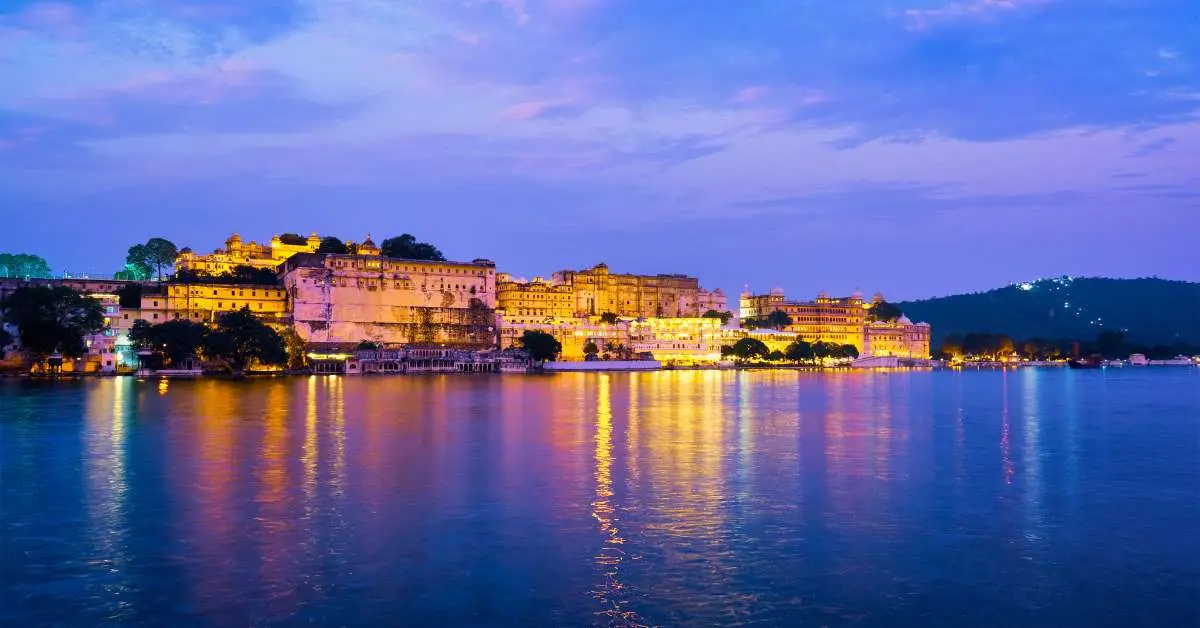
Udaipur in Monsoon: Romantic Weather, Places & Tips
Plan Udaipur in monsoon with weather insights, top rainy-season places, things to do, packing tips, and a practical itinerary for a smooth lake-city trip.
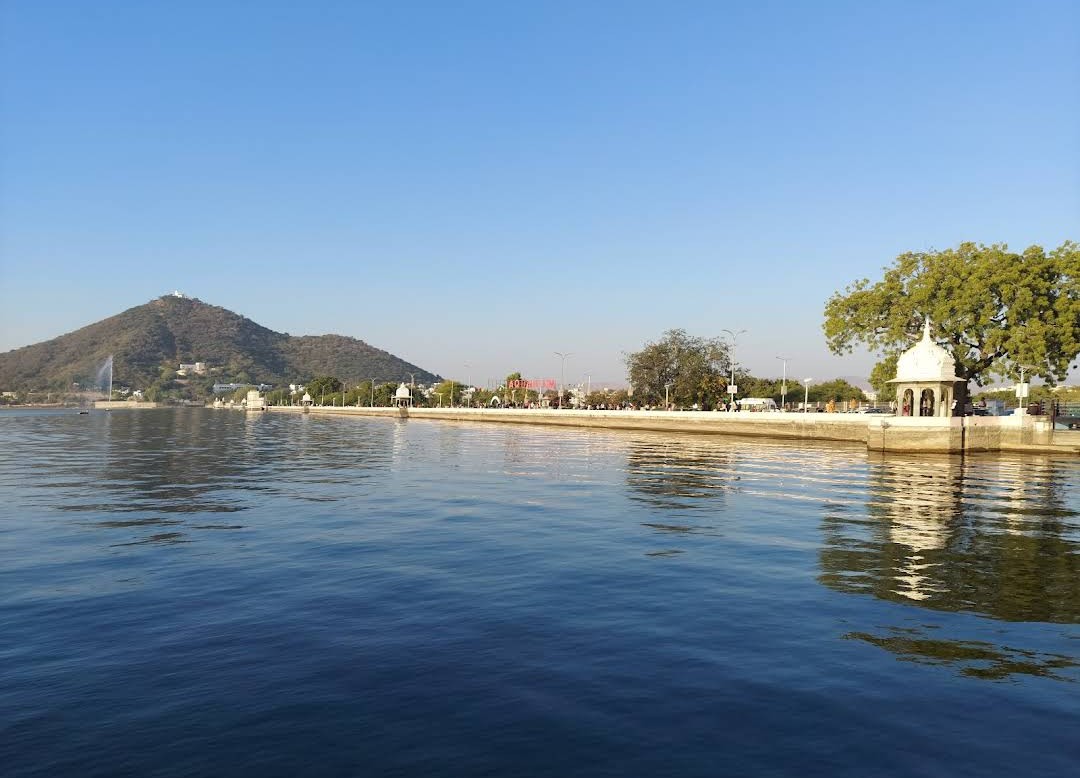
Fateh Sagar Lake Udaipur: Boating Fees, Timings & Sunset Spots
Visit FatehSagar Lake in Udaipur! Enjoy boating, sunset views, and how to reach. Complete guide to this beautiful artificial lake.
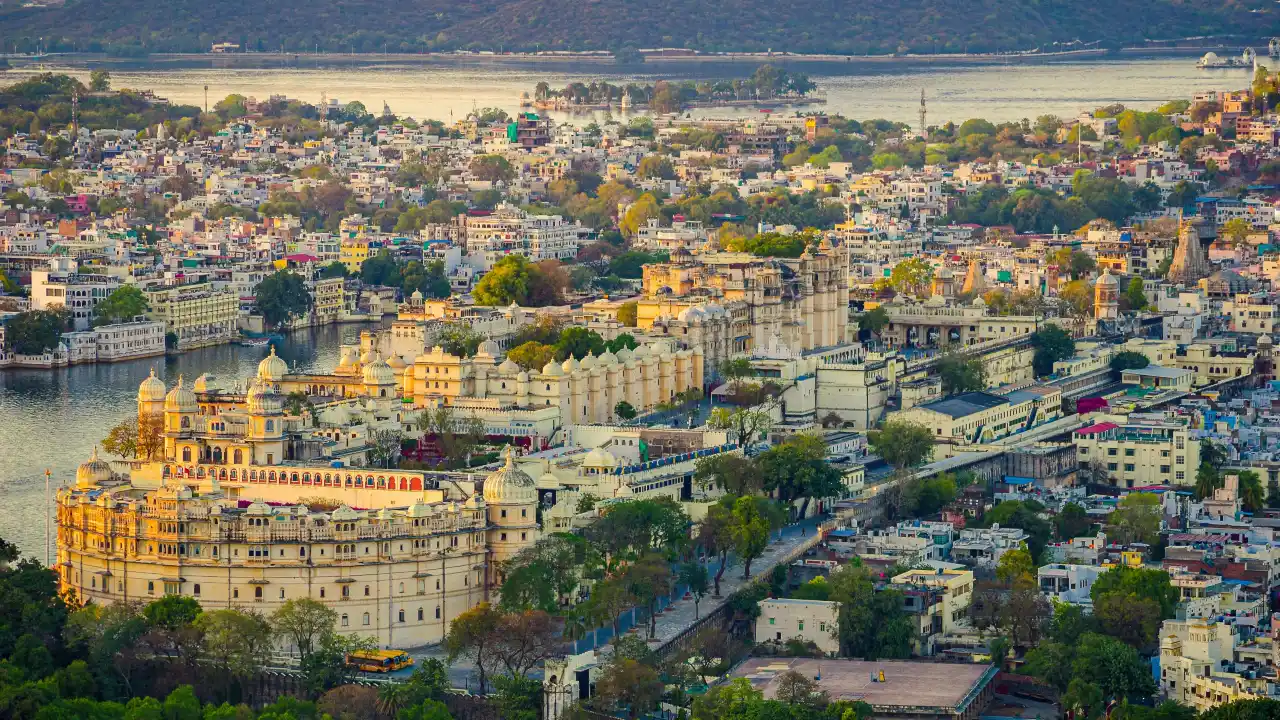
Best Time to Visit Udaipur: Weather, Festivals & Best Travel Months
Find the best time to visit Udaipur with a season-by-season weather guide, monthly breakdown, festival context, and practical planning tips.
Never Miss an Adventure
Get the latest trekking guides, travel tips, and exclusive offers delivered straight to your inbox.
