
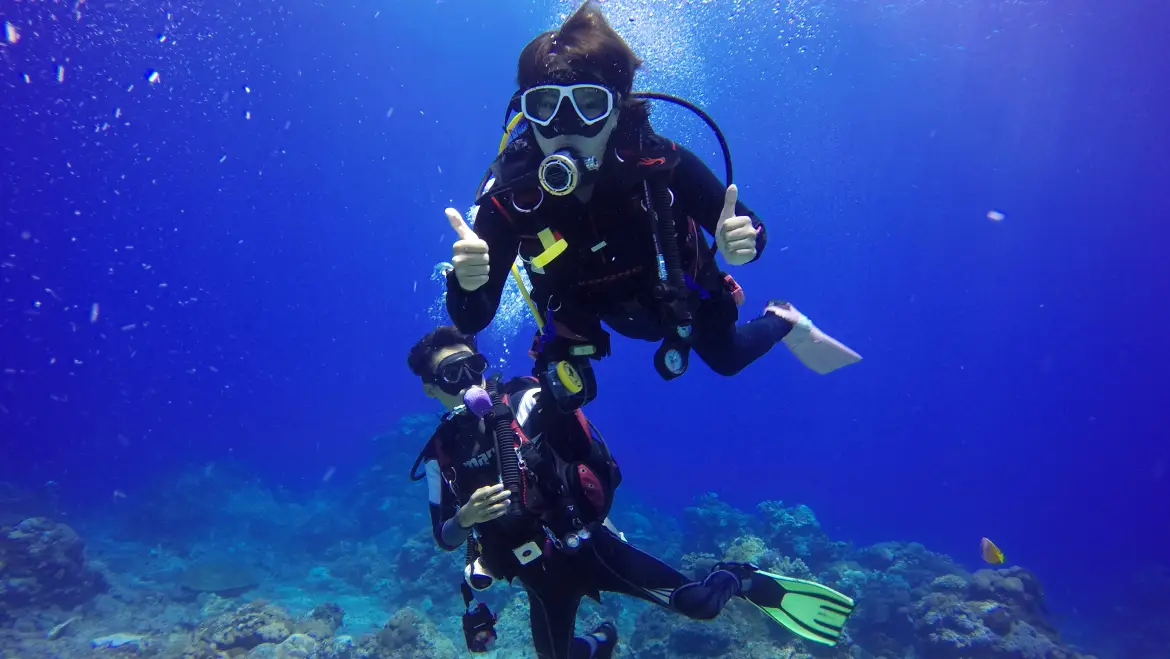
Scuba Diving in Goa: Costs, Dive Sites & Booking Info

Rahul Garg
January 12, 2026
Plan scuba diving in Goa with practical beginner guidance, cost breakdown, best-season tips, and safety-first booking advice.
Scuba diving in Goa overview
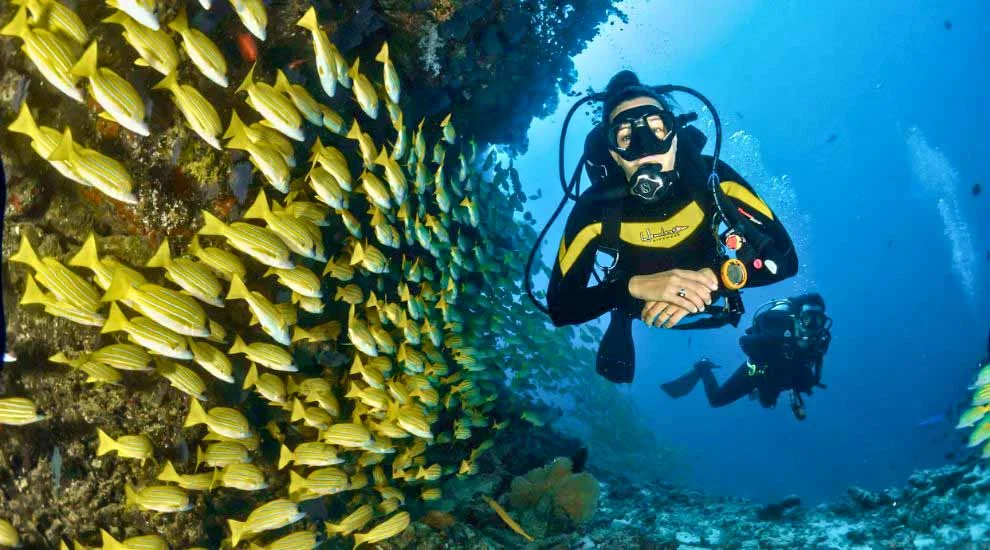
Scuba diving in Goa is one of the most accessible underwater activities in India for first-time travelers. Most beginner sessions are discover-style dives with instructor support, short theory briefing, shallow-depth orientation, and controlled in-water guidance. The experience is less about advanced depth and more about confidence, breathing rhythm, and safe introduction to marine activity. The biggest mistake is booking only by lowest headline price. Dive quality depends on operator standards, weather-day conditions, sea visibility, and instructor-to-diver ratio. A practical plan is to set safety and comfort first, then compare package value.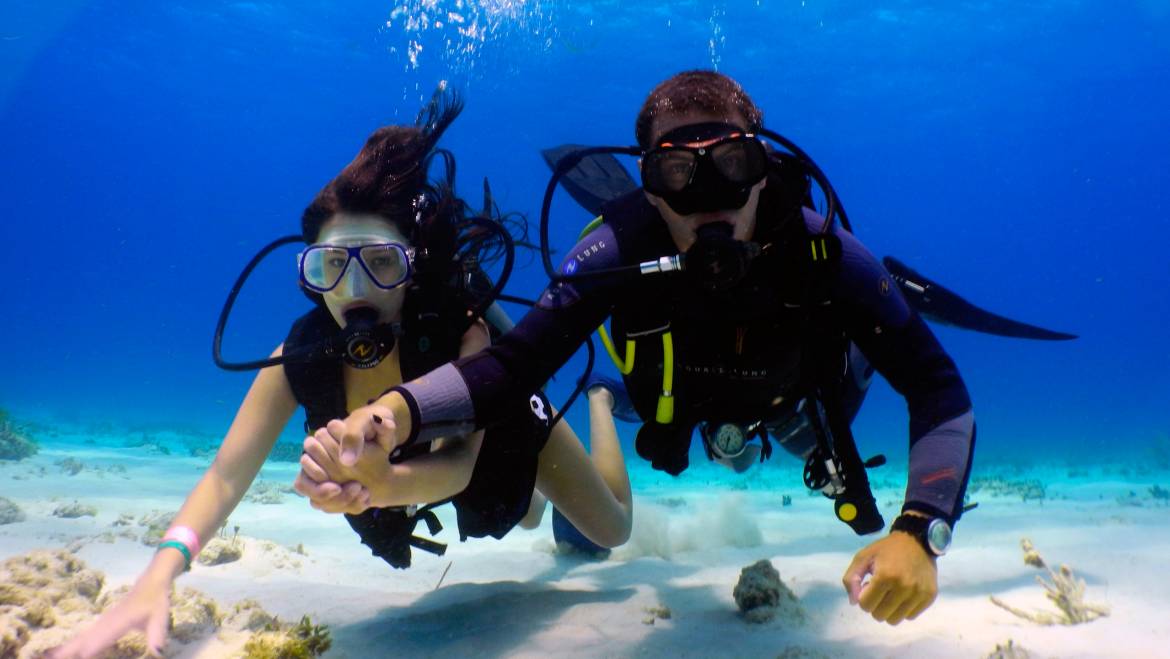
Best spots and conditions by season
Goa diving is commonly linked with offshore day routes, including operator-led circuits around popular island zones. Site quality can vary by weather and sea movement, so choose date windows with better visibility potential and keep day-level flexibility.| Season Window | Typical Conditions | Planning Guidance |
|---|---|---|
| October to March | More stable sea and better activity reliability | Best for first-time divers and couples |
| April to early May | Warmer conditions and variable comfort windows | Choose early departure slots |
| Monsoon period | Rougher sea and inconsistent operations | Avoid fixed expectations for diving days |
Location strategy for beginners
1. Prefer operators with structured beginner briefing and controlled group sizes. 2. Ask for real expected visibility on your specific date, not generic claims. 3. Keep one backup activity if sea conditions shift. For broader coastal planning, pair this with Beaches Goa.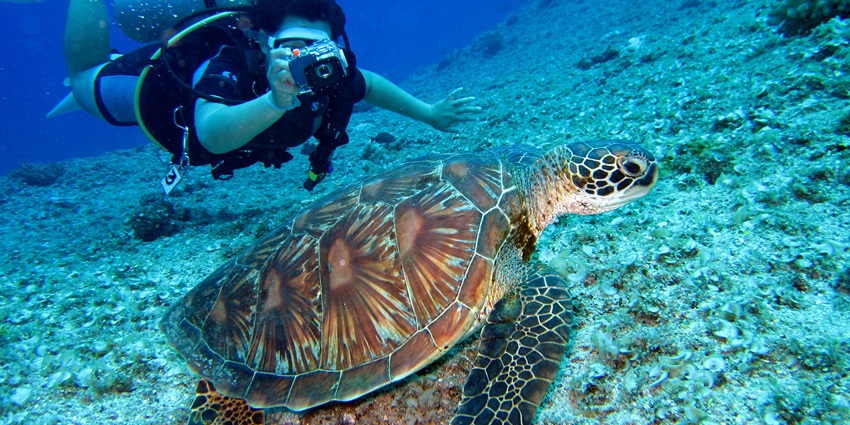
Beginner readiness and safety checklist
Goa diving is beginner-friendly when readiness is treated seriously. Comfort in water, clear communication, and responsible operators matter more than prior adventure experience.| Safety Layer | What to Check | Why It Matters |
|---|---|---|
| Pre-dive briefing | Equalization, mask clearing, hand signals | Reduces panic and confusion underwater |
| Equipment fit | Mask seal, regulator comfort, BCD fit | Improves breathing confidence and control |
| Instructor ratio | Personal supervision level | Higher support quality for first-time divers |
| Medical disclosure | Respiratory/ear/sinus or cardiac concerns | Prevents avoidable risk scenarios |
| No-fly planning | Post-dive buffer before flight | Important decompression safety practice |
Quick pre-dive checklist
1. Sleep well and stay hydrated before dive day. 2. Avoid alcohol-heavy nights before your session. 3. Eat light before departure and carry basic motion-comfort support if needed. 4. Never hide discomfort; signal instructor early.Cost breakdown and package comparison
Package prices in Goa vary by transfer style, session depth, media add-ons, and operator reputation. Compare inclusions line by line instead of comparing only base rates.| Package Type | Typical Range | Usually Includes |
|---|---|---|
| Beginner discover dive | INR 1500 to 3500+ | Briefing, basic gear, guided underwater attempt |
| Operator-led offshore dive day | INR 2500 to 6000+ | Transfer segment, dive support, activity bundle elements |
| Premium small-group session | Higher than standard ranges | Better supervision ratio and process control |
| Photo/video add-on | Varies by provider | Edited clips or raw session media |
Hidden-cost cautions
1. Ask whether transport and taxes are included. 2. Confirm actual underwater time, not full activity-day duration. 3. Check cancellation and weather-shift policy before payment.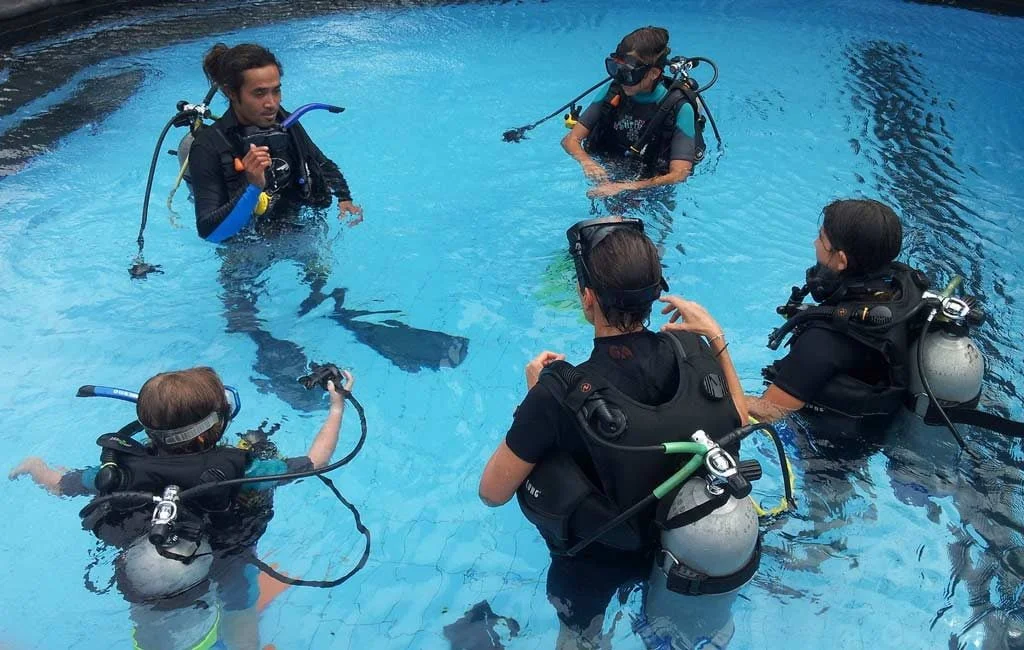
Booking workflow and quality signals
A safer booking flow is simple: shortlist operators, verify safety process, compare inclusions, then pay. Skip any provider that avoids basic transparency.| Step | What to Do | Quality Signal |
|---|---|---|
| Operator screening | Check review pattern and recent feedback | Consistent safety and briefing mentions |
| Pre-book call/chat | Ask about ratio, depth plan, visibility expectation | Clear and specific answers |
| Inclusion audit | Check gear, transfer, media, policy terms | Written detail, no vague promises |
| Final confirmation | Verify reporting time and meeting point | Well-structured communication before travel day |
Day-plan itinerary with nearby activities
Scuba plans in Goa work best as one primary activity block plus one low-effort add-on, not a packed all-day race across distant locations.| Day Format | Suggested Structure | Best For |
|---|---|---|
| Beginner-focused day | Morning dive session + recovery + sunset beach | First-time divers and couples |
| Adventure mix day | Dive block + one additional water activity | Friends and activity-heavy groups |
| Family-paced day | One diver session + flexible beach leisure | Mixed-age travel groups |
Common mistakes to avoid
1. Booking only by lowest price without safety checks. 2. Ignoring weather-day variability and no-backup planning. 3. Hiding medical discomfort during briefing stage. 4. Overpacking the same day with too many high-intensity activities. 5. Not verifying post-dive flight timing safety windows. 6. Assuming all operators provide equal supervision quality. 7. Skipping hydration and rest before the dive session. 8. Paying full amount without written inclusion clarity.How to Choose a Better Dive Operator
Goa has many scuba listings, but not all sessions are equal in supervision quality or process clarity. A strong operator communicates clearly before payment, explains the beginner flow honestly, and does not make unrealistic visibility promises. You should know in advance whether your package is a true beginner discover dive, a trial session variation, or a bundled boat day where dive time is one part of a longer itinerary.
| Operator Check | What Good Looks Like | Red Flag |
|---|---|---|
| Briefing quality | Step-by-step safety explanation before gear-up | Rushed verbal instructions |
| Health screening | Mandatory medical questionnaire | No medical check at all |
| Inclusion transparency | Clear list of transfer, gear, media, and timing | Vague package wording |
| Weather policy | Defined reschedule/refund terms | No written policy |
If your trip includes other sea activities, compare dive-day fatigue and transport before committing to full bundles. Use references like Goa Travel Guide to keep route movement practical instead of activity-heavy but poorly paced.
Visibility and Season Expectations (Reality-Based)
The best-known Goa scuba season is usually October to May, with monsoon months often seeing operational pauses due to rougher sea and lower reliability. Even in active months, visibility changes day to day based on current, boat traffic, and local weather. A good operator gives realistic same-week expectations rather than fixed guarantees.
- October to November: season restart with improving sea conditions.
- December to February: generally preferred for stable planning and comfort.
- March to May: warm weather; choose early departures.
- Monsoon window: avoid rigid dive expectations and keep alternatives ready.
If your plan is beach-focused with optional dives, combine this with Beaches Goa so your trip still works well even when sea conditions change.
No-Fly Timing and Post-Dive Recovery
Post-dive flight timing is a real safety issue, not optional advice. Broad diving safety guidance from DAN recommends waiting at least 12 hours after a single no-decompression dive and at least 18 hours after repetitive or multi-day diving. Longer intervals are safer, and you should always follow operator + dive-computer guidance where applicable.
Practical takeaway: do not schedule a tight airport transfer immediately after your dive day. Keep enough recovery window, hydrate well, and avoid heavy exertion right after the session. This simple scheduling discipline reduces risk and prevents stressful last-minute decisions.
One-Day and Two-Day Planning Templates
One-Day Beginner Template
Morning check-in and briefing, guided dive session, meal and hydration break, then low-intensity evening. This works well for first-time divers and couples who want one core underwater experience without exhaustion.
Two-Day Balanced Template
Day 1 for dive session and recovery; Day 2 for light coastal exploration or other adventure activities. If you want to add adrenaline sports, consider alternating intensity with options from Water Sports in Goa rather than stacking all high-energy activities in a single day.
Family and Group Planning Tips
Group bookings often fail when everyone is forced into one pace. Split your day into fixed and optional blocks. Divers take the primary session while non-divers follow beach or leisure plans nearby. Keep one clear regroup point and conservative return timing, especially in peak-season traffic.
For family groups with mixed confidence in water, prioritize operators known for patient first-time handling and smaller supervision ratios. Comfort management is part of safety; a calm diver learns faster and enjoys the experience more.
Final Pre-Booking Checklist
- Confirm exact reporting location and cut-off time.
- Verify package inclusions in writing.
- Check health declaration and disclosure requirements.
- Ask no-fly recommendation for your exact session profile.
- Keep weather backup activity ready.
- Carry one dry change set and hydration essentials.
Conclusion
Scuba diving in Goa is a strong entry point for beginners when planned with safety-first logic. Choose operator quality over headline discounts, set realistic visibility expectations, and keep your day schedule balanced. With the right booking workflow and preparation checklist, you can turn a first Goa dive into a confident and enjoyable underwater experience.After-Dive Decision Rules
Once your dive session ends, avoid rushing into high-speed road movement or tightly packed evening plans. Take recovery seriously: hydrate, eat a light meal, and review next-day travel calmly. If you feel ear pressure, sinus discomfort, or unusual fatigue, do not force additional water activities. Good operators will advise conservative next steps. This discipline is especially important for first-time divers who are still adapting to underwater breathing and equalization behavior. A measured post-dive routine protects both safety and trip quality.
Simple planning beats aggressive scheduling. Confirm all details one day in advance, arrive early, and keep flexibility for sea-condition changes. With the right operator and realistic expectations, scuba diving in Goa can be a safe and memorable first underwater experience for solo travelers, couples, and families alike.
Location
Frequently Asked Questions
Q1.Is scuba diving in Goa suitable for beginners?
Q2.What is the best season for scuba diving in Goa?
Q3.What is a practical cost range for scuba diving in Goa?
Q4.How should first-time travelers choose diving operators?
Q5.What health and safety checks are essential before diving?
Q6.Can scuba diving be combined with other Goa activities in one day?
Q7.Is scuba diving in Goa suitable for family travelers?
Q8.What common booking mistakes should travelers avoid?
Recommended For You

Kayak in Goa: Routes, Best Spots, and Essential Tips
Discover kayaking in Goa with comprehensive route guides, best spots, safety tips, and operator recommendations for all skill levels.

Goa: Complete Travel Plan Beaches And Weather
Complete Goa travel guide featuring beaches, North vs South Goa, water sports, Portuguese heritage, nightlife & practical tips.
Goa in June: 12 Best Places to Visit in Monsoon
Explore Goa in June monsoon! Discover Dudhsagar Falls, spice plantations, historic forts, wildlife sanctuaries & Old Goa's heritage with complete travel guide.
Never Miss an Adventure
Get the latest trekking guides, travel tips, and exclusive offers delivered straight to your inbox.
