
Goa in June: 12 Best Places to Visit in Monsoon

Ananya Sharma
November 15, 2025
Explore Goa in June monsoon! Discover Dudhsagar Falls, spice plantations, historic forts, wildlife sanctuaries & Old Goa's heritage with complete travel guide.
Why Visit Goa in June?
June marks the beginning of Goa's magical monsoon season, transforming this beach paradise into an emerald landscape of lush greenery, gushing waterfalls, and refreshed natural beauty. While most tourists flock to Goa between November and February for sun-soaked beach days, June offers an entirely different experience—one that reveals the state's true character beyond its coastline. This is when Goa shakes off the dry season's dust and bursts into vibrant life, presenting opportunities that simply don't exist during peak tourist months.
The onset of monsoon in June brings dramatic changes to Goa's landscape. The countryside turns an impossible shade of green, waterfalls roar back to life after dry months, and the air carries the earthy scent of rain on thirsty soil. Beaches, while less suitable for sunbathing and water sports, take on a wild, moody beauty with dramatic skies and crashing waves. This season appeals particularly to travelers seeking solitude, natural beauty, and authentic Goan experiences rather than crowded beaches and party scenes. For those visiting during other seasons, Goa travel guide offers different experiences.
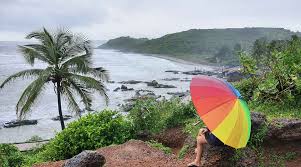
June also represents excellent value for money. With hotels and resorts offering significant discounts (often 40-60% off peak season rates), travelers can enjoy premium accommodations at budget prices. Restaurants and tour operators also offer reduced rates, making a Goa holiday significantly more affordable than during peak season. For budget-conscious travelers or those seeking longer stays, this pricing advantage makes June particularly attractive. You can also explore popular attractions like Baga Beach or Anjuna Beach during the rain.
The crowds thin dramatically in June, meaning you can explore attractions without jostling with other tourists. Popular viewpoints, heritage sites, and natural attractions that remain packed during winter months offer peaceful, contemplative experiences. Restaurants serve you at leisure, and the famous Goan hospitality becomes more personal as staff have more time to interact with guests.
However, visiting Goa in June requires adjusting expectations and planning differently. Beach activities are limited, some water sports operations shut down, and rough seas make swimming unsafe. The focus shifts from beach tourism to exploring Goa's interior—its spice plantations, wildlife sanctuaries, heritage architecture, and natural wonders that truly come alive during monsoon. If you can embrace this shift and pack appropriately for rain, June reveals a side of Goa that most visitors never experience.
Dudhsagar Falls in Early Monsoon
June marks the beginning of Dudhsagar Falls' transformation from a trickle to a thundering cascade. One of India's tallest waterfalls, dropping over 300 meters in four distinct tiers, Dudhsagar ("Sea of Milk") reaches its full glory later in monsoon, but June offers the first substantial flow as early rains begin feeding the Mandovi River's headwaters. This timing provides a unique opportunity to witness the waterfall's awakening—powerful but not yet at its most dangerous levels.
The waterfall's location within the Bhagwan Mahavir Wildlife Sanctuary adds to its appeal, as the journey itself becomes part of the experience. In June, the sanctuary's forest canopy is lush and fresh, with wildlife becoming more active as temperatures drop and water sources replenish. The train journey through the Western Ghats, which passes directly in front of the waterfall, becomes particularly dramatic in June's atmospheric conditions—mist, clouds, and the increasing flow combine for spectacular viewing.
Jeep Safari Experience: The popular jeep safari to the waterfall base begins operating in June as soon as forest authorities deem conditions safe. These 4x4 vehicles navigate rough, muddy tracks through dense forest, crossing streams multiple times before reaching the waterfall viewing area. June's moderate flow means the waterfall is impressive but accessible—later in monsoon, the base area becomes dangerous due to rising water levels. The jeep safari covers approximately 12 kilometers each way and takes 1-1.5 hours each direction.
Trekking Option: For adventure enthusiasts, the trek to Dudhsagar begins in June. The trail follows the railway tracks from Castle Rock station, offering stunning views of the Western Ghats' monsoon beauty. However, this trek requires preparation—June's rains make paths muddy and slippery. Proper trekking shoes, rain gear, and adequate fitness levels are essential. The trek takes 5-6 hours one way and should only be attempted with experienced guides or groups familiar with the route.
Best Viewing Time: Morning visits (9-11 AM) offer the clearest views before afternoon mist obscures the waterfall. The jeep safari typically departs early morning to maximize time at the falls. Weekday visits avoid crowds that gather on weekends. Weather in June can be unpredictable—morning might start clear but afternoon rains are common, so plan accordingly and carry rain protection.
Distance from Major Cities: Dudhsagar Falls is approximately 60 kilometers from Panaji (Goa's capital) and 74 kilometers from Margao. The journey takes 2-2.5 hours by road depending on road conditions, which can deteriorate during monsoon. Most visitors book jeep safaris from towns near the sanctuary entrance, with Mollem being the main departure point.
Photography Tips: June's atmospheric conditions—clouds, mist, and softer light—create dramatic photographic opportunities. The increasing water flow means the waterfall shows good volume without the overwhelming spray that characterizes peak monsoon visits. Carry rain covers for cameras and microfiber cloths to keep lenses dry. Early morning light provides the best illumination on the waterfall's main tiers.
Spice Plantations in Monsoon Greenery
June transforms Goa's spice plantations into emerald landscapes, making them particularly appealing for visitors interested in agriculture, nature, and traditional farming practices. The monsoon rains stimulate new growth across these plantations, with spice trees and plants putting out fresh leaves, flowers, and in some cases, early fruit sets. This period of renewal makes the plantations visually stunning and educationally rich.
Sahakari Spice Farm: Located in Ponda taluka approximately 35 kilometers from Panaji, Sahakari Spice Farm stands as one of Goa's most accessible and well-organized spice plantation experiences. The farm grows a variety of spices including black pepper, cardamom, nutmeg, cinnamon, cloves, and vanilla. In June, the farm's pathways between spice beds are lush and green, with the occasional rain shower adding to the tropical atmosphere. Guided tours explain cultivation methods, harvesting processes, and both traditional and modern uses of various spices.
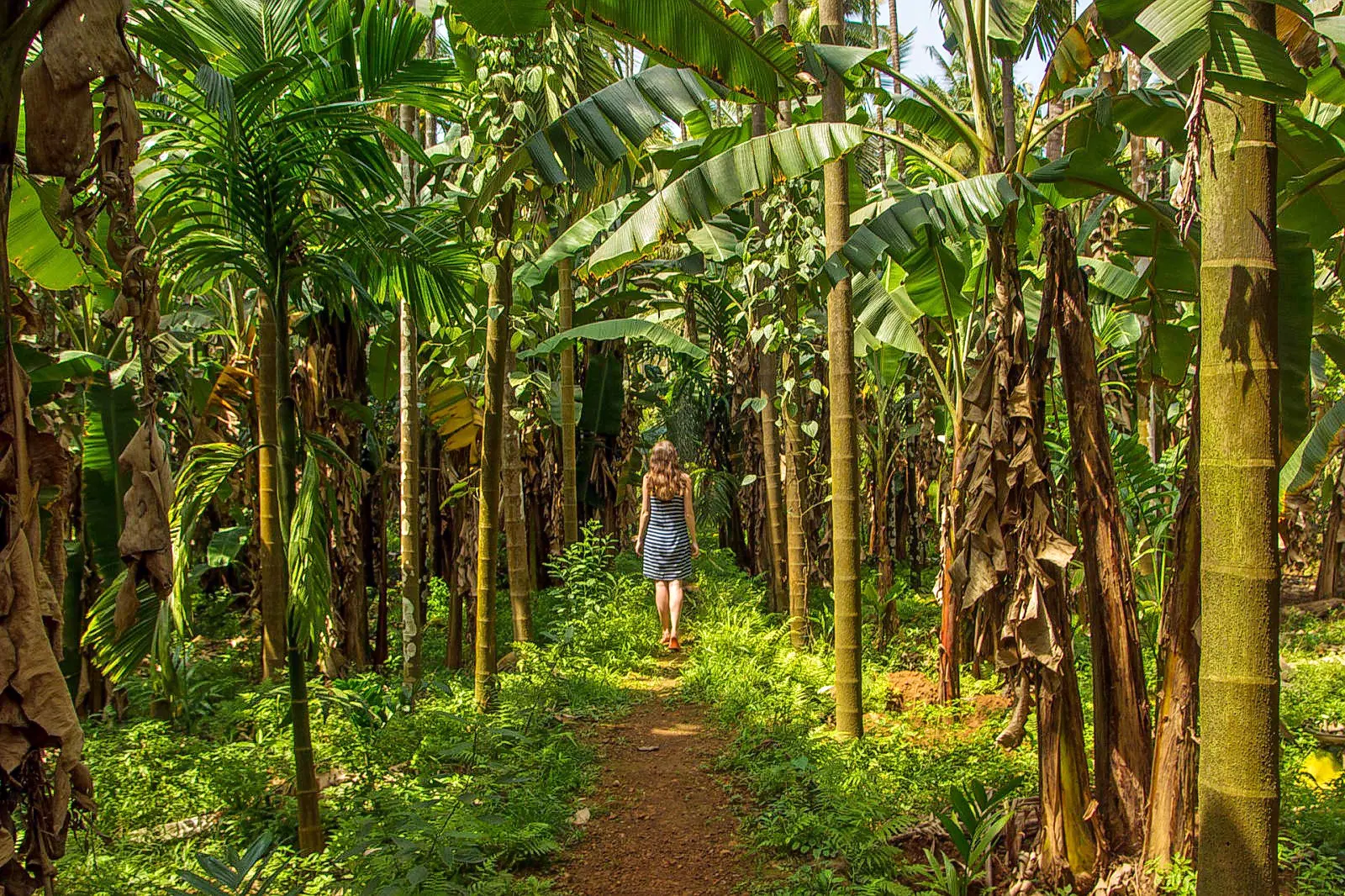
Tropical Spice Plantation: Another popular option, this plantation in the Ponda region offers similar experiences with slightly different layouts and spice varieties. June's rains bring out the rich aromas of growing spices, making the olfactory experience particularly intense. Walking through these plantations during light rain creates an authentic tropical experience—warm temperatures, lush greenery, and the scent of damp earth and spices combining for sensory delight.
Farm Tour Experience: Most spice plantation tours last 1.5-2 hours and are led by knowledgeable guides who explain each plant's characteristics, culinary uses, and medicinal properties. In June, guides often point out seasonal phenomena—flowering triggered by early rains, new growth on pepper vines, or the first fruits developing on nutmeg trees. The tours typically end with a traditional Goan lunch served on banana leaves, featuring local specialties that incorporate the plantation's spices.
Traditional Lunch: The plantation lunch experience alone makes these visits worthwhile. June's cooler temperatures (compared to summer's intense heat) make the outdoor dining areas more comfortable. Typical lunch includes vegetarian Goan cuisine—fish curry might be replaced by vegetarian alternatives during monsoon due to traditional fishing restrictions. Sannas (fermented rice cakes), xacuti (spicy curry), and sol kadhi (coconut milk drink) feature prominently, all showcasing the plantation's spice harvest.
Elephant Bath Experience: Some plantations offer elephant interaction experiences, though availability in June depends on weather conditions and animal welfare considerations. Elephant baths—the opportunity to scrub these gentle giants in the river—operate when water levels are safe and animals are willing. Check current availability when booking, as these experiences may be suspended during heavy rainfall.
Shopping: Plantation gift shops sell packaged spices, spice blends, and related products. Purchasing directly from plantations ensures freshness and often better prices than retail stores. June is early in the harvest cycle for some spices, so the selection might include previous season's stock—however, quality remains high as plantations maintain proper storage facilities. Spice blends specifically for Goan cuisine make excellent souvenirs.
Forts of Goa in Monsoon
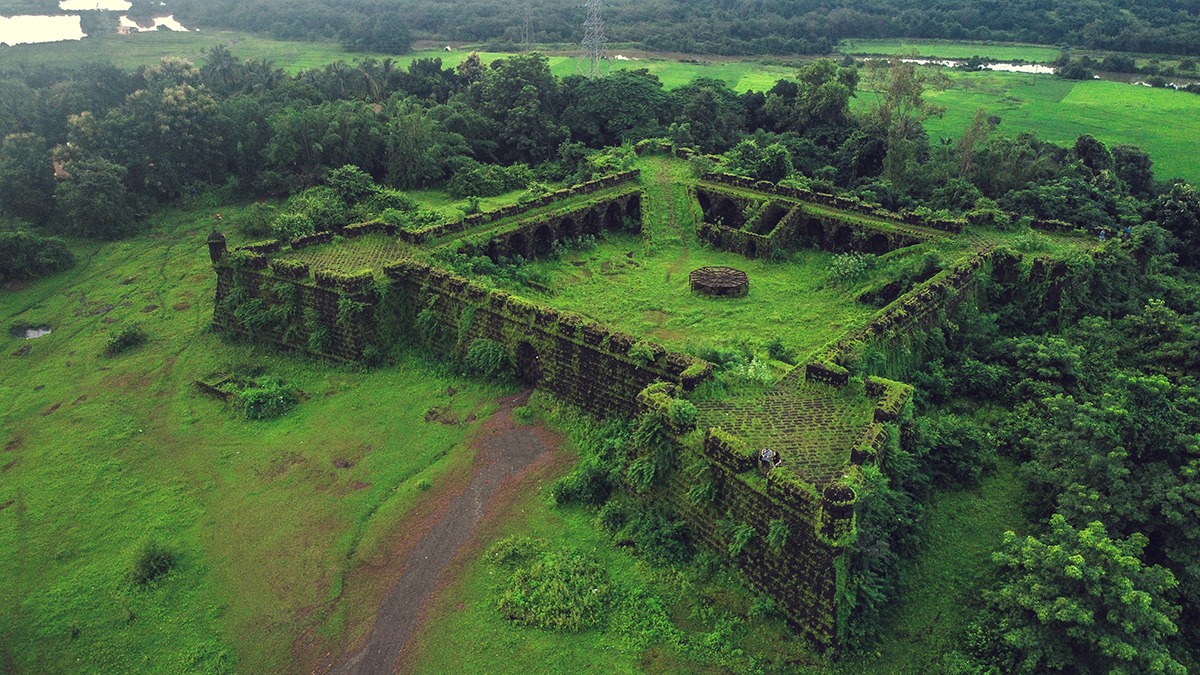
Goa's Portuguese-built forts take on a romantic, almost mystical quality during June's monsoon. The stone fortifications, many dating back several centuries, seem to emerge more clearly from their surroundings as vegetation greens dramatically around them. Rain-washed stones glisten, cloud-dappled skies create atmospheric lighting, and reduced tourist numbers allow for contemplative exploration of these historical structures.
Fort Aguada & Lighthouse: Perched on a cliff overlooking the Arabian Sea, Fort Aguada offers dramatic sea views that become even more spectacular in June. Rough seas crash against the cliffs below, sending spray high into the air. The lighthouse, still operational, stands as a sentinel against June's moody skies. The fort's upper section offers 360-degree views taking in the ocean, the Mandovi River's mouth, and the lush green coastline. Monsoon clouds often cling to the fort's upper ramparts, creating stunning photographic opportunities.
The fort's freshwater tank, which gave it its name ("aguada" means water), becomes particularly significant in June as it fills with monsoon runoff. This tank historically supplied water to ships calling at the port, and watching it fill after the dry months connects visitors to the practical purposes these forts served. The lighthouse, accessible for a small fee, provides elevated views and fascinating insights into maritime navigation history.
Chapora Fort: Familiar to many from Bollywood movies, Chapora Fort's ruined walls crowning a hilltop offer stunning views of Vagator and Morjim beaches below. In June, these beaches appear wild and dramatic, with rough seas and empty sands creating a stark contrast to peak season's crowded shores. The fort itself, mostly ruins with some intact walls, allows atmospheric exploration as rain-darkened stone contrasts against bright green grass covering the hillside. If you're planning a trip beyond June, Goa complete travel guide can help plan year-round visits.
Sunset views from Chapora Fort remain special even in June, though cloud cover might obscure the actual sun on some days. However, the dramatic skies—dark clouds lit from below by setting sun—often create even more spectacular displays than clear sunsets. The fort's relative elevation means you're often above the cloud layer that hugs the coastline, with sea views extending for miles.
Cabo de Rama Fort: Located in South Goa, this fort offers a more secluded experience than the more popular Aguada and Chapora. The fort's chapel, still in use, adds a spiritual dimension to visits. June's rain often keeps other tourists away, creating private moments to contemplate the fort's history and its views over the Arabian Sea's southern horizon. The fort's association with the Ramayana (legend says Lord Rama stayed here during his exile) adds mythological depth to the historical significance.
Mormugao Fort: Located near Vasco da Gama, this extensive fort complex receives fewer visitors than the coastal forts, making it ideal for those seeking solitude. June's rains enhance the fort's mysterious atmosphere, with its massive walls and gates seeming even more imposing against gray skies. The fort's strategic importance in protecting Vasco's natural harbor becomes apparent as you examine its defensive design from multiple vantage points.
Historical Significance: These forts weren't merely military installations but symbols of Portuguese power and administrative centers. Visiting in June, when you're likely alone except for perhaps a guard or two, allows imagination to fill in the centuries of soldiers, officials, and traders who passed through these gates. Information boards at major forts provide historical context, but hiring a guide can enrich the experience with stories and details not found in guidebooks.
Entry Fees and Timing: Most forts charge nominal entry fees (₹10-50 for Indians, more for foreign nationals). They're typically open from sunrise to sunset, though the lighthouse at Aguada has specific visiting hours. June's shorter daylight hours (compared to summer) mean planning visits between 9 AM and 5 PM to ensure adequate daylight for exploration and photography.
Wildlife Sanctuaries in Monsoon
Goa's wildlife sanctuaries burst with life during June as monsoon rains replenish water sources and stimulate new growth across the forest floor. Animals that remained hidden during dry months emerge to drink, forage, and take advantage of the abundance. For wildlife enthusiasts and birdwatchers, June offers opportunities to see species that are elusive during other seasons.
Bhagwan Mahavir Wildlife Sanctuary: Goa's largest protected area, this sanctuary in the Western Ghats encompasses diverse ecosystems from moist deciduous forests to evergreen patches. June's rains trigger breeding activity among many species, and the sanctuary's bird population swells with migratory species arriving for the monsoon season. The sanctuary's accessibility to Dudhsagar Falls makes it popular, but venture beyond the waterfall route to discover quieter corners rich in wildlife.
The sanctuary's leopard population, though difficult to spot, becomes more active as temperatures cool. Various deer species—sambar, chital, mouse deer—are frequently seen near water sources that replenish in June. Reptile activity increases with the rains, making this a good time for herpetology enthusiasts, though always maintain safe distance and respect wildlife.
Bondla Wildlife Sanctuary: Smaller and more accessible than Bhagwan Mahavir, Bondla is ideal for families and those with limited time. The sanctuary's zoo and rescue centers provide close encounters with local wildlife, though ethical considerations regarding captive animals should be noted. June's lush vegetation makes the sanctuary's nature trails particularly pleasant, even if rain might make them muddy. The sanctuary's botanical garden showcases Western Ghats flora that looks spectacular in monsoon green.
Bondla's relatively small size means it can be thoroughly explored in half a day, making it practical to combine with other South Goa attractions. The less strenuous terrain appeals to all fitness levels, though monsoon conditions require appropriate footwear. The sanctuary's educational programs and nature interpretation centers provide valuable context about Goa's ecosystems and conservation challenges.
Dr. Salim Ali Bird Sanctuary: Located on Chorao Island in the Mandovi River estuary, this sanctuary specializes in avian species. June's monsoon triggers bird activity—resident species breed, and some migratory species begin arriving. The sanctuary's mangrove forests, nurseries for numerous marine species, teem with life as June's freshwater influx mixes with seawater, creating ideal brackish conditions.
The sanctuary requires a boat ride through mangrove channels, which in June offers unique perspectives on monsoon's impact on estuarine ecosystems. Kingfishers, herons, egrets, and numerous other species are commonly sighted. The boat ride itself becomes an adventure as June's rains create atmospheric conditions on the water. The sanctuary's small size and specialized focus mean a typical visit lasts 2-3 hours.
Monsoon Wildlife Activity: June falls early in the breeding season for many species, meaning increased activity and vocalization. Insects emerge in vast numbers after the first rains, triggering food chain reactions that benefit birds, reptiles, and amphibians. Frogs, in particular, become conspicuous with their mating calls—a monsoon symphony that adds to the sanctuary's atmosphere. The sanctuary's guides can help identify species by their calls, an engaging experience for wildlife enthusiasts.
Safari Details: Jeep safaris operate in Bhagwan Mahavir Sanctuary when conditions permit, though June's rains might restrict access to some areas. Bondla offers mini-bus tours through the sanctuary. Boat tours in Dr. Salim Ali Sanctuary operate subject to weather conditions—heavy rain or rough water might cancel tours. Check current availability when planning visits. Most safaris cost ₹500-1500 per person depending on sanctuary type and duration.
Distance from Panaji: Bhagwan Mahavir Sanctuary is approximately 55 kilometers from Panaji (2-2.5 hours by road). Bondla Wildlife Sanctuary is about 50 kilometers from Panaji (similar travel time). Dr. Salim Ali Bird Sanctuary is much closer at just 10 kilometers from Panaji, though the boat ride requires reaching the sanctuary's jetty near Ribandar.
Old Goa Heritage Walk
June's lighter tourist numbers and atmospheric conditions create ideal circumstances for exploring Old Goa's UNESCO World Heritage churches and convents. What remains of Goa's historic capital, once called "Rome of the East" for its grand religious architecture, becomes even more evocative under monsoon skies. Rain-washed stone emerges cleaner against dark clouds, and reduced crowds allow contemplative appreciation of these sacred spaces.
Basilica of Bom Jesus: This 16th-century church, housing the mortal remains of St. Francis Xavier, receives millions of pilgrims and tourists annually. In June, you can explore without jostling through crowds, taking time to appreciate the basilica's architecture, artwork, and spiritual atmosphere. The church's interior, cool and dim even on bright days, becomes especially atmospheric during June's frequent overcast conditions. Light filtering through high windows takes on different qualities as clouds move overhead.
The saint's remains, displayed in a glass casket in a side chapel, can be viewed without waiting in long queues that form during peak season. The basilica's museum, containing religious artifacts and artwork, offers a more intimate experience when not crowded. Photography inside the basilica requires no flash—a rule that's easier to comply with when you have time to compose shots properly without feeling pressured by waiting visitors.
Se Cathedral: Dedicated to St. Catherine, this massive church with its iconic Golden Bell is one of Asia's largest cathedrals. June's reduced visitation means you can explore at leisure, admiring the intricate wooden carvings, paintings, and architectural details that might be rushed in busier times. The cathedral's vast interior feels even more imposing when nearly empty, allowing appreciation of its scale and design.
The cathedral's multiple altars, each dedicated to different saints, can be examined closely. The famous "Cross of Miracles," said to have appeared miraculously at the site, stands in the courtyard and can be viewed without other visitors photobombing your shots. The bell towers, from which the Golden Bell still rings on special occasions, offer views of Old Goa's layout—though climbing might be restricted during rain.
Arch of Viceroys and Other Monuments: The Arch of Viceroys, built in 1597, once welcomed Portuguese viceroys to Goa. Rain-washed and dramatic against June's skies, the arch's deteriorating reliefs tell stories of Portuguese conquest and administration. Other monuments scattered through Old Goa—the Viceroy's Fountain, the Church of St. Francis of Assisi, the convent of St. Monica—are all more enjoyable when explored at a leisurely pace without crowds.
Architecture and History: Old Goa's religious architecture represents a unique blend of European styles adapted to Indian conditions and craftsmanship. The churches' massive scale, sophisticated engineering (especially evident in Se Cathedral's vaulting), and artistic details become more apparent with careful examination. Guides, available at the major sites, can explain historical context and architectural significance, enriching the experience. June's lighter visitation means guides have more time for detailed explanations.
Photography Opportunities: June's light—soft and diffused by cloud cover—creates ideal conditions for architectural photography. Harsh shadows that obscure details on bright sunny days are minimized. Occasional sunbreaks create dramatic lighting on church facades. After rain, wet surfaces reflect buildings, creating interesting compositions. Early morning or late afternoon visits provide the most atmospheric light, though shorter monsoon days mean planning carefully.
Free Entry: Most Old Goa monuments charge no entry fee, though some have nominal camera fees. The Archaeological Survey of India maintains most monuments, and their dedication shows in the preserved condition despite Goa's challenging climate. Donations are accepted at some sites, contributing to ongoing preservation efforts.
Mandovi River Cruises in Monsoon
Even as beach activities diminish in June, Mandovi River cruises continue operating (weather permitting), offering a different perspective on Goa's monsoon beauty. The river, swollen with rainwater and surrounded by lush green banks, presents scenes impossible to witness during dry season. River cruises combine entertainment, sightseeing, and dining into experiences that work particularly well during monsoon when beach options are limited.
Sunset Cruises: The most popular river cruise option, sunset tours typically depart around 6:00 PM from the Santa Monica jetty near Panaji. These 1-2 hour cruises travel downriver toward the Arabian Sea mouth, offering views of Panaji's riverfront, Reis Magos Fort on the north bank, and the historic Adil Shah Palace. In June, sunsets might be obscured by clouds, but the dramatic sky colors when the sun does break through create spectacular displays against the dark clouds.
The sunset cruise includes live entertainment—traditional Goan dances, Portuguese-influenced music, and sometimes Bollywood-style performances. While some might find the entertainment touristy, it provides context for Goa's unique cultural blend that's impossible to understand without exposure. The cruise boats, typically double-decker vessels with open upper decks, provide 360-degree views. June's cooler temperatures make the open deck more comfortable than in summer, though rain might require moving to covered lower decks occasionally.
Casino Boats: Goa's offshore casinos, primarily located on boats anchored in the Mandovi River, continue operations through monsoon (subject to weather). These casinos offer gambling, dining, and entertainment packages that appeal to some visitors. Access requires shuttle boat transfers from the jetty to the anchored casino vessels—these transfers themselves become mini-cruises downriver. June's rougher waters can make these transfers exciting, though the casino boats are large and stable once aboard.
Monsoon River Views: The Mandovi's appearance transforms dramatically in June. Water levels rise, submerging some banks and creating mirror-like surfaces in calm stretches between rain showers. The riverside vegetation turns brilliant green, contrasting with the gray sky reflected in the water. Traditional fishing boats, brightly painted and often tied to banks during rough weather, add colorful touches to the predominantly green-and-gray monsoon palette.
Pricing Options: Sunset cruises cost approximately ₹300-500 per person depending on the operator and inclusions (dinner options cost more). Casino packages vary widely from entry-only passes (₹500-1000) to all-inclusive packages (₹3000+). Private boat charters are available for custom experiences, though these cost significantly more. June's lower demand means operators might offer discounts or be willing to negotiate on group bookings.
Duration and Timings: Standard sunset cruises run 1.5-2 hours, departing around 6:00 PM and returning by 8:00 PM. Casino boats operate 24 hours but have specific departure schedules for shuttle boats. Daytime sightseeing cruises can be arranged privately but require checking weather conditions—operators might cancel if rain is too heavy or winds too strong.
Entertainment Onboard: Beyond the scheduled cultural performances, cruise boats offer music, dancing, and sometimes karaoke. The atmosphere becomes festive as passengers enjoy the scenery and entertainment. Bars onboard serve alcoholic beverages (Goa is not a dry state), and some cruises include dinner—typically buffet-style with Goan and Indian cuisine. The combination of scenery, entertainment, and food creates a complete evening experience.
June Travel Tips for Goa
Visiting Goa in June requires different preparation and expectations than peak season travel. The experience shifts from beach-focused to interior exploration, from sunbathing to sightseeing, from crowded to relaxed. These tips help you make the most of monsoon Goa while staying comfortable and safe.
Weather Patterns: June typically sees temperatures ranging from 24°C to 30°C (75°F-86°F)—cooler than pre-monsoon summer but still warm and humid. Rainfall increases steadily throughout the month as monsoon strengthens. Heavy showers, sometimes lasting hours, alternate with dry spells that might last minutes to hours. Morning skies often start relatively clear before clouds build during the day, resulting in afternoon/evening rain. Humidity remains high (80-90%), making everything feel damp and sometimes affecting personal comfort.
Rainfall Intensity: By late June, Goa receives substantial rainfall—1000mm or more across the month isn't uncommon. Rain comes in various forms: steady downpours that last hours, brief intense showers, drizzly overcast days, and occasional dramatic thunderstorms. The sound of rain on tin roofs becomes Goa's monsoon soundtrack. Some days see almost continuous rain, others get just a brief shower. Checking weather forecasts provides general guidance but monsoon rains can be very localized—what falls in North Goa might miss South Goa entirely.
Accommodation Discounts: Take advantage of dramatic price drops. Beach shacks and backpacker hostels might close for monsoon, but hotels and resorts remain open with steep discounts. Luxury resorts charging ₹15,000+ per night in peak season might drop to ₹6,000-8000 in June. Mid-range properties see similar percentage reductions. These savings make luxury accommodations affordable for many travelers. However, verify what facilities remain operational—some resorts shut down pools, spas, or restaurants during monsoon due to low occupancy.
Activity Shift: Accept that beach activities are severely limited. Swimming becomes dangerous due to rough seas and strong currents (lifeguards are often absent). Water sports operations shut down for monsoon. Sunbathing isn't practical when it's raining. Instead, focus on interior attractions—spice plantations, wildlife sanctuaries, heritage sites, and the areas mentioned in this guide. Some travelers use June for relaxation rather than sightseeing—reading, spa treatments, and enjoying resort facilities.
Packing Essentials: Waterproof everything important—phones, cameras, documents. A compact umbrella or light rain jacket is essential everywhere. Quick-dry synthetic clothing works better than cotton that stays wet. Waterproof footwear with good grip is crucial—monsoon conditions make paths extremely slippery. Insect repellent becomes more important as mosquitoes increase with rain. A small towel for wiping down after getting caught in showers helps. Pack layers—air conditioning might feel cold with humidity, while going outside feels warm and sticky.
Transport Considerations: Renting a scooter or motorcycle (popular in dry season) becomes risky in June due to slippery roads and reduced visibility. Car rentals with drivers are safer. Taxis are readily available but cost more than self-driving options. Public buses run but might be crowded. Two-wheeler taxi pilots continue operating but consider safety carefully before using them in rain. Driving anywhere takes longer due to reduced speeds on wet roads.
Dining Adjustments: Beach shacks, a highlight of dry season Goa, mostly close for monsoon. However, restaurants in towns and hotel restaurants remain open. Some specialize in monsoon menu items—hot soups, spicy curries that "warm" you from inside. Fresh fish becomes less common as traditional fishing stops during monsoon (though modern refrigeration means seafood doesn't completely disappear). Alcohol is widely available—Goa doesn't observe prohibition during monsoon.
Health Precautions: Monsoon brings increased risk of waterborne diseases. Drink only bottled or thoroughly filtered water. Be cautious with raw foods that might have been washed in contaminated water. Mosquito-borne diseases (dengue, malaria) increase—use repellent diligently. Carry basic medications for upset stomach, colds, and general first aid. Medical facilities exist in major towns but might be harder to reach quickly from remote areas during heavy rain.
Ideal Duration: Three to four days works well for a June Goa visit, allowing you to explore major attractions without feeling pressured. Longer stays work well if you enjoy relaxed paces or want to use Goa as a base to explore other parts of the region. Short weekend trips are also possible from nearby cities, though they feel rushed given travel time. The slower pace of monsoon Goa actually rewards longer stays—you can really unwind without peak season's frenetic energy.
Budget Advantage: June is arguably Goa's most affordable month for visitors. Between accommodation discounts (40-60% off), reduced attraction crowds (meaning you spend less time waiting and more time enjoying), and generally lower prices for services, a Goa holiday costs significantly less than during peak season. For budget travelers or those wanting extended stays in comfortable surroundings, June offers unbeatable value.
Goa in June won't give you the postcard-perfect beach experience that fills Instagram feeds in winter. But it will show you a deeper, more authentic side of this coastal state—one where lush landscapes replace golden sands, where misty fortresses replace crowded beaches, where waterfalls thunder in emerald forests. If you can embrace the rain, adjust your expectations, and pack appropriately, June reveals a Goa that most visitors never see, creating memories that are arguably more genuine and lasting than the standard tourist experience.
Location
Frequently Asked Questions
Q1.Is June a good time to visit Goa?
Q2.Does it rain a lot in Goa in June?
Q3.Are Goa beaches open in June?
Q4.Can we see Dudhsagar Falls in June?
Q5.Are shacks and restaurants open in June?
Q6.Is scuba diving available in June?
Q7.What is the temperature in Goa in June?
Q8.Are hotels open in Goa in June?
Recommended For You
Kovalam: Complete Travel Plan Beaches And Weather
Complete Kovalam travel guide covering 3 beaches (Lighthouse, Hawa, Samudra), best resorts, things to do, water sports, Ayurveda, backwaters day trips, dining, and practical tips. Discover Kerala's premier beach destination.
Varkala Beach Kerala: Complete Guide to Papanasam Cliff Paradise
Discover Varkala Beach, Kerala's only cliff beach at Papanasam. Complete guide covering cliff-top cafes, activities, Ayurveda wellness, spiritual significance & travel tips for this unique coastal destination.
Goa Gajah Temple Bali: History, Entry Fee & Visiting Hours
Discover Goa Gajah Temple Bali with history, key highlights, entry guidance, dress code tips, and nearby route planning.
Never Miss an Adventure
Get the latest trekking guides, travel tips, and exclusive offers delivered straight to your inbox.
