
Scuba Diving in Kerala: Dive Locations, Pricing & Training

Rohan Malhotra
February 18, 2026
Discover scuba diving in Kerala with best spots, prices, centers, courses, diving season & tips for beginners at Kovalam, Varkala & more.
Introduction
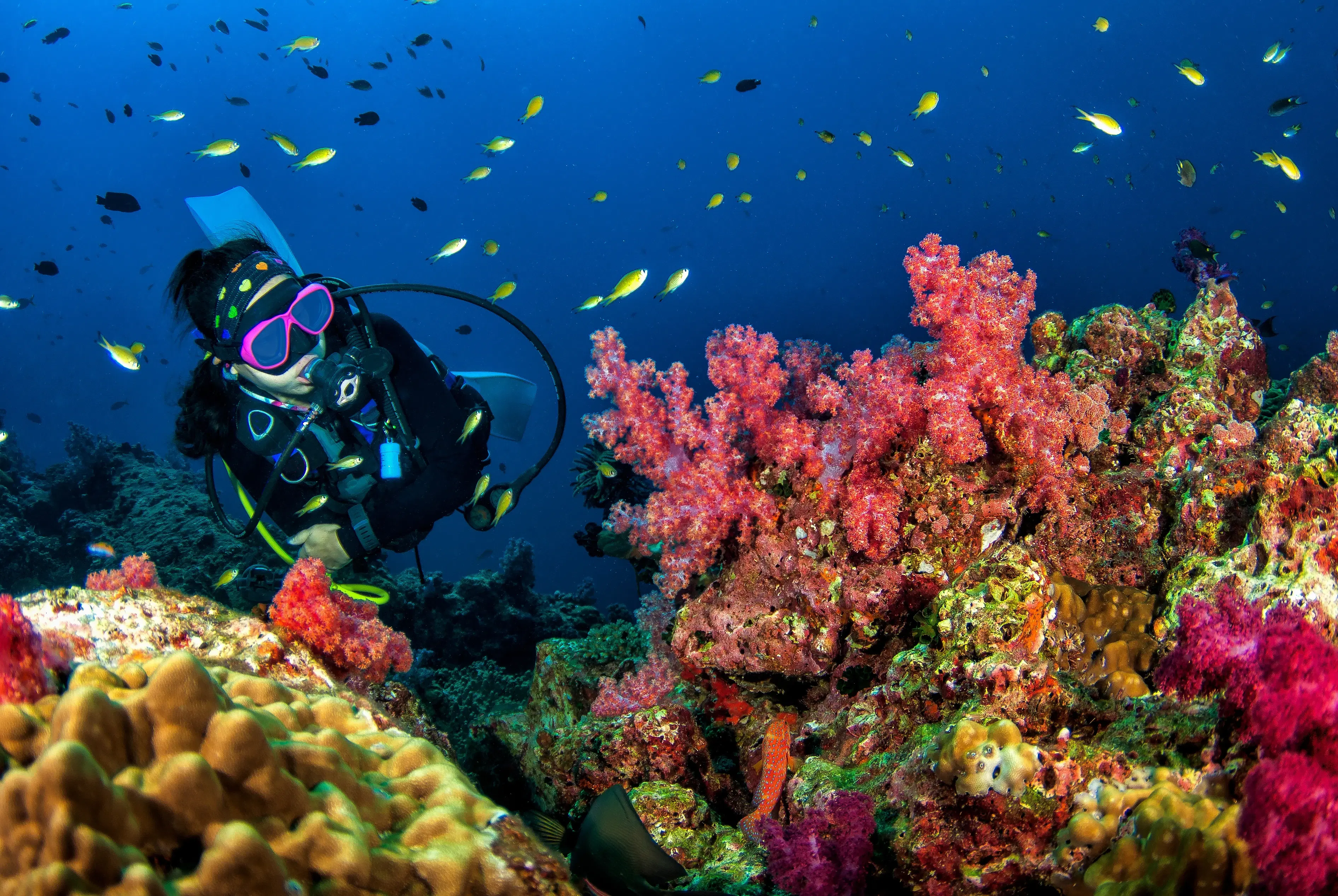
Kerala's coastline along the Arabian Sea has emerged as one of India's most exciting scuba diving destinations, offering an underwater experience that rivals more famous international diving spots. What makes scuba diving in Kerala special is the combination of accessible dive sites, diverse marine life, and relatively affordable prices compared to other diving destinations in India and abroad. From the popular beaches of Kovalam to the serene waters of Varkala, Kerala offers diving experiences suitable for everyone from first-timers to certified divers.
The underwater world along Kerala's coast reveals a different side of God's Own Country - one of colorful coral reefs, curious fish species, and even some shipwrecks that have become artificial reefs. The diving industry here has developed significantly over the past decade, with professional dive centers offering internationally recognized certification courses. Whether you're looking to try diving for the first time or want to add to your logbook, Kerala's warm waters and good visibility make it an excellent choice.
Best Scuba Diving Spots in Kerala
Kerala's diving landscape offers several excellent locations, each with its own unique characteristics. Kovalam Beach stands as the most popular diving destination, with professional dive centers operating from the Lighthouse Beach area. The dive sites here are suitable for beginners, with relatively calm waters and good visibility most of the year.
Varkala, with its dramatic cliff-top setting, offers a more unique diving experience. The dive sites here are accessed from the beautiful Papanasam Beach, and underwater you'll find interesting rock formations and marine life. Vizhinjam, near Kovalam, has emerged as a professional diving hub with some of the best-equipped centers in the state.
Poovar Island, where the backwaters meet the sea, offers diving in a unique estuarine environment. The waters here are generally calmer, making it ideal for first-time divers. Kochi has gained popularity for shipwreck diving, with several artificial wrecks creating interesting dive sites. Bekal Beach in north Kerala and Thirumullavaram in Kollam are lesser-known spots that offer excellent diving with fewer crowds.
Diving Prices and Packages
Scuba diving in Kerala is reasonably priced compared to many other destinations. An introductory dive for beginners typically costs between ₹3,000-5,000, including equipment rental and brief training. This usually involves a shore dive or short boat ride to a shallow dive site where you'll experience underwater breathing and exploration under close instructor supervision.
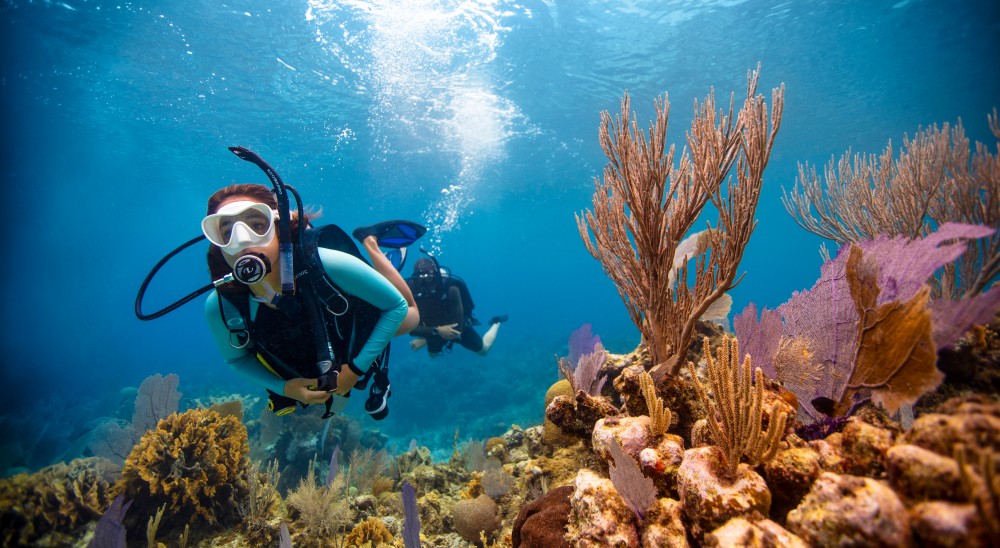
For certified divers, fun dives cost approximately ₹2,500-4,000 per dive, depending on the location and depth. Many centers offer package deals - buy 3 dives, get the fourth at a discount. Certification courses are competitively priced, with a PADI Open Water Diver course costing ₹15,000-25,000, taking 3-4 days to complete.
Most packages include all necessary equipment - mask, fins, wetsuit, BCD, regulator, and tanks. Photos and videos of your dive experience are usually available for an additional ₹500-1,500. Group rates are available for parties of 4 or more, and many centers offer discounts for off-season diving (monsoon period when conditions allow).
Certification Courses
Kerala's dive centers offer internationally recognized PADI (Professional Association of Diving Instructors) courses. The Open Water Diver course is the entry-level certification that allows you to dive independently to a maximum depth of 18 meters. This 3-4 day course includes theory sessions, confined water dives to practice skills, and four open water dives.
The Advanced Open Water Diver course is the next step, allowing you to dive to 30 meters and introducing specialty dives like night diving, deep diving, and underwater navigation. Most centers also offer specialty courses in underwater photography, wreck diving, and rescue diving.
Courses are conducted by certified instructors who follow international safety standards. The minimum age for certification is 10 years (Junior Open Water Diver), with no upper age limit. A basic medical fitness questionnaire must be completed before starting any course. Those with certain medical conditions may require a doctor's clearance.
Best Time for Scuba Diving
The ideal time for scuba diving in Kerala is from October to May, when the Arabian Sea is calm and visibility is at its best. December through February offers the clearest water, with visibility sometimes exceeding 20 meters. The water temperature during these months ranges from 27-29°C, making for comfortable diving without requiring thick wetsuits.
March through May sees slightly warmer water (29-30°C) but still good conditions for diving. Early morning dives typically offer the best visibility and calmest seas, so most centers schedule first dives for 7-8 AM.
The monsoon season from June to September brings rough seas and poor visibility, with most dive centers suspending operations. However, some centers in protected areas may offer diving during breaks in the monsoon weather. It's best to avoid planning diving trips during this period.
Marine Life You'll Encounter
Kerala's underwater world surprises many visitors with its diversity. While you won't find the coral reefs of the Lakshadweep Islands or Andaman, there's still plenty to see. Colorful reef fish including angelfish, butterflyfish, parrotfish, and triggerfish are commonly seen. Groupers and snappers hide among the rocks, while schools of fusiliers and surgeonfish swim in the open water.
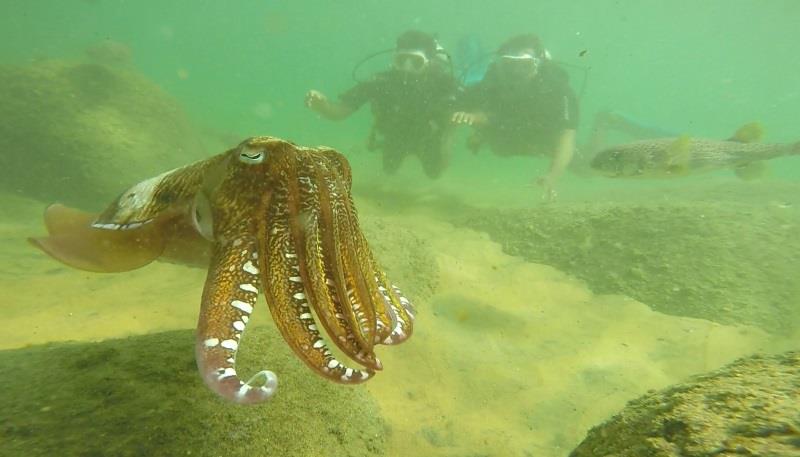
Sea turtles are frequently sighted, particularly green turtles and hawksbills. If you're lucky, you might spot reef sharks - usually small, harmless species. Moray eels peer out from crevices, and octopus can be found hiding in rocky areas. The shipwrecks have attracted their own ecosystems, with coral beginning to grow and fish making the wrecks their home.
Macro photographers will find nudibranchs, shrimps, and crabs. Dolphins are sometimes seen from the boat during the journey to dive sites. While the diving here isn't comparable to world-class destinations, it offers a wonderful introduction to the underwater world for beginners and enjoyable recreational diving for experienced divers.
Tips for Beginners
If you're trying scuba diving for the first time, Kerala is an excellent place to start. The key is to choose a certified dive center with experienced instructors. Don't be afraid to ask about their certification and experience level - reputable centers will be happy to share this information.
Listen carefully to your instructor's briefing before the dive. They'll explain how to equalize the pressure in your ears (similar to what you do on an airplane), how to clear your mask, and how to communicate underwater using hand signals. The most important rule in diving is never to hold your breath - breathe continuously and normally.
It's natural to feel a bit anxious before your first dive. This is completely normal. Take slow, deep breaths and relax. Your instructor will be right beside you the entire time. Remember that diving is supposed to be enjoyable - if you feel uncomfortable at any point, signal your instructor and ascend slowly.
Respect the marine environment - don't touch or stand on coral, don't chase or harass marine life, and maintain good buoyancy control to avoid damaging the underwater ecosystem. Take only photos and leave only bubbles.
Best Places for Scuba Diving in Kerala
Travelers usually search one “best” location, but Kerala diving is more practical when you choose by experience type. Some places are better for first-time confidence dives, while others suit certified divers looking for depth and longer underwater time. Access, visibility, and operator consistency matter as much as destination name.
| Destination | Best For | Practical Note |
|---|---|---|
| Kovalam side | Beginner-friendly entry sessions | Easy pairing with regular beach itinerary |
| Varkala side | Scenic coast + mixed dive plans | Good for couples and short-stay travelers |
| Kochi-linked operators | Urban-access dive planning | Useful for limited travel-time schedules |
| Thekkady / Periyar eco-water formats | Nature-led water experiences | Not always equivalent to open-sea scuba format |
If your trip is Goa + Kerala combined, compare logistics first. For Goa-side dive planning references, check Scuba Diving in Goa and avoid booking two intense water days back to back.
Price Ranges and What You Are Really Paying For
Kerala scuba prices vary by location, operator quality, boat support, session format, and media add-ons. A lower entry price may mean shorter briefing, bigger groups, or extra charges after arrival. A higher quote can be justified when supervision is stronger and process quality is clearer.
- Try/Discover dive: usually beginner-focused with guided shallow session.
- Certified diver session: generally longer and depth-aligned by qualification.
- Course packages: larger cost but structured training progression.
- Add-ons: underwater photos/videos, transfers, and premium gear.
Before paying, ask for final payable amount, reporting time, total activity duration, in-water estimate, and cancellation policy in writing. This single step prevents most booking disputes.
Safety Process: What a Good Briefing Includes
A reliable first-timer briefing should cover breathing rhythm, equalization, mask clearing, underwater communication signs, panic response, and ascent discipline. If any operator skips these basics, treat it as a red flag. Diving comfort is not about courage; it is about controlled process.
You should also confirm whether your dive is one-on-one, one instructor with multiple participants, or rotating supervision. Smaller instructor ratios usually improve confidence for first-time participants and reduce confusion underwater.
| Safety Element | Minimum Expectation | Why It Matters |
|---|---|---|
| Medical declaration | Mandatory form before dive | Prevents avoidable risk exposure |
| Gear fit check | Mask, regulator, BCD tested before entry | Improves confidence and control |
| Signal briefing | Basic underwater communication understood | Faster issue response underwater |
| No-fly guidance | Post-dive flight buffer explained | Essential decompression safety step |
Best Season and Visibility Reality
In Kerala, dive reliability is strongly season-dependent. October to March is commonly preferred for better planning confidence, while monsoon periods can reduce operation consistency. Even in preferred months, visibility may vary by day due to current and local weather shifts.
The correct expectation is “conditions-based diving,” not “guaranteed crystal-clear visibility.” Good operators communicate day-level realities honestly. Keep one alternate low-intensity plan ready, especially if your travel window is tight.
One-Day and Two-Day Dive Planning Templates
One-day template: morning reporting, briefing, guided dive, post-dive rest, easy evening. This suits beginners and couples with short itineraries.
Two-day template: Day 1 for primary dive session and recovery, Day 2 for light coastal exploration or water activity with lower exertion. You can use options from Goa Travel Guide style pacing logic and apply the same principle in Kerala: one high-focus block per day.
Common Mistakes Specific to Kerala Scuba Plans
- Booking by social-media clip quality instead of operator process.
- Ignoring same-day sea/weather uncertainty and keeping no backup plan.
- Assuming all “scuba packages” have equal in-water time.
- Not verifying whether transfer and media are included.
- Planning a same-day flight too soon after diving.
For mixed coast trips, keep your schedule simple and balanced. If you are adding Goa water sports too, separate major dive days and use references like Water Sports in Goa for non-dive alternatives.
Conclusion
Scuba diving in Kerala offers a wonderful opportunity to discover a world that few visitors to this beautiful state ever experience. The combination of professional dive centers, reasonable prices, and accessible dive sites makes Kerala an excellent choice for both first-time divers and those looking to gain certification. While it may not rival the most famous diving destinations globally, the warm waters, diverse marine life, and excellent visibility provide a rewarding diving experience that's perfect for adding an adventurous element to your Kerala holiday.
Location
Frequently Asked Questions
Q1.Where is the best scuba diving in Kerala?
Q2.What is the cost of scuba diving in Kerala?
Q3.What is the best time for scuba diving in Kerala?
Q4.Do I need to know swimming for scuba diving?
Q5.Is scuba diving safe for beginners in Kerala?
Q6.What will I see while scuba diving in Kerala?
Q7.How long does a scuba diving session last?
Q8.Which are the best scuba diving centres in Kerala?
Recommended For You
Adventure Sports in India: Complete Guide to Thrilling Activities
Discover top adventure sports in India with destinations, best seasons, cost estimates, and safety tips for every thrill level.
Water Sports in Daman and Diu: Activities, Prices & Beaches
Best water sports in Daman and Diu with prices, timing, locations & activities. Scuba diving, jet ski, parasailing & adventure water activities guide.
Snorkeling in Andaman: Best Reefs, Pricing & Tour Options
Discover best snorkeling in Andaman! Complete guide to Havelock, Neil Island spots, prices, best time & tips for amazing underwater experience.
Never Miss an Adventure
Get the latest trekking guides, travel tips, and exclusive offers delivered straight to your inbox.
