
International
Scuba Diving in Singapore: Complete Guide 2026

Neha Kapoor
December 24, 2025
10 min read4,017 views
Complete guide to scuba diving in Singapore featuring Sisters' Islands, Pulau Hantu, dive sites, courses, marine life, and seasonal information.
Scuba Diving in Singapore: Hidden Underwater Treasures
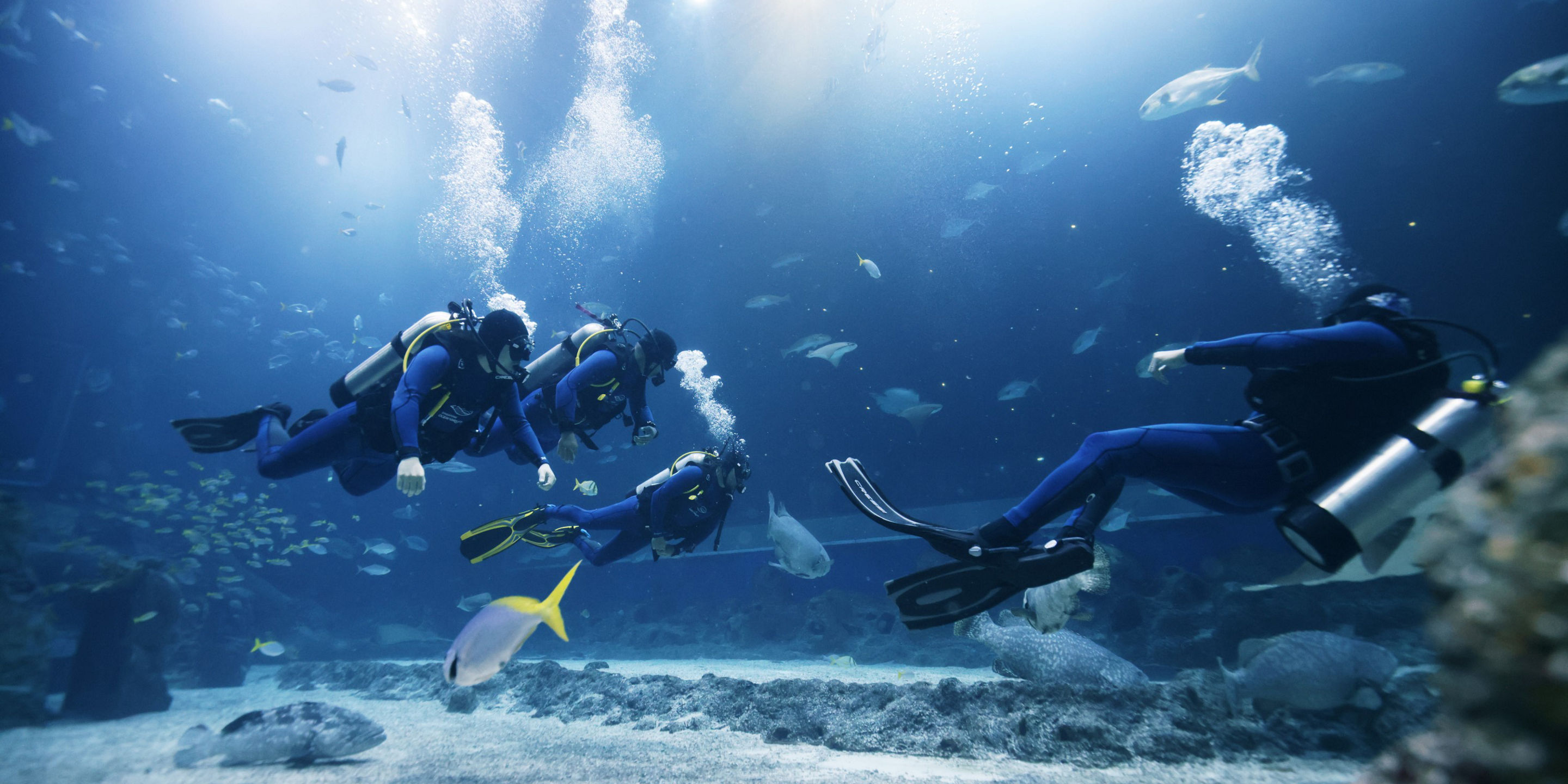
Singapore surprises many visitors with its vibrant diving scene, offering convenient access to over 60 dive sites within a short boat ride from the mainland. While this city-state is better known for its urban attractions, the surrounding waters host diverse marine ecosystems, WWII shipwrecks, and some of Southeast Asia's most accessible diving. The combination of excellent infrastructure, professional dive operators, and year-round diving conditions makes Singapore an underrated destination for both beginners and experienced divers. What sets Singapore apart is diving accessibility—you can be underwater exploring coral reefs or shipwrecks within an hour of leaving your city hotel. The southern islands surrounding Singapore host the most popular dive sites, with Sisters' Islands Marine Park standing out as the crown jewel. These protected waters have seen remarkable coral restoration efforts, attracting increasing marine life including blacktip reef sharks, occasional sea turtles, and countless reef fish species. Singapore's diving reputation suffered historically from perception of poor visibility due to port activities, but dive sites away from shipping channels offer surprisingly good visibility, particularly during dry months. The true Singapore diving experience lies in its unique attractions—the opportunity to dive near a major city, convenient weekend dive trips, excellent training facilities, and easy access to regional diving destinations via Singapore's status as Southeast Asia's transport hub.Best Dive Sites Around Singapore
Singapore's southern islands host the majority of dive sites, each offering unique underwater experiences. Sisters' Islands Marine Park, comprising Big Sister's Island and Small Sister's Island, represents Singapore's most important diving location. This marine park, established in 2014, protects coral reefs that have shown remarkable recovery following conservation efforts. The park features diverse hard and soft coral species attracting angelfish, butterflyfish, groupers, and occasional blacktip reef sharks. Depths range from 6-16 meters, suitable for all certification levels with visibility averaging 4-8 meters and reaching 12 meters on exceptional days. Pulau Hantu, meaning "Ghost Island" in Malay, offers diving amongSingapore's most popular sites due to its proximity and marine life diversity. The two islands, Hantu Besar and Hantu Kecil, are surrounded by fringing reefs that shelter surprising biodiversity including nudibranchs, seahorses, and various reef fish. The site features several dive routes including the relatively shallow Hantu Bay (6-10 meters) perfect for beginners, and deeper areas reaching 15 meters where macro photographers find excellent subjects including multiple nudibranch species, cuttlefish, and octopus. Kusu Island, located near the southern islands, provides diving around a small reef system featuring coral gardens and artificial reef structures. The site attracts damselfish, wrasses, and occasional juvenile sharks seeking shelter. The shallow depths (5-12 meters) and generally calm conditions make Kusu ideal for training dives and beginner divers. During turtle nesting season, hawksbill turtles are occasionally spotted around the island. Raffles Lighthouse, at Singapore's southern tip, offers experienced divers more challenging conditions with better visibility. This site features rocky reefs and coral formations at depths of 10-18 meters. The location away from main shipping channels means visibility can reach 10-15 meters during favorable conditions. Marine life includes batfish, pufferfish, stingrays, and various reef species. Currents can be stronger here, requiring better diving skills.Dive Site Comparison:
| Dive Site | Depth Range | Visibility | Suitable For |
|---|---|---|---|
| Sisters' Islands | 6-16m | 4-12m | All levels |
| Pulau Hantu | 6-15m | 3-8m | All levels, macro |
| Kusu Island | 5-12m | 3-6m | Beginners, training |
| Raffles Lighthouse | 10-18m | 8-15m | Experienced |
Wreck Diving in Singapore
Singapore's strategic location and tumultuous history during World War II created numerous shipwrecks that now serve as artificial reefs. The HMS Repulse and Prince of Wales, British warships sunk in 1941, lie in Malaysian waters but remain accessible from Singapore via day trips. These deep wrecks (40-60 meters) require technical diving certification and represent world-class wreck diving for appropriately trained divers. Closer to Singapore, shallower wrecks provide excellent diving for recreational divers. The Jenjal Persian shipwreck, sunk intentionally as an artificial reef, sits at 18-30 meters depth and has attracted substantial marine life including groupers, snappers, and batfish. The wreck's structure allows penetration for appropriately trained wreck divers, while external portions offer plenty to explore for advanced open water divers. The artificial reef projects around Singapore have created additional wreck diving opportunities. Various vessels and structures have been sunk deliberately to create marine habitat. These artificial reefs attract pelagic species seeking shelter, creating diving opportunities to observe schools of trevally, barracuda, and occasional rays. The easy access to these sites makes them popular for weekend dive trips. Wreck diving requires specialized training beyond basic open water certification. The PADI Wreck Diver specialty course, available through Singapore dive centers, teaches safe wreck exploration techniques including penetration guidelines, emergency procedures, and reel use. Many divers combine Singapore wreck diving with trips to regional wreck destinations like Tioman Island or the Celebes Sea where legendary wrecks await.Diving Courses and Training
Singapore's dive centers offer comprehensive training programs from introductory experiences to professional-level certifications. The island's excellent facilities, multilingual instructors, and convenient schedules make it an ideal place to complete diving courses. Major training agencies including PADI, SSI, and NAUI are represented, ensuring internationally recognized certifications. Discover Scuba Dive programs allow complete beginners to experience underwater breathing and exploration without committing to full certification. These half-day experiences include theory introduction, confined water skills practice, and one or two open water dives under instructor supervision. Singapore's calm, shallow dive sites provide ideal learning environments with minimal stress factors. Many participants continue to full certification after positive DSD experiences. Open Water Diver courses typically require 3-4 days including theory modules, confined water dives, and four open water dives. Singapore's year-round diving conditions and easy dive site access allow flexible scheduling—courses can be completed over consecutive days or spread across weekends. Many dive centers offer personalized schedules for busy professionals. Upon certification, divers receive credentials allowing them to dive worldwide to 18 meters. Advanced courses, specialty certifications, and professional-level training are all available in Singapore. The Advanced Open Water Diver course extends depth limits to 30 meters and introduces specialty diving. Popular specialties in Singapore include Enriched Air Nitrox for extended bottom times, Digital Underwater Photography for capturing the region's macro life, and Peak Performance Buoyancy for protecting fragile coral reefs.Diving Season and Conditions
Singapore offers year-round diving with consistent water temperatures between 28-30°C. The tropical climate means no winter diving closures, though conditions vary seasonally. The dry season from February to April typically brings the best visibility, averaging 6-10 meters and occasionally reaching 15 meters at exposed sites. Calm seas during this period allow access to more distant sites and create comfortable diving conditions. The southwest monsoon from June to September brings increased rainfall and slightly rougher seas. Visibility may decrease to 3-6 meters as runoff affects coastal waters. However, many dive sites remain accessible, and reduced crowds mean more personalized diving. Diving continues throughout monsoon periods except during severe weather when boats cannot safely operate. October to January sees the northeast monsoon affecting Singapore's eastern waters. Western and southern dive sites remain accessible during this period. Water temperatures remain warm throughout the year, eliminating the need for thick exposure protection. Most divers are comfortable in 3mm wetsuits or even rash guards with dive skins for thermal protection. Singapore's urban location means some dive sites experience periodic visibility reduction from port activities and shipping. Experienced divers plan dives around tidal cycles and ship schedules, choosing sites with minimal current and vessel traffic. Weekday diving often provides better conditions than weekends when recreational boat traffic increases.Marine Life and Photography
Singapore's waters host surprisingly diverse marine life despite urban development. The coral restoration efforts at Sisters' Islands Marine Park have created thriving habitats attracting numerous reef fish species. Damselfish, wrasses, groupers, butterflyfish, and angelfish are commonly sighted. The artificial structures and wrecks attract larger species including blacktip reef sharks, particularly in areas with less human disturbance. Macro photographers find excellent subjects in Singapore's waters. Nudibranchs represent a major attraction, with numerous species including the famous Gymnodoris and Hypselodoris varieties. Seahorses, including the Thorny Seahorse, inhabit seagrass beds and coral crevices. Various crustaceans including decorator crabs, mantis shrimp, and coral shrimp provide macro photography opportunities. Patient observation reveals cuttlefish and octopus, masters of camouflage often overlooked by casual observers. Seasonal visitors add excitement to Singapore diving. Whale shark sightings, though rare, occur occasionally, particularly around deeper sites like Raffles Lighthouse. Manta rays pass through occasionally. Sea turtles, primarily hawksbills and greens, are increasingly spotted around the southern islands, testament to marine conservation success. These encounters, while unpredictable, create memorable diving experiences. Underwater photographers should bring appropriate equipment for the conditions. Macro setups (60mm or 100mm lenses) work best for the region's numerous small creatures. Wide-angle lenses capture reef scenes and artificial structures, though limited visibility can be challenging. External strobes significantly improve image quality by restoring color lost at depth. Many dive centers rent underwater cameras for those wanting to try photography without investing in equipment.Dive Centers and Operators
Singapore boasts numerous professional dive centers maintaining international standards. Most are located in the city center or near marinas with easy access to dive sites. Operators like Orpheus Dive, Quiet Corner, and GS-Diving have established reputations for safety, quality training, and well-organized dive trips. These centers offer comprehensive services from equipment sales and servicing to dive travel planning for regional destinations. Choosing a dive center in Singapore involves considering several factors. All certified centers maintain safety equipment and emergency protocols, but instructor-student ratios, group sizes, and equipment quality vary. Reading reviews, comparing prices, and visiting centers personally helps identify operators matching your preferences. Many centers offer trial dives and meet-and-greet sessions for potential students. Singapore's status as a business hub means dive centers cater to busy professionals with weekend schedules, evening theory sessions, and flexible timing. Some centers offer private courses and personalized scheduling for those with time constraints. The competitive market means prices are reasonable, particularly for package deals including multiple dives or full certifications.Planning Your Singapore Diving Trip
Planning diving in Singapore requires minimal logistical complexity compared to more remote destinations. Changi Airport's excellent international connections make Singapore easily reachable from anywhere in the world. Visa-free entry for many nationalities simplifies travel. The city's efficient public transport system and abundant accommodation options suit various budgets. Combining diving with other Singapore attractions creates well-rounded itineraries. Most divers plan 2-3 diving days during a week-long Singapore visit, leaving time for sightseeing, shopping, and dining. Morning dives leave afternoons free for other activities. Weekend dive trips fit well into business trips, allowing diving between meetings. Packing for Singapore diving requires minimal specialized equipment. Most divers bring mask, snorkel, and fins for personal comfort and hygiene. Light thermal protection (3mm wetsuit or rash guard with dive skin) provides comfort during multiple dives. Underwater photographers should bring their complete camera setup. Everything else is available for rental from dive centers. Booking in advance ensures availability, particularly during peak periods and weekends. Many centers offer online booking with discounts. Reconfirm bookings 24 hours before dives as weather conditions may affect schedules. Flexible planning helps accommodate last-minute changes. Consider dive insurance, particularly if traveling with expensive camera equipment or planning advanced dives.Internal Links for Further Reading
For more Southeast Asian diving, explore scuba diving in Thailand which offers world-class reef and wreck diving. Understanding Singapore weather in May helps plan diving around seasonal conditions. The Mustafa Centre Singapore guide is useful for shopping diving equipment before regional trips.Location
Frequently Asked Questions
Q1.Can you scuba dive in Singapore?
Yes, Singapore offers excellent scuba diving with over 60 dive sites surrounding the main island. While not as famous as regional destinations, Singapore provides convenient year-round diving with diverse sites including coral reefs, shipwrecks, and artificial reefs. The southern islands, particularly Sisters' Islands Marine Park and Pulau Hantu, offer the best diving with surprising marine biodiversity including blacktip reef sharks, sea turtles, and numerous reef fish species.
Q2.What is the best time for scuba diving in Singapore?
The best time for scuba diving in Singapore is during the dry season from February to April when visibility averages 6-10 meters and occasionally reaches 15 meters. Calm seas during this period allow access to all dive sites. However, Singapore offers year-round diving with water temperatures consistently between 28-30°C. Monsoon seasons (June-September, October-January) bring slightly reduced visibility and rougher seas, but diving continues at protected sites.
Q3.How much does scuba diving cost in Singapore?
Scuba diving costs in Singapore are competitive with other Southeast Asian destinations. Discover Scuba Dive experiences cost SGD 150-200 (₹9,000-12,000). Open Water Diver courses range from SGD 500-700 (₹30,000-42,000) for full certification. Fun dives for certified divers cost SGD 80-120 (₹5,000-7,500) per dive including equipment rental and boat transfers. Multi-dive packages and specialty courses offer better rates for those planning multiple dives.
Q4.Which are the best dive sites in Singapore?
Singapore's best dive sites include Sisters' Islands Marine Park, the crown jewel with coral restoration attracting diverse marine life at 6-16 meters. Pulau Hantu offers accessible diving with macro subjects including nudibranchs, seahorses, and occasional cuttlefish. Kusu Island provides shallow, calm dives ideal for beginners and training. Raffles Lighthouse at Singapore's southern tip offers experienced divers better visibility and deeper diving to 18 meters with chances of spotting rays and sharks.
Q5.Do I need to be a good swimmer for scuba diving in Singapore?
Swimming skills are not required for Discover Scuba Dive programs which introduce beginners under close instructor supervision. However, basic swimming ability and comfort in water is recommended for Open Water Diver certification courses. Non-swimmers can enjoy introductory experiences, but full certification requires minimum swimming skills including swimming 200 meters and treading water for 10 minutes. Dive centers assess abilities during initial sessions.
Q6.What marine life can you see while diving in Singapore?
Singapore's surprisingly diverse marine life includes angelfish, butterflyfish, groupers, damselfish, wrasses, and numerous reef fish species. Blacktip reef sharks are increasingly spotted, particularly around Sisters' Islands Marine Park. Macro photographers find nudibranchs, seahorses, cuttlefish, octopus, and various crustaceans. Seasonal visitors include sea turtles (hawksbills and greens), eagle rays, and occasional whale sharks. The artificial reefs and wrecks attract schooling fish including barracuda and trevally.
Q7.Is scuba diving in Singapore suitable for beginners?
Singapore is excellent for beginner divers with calm, shallow dive sites, professional instruction, and excellent facilities. Sites like Kusu Island and Pulau Hantu offer easy diving with minimal currents and good protection. Discover Scuba Dive programs allow complete beginners to experience diving safely. The numerous PADI and SSI certified dive centers provide quality training with multilingual instructors. Singapore's infrastructure and safety standards make it an ideal place to learn diving.
Q8.How do I get to dive sites from Singapore city?
Singapore's dive sites are easily accessible via dive boats departing from various marinas including Sentosa, Marina South, and West Coast. Most dive centers provide pick-up and drop-off services from major hotels. Boat transfers to southern island sites take 30-45 minutes. Some dive centers offer dive packages including land transfers, boat rides, equipment rental, and meals. The efficient transport system makes reaching departure points straightforward even without private transport.
Recommended For You
International
Scuba Diving in Thailand: Complete Guide 2026
Complete guide to scuba diving in Thailand featuring Similan Islands, Koh Tao, Richelieu Rock, whale sharks, liveaboards, and seasonal information.
Jan 31Read More
International
Singapore in May: Weather, Events & Travel Guide 2026
Complete Singapore May travel guide featuring weather conditions, festivals, activities, accommodation tips, and packing list for 2026.
Jan 8Read More
Shopping
Mustafa Centre Singapore: 24x7 Shopping, Floors & Best Purchase Categories
Shop at Mustafa Centre Singapore - the iconic 24-hour shopping mall in Little India. Electronics, gold, fashion, food & complete shopping guide.
Jan 8Read More
Never Miss an Adventure
Get the latest trekking guides, travel tips, and exclusive offers delivered straight to your inbox.
