
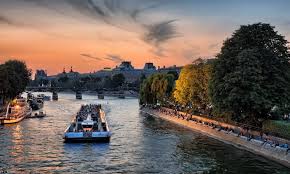
Seine River Cruise Paris Guide: Best Time, Route Tips, Ticket Planning, and Experience Types

Priya Mehta
February 25, 2026
Plan the best Seine river cruise in Paris with practical advice on timing, ticket selection, route strategy, and traveler-type matching.
Why a Seine Cruise Is One of the Best Paris Experiences
A Seine River cruise is one of the most efficient ways to understand Paris quickly because it combines skyline views, landmark orientation, and low-fatigue travel in one activity. Whether you are on a first trip or returning to Paris, a cruise offers a different perspective from street-level sightseeing. The river route connects major visual points with minimal walking load, which is useful for families, seniors, and short-stay travelers.
Cruise quality depends on timing, operator type, seating strategy, and weather. If you are building a broader Paris route, pair this with Eiffel Tower planning, museum sequencing from Louvre guide, and landmark day structure via Arc de Triomphe route. For neighborhood contrast, add Montmartre as a land-based complement.
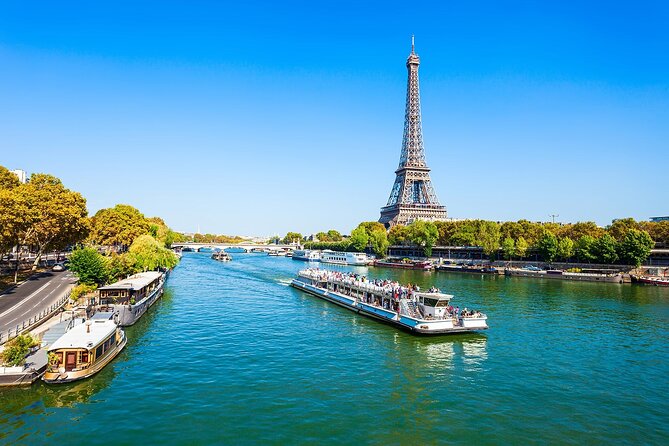
Types of Seine Cruises
Sightseeing cruises: best for first-time orientation and daytime photography.
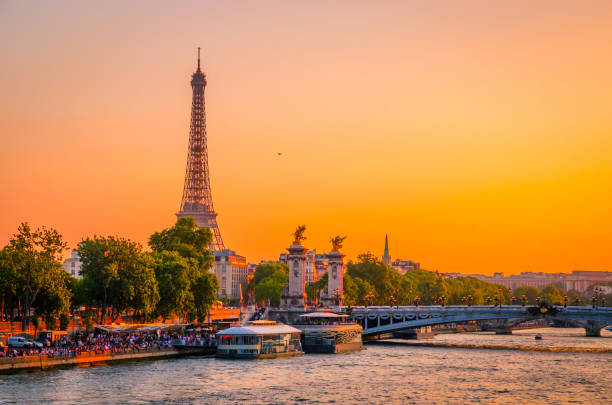
Sunset cruises: strong for atmosphere, skyline transitions, and couples.
Dinner cruises: ideal for curated evening experiences but require careful budget and timing checks.
Short loop options: good for time-constrained schedules.
Your choice should match intent: orientation, romance, photography, or dining.
Best Time to Take a Seine Cruise
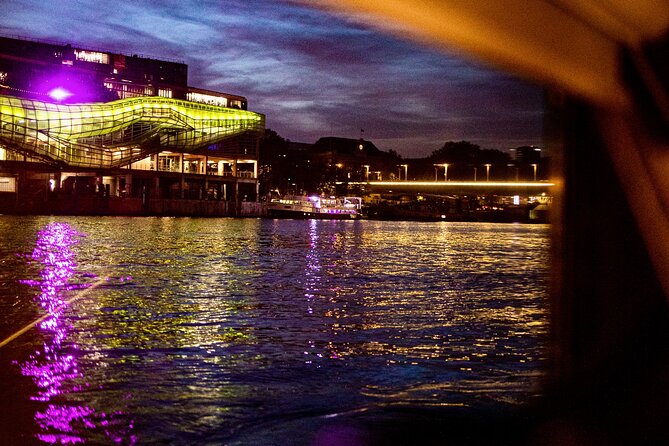
Each time window offers a different experience. Morning is calmer, afternoon is practical for clear visibility, sunset offers dramatic transitions, and night cruises highlight illuminated Paris facades. If this is your first cruise, sunset-to-evening windows are often the most memorable.
Weather can significantly affect comfort. Keep outer-layer planning and seat strategy ready, especially in shoulder and winter seasons.
How to Choose the Right Operator
Compare boarding location, route length, commentary quality, seating options, and cancellation flexibility. Cheapest options are not always best value if views are obstructed or schedule reliability is weak. For dinner cruises, check menu details, duration, and embarkation logistics before booking.
If you have a tight itinerary, choose operators near your previous or next attraction to reduce transfer friction.
Practical Cruise-Day Planning
Arrive early to secure better boarding position and avoid last-minute stress. Keep a compact bag, weather layer, and digital/printed booking confirmation ready. For photography, reserve one part of the cruise for visuals and one for observation so the experience doesn’t become screen-only.
If combining cruise with dinner on land, keep buffer time for disembarkation and transfer. Evening traffic and crowd movement can affect pace.
Budget Planning and Value Tips
Set budget categories: ticket, transfer, optional meal upgrade, and photo/video extras if needed. Book early for high-demand windows, especially sunset and weekend evenings. If traveling in a group, compare bundled options only after checking inclusions clearly.
Value is usually highest when route and timing align with your day plan, not when the fare is lowest.
Who Should Take Which Cruise
First-time visitors: standard sightseeing or sunset cruise.
Couples: sunset or dinner cruise with slower pacing.
Families: daytime route with easy boarding and clear commentary.
Photographers: golden-hour departures with open-view seating preference.
Choosing by traveler type is the easiest way to avoid mismatched expectations.
Common Mistakes to Avoid
Booking the wrong time window for your objective, arriving late at boarding point, and combining cruise with too many fixed bookings are frequent errors. Another mistake is ignoring weather comfort for open decks. Keep the cruise as a highlight block, not a rushed filler activity.
A well-timed cruise can become one of the strongest memories of your Paris trip.
How to Fit a Seine Cruise into a Tight Paris Schedule
If you have only one day in central Paris, a Seine cruise can be your orientation anchor. Do one major landmark on foot, then use the cruise for panoramic connection across city icons. This reduces walking load and gives visual continuity. Keep pre- and post-cruise transfers short by selecting a convenient embarkation point.
Short-stay travelers benefit most from this method because it combines efficiency and atmosphere without sacrificing major views.
Day vs Night Experience Differences
Day cruises are better for architectural clarity and landmark recognition. Night cruises emphasize mood, reflection, and illuminated facades. If possible, choose based on trip purpose: documentation and orientation for day, emotional memory and ambiance for night. Sunset departures often provide both.
Planning by intent prevents disappointment and helps you get the right kind of experience in limited time.
Onboard Strategy for Better Experience
Pick your viewing side early where possible, and avoid spending the full ride adjusting camera settings. Define a short shooting window and then observe without devices. This keeps the cruise enjoyable rather than purely transactional. Travelers often realize afterward that over-filming reduced their actual experience.
For couples and families, a shared no-phone segment can make the ride far more memorable.
Weather and Comfort Planning
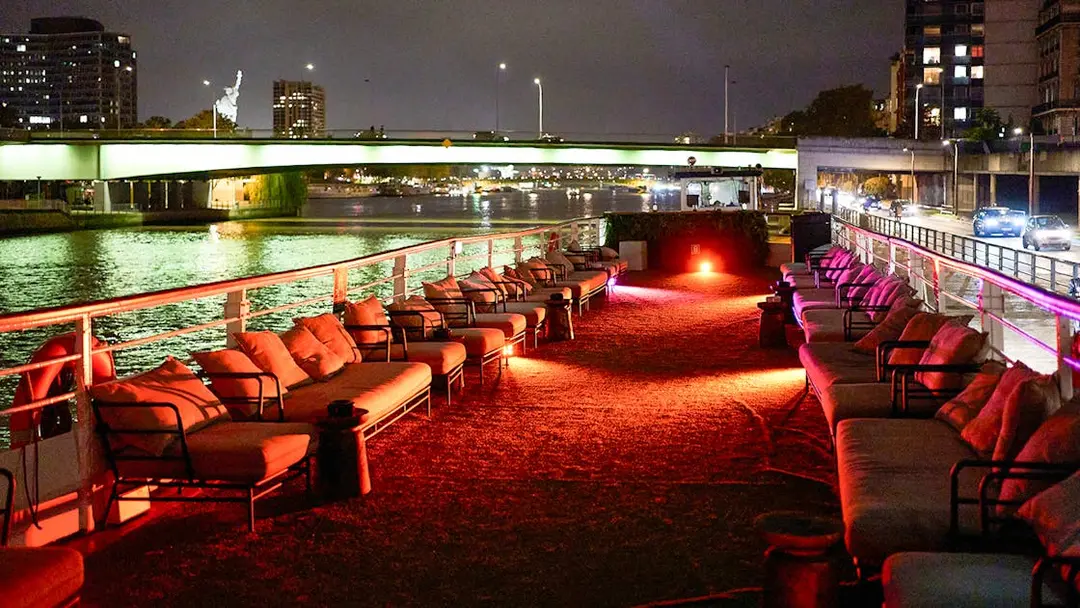
River breeze can make evenings cooler than expected even in moderate seasons. Carry a light layer and keep your seating choice flexible if decks are exposed. Weather readiness is a small step that can significantly improve comfort across the full ride.
A comfortable cruise lets you focus on Paris itself, not on adjusting to avoidable conditions.
Pairing Cruise Timing with Landmark Priorities
If your day includes both museums and landmarks, use the cruise as a transition block rather than an isolated activity. For example, museum-heavy mornings pair well with sunset cruises, while morning cruises pair well with evening neighborhood walks. This integration prevents itinerary fragmentation and improves energy flow.
Avoid placing your cruise between two tight fixed bookings. A little breathing room makes boarding and disembarkation smoother.
Seasonal Planning for Better Cruise Comfort
Each season changes cruise experience. Spring and autumn often provide balanced weather and visual softness. Summer brings longer daylight and higher demand. Winter can be atmospheric and less crowded but requires stronger layering and comfort planning. Seasonal awareness helps you choose the right seating and departure style.
Comfort planning may seem minor, but it strongly influences how much of the cruise you can actually enjoy on deck.
Making the Cruise Memorable Beyond Photos
A cruise becomes memorable when you intentionally pause and absorb the city rhythm: bridge transitions, river reflections, changing skyline density, and onboard atmosphere. Keep at least one part of the ride free from constant filming. This improves emotional recall later.
Paris experiences are strongest when practical planning and lived observation are balanced. Seine cruising is one of the easiest ways to achieve that balance in limited time.
Quick Decision Framework Before Booking
If you have less than five minutes to decide, use this framework: define purpose (views or dining), choose time window (day/sunset/night), pick convenient boarding point, and confirm cancellation flexibility. This quick filter prevents most booking regrets and keeps your Paris plan clean.
Simple decisions made early usually produce the smoothest cruise experiences in a busy city schedule.
A good cruise plan also considers what comes after disembarkation. Pre-decide your next stop so you avoid drifting into peak crowd confusion. Whether it is dinner, a landmark walk, or direct hotel return, this simple transition plan keeps the overall evening calm and efficient.
With the right timing, even a short Seine ride can become a Paris highlight.
Conclusion
A Seine River cruise in Paris delivers high-value sightseeing with minimal logistical complexity when planned correctly. Pick the right cruise type, align timing with your itinerary, and prepare for weather and boarding flow. With smart planning, the experience can be both practical and unforgettable.
Location
Frequently Asked Questions
Q1.What is the best time for a Seine cruise?
Q2.How early should I arrive before boarding?
Q3.Should I pick sightseeing or dinner cruise?
Q4.Can families enjoy Seine cruises?
Q5.What is the biggest mistake to avoid?
Recommended For You
Montmartre Paris Travel Guide: Best Things to See, Eat, and Plan in One Day
Plan Montmartre the smart way with this practical Paris guide covering Sacre-Coeur timing, art square strategy, food spots, hidden lanes, and a complete one-day route.
Shopping Paris: Ultimate Guide to Luxury, Markets & Budget Tips
Complete guide to shopping in Paris featuring luxury districts, department stores, boutiques, flea markets, budget tips, and VAT refund information.
Disneyland Paris: Complete Guide for Magical Experience
Discover the magic of Disneyland Paris with our complete guide! Learn about tickets, best rides, hotels, ideal visiting times, and insider tips for Europe's most enchanting theme park.
Never Miss an Adventure
Get the latest trekking guides, travel tips, and exclusive offers delivered straight to your inbox.
