
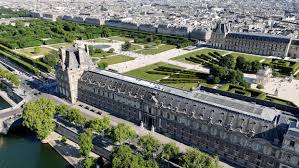
Louvre Museum Paris Guide: Ticket Timing, Gallery Strategy, Route Logic, and Practical Visit Planning

Priya Mehta
February 27, 2026
Plan the Louvre Museum Paris with better ticket timing, gallery prioritization, and practical Paris route integration.
Introduction
The Louvre Museum in Paris is one of the world's most visited museums, and also one of the easiest to mismanage if you arrive without a plan. The space is vast, queue behavior changes by time and season, and many visitors leave feeling rushed despite spending hours inside. This guide helps you plan the Louvre practically: when to go, how to prioritize sections, how to avoid fatigue, and how to integrate the visit with nearby Paris movement. The goal is quality of experience, not just checklist completion.
Why Planning Matters at the Louvre
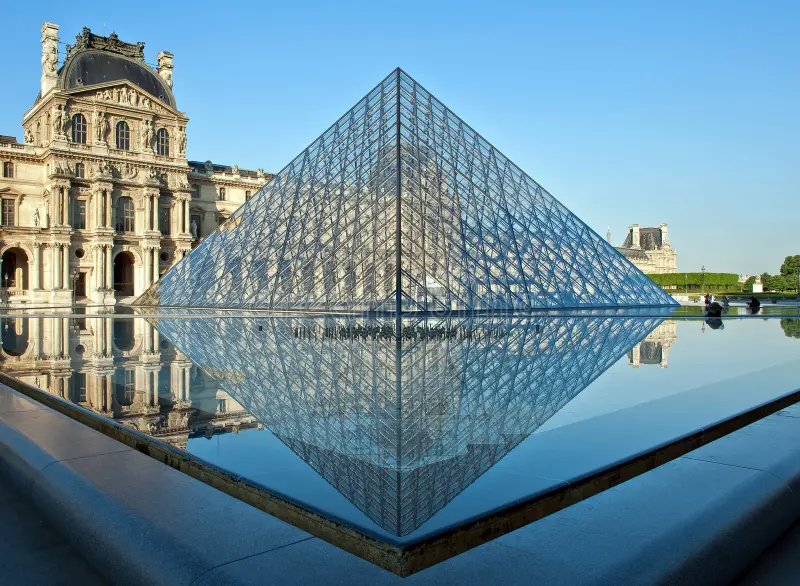
Louvre scale can overwhelm first-time visitors. Without priority mapping, people spend time navigating instead of engaging with art. A focused strategy transforms the experience: define your top objectives, choose section clusters, and leave buffer for orientation transitions. This keeps energy high and interpretation meaningful. The museum is better experienced as curated segments, not as an all-at-once marathon.
Best Time to Visit the Louvre
Entry timing is one of the biggest quality factors. Early windows or lower-demand slots usually provide smoother movement through high-interest zones. Peak tourism periods can amplify queue pressure, so pre-booking and time discipline matter. Build your day around one primary museum block and avoid stacking too many external landmarks before entry.
How to Build a 3-Hour Louvre Route
A practical short route can include one iconic section, one thematic section, and one flexible discovery block. Keep transitions efficient and resist overexpansion. If your Paris plan includes other major landmarks, pair Louvre day logic with Arc de Triomphe Paris and Eiffel Tower Paris on separate blocks to avoid museum-day overload. Museum depth improves when external route pressure is reduced.
What to Prioritize Inside
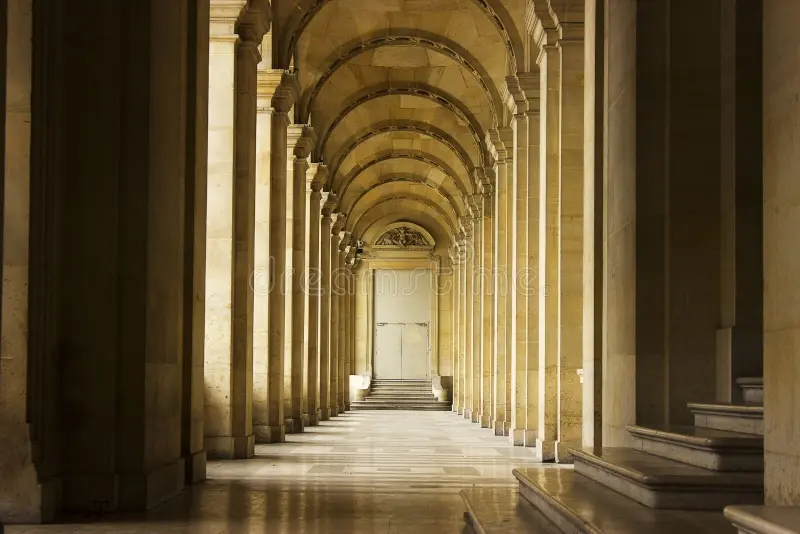
Prioritization should match your interest type: classical sculpture, Renaissance painting, historical artifacts, or architecture itself. Pick one core theme and one secondary theme. This method prevents decision fatigue and allows real engagement. Visitors who chase every famous piece often leave with lower satisfaction than those who follow a coherent internal route.
Photography and Etiquette in Museum Spaces
Photography is common, but movement etiquette matters. Avoid blocking viewing lines, keep stops short in dense zones, and respect no-photo instructions where applicable. Museum etiquette is part of experience quality for everyone. Calm, aware behavior also improves your own observation and reduces stress in crowded sections.
Energy and Break Management
Museum fatigue is real. Plan one short break to reset before final section. Comfortable footwear, hydration planning, and realistic pace improve both focus and enjoyment. A continuous fast walk through the Louvre usually reduces comprehension and memory quality. Slow, strategic pacing performs better than speed.
How to Integrate Louvre with Broader Paris Itinerary
The Louvre fits best as a half-day or dominant-day anchor in Paris. Keep nearby movement compact and avoid far transfers immediately after a heavy museum block. If you want an artistic neighborhood extension, pair on another day with Montmartre Paris or leisure-oriented movement like Seine River Cruise Paris. This distributed structure protects energy and keeps Paris exploration balanced.
Common Mistakes to Avoid
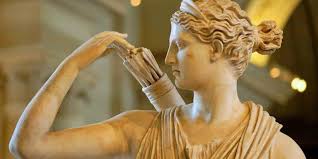
Frequent mistakes include entering without route priorities, overcommitting too many sections, and combining Louvre with excessive same-day landmarks. Another issue is no break strategy in peak-season crowds. Correct these with focused section planning and realistic day load control. Louvre experience quality is determined more by decisions than by time spent.
Who Should Add Extra Louvre Time
Art students, history enthusiasts, and repeat Paris travelers should add extra time or split the museum across separate sessions. A second focused session often produces much better understanding than forcing everything into one visit. Revisit value at Louvre is high when approached by theme.
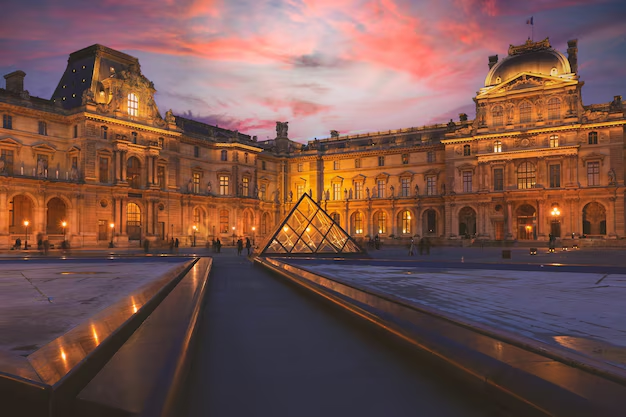
How to Navigate Louvre Without Decision Fatigue
The Louvre can overwhelm even experienced museum-goers because options are too many and spatial transitions are complex. Decision fatigue appears when visitors keep re-choosing routes every few minutes. The fix is simple: pre-define your top two themes, one optional third block, and one fixed break point. Follow that plan unless crowd conditions force a clear adjustment. Structured flexibility works better than open-ended wandering in large museum systems.
Another useful tactic is to set a stop rule. For example, after every major section, pause for one minute to evaluate energy and next move. This tiny checkpoint prevents accidental overextension and improves concentration quality across the visit.
Museum Stamina and Observation Quality
Museum quality is not measured by the number of rooms crossed. It is measured by how well you engage with chosen works. Louvre days improve when you alternate high-focus viewing with short low-stimulation transitions. Keep your pace slower in dense galleries and quicker in connector spaces. This pacing pattern protects cognitive energy and makes art interpretation more meaningful.
If you feel visual fatigue, do not push harder. Take a short reset, hydrate, and restart with one clear objective. A strategic reset usually produces better final-hour output than continuous pushing through exhaustion.
Integrating Louvre With Paris Photography Plans
Many travelers combine Louvre with city photography goals. To do this well, reserve one soft-light window for exterior architecture and keep interior viewing as a separate focus block. Do not let exterior photo timing disrupt museum flow repeatedly. Structured separation of photo goals and gallery goals gives better outcomes in both areas.
At the end of the day, review what you actually experienced rather than what you missed. Louvre is naturally revisit-friendly, and trying to complete everything in one visit reduces quality. Curated completion is the right target.
Pre-Visit Preparation That Saves Time
A short preparation step before Louvre day can save significant time: review museum layout, choose top galleries, and set realistic viewing priorities. Do this the night before, not at the entrance queue. Visitors who prepare in advance spend more time with art and less time navigating uncertainty. Keep your plan simple and adaptive rather than exhaustive.
Also decide what you will skip. Intentional exclusion is part of strong museum planning. Without it, fatigue rises and focus drops quickly in large collections.
How to Use Breaks Without Losing Momentum
Breaks should be strategic, not random. Plan one reset point around mid-visit and use it to re-evaluate energy and section priorities. After the break, continue with one focused gallery objective rather than restarting broad exploration. This method keeps momentum while protecting cognitive stamina.
A successful Louvre visit is defined by clarity and depth in selected sections. Curated progress always beats exhaustive but superficial coverage.
Final Museum Reminder
Choose fewer galleries, observe better, and leave with depth rather than exhaustion. Louvre is best experienced through curated focus, not rushed completion.
Closing Planning Note
Protect one focused museum block, one break, and one calm exit. Structured pacing is the fastest way to improve Louvre experience quality.
Last Museum Line
Curated focus always beats rushed coverage in large museum visits.
Final Reminder
Arrive prepared, pace yourself, and prioritize depth over volume.
Last Line
Good museum days are planned, paced, and intentionally selective.
Note
Slow down and observe deeply for a richer Louvre visit.
Conclusion
Louvre Museum Paris becomes far more rewarding when you visit with structured priorities, timing discipline, and energy-aware pacing. Keep your route focused, avoid museum-day overload, and treat the experience as curated exploration. With this approach, Louvre shifts from overwhelming to deeply memorable and intellectually satisfying.
Location
Frequently Asked Questions
Q1.How much time should I keep for Louvre Museum?
Q2.What is the biggest Louvre planning mistake?
Q3.Can Louvre be combined with other Paris landmarks same day?
Q4.How do I skip the long queues at the Louvre?
Q5.What are the must-see artworks at the Louvre?
Recommended For You
Seine River Cruise Paris Guide: Best Time, Route Tips, Ticket Planning, and Experience Types
Plan the best Seine river cruise in Paris with practical advice on timing, ticket selection, route strategy, and traveler-type matching.
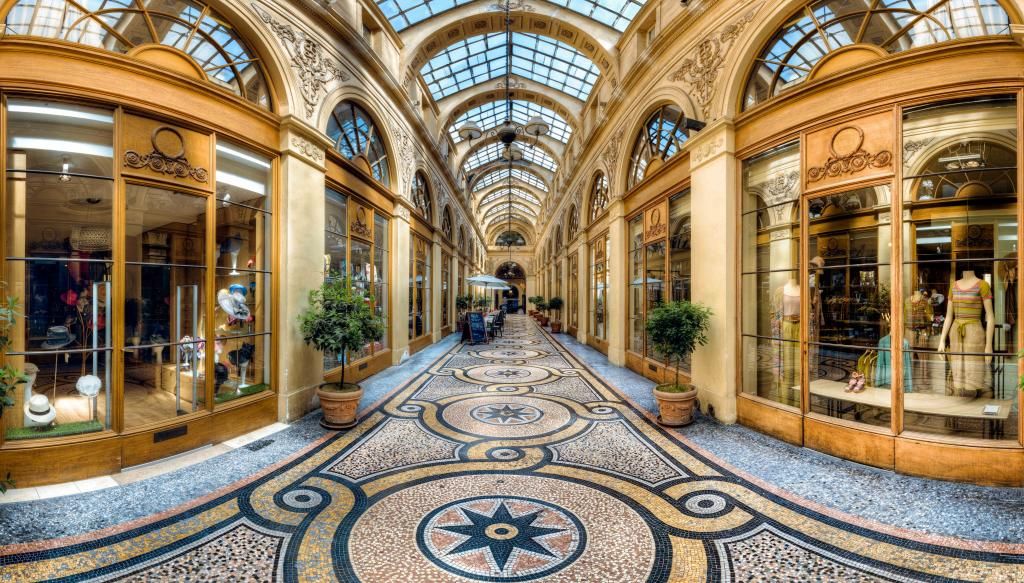
Shopping Paris: Ultimate Guide to Luxury, Markets & Budget Tips
Complete guide to shopping in Paris featuring luxury districts, department stores, boutiques, flea markets, budget tips, and VAT refund information.
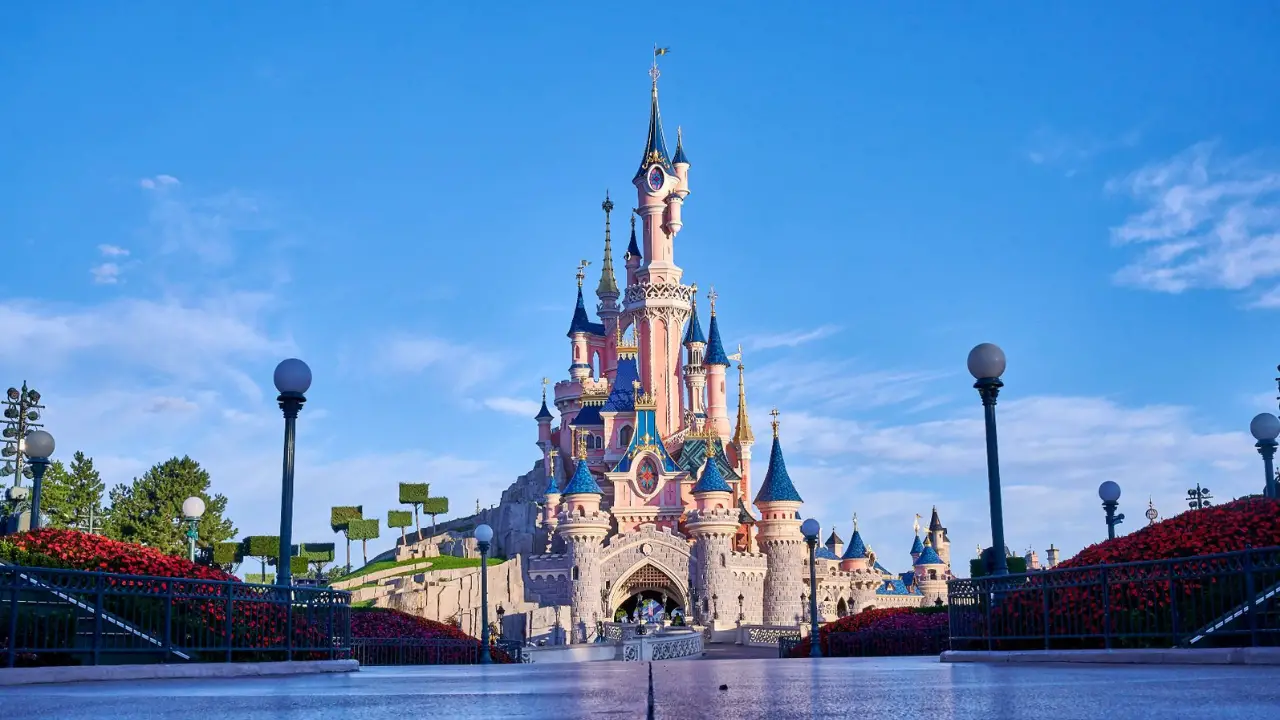
Disneyland Paris: Complete Guide for Magical Experience
Discover the magic of Disneyland Paris with our complete guide! Learn about tickets, best rides, hotels, ideal visiting times, and insider tips for Europe's most enchanting theme park.
Never Miss an Adventure
Get the latest trekking guides, travel tips, and exclusive offers delivered straight to your inbox.
