
Montmartre Paris Travel Guide: Best Things to See, Eat, and Plan in One Day

Priya Mehta
February 25, 2026
Plan Montmartre the smart way with this practical Paris guide covering Sacre-Coeur timing, art square strategy, food spots, hidden lanes, and a complete one-day route.
Why Montmartre Is Still Paris at Its Most Human Scale
Montmartre sits on a hill in the 18th arrondissement and feels very different from the broad boulevards many travelers first imagine when they think of Paris. Streets narrow, staircases replace traffic lanes, and small squares open suddenly between apartment blocks, bakeries, and ateliers. That intimate scale is why this district works so well for slow travel. You can build a complete day around short walks, neighborhood food, and a few high-value landmarks without running across the city. If you are planning a larger Paris itinerary, combine this day with Eiffel Tower planning tips, museum timing from the Louvre guide, and route logic from Arc de Triomphe to reduce transit friction.
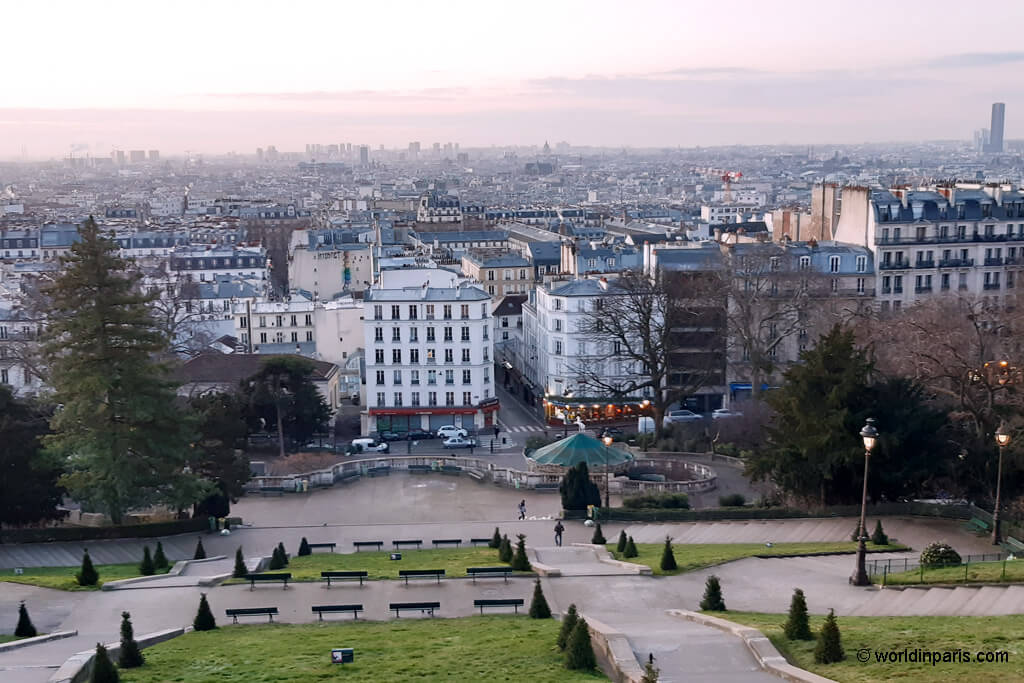
The core value of Montmartre is not a checklist. It is the sequence of experiences: sunrise or early-morning steps, basilica viewpoints, side-street cafes, street art corners, and sunset city panoramas. That sequence creates a day that feels complete even without entering many paid attractions. For travelers with limited time, Montmartre can deliver architecture, local culture, food, and skyline views in one compact zone.

How to Start the Day: Timing, Entry, and First Route
The biggest practical mistake in Montmartre is arriving late. By late morning, major lanes around Sacre-Coeur become congested with tour groups and photo queues. If your goal is atmosphere, reach before 9:00 AM. Begin near Anvers or Abbesses Metro, take the stairs up, and use the quieter side lanes before touching the basilica forecourt. This gives you cleaner frames, easier walking pace, and better seating in early cafes.
Keep the first two hours low-commitment: viewpoint, short church visit, and a coffee stop. Do not lock the morning into strict booking windows unless required. Montmartre works best when your route can absorb small detours, especially if you discover a local market lane, an open studio, or a bakery with shorter lines than headline spots. Build flexibility into the first half of your day and reserve fixed-time plans for late afternoon or dinner.
Sacre-Coeur: How to Visit Without Losing Time
Sacre-Coeur is Montmartre's visual anchor and usually the first landmark people target. The basilica itself can be visited relatively quickly, but surrounding queues and viewpoints can consume much more time than expected. The efficient plan is simple: exterior panorama first, interior second, then immediate exit toward side streets instead of staying on the front stairs during peak flow. You can always return for sunset if needed.
Inside, keep expectations balanced. The experience is devotional and architectural rather than museum-like. Spend time on ceiling details, stained-glass lighting, and quiet corners. If you want dome access, check queue behavior before committing because waiting times can alter your entire neighborhood schedule. For travelers combining this district with cruise evenings, Seine route planning can help you decide whether to stay for late views or move sooner.

Place du Tertre and the Art Quarter: What Is Worth Paying For
Place du Tertre is iconic, but it can feel crowded and expensive if approached without context. Treat it as a short observational stop first. Walk the square, study different artist styles, and compare prices before buying portraits or sketches. If you want commissioned work, ask turnaround time and medium in advance so you do not lose prime walking hours waiting. Many travelers overpay because they commit before understanding options.
The better strategy is to buy one meaningful piece instead of multiple low-intent souvenirs. A small portrait or watercolor with visible street context can become your strongest memory artifact from Paris. You can also photograph alley murals and street details for free and reserve spending for food or museum entries. This balance keeps the day financially efficient while still supporting local artists where it matters.
Food Strategy in Montmartre: Avoiding Tourist Menus
Montmartre can be excellent for food if you avoid main-square menus and walk two or three lanes away from heavy footfall. Use a layered meal strategy: light bakery breakfast, early lunch in a side street bistro, and one dessert or coffee break in late afternoon. This prevents fatigue, keeps your pace stable on slopes, and lowers your spend compared with random stop-and-order patterns.
For lunch, focus on short menus with fresh daily boards. These usually indicate better kitchen rhythm than oversized tourist menus with photos. For dessert, choose one specialist stop rather than sampling in every lane. If your broader France plan includes other cities, compare this neighborhood style with fast-paced urban guides like Ho Chi Minh city walking districts to improve decision speed when streets are crowded.

Hidden Lanes, Windmills, and Quiet Viewpoints
Most visitors stay near Sacre-Coeur and miss the quieter Montmartre that makes this district memorable. Spend at least ninety minutes walking beyond the top landmarks. Look for old staircases, residential corners with ivy-covered facades, and preserved windmill references that connect to the district's pre-urban identity. These routes offer the best photo variety because they combine texture, elevation, and human scale without dense crowd interference.
If you want cleaner frames, avoid standing exactly where everyone else stops. Move thirty to fifty meters off the obvious turn and shoot back toward the lane. Light reflects better on pale facades in late afternoon, and the district's uneven surfaces create strong depth in images even with smartphone cameras. This is where Montmartre outperforms many central monuments for casual travel photography.
Practical Safety, Budget, and Mobility Notes
Montmartre is generally walkable and manageable, but like most high-traffic destinations, it demands attention around transport nodes and crowded stair sections. Keep your bag zip orientation forward in dense spaces, especially around major metro exits and viewpoint bottlenecks. Footwear matters more here than in flatter parts of Paris because repeated climbs can strain pace and decision quality over a full day.
Budget-wise, plan by category: transit, one paid attraction if needed, two quality meals, and one art or souvenir purchase. This structure reduces impulse spend and helps you prioritize what actually improves the day. If weather shifts, do not force uphill loops repeatedly. Use metro repositioning to protect energy. A good Montmartre day is built on rhythm, not distance covered.

Best One-Day Itinerary Template
08:15-09:15: Arrive via Anvers or Abbesses, climb early, panoramic pause near Sacre-Coeur steps.
09:15-10:00: Basilica visit and short interior exploration.
10:00-11:00: Coffee plus nearby lanes for low-crowd photography.
11:00-12:00: Place du Tertre and art quarter walk-through; shortlist any art purchase.
12:15-13:30: Side-street bistro lunch away from main square.
13:30-15:30: Hidden-lane loop with staircase routes and residential viewpoints.
15:30-16:30: Dessert break, optional museum or atelier stop.
16:30-18:30: Golden-hour walk and sunset viewpoint return.
Evening add-on: Continue to central Paris for dinner or riverfront plans.
Montmartre for Different Traveler Types
Couples usually enjoy late-afternoon lane walks and one long cafe break near quieter terraces. Solo travelers often get the best result from an early start, one structured landmark block, and an open creative hour for sketching or photography. Families can do Montmartre comfortably if they avoid staircase-heavy loops at peak noon and use short breaks after every major incline. No matter your style, the district rewards measured pace more than aggressive coverage.
Conclusion
Montmartre works best when treated as a living neighborhood, not a rushed monument stop. Start early, protect your walking rhythm, choose side streets over crowd corridors, and make deliberate choices on food and art purchases. That method gives you stronger photos, better meals, and a more authentic Paris day. Even if this is your first trip, a well-planned Montmartre route can feel surprisingly local and complete. Keep your plan simple, let the district unfold lane by lane, and you will leave with a far better memory than any checklist-heavy sprint.
Location
Frequently Asked Questions
Q1.What is the best time to visit Montmartre?
Q2.How long should I spend in Montmartre?
Q3.Is Montmartre expensive for food?
Q4.Can Montmartre be done without paid attractions?
Q5.Is Montmartre safe for solo travelers?
Recommended For You
Bali: Complete Travel Plan Places And Weather
Complete Bali travel guide with 7-day itinerary, best time to visit, cost breakdown, top attractions, transport options & insider tips for first-time visitors to Indonesia's Island of Gods.
Seine River Cruise Paris Guide: Best Time, Route Tips, Ticket Planning, and Experience Types
Plan the best Seine river cruise in Paris with practical advice on timing, ticket selection, route strategy, and traveler-type matching.
Ho Chi Minh City Vietnam Guide: District Planning, Cultural Stops, and Smart Urban Itinerary Design
Plan Ho Chi Minh City with district-based routing, cultural sequencing, and practical day-to-night urban travel strategy.
Never Miss an Adventure
Get the latest trekking guides, travel tips, and exclusive offers delivered straight to your inbox.
