
Shopping in Agra: Complete Guide to Souvenirs, Handicrafts & Markets

Priya Mehta
December 2, 2025
Discover shopping in Agra with our complete guide. Marble inlay work, Sadar Bazaar, handicrafts, leather goods, souvenirs, and bargaining tips.
Shopping in Agra: Markets, Marble Inlay, Leather, and Local Specialties
Agra is known globally for the Taj Mahal, but its shopping identity is much older than tourism. The city has strong craft lineages in marble inlay, leather products, embroidery, sweets, and gifting categories linked to Mughal-era trade traditions. If you shop with a clear route and quality checklist, Agra can be one of the best value-and-craft cities in North India.
The biggest mistake most travelers make is buying quickly near tourist clusters. The better approach is to compare by category: marble inlay in specialist stores, leather in known market strips, and food gifts from trusted outlets. If you are planning a larger circuit, compare with shopping in Delhi for range, then use Agra for craft depth and souvenir authenticity.
Top Shopping Markets in Agra
Sadar Bazaar
One of the most practical all-round shopping zones in Agra. Good for mixed buying: marble gifts, leather accessories, textiles, and sweets. It is often the easiest first stop for travelers.
Kinari Bazaar
Better for traditional textiles, decorative embroidery, festive accessories, and local market atmosphere. Lanes are narrower and busier, but variety is strong.
Taj Ganj area
Convenient for tourists staying near the Taj side. Good for quick buys, but compare prices before final billing.
Modern retail pockets
Useful for fixed-price comfort buying, but handcrafted categories are usually better in traditional market areas.
Marble Inlay Work: How to Buy Smartly
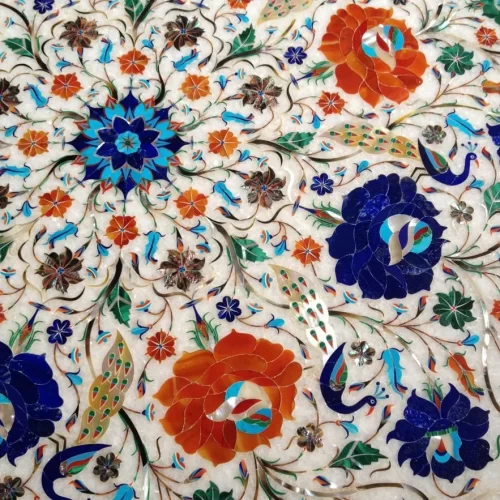
Agra's marble inlay (often associated with pietra dura technique) is a core shopping category. You will see everything from coasters and tabletops to boxes and decor plates. Quality differences are huge, so inspection matters more than design appeal.
- Check stone fitting precision: no visible gaps
- Run hand across surface: it should feel smooth and even
- Inspect symmetry in repeated motifs
- Ask material clarity: marble type and stone category
For high-value purchases, request invoices and shipment details clearly. If you are comparing handcrafted decor with other cities, shopping in Jaipur provides a useful benchmark for pricing behavior and finishing quality.
Leather Shopping in Agra
Agra has a long-standing leather manufacturing ecosystem. You can find footwear, belts, wallets, jackets, and bags in multiple quality tiers. For durable purchases, prioritize leather feel, stitch consistency, edge finishing, and hardware quality.
Footwear
Good for both traditional and modern styles. Always test sole flexibility and inner comfort before buying.
Bags and wallets
Check zipper quality, lining strength, and edge treatment. Flimsy lining usually reduces product life quickly.
Belts and accessories
Look at buckle fit and punched-hole finishing. Poor edge finishing cracks early.
If you want a metro-city comparison for contemporary leather retail presentation, see shopping in Mumbai and then decide how much of your budget to allocate in Agra.
What to Buy as Agra Souvenirs
- Marble inlay coasters and decorative boxes
- Leather wallets, belts, and footwear
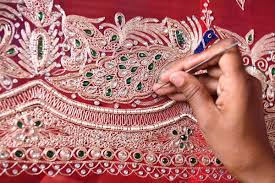
- Zardozi-inspired textile pieces
- Taj-themed miniatures and keepsakes
- Packaged specialty sweets and snack items
Souvenir quality improves when you avoid impulse counters and instead shortlist 2-3 shops per category.
Petha and Food Gift Buying
Agra's petha remains one of the most purchased edible souvenirs. Buy from trusted, high-turnover outlets for freshness and better shelf stability. Also check for hygienic packaging when carrying products for long-distance travel.
If you are buying both food and fragile decor, do food purchases at the end of your market run to avoid heat exposure and bag compression.
Shopping Tips and Bargaining in Agra
Bargaining is common in many traditional markets, but the margin varies by category. Deep craft products with high labor input (like quality inlay work) usually have less negotiation room than mass-market accessories.
- Survey prices first, buy second
- Use category budgets (marble, leather, food, gifts)
- Request bill for high-value products
- Avoid buying fragile items early in the day
- Carry mixed payment options (cash + digital)
For mall-first shoppers who prefer fixed-price planning, compare strategy with shopping in Hyderabad before entering Agra's mixed-format markets.
Best Time to Shop in Agra
Late morning and early evening are generally best. Midday heat can reduce comfort in open-lane markets. Weekdays are easier for detailed comparison, while weekends are more vibrant but crowded. During festive periods, product range improves but crowd intensity increases.
How to Build a Half-Day Agra Shopping Route
Start with Sadar Bazaar for category mapping. Move to Kinari Bazaar for traditional textile and decorative categories. Finish with sweets and final gift picking at trusted outlets. Keep last 30-45 minutes for revisits, because best-value final purchases often happen after first-round comparisons.
Final Takeaway
Shopping in Agra is strongest when you treat it as a craft-first city, not a quick souvenir stop. Use planned category buying, inspect quality patiently, and balance traditional markets with comfort-led stops. This approach helps you return with purchases that are useful, gift-worthy, and genuinely connected to Agra's artisan identity.
Marble and Leather Budget Matrix
Agra shopping improves when you separate collectible buys from practical buys. Marble inlay collectibles can consume budget quickly, so set a hard cap before entering specialist stores. Leather categories are easier to split by use case: daily wear, gifting, and premium statement pieces.
- Entry budget: small marble gifts + one leather accessory
- Mid budget: multiple decor items + footwear and wallet set
- Premium budget: statement inlay piece + curated leather set
Keep fragile marble purchases for the final stage of your day to reduce handling damage risk.
How to Avoid Tourist-Trap Spending
The most expensive mistake is buying from the first convenient shop near major monuments. Instead, scan category rates first, then return for confirmed-value buying. Ask for product detail and bill transparency, especially for high-value inlay items.
Practical Packing and Shipping Tips
For marble and glass-heavy goods, confirm packing material and outer protection quality. For leather products, keep items in breathable wraps and avoid tight moisture-heavy packing. If shipping internationally, request clear product description in invoice paperwork.
Souvenir Curation Strategy for Agra Travelers
Instead of buying multiple small random souvenirs, create a curated set: one craft piece, one leather utility item, and one edible gift pack. This gives better quality control and cleaner luggage management.
For premium purchases, ask detailed product notes in invoice lines. Clear billing helps with later authenticity and transport queries. Keep photos of purchases and bills for safer post-trip reference.
If your travel day is same-day departure, avoid final rush buying near station routes. Quality decisions usually drop under time pressure.
Location
Frequently Asked Questions
Q1.What is Agra most famous for shopping?
Q2.Where is the best place to shop in Agra?
Q3.What should I buy as souvenirs from Agra?
Q4.Are marble inlay work items expensive?
Q5.How do I identify good quality marble inlay work?
Q6.Is bargaining acceptable in Agra markets?
Q7.What is Petha and where should I buy it?
Q8.Can I get leather goods at good prices in Agra?
Recommended For You
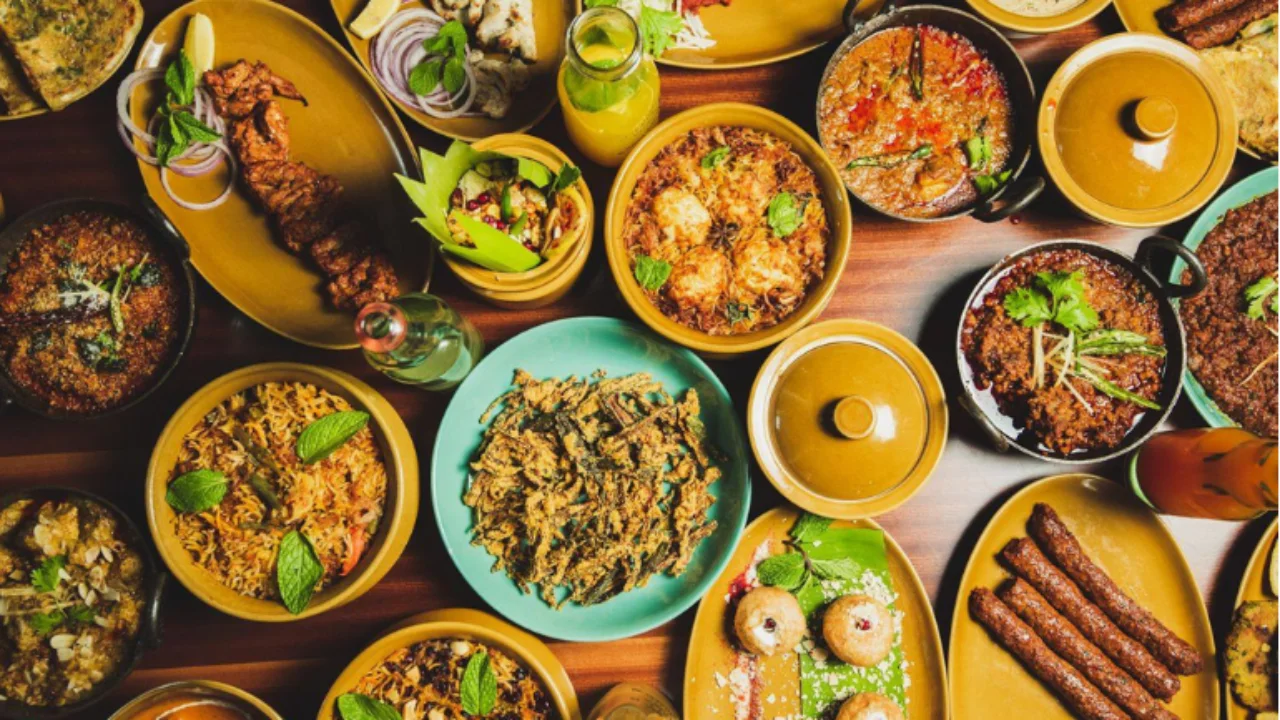
Best Local Food in Agra: Must-Try Dishes and Tips
Best local food in Agra guide with breakfast-to-dinner sequencing, street food timing, sweet-shop planning, and practical budget tips.
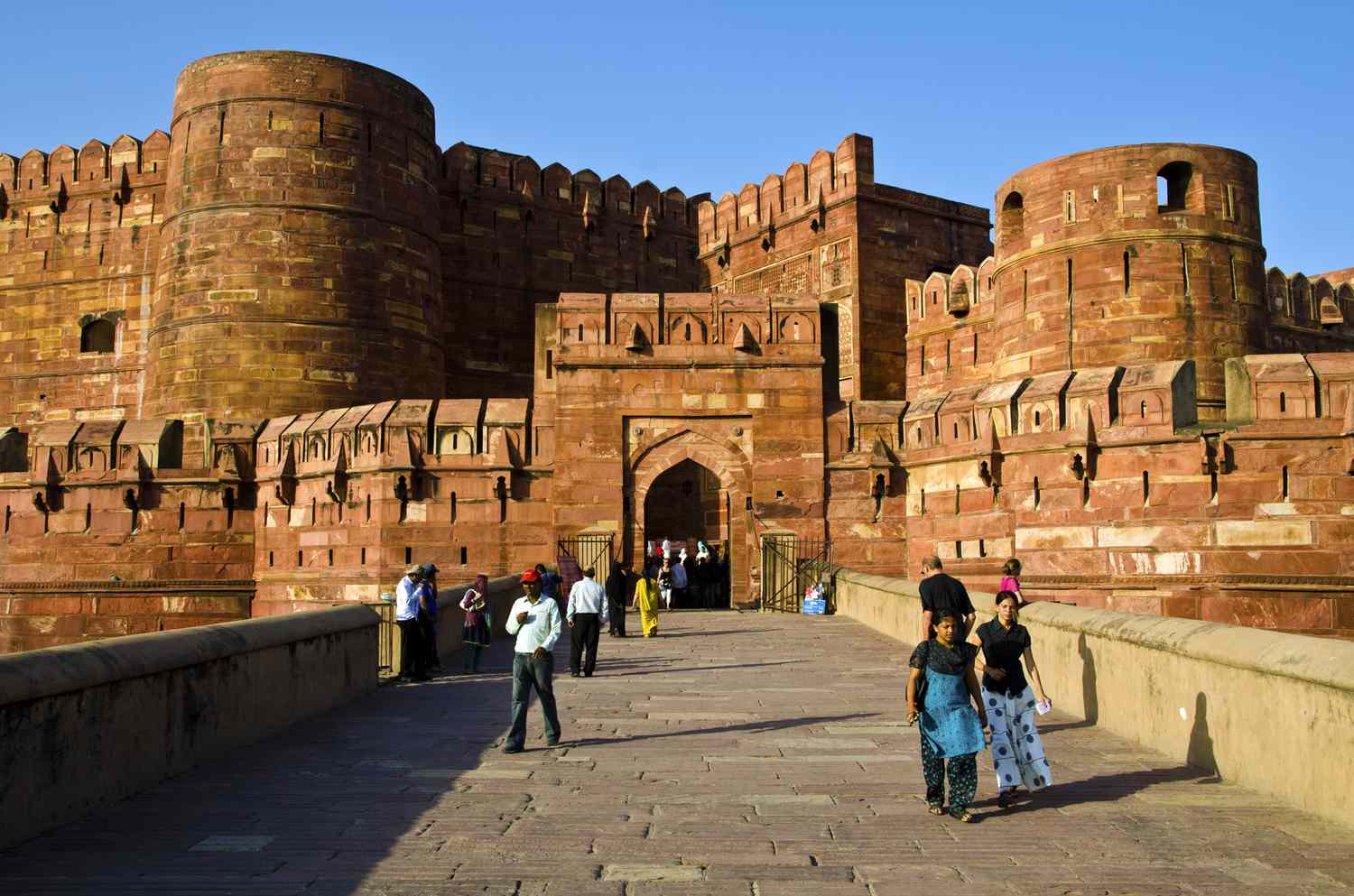
Places to Visit in Agra Besides Taj Mahal
Explore Agra beyond the Taj Mahal. From Agra Fort and Fatehpur Sikri to the Baby Taj and Mehtab Bagh - discover 10 incredible places in Agra with timings, tickets & travel tips.
Never Miss an Adventure
Get the latest trekking guides, travel tips, and exclusive offers delivered straight to your inbox.
