
Places to Visit in Agra Besides Taj Mahal

Rohan Malhotra
February 6, 2026
Explore Agra beyond the Taj Mahal. From Agra Fort and Fatehpur Sikri to the Baby Taj and Mehtab Bagh - discover 10 incredible places in Agra with timings, tickets & travel tips.
Beyond the Taj: Agra's Hidden Treasures
Most travelers visit Agra with one mission: see the Taj Mahal and leave. But those who limit their Agra experience to this iconic monument are missing out on a city that served as the capital of the Mughal Empire for over a century. Agra is a treasure trove of Mughal architecture, rich history, and cultural heritage that extends far beyond its most famous attraction. The city's strategic location along the Yamuna River made it the perfect capital for three great Mughal emperors—Akbar, Jahangir, and Shah Jahan—each of whom left behind magnificent architectural legacies. From imposing forts to exquisite tombs, bustling bazaars to serene gardens, Agra offers a fascinating journey through India's royal past. What makes Agra special is how these monuments represent different eras and architectural styles. While the Taj Mahal represents Shah Jahan's reign (the peak of Mughal art), Agra Fort showcases Akbar's military might, and Fatehpur Sikri embodies the emperor's visionary experiments. Together, they tell the complete story of the Mughal Empire's golden age. This guide explores Agra's most compelling attractions beyond the Taj Mahal, helping you discover the city's lesser-known gems and plan a comprehensive Agra itinerary that goes beyond the obvious.Agra Fort: The Power Center
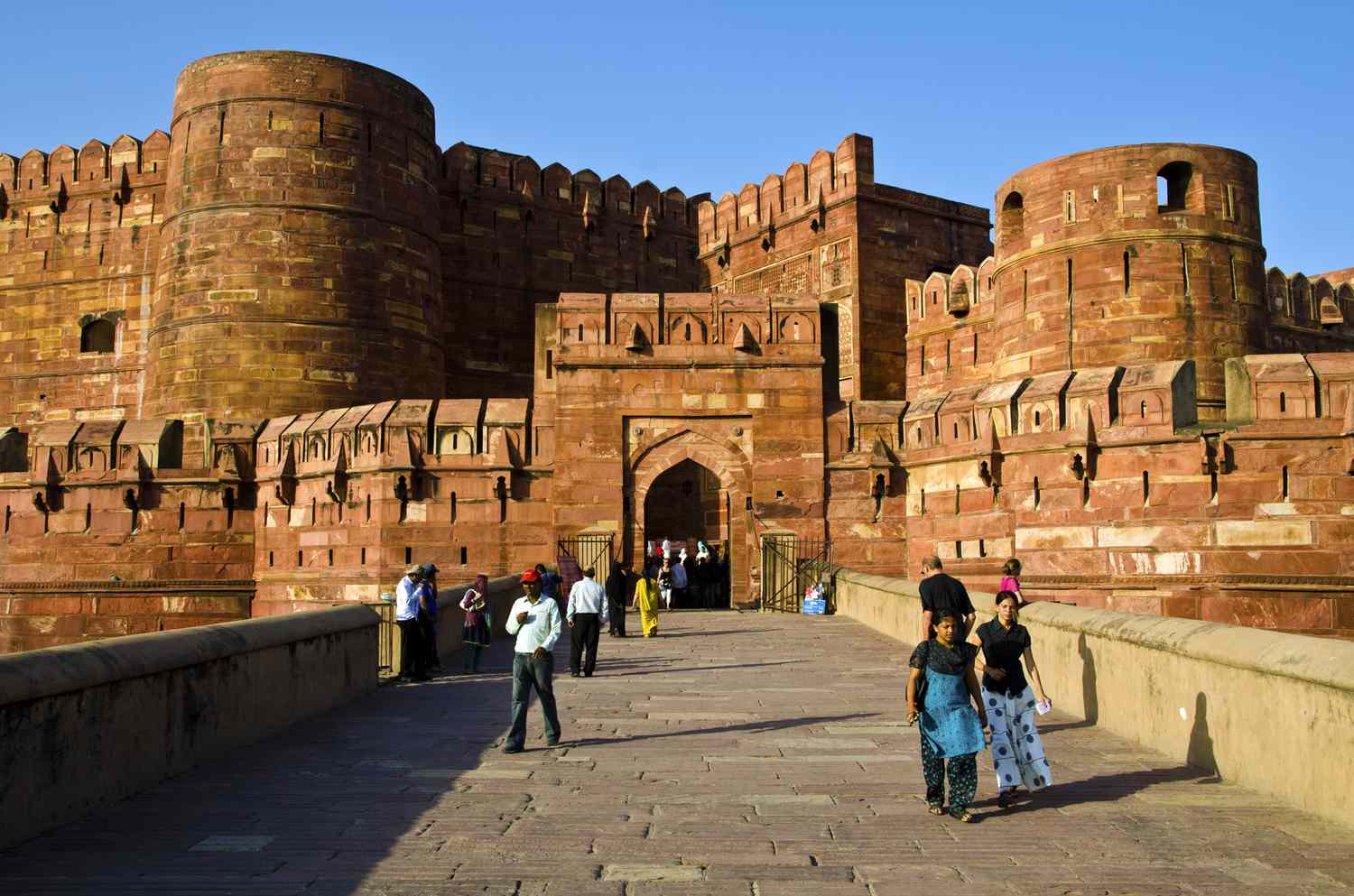
 Just 2.5 kilometers from the Taj Mahal stands Agra Fort, a UNESCO World Heritage Site that deserves as much attention as its white-marble neighbor. This massive red sandstone fortress was the main residence of the Mughal emperors until 1638, when the capital shifted to Delhi.
Historical Significance:
Built by Emperor Akbar between 1565 and 1573, Agra Fort served as the military stronghold and royal palace for generations of Mughals. It's here that Shah Jahan was imprisoned by his son Aurangzeb, spending his final years gazing at the Taj Mahal from the Musamman Burj—a tower with a marble balcony offering views of his beloved monument.
Architectural Highlights:
The fort is a masterpiece of Mughal architecture, blending Islamic, Persian, and Indian styles:
Just 2.5 kilometers from the Taj Mahal stands Agra Fort, a UNESCO World Heritage Site that deserves as much attention as its white-marble neighbor. This massive red sandstone fortress was the main residence of the Mughal emperors until 1638, when the capital shifted to Delhi.
Historical Significance:
Built by Emperor Akbar between 1565 and 1573, Agra Fort served as the military stronghold and royal palace for generations of Mughals. It's here that Shah Jahan was imprisoned by his son Aurangzeb, spending his final years gazing at the Taj Mahal from the Musamman Burj—a tower with a marble balcony offering views of his beloved monument.
Architectural Highlights:
The fort is a masterpiece of Mughal architecture, blending Islamic, Persian, and Indian styles:
- Delhi Gate: The grandest entrance, facing west toward Delhi, featuring impressive defensive architecture
- Amar Singh Gate: The current public entrance, named after the brave Rajput ruler
- Jahangiri Mahal: The oldest palace, built for Jahangir, featuring beautiful stone carvings
- Khas Mahal: Shah Jahan's private palace, an exquisite white marble structure
- Musamman Burj: The octagonal tower where Shah Jahan was imprisoned
- Sheesh Mahal (Glass Palace): Decorated with tiny mirror reflections
- Diwan-i-Khas: The hall of private audience, featuring the Peacock Throne
- Diwan-i-Aam: The hall of public audience, where the emperor addressed common people
- Nagina Masjid: The gem mosque, built for the ladies of the court
- Mina Masjid: The heavenly mosque, Shah Jahan's private prayer chamber
- Timings: Sunrise to sunset (6:00 AM to 6:00 PM)
- Tickets: ₹50 for Indians, ₹650 for foreigners
- Time Required: 2-3 hours
- Best Time: Early morning or late afternoon to avoid heat
Fatehpur Sikri: The Abandoned Capital
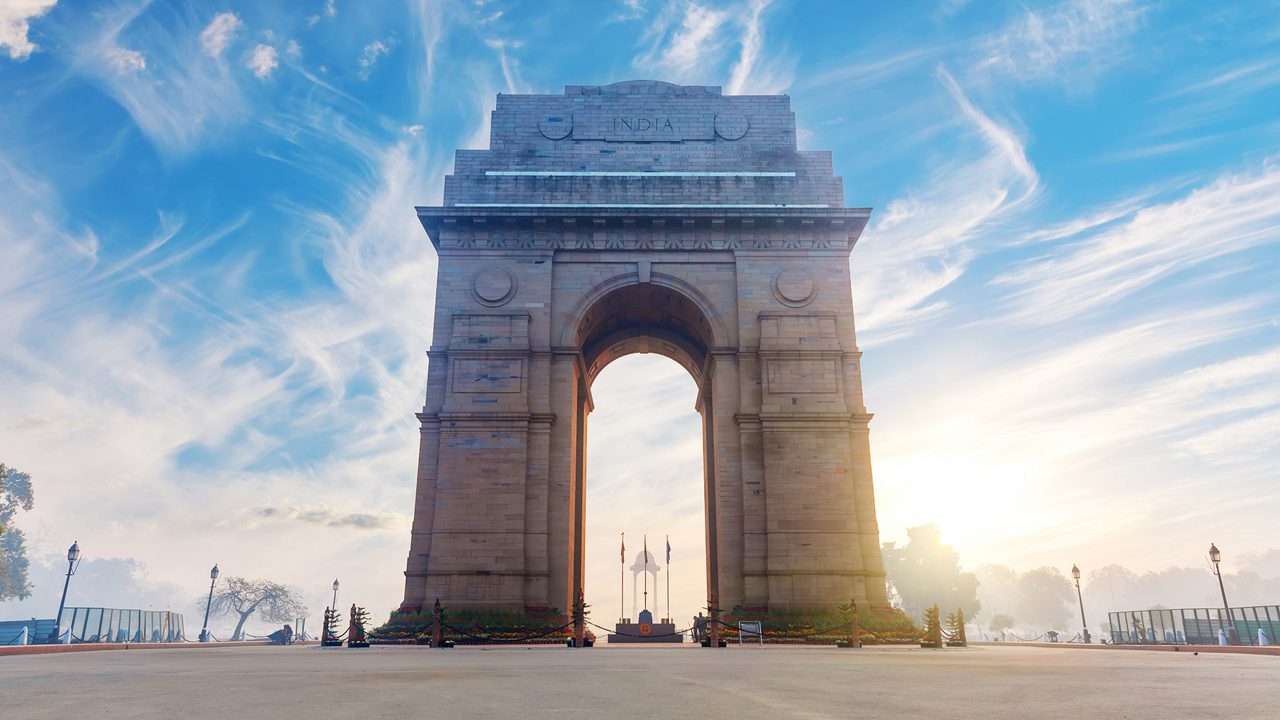 Located 38 kilometers from Agra, Fatehpur Sikri is a UNESCO World Heritage Site that stands as a testament to Emperor Akbar's vision and ambition. Built in the 16th century, this perfectly preserved Mughal city was abandoned just 15 years after its completion due to water scarcity.
The Story Behind the City:
Akbar built Fatehpur Sikri (City of Victory) to honor the Sufi saint Sheikh Salim Chishti, who predicted the birth of an heir to the Mughal throne. When Akbar's son Jahangir was born in 1569, the emperor moved his capital here and built a magnificent city that served as the Mughal capital from 1571 to 1585.
Must-See Monuments:
Located 38 kilometers from Agra, Fatehpur Sikri is a UNESCO World Heritage Site that stands as a testament to Emperor Akbar's vision and ambition. Built in the 16th century, this perfectly preserved Mughal city was abandoned just 15 years after its completion due to water scarcity.
The Story Behind the City:
Akbar built Fatehpur Sikri (City of Victory) to honor the Sufi saint Sheikh Salim Chishti, who predicted the birth of an heir to the Mughal throne. When Akbar's son Jahangir was born in 1569, the emperor moved his capital here and built a magnificent city that served as the Mughal capital from 1571 to 1585.
Must-See Monuments:
- Buland Darwaza: The 54-meter high Gate of Victory, one of the tallest gateways in the world
- Saint Salim Chishti Tomb: The white marble tomb surrounded by a stunning carved lattice screen
- Jama Masjid: One of India's largest mosques, featuring beautiful Persian architecture
- Panch Mahal: A five-story palace with 176 columns, offering panoramic views
- Anup Talao: The peerless pool, an ornamental water tank
- Birbal's House: The residence of Akbar's famous Hindu minister
- Jodha Bai's Palace: The residence of Akbar's Rajput queen, blending Hindu and Mughal architecture
- Diwan-i-Khas: The hall of private audience, featuring the central throne pillar
- Distance from Agra: 38 km (1 hour by road)
- Timings: Sunrise to sunset (6:00 AM to 6:00 PM)
- Tickets: ₹50 for Indians, ₹610 for foreigners
- Time Required: 3-4 hours
- Best Time: Early morning to avoid crowds and heat
Itmad-ud-Daulah (Baby Taj): Taj Mahal's Precursor
 Often called the "Baby Taj," Itmad-ud-Daulah is the tomb of Mirza Ghiyas Beg, the father of Nur Jahan (Jahangir's powerful wife). This exquisite mausoleum is considered a draft of the Taj Mahal and features some of the finest pietra dura (marble inlay) work in India.
Historical Background:
Built between 1622 and 1628, the tomb was commissioned by Nur Jahan for her father. Mirza Ghiyas Beg held the title Itmad-ud-Daulah (Pillar of the State) and was the prime minister in Jahangir's court.
Architectural Significance:
Often called the "Baby Taj," Itmad-ud-Daulah is the tomb of Mirza Ghiyas Beg, the father of Nur Jahan (Jahangir's powerful wife). This exquisite mausoleum is considered a draft of the Taj Mahal and features some of the finest pietra dura (marble inlay) work in India.
Historical Background:
Built between 1622 and 1628, the tomb was commissioned by Nur Jahan for her father. Mirza Ghiyas Beg held the title Itmad-ud-Daulah (Pillar of the State) and was the prime minister in Jahangir's court.
Architectural Significance:
- First Mughal Tomb in White Marble: This tomb marked the transition from red sandstone to white marble in Mughal architecture
- Pietra Dura Work: Intricate inlay work with semi-precious stones including topaz, onyx, and lapis lazuli
- Geometric Patterns: Beautiful marble lattice screens (jaalis) create stunning light effects
- Central Chamber: Features cenotaphs of Itmad-ud-Daulah and his wife
- Yamuna Riverside: Beautiful location on the riverbank, peaceful and less crowded
- Location: 6 km from Taj Mahal, on Yamuna's eastern bank
- Timings: Sunrise to sunset (6:00 AM to 6:00 PM)
- Tickets: ₹30 for Indians, ₹310 for foreigners
- Time Required: 1 hour
- Best Time: Late afternoon for beautiful light
Mehtab Bagh: The Taj's Best Viewpoint
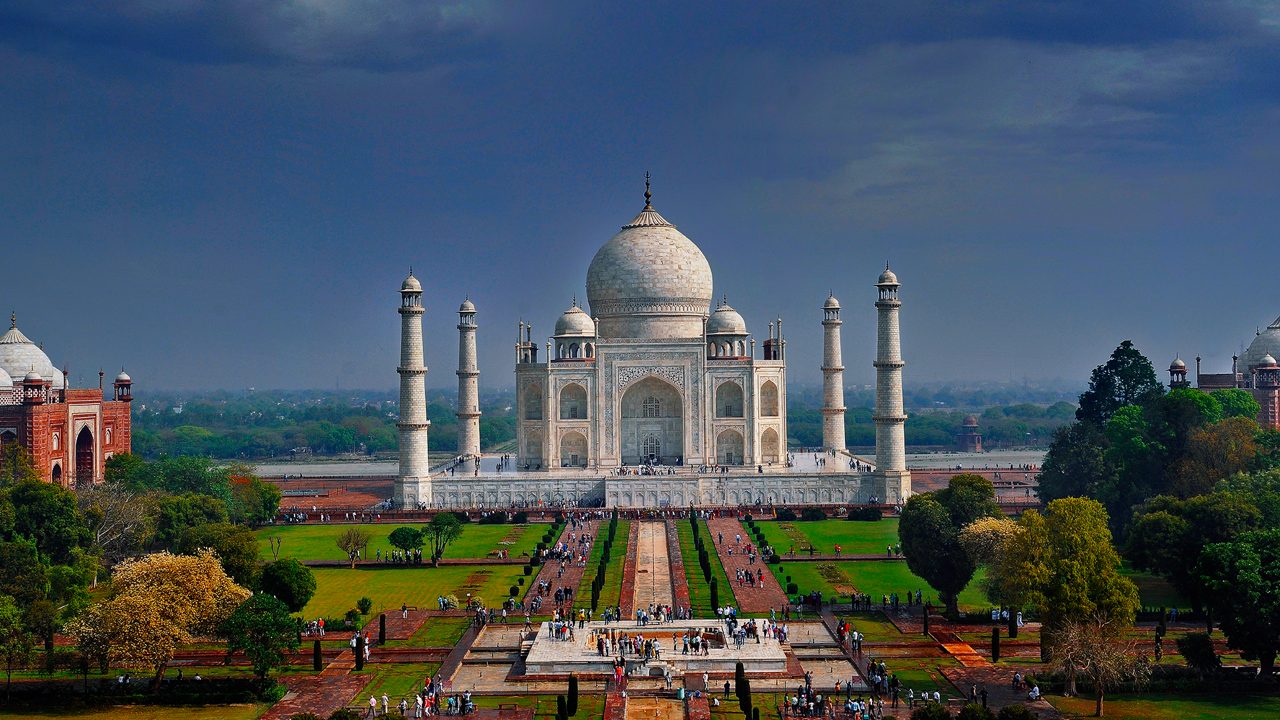
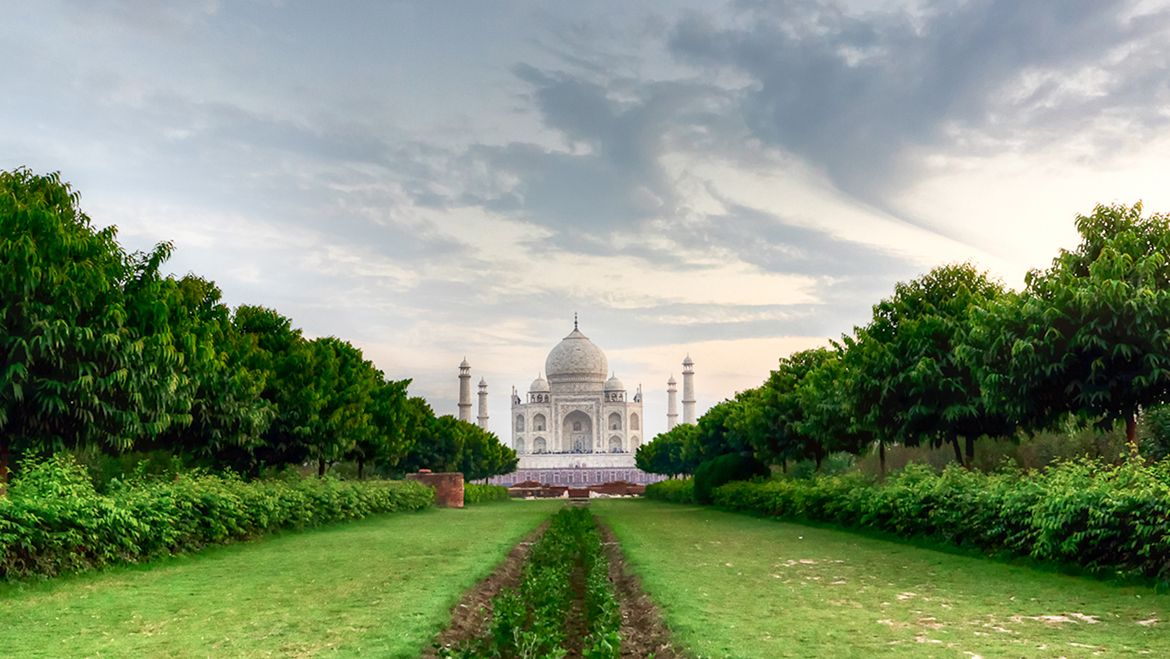 Located across the Yamuna River from the Taj Mahal, Mehtab Bagh (Moonlight Garden) offers what many consider the most beautiful view of the Taj Mahal—especially at sunset.
Historical Context:
Built by Emperor Babur in the 16th century, this was the last of the 11 Mughal-built gardens along the Yamuna. Legend says Shah Jahan planned to build a black Taj Mahal here for himself, mirroring the white Taj Mahal across the river.
What to Expect:
Located across the Yamuna River from the Taj Mahal, Mehtab Bagh (Moonlight Garden) offers what many consider the most beautiful view of the Taj Mahal—especially at sunset.
Historical Context:
Built by Emperor Babur in the 16th century, this was the last of the 11 Mughal-built gardens along the Yamuna. Legend says Shah Jahan planned to build a black Taj Mahal here for himself, mirroring the white Taj Mahal across the river.
What to Expect:
- Sunset Views: The Taj Mahal turns golden as the sun sets behind it
- Reflection Photography: Perfect spot for Taj Mahal reflection shots
- Peaceful Atmosphere: Far less crowded than the Taj Mahal complex
- Garden Layout: Traditional charbagh (four-part) Mughal garden design
- Riverside Setting: Beautiful views of the Yamuna River
- Location: Across Yamuna from Taj Mahal, northern side
- Timings: Sunrise to sunset (6:00 AM to 6:00 PM)
- Tickets: ₹25 for Indians, ₹300 for foreigners
- Time Required: 1-2 hours
- Best Time: Sunset (golden hour)
Akbar's Tomb: The Emperor's Final Resting Place
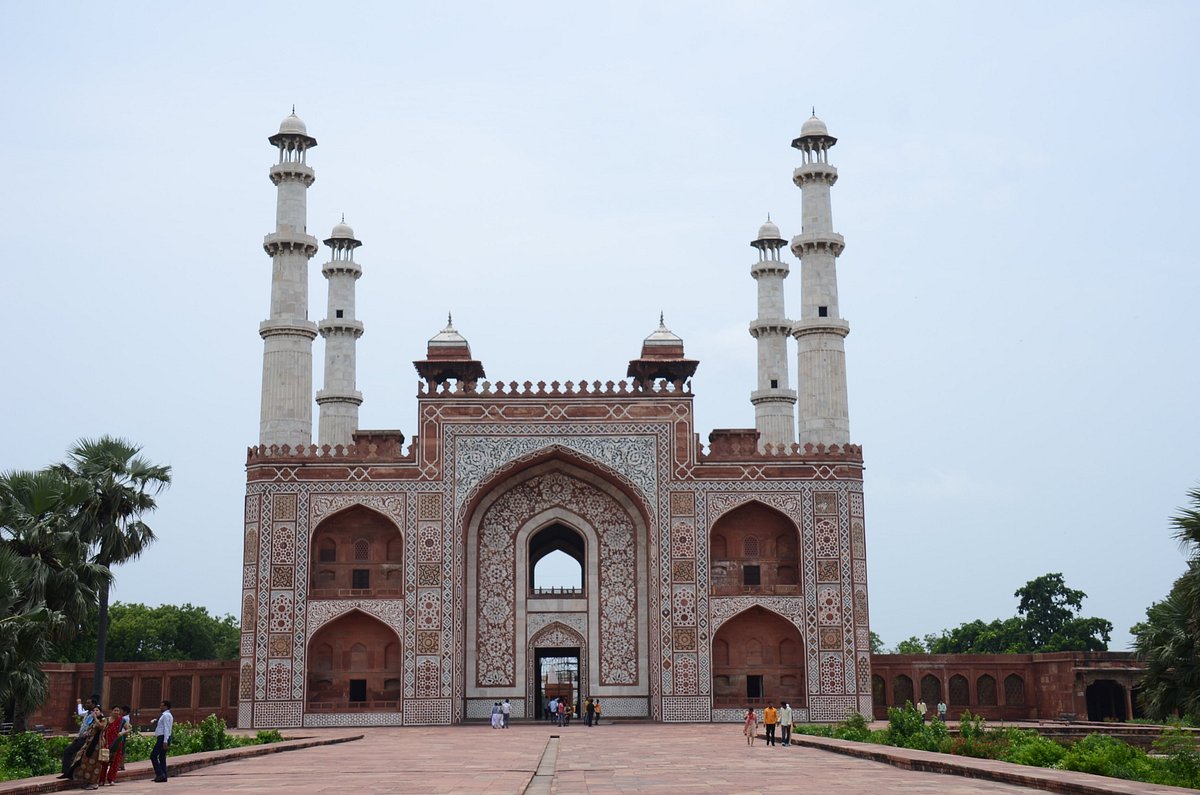 Located in Sikandra, 10 kilometers from Agra city center, Akbar's Tomb is a magnificent mausoleum that blends Islamic, Hindu, Buddhist, and Jain architectural elements—reflecting the emperor's secular philosophy.
The Tomb's History:
Akbar himself started construction of this tomb, but it was completed by his son Jahangir in 1613. The tomb houses the cenotaphs of Emperor Akbar, his daughters, and other family members.
Architectural Features:
Located in Sikandra, 10 kilometers from Agra city center, Akbar's Tomb is a magnificent mausoleum that blends Islamic, Hindu, Buddhist, and Jain architectural elements—reflecting the emperor's secular philosophy.
The Tomb's History:
Akbar himself started construction of this tomb, but it was completed by his son Jahangir in 1613. The tomb houses the cenotaphs of Emperor Akbar, his daughters, and other family members.
Architectural Features:
- Gateway: The majestic entrance gate features beautiful inlay work and calligraphy
- Gardens: Lush charbagh gardens divided by water channels
- Five-Story Structure: Built in red sandstone with marble inlay decorations
- Verandahs: Beautifully carved with geometric and floral patterns
- Cenotaph: Located in the basement, the actual tomb is simple and understated
- Location: Sikandra, on Delhi-Agra road
- Timings: Sunrise to sunset (6:00 AM to 6:00 PM)
- Tickets: ₹30 for Indians, ₹310 for foreigners
- Time Required: 1-1.5 hours
- Best Time: Early morning or late afternoon
Mariam's Tomb: Christian Heritage
Located just 1 kilometer from Akbar's Tomb, Mariam's Tomb is the final resting place of Mariam-uz-Zamani, also known as Jodha Bai—Akbar's beloved Hindu Rajput wife and Jahangir's mother. Historical Significance: Mariam-uz-Zamani holds a special place in Mughal history as one of the most powerful queens of the empire. Her marriage to Akbar represented the alliance between the Mughals and the Rajputs, a key factor in Akbar's policy of religious tolerance. Architecture: The tomb features a unique blend of Islamic and Hindu architectural elements, with beautiful carvings and a serene atmosphere. Visiting Information:- Location: Sikandra, near Akbar's Tomb
- Timings: 9:00 AM to 5:00 PM
- Tickets: ₹25 for Indians, ₹100 for foreigners
- Time Required: 30-45 minutes
Mughal Heritage Walk: Old Agra's Streets
For travelers wanting to experience Agra beyond its monuments, the Mughal Heritage Walk offers a fascinating journey through the old city's narrow lanes, historic markets, and traditional neighborhoods. What the Walk Covers:- Mantola Area: Historic neighborhood with beautiful old havelis
- Jama Masjid: Large mosque built by Shah Jahan's daughter
- Rawatpara Market: Traditional spice and sweet market
- Loha Mandi: The iron market, dating back to Mughal times
- Traditional Crafts: Observe artisans working on marble inlay, embroidery, and leather goods
- Street Food: Taste authentic Agra snacks and sweets
- Duration: 2-3 hours
- Timing: Best in morning (9:00 AM) or late afternoon (3:00 PM)
- Cost: ₹500-1,000 per person, depending on group size and inclusions
- Booking: Can be arranged through Uttar Pradesh Tourism or private operators
Sadar Bazaar: Agra's Shopping Heart
 No visit to Agra is complete without exploring its vibrant markets. Sadar Bazaar, located near Agra Cantt station, is the city's main shopping area offering everything from handicrafts to street food.
What to Buy:
No visit to Agra is complete without exploring its vibrant markets. Sadar Bazaar, located near Agra Cantt station, is the city's main shopping area offering everything from handicrafts to street food.
What to Buy:
- Marble Inlay Work: Miniature Taj Mahals, boxes, and tabletops with pietra dura craftsmanship
- Leather Goods: Agra is famous for high-quality leather shoes, bags, and jackets
- Petha: Agra's famous sweet made from ash gourd, available in multiple varieties
- Dalmoth: Spicy snack mix, a local specialty
- Zardozi Work: Heavy embroidery work on fabrics
- Carpets: Handwoven carpets inspired by Mughal designs
- Bargain hard—start at 50% of the quoted price
- Visit government-run emporiums (UP Handlooms, UP Tourism) for fixed prices and quality assurance
- Avoid touts offering to guide you to specific shops
- Ask your hotel to recommend reputable shops
- Petha: Try different varieties at Panchhi Petha or Ram Gopal Petha
- Bedai and Jalebi: Classic Agra breakfast
- Bhalla: Fried potato snack with yogurt and chutneys
- Mughlai Cuisine: Try Agra's famous non-vegetarian dishes
Wildlife SOS: Elephant Conservation Center
For a different kind of experience in Agra, visit Wildlife SOS, an organization dedicated to rescuing and rehabilitating elephants and bears. What to Expect:- Elephant Sanctuary: Meet rescued elephants living in freedom
- Bear Rescue Facility: See sloth bears rescued from dancing bear trade
- Educational Tours: Learn about wildlife conservation
- Volunteer Programs: Opportunities to interact with animals ethically
- Location: Near Soor Sarovar Bird Sanctuary, 20 km from Agra
- Timings: 9:00 AM to 5:00 PM (closed Wednesdays)
- Tickets: ₹750 for foreigners, ₹500 for Indians (supports the sanctuary)
- Booking: Advance booking recommended
Soor Sarovar Bird Sanctuary: Nature Retreat
Also known as Keetham Lake, this bird sanctuary is located 20 kilometers from Agra and offers a peaceful escape from the city's hustle. What to See:- Migratory Birds: Over 100 bird species including Siberian cranes, spoonbills, and storks
- Resident Birds: Indian darters, egrets, herons, and kingfishers
- Scenic Lake: Beautiful lake surrounded by forest
- Boating: Boat rides available for bird watching
- Paythaghh: Nearby crocodile sanctuary
- Timings: 6:00 AM to 6:00 PM
- Best Season: October to March (migratory bird season)
- Entry: Free or nominal fee
- Time Required: 2-3 hours
Taj Nature Walk: Eco-Tourism Experience
Located near the Taj Mahal's eastern gate, this 70-acre nature park offers walking trails, bird watching, and beautiful views of the Taj Mahal from different angles. Highlights:- Walking trails through natural vegetation
- Bird watching opportunities
- Photography viewpoints of the Taj Mahal
- Plant nursery with medicinal plants
- Butterfly park
- Timings: 6:00 AM to 6:00 PM
- Tickets: ₹50 for Indians, ₹200 for foreigners
- Time Required: 1-2 hours
Gyarah Sidi: The Forgotten Ruins
Located within the Fatehabad area, Gyarah Sidi (11 Steps) refers to the remains of an unfinished Mughal structure with 11 steps leading to a now-vanished palace. Historical Context: These ruins are believed to be part of Akbar's palace complex that was never completed. The site offers a fascinating glimpse into Mughal construction techniques and architectural plans. Visiting Information:- Location: Fatehabad area, Agra
- Entry: Free
- Time Required: 30 minutes
Sample 3-Day Agra Itinerary
Day 1: Monuments Marathon- Sunrise: Taj Mahal
- Morning: Agra Fort
- Afternoon: Itmad-ud-Daulah (Baby Taj)
- Sunset: Mehtab Bagh
- Evening: Sadar Bazaar shopping
- Morning: Akbar's Tomb at Sikandra
- Late Morning: Mariam's Tomb
- Afternoon: Mughal Heritage Walk or Wildlife SOS
- Evening: Local food tour
- Full Day: Fatehpur Sikri (or combine with Bharatpur Bird Sanctuary)
- Evening: Return to Agra, final shopping
Best Time to Visit Agra
Winter (October-March):- Pleasant temperatures (15-25°C)
- Ideal for monument exploration
- Peak tourist season
- Taj Mahotsava (February) - cultural festival
- Very hot (35-45°C)
- Fewer crowds
- Lower hotel rates
- Visit early morning or late evening
- Lush green surroundings
- Occasional heavy rain
- Fewer tourists
- Yamuna River flows full
How to Reach Agra
By Air:- Agra Airport: Limited connectivity
- Nearest major airport: Delhi (230 km)
- Agra Cantonment: Main station, well connected
- Agra Fort: Closer to Taj Mahal
- Raja Ki Mandi: Near old city
- From Delhi: Yamuna Expressway (3-4 hours)
- From Jaipur: Via NH21 (4-5 hours)
- From Lucknow: Via NH91 (6-7 hours)
- Auto-rickshaw: Most convenient, negotiate price
- Cycle rickshaw: Budget-friendly for short distances
- Taxi: Available for day hires
- App-based cabs: Uber and Ola available
Where to Stay in Agra
- Taj Ganj Area: Closest to Taj Mahal, budget hotels, crowded
- Fatehabad Road: Mid-range to luxury hotels, convenient location
- Sadar Bazaar Area: Near market, good mid-range options
- Road to Fatehpur Sikri: Luxury resorts, peaceful surroundings
Conclusion: Agra Beyond the Taj
Agra is often treated as a one-destination city, but those who take the time to explore beyond the Taj Mahal discover a treasure trove of Mughal heritage, vibrant culture, and warm hospitality. From the imposing Agra Fort to the ghostly beauty of Fatehpur Sikri, from the delicate artistry of the Baby Taj to the peaceful banks of the Yamuna at Mehtab Bagh, Agra rewards curious travelers with experiences that go far beyond the guidebook highlights. What makes Agra special is how these monuments represent different chapters of Mughal history. Each emperor left behind architectural masterpieces that reflected his personality, vision, and the era's artistic sensibilities. Together, they create a comprehensive picture of one of history's most sophisticated empires. The best way to experience Agra is to slow down. Instead of rushing from monument to monument, take time to wander through the old city's markets, sample the famous petha, chat with locals, and watch the sunset over the Yamuna. These moments—the ones that don't make it into guidebooks—are often the ones that create the most lasting memories. Whether you're a history buff, architecture enthusiast, photography lover, or simply a curious traveler, Agra has something to offer beyond its most famous attraction. The Taj Mahal may be the reason you come, but Agra's other treasures are the reason you'll want to stay. Plan well, stay hydrated, and keep your curiosity alive. If sunrise photography is on your list, check our Taj Mahal sunrise guide before heading to Agra Fort and the city's other lesser-known treasures waiting to be discovered.Location
Frequently Asked Questions
Q1.What are the best places to visit in Agra besides the Taj Mahal?
Agra offers several incredible attractions beyond the Taj Mahal:
Must-Visit Monuments:
- Agra Fort: UNESCO World Heritage Site, main Mughal residence
- Fatehpur Sikri: Abandoned Mughal capital, 38 km from Agra
- Itmad-ud-Daulah (Baby Taj): Exquisite marble tomb with intricate inlay work
- Mehtab Bagh: Best sunset view of Taj Mahal across Yamuna River
- Akbar's Tomb: Magnificent mausoleum at Sikandra
- Mariam's Tomb: Resting place of Akbar's Hindu queen
- Sadar Bazaar: Vibrant market for handicrafts and street food
Cultural Experiences:
- Mughal Heritage Walk: Explore old Agra's lanes and crafts
- Wildlife SOS: Elephant conservation center near Keetham Lake
- Soor Sarovar Bird Sanctuary: Nature retreat with migratory birds
Q2.How many days are needed to explore Agra beyond the Taj Mahal?
Plan 2-3 days to properly explore Agra beyond the Taj Mahal.
2-Day Itinerary:
Day 1: Taj Mahal (sunrise), Agra Fort, Itmad-ud-Daulah, Mehtab Bagh (sunset)
Day 2: Akbar's Tomb, Fatehpur Sikri (half-day trip), shopping at Sadar Bazaar
3-Day Itinerary:
Day 1: Taj Mahal, Agra Fort, Baby Taj, Mehtab Bagh
Day 2: Akbar's Tomb, Mughal Heritage Walk, Wildlife SOS
Day 3: Full day at Fatehpur Sikri with Bharatpur Bird Sanctuary
If you're short on time, prioritize Agra Fort and Fatehpur Sikri as the two most significant attractions after the Taj Mahal.
Q3.What is the best time to visit Agra Fort?
The best time to visit Agra Fort is early morning or late afternoon.
Why Early Morning (8:00-10:00 AM):
- Cooler temperatures, especially in summer
- Fewer crowds
- Better photography with soft light
Why Late Afternoon (3:00-5:00 PM):
- Pleasant lighting on the red sandstone
- Evening atmosphere
- Can combine with sunset at Mehtab Bagh
Avoid:
- Midday (12:00-3:00 PM): Too hot, harsh light
- Weekends and holidays: More crowded
The fort is open from sunrise to sunset (6:00 AM to 6:00 PM) every day. Allocate 2-3 hours for a thorough visit.
Q4.How far is Fatehpur Sikri from Agra and how to reach?
Fatehpur Sikri is located 38 kilometers west of Agra.
Travel Time:
- By car/taxi: 1 hour each way
- By bus: 1.5 hours each way
Transport Options:
- Private taxi: ₹2,000-3,000 for round trip (4-5 hours)
- Shared taxi: ₹100-200 per person
- UP Roadways bus: ₹50-100 per person from Idgah Bus Stand
- Guided tour: ₹3,000-5,000 including guide and car
Best Time to Visit:
- Early morning (8:00 AM): Avoid heat and crowds
- Late afternoon: Beautiful light on monuments
Time Required: 3-4 hours at the site
Tickets: ₹50 for Indians, ₹610 for foreigners
Plan for a half-day trip. Combine with Bharatpur Bird Sanctuary (25 km further) for a full day of heritage and nature.
Q5.What is the Baby Taj Mahal in Agra?
The "Baby Taj" is the popular name for Itmad-ud-Daulah's Tomb, a beautiful Mughal mausoleum in Agra.
Official Name: Itmad-ud-Daulah (Tomb of Mirza Ghiyas Beg)
Nickname: Baby Taj Mahal
Why It's Called Baby Taj:
- Built in white marble (first Mughal tomb to use marble extensively)
- Features delicate pietra dura (marble inlay) work like the Taj Mahal
- Considered a draft or inspiration for the Taj Mahal
Historical Background:
- Built between 1622-1628 by Nur Jahan for her father
- Mirza Ghiyas Beg was Jahangir's prime minister
- Features some of the finest marble inlay work in India
Location: 6 km from Taj Mahal, on Yamuna's eastern bank
Tickets: ₹30 for Indians, ₹310 for foreigners
Time Required: 1 hour
Many historians and architects consider the craftsmanship here even more delicate than in the Taj Mahal itself.
Q6.What can I buy in Agra besides souvenirs?
Agra is famous for several unique handicrafts and local specialties:
Handicrafts:
- Marble inlay work: Mini Taj Mahals, boxes, tabletops with pietra dura craftsmanship
- Leather goods: Shoes, bags, jackets (Agra is a leather center)
- Zardozi: Heavy embroidery work on fabrics
- Carpets: Handwoven Mughal-design carpets
- Jewelry: Traditional gold and silver jewelry
Food Specialties:
- Petha: Agra's famous sweet made from ash gourd (multiple varieties)
- Dalmoth: Spicy snack mix, local specialty
- Gajak: Sesame and jaggery sweet (winter specialty)
Where to Shop:
- Sadar Bazaar: Main shopping area near cantonment
- UP Handlooms: Government emporium with fixed prices
- Taj Ganj area: Souvenir shops near Taj Mahal
Shopping Tips:
- Bargain hard (start at 50% of quoted price)
- Visit government emporiums for quality assurance
- Avoid touts offering to guide you to shops
Q7.What is the ticket price for Agra Fort?
Agra Fort ticket prices are quite reasonable:
Daytime Tickets:
- Indian Citizens: ₹50 per person
- Foreigners: ₹650 per person
- Children under 15: FREE
- SAARC/BIMSTEC citizens: ₹50
Additional Information:
- Tickets valid for entire day (re-entry allowed with ticket)
- Video camera charges: ₹25 extra
- Guide charges: ₹300-500 for official guides (recommended)
Timing:
- Open: Sunrise to sunset (6:00 AM to 6:00 PM)
- Open all days of the week
Booking:
- Tickets available at fort entrance
- Can book online through ASI website
- Allow 2-3 hours for complete visit
The fort is a UNESCO World Heritage Site and offers excellent value for money considering its historical significance and architectural beauty.
Q8.Where is the best view of the Taj Mahal?
The best view of the Taj Mahal is from Mehtab Bagh across the Yamuna River.
Mehtab Bagh Highlights:
- Location: Across Yamuna River, northern side of Taj Mahal
- Best time: Sunset (golden hour)
- View: Full frontal view of Taj Mahal with river in foreground
- Crowd: Much less crowded than Taj Mahal complex
Ticket: ₹25 for Indians, ₹300 for foreigners
Other Great Viewpoints:
From Agra Fort: View of Taj Mahal from Musamman Burj (where Shah Jahan was imprisoned)
From Yamuna River: Boat rides offer unique perspectives
Rooftop Restaurants: Several hotels in Taj Ganj area offer rooftop views
Taj Nature Walk: Different angles through nature trails
Photography Tips:
- Bring telephoto lens for Mehtab Bagh (distance is significant)
- Sunset offers golden light and fewer reflections
- Full moon view is spectacular but requires night viewing ticket at Taj
Q9.Is Fatehpur Sikri worth visiting?
Yes, Fatehpur Sikri is absolutely worth visiting and is a UNESCO World Heritage Site.
Why It's Worth It:
- Best-preserved Mughal city in India
- Unique architecture blending Islamic, Hindu, and Persian styles
- Fascinating history of abandoned capital (built and deserted within 15 years)
- Less crowded than Agra monuments
- Stunning Buland Darwaza (Gate of Victory), one of world's tallest gateways
- Beautiful white marble tomb of Saint Salim Chishti
Practical Information:
- Distance: 38 km from Agra (1 hour drive)
- Time required: 3-4 hours
- Tickets: ₹50 for Indians, ₹610 for foreigners
- Best time: Early morning (cooler, fewer crowds)
Combine With:
- Bharatpur Bird Sanctuary (Keoladeo National Park): 25 km from Fatehpur Sikri
- Makes a perfect day trip: Fatehpur Sikri in morning, Bharatpur in afternoon
Who Should Visit:
- History and architecture enthusiasts
- Photographers (stunning structures and fewer crowds)
- Those interested in Mughal history
- Travelers with extra time in Agra
If you're short on time in Agra, prioritize this over other secondary monuments—it's that impressive.
Q10.What is the best season to visit Agra?
The best season to visit Agra is from October to March (winter season).
Winter (October-March):
- Temperature: 15-25°C (pleasant)
- Ideal for monument exploration
- Peak tourist season
- Taj Mahotsava festival in February
- Excellent weather for photography
Summer (April-June):
- Temperature: 35-45°C (very hot)
- Fewer tourists
- Lower hotel rates
- Visit monuments early morning or late evening
- Carry water, wear sunscreen and hat
Monsoon (July-September):
- Temperature: 25-35°C (humid)
- Lush green surroundings
- Occasional heavy rain
- Fewer tourists
- Yamuna River flows full, beautiful views
Best Months:
- October-November: Pleasant weather, post-monsoon greenery
- February: Taj Mahotsava festival
- March: Comfortable before summer heat begins
Recommendation: Visit in October-November or February-March for the best combination of weather and manageable crowds.
Recommended For You
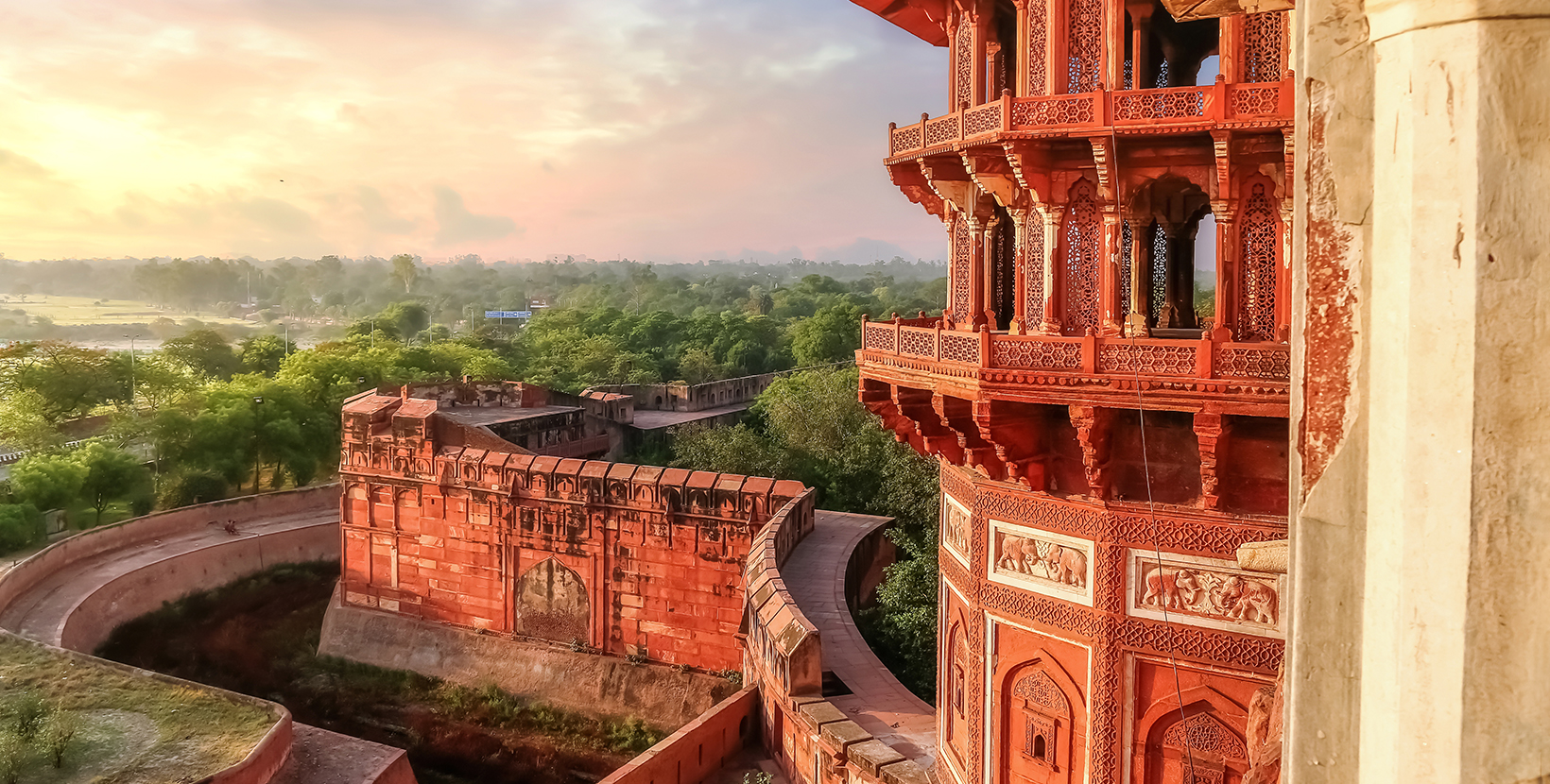
Agra Fort Guide: Tickets, Timings, History and Tips
Plan your Agra Fort visit with practical guidance on history, architecture, tickets, timings, and route planning for a smooth heritage day.
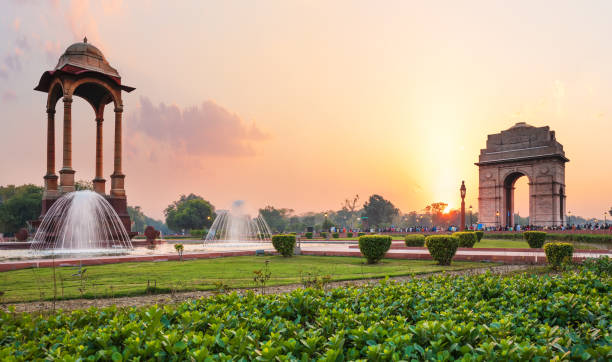
India Gate Delhi: Best Time, Nearby Spots & Night Visit Details
Visit India Gate Delhi with this complete guide covering history, architecture, timings, evening experience, nearby attractions, and practical travel tips.
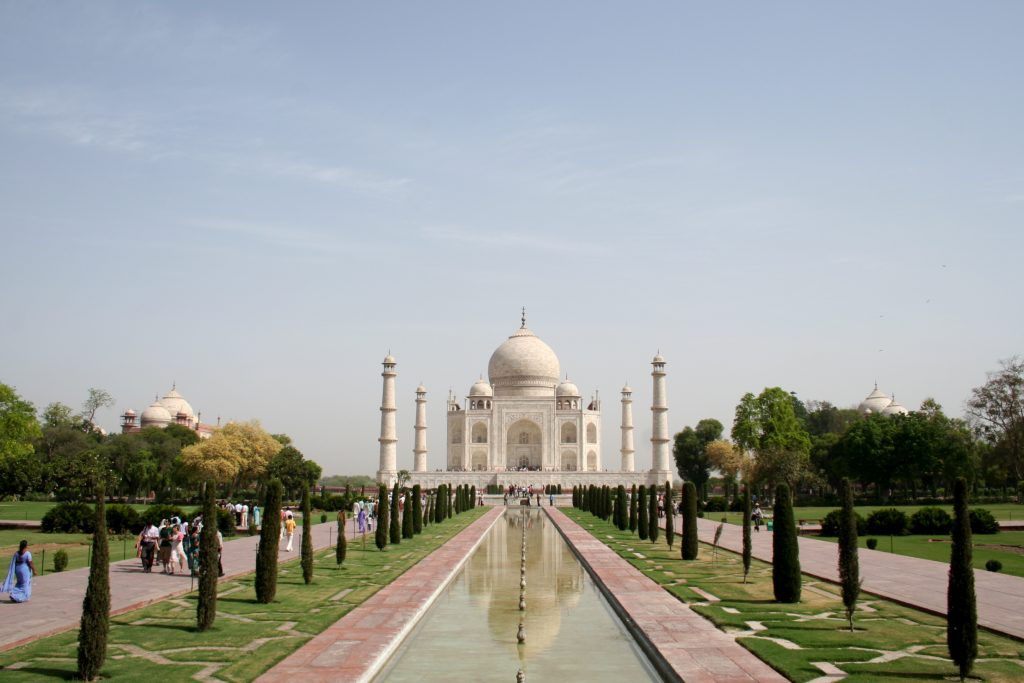
Taj Mahal Agra: Ticket Price, Timings, Entry Gates & Tips
Visit Taj Mahal in Agra - the world's most beautiful monument and one of the Seven Wonders. Complete guide with timings, tickets, history, and travel tips.
Never Miss an Adventure
Get the latest trekking guides, travel tips, and exclusive offers delivered straight to your inbox.
