
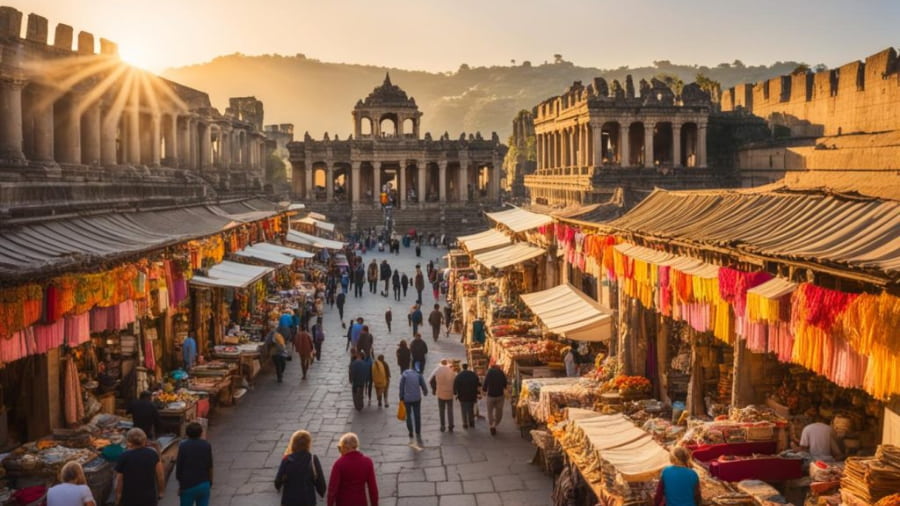
Shopping in Hampi: Handicrafts & Souvenirs

Rohit Verma
December 22, 2025
Discover shopping in Hampi Karnataka: stone carvings, Lambani tribal handicrafts & religious souvenirs. Complete UNESCO World Heritage Site shopping guide.
Shopping in Hampi: Ancient Treasures & Traditional Crafts
If you are planning Karnataka routes with heritage shopping, compare this with shopping in Bangalore for modern market contrast.
Hampi, the UNESCO World Heritage Site that was once the capital of the mighty Vijayanagara Empire, offers shopping experiences as unique as its ruined landscapes. Unlike typical tourist destinations with commercialized markets, Hampi's shopping scene reflects its historical and spiritual character—handicrafts that continue artistic traditions from centuries past, religious items for pilgrims, and souvenirs that capture the essence of this magical place. What makes shopping in Hampi special is the authenticity. The stone carvings available here aren't mass-produced replicas—they're often created by local artisans whose families have been working with stone for generations. The Lambani tribal handicrafts represent genuine folk art rather than simplified versions created for tourist consumption. Shopping here becomes a way to support local artisans and take home authentic pieces of Hampi's living heritage. The shopping areas in Hampi are concentrated but not extensive. Hampi Bazaar (also known as Virupaksha Bazaar) serves as the main shopping area, located near the Virupaksha Temple. This street, lined with shops on both sides, offers the most convenient shopping for visitors staying in the Hampi area. The bazaar's location near the temple ensures steady footfall from both pilgrims and tourists. Prices in Hampi are generally reasonable, particularly compared to more commercialized tourist destinations. The absence of aggressive sales tactics—shopkeepers here tend to be laid back rather than pushy—makes shopping relaxed. However, the same laid-back attitude means you sometimes need to ask to see items that aren't prominently displayed.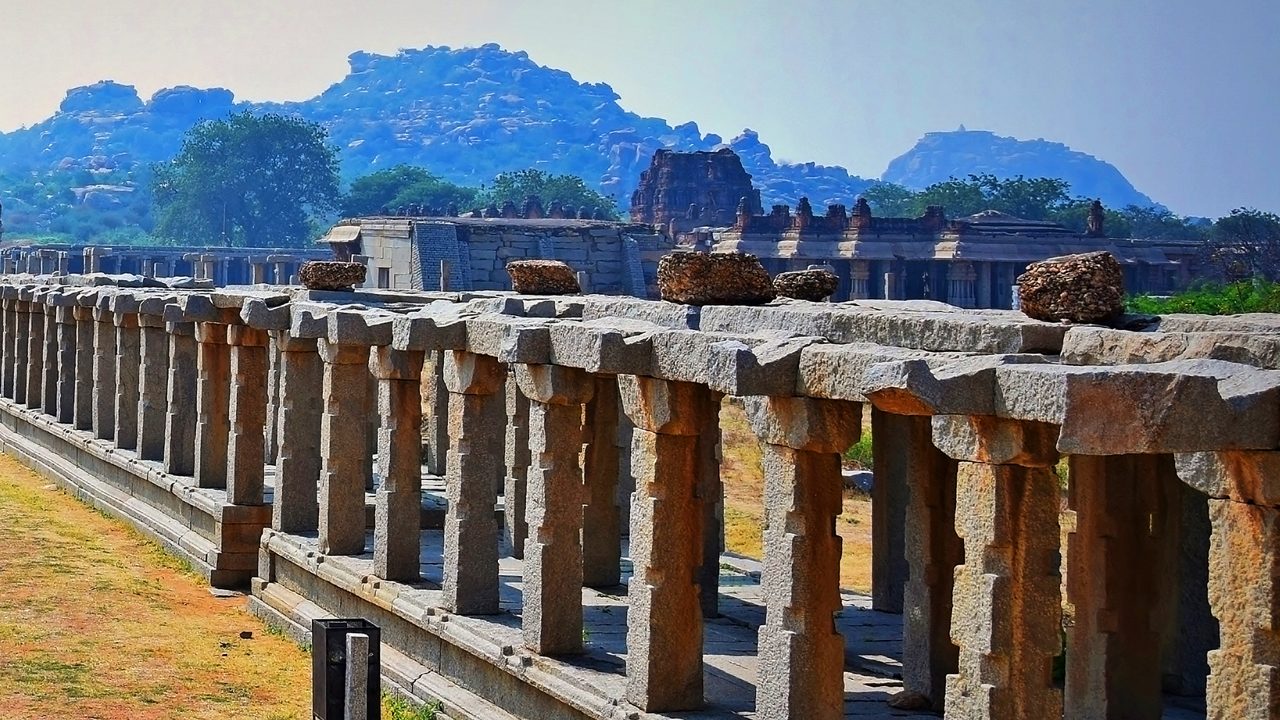
Hampi Bazaar: Main Market
Many travelers pair Hampi shopping with city-stop buying in Hyderabad and cultural crafts from Jaipur.
Hampi Bazaar, historically the main commercial street of Vijayanagara capital, continues its commercial tradition in contemporary form. The street runs in front of the Virupaksha Temple, creating a natural flow of pilgrims and tourists. Shops here cater to both religious needs of temple visitors and souvenir interests of tourists. The bazaar's layout features small shops on both sides of the street. Most shops are similar in size—small, family-run establishments where the shopkeeper sits cross-legged amidst the merchandise. The inventory spills onto the street in some cases, with larger items displayed outside. Shopping categories in Hampi Bazaar include stone statues and carvings, Lambani tribal handicrafts, religious items, books on Hampi history, and basic supplies for travelers (water, snacks, sunscreen). The concentration of diverse shops in one short street allows efficient browsing—you can explore most of the bazaar in under an hour. Atmosphere in Hampi Bazaar is relaxed rather than chaotic. Unlike some Indian markets where shopkeepers aggressively solicit customers, Hampi sellers tend to be quieter, letting tourists browse at their own pace. This relaxed approach reflects the general Hampi vibe, which attracts travelers seeking spiritual experiences rather than commercial ones. Best time to visit Hampi Bazaar is morning (9-11 AM) or late afternoon (4-6 PM). Midday heat, particularly in summer months (March-May), makes shopping uncomfortable. The bazaar is generally busiest during pilgrimage festivals when Virupaksha Temple sees increased devotee footfall. Virupaksha Bazaar, essentially the same as Hampi Bazaar, gets its name from the adjacent temple. This market features religious items—prayer beads, incense, religious pictures, and puja accessories. Pilgrims visiting the temple often shop here for items needed for worship or for taking home as prasad (religious offerings).Stone Carvings & Sculptures
Stone carving represents Hampi's most distinctive shopping category. The Hampi region has been a center of stone craftsmanship since the Vijayanagara Empire when the spectacular ruins were created. Generations of artisans have passed down stone-working skills, creating a living tradition that continues today. Stone statues available in Hampi Bazaar are replicas of the famous sculptures seen in Hampi's ruins. Ganesha statues, ranging from small desktop pieces to larger freestanding sculptures, are particularly popular. The ganas (dwarf attendants), pillars with carved figures, and architectural models represent other available options. What distinguishes Hampi stone carvings is the craftsmanship. These aren't mass-produced in factories—local artisans create each piece by hand using traditional techniques. The stone, typically granite or soapstone, comes from local quarries—the same material used for Vijayanagara monuments centuries ago. Prices for stone carvings vary based on size, complexity, and artisan expertise. Small Ganesha statues suitable for home altars cost ₹500-2,000. Medium-sized pieces with detailed work range from ₹3,000-10,000. Large sculptures can cost ₹15,000-50,000 or more. Custom work is available but requires time and advance planning. Shipping large stone pieces requires planning. The weight makes air shipping expensive. Some shops can arrange surface transport, which costs less but takes longer. International buyers need to consider customs regulations for importing stone artifacts. Quality in stone carvings involves checking for consistency in carving depth, smooth finishing (though traditional pieces maintain some intentional roughness), and absence of cracks. Reputable shops provide certificates of authenticity for expensive pieces.| Item | Size | Price Range |
|---|---|---|
| Ganesha Statue | Small (6-12 inches) | ₹500 - ₹2,000 |
| Nandi Statue | Medium (12-24 inches) | ₹3,000 - ₹10,000 |
| Architectural Piece | Large (24+ inches) | ₹15,000 - ₹50,000 |
Lambani Tribal Handicrafts
Lambani (also called Banjara) tribes, nomadic communities historically associated with trade and transportation, create distinctive handicrafts that represent some of Hampi's most colorful shopping options. Their embroidery, mirror work, and vibrant colors contrast beautifully with the dusty stone landscapes of Hampi. Lambani embroidery features colorful thread work combined with mirror accents. The designs, passed down through generations, incorporate geometric patterns, peacocks, flowers, and other motifs. What makes Lambani embroidery special is the labor-intensive process—each piece represents days or weeks of handwork. Products featuring Lambani work include garments (traditional Lambani dresses, blouses, dupattas), bags and purses (with heavy embroidery and mirrors), wall hangings (often featuring large geometric patterns), bedspreads and quilts (combining patchwork with embroidery), and cushion covers. The variety allows purchases across price points. Colors in Lambani work are typically vibrant—bright reds, oranges, blues, and greens dominate. The mirrors, usually small round pieces, reflect light and add sparkle. The combination creates eye-catching pieces that stand out whether worn as clothing or used as home decor. Prices for Lambani handicrafts vary based on work intensity. Small items like coin purses or mobile covers start around ₹200-500. Medium pieces like regular bags or cushion covers cost ₹600-2,000. Large works like bedspreads or elaborate wall hangings range from ₹3,000-10,000 depending on complexity. Authentic Lambani work is hand-embroidered with slight irregularities that testify to human craftsmanship. Machine-embroidered copies, which cost less, have perfect uniformity. Both have their place—handwork for collectors and art appreciators, machine work for those seeking traditional aesthetics at lower prices.Banana Fiber Products
Banana fiber crafts represent an innovative eco-friendly shopping category that's gained popularity in Hampi. These products, made from banana plant stems that would otherwise be agricultural waste, showcase sustainable craft traditions while providing income to local artisans. Banana fiber products available in Hampi include bags and purses (stylish and durable), table mats and placemats (for home dining), coasters (often with embroidered designs), runners (for table or sideboard decoration), and baskets (for storage or display). The fiber's natural beige color provides neutral base for colorful embroidery or can be left plain for minimalist aesthetic. What makes banana fiber appealing is its eco-friendly credentials. The fiber is extracted from banana plant pseudostems that are harvested after fruit production. No additional resources are required—this utilizes waste material. The production process is manual rather than industrial, maintaining low environmental impact. Prices for banana fiber products are moderate and reasonable. Small items like coasters cost ₹100-300. Bags range from ₹400-1,200 depending on size and work. Table mats and larger pieces fall in similar ranges. The pricing makes these products accessible while still providing fair income to artisans. Durability of banana fiber surprises many buyers. Despite the delicate appearance, banana fiber products are strong and long-lasting. The fiber naturally resists water to some extent (though prolonged exposure should be avoided). Cleaning involves simple spot cleaning or gentle hand wash for most items.Religious Items & Souvenirs
Religious items available in Hampi cater primarily to Hindu pilgrims visiting the Virupaksha Temple and other sacred sites. These items serve both devotional purposes and souvenir functions, allowing pilgrims to take home tangible reminders of their spiritual journey. Brass idols of Hindu deities represent popular religious purchases. Ganesha, Shiva, Parvati, and other deities are available in sizes ranging from small altar pieces (3-6 inches) to larger sculptures (12+ inches). The brass work, typically done in traditional workshops in nearby towns, features good detail and finish. Copper lamps (deepas), used in Hindu worship, come in various traditional designs. Simple single-wick lamps cost ₹300-800. Elaborate multi-wick lamps or those with decorative work cost ₹1,500-5,000 or more. These lamps serve both practical worship use and decorative display. Prayer beads (malas) made from rudraksha seeds, tulsi (holy basil), or sandalwood represent wearable religious items. Simple malas cost ₹100-300. More elaborate versions with silver spacers or pendants cost ₹500-1,500. The beads are used by devotees for mantra chanting (japa). Incense holders, particularly brass pieces used for burning incense sticks, combine functionality with traditional aesthetics. These range from simple boat-shaped holders to elaborate hanging incense burners. Prices typically fall between ₹200-800 depending on size and complexity. Hampi's famous Bookmark Hampi represents a unique souvenir item. These bookmarks feature small stone pendants (often miniature Ganesha or other figures) set in metal frames. The bookmarks, typically silver-plated, serve as practical yet distinctive souvenirs. Prices range from ₹200-600. Religious texts and books about Hampi's history are available in some shops. These include copies of the Ramayana (essential given Hampi's connection to Kishkindha, the monkey kingdom from the epic), books on Vijayanagara history, and architectural guides to Hampi's ruins. English and other language editions are typically available. Music instruments, particularly traditional ones used in Karnataka folk music, represent another shopping category. Small drums (tabla, dholak), flutes, and string instruments are available. These range from tourist pieces to functional instruments suitable for actual music-making.Shopping Tips & Best Time
If your trip extends north, keep a backup list for shopping in Delhi categories that are less available in Hampi.
Best season for Hampi shopping is October to March when weather is pleasant. Winter months (December-February) offer comfortable daytime temperatures for exploring markets. Summer (March-May) sees extreme heat that makes midday shopping uncomfortable—early morning or late evening shopping works best during these months. Monsoon (June-September) brings rain that can disrupt outdoor shopping, though Hampi bazaar has some covered areas. The advantage of monsoon travel is fewer tourists and more personalized shopping experiences. Cash remains essential in Hampi's markets. While digital payments are gaining acceptance, many smaller shops still prefer cash. ATMs are available in Hampi area but can run out of cash during peak tourist seasons. Carrying sufficient cash ensures smooth shopping. Bargaining in Hampi follows gentle patterns. Most shopkeepers quote fair prices initially, so bargaining margins are smaller than in some other Indian markets. However, polite negotiation, particularly for larger purchases or when buying multiple items, can yield 10-15% discounts.Conclusion
Shopping in Hampi offers opportunities to acquire authentic handicrafts that represent centuries-old artistic traditions. From stone carvings continuing Vijayanagara craftsmanship to Lambani tribal embroidery reflecting nomadic heritage, from eco-friendly banana fiber products to religious items for pilgrims—Hampi's shopping scene is as distinctive as its ruined landscapes. Approach shopping here with appreciation for craftsmanship, respect for religious significance of certain items, and willingness to support local artisans. Hampi rewards this approach with purchases that become treasured connections to this magical place where history lives in stone and artistry.Location
Frequently Asked Questions
Q1.What are the shopping places in Hampi?
Q2.What is Hampi famous for shopping?
Q3.Where is Hampi Bazaar located?
Q4.What to buy from Hampi?
Q5.Where to buy stone carvings in Hampi?
Q6.Are Lambani handicrafts available in Hampi?
Q7.What are market timings in Hampi?
Q8.Is bargaining acceptable in Hampi?
Recommended For You
Badami Caves Karnataka: Rock-Cut Temples, Timings & Route
Explore Badami caves, magnificent rock-cut temples from 6th century. Discover Chalukya architecture, sculptures, timings & travel guide.
Shopping in Bangalore: Malls, Street & Markets
Discover shopping in Bangalore: Commercial Street bargains, UB City luxury, silk sarees & modern malls. Complete guide to India's Silicon City retail scene.
Never Miss an Adventure
Get the latest trekking guides, travel tips, and exclusive offers delivered straight to your inbox.
