
Badami Caves Karnataka: Rock-Cut Temples, Timings & Route

Neha Kapoor
February 19, 2026
Explore Badami caves, magnificent rock-cut temples from 6th century. Discover Chalukya architecture, sculptures, timings & travel guide.
Badami Caves Guide for First-Time Visitors
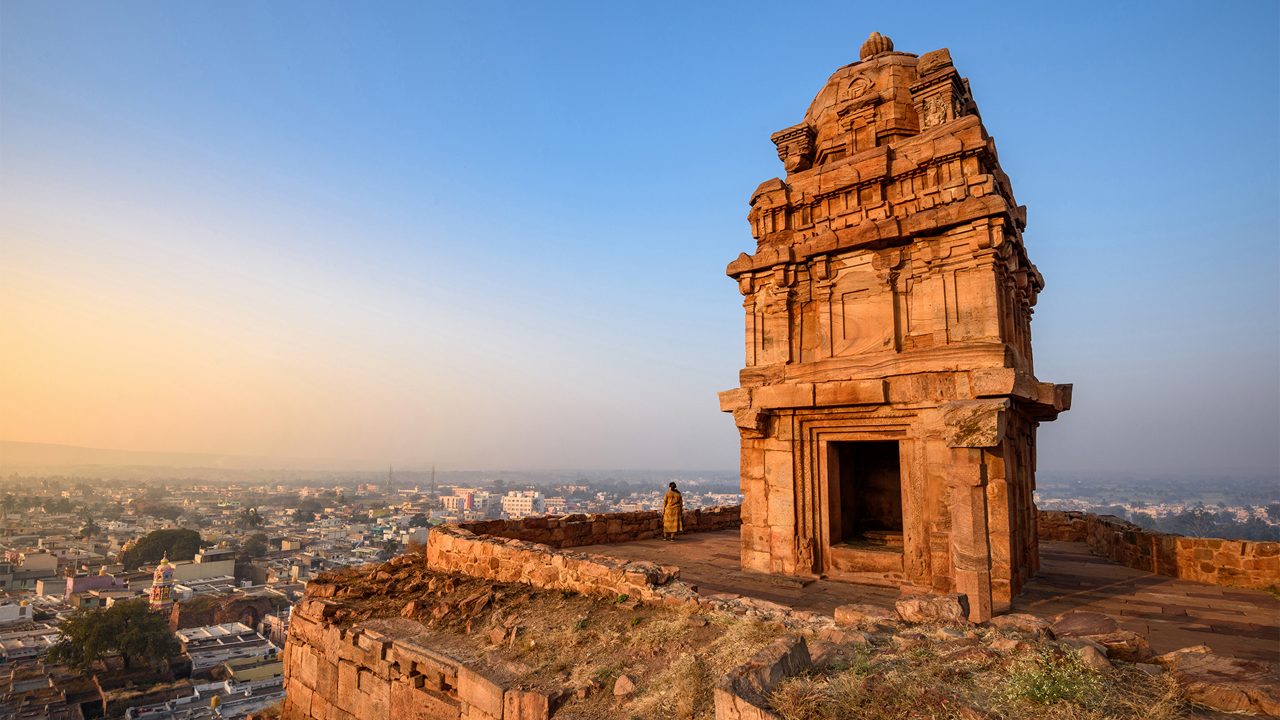
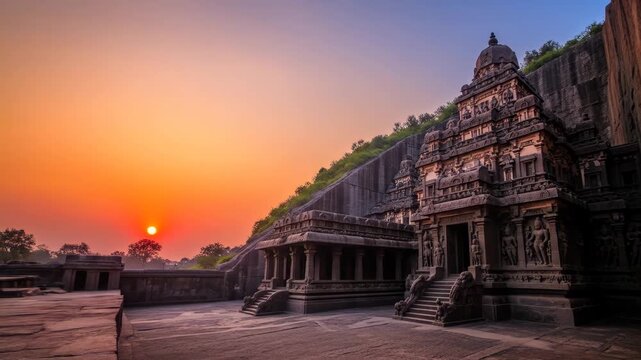
Badami Caves are among Karnataka's most important rock-cut temple complexes and a core stop in the Chalukyan heritage circuit. Carved into red sandstone cliffs above Agastya Lake, the caves combine religious art, early medieval engineering, and dramatic landscape context. If you are planning a temple-focused route in north Karnataka, this site works best when paired with Pattadakal and Aihole.
The monument is easy to appreciate even if you are not a specialist. The sculptures are large, expressive, and clearly visible. With one focused visit, you can understand why Badami is repeatedly referenced in discussions on the evolution of Deccan temple architecture.
Historical Context: Why Badami Matters
Badami, historically known as Vatapi, served as an important Chalukya center in the early medieval period. The cave complex reflects political confidence, artistic patronage, and religious plurality. Inscriptions and stylistic evidence place the major works around the 6th to 8th centuries, when temple forms across south and central India were actively evolving.
What makes Badami especially useful for travelers is chronology you can actually see. Different caves show different iconographic emphasis and sculptural maturity. That allows you to read art history on-site instead of relying only on textbook timelines.
The Four Main Caves at a Glance
| Cave | Primary Association | Key Highlights |
|---|---|---|
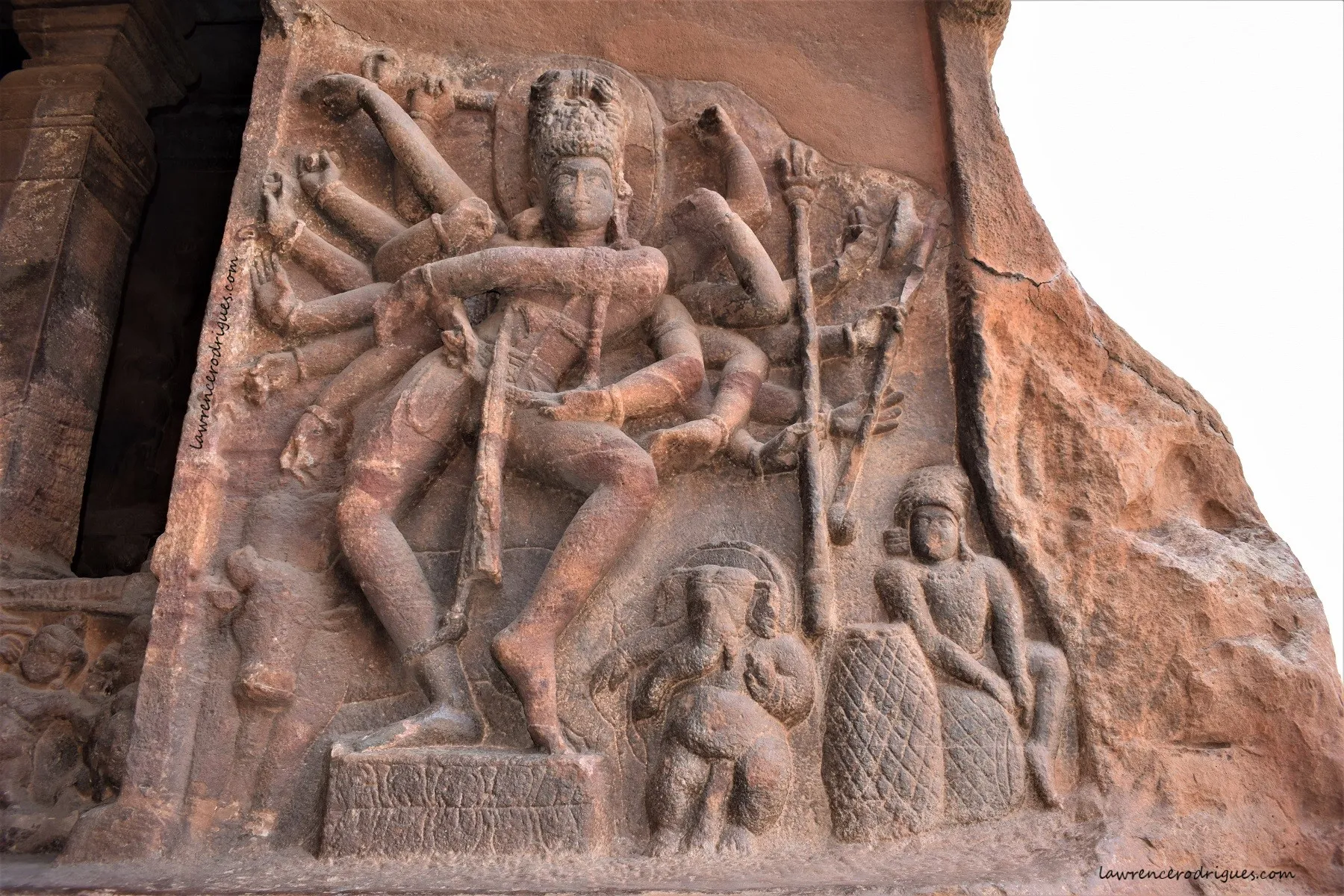
| Cave 1 | Shaiva | Nataraja relief, dynamic iconography |
| Cave 2 | Vaishnava | Trivikrama and Varaha themes |
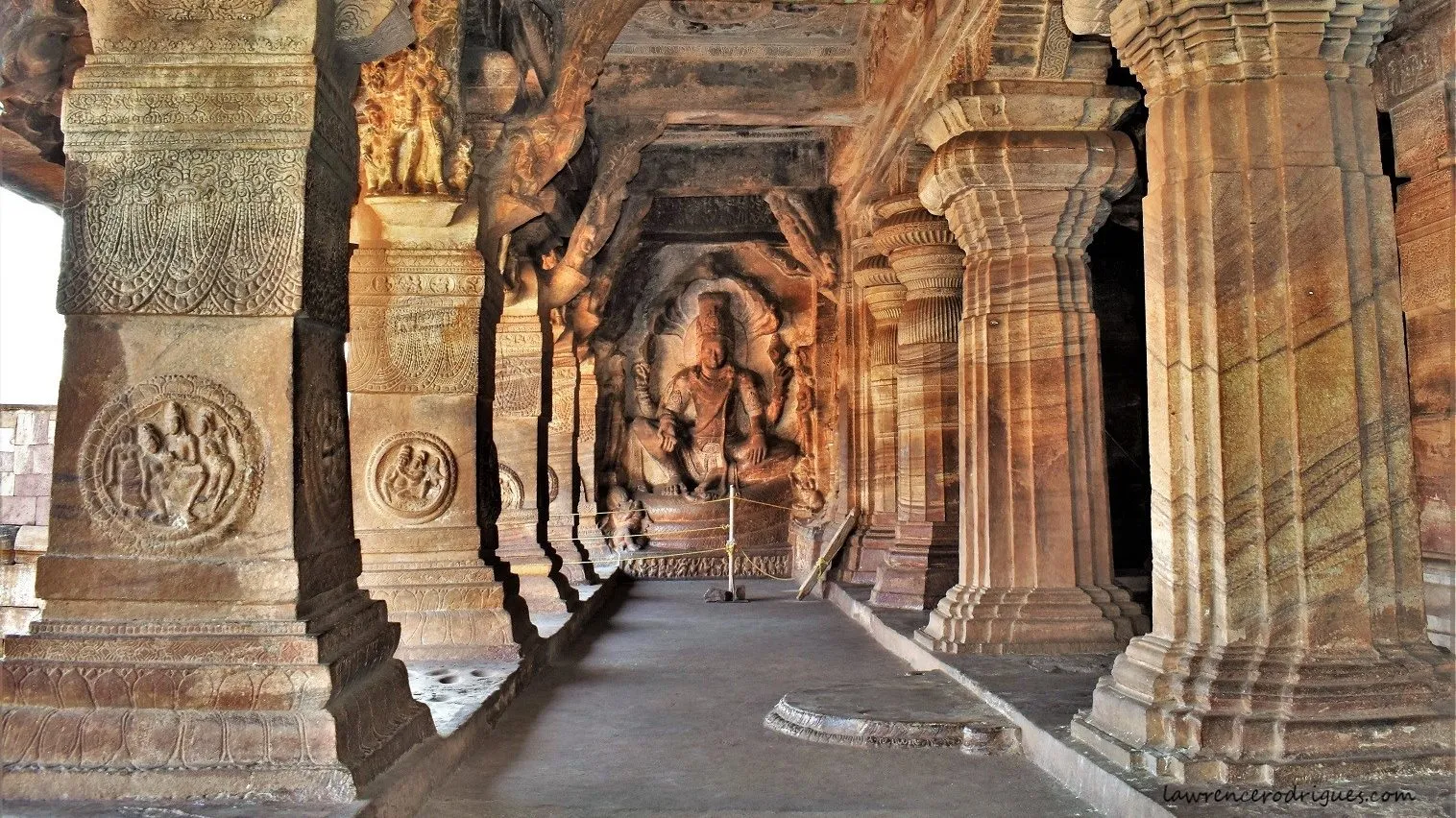
| Cave 3 | Vaishnava (largest) | Major inscription, advanced carving program |
| Cave 4 | Jain | Tirthankara imagery, quieter composition |
This sequence is best explored in order while climbing. It helps you understand transitions in scale, detailing, and devotional language.
Cave-by-Cave Experience Tips
Cave 1: Spend time with the Nataraja panel. The composition is a great entry point for understanding movement carved in stone. Look at arm positioning and surrounding figures before moving to secondary reliefs.
Cave 2: Notice narrative density and expression. The Vishnu themes are easier to appreciate if you first scan full panels and then move close for ornament details.
Cave 3: This is usually the most discussed cave because of scale and inscriptional relevance. Use this cave for longer observation and photography breaks.
Cave 4: The Jain cave feels more restrained and meditative. It is ideal as your final stop before descending, giving a calmer close to the visit.
Architecture and Carving Language
Badami's most important contribution is how it adapts structural temple ideas into rock-cut form. Verandahs, pillared halls, and sanctum-focused zones are shaped directly in stone. You will see experimentation in column form, ceiling treatment, and framing of deity panels.
The sandstone material enabled rich detail but also requires continuous conservation against weathering. This makes responsible visitor behavior important. Avoid touching relief surfaces and keep movement controlled in narrower sections where carvings are close to circulation paths.
Timings, Tickets, and On-Ground Planning
Visitors usually experience Badami best in the morning. Light is better for cliff and sculpture contrast, and steps are less tiring before midday heat. Entry ticketing is managed at site counters and can change by policy updates, so confirm latest rates locally instead of relying on old screenshots.
Keep at least 2.5 to 3.5 hours for caves plus viewpoints. If you add lake-side temples and fort viewpoints, plan a half-day. Carry water and sun protection; the climb has limited shaded resting points.
How to Reach and Route Logic
Badami is reachable by road and rail from major Karnataka nodes. For most travelers, a private cab or self-drive circuit offers the best flexibility when combining multiple Chalukyan sites. Public options exist but can reduce time efficiency if you are trying to cover Badami, Aihole, and Pattadakal in one day.
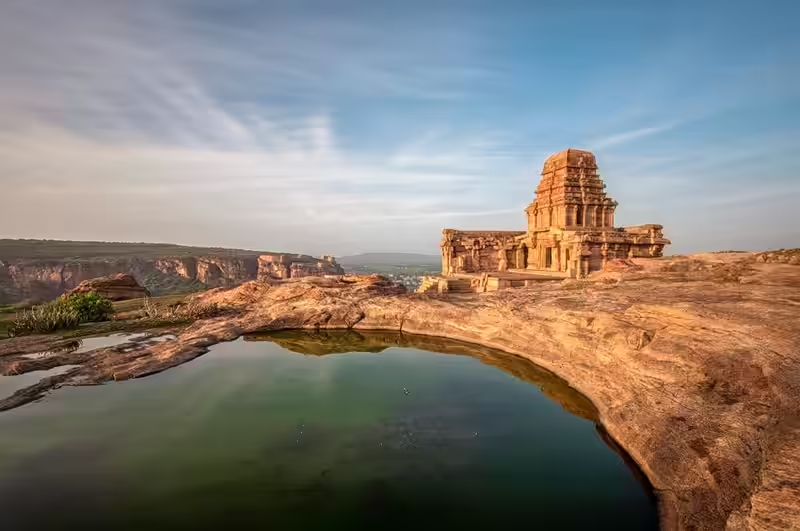
A high-efficiency route is: early Badami caves, then Pattadakal, then Aihole, returning by evening. If you prefer deeper exploration and less rushing, split across two days and include sunset photography at the lake zone.
Best Season to Visit
October to February is generally the most comfortable period. Mornings are pleasant, and walking conditions are better. Summers are workable but physically demanding during midday. Monsoon adds scenic greenery, though steps can be slippery and visibility may vary with rain clouds.
If photography is a major goal, prioritize clear-day windows in winter and reach early for directional light on cliff faces and cave fronts.
Nearby Heritage Add-Ons
For broader context, pair Badami with Belur-Halebidu temples for later-period temple detailing and with Hoysala temple studies if you are comparing styles across centuries. This layered approach helps you understand regional architecture as a timeline rather than isolated monuments.
You can also use Karnataka itinerary guides to balance heritage, city, and nature components in the same trip.
Common Mistakes to Avoid
One common mistake is underestimating the climb and carrying no water. Another is trying to finish the site in under one hour. That usually leads to superficial viewing and missed details in the major caves.
Visitors also often skip contextual reading. Even ten minutes with site signage or a guide can change the quality of your experience. If your budget allows, local interpretation support is worth it.
Why Badami Still Stands Out
Badami Caves remain special because they are both historically foundational and visually accessible. You do not need deep prior knowledge to appreciate them, but the site rewards deeper observation if you have time. That balance is rare in heritage travel.
If your goal is to understand early temple architecture in India through one practical, high-impact site, Badami is an excellent choice. Plan it carefully, move slowly across caves, and you will leave with far more than a checklist visit.
Extended Circuit Planning: Badami, Aihole, Pattadakal
Travelers often underestimate transfer and queue time when covering the full Chalukyan triangle. A more realistic model is to anchor each half-day around one major site and one secondary stop. If your focus is deep observation, keep Badami as a standalone half-day and move to Pattadakal and Aihole with a fresh start.
For first-time visitors, this order works well: sunrise at Badami viewpoints, cave exploration, lunch break, and then short sunset walk near Agastya Lake. On day two, do Pattadakal first for temple-complex coherence and end at Aihole where exploratory movement feels less rigid.
What Serious Architecture Travelers Should Track
When documenting Badami, focus on pillar profile transitions, narrative-panel density, and icon placement logic relative to circulation flow. These elements help you compare Badami with later temple developments in Karnataka and beyond.
You should also note weathering patterns and restoration lines. These are not just conservation details; they reveal how material behavior shapes long-term monument survival and what future preservation priorities might look like.
On-Site Safety and Conservation Etiquette
Badami's steps and ledges can become crowded and slippery. Move slowly, avoid edge leaning for photos, and never climb on carved zones. Heritage protection begins with visitor behavior, especially at high-footfall monuments where cumulative contact causes irreversible damage.
Use refillable bottles, carry back waste, and avoid loud audio playback. Small discipline at the individual level contributes significantly to long-term conservation quality.
Quick Recap for First-Time Visitors
If you only have one morning in Badami, prioritize Cave 1 and Cave 3, then finish with lake-side views. This gives you the strongest mix of sculpture, architecture, and landscape context without over-rushing the site.
For deeper study, revisit the caves in reverse order to notice how your interpretation improves after first exposure. This simple second pass often reveals details missed initially.
Location
Frequently Asked Questions
Q1.How many caves are there in Badami?
Q2.Who built the Badami caves?
Q3.What is the best time to visit Badami caves?
Q4.How far is Badami from Bangalore?
Q5.What are Badami caves famous for?
Q6.Are there any restrictions for visiting Badami caves?
Q7.Can we cover Badami, Pattadakal, and Aihole together?
Q8.Why is the sandstone at Badami red?
Recommended For You
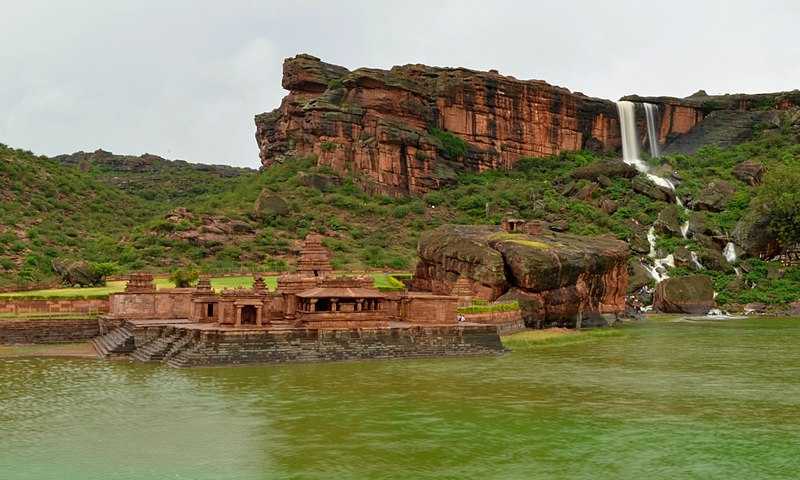
Places to Visit in Karnataka: Coast, Hills & Heritage Cities
Explore the best places to visit in Karnataka with a complete guide to Hampi, Coorg, Mysore, beaches, wildlife parks, trekking routes, and practical travel planning.
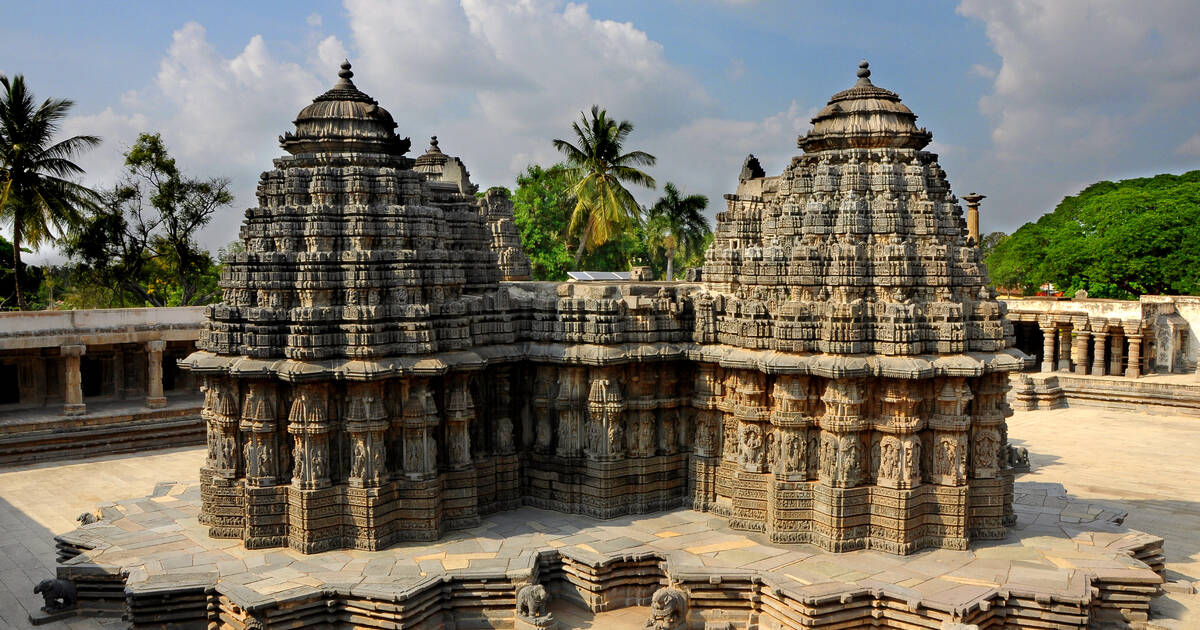
Hoysala Temples Karnataka: Belur-Halebidu Circuit, Timings & Route
Complete guide to Hoysala temples in Karnataka including Belur, Halebidu, and Somnathpura with temple circuit planning, history, and travel tips.
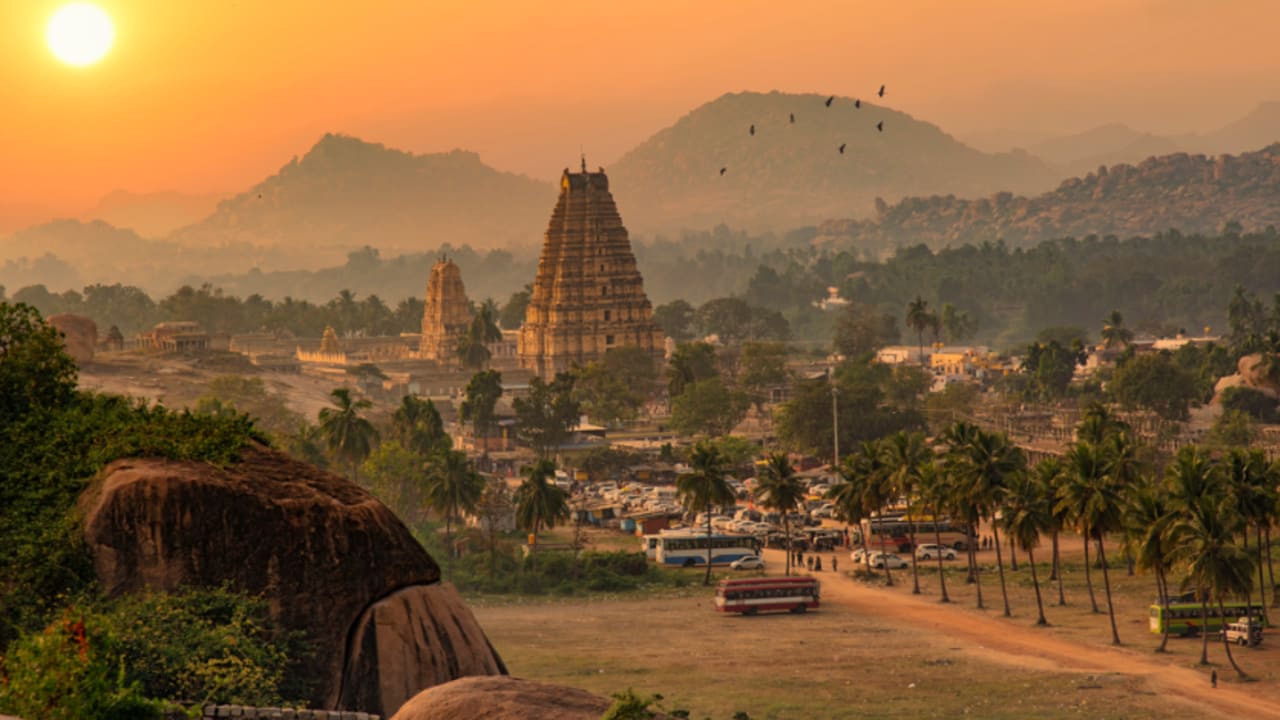
UNESCO World Heritage Sites in India: Full List, States & Highlights
Explore all 40 UNESCO World Heritage Sites in India. Complete guide to Taj Mahal, Red Fort, Ajanta Ellora, Kaziranga, and more with visit planning tips.
Never Miss an Adventure
Get the latest trekking guides, travel tips, and exclusive offers delivered straight to your inbox.
