
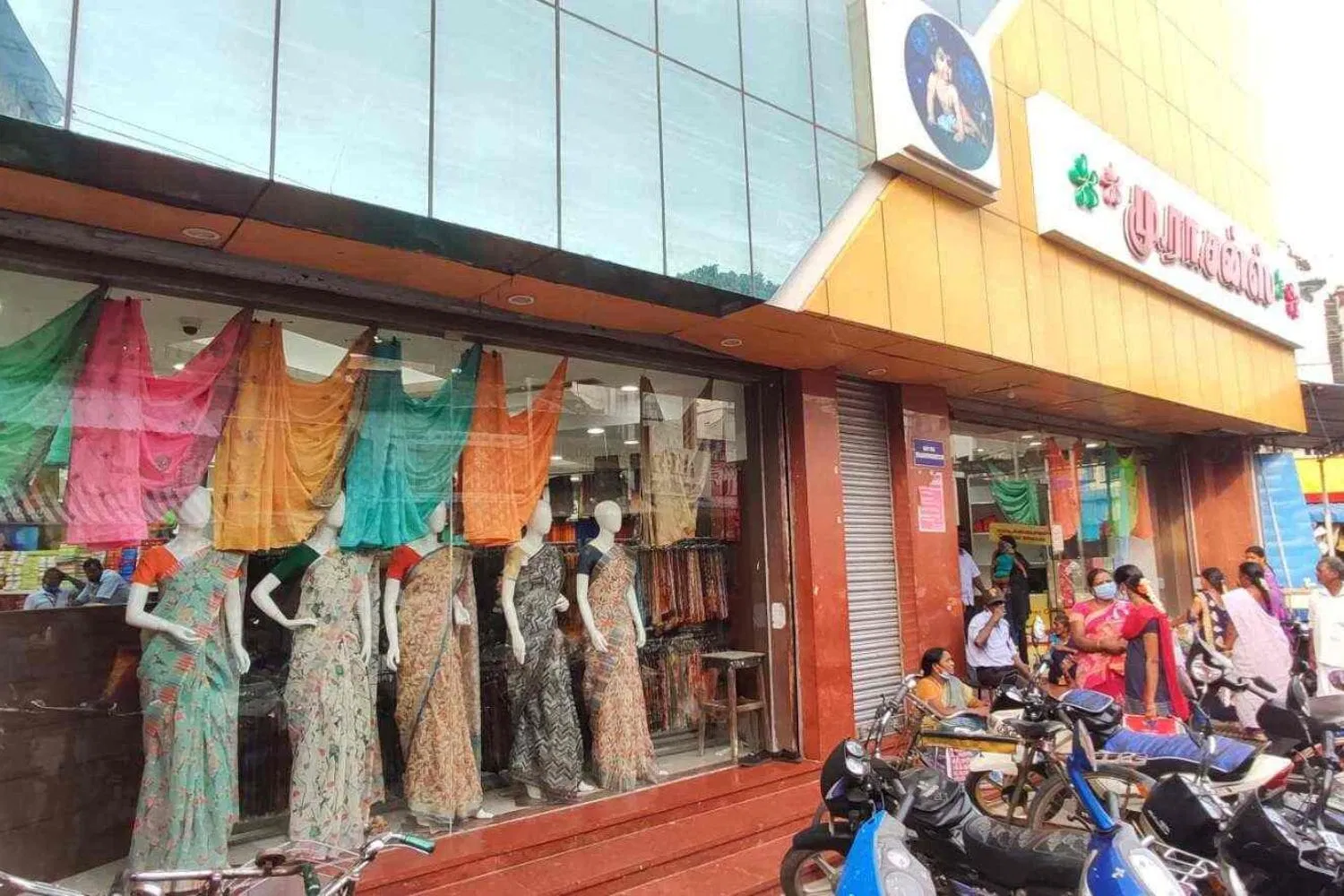
Shopping in Nagapattinam: Local Markets and Buying Tips

Ananya Sharma
February 20, 2026
Plan shopping in Nagapattinam with market zones, textile and saree picks, seafood buying tips, timings, souvenirs, and practical local shopping advice.
1. Introduction: Shopping in a Historic Coastal Trade Town
Nagapattinam has long been known as a coastal trading belt in Tamil Nadu, and that character still reflects in its market rhythm today. Shopping here is not about big luxury malls or branded streets; it is about practical local bazaars, textile shops, seafood-led buying culture, temple-related purchase zones, and neighborhood retail clusters that serve both residents and travelers.
If you are visiting for cultural exploration or a coastal road trip, local shopping can add useful depth to your plan. You can pick traditional clothing, household textiles, dried seafood, puja materials, and budget souvenirs, often at better value than tourist-heavy markets in larger cities. This guide covers where to shop, what to buy, how to bargain respectfully, timing strategy, payment options, and what to avoid.
+
+
+2. Market Landscape: What Kind of Shopping to Expect
+Nagapattinam shopping is best understood in categories rather than one giant “main market” experience. Different zones serve different needs, and the quality of your shopping depends on choosing the right category first.
+| Shopping Type | Best For | Typical Buyer |
|---|---|---|
| Daily local markets | Fresh produce, groceries, utility goods | Residents, practical travelers |
| Textile and saree shops | Cotton sarees, dress material, festive wear | Family shoppers, gift buyers |
| Seafood and fish market belts | Fresh catch, dried fish products | Food-focused visitors, local buyers |
| Temple-side shops | Puja items, devotional goods, religious souvenirs | Pilgrims and spiritual travelers |
Because this is a working town market ecosystem, quality and pricing vary by stall and timing. A little patience usually gives better value than rushed buying.
+ +3. Famous Market Areas in Nagapattinam
+Most visitors shop in central commercial roads and neighborhood market pockets close to transport and temple zones. Instead of searching for one “single famous street,” use a cluster plan: one textile lane, one produce market block, and one seafood segment if relevant.
+Main Bazaar and Daily Retail Lanes
+These areas are useful for general purchases, from clothing basics to utensils, small electronics, household supplies, and seasonal goods. The atmosphere is local-first, so expect practical pricing and fewer curated “tourist” display formats.
+Weekly and Festival-Season Markets
+Depending on season, some zones get temporary stalls for festive items, decorative pieces, and event-specific purchases. If your trip overlaps major festival periods, market variety can increase significantly.
+Bus-Stand and Transit-Linked Retail
+Transport-linked shops are convenient for quick purchases but can have variable quality. Use them for lightweight essentials, not major textile or seafood buys.
+ +4. Textile and Saree Shopping
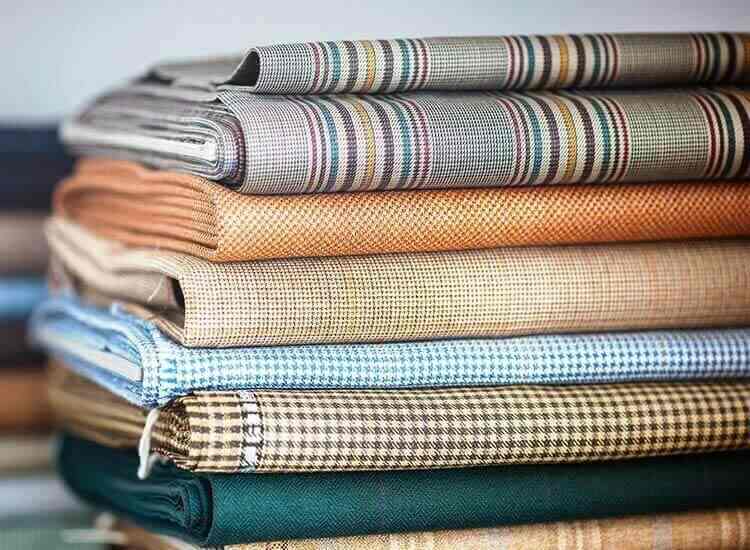
+Textile shopping is one of the strongest reasons visitors spend time in Nagapattinam markets. You will find budget cotton sarees, synthetic blends, daily-use dress materials, men’s traditional wear, and festive options depending on shop scale. While premium silk seekers often compare with larger hubs, Nagapattinam still offers practical value purchases, especially for everyday wear and family buying.
+What to Look For
+-
+
- Cotton sarees for weather-friendly daily use. +
- Simple festive sarees and blouse materials. +
- Dhoti/veshti formats in multiple budget ranges. +
- School and household textile basics. +
Buying Tips
+-
+
- Check fabric feel and wash instructions before billing. +
- Ask for alternate color sets from back stock. +
- Compare 2-3 shops for quality-to-price ratio. +
- Do not assume the first quoted rate is final in smaller stores. +
 +
+
+
+5. Seafood Shopping and Fish Market Culture
+As a coastal district, Nagapattinam has a strong seafood trade presence. Market activity is usually highest in early morning windows when fresh catch arrives. If your purpose is culinary exploration, this segment is worth experiencing even if you are not buying large quantities.
+What You May Find
+-
+
- Fresh fish varieties depending on daily catch. +
- Prawns, crabs, and shellfish in seasonal cycles. +
- Dried fish products in selected stalls. +
- Spice and curing ingredients for seafood prep. +
Seafood Buying Precautions
+-
+
- Visit early for better freshness options. +
- Carry insulated bag support for transport. +
- Confirm cleaning/packing charges in advance. +
- Avoid long non-refrigerated transit post-purchase. +
If you are planning your day by food and local culture, combine shopping with this restaurants in Nagapattinam reference for meal stops.
+ +6. Local Handicrafts and Coastal Souvenirs
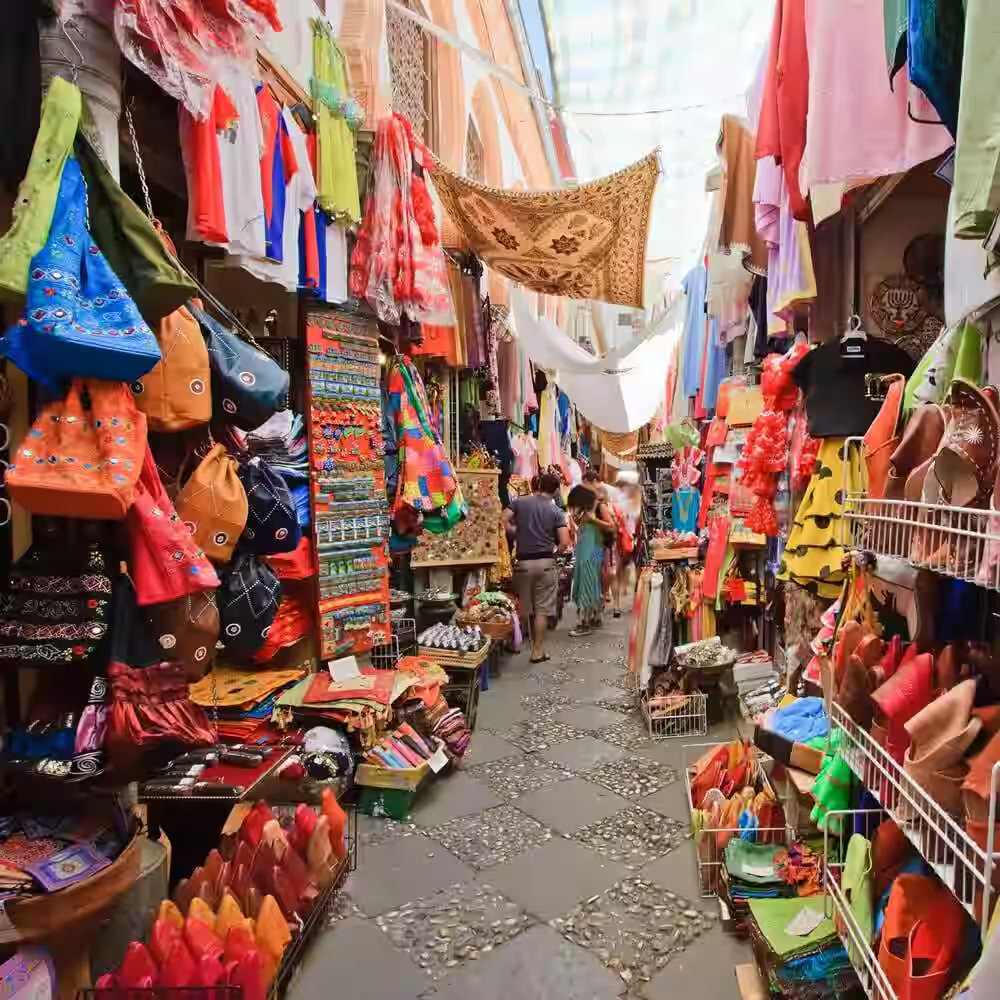
+Nagapattinam is not a mega handicraft tourism zone, but you can still find practical local items and small craft products in mixed market belts. Souvenirs are usually simple and functional rather than high-concept artisan collectibles.
+Common Picks
+-
+
- Palm-leaf and woven utility items. +
- Small shell-themed decor products. +
- Local devotional mementos. +
- Budget home-use craft pieces. +
For better buying experience, ask shopkeepers about locally made versus wholesale-sourced items so you know what you are paying for.
+ +7. Religious Shopping: Temple and Puja Item Zones
+Many visitors arrive in this region for temple and heritage circuits, so devotional shopping is a major part of local commerce. Near temple clusters, you will usually find flowers, camphor, brass items, incense, framed images, and festival-specific puja materials.
+These purchases are typically straightforward and low-cost, but product quality can vary by stall. If buying larger brass or metal pieces, compare weight and finish before confirming.
+For broader planning around local sightseeing and spiritual stops, pair your shopping run with things to do in Nagapattinam and places to visit in Nagapattinam.
+ +8. Popular Shopping Areas by Purpose
+| Purpose | Best Area Type | Recommended Time |
|---|---|---|
| Quick essentials | Transit-linked retail lanes | Daytime |
| Textiles and clothing | Main bazaar textile blocks | Late morning to evening |
| Seafood buying | Fish market sections | Early morning |
| Puja and temple items | Temple-adjacent shops | Morning and pre-evening |
This purpose-based structure keeps your shopping efficient and reduces unnecessary movement in heat-heavy hours.
+ +9. Bargaining, Payment, and Market Etiquette
+Bargaining is common in smaller stalls and non-branded sections, but tone matters. Polite negotiation works better than aggressive price pushes. In established shops with tagged bills, bargaining may be limited.
+Payment Reality
+-
+
- Many shops now accept UPI and digital payment. +
- Cash is still useful in smaller local stalls. +
- Keep small change for market purchases. +
Etiquette Rules
+-
+
- Ask before opening packed textile bundles repeatedly. +
- Avoid blocking narrow lanes during busy hours. +
- Respect queue and priority for local daily buyers. +
- Confirm return/exchange policy before checkout. +
10. Best Time and Timing Strategy for Shopping
+Nagapattinam market planning improves when you split by category. Seafood shopping is strongest early morning. Textile and general market browsing works well from late morning through evening. Temple-item buying usually aligns with prayer windows and festival cycles.
+Weekends can get busier in central areas, while weekdays are easier for calm textile selection. During festival periods, market range increases but so does crowd pressure.
+ +11. Sample Half-Day and Full-Day Shopping Plans
+Half-Day Plan
+-
+
- Morning seafood market observation/purchase. +
- Late morning textile lane buying. +
- Quick temple-item and souvenir stop. +
Full-Day Plan
+-
+
- Early market start (seafood and produce). +
- Breakfast and rest break. +
- Textile-focused block with comparison shopping. +
- Temple-vicinity devotional shopping. +
- Evening local snack and final utility purchases. +
 +
+
+
+12. Final Buying Checklist and Takeaway
+-
+
- Carry reusable bags and one insulated bag for seafood. +
- Do quick quality checks before payment. +
- Split shopping by category and time window. +
- Keep both cash and digital options ready. +
- Buy lightweight, practical souvenirs over fragile items. +
Shopping in Nagapattinam is most rewarding when approached as a local market experience, not a mall-style outing. If you shop by purpose and timing, you can cover textiles, seafood, and devotional goods in one efficient plan while also understanding the region’s coastal trade culture.
13. Seasonal Shopping Strategy and Festival Buying
Shopping outcomes in Nagapattinam can change by season and festival cycle. During major religious periods, temple-adjacent shops usually stock more devotional items, festive decor, and puja packs. Textile shops may also bring in additional color ranges and occasion-focused inventory. In non-festival windows, daily-use products and practical household items dominate.
If you are buying gifts, festival windows provide better variety but also higher crowd density. Weekday morning visits during such periods often give more comfortable selection time. For travelers on tight schedules, prioritize one category per window instead of trying to buy everything in peak market traffic.
| Season Window | Best Shopping Focus | Practical Note |
|---|---|---|
| Festival periods | Puja goods, occasion textiles, gift items | Higher crowd; start early |
| Regular weekdays | Textiles, utility shopping, local staples | Easier comparison and billing |
| Early mornings | Seafood and fresh market buys | Best freshness and variety |
14. Common Shopping Mistakes to Avoid
- Buying seafood late in the day without cold-storage planning.
- Skipping fabric checks and assuming all sarees are same quality grade.
- Not comparing 2-3 shops before larger textile purchases.
- Carrying only digital payment in cash-first market pockets.
- Overpacking fragile souvenirs during road-travel itineraries.
A simple rule works well: buy essentials first, specialty items second, and souvenirs last. This protects budget and reduces impulse purchases in crowded lanes.
Location
Frequently Asked Questions
Q1.What is Nagapattinam famous for shopping?
Q2.Where can I buy fresh seafood in Nagapattinam?
Q3.Are there good textile shops in Nagapattinam?
Q4.What can I buy from Nagapattinam markets as souvenirs?
Q5.Is bargaining acceptable in Nagapattinam markets?
Q6.What are typical market timings in Nagapattinam?
Q7.Do shops accept cards or digital payments in Nagapattinam?
Q8.What is the best way to plan shopping in Nagapattinam?
Recommended For You

Coimbatore to Nagapattinam Road Trip: Route, Distance & Key Stops
Complete road trip guide from Coimbatore to Nagapattinam. Discover temples, heritage sites, beaches & itinerary.
Shopping Places Madurai: Markets, What To Buy and Tips
Plan shopping in Madurai with market-wise recommendations, what-to-buy guidance, and practical route, budget, and bargaining tips.
Shopping in Thailand: Bangkok Markets, Night Bazaars & Mall Deals
Discover best shopping in Thailand. From Bangkok malls to floating markets, explore Thai silk, handicrafts & bargaining tips.
Never Miss an Adventure
Get the latest trekking guides, travel tips, and exclusive offers delivered straight to your inbox.
