
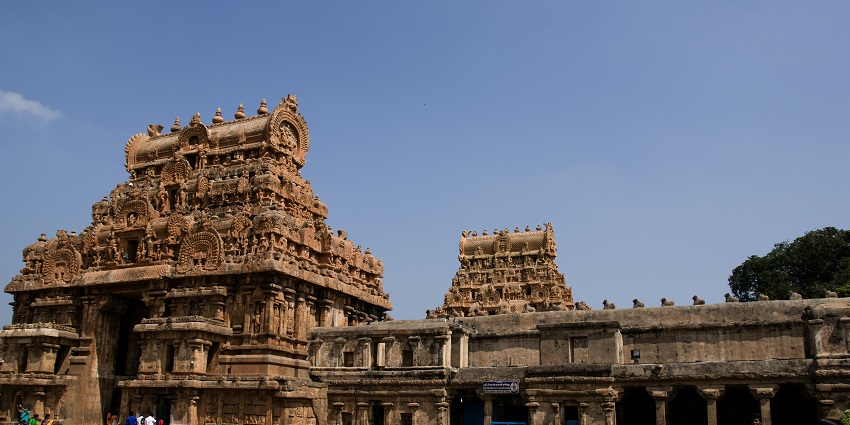
Places to Visit in Nagapattinam: Coastal Temples, Beaches & Routes

Rohan Malhotra
November 17, 2025
Explore Nagapattinam! Velankanni, Nagore Dargah, temples. Complete guide to Tamil Nadu's coastal town.
Historic Port Town of Tamil Nadu
Nagapattinam, a historic port town on Tamil Nadu's eastern coast, offers travelers a unique blend of spiritual significance, coastal beauty, and rich history. Located approximately 320 kilometers from Chennai and 90 kilometers from Thanjavur, this town has been an important maritime center since the Chola dynasty's golden age. Today, Nagapattinam attracts pilgrims, history enthusiasts, and beach lovers seeking an authentic Tamil Nadu coastal experience away from more crowded tourist destinations.
The town's identity is shaped by its diverse religious heritage, housing one of India's most important Christian pilgrimage centers alongside significant Muslim and Hindu sites. This confluence of faiths creates a unique cultural tapestry where different communities have coexisted peacefully for centuries. For travelers, this means experiencing multiple religious traditions within a compact geographic area, gaining insight into India's remarkable religious diversity.
Beyond its spiritual dimension, Nagapattinam's coastal location provides beautiful beaches, fresh seafood cuisine, and the soothing ambiance that only seaside towns can offer. The Bay of Bengal influences everything from the weather to the local economy, with fishing remaining an important industry. Whether you're seeking spiritual solace, historical exploration, or simply a peaceful coastal retreat, Nagapattinam provides experiences that resonate long after your visit concludes.
Velankanni Basilica
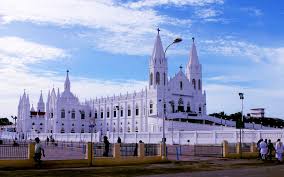
The Basilica of Our Lady of Good Health in Velankanni stands as one of India's most important Christian pilgrimage centers, drawing millions of devotees annually. Located just 12 kilometers from Nagapattinam town, this beautiful white church dominates the Velankanni skyline and serves as a powerful symbol of faith and healing. The basilica's significance extends beyond religious boundaries—attracting visitors of all faiths who come to experience its peaceful atmosphere and witness the devotion it inspires.
The church's history dates back to the 16th century when, according to tradition, the Virgin Mary appeared to a shepherd boy and later healed a crippled boy buttermilk vendor. These miracles, along with accounts of sailors saved from shipwrecks through Mary's intercession, established Velankanni as a place of pilgrimage. The current Gothic-style basilica, constructed over centuries, incorporates earlier chapels built at miracle sites and features beautiful stained glass, intricate carvings, and a serene interior that encourages contemplation.
The Festival Season: Velankanni comes alive during the annual festival from August 29 to September 8, culminating on the Feast of the Nativity of Mary. During this period, the town sees enormous crowds—some estimates suggest up to two million pilgrims walk to Velankanni during the festival, many barefoot as fulfillment of vows. The atmosphere is charged with devotion, with processions, special masses, and a festive spirit that transcends religious boundaries. If you're interested in experiencing Indian pilgrimage culture at its most vibrant, this is an extraordinary time to visit, though be prepared for crowds and book accommodation well in advance.
For those seeking a quieter experience, visiting outside the festival season allows for more peaceful exploration of the church complex, its museums displaying votive offerings, and the beautifully maintained grounds. The church museum houses interesting artifacts including items recovered from shipwrecks and offerings left by those who believe they received Mary's intercession. Whether you come as a devotee or curious traveler, Velankanni's spiritual ambiance is undeniably moving.
Timing: 6:00 AM - 8:00 PM (all days)
Entry: Free
Time Needed: 2-3 hours
Distance: 12 km from Nagapattinam
Nagore Dargah
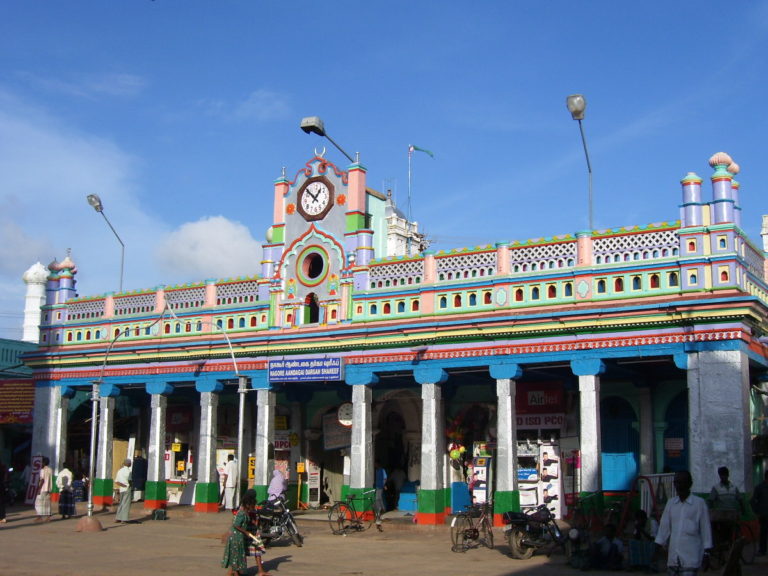
The Nagore Dargah, dedicated to the Sufi saint Hazrat Syed Shahul Hameed Qadir Wali, represents one of South India's most important Islamic pilgrimage sites. Located within Nagapattinam town itself, this dargah exemplifies the inclusive spiritual tradition that characterizes much of South Indian Islam, welcoming visitors of all faiths who come seeking the saint's blessings.
The dargah complex features five minars (towers) of varying heights, with the tallest reaching over 100 feet—a distinctive landmark visible from across Nagapattinam. The architecture combines indigenous and Islamic elements, creating a uniquely South Indian expression of Islamic sacred space. Unlike some more conservative Islamic sites, Nagore Dargah maintains an open, welcoming atmosphere that has long attracted Hindu devotees alongside Muslim pilgrims, embodying the syncretic traditions that characterize much of Tamil Nadu's religious culture.
Spiritual Significance: Hazrat Shahul Hameed, the saint buried here, was a 16th-century Sufi known for his miracles and his role in spreading Islam in the region through peaceful means rather than conquest. Legend holds that he cured the physical ailments of devotees and intervened during natural disasters, establishing a reputation for miraculous intercession that continues to draw believers today. The dargah is believed to be particularly powerful for healing diseases, fulfilling wishes, and protecting devotees from harm.
The Kanduri Urs Festival: Held annually for 14 days, the Kanduri Urs commemorates the saint's death anniversary with celebrations that include special prayers, processions, and community feasting. The festival exemplifies the dargah's inclusive character, drawing people from multiple religious communities who come to participate in or simply witness the celebrations. The atmosphere is festive yet spiritual, with Qawwali performances, decoration of the saint's shrine, and a general atmosphere of devotion that transcends religious boundaries.
Visitor Experience: Non-Muslim visitors are welcome throughout the complex, though certain areas near the actual tomb may be reserved for prayer. The complex includes several interesting structures including the golden dome above the saint's tomb, an old mosque within the complex, and various administrative buildings. Remove footwear before entering the main shrine areas, and dress modestly out of respect. The dargah's location within Nagapattinam town makes it easily accessible on foot or by short autorickshaw ride from anywhere in the central area.
Timing: 5:00 AM - 10:00 PM (all days)
Entry: Free
Time Needed: 1-2 hours
Location: Within Nagapattinam town
Nagapattinam Beach
The Nagapattinam Beach offers a refreshing coastal experience distinct from the region's religious sites, providing a place for relaxation, sunset viewing, and exposure to the daily rhythms of a fishing community. Unlike some of Tamil Nadu's more developed beach destinations, Nagapattinam maintains a working beach atmosphere where fishing boats, nets, and fishermen going about their daily work create an authentic seaside ambiance.
Beach Character: The beach features sandy shores and relatively gentle waves typical of India's east coast. While the sea can be rough during certain seasons, the beach itself is pleasant for walking, particularly during the cooler morning and evening hours. Sunrise views are spectacular, with the sun emerging from the Bay of Bengal and painting the sky in colors that reflect beautifully on the water. Evening strolls are equally rewarding, with the setting sun creating dramatic silhouettes of fishing boats returning with their day's catch.
Safety Note: Swimming at Nagapattinam Beach is generally not recommended for tourists. The sea can have unpredictable currents, waves can be powerful, and there are no lifeguards or safety infrastructure in place. Enjoy the beach from the shore, wade in shallow water if you must, but avoid deeper swimming unless you're with local fishermen who understand the conditions.
Best Time to Visit: Early morning (6-8 AM) offers the most pleasant temperatures, fewest crowds, and beautiful sunrise views. You'll see fishermen setting out for their day's work and may have opportunities to watch them bring in fresh catches. Evening (4-7 PM) brings pleasant temperatures after the heat of the day, beautiful sunsets, and a lively atmosphere as locals come to the beach for relaxation and socializing.
Local Culture: The beach provides insight into Nagapattinam's fishing economy, with colorful boats pulled up on the sand, nets spread out for repair, and fisherfolk engaged in various tasks related to their trade. Fresh catch is often sold directly on the beach—look for baskets of prawns, crabs, and various fish species that go directly to local markets and restaurants. This authentic working beach experience contrasts with more tourist-oriented beaches and provides a window into coastal livelihoods.
Time Needed: 1 hour for a basic visit, longer if you want to relax and soak in the atmosphere
Sikkal Singaravelan Temple
Located approximately 5 kilometers from Nagapattinam, the Sikkal Singaravelan Temple is dedicated to Lord Murugan and holds particular significance in Tamil religious tradition. According to legend, this is the site where Murugan received his divine spear (vel) from his mother Parvati before defeating the demon Surapadman—a central narrative in Murugan mythology that's commemorated in temples throughout Tamil Nadu.
The temple's Dravidian architecture features typical elements including a gopuram (tower) adorned with sculptures of deities and mythical figures, a sacred tank, and various shrines within the complex. While not as large or famous as some of Tamil Nadu's major temples, Sikkal's religious significance and peaceful atmosphere make it worth visiting, particularly for those interested in Tamil religious traditions and temple architecture.
Special Significance: The temple is particularly important during Skanda Sashti (typically November), a six-day festival celebrating Murugan's victory over evil. Devotees undertake fasting, prayer, and penance during this period, culminating in processions and special ceremonies at the temple. If you're interested in experiencing Tamil temple festivals, this is an excellent though relatively intimate opportunity compared to larger temple festivals.
Timing: 6:00 AM - 12:00 PM, 4:00 PM - 8:00 PM
Entry: Free
Time Needed: 45 minutes - 1 hour
Distance: 5 km from Nagapattinam
Danish Fort (Tranquebar)
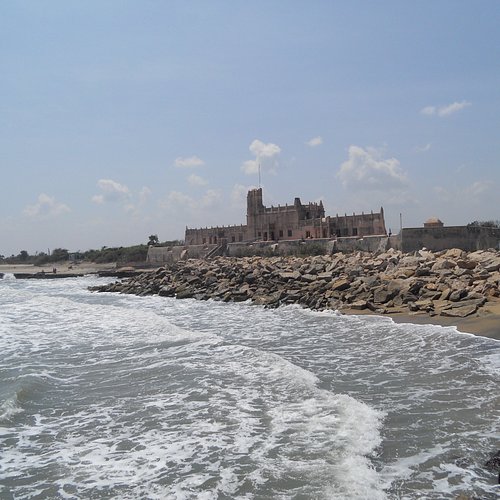
The Danish Fort at Tranquebar (now called Tharangambadi) offers a fascinating glimpse into European colonial history along the Tamil Nadu coast. Built by the Danish East India Company in 1620, Fort Dansborg served as the Danish colonial headquarters in India for over 150 years. Today, this remarkably well-preserved fort houses a museum displaying Danish artifacts and provides insight into a lesser-known chapter of India's colonial history.
The fort's architecture reflects European military design adapted to local conditions, with thick walls designed to withstand cannon fire and a layout optimized for defense against both land and sea attacks. The Danish managed to maintain peaceful relations with local rulers, focusing on trade rather than territorial expansion, which may explain why their colonial presence left less traumatic memories than some other European powers.
Museum Collections: The museum within the fort displays various artifacts from the Danish period including porcelain, coins, maps, and everyday items that paint a picture of European colonial life in 17th-18th century India. The exhibits provide context on Danish trade operations, their relationships with local rulers, and daily life in the Danish settlement. English-language explanations help visitors understand the significance of what they're viewing.
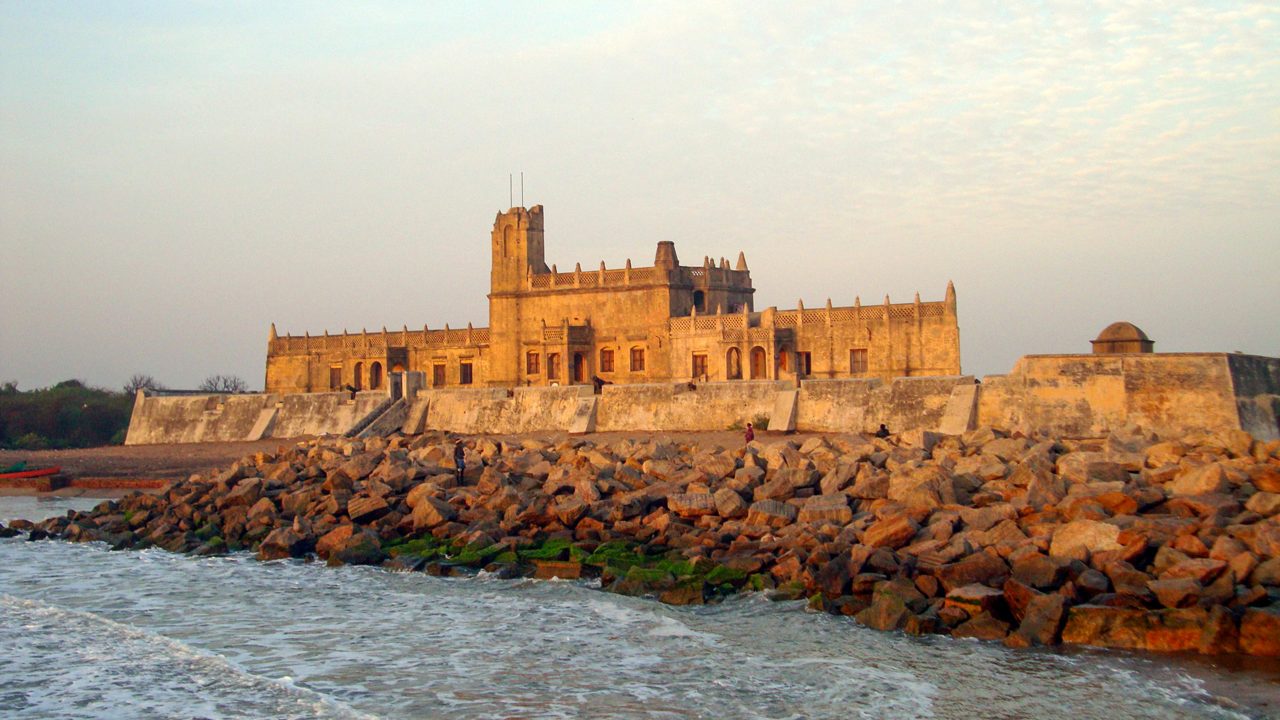
Tranquebar Town: Beyond the fort, Tranquebar town retains a distinct character with colonial buildings, a charming seaside setting, and a slower pace of life than more developed coastal areas. The New Jerusalem Church (1718) and other colonial-era buildings add to the town's historical ambiance. A visit to the Danish Fort can easily be combined with exploring Tranquebar town and its beach for a half-day excursion from Nagapattinam.
Timing: 10:00 AM - 5:00 PM (closed Fridays)
Entry: ₹10
Time Needed: 1-2 hours
Distance: 35 km from Nagapattinam
Tharangambadi and Tranquebar Beach
Tharangambadi (literally "place of the singing waves") offers a serene coastal experience that contrasts with the more developed beaches elsewhere. The beach here is cleaner and less crowded than Nagapattinam Beach, making it ideal for peaceful relaxation. The combination of historical interest from the Danish Fort and natural beauty from the beach makes Tharangambadi an excellent day trip destination.
The beach features golden sand and relatively gentle waves. Swimming should be undertaken with caution due to the absence of lifeguards and potential currents. However, wading, beach walking, and simply enjoying the seaside ambiance are all pleasant activities. The beach is particularly beautiful during sunrise and sunset when the changing light creates beautiful reflections on the water and historical buildings.
Time Needed: 2-3 hours combined with Danish Fort visit
Distance: 35 km from Nagapattinam
Poompuhar
Poompuhar, approximately 40 kilometers from Nagapattinam, occupies an important place in Tamil literature and history as the ancient Chola port city where the Kaveri River meets the Bay of Bengal. While much of the ancient city is said to have been submerged by the sea, modern Poompuhar and its surroundings offer interesting historical and cultural sites.
The town features a beach where the river meets the sea—a geographical feature that holds special significance in Tamil culture. Several monuments commemorate the ancient city mentioned in Sangam literature, including statues of Silapathikaram characters Kannagi and Kovalan. The Poompuhar Museum displays artifacts recovered from underwater explorations and provides context on the ancient port's historical importance.
Timing: Beach access: all hours; Museum: 9:30 AM - 5:00 PM
Entry: Free to beach; nominal fee for museum
Time Needed: 1-2 hours
Distance: 40 km from Nagapattinam
Travel Tips and Practical Information
Best Season to Visit: October to March offers the most pleasant weather with comfortable temperatures and minimal rainfall. Summer (April-June) can be hot and humid, though coastal breezes provide some relief. Monsoon (October-December) brings rain but also lush greenery—be prepared for wet conditions if visiting during this period. The Velankanni festival (August-September) is spiritually significant but crowded.
Duration: A basic visit covering the main Nagapattinam attractions can be done in 1-2 days. Including Thanjavur in your itinerary adds another day. A comprehensive Tamil Nadu temple tour might combine Nagapattinam with Thanjavur temples, Rameswaram, and other religious sites in a 5-7 day circuit.
Transportation: Nagapattinam is well-connected by road to major Tamil Nadu cities. The nearest airport is Tiruchirappalli (approximately 150 km), though Chennai Airport (320 km) offers more flight connections. Nagapattinam has a railway station connected to the Southern Railway network, though direct trains from major cities may be limited. Buses connect Nagapattinam to Chennai, Thanjavur, Trichy, and other cities. Within Nagapattinam and for visiting nearby attractions, auto-rickshaws and taxis are readily available.
Accommodation: Nagapattinam offers accommodation ranging from budget guesthouses to mid-range hotels. During the Velankanni festival, accommodation in both Nagapattinam and Velankanni fills up quickly—book months in advance if visiting during this period. Options include church-run guesthouses in Velankanni (particularly convenient for pilgrims), private hotels of varying quality, and a few heritage properties. Book rooms with air-conditioning if visiting during summer months.
Food: Nagapattinam's coastal location means excellent seafood—try the fish curry, prawn dishes, and crab preparations. Traditional Tamil cuisine including various vegetarian dishes is widely available. Velankanni has numerous restaurants catering to pilgrims, serving both South Indian and North Indian food. Local specialties include various seafood preparations and Tamil Muslim dishes influenced by the region's trading history. Non-vegetarian food is widely available, reflecting the local Muslim and Christian communities.
Language: Tamil is the primary language, but English works in hotels, restaurants, and at tourist sites. Hindi may be understood in some establishments serving pilgrims from North India. Learning a few basic Tamil phrases (like "Nandri" for thank you) will be appreciated and can enhance your interactions with locals.
Nagapattinam offers travelers a unique combination of spiritual significance, coastal beauty, and historical depth. From the devotional intensity of Velankanni Basilica to the peaceful Sufi atmosphere of Nagore Dargah, from the living history of Tranquebar's Danish Fort to the simple pleasures of beach life, this coastal town provides experiences that capture Tamil Nadu's diverse cultural heritage. Whether you're a pilgrim seeking spiritual solace, a history enthusiast exploring colonial legacies, or simply a traveler seeking an authentic Tamil Nadu coastal experience, Nagapattinam welcomes you with the warmth and hospitality that characterizes this remarkable region. Further up the Tamil Nadu coast, places to visit in Mahabalipuram offers a similar blend of temples and shoreline worth adding to a longer trip.
Location
Frequently Asked Questions
Q1.How many days needed for Nagapattinam?
Q2.What is Nagapattinam famous for?
Q3.Best time to visit Nagapattinam?
Q4.Is Velankanni worth visiting?
Q5.Can we visit both Velankanni and Nagore?
Q6.Distance between Velankanni and Nagapattinam?
Q7.How to reach Nagapattinam?
Q8.Is Nagapattinam beach safe for swimming?
Recommended For You

Best Cafes in Thanjavur: Top Picks
Discover Thanjavur's best cafes serving authentic South Indian filter coffee, traditional Tamil cuisine, and heritage vibes. Explore top coffee spots in Tamil Nadu's cultural capital.

Shopping in Nagapattinam: Local Markets and Buying Tips
Plan shopping in Nagapattinam with market zones, textile and saree picks, seafood buying tips, timings, souvenirs, and practical local shopping advice.
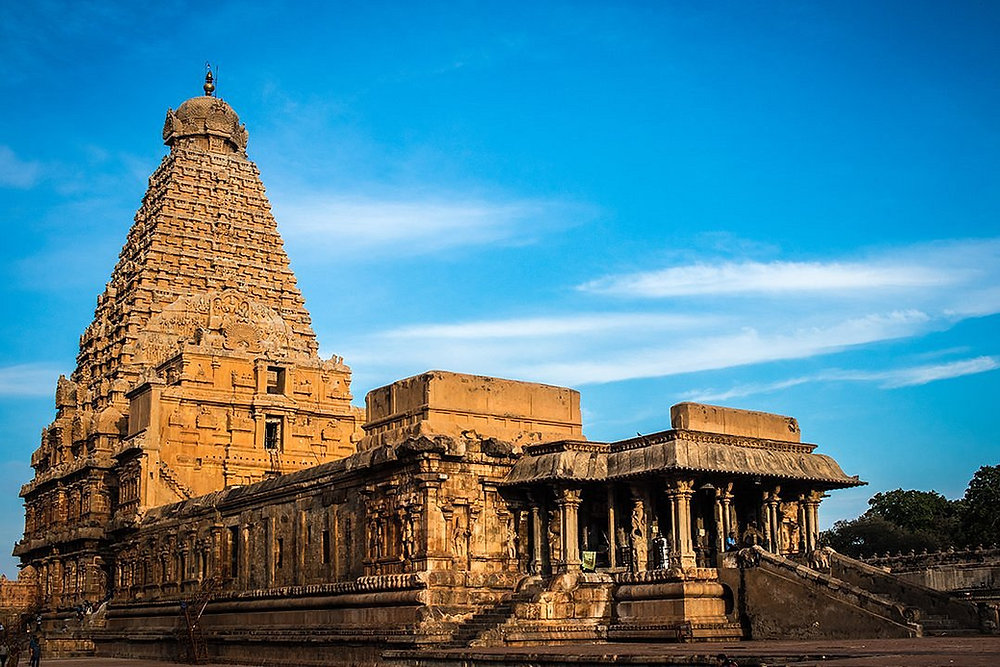
Temples in Thanjavur: The Great Living Chola Heritage
Explore Thanjavur's magnificent Brihadeeswara Temple & UNESCO-listed Chola temples. Discover architecture, history, rituals and travel guide.
Never Miss an Adventure
Get the latest trekking guides, travel tips, and exclusive offers delivered straight to your inbox.
