
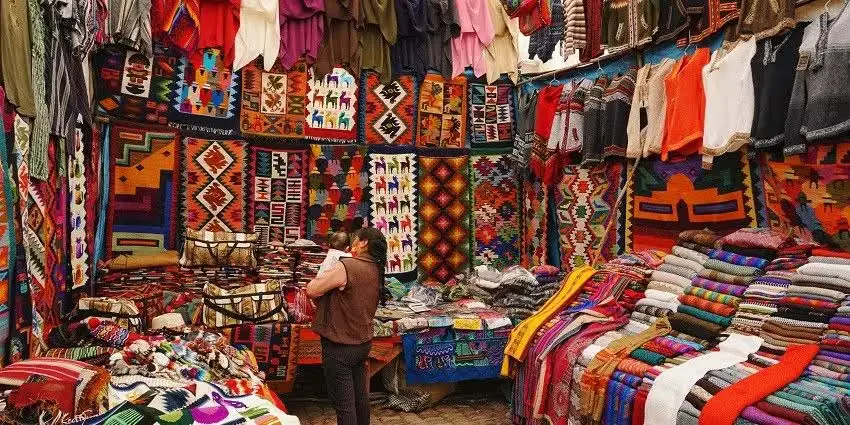
Shopping in Shillong: Markets, Handicrafts & Local Finds

Rohan Malhotra
February 19, 2026
Discover the best shopping in Shillong with market-by-market guidance, what to buy, handicraft tips, food products, budgets, and practical route planning.
Introduction: Why Shopping in Shillong Feels Different
Shopping in Shillong is not just about buying souvenirs. It is about stepping into a city where local culture, everyday trade, modern retail, and street food all overlap within compact market zones. The experience feels different from metro shopping districts because traditional Khasi products and community-run market systems still shape how goods move and how people shop.
Most first-time visitors start with Police Bazar, then expand to older and more local-market areas. This is the right approach because it balances comfort and authenticity. You can begin with easy-access stores, then move to traditional clusters for deeper local shopping.
From bamboo crafts and handwoven items to winterwear and local food products, Shillong markets offer both practical and cultural value. This guide breaks down the best shopping areas, what to buy, spending strategy, timing, and route planning so you can shop efficiently without wasting travel time.

1. Top Shopping Areas in Shillong
Police Bazar (Khyndailad)
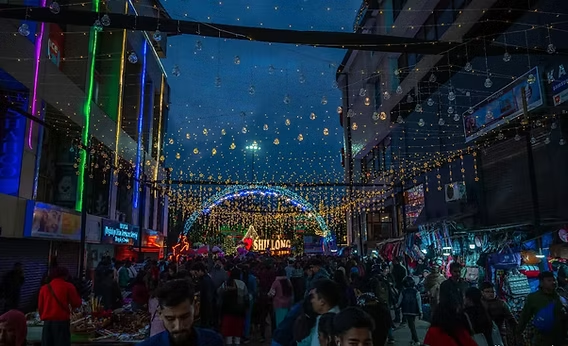
Police Bazar is Shillong's best-known shopping and visitor zone. It has a mix of street stalls, fashion shops, food outlets, travel essentials, and hotels. If you are short on time, this is the most practical one-stop market cluster. Evening hours are lively but crowded, while late morning is better for focused purchases.
Because this zone has undergone recent decongestion and hawker policy changes, movement patterns can shift. Confirm live pedestrian and vending rules on the day of visit if you are planning vehicle access.
Bara Bazar (Iewduh)
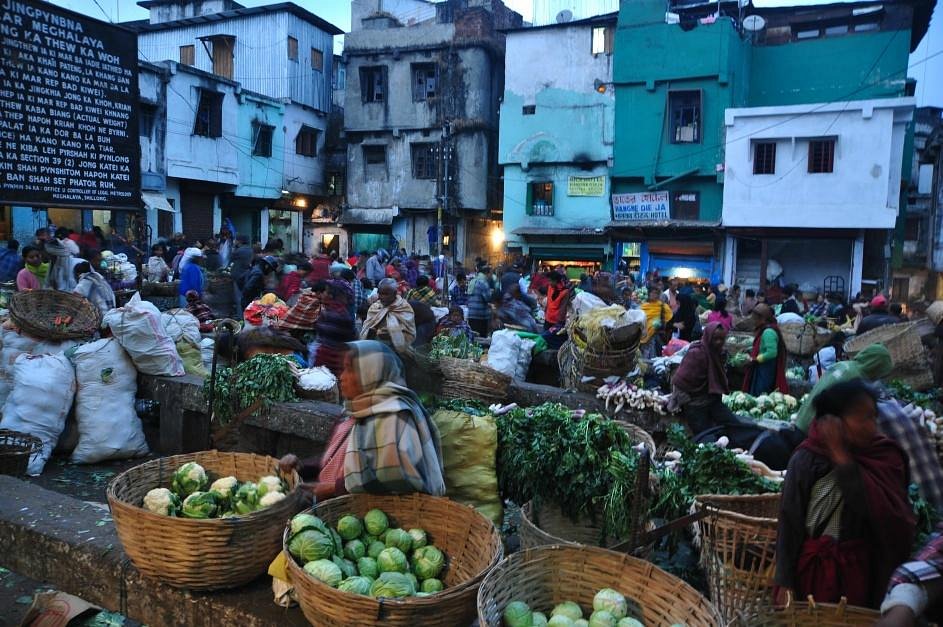
Iewduh, often called Bara Bazar, is one of the oldest and most important traditional markets in Shillong. This is where you see local produce, regional staples, traditional goods, and strong day-to-day local trade. The market is less polished than tourist zones, but much richer in local character and product diversity.
Visitors interested in authentic Meghalaya shopping should not skip this market. It is especially useful for spices, raw local ingredients, basket goods, and practical regional products.
Laitumkhrah Market Belt
Laitumkhrah offers a more modern neighborhood-shopping vibe with cafes, boutiques, and mixed-use retail. It is useful for travelers who want less market pressure than core Police Bazar lanes while still staying inside Shillong city limits.
| Market Zone | Best For | Shopping Style |
|---|---|---|
| Police Bazar | General shopping, food, quick buys | Mixed modern + street |
| Bara Bazar (Iewduh) | Local products, traditional market feel | Authentic local market |
| Laitumkhrah | Boutiques, cafes, casual retail | Neighborhood urban shopping |
2. What to Buy in Shillong
The best purchases in Shillong are items connected to local materials, climate, and daily hill use. Instead of buying generic souvenirs, focus on products with regional utility and cultural relevance.
Popular Shopping Categories
- Bamboo and cane products: baskets, trays, utility decor, lightweight crafts.
- Handwoven textiles: shawls, stoles, woven local fabrics, gift cloth pieces.
- Winterwear and layers: jackets, sweaters, caps, and hill-weather accessories.
- Tribal-style accessories: handcrafted jewelry and artisan items.
- Local food products: honey, pickles, spice mixes, packaged regional snacks.
If you want quality buys, compare at least two shops before purchasing higher-value craft or textile products. In mixed markets, quality and pricing can vary significantly by stall.
3. Tribal Handicrafts and Khasi Craft Traditions
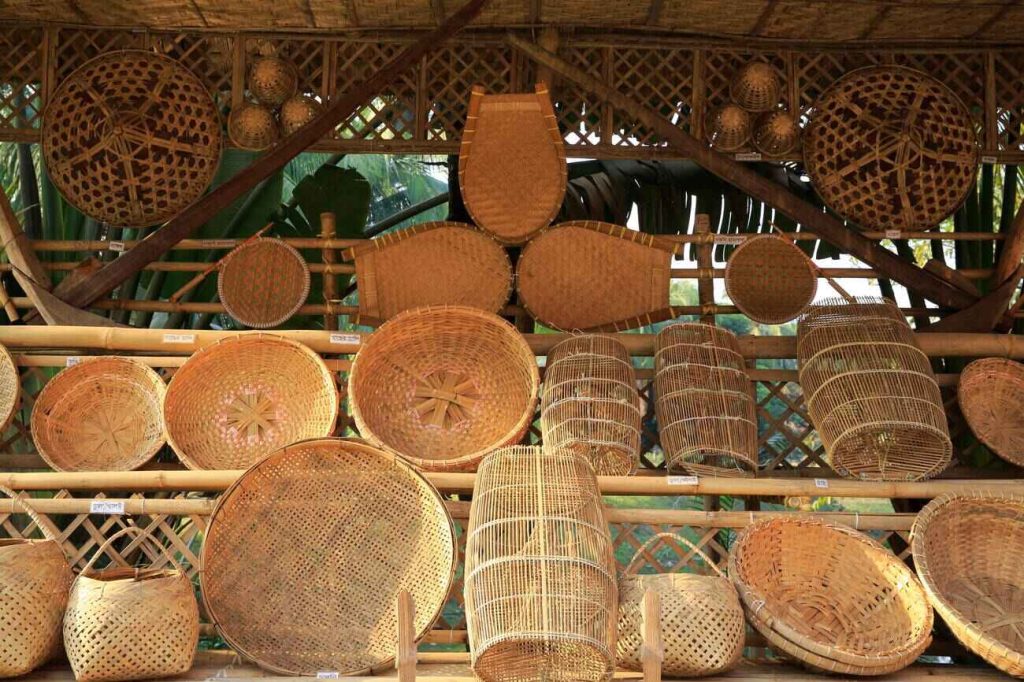
Shillong is a strong destination for buyers interested in Northeast handicrafts. Khasi and broader Meghalaya craft traditions often emphasize practical design, natural materials, and daily-use forms rather than purely decorative items. That is why many products here are both functional and culturally meaningful.
Bamboo and cane remain key material identities in local craft ecosystems. You will see everything from small carry baskets to table-use utility objects. When buying handicrafts, inspect finish quality, join strength, and weaving consistency instead of focusing only on appearance.
How to Buy Better Handicrafts
- Ask about material and where it is made.
- Check for rough finishing and weak edges before purchase.
- Choose compact items if you are flying back with limited baggage.
- Prioritize utility crafts you will actually use at home.
This approach helps avoid impulse buys and gives you lasting value from Shillong shopping.
4. Textiles, Woolens, and Seasonal Clothing
Shillong's cool-weather demand makes clothing shopping popular, especially for visitors coming from warmer cities. Police Bazar and nearby retail lanes offer a broad range from budget streetwear to branded options. During winter windows, woolens and layered clothing dominate shop displays.
For travelers, the practical method is simple: buy one core weather layer early in the trip, then add extra only if needed. This prevents overspending on first-day impulse purchases. If you are buying woven items as gifts, check weave consistency and edge finishing.
5. Food Products and Edible Souvenirs
Local food shopping is one of the most underrated parts of Shillong markets. You can find regional snack items, fermented and pickled products, honey varieties, spice blends, and tea-related goods depending on market and vendor type. Bara Bazar and mixed local grocery lanes are usually stronger for this segment than purely tourist-facing stalls.
When buying edible products for travel, check packaging date and seal quality, and avoid products that may leak during transit. Small pack sizes are easier for multi-city itineraries.
Good Edible Buys to Consider
- Locally sourced honey (sealed jars only).
- Regional spice blends in travel-safe pouches.
- Packaged local snacks for short shelf-life gifting.
- Pickles and condiments in leak-proof containers.
6. Shopping Budget and Price Strategy
Shillong can fit multiple shopping budgets if you separate needs from collectibles. A practical allocation model is: 40% for planned purchases, 30% for gifts, 20% for edible items, and 10% for impulse buys. This keeps spending controlled even in crowded street markets.
Bargaining is common in some street stalls, but not always expected in fixed-price stores. Stay polite, compare prices, and avoid aggressive negotiation on low-margin artisan goods.
| Budget Type | Best Market Mix | Who It Fits |
|---|---|---|
| Low | Street stalls + selective local market buys | Students and backpackers |
| Mid | Police Bazar stores + craft picks + food packs | Most tourists |
| Higher | Curated handicrafts + boutique shopping | Gift-focused buyers |
7. Best Time and Best Hours for Shopping in Shillong
Shopping can be done year-round, but comfort depends on weather and crowd density. For most visitors, October to April offers better walking weather and easier multi-market movement. Monsoon shopping is possible but requires extra buffer for traffic and rain disruptions.
Time of day matters as much as season. Late mornings are typically better for deliberate shopping, while evenings are better for atmosphere, food, and casual browsing.
- Late morning: better for focused buying and product checks.
- Afternoon: good for mixed shopping plus cafe breaks.
- Evening: best for lively market vibe, but higher crowd load.
Use Shillong season planning to align shopping with city sightseeing days.
8. Payment, ATM Access, and Practical Convenience
Most established shops in Shillong accept digital payments, but many local stalls still prefer cash, especially for low-value purchases. Carrying a mix of payment options is the safest strategy.
- Keep small denomination cash for street-market transactions.
- Use UPI/card where available in larger stores and restaurants.
- Avoid carrying large visible cash bundles in crowded lanes.
- Store fragile purchases in separate packaging before moving to next market.
ATMs are available in and around major city shopping zones, but cash availability can vary at peak times. Withdraw early if your plan depends heavily on local-market buying.
9. Suggested Shopping Itinerary in Shillong
Half-Day Plan
- Start at Police Bazar for quick essentials and orientation.
- Move to one focused handicraft stop.
- End with cafe break and light food shopping.
Full-Day Plan
- Morning: Bara Bazar local-product run.
- Afternoon: Police Bazar clothing and gift purchases.
- Evening: Food + cafe zone and final pickup round.
Pair this with waterfalls around Shillong or Shillong cafe routes if you are building a two-day city plan.
10. Nearby Attractions to Combine with Shopping Day
If you want to combine shopping with sightseeing without extra transit load, choose attractions close to city center route logic. The most practical pairings are Ward's Lake, Shillong Peak, and the broader Shillong city attraction map.
This combination works well: morning attraction, afternoon shopping, evening food walk. It gives cultural context and market time without overpacking one day.
11. Common Shopping Mistakes to Avoid in Shillong
Visitors often lose time and money in Shillong markets because they shop without route planning. The most common mistake is buying heavy or fragile products in the first hour, then carrying them through long market walks. Another frequent issue is doing all shopping in peak evening crowds, where product comparison becomes difficult and checkout lines take longer.
A better method is simple: do quality-check shopping in late morning, food and cafe stops in afternoon, and atmosphere-driven browsing in evening. This sequence gives better prices, less stress, and more energy for full-day city plans.
- Avoid buying delicate craft items before completing your main route.
- Do not depend on only one payment mode; keep backup cash.
- Check transport pickup points before night shopping ends.
- Keep one weather buffer during monsoon shopping days.
Final Take
Shopping in Shillong is rewarding when treated as a cultural experience, not just a purchase list. Police Bazar gives convenience, Bara Bazar gives authenticity, and Laitumkhrah gives relaxed urban browsing. Plan by market type, carry mixed payment options, and keep your route flexible around weather and crowd flow. With that strategy, Shillong becomes one of the best market experiences in Northeast India for both practical and meaningful buys.
Location
Frequently Asked Questions
Q1.What are the timings of Police Bazaar Shillong?
Q2.What is Shillong famous for shopping?
Q3.Which is the best market in Shillong?
Q4.What should I buy from Shillong?
Q5.Is bargaining allowed in Shillong markets?
Q6.Are there shopping malls in Shillong?
Q7.Can I use digital payments in Shillong markets?
Q8.What is the best season for shopping in Shillong?
Recommended For You
Best Cafes in Shillong: 15 Top Picks
Discover Shillong's best cafes offering Khasi cuisine, aromatic coffee, and stunning mountain views. Explore 15 top picks in Meghalaya's Scotland of the East.
Best Time to Visit Shillong Meghalaya: Season, Rainfall & Local Events
Plan the best time to visit Shillong with season-wise weather, cherry blossom timing, monsoon travel tips, and month-by-month guidance for Meghalaya trips.

Waterfalls in Shillong: Best Falls, Routes & Visiting Season
Discover the stunning waterfalls in Shillong. Complete guide to Elephant Falls, Sweet Falls, Spread Eagle Falls & more with trekking details, best time to visit, and practical travel tips.
Never Miss an Adventure
Get the latest trekking guides, travel tips, and exclusive offers delivered straight to your inbox.
