
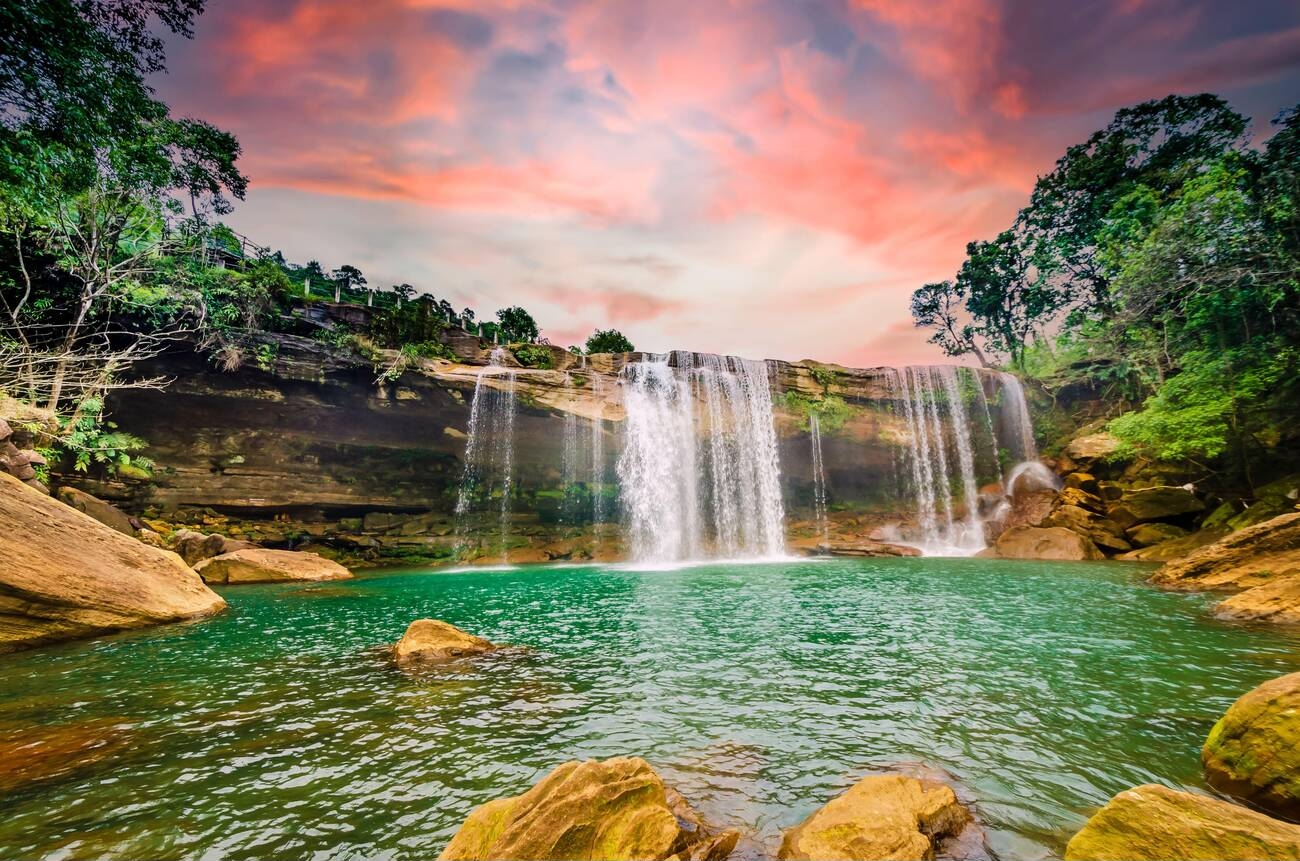
Waterfalls in Shillong: Best Falls, Routes & Visiting Season

Ananya Sharma
January 26, 2026
Discover the stunning waterfalls in Shillong. Complete guide to Elephant Falls, Sweet Falls, Spread Eagle Falls & more with trekking details, best time to visit, and practical travel tips.
Waterfalls in Shillong: Nature's Cascading Beauty
Shillong, the capital of Meghalaya, is blessed with an abundance of stunning waterfalls that attract nature lovers and adventure enthusiasts from across the country. Nestled in the East Khasi Hills, this charming hill station earns its nickname as the "Scotland of the East" not just for its rolling landscapes but also for the numerous cascading waterfalls that dot its surroundings. The heavy monsoon rains that Meghalaya receives feed these falls, creating spectacular displays of nature's power and beauty.
What makes Shillong's waterfalls particularly special is their accessibility and variety. From easily reachable viewpoints near the city to more adventurous trekking destinations in the surrounding hills, there's a waterfall experience for every type of traveler. Whether you're looking for a quick sightseeing stop during your Shillong tour or planning a full day of waterfall exploration, the region offers diverse options that showcase the pristine beauty of Meghalaya's natural landscapes.
The best time to experience these waterfalls in their full glory is during and immediately after the monsoon season (June to September), when the water volume is at its peak. However, each waterfall has its own character and charm throughout the year, making Shillong a year-round destination for waterfall enthusiasts.
Elephant Falls: Shillong's Most Iconic Waterfall
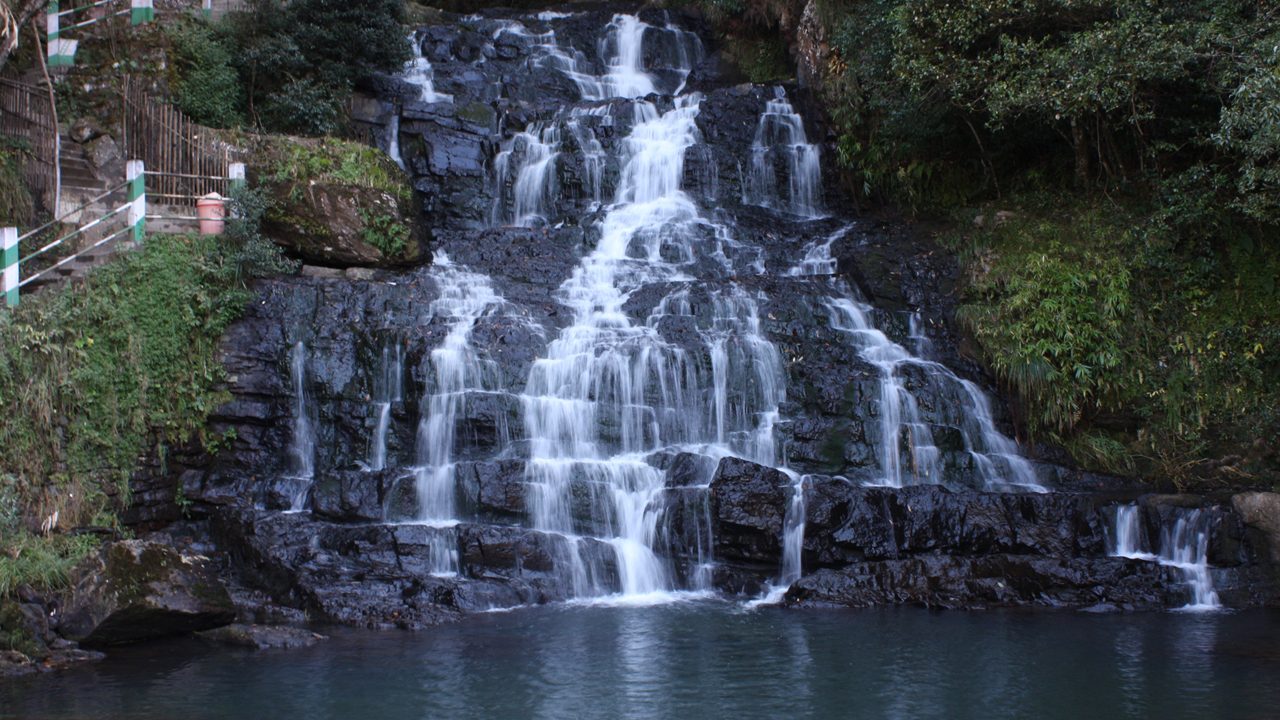
Elephant Falls stands as perhaps the most famous and accessible waterfall near Shillong, making it a must-visit destination for tourists. Located approximately 12 kilometers from Shillong city center, this three-tiered waterfall derives its name from a rock at the base that once resembled an elephant. While the rock has since eroded, the name remains, and the falls continue to captivate visitors with their beauty and accessibility.
The waterfall is actually a series of three falls that cascade down the forested hillside. The first tier is the most impressive, with water crashing down over wide rock formations into a pool below. A flight of stairs leads visitors to different viewing platforms, each offering unique perspectives of the falls. The surrounding area is lush with ferns, orchids, and other vegetation typical of Meghalaya's wet tropical forests, creating a picturesque setting that feels like stepping into a tropical paradise.
Visiting Elephant Falls
The falls are easily accessible by road, with a small entry fee required for maintenance. The area around the falls has been developed with proper pathways, railings, and viewing platforms, making it safe for families with children and elderly visitors. There are also local vendors selling handicrafts, souvenirs, and snacks near the entrance, adding to the tourist-friendly atmosphere.
For photographers, Elephant Falls offers excellent opportunities, especially during the morning hours when the light filters through the forest canopy. The constant spray from the falls creates beautiful rainbows on sunny days, adding to the magical atmosphere. Plan to spend about 30-45 minutes here, though you might want to linger longer enjoying the serene environment.
Sweet Falls: The Hidden Gem
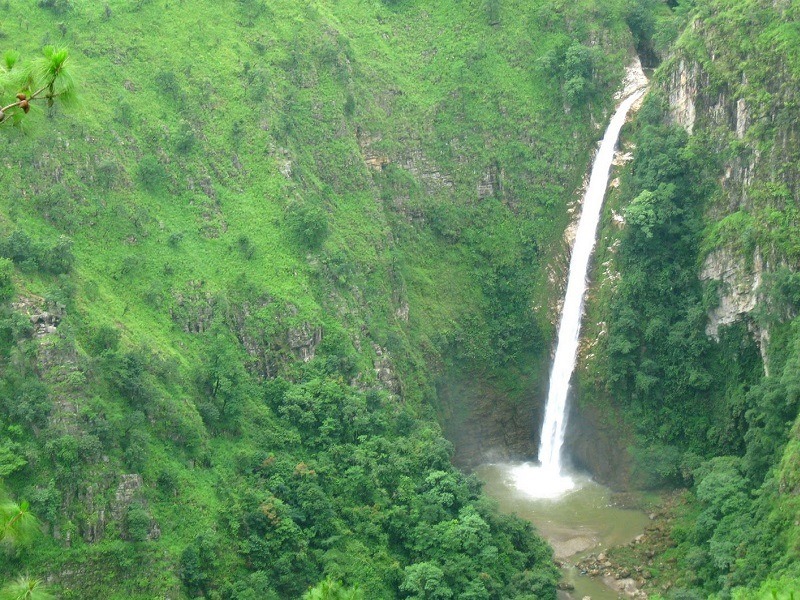
Sweet Falls, located about 8 kilometers from Shillong, offers a completely different experience from Elephant Falls. This 96-meter-high horsetail waterfall is perhaps the most beautiful yet least commercialized waterfall in the Shillong area. The falls get their name from the sweet, pure water that cascades down the cliff face, though some sources suggest the name comes from the Sweet family who once owned the land.
What makes Sweet Falls special is its relative isolation and pristine natural setting. Unlike the more developed tourist sites, Sweet Falls requires a short trek through dense forest to reach, keeping the crowds away and preserving the natural beauty of the area. The waterfall plunges dramatically into a deep pool below, surrounded by lush vegetation that thrives in the constant mist from the falling water.
The Sweet Falls Experience
The trek to Sweet Falls is moderate and takes about 15-20 minutes one way. The path can be slippery, especially during monsoon, so wear proper footwear with good grip. The trail winds through thick forest, offering glimpses of local flora and occasional bird sightings. As you approach the falls, the sound of crashing water grows louder, building anticipation for the spectacular reveal.
At the base of the falls, the pool is deep and the currents are strong—swimming is not recommended despite the inviting appearance. Instead, enjoy the view from the rocky shoreline, take photographs, and soak in the peaceful atmosphere. The area around Sweet Falls is perfect for a picnic, though remember to carry back all your waste and help preserve the pristine environment.
Spread Eagle Falls: A Scenic Delight
Spread Eagle Falls, located within Shillong city limits, is named for its distinctive appearance—the water spreads out like the wings of an eagle as it cascades down the rock face. This moderate-height waterfall is less visited than Elephant Falls but offers equally rewarding views, especially during the monsoon when the water volume is high.
The falls are particularly scenic in the late afternoon when sunlight creates beautiful effects on the spraying water. The surrounding area is less developed than other tourist spots, giving it a more natural, untouched feel. This makes Spread Eagle Falls an excellent choice for those seeking a quieter waterfall experience away from the crowds.
Access to Spread Eagle Falls is relatively easy, with a short walk from the nearest road point. The viewpoint offers excellent photo opportunities, and the peaceful atmosphere makes it a great spot for relaxation and nature appreciation. Combined with nearby attractions, it forms part of a pleasant day of sightseeing around Shillong.
Bishop Falls and Crinoline Falls: Twin Attractions
Bishop Falls and Crinoline Falls are two waterfalls located in close proximity to each other, making them convenient to visit together. Bishop Falls is the taller of the two, plunging dramatically down the cliff face, while Crinoline Falls is smaller but equally picturesque, especially during monsoon when it's in full flow.
Both falls require a short trek from the road, through forests and across small streams. The trail to Bishop Falls is slightly more challenging but still manageable for most visitors. Along the way, you'll pass through beautiful forested areas typical of Meghalaya's hill country, with opportunities to see local wildlife and interesting plant species.
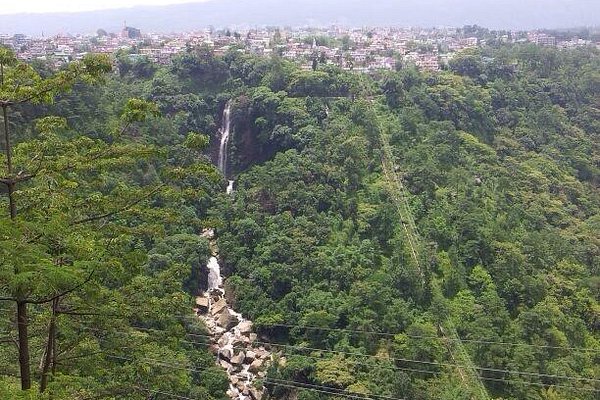
These falls are less commercialized than Elephant Falls, with minimal infrastructure. This adds to their appeal for travelers seeking authentic natural experiences. Plan to spend about an hour visiting both falls, including the trekking time. The combination makes for an excellent half-day excursion from Shillong.
Other Notable Waterfalls Around Shillong
Ward's Lake Waterfall
While not a natural waterfall in the traditional sense, the small man-made waterfall within Shillong's Ward's Lake complex deserves mention for its picturesque setting. The lake itself is a beautiful attraction in the heart of the city, surrounded by well-maintained gardens. The small cascade adds to the serene atmosphere and makes for lovely photographs. It's an easy walk from the city center and perfect for families.
Umiam Lake Surroundings
Though primarily known for its vast reservoir, the Umiam Lake area features several small waterfalls, especially during the monsoon season. The drive from Shillong to Umiam Lake passes through beautiful hills with numerous seasonal streams and cascades. While these smaller waterfalls aren't major tourist destinations, they add to the scenic beauty of the region and make the journey itself a delightful experience.
Seven Sisters Falls (Cherrapunji)
Located about 60 kilometers from Shillong in Cherrapunji (Sohra), the Seven Sisters Falls is one of Meghalaya's most spectacular waterfalls. Named after the seven northeastern states of India, this falls consists of seven separate streams that cascade down the cliff face side by side, creating a stunning visual display, especially during monsoon. While it requires a longer drive from Shillong, it's an excellent destination for a day trip and can be combined with other waterfalls in Cherrapunji.
Nohkalikai Falls
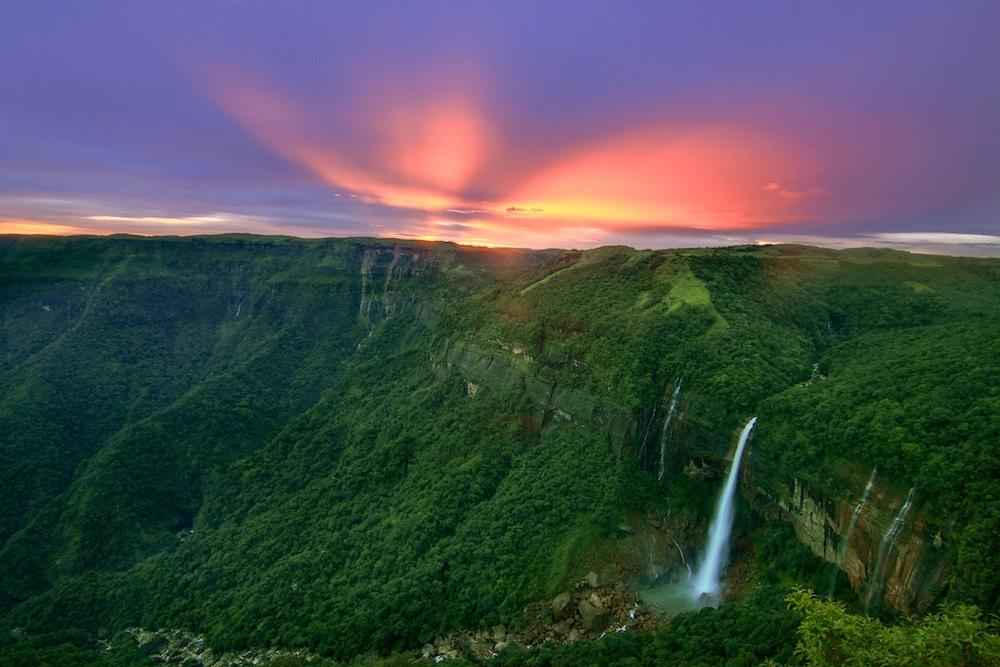
Also in Cherrapunji area, Nohkalikai Falls is the tallest plunge waterfall in India, dropping 335 meters in a single dramatic cascade. The falls are located about 54 kilometers from Shillong and are best visited as part of a broader Cherrapunji sightseeing trip. The viewpoint provides breathtaking views of the waterfall and the surrounding landscape of deep gorges and green hills.
Best Time to Visit Shillong's Waterfalls
Timing your visit to Shillong's waterfalls can significantly impact your experience, as the volume and appearance of the falls vary dramatically throughout the year.
Monsoon Season (June-September): This is when the waterfalls are at their most spectacular. Heavy rains ensure maximum water flow, creating dramatic displays of cascading water. However, this is also when trekking trails can be slippery and dangerous, and landslides occasionally block roads. If visiting during monsoon, check weather conditions and road status before heading out, carry rain gear, and avoid risky treks.
Post-Monsoon (October-November): The period immediately after monsoon offers an excellent compromise—waterfalls still have substantial flow, but weather conditions are more stable and pleasant. The surrounding landscape is lush and vibrant from the rains, making this one of the best times for waterfall photography. Roads and trails are in better condition, and temperatures are comfortable for exploration.
Winter (December-February): While the water volume decreases significantly during the dry winter months, this season offers clear skies and pleasant temperatures for outdoor activities. The waterfalls may be less dramatic but maintain their beauty, and the reduced flow reveals rock formations and geological features hidden during monsoon. This is the best time for trekking and exploring harder-to-reach waterfalls.
Summer (March-May): Pre-monsoon summer brings moderate water flow and warm temperatures. Early summer (March-April) is particularly pleasant, with comfortable weather and good waterfall conditions. As May progresses, temperatures rise and humidity increases, but the waterfalls remain attractive destinations for escaping the heat in the cool, forested areas around Shillong.
Travel Tips for Waterfall Exploration
Transportation
Most waterfalls around Shillong require private transportation or hired taxis to reach. While some falls are accessible by public transport, the schedules are unreliable for tourists. Hiring a taxi for the day is the most convenient option, allowing you to visit multiple waterfalls at your own pace. Taxis can be hired in Shillong through your hotel or local taxi stands. Negotiate rates beforehand, especially for full-day hires.
For more remote waterfalls like Sweet Falls, consider hiring a local guide who knows the area well. Guides can be arranged through tourist offices or your accommodation and add value by sharing local knowledge and ensuring safety on unfamiliar trails.
What to Carry
Footwear: Good trekking shoes with excellent grip are essential, especially for monsoon visits when trails are slippery. Even for easily accessible falls, comfortable walking shoes are recommended as you'll be walking on uneven, wet surfaces.
Rain Gear: Regardless of season, carry a light rain jacket or umbrella. Meghalaya's weather is unpredictable, and sudden showers are common even outside monsoon months. Waterproof covers for your camera and phone are also advisable.
Water and Snacks: While some waterfalls have vendors selling snacks and water, many don't. Carry sufficient water, especially if you're planning to trek to multiple falls. Energy bars, fruits, and light snacks keep you fueled during exploration.
Camera Protection: The constant spray from waterfalls creates challenging conditions for electronics. Use waterproof covers or bags for your camera, and carry microfiber cloth to wipe lenses. A UV filter helps protect your lens from water droplets.
Safety Considerations
Swimming: Most waterfall pools have strong undercurrents and slippery rocks—swimming is generally not recommended unless you're certain about safety conditions. Never dive into unfamiliar pools, and always test the depth and current first.
Slippery Surfaces: Rocks and pathways around waterfalls are invariably slippery. Walk carefully, use railings where available, and avoid risky positions for photographs. Many accidents happen when visitors venture too close to the edge for better photo angles.
Weather Awareness: Mountain weather can change rapidly. If skies darken or rain intensifies, start heading back rather than waiting out the weather in exposed areas. During monsoon, be aware of landslide risks on roads leading to waterfalls.
Wildlife: While rarely dangerous, the forested areas around waterfalls are home to various wildlife, including snakes. Stay on marked trails, watch where you step, and avoid reaching into crevices or thick vegetation.
Combining Waterfalls with Other Shillong Attractions
To maximize your Shillong experience, consider combining waterfall visits with other attractions in and around the city. A well-planned itinerary can help you see more while minimizing travel time.
City Circuit: Combine tourist places in Shillong like Ward's Lake, Shillong Peak, and the Don Bosco Museum with nearby waterfalls like Spread Eagle Falls and Bishop Falls. This circuit covers attractions within or near the city and can be completed in half a day.
Cherrapunji Day Trip: Plan a full day to visit the spectacular waterfalls in Cherrapunji, including Seven Sisters Falls, Nohkalikai Falls, and Dainthlen Falls. Combine these with the famous Double Decker Root Bridge for an unforgettable experience. Start early from Shillong to maximize your time.
Meghalaya Circuit: For travelers with more time, combine Shillong's waterfalls with other Meghalaya destinations like Mawlynnong Village (Asia's cleanest village), Dawki River (crystal clear waters), and Mawsynram (the wettest place on Earth). A 5-7 day itinerary allows you to experience the full diversity of Meghalaya's natural attractions.
Shillong's waterfalls offer a perfect blend of accessibility, beauty, and adventure. From the easily reachable Elephant Falls to the more challenging trek to Sweet Falls, there's something for everyone. Whether you're a serious photographer, nature enthusiast, or simply someone who appreciates natural beauty, exploring Shillong's cascading wonders will be a highlight of your Meghalaya visit. Plan well, respect nature, and take home memories of some of India's most beautiful waterfall experiences.
Location
Frequently Asked Questions
Q1.How many waterfalls are there in Shillong?
Q2.Which is the biggest waterfall in Shillong?
Q3.What is the best time to visit Shillong waterfalls?
Q4.How far is Elephant Falls from Shillong?
Q5.Is Sweet Falls worth visiting?
Q6.Can we swim in Shillong waterfalls?
Q7.What is the entry fee for Elephant Falls?
Q8.Are Shillong waterfalls safe to visit?
Recommended For You
12 Best Homestays in Shillong: Areas, Views & Budget Options
Find the best homestays in Shillong with area-wise options, budget ranges, booking tips, and practical guidance for families, couples, and long-stay travelers.
Best Time to Visit Cherrapunji: Rainfall, Caves & Waterfall Season
Discover the best time to visit Cherrapunji with season-wise rainfall insights, root bridge and waterfall timing, and practical planning tips for safer Meghalaya travel.
Best Places to Visit in Meghalaya: Waterfalls, Caves & Villages
Explore top places to visit in Meghalaya including Shillong, Cherrapunji, Dawki, Living Root Bridges, and practical route planning tips for travelers.
Never Miss an Adventure
Get the latest trekking guides, travel tips, and exclusive offers delivered straight to your inbox.
