
Shopping in Silvassa: Markets, Crafts and Buying Tips

Rahul Garg
February 20, 2026
Shopping in Silvassa guide with markets, Warli-style crafts, what to buy, payment tips, and practical planning for Dadra and Nagar Haveli visitors.
Introduction: Why Silvassa Shopping Is Different
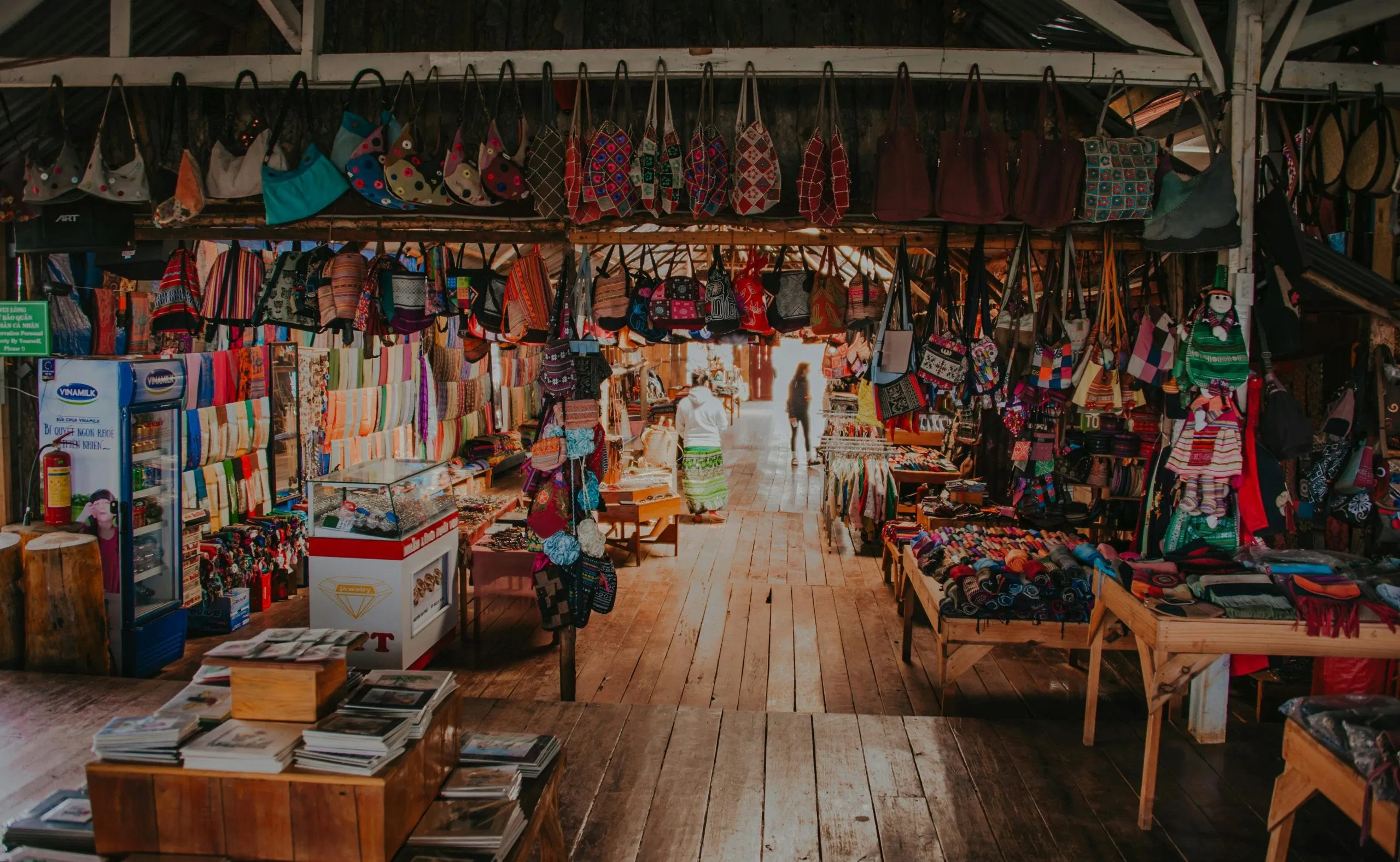
Shopping in Silvassa is very different from shopping in large metro cities. You will not find endless luxury brands or giant retail districts. Instead, the value comes from regional craft culture, practical local markets, and products connected to Dadra and Nagar Haveli's tribal heritage. For many travelers, that makes the experience more authentic and memorable.
Silvassa works best for travelers who enjoy slow shopping: walking through local bazaars, speaking to shopkeepers, comparing handwork quality, and buying practical souvenirs rather than impulse mall purchases. The strongest categories are Warli-style art, bamboo and cane products, local textiles, and daily-use craft goods.
This guide covers top shopping areas, what to buy, price expectations, quality checks, and practical tips for timing and transport. If you are planning a complete itinerary, combine this with things to do in Silvassa, Vanganga Lake Garden, and Silvassa Tribal Museum.

Top Shopping Areas in Silvassa
Silvassa has a compact shopping ecosystem. Most buying happens in local market roads, neighborhood stores, and selected craft outlets. Distances are manageable, so you can cover major areas in one or two sessions.
Silvassa Main Market Zone
This is your best first stop for general orientation. You can find clothing basics, household products, snacks, simple souvenirs, and local supply stores in one stretch. Prices are usually moderate, and bargaining may be possible in some non-fixed stalls.
Craft and Handloom Counters
For culturally meaningful purchases, look for shops selling regional art and handmade goods. Product quality varies, so compare two or three stores before finalizing. Ask about material, source, and whether the product is hand-finished or factory-made.
Roadside Seasonal Sellers
At selected times, temporary vendors offer festival items, local produce, and low-cost handmade accessories. These stalls can be good for budget shopping, but quality consistency is lower, so inspect items carefully.
| Area Type | Best For | Time to Visit |
|---|---|---|
| Main market lanes | General shopping and essentials | Late morning to evening |
| Craft-focused outlets | Souvenirs and tribal-inspired items | Daylight hours for quality checks |
| Seasonal stalls | Budget and festival shopping | Evening peak footfall |
What to Buy in Silvassa
Silvassa shopping is strongest when you focus on products with regional identity or practical use. This keeps purchases meaningful and reduces regret buys.
- Warli-inspired art pieces: Wall décor, painted boards, gift items.
- Bamboo and cane work: Baskets, utility containers, decor accents.
- Handmade cloth products: Scarves, basic handloom pieces, stitched items.
- Local food products: Packaged snacks, honey, spice mixes where available.
- Small souvenirs: Magnets, keychains, and low-cost local keepsakes.
If you are shopping for gifts, prioritize compact products with durable packaging. This is especially useful for travelers continuing to Daman, Diu, or other multi-stop routes.
Warli and Tribal Craft Buying Tips
Many travelers come to Silvassa expecting strong Warli-art availability. You can find Warli-inspired products, but not every item marketed as local art is hand-painted or region-authentic. Quality and authenticity checks matter.
How to evaluate quickly
- Check brush detail and line consistency in paintings.
- Ask whether the piece is hand-painted or printed.
- Compare back-side finishing for signs of quick factory output.
- Prefer sellers who can explain source and making process.
Even when pieces are tourist-oriented, good craftsmanship can still offer value if priced fairly. Focus on design quality and material durability rather than marketing labels alone.

Textiles, Daily Goods and Practical Purchases
Silvassa is also useful for practical shopping, especially for travelers staying longer in the region. You can buy affordable clothing basics, light winter layers during season, and routine travel supplies. While product range is narrower than large city markets, pricing is usually reasonable.
For textile purchases, check stitching quality, edge finishing, and color fastness before payment. If buying in quantity, ask for bundled pricing, but keep expectations realistic in small local stores.
Food Products and Edible Souvenirs
Packaged edible purchases are popular with travelers because they are easy to carry. Depending on season and stock rotation, you may find local snacks, pickles, spice mixes, and honey varieties. Always check manufacturing date and packaging seal before buying.
- Choose sealed packs over open counter products for long transit.
- Avoid heat-sensitive goods if you have long road transfers.
- Carry insulated bag if buying perishable items.
Shopping Timing, Payments and Bargaining
Most shopping works best in late morning to evening windows. Afternoon heat can reduce comfort for long street-market walks, while very early hours may have limited store openings.
Payment reality
- UPI and digital modes are common in many shops.
- Cash remains useful for smaller stalls and quick transactions.
- Keep mixed denominations to simplify local market buying.
Bargaining guidance
- Bargain politely in non-fixed stalls.
- Do not over-negotiate handmade low-margin items.
- Ask for better value through bundle purchases.

Sample 3-Hour Shopping Plan
| Time | Focus | Outcome |
|---|---|---|
| 11:00 AM | Main market walkthrough | Price orientation and product shortlist |
| 12:00 PM | Craft and art stores | Souvenir and gift purchases |
| 1:00 PM | Textile/food purchase pass | Practical and edible buy completion |
Common Mistakes to Avoid
- Buying from the first shop without comparison.
- Ignoring packaging quality for food items.
- Assuming all tribal-art products are handmade.
- Overpacking fragile décor without travel-safe wrapping.
If you are continuing your trip, consider using one extra hour to repack and label items at your hotel before onward travel.
Advanced Buyer Guide: Quality, Pricing and Packaging
If you want better outcomes from Silvassa shopping, move beyond first-impression buying and use a quality-first workflow. Start by identifying product category priorities: décor, textiles, food gifts, or practical household items. Each category needs different checks. For example, in craft décor, surface finishing and material quality matter most. In textiles, stitching strength and color behavior matter more than design alone. In packaged food products, date checks and seal integrity are essential. This approach reduces random spending and improves value retention after travel.
Pricing in small-city markets is usually fair but inconsistent. The best way to avoid overpayment is to compare two or three stores for similar product types before final purchase. Keep notes mentally or in your phone so you can return to the strongest option. When buying multiple items, ask for bundled pricing rather than item-level aggressive bargaining. This is usually better received by sellers and still gives practical savings. For handmade items, avoid pushing price too low; these pieces often involve low margins and manual labor.
Packaging decisions are critical for travelers continuing beyond Silvassa. Request bubble wrap or layered paper for fragile décor, and separate heavy items from painted surfaces to prevent transfer damage. For food products, check whether heat exposure can affect texture or shelf stability. If yes, carry them in insulated packing or buy closer to departure day. At your hotel, repack items by destination: flight luggage, carry-on gifts, and immediate-use products. This keeps customs handling and unpacking much simpler later.
Shopping by Traveler Type
Family travelers: Focus on easy-carry souvenirs, packaged snacks, and one or two decorative purchases. Avoid overly fragile items if your trip includes multiple hotel changes. Keep children hydrated and plan breaks in shaded or indoor sections when shopping during warm hours.
Couples: Craft shopping works best as a paired activity if you shortlist categories early. Couples often overspend when they do not align gift priorities. Fix a budget split before entering market zones: shared décor, gifting, and personal buys. This keeps decision-making clear.
Solo travelers: Solo shoppers can move faster and compare stores effectively, but should avoid carrying all cash in one pocket and use secure cross-body storage for phone and wallet. Keep light but sturdy carry bags for mixed product types.
Content creators: If you are shooting market visuals, ask before close-up stall photography. Respectful permission often leads to better interactions and better product recommendations from vendors.
Seasonal Shopping Notes for Silvassa
Season affects stock variety more than many travelers expect. Festival periods can improve availability of decorative and gift categories, while off-peak windows may reduce option diversity but improve browsing comfort. During monsoon periods, market movement may slow in open-stall areas, so indoor-first shopping sequence works better. In winter and mild weather windows, longer market walks are easier and comparison shopping becomes more efficient.
If your trip includes nearby destinations in Dadra and Nagar Haveli, split shopping into two smaller sessions instead of one long run. First session for scouting and priority purchases, second for targeted completion. This two-step approach improves quality decisions and reduces impulse buys triggered by time pressure.
Final Checklist Before Checkout
- Recheck all craft items for cracks, loose joins, and paint transfer.
- Verify food-pack expiry and seal quality.
- Confirm item count against your shopping list.
- Ask for separate packaging by fragility.
- Keep digital payment confirmation or receipts where possible.
- Repack purchases at hotel before onward transfer.
This final 5-minute checklist prevents most post-purchase issues and helps you retain the real value of your Silvassa shopping run.
Conclusion
Shopping in Silvassa is best when approached as a cultural and practical activity, not a luxury retail hunt. Focus on regional crafts, reliable essentials, and fair-value souvenirs. With a planned route and basic quality checks, you can finish shopping efficiently and still keep the experience authentic.
For most travelers, a half-day is enough for meaningful purchases. If you pair your market time with nearby attractions in Dadra and Nagar Haveli, the trip becomes more balanced and rewarding than a shopping-only stop.
Location
Frequently Asked Questions
Q1.What is Silvassa famous for shopping?
Q2.Where can I buy Warli art in Silvassa?
Q3.Are there malls in Silvassa?
Q4.What are typical market timings in Silvassa?
Q5.Can I bargain in Silvassa markets?
Q6.What should I buy as souvenirs from Silvassa?
Q7.Is card or UPI payment available in Silvassa?
Q8.How much time should I keep for shopping in Silvassa?
Recommended For You

Places to Visit in Silvassa: Gardens, Museums & Family Spots
Explore top places to visit in Silvassa, Dadra and Nagar Haveli including Vasona Lion Safari, Dudhni Lake, tribal museum, gardens and weekend tips.
Best Cafes in Silvassa: Nature & Coffee
Discover the best cafes in Silvassa surrounded by lush gardens, scenic dam views, and peaceful nature. From budget-friendly spots to romantic garden cafes, explore Dadra & Nagar Haveli's charming coffee culture.

Resorts in Silvassa: Weekend Stay Options by Budget
Comprehensive guide to resorts silvassa: weekend getaway guide with planning tips, context, and practical logistics.
Never Miss an Adventure
Get the latest trekking guides, travel tips, and exclusive offers delivered straight to your inbox.
