Select date
Petaling Street Kuala Lumpur: Chinatown Shopping, Food & Bargain Tips
Shopping

Petaling Street Kuala Lumpur: Chinatown Shopping, Food & Bargain Tips

Rohan Malhotra

Rohan Malhotra

January 7, 2026

6 min read4,815 views

Petaling Street Kuala Lumpur guide: timings, best shopping, street food, bargaining tips & nearby attractions. Complete Chinatown market guide.

Petaling Street Malaysia: Complete Shopping, Food, and Bargaining Guide

Petaling Street in Malaysia is one of Kuala Lumpur’s most famous market zones, known for street shopping, food stalls, and high-energy evening atmosphere. Located in the city’s Chinatown district, it is often included in first-time itineraries, but many travelers arrive without a clear plan and either overpay, miss good food options, or leave too quickly. With proper strategy, Petaling Street can be one of the best budget-friendly experiences in KL.

This guide covers what to buy, how to bargain smartly, best time to visit, food planning, and how to combine Petaling Street with nearby attractions. If you are planning city flow first, pair this with Chinatown Kuala Lumpur and places to visit in Malaysia for efficient route building.
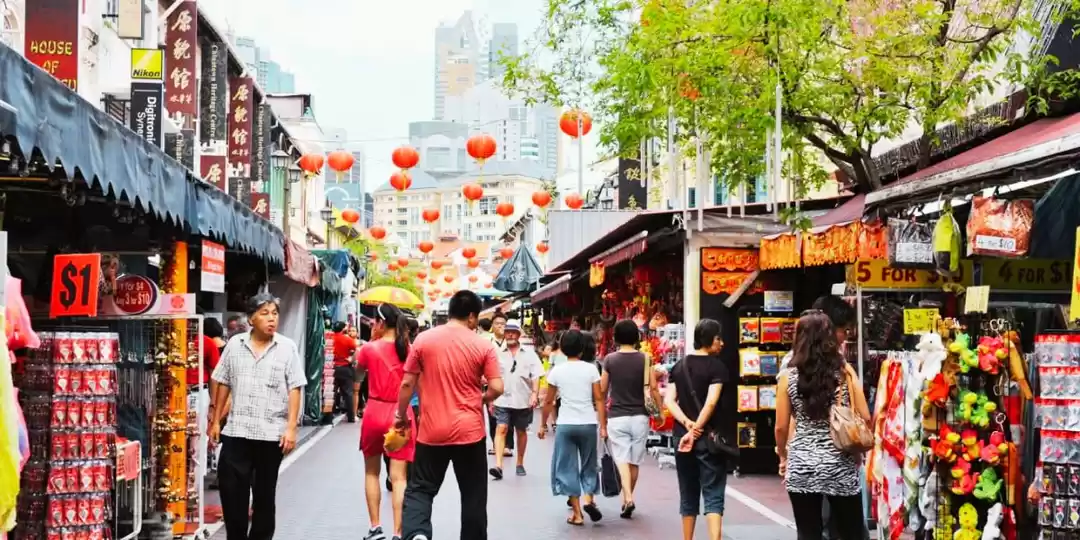
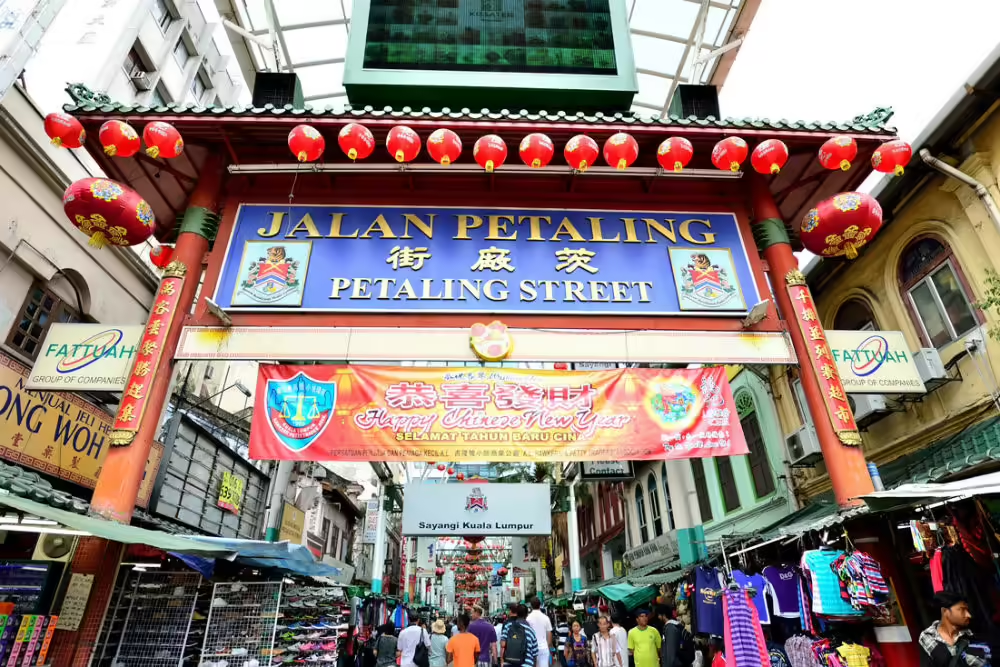
Petaling Street offers dense market energy with a mix of souvenirs, accessories, casual fashion, and street-food options in one walkable stretch. The appeal is not only products but also atmosphere. It is a place where shopping, people-watching, and food exploration happen together.

For budget travelers, this street can deliver high variety without premium city-center spending if approached with comparison and bargaining discipline.

What to Buy at Petaling Street

You will find accessories, low-cost apparel, gifts, and tourist souvenirs across multiple stalls. Product quality varies significantly, so compare before buying. For better results, identify your target categories first and avoid impulsive first-stall purchases.

For souvenirs, prioritize lightweight and travel-safe items. For apparel and accessories, inspect material and finishing before payment.

Bargaining Strategy That Actually Works

Bargaining is part of the Petaling Street experience, but it should be polite and realistic. Start by comparing the same product across 3-4 stalls. Offer respectfully, not aggressively. If pricing remains high, walk to the next stall and reassess.

The goal is fair value, not extreme undercutting. Travelers who compare calmly usually get better deals than those who negotiate emotionally.
Best Time to Visit Petaling Street

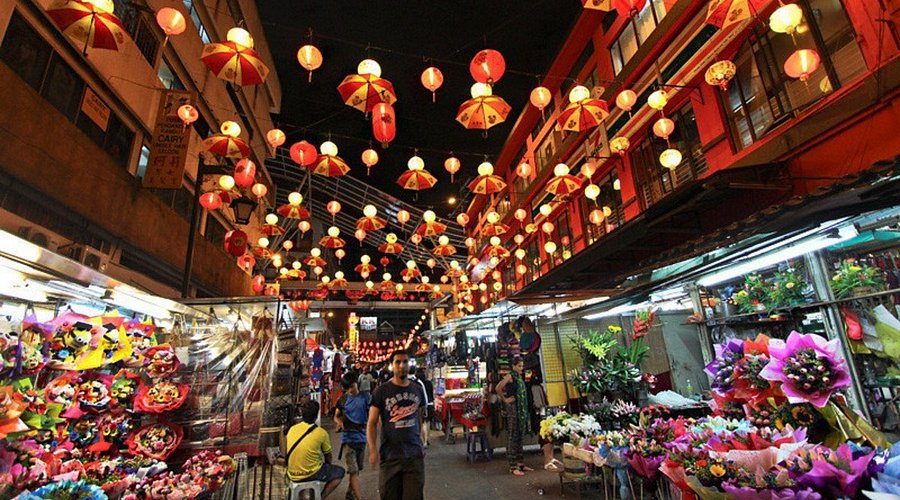
Evening is the most vibrant window with full market atmosphere and food activity. Late afternoon works better for easier browsing and cleaner photos before crowd density rises. If you want both shopping and content creation, split your visit: one daylight scan and one evening return.

Weekends can be busier, so weekday visits are better for focused shopping decisions.

Food at Petaling Street: How to Plan It

Petaling Street is also a strong food zone. Keep one snack-focused pass and one controlled meal stop instead of eating randomly at every stall. This helps digestion and preserves budget. Prioritize high-turnover counters and freshly prepared items.

If you are exploring broader KL dining, combine this with things to do in Malaysia and city nightlife planning through nightlife in Kuala Lumpur.

How to Pair Petaling Street with Nearby KL Attractions

A practical city plan is: cultural/heritage sightseeing in daytime, Petaling Street shopping + food in evening. This gives strong variety in one day and avoids midday heat pressure in dense market lanes. You can add nearby points like central landmarks before the market session.

For multi-stop city days, keep market shopping as the final activity so you don’t carry bags all day.

Budget Planning for Petaling Street

Set spending caps before entering: souvenirs, apparel, snacks, and optional extras. Without a category cap, small purchases can quickly exceed budget. Use cash and digital payment backup, but prefer manageable transaction sizes for easier tracking.

A “first loop no-buy” rule can significantly improve budget control.

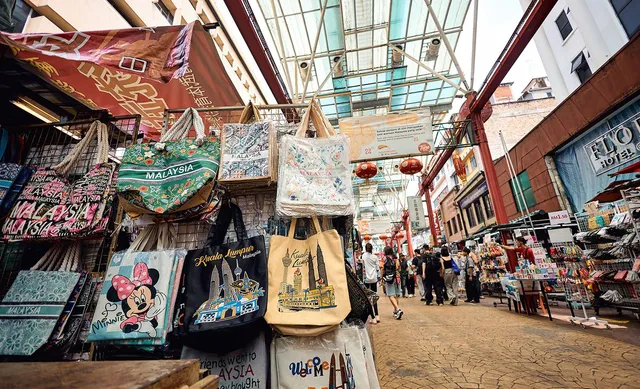
Busy shopping lane at Petaling Street Malaysia

Safety and Practical Comfort Tips

Petaling Street is generally tourist-friendly but crowded. Keep your bag secure, avoid carrying unnecessary valuables, and remain aware in dense movement areas. Wear comfortable shoes because you may walk and stand more than expected.

Hydrate regularly, especially in humid weather, and take short breaks between shopping rounds.

Who Should Prioritize Petaling Street?

Budget travelers, first-time KL visitors, street-market enthusiasts, and content creators should prioritize this market. Luxury-focused shoppers may still visit for atmosphere and street-food experience, even if they do not shop heavily.

It is especially useful for travelers wanting an affordable and energetic evening plan in central Kuala Lumpur.

Common Mistakes to Avoid

The biggest mistake is buying from the first stall without comparison. Another issue is over-bargaining without understanding quality differences. Travelers also skip food hygiene checks and end up with uncomfortable dining experiences.

Use simple discipline: compare, inspect, negotiate politely, and choose fresh-cooked food.

Photography and Content Tips

Capture entrance and wide-lane frames before peak crowd builds, then focus on stall details and street-food moments later. Keep equipment light and avoid blocking active shopping lanes while filming. Respect vendor space and ask before close-up shots.

The best Petaling Street content combines product, people, and atmosphere in one narrative sequence.

Petaling Street Night Strategy for First-Timers

For first-time visitors, start with one full lane walk before any purchase. Then do focused buying in your top two categories and end with street-food tasting in controlled portions. This sequence prevents distraction and improves bargaining clarity in crowded night sessions.

If you are creating content, capture primary visuals before heavy crowd peaks and reserve detailed shots for selective stalls with adequate space.

Traveler Checklist Before Leaving the Market

Check that receipts, packed items, and payment confirmations are complete. Keep fragile souvenirs in separate bags and verify return transport point in advance. These small steps avoid late-night confusion and help end the market visit smoothly.

A structured exit routine is especially useful for families and first-time Kuala Lumpur visitors.

Petaling Street as a Cultural + Shopping Night

Petaling Street performs best when approached as a combined cultural night, not only a bargain hunt. Keep time for browsing architecture details, observing market behavior, and trying one curated food trail. This approach makes the visit richer and less transactional.

A good flow is entry walk, selective shopping, food stop, then final purchase round. Doing all buying first often reduces energy for the most enjoyable part of the market atmosphere.

Travelers who structure the night this way usually leave with better purchases and stronger trip memories.

Petaling Street Efficiency Rule

Start with a no-buy survey round, then execute purchases in one focused loop. This keeps bargaining objective.

Finish with food and atmosphere after shopping goals are complete for a calmer exit.

Final Takeaway

Petaling Street Malaysia is one of Kuala Lumpur’s best market experiences when planned properly. It offers budget shopping, local energy, and strong street-food options in one compact zone.

Approach with category budgeting, comparison shopping, and polite bargaining. With this strategy, Petaling Street becomes more than a tourist stop; it becomes a high-value city experience.

Location

Frequently Asked Questions

Q1.Is Petaling Street open every day?

Yes, Petaling Street market is open every day of the week, including weekends and public holidays. The market operates primarily during evening and night hours: **Daily Schedule:** - **Daytime (10 AM - 5 PM):** Limited activity with some permanent shops on side streets open, but the main market hasn't yet set up - **Evening Setup (5 PM - 8 PM):** Vendors begin setting up their stalls, building crowds as the evening progresses - **Peak Operating Hours (8 PM - 11 PM):** Full market in operation with maximum stalls and crowds - **Late Night (11 PM - 1 AM):** Some vendors start closing, though many remain open **Best Days to Visit:** - **Tuesday - Thursday:** Generally less crowded, more relaxed shopping experience - **Friday - Sunday:** Maximum crowds, both locals and tourists, lively but packed - **Monday:** Slightly quieter than weekends but busier than mid-week **Important Notes:** - Individual stall hours may vary - some vendors set up earlier or leave earlier - During major Chinese festivals (especially Chinese New Year), the market takes on a festive atmosphere with special decorations and events - During Ramadan, the operating hours may shift slightly for Muslim vendors - Public holidays may see either increased crowds (if it's a public holiday) or reduced operations (if it's a significant religious holiday) The market operates year-round regardless of weather, though crowds are smaller during heavy rain.

Q2.What is Petaling Street famous for?

Petaling Street is famous for several distinctive features that make it Kuala Lumpur's most iconic market: **Counterfeit Goods:** The open sale of "designer" products is Petaling Street's most notorious claim to fame. Fake watches (Rolex, Omega, Tag Heuer), handbags (Gucci, Louis Vuitton, Hermes), sunglasses (Ray-Ban, Oakley), and clothing are openly sold. While technically illegal, this practice is an open secret and attracts many tourists seeking branded lookalikes at bargain prices. **Important:** These are counterfeit goods - don't expect authentic quality, and importing them to your home country may be illegal. **Cheap Clothing:** Petaling Street offers incredibly affordable clothing - T-shirts (RM 15-40), jeans (RM 50-150), dresses (RM 40-120), and accessories. Many stalls copy current fashion trends, letting you update your wardrobe for a fraction of retail prices. Quality varies, so inspect items carefully. **Electronics:** The market is famous for inexpensive electronics - headphones (RM 30-150), charging cables (RM 10-30), power banks (RM 30-80), and other accessories. **Caution:** Electronic quality is variable, and stated capacities (especially for memory cards) are often exaggerated. **Authentic Malaysian Souvenirs:** Beyond the fakes, Petaling Street offers genuine Malaysian and Chinese handicrafts - batik fabric, pewter items, Chinese tea, traditional clothing, and decorative items that make culturally significant souvenirs. **Street Food:** The market's food scene is legendary - Hokkien mee, char koay teow, satay, dim sum, and tropical fruit juices. The combination of Chinese, Malay, and Indian influences reflects Malaysia's multicultural heritage. **Bargaining Culture:** The friendly, good-natured bargaining culture creates a lively, interactive shopping experience where negotiation is part of the fun. Essentially, Petaling Street is famous for being KL's most accessible, vibrant, and tourist-friendly market experience that captures the energy of Southeast Asian street commerce.

Q3.Best time to visit Petaling Street?

The best time to visit Petaling Street depends on your priorities: **For Shopping with Fewer Crowds:** - **Best Days:** Tuesday, Wednesday, Thursday - **Best Time:** 7 PM - 9 PM (vendors set up, but peak crowds haven't arrived) - Fewer tourists and locals mean better bargaining power - Easier to navigate and examine products **For Atmosphere and Energy:** - **Best Days:** Friday, Saturday, Sunday - **Best Time:** 9 PM - 11 PM (peak operating hours) - Maximum energy and vibrancy - Full selection of all vendors - Lively, bustling atmosphere - But expect crowds and longer wait times for food **For Food:** - **Best Time:** 7 PM - 10 PM when all food stalls are operating - Food is freshly prepared, and stalls have high turnover - Evening hours ensure the full variety of food options **Weather Considerations:** - **Dry Season (March-October):** More pleasant for outdoor walking - **Monsoon Season (November-February):** Rain can create challenges, though covered walkways provide some protection **Special Times to Avoid:** - **Right before Chinese New Year:** Many stalls close as vendors return to China for celebrations - **Heavy Rain:** While covered walkways help, rain can make shopping uncomfortable **For Tourists:** - First-time visitors might prefer mid-week evenings when they can explore without feeling overwhelmed - Photographers will find better light during the earlier evening hours - If you want to combine with nearby attractions (Central Market, temples), visit during late afternoon when those attractions are still open **Final Tip:** Whatever time you choose, arrive hungry (there's great food), bring cash (not all vendors accept cards), and come prepared to bargain for the best prices.

Q4.How to reach Petaling Street by MRT?

Reaching Petaling Street by MRT is convenient and straightforward. Here's how: **Nearest MRT Stations:** 1. **Merdeka MRT Station:** - This is the closest MRT station to Petaling Street - Exit the station and walk toward Jalan Tun Tan Cheng Lock - Follow signs to Chinatown/Petaling Street - Walking distance: Approximately 5-7 minutes - The walk is straightforward and through safe areas 2. **Pasar Seni LRT Station:** - While this is an LRT station, not MRT, it's even closer to Petaling Street - Actually the nearest rapid transit station - Exit the station and walk toward Chinatown - Walking distance: Approximately 3-5 minutes - Very convenient and direct route **Step-by-Step from Merdeka MRT:** 1. Exit Merdeka MRT Station at the appropriate exit (check signs for Chinatown/Petaling Street direction) 2. Turn onto Jalan Tun Tan Cheng Lock 3. Walk straight until you see the market area 4. Petaling Street will be on your left or right depending on which direction you approached from 5. Look for the crowd and market stalls - you can't miss it! **Alternative MRT Connection:** - If coming from other parts of KL, you may need to transfer at central stations like Muzium Negara or KLCC - Use the MRT route planner or Google Maps to plan your specific journey - The MRT network connects seamlessly with LRT lines **Ride-Hailing:** - Grab cars or taxis can drop you at the market entrance - Just input "Petaling Street" or "Chinatown KL" as the destination - Fares from KLCC area are approximately RM 15-25 depending on traffic **Using public transport (MRT/LRT) is recommended** during peak hours when traffic around Chinatown can be heavy. The MRT provides a reliable, air-conditioned, and inexpensive option to reach Petaling Street.

Q5.Is bargaining allowed at Petaling Street?

Yes, bargaining is absolutely expected and encouraged at Petaling Street! In fact, one of the unique aspects of the Petaling Street experience is the friendly, good-natured bargaining culture that makes shopping interactive and fun. **Where Bargaining IS Expected:** **Clothing & Fashion Items:** - T-shirts, dresses, jeans, accessories - Expect to pay 30-50% of the initial quoted price - Vendors quote 2-3 times the actual price expecting negotiation **"Designer" Goods:** - Watches, handbags, sunglasses, electronics - Significant room for bargaining (these are overpriced to begin with) - Remember: these are counterfeit goods regardless of what you pay **Souvenirs:** - Keychains, magnets, decorative items - Some flexibility in pricing, especially when buying multiple items **Shoes:** - Casual shoes, sandals - Moderate bargaining possible **Where Bargaining is NOT Expected:** **Food Items:** - Street food prices are generally fixed - Restaurant prices are fixed **Basic Necessities:** - Essentials like toiletries or small consumables often have set prices **Bargaining Tips:** 1. **Start Polite:** Smile and establish friendly rapport before negotiating 2. **Offer 30-50% of Initial Price:** Don't be afraid to start low 3. **Negotiate in Good Faith:** Both buyer and seller should feel satisfied with the final price 4. **Walk Away Technique:** If price isn't right, politely walk away - vendors may call you back with a better offer 5. **Buy Multiple Items:** Purchasing several items from one vendor gives you more bargaining power 6. **"What's Your Best Price?": Ask this for the vendor's rock-bottom price **Cultural Note:** Bargaining is part of the shopping culture here - vendors expect it and enjoy the process. It's not about getting the absolute lowest price, but rather about arriving at a fair price where both parties feel good about the transaction. Keep it friendly and fun!

Q6.Petaling Street opening hours?

Petaling Street's operating hours follow a consistent pattern: **Daily Operating Hours:** - **Daytime:** 10:00 AM to 5:00 PM (limited activity - some permanent shops on side streets) - **Evening Setup:** 5:00 PM to 8:00 PM (vendors setting up, gradually building crowds) - **Peak Hours:** 8:00 PM to 11:00 PM (full market in operation with maximum vendors and crowds) - **Late Night:** 11:00 PM to 1:00 AM (some vendors start closing, though many remain open) **Important Notes:** - **7 Days a Week:** The market operates every day including weekends and public holidays - **Weather Dependent:** During heavy rain, some vendors may not set up, though covered walkways provide protection - **Individual Variation:** Not every stall operates for the full duration - some vendors set up late or leave early - **Festival Hours:** During major Chinese festivals (especially Chinese New Year), special hours may apply with extended operating times and special events - **Ramadan:** Muslim vendors may adjust hours slightly during the fasting month - **Best Shopping Window:** 8:00 PM to 11:00 PM when all vendors are set up, the selection is complete, and the energy is at its peak **Food Stalls:** - Food vendors often start earlier, around 6:00-7:00 PM, as they need time to prepare food - Food courts operate until late to serve the dinner crowd **Shops:** - Permanent shops on adjacent streets operate regular business hours (typically 10:00 AM to 10:00 PM) - These sell similar products during daytime hours for those who prefer not to shop at night **Recommendation:** For the complete market experience, visit between 8:00 PM and 11:00 PM when the market is fully operational. For a more relaxed shopping experience with fewer crowds, aim for 7:00 PM to 9:00 PM on a weekday.

Q7.Is Petaling Street safe for tourists?

Yes, Petaling Street is generally very safe for tourists, but like any busy market in a major city worldwide, normal precautions are advisable: **Personal Safety:** - The area is well-lit and bustling with people - Police presence maintains security - Incidents of violent crime targeting tourists are rare - The market attracts thousands of tourists annually without major safety issues - Locals and tourists mix comfortably in the area **Petty Theft Concerns:** - Like any crowded market worldwide, pickpocketing can occur - Keep wallets, phones, and valuables secure - Use zippered bags and keep them in front of you where you can see them - Don't leave phones or cameras unattended on tables at food stalls - Be especially mindful in crowded areas when both hands are occupied with shopping or eating **Shopping Safety:** - Most vendors are honest and legitimate - However, be aware that "designer" goods are fakes - don't expect authentic quality - Test electronics before purchasing - especially expensive-looking items - Check that products actually work before paying - Be aware that selling fake branded goods is technically illegal (though commonly practiced) **Food Safety:** - Choose food stalls with high customer turnover - Look for food that's freshly prepared - Avoid items that have been sitting out exposed for long periods - Peel fruits when possible - Many locals eat at these stalls - follow their lead for the safest options **Emergency Help:** - Police assistance available in the area - Find a tourist information center if you need help - Keep your embassy contact information if you're a foreign visitor - Most vendors are friendly and will help if you have genuine problems **General Precautions:** - Don't carry excessive cash - Leave expensive jewelry at your hotel - Use hotel safe for passports and important documents - Travel in groups when possible (especially solo female travelers at night) - Stay aware of your surroundings - Don't get so distracted by shopping that you lose track of your belongings - Avoid accepting "helpful" offers that seem pushy or aggressive **For Solo Travelers:** - Petaling Street is generally safe for solo visitors - Stay aware, especially after midnight when crowds thin out - Consider wrapping up by midnight rather than staying until the very end As long as you exercise normal big-city precautions, you should have a completely safe and enjoyable experience at Petaling Street.

Q8.What to buy at Petaling Street?

Petaling Street offers extensive shopping options across multiple categories: **Clothing & Fashion:** - **T-shirts:** Tourist slogans, KL names, funny quotes (RM 15-40) - **Jeans:** "Designer" brands at affordable prices (RM 50-150) - quality varies - **Dresses:** Summer dresses, maxis, casual wear (RM 40-120) - **Handbags:** Designer-inspired bags and leather purses (RM 30-200) - **Sunglasses:** Fake designer brands and unbranded options (RM 15-50) - **Watches:** Luxury brand replicas (RM 50-200) - these are fakes - **Belts, wallets, accessories:** To complete outfits **Electronics:** - **Headphones:** Fake Beats and popular brands (RM 30-150) - test before buying - **Charging Cables:** iPhone, Android, multi-port chargers (RM 10-30) - **Power Banks:** Portable chargers in various capacities (RM 30-80) - check actual capacity - **Speakers:** Bluetooth speakers of varying quality (RM 50-200) - **Memory Cards:** microSD and SD cards (**CAUTION:** capacities are often faked) **Authentic Souvenirs:** - **Batik Products:** Shirts, sarongs, tablecloths (genuine batik vs. printed - check for crackle effect) (RM 30-150) - **Pewter:** Figurines, tankards, decorative items (RM 50-300) - **Chinese Decorative Items:** Lanterns, figurines, feng shui items, tea sets (RM 20-200) - **Keychains & Magnets:** Twin towers designs, Malaysia flags, city names (RM 5-15) - **Pearl Tea:** Chinese tea with pearl additives (RM 15-60 per box) - **Traditional Clothing:** Baju kurung, cheongsam, batik shirts **Shoes:** - Casual shoes, sandals (RM 40-100) - Some "brand name" options **Best Buys for Value:** - **Batik products** - Malaysian cultural items at reasonable prices - **Pewter** - Malaysia is famous for pewter, good quality available - **Souvenirs** - keychains and magnets are cheap gifts - **T-shirts** - good quality for the price **What to Avoid:** - Expensive "designer" electronics (quality is questionable) - Items you can't test before purchase (especially memory cards) - Anything that seems suspiciously cheap for what it claims to be **Shopping Tip:** Spend most of your money on authentic Malaysian products (batik, pewter) rather than counterfeit goods that won't last and may be illegal to import to your home country.

Never Miss an Adventure

Get the latest trekking guides, travel tips, and exclusive offers delivered straight to your inbox.

WhatsAppSay Hi on WhatsApp
Petaling Street Kuala Lumpur: Chinatown Shopping Guide