
Siju Caves Meghalaya: Exploring the Third Longest

Rahul Garg
February 13, 2026
Explore Siju Caves in Meghalaya, India's third longest cave system. Complete guide with trekking tips, timings, how to reach, bat viewing, and adventure information.
Siju Caves Meghalaya: Exploring India's Third Longest Cave System
Nestled in the Garo Hills of Meghalaya, Siju Caves represent one of India's most spectacular underground natural wonders. As the third longest cave system in the country, this limestone cave network attracts adventure enthusiasts, geologists, and nature lovers from across the globe. The caves, located near the Simsang River, offer a unique opportunity to explore Meghalaya's fascinating karst landscape and witness geological formations that have developed over millions of years.
What makes Siju Caves truly special is their impressive length and complex network of passages. The cave system stretches over 4 kilometers, featuring multiple chambers, narrow squeezes, and spectacular stalactite and stalagmite formations. Unlike more commercialized cave destinations, Siju maintains its raw, untouched character, providing visitors with an authentic spelunking experience deep within the Earth's crust.
Cave Formation and Geological Significance
The geological story of Siju Caves spans millions of years. Formed through the gradual erosion of limestone by water, these caves represent classic karst topography found in tropical regions. The Garo Hills limestone, deposited over 300 million years ago, has been sculpted by rainwater and underground streams into the intricate cave system we see today.
Water containing dissolved carbon dioxide slowly dissolved the calcium carbonate in the limestone rock, creating underground passages and chambers. Over time, these passages expanded as water flow continued, eventually forming the extensive network accessible today. The process continues, with the cave still actively evolving through water erosion and mineral deposition.
| Feature | Description | Significance |
|---|---|---|
| Total Length | Over 4 kilometers | Third longest in India |
| Formation Type | Limestone karst cave | Classic geological process |
| Age | Millions of years | Ancient geological feature |
| Rock Type | Limestone | Rich in fossil deposits |
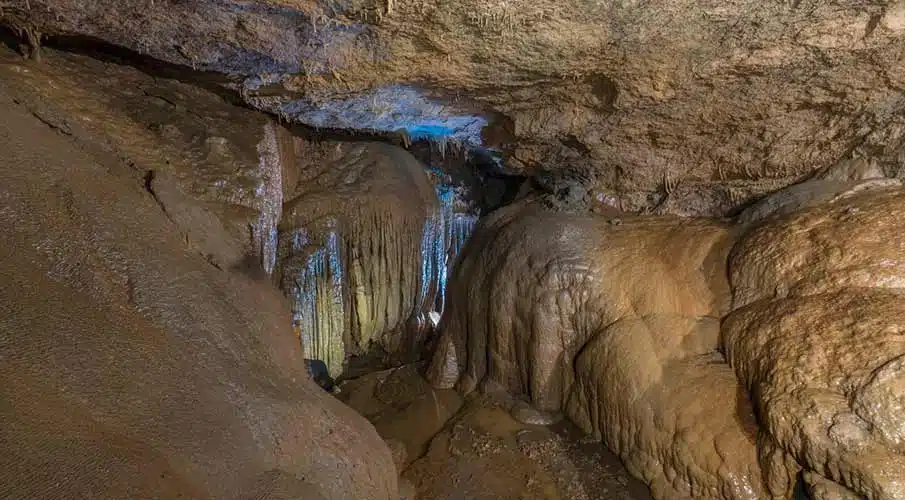
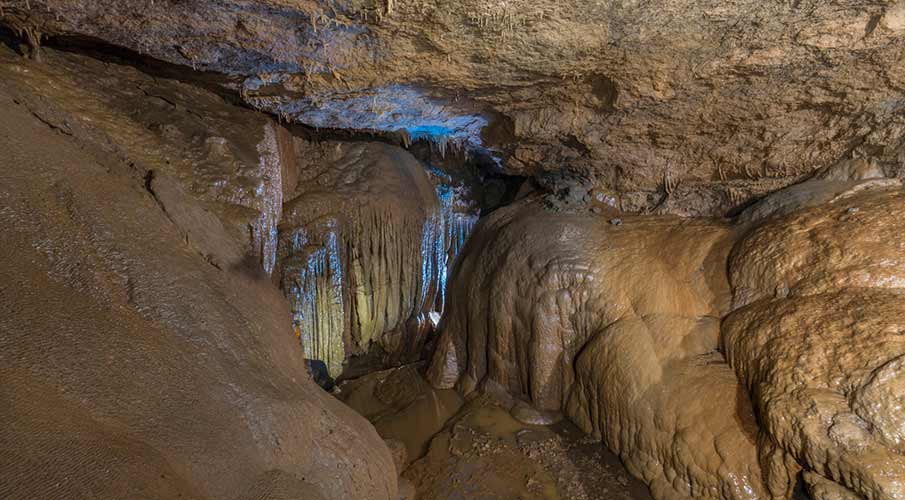
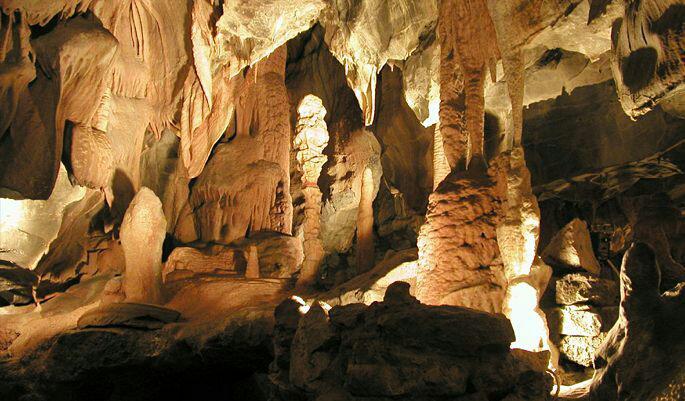
The caves contain impressive calcite formations including stalactites (hanging from the ceiling), stalagmites (growing from the floor), and columns where these meet. These formations grow extremely slowly—some estimates suggest they grow just a few millimeters per century. The variety of formations inside Siju Caves includes curtains, flowstones, and helictites that defy gravity, making each chamber unique and photogenic.
Inside the Siju Caves: What to Expect
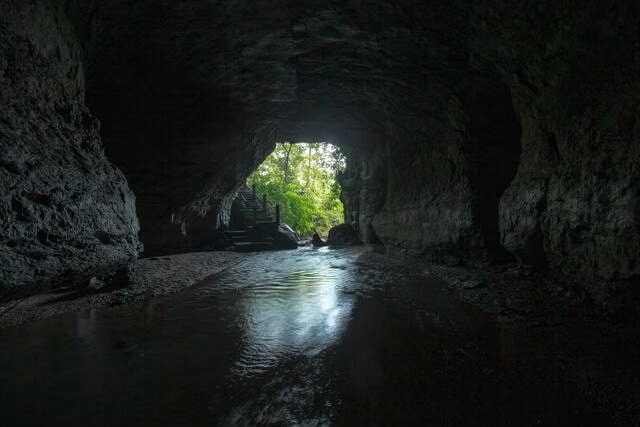
Entering Siju Caves transports visitors into a different world. The cave system features multiple entrances, with the main access point leading into a large chamber that gradually narrows into a series of passages and smaller halls. The interior environment is dramatically different from the outside world—cool temperatures, high humidity, and complete darkness away from light sources.
Key Cave Sections
- Main Entrance Chamber: Large opening leading to the cave's primary network
- Large Halls: Spacious chambers with impressive ceiling heights
- Narrow Passages: Tight squeezes requiring adventurous navigation
- Underground River Section: The Simsang River influence creates unique formations
- Bat Chambers: Areas with significant bat populations
Lighting inside the cave is non-existent without artificial sources. Strong flashlights or headlamps are absolutely essential. The darkness is complete and disorienting, making proper lighting equipment non-negotiable for safe exploration. The cave's cool temperature, typically between 15-20°C, provides relief from the tropical heat outside, but the high humidity makes the air feel thick and damp.
The acoustics inside Siju Caves are remarkable. Sound carries differently in enclosed spaces, and visitors can experience the eerie silence that gives caves their mystical quality. Water dripping creates rhythmic sounds, and the occasional echo of voices emphasizes the cave's vastness. Exploring Siju is as much an auditory experience as a visual one.
Bat Colony and Wildlife
One of Siju Caves' most remarkable features is its extensive bat colony. Thousands of bats inhabit various chambers, creating a unique ecosystem that supports other cave-dwelling creatures. The bats, primarily insectivorous species, emerge from the cave in impressive numbers at dusk, creating a spectacular natural display.
The bat population plays a crucial ecological role both within the cave and in the surrounding ecosystem. Inside the cave, their droppings (guano) provide nutrients that support unique invertebrate communities. Outside, they help control insect populations in the region. Several bat species call Siju home, with some being rare or endangered species, making the cave important for conservation.
Bat Viewing Experience
The best time to witness the bat emergence is late afternoon to early evening, just before sunset. As darkness approaches, thousands of bats stream from the cave entrance in a mesmerizing cloud. This spectacle, known as the bat exodus, can last up to 30 minutes as the colony exits to feed throughout the night. Early risers might also see their return at dawn.
| Time | Activity | Viewing Tips |
|---|---|---|
| Late Afternoon (4-5 PM) | Inside cave exploration | Watch bats roosting on ceiling |
| Dusk (5:30-6:30 PM) | Bat emergence | Stand outside entrance for best view |
| Early Morning (5-6 AM) | Bat return | Early wake-up required |
Besides bats, Siju Caves support various cave-adapted invertebrates including specialized spiders, insects, and crustaceans. These creatures have evolved in complete darkness, often losing pigmentation and eyesight while developing enhanced other senses. While not easily visible without close inspection, they represent the cave's unique biodiversity.
Trekking and Exploration Guide
Exploring Siju Caves requires proper preparation and respect for the challenging underground environment. The trekking difficulty varies from easy sections near the entrance to more challenging narrow passages that require scrambling and squeezing. A full exploration typically takes 3-4 hours, though experienced cavers might spend considerably longer photographing formations and studying geology.
Essential Equipment
Proper equipment is non-negotiable for safe cave exploration. The underground environment poses specific hazards that adequate preparation can mitigate. Never enter the cave without appropriate gear, even for short visits.
- Primary Light Source: High-quality headlamp with spare batteries
- Backup Light: Additional flashlight as emergency backup
- Footwear: Sturdy hiking shoes with good grip (wet surfaces are slippery)
- Helmet: Recommended protection from low ceilings and falling rocks
- Clothing: Quick-dry, long-sleeved clothes (caves are dirty and damp)
- First Aid Kit: Basic supplies for minor injuries
- Water and Snacks: Exploration is physically demanding
- Camera: If photographing, bring tripod for low-light conditions
Trekking Difficulty Levels
Siju Caves offers exploration options for different skill levels. The accessible areas near the entrance are suitable for moderately fit visitors without extensive caving experience. These sections feature larger chambers and wider passages that are easier to navigate. More adventurous explorers can venture deeper into the system, encountering narrow squeezes that require flexibility and comfort with confined spaces.
| Difficulty | Sections | Requirements |
|---|---|---|
| Easy | Entrance chambers, main halls | Basic fitness, good lighting |
| Moderate | Interior passages, some squeezes | Good fitness, caving experience helpful |
| Challenging | Deep sections, narrow passages | Experienced caver, guide recommended |
Guide Requirement
A local guide is highly recommended for Siju Cave exploration. The cave's complexity, potential for getting disoriented, and need for route knowledge make professional guidance valuable. Guides know safe routes through difficult sections, can identify geological features, and understand the cave's ecological sensitivities. They also handle necessary permissions and ensure visitors follow conservation guidelines.
Safety Considerations
Cave exploration carries inherent risks that require careful management. Never explore alone—always travel with at least one companion. Inform someone outside the cave of your planned route and expected return time. Watch your footing carefully; cave floors are uneven, often wet, and may contain loose rocks. Respect your physical limits; turning back is better than becoming exhausted deep underground. Be aware of weather conditions—rainfall can cause water levels to rise in cave passages.
Best Time to Visit Siju Caves
The timing of your visit significantly affects the quality of your experience at Siju Caves. The cave is accessible year-round, but conditions vary by season. Understanding these seasonal patterns helps plan an optimal visit that maximizes enjoyment and safety.
| Season | Months | Conditions | Recommendation |
|---|---|---|---|
| Winter | November-February | Dry, pleasant temperatures | Best overall season |
| Pre-Monsoon | March-May | Warmer, still relatively dry | Good for exploration |
| Monsoon | June-September | Heavy rainfall, flooding risk | Avoid cave exploration |
| Post-Monsoon | October-November | Lush greenery, drying conditions | Good for photography |
The winter months from November to February offer the most favorable conditions. Rainfall is minimal, keeping water levels in the cave passages low and making exploration safer. Temperatures are pleasant, and the drier conditions make cave floors less slippery. This is also the best time for bat viewing, as the cooler weather may affect emergence patterns, making the spectacle more predictable.
March to May, the pre-monsoon period, remains viable for cave exploration, though temperatures outside become warmer. The cave interior maintains its cool temperature, providing relief from the heat. However, late in this period, afternoon thunderstorms become more common, which could affect plans for outdoor activities around the cave.
During the monsoon season from June to September, cave exploration should be avoided. Heavy rainfall can cause water levels in the cave to rise dramatically, creating dangerous flooding conditions. Even if rainfall hasn't occurred recently, water from upstream can cause sudden surges. Roads to the area may become difficult or impossible to navigate during heavy rains.
The post-monsoon period from October to November offers good conditions as the landscape is lush and green from the rains. The cave has drained from monsoon flooding, though some dampness may persist. This is an excellent time for photography, both inside and outside the cave, as the surrounding vegetation is at its most vibrant.
How to Reach Siju Caves
Reaching Siju Caves requires travel into the Garo Hills region of Meghalaya. The journey involves multiple legs of travel, including flights or trains to the region, road transport to nearby towns, and finally local transport to the cave entrance. The remote location adds to the adventure but requires careful planning.
By Air
The nearest major airport is Lokpriya Gopinath Bordoloi International Airport in Guwahati, Assam. From Guwahati, visitors must travel by road approximately 220 kilometers to reach the Siju area, typically taking 6-7 hours depending on road conditions. Another option is Baljek Airport in Tura, Meghalaya, which offers limited domestic connections and is closer at about 90 kilometers from the caves.
By Train
Guwahati Railway Station is the major rail hub serving the region. From Guwahati, road travel to Siju follows the same route as from the airport. Trains to Guwahati are available from major Indian cities including Delhi, Kolkata, and Mumbai. For those coming from within the Northeast, local trains may connect closer to the region.
By Road
The road journey to Siju is part of the experience, traversing through the scenic Garo Hills. The primary route passes through Baghmara, the nearest town to the caves at approximately 15 kilometers away. The final approach involves a short trek from the nearest road point to the cave entrance.
| From | Distance | Duration | Route Notes |
|---|---|---|---|
| Guwahati | 220 km | 6-7 hours | Via Williamnagar and Baghmara |
| Shillong | 320 km | 8-9 hours | Long but scenic route |
| Tura | 90 km | 3 hours | Closest major town |
| Baghmara | 15 km | 30-45 mins | Last leg, final trek |
Road conditions vary significantly. The highways to the region are generally in good condition, though hilly terrain means winding roads and slower speeds. The final approach to the cave involves narrower, potentially rougher roads. During monsoon season, road conditions can deteriorate significantly, and some sections may become temporarily impassable.
Public transport to the cave area is limited. Buses connect Guwahati and Tura to Baghmara, but service frequency may be low. Shared taxis or hiring a private vehicle for the journey provides more flexibility and comfort, especially for the final leg to the cave. Most visitors arrange transportation in advance through local tour operators or accommodation providers.
Nearby Attractions and Combined Visits
While Siju Caves deserve dedicated exploration time, the surrounding Garo Hills region offers numerous attractions that can be combined for a comprehensive Meghalaya experience. The area is rich in natural beauty, cultural heritage, and adventure opportunities.
Nature and Wildlife
Balpakram National Park, known as the "Land of Spirits," is nearby and offers exceptional wildlife viewing opportunities. The park is home to diverse species including elephants, barking deer, and numerous bird species. The Simsang River, which flows near Siju Caves, provides scenic beauty and opportunities for riverside activities. Nokrek National Park, a UNESCO Biosphere Reserve, protects the citrus gene pool and offers hiking trails through pristine forest.
Cultural Experiences
The Garo Hills offer rich cultural experiences with the indigenous Garo tribe. Visitors can learn about traditional Garo culture, architecture, and crafts. Local markets showcase traditional woven textiles and handicrafts. Traditional Garo houses, with their distinctive architecture, can be visited in several villages. The region's unique festivals and customs provide cultural depth beyond natural attractions.
Adventure Activities
Beyond caving, the Garo Hills offer trekking opportunities through scenic landscapes. The hilly terrain provides trails of varying difficulty, from gentle walks to challenging hikes. River activities on the Simsang and other waterways may be possible depending on conditions and seasonal regulations. The region is also gaining recognition for adventure tourism, with various activities developing to showcase the area's natural assets.
Accommodation Options
Accommodation near Siju Caves is basic but sufficient for most travelers. Baghmara, being the nearest town, offers the most options including guesthouses and basic hotels. For those seeking more authentic experiences, homestays in local villages provide cultural immersion and direct connection with Garo hospitality.
Advance booking is recommended, especially during peak tourist seasons (winter months). Accommodations are simple but clean, reflecting the region's developing tourism infrastructure. Some operators offer packages that combine transportation, accommodation, and guided cave exploration.
Photography Tips
Siju Caves offer exceptional photography opportunities for those prepared with appropriate equipment and techniques. The cave's dramatic formations and unique lighting conditions create compelling images. However, cave photography presents specific challenges that require careful planning.
- Lighting: Bring powerful external lights for illumination
- Tripod: Essential for long exposure shots in low light
- Camera: Full-frame sensor preferred for low-light performance
- Lens: Wide-angle for formations, telephoto for bats
- Batteries: Carry extras—cold, damp conditions drain them quickly
- Patience: Good cave photography takes time and multiple attempts
Conservation and Responsible Tourism
Siju Caves represent a fragile ecosystem that requires careful visitor management. The cave's unique formations grow extremely slowly and are easily damaged by touch or impact. Bat populations are sensitive to disturbance, particularly during breeding seasons. Visitors must follow strict conservation guidelines to protect this remarkable natural resource.
Never touch cave formations—oils from skin can damage or stop their growth. Minimize noise, especially near bat colonies. Remove all trash; leave no trace of your visit. Follow guide instructions on which areas can be safely accessed. Avoid disturbing wildlife. Photography should never interfere with the cave's ecosystem or other visitors' experiences.
Conclusion
Siju Caves Meghalaya offers an extraordinary underground adventure that combines geological wonder, ecological significance, and the thrill of exploration. As India's third longest cave system, it provides a rare opportunity to witness the powerful forces that shape our planet's interior. Whether you're drawn by the impressive formations, fascinating bat colony, or simply the challenge of cave exploration, Siju delivers an experience few other destinations can match.
Proper preparation, respect for safety, and commitment to conservation are essential for enjoying this remarkable natural wonder responsibly. For adventure seekers ready to venture off the beaten path, Siju Caves promise an unforgettable journey into one of Meghalaya's most fascinating natural treasures.
Location
Frequently Asked Questions
Q1.Where are Siju Caves located?
Q2.How long are the Siju Caves?
Q3.What is special about Siju Caves?
Q4.Is Siju Cave trek difficult?
Q5.What is the best time to visit Siju Caves?
Q6.Are there bats in Siju Caves?
Q7.How to reach Siju Caves?
Q8.Is a guide required for Siju Caves?
Recommended For You
Hiking in Meghalaya: Top Trails, Difficulty & Season
Explore hiking in Meghalaya with complete trail guides, difficulty levels, best seasons, and essential tips for root bridges, David Scott Trail, and Khasi Hills adventures.
Eco Park Meghalaya: Complete Guide to Shillong's Green Paradise
Discover Eco Park Meghalaya - Shillong's serene green paradise. Complete guide to timings, entry fee, attractions, best time to visit & nearby places in this 2000+ word comprehensive travel guide.
Umiam Lake Shillong: Boating, Stay Options & Sunset Views
Visit Umiam Lake (Barapani) near Shillong. Enjoy boating, water sports, resorts, picnic spots, and discover the best time to visit with our complete travel guide.
Never Miss an Adventure
Get the latest trekking guides, travel tips, and exclusive offers delivered straight to your inbox.
