
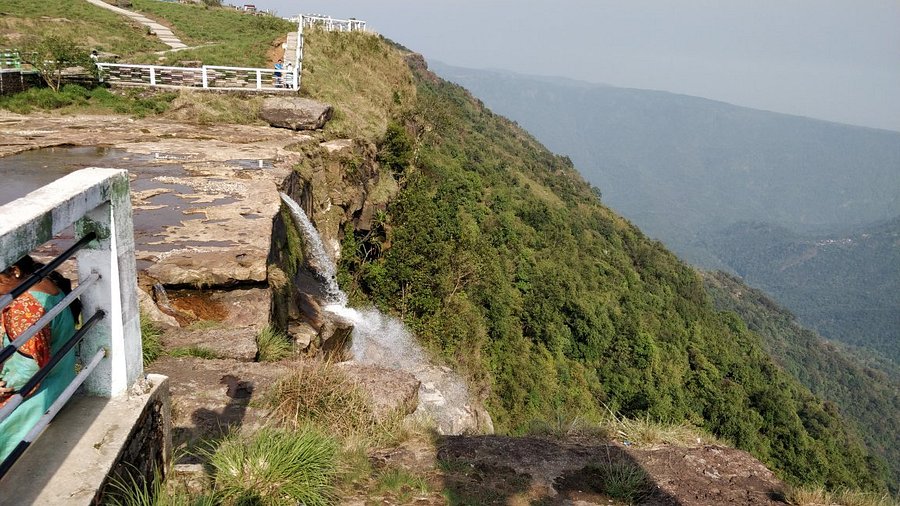
Eco Park Meghalaya: Complete Guide to Shillong's Green Paradise

Rahul Garg
February 20, 2026
Discover Eco Park Meghalaya - Shillong's serene green paradise. Complete guide to timings, entry fee, attractions, best time to visit & nearby places in this 2000+ word comprehensive travel guide.
Introduction: Meghalaya's Environmental Gem
Nestled in the heart of India's northeastern paradise, Eco Park in Meghalaya stands as a testament to the state's commitment to environmental conservation and sustainable tourism. Located just a short drive from Shillong, the capital city often called the "Scotland of the East," this beautifully maintained park offers visitors a perfect blend of natural beauty, recreational activities, and environmental education. The park represents everything that makes Meghalaya special – lush greenery, pristine landscapes, and a deep respect for nature that has been passed down through generations of the local Khasi people. Eco Park Meghalaya is not your typical tourist attraction. It's a carefully designed space that showcases the region's rich biodiversity while providing a serene escape from the hustle and bustle of city life. Whether you're a nature enthusiast, a photographer looking for the perfect shot, a family seeking a peaceful picnic spot, or a traveler interested in learning about Meghalaya's unique ecosystem, this park has something to offer everyone who visits. What sets Eco Park apart from other attractions in Meghalaya is its thoughtful design that balances human recreation with nature conservation. The park features indigenous plant species, well-maintained walking trails, spectacular viewpoints, and educational displays that help visitors understand the importance of environmental preservation. It's a place where you can reconnect with nature, breathe fresh mountain air, and experience the tranquility that has made Meghalaya famous among travelers seeking respite from the chaotic modern world.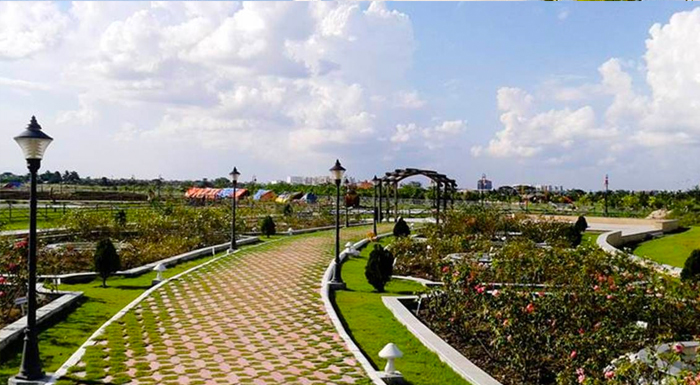
About Eco Park Meghalaya
Eco Park in Meghalaya is a sprawling ecological park that spans across several acres of carefully landscaped terrain on the outskirts of Shillong. The park was developed with a vision to create a space where visitors could appreciate the natural beauty of Meghalaya while learning about the importance of environmental conservation. Unlike many commercial tourist attractions, Eco Park maintains a delicate balance between providing recreational facilities and preserving the natural ecosystem. The park's location in the wettest region of India means it benefits from abundant rainfall, resulting in incredibly lush vegetation throughout the year. The constant moisture creates a microclimate that supports a diverse range of plant species, many of which are native to the Khasi Hills region. As you walk through the park, you'll notice the incredible variety of ferns, orchids, flowering plants, and trees that create a living museum of Meghalaya's botanical heritage. One of the most striking features of Eco Park is its elevation. Situated on a hilltop, the park offers panoramic views of the surrounding hills, valleys, and distant mountains. On clear days, you can see for miles across the undulating landscape of Meghalaya, with its characteristic rolling hills covered in emerald-green vegetation. These viewpoints have become some of the most popular spots in the park, especially during sunrise and sunset when the light transforms the landscape into a magical spectacle of colors. The park is designed with several distinct zones, each serving a different purpose. There are landscaped gardens with manicured lawns perfect for picnics, wild areas where nature has been allowed to thrive with minimal intervention, educational sections with information about local flora and fauna, and activity areas where visitors can engage in outdoor recreation. This thoughtful zoning ensures that different types of visitors can all find spaces that suit their needs.The Vision Behind Eco Park
Eco Park Meghalaya was created with a specific mission: to promote environmental awareness and conservation among visitors while providing a space for people to connect with nature. The park's design philosophy emphasizes sustainability, education, and the preservation of indigenous plant species. Every aspect of the park, from the choice of plants to the construction materials used in its facilities, reflects this commitment to environmental responsibility. The park serves as an open-air classroom where visitors, especially children, can learn about the importance of biodiversity, water conservation, and sustainable living. Informational displays throughout the park provide insights into the local ecosystem, the traditional conservation practices of the Khasi people, and the challenges facing Meghalaya's environment in the face of climate change and development pressures.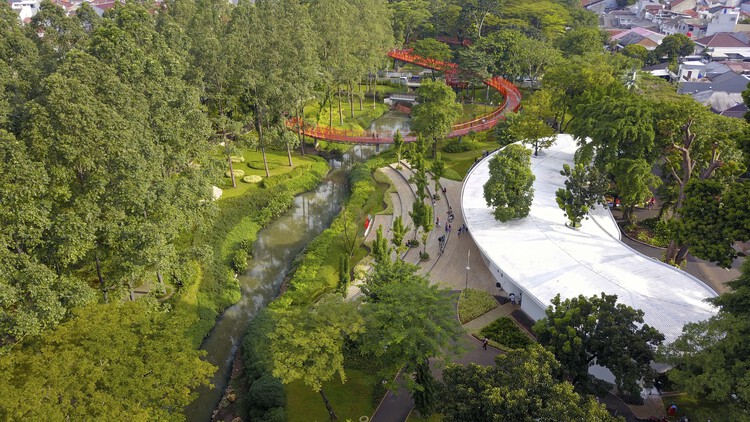
Location and How to Reach
Eco Park is strategically located in the East Khasi Hills district of Meghalaya, making it easily accessible from Shillong city center. The park sits approximately 8-10 kilometers from the heart of Shillong, perched on the hills that surround the city. This location was chosen not just for its natural beauty but also for its accessibility – close enough to the city for a quick visit, yet far enough to feel like a true escape into nature. The exact location of Eco Park places it within easy reach of other major attractions in and around Shillong, making it an ideal stop on a day of sightseeing. The park's elevation provides it with stunning views of the surrounding landscape, including distant views of Shillong city and the hills beyond. This elevated position also means the park enjoys slightly cooler temperatures than the city below, making it a refreshing retreat even during the warmer months.Reaching Eco Park from Shillong
The most common starting point for visiting Eco Park is Shillong city, and reaching the park is relatively straightforward:- By Taxi: The most convenient way to reach Eco Park is by hiring a taxi from Shillong. Taxis are readily available throughout the city, and most drivers will be familiar with the park's location. The drive typically takes 25-35 minutes, depending on traffic and weather conditions. You can hire a taxi for a one-way trip or negotiate a rate for the driver to wait while you explore the park.
- By Private Vehicle: If you're traveling with your own vehicle or have rented a car, driving to Eco Park gives you the flexibility to explore at your own pace. The roads leading to the park are generally in good condition, though they can be narrow and winding in some sections – typical of hill roads in Meghalaya. Parking is available at the park entrance.
- By Tourist Bus: Many tour operators in Shillong include Eco Park in their sightseeing packages. These buses typically combine visits to multiple attractions in the area and can be a cost-effective option if you're planning to see several places in one day.
- By Shared Taxi: For budget travelers, shared taxis may be available, though they might not go directly to the park entrance. You may need to walk part of the way or take a connecting local transport.
Reaching Shillong
If you're coming from outside Meghalaya, you'll first need to reach Shillong, then proceed to Eco Park:- From Guwahati: Shillong is approximately 100 kilometers from Guwahati, the largest city in Northeast India. Regular buses, shared taxis, and private taxis operate between Guwahati and Shillong. The journey takes about 3-4 hours by road, depending on traffic and road conditions. The route via NH 40 is scenic, passing through beautiful countryside and small towns.
- By Air: The nearest airport to Shillong is Umroi Airport, located about 30 kilometers from the city. However, this airport has limited flight connectivity. Many travelers prefer to fly to Lokpriya Gopinath Bordoloi International Airport in Guwahati, which has much better connectivity to major Indian cities, and then travel to Shillong by road.
- By Rail: The nearest major railway station is in Guwahati. From there, you can continue your journey to Shillong by road. There is no direct rail connection to Shillong.
Nearby Landmarks
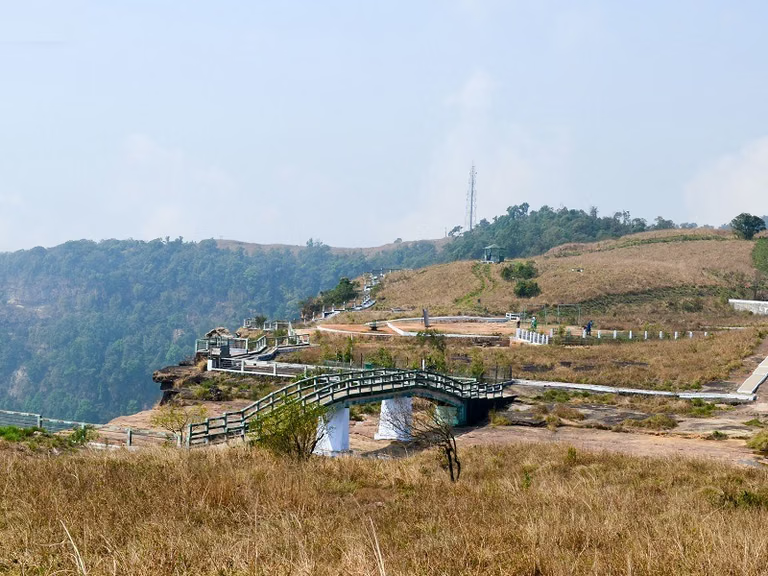
When navigating to Eco Park, these nearby landmarks can help you find your way:- Shillong Peak: One of the highest points in Shillong, located relatively close to Eco Park. Many visitors combine both attractions in a single trip.
- Laitkor Peak: Another prominent peak in the area that serves as a navigational landmark.
- Air Force Station: The Indian Air Force has a presence in this area, and the station is a well-known local landmark.
Main Attractions and Features
Eco Park Meghalaya offers a diverse range of attractions that cater to different interests and age groups. The park has been thoughtfully designed to provide visitors with multiple experiences, from peaceful relaxation to active exploration, from educational opportunities to simple appreciation of natural beauty. Here's a detailed look at what you can expect to see and do at Eco Park.Panoramic Viewpoints
Perhaps the biggest draw of Eco Park is its series of strategically placed viewpoints that offer breathtaking panoramic views of the surrounding landscape. These viewpoints have become iconic spots within the park and are must-visit locations for anyone coming here. The main viewpoint provides a sweeping 360-degree view of the East Khasi Hills, with rolling green hills extending as far as the eye can see. What makes these viewpoints special is the way they change with the time of day and weather conditions. Early morning visitors are often treated to a spectacular sight as the mist clears from the valleys, revealing the landscape in soft, golden light. The viewpoints are equally magical during sunset, when the fading sun paints the sky in shades of orange, pink, and purple, creating a dramatic backdrop against the darkening hills. On clear days, you can see all the way to the plains of Bangladesh from certain vantage points in the park. This international perspective is a reminder of Meghalaya's strategic location on the border between India and Bangladesh. The viewpoints are also excellent spots for photography, so don't forget to bring your camera or smartphone to capture the stunning vistas.Landscaped Gardens
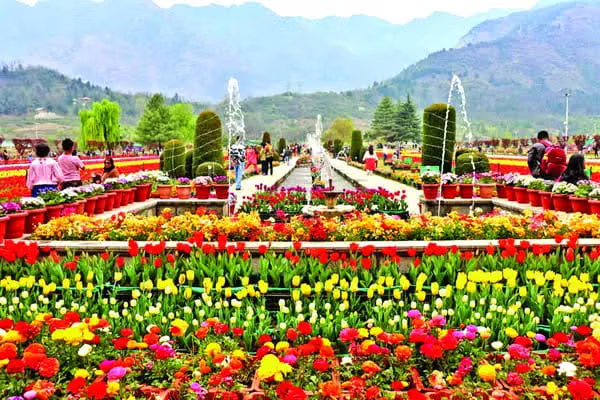
The heart of Eco Park is its beautifully landscaped gardens, which showcase both indigenous and exotic plant species. The gardens have been designed to provide visual interest throughout the year, with different plants blooming in different seasons. Spring brings a riot of colorful flowers, while the monsoon transforms the park into an incredibly lush green paradise. The gardens feature several distinct sections:- Flower Gardens: These beds showcase seasonal flowers arranged in attractive patterns. The colors change throughout the year, ensuring there's always something new to see.
- Fern Gardens: Meghalaya is home to an incredible variety of ferns, and this section of the park showcases many of these species. The fern garden is particularly beautiful after the rains when the fronds are at their freshest.
- Orchid Display: The state is famous for its orchids, and Eco Park maintains a collection of these beautiful flowers. While some orchids bloom year-round, others have specific flowering seasons that create spectacular displays.
- Medicinal Plants: This educational section showcases plants that have been traditionally used by local communities for medicine. It's a fascinating look at how the Khasi people have used native plants for healing for generations.
- Japanese-style Garden: A small section of the park is designed in the style of a Japanese garden, with carefully placed rocks, water features, and pruned plants creating a serene, contemplative space.
Walking Trails and Paths
A network of well-maintained walking trails crisscrosses the park, allowing visitors to explore different areas at their own pace. These trails vary in length and difficulty, making them accessible to people of all ages and fitness levels. The trails are clearly marked and well-maintained, with some paved sections for easy walking and others that are more natural, allowing you to feel closer to nature. Some trails are designed for leisurely strolls and take you through the most scenic parts of the gardens. Others are slightly more challenging and lead to viewpoints or quieter areas of the park where you can escape the crowds. Walking these trails is one of the best ways to experience Eco Park, as it allows you to fully immerse yourself in the natural environment and discover hidden corners of the park that you might miss otherwise. The trails also provide excellent opportunities for birdwatching. The park's diverse vegetation attracts numerous bird species, and walking quietly along the paths can reward you with sightings of colorful birds native to the region. Early morning and late afternoon are particularly good times for birdwatching in the park.Children's Play Area
For families visiting with children, Eco Park features a designated play area where kids can burn off energy while parents relax nearby. The play equipment is designed to be safe while still being fun, and it's a great way to keep children entertained during a visit to the park. The presence of this family-friendly facility makes Eco Park a popular destination for local families on weekends and holidays.Picnic Spots
Scattered throughout the park are designated picnic areas where visitors can sit and enjoy a meal amidst nature. Some of these spots have benches and tables, while others are simply grassy areas where you can spread a blanket. The picnic areas are strategically placed to offer either great views or quiet, secluded spots where you can enjoy some peace and privacy. Many local families visit Eco Park specifically for picnics, bringing homemade food and spending the entire day relaxing in the beautiful surroundings. If you're planning a picnic, remember to carry your trash back with you – the park places great emphasis on cleanliness and environmental responsibility.Educational Displays
True to its name and mission, Eco Park features educational displays throughout its grounds. These include informational signs about different plant species, their uses, and their ecological importance. Some displays focus on the environmental challenges facing Meghalaya and what can be done to address them. Others highlight the traditional conservation practices of the indigenous Khasi people. These educational elements make Eco Park particularly valuable for school groups and families with children. It's a place where learning happens naturally as you explore, rather than through formal lessons. The information is presented in an accessible, engaging way that appeals to visitors of all ages.Photography Spots
Photography enthusiasts will find endless opportunities at Eco Park. From sweeping landscape shots at the viewpoints to close-ups of exotic flowers, from abstract compositions of fern fronds to portraits against natural backdrops, the park offers something for every type of photography. The changing light throughout the day creates different moods and opportunities, so photographers might want to plan their visit to coincide with golden hour – either sunrise or sunset.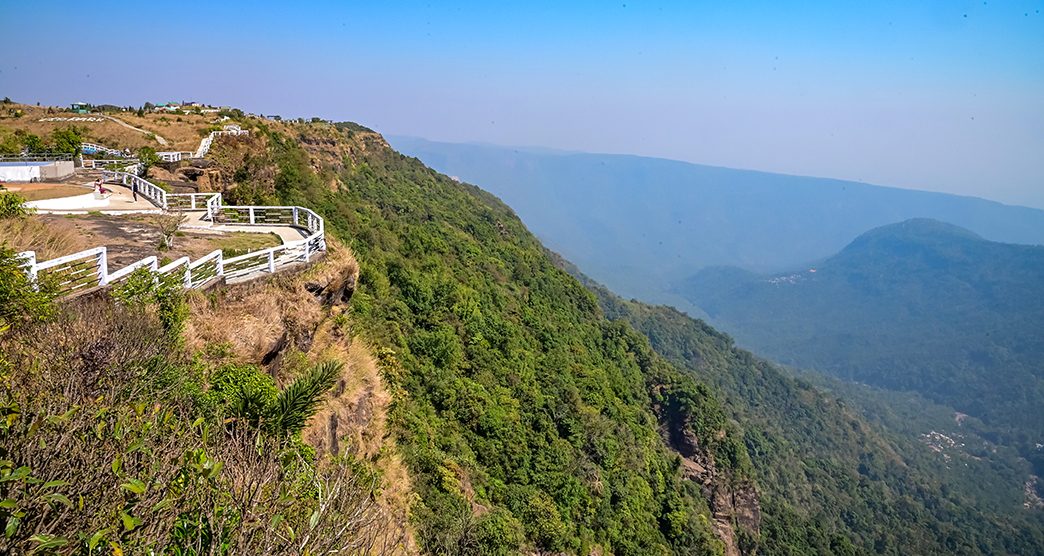
Timings and Entry Fee
Before planning your visit to Eco Park Meghalaya, it's important to know the practical details about timings and entry fees. These details can change, so it's always a good idea to check the latest information before you go, but here's what you can typically expect.Opening and Closing Timings
Eco Park is generally open to visitors throughout the week, including weekends and holidays. The typical timings are:- Opening Time: 9:00 AM
- Closing Time: 5:30 PM (varies slightly by season)
Best Time of Day to Visit
While the park is open throughout the day, certain times offer better experiences:- Early Morning (9:00 AM – 11:00 AM): This is often the best time to visit, especially on weekends. The park is less crowded, the air is fresh and cool, and the morning light creates beautiful photography conditions. Birds are also more active during these hours.
- Late Afternoon (3:00 PM – 5:00 PM): The late afternoon offers beautiful lighting as the sun begins to descend. This is also a pleasant time to visit as the day cools down, though it might be more crowded with local visitors.
Entry Fee Structure
Eco Park typically charges a nominal entry fee to help with the maintenance and upkeep of the facilities:- Adults: Approximately ₹20-50 per person
- Children: Approximately ₹10-20 per child
- Camera Fee: Some attractions charge additional fees for professional cameras or video recording. Check current policies when you visit.
- Parking Fee: If you're driving, there may be a small parking fee (usually ₹20-50 for cars, less for two-wheelers).
Payment Methods
Most visitors prefer to carry cash when visiting Eco Park, as digital payment facilities may not always be reliable, especially during power outages or network issues. Small denomination notes are useful for paying entry fees and making purchases at any small stalls or vendors you might encounter.Special Considerations
- Holidays and Weekends: The park tends to be much more crowded on weekends, public holidays, and school holidays. If you prefer a quieter experience, try to visit on a weekday.
- Weather Closures: During periods of extremely heavy rain, particularly in the peak monsoon months, the park might close for safety reasons. If there's been heavy rainfall, it's worth checking local conditions before making the trip.
- Group Visits: If you're visiting with a large group, such as a school group or tour party, you might be able to negotiate group rates. Contact the park administration in advance to inquire about group bookings and any special facilities they might offer.
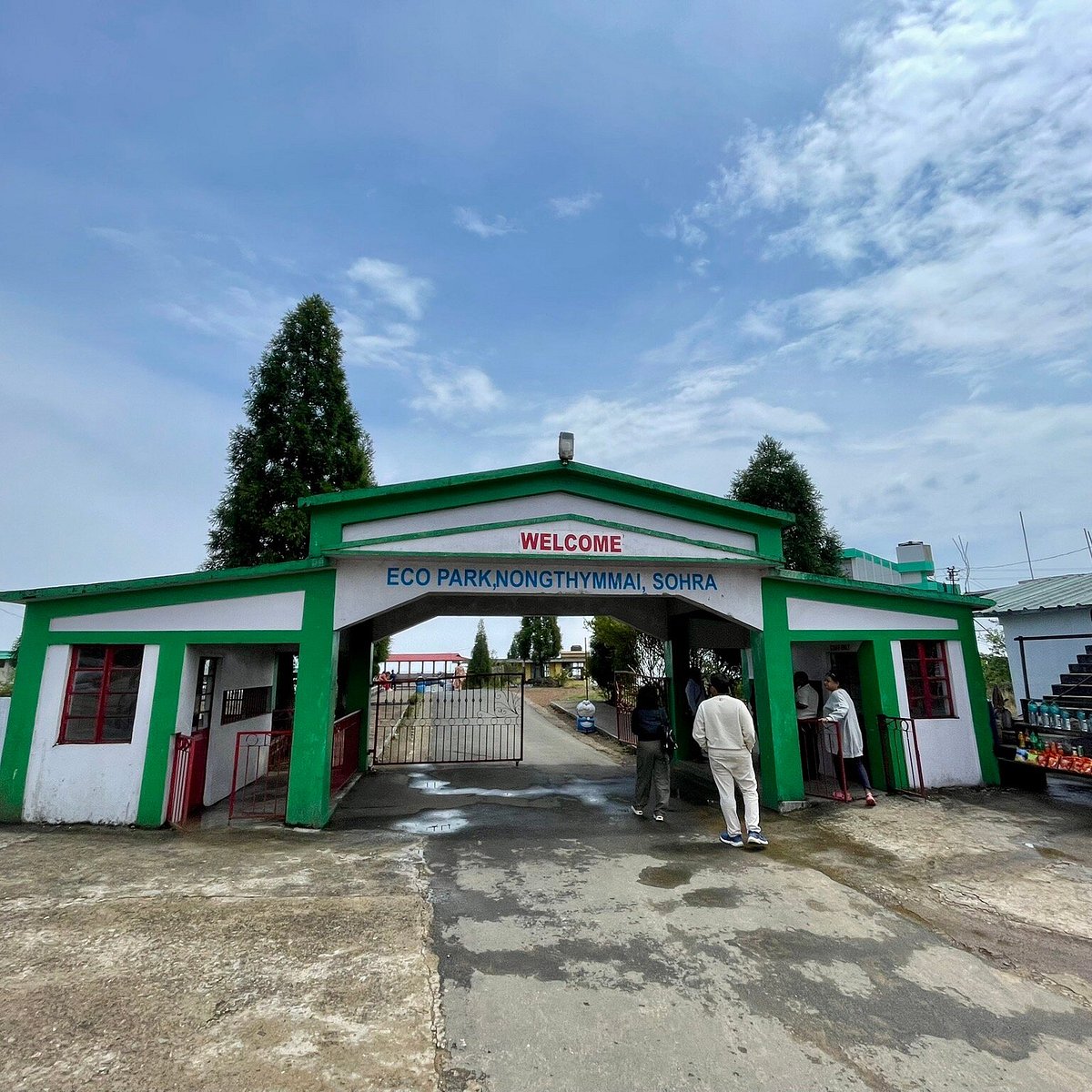
Best Time to Visit
Meghalaya's unique climate, characterized by abundant rainfall throughout much of the year, means that Eco Park wears different looks in different seasons. Understanding these seasonal variations will help you choose the best time for your visit based on what you hope to experience.Spring (March – April)
Spring is arguably one of the best times to visit Eco Park. After the relatively dry winter months, spring brings moderate temperatures that make exploring the park comfortable. More importantly, this is when many plants in the park burst into bloom, creating a colorful display that's a feast for the eyes. During spring, the weather is generally pleasant, with daytime temperatures that are warm but not hot. The clear skies provide excellent visibility from the park's viewpoints, and the moderate humidity levels make walking around the trails enjoyable. This is also the shoulder season for tourism, meaning the park is less crowded than it will be later in the year.Summer (May – June)
Early summer, before the monsoon really sets in, can be a good time to visit. The temperatures are a bit warmer than in spring, but still manageable, especially because of the park's elevation which keeps it cooler than the plains. The vegetation is lush from the pre-monsoon showers, and you might catch some late spring blooms. However, as summer progresses and the monsoon approaches, humidity levels rise, and you can expect occasional showers. If you visit during this period, come prepared with rain gear. The advantage of visiting just before or at the start of the monsoon is that the park is incredibly green and the waterfalls in the surrounding region are starting to flow strongly.Monsoon (July – September)
The monsoon season is when Meghalaya receives some of the heaviest rainfall in the world, and Eco Park becomes incredibly lush and vibrant during these months. The rain washes everything clean, and the greens become impossibly vivid. This is when the park looks its most tropical and exuberant. However, visiting during the monsoon comes with significant challenges. You can expect heavy rain, often on a daily basis, which can make walking the trails slippery and uncomfortable. Fog and mist can obscure the views from the viewpoints, which is one of the park's main attractions. You'll need excellent rain gear, waterproof footwear, and a willingness to get wet. That said, for photographers and those who don't mind the rain, the monsoon offers a unique opportunity to see Eco Park at its most dramatic. The moody atmosphere, the constant sound of rain, and the incredibly fresh, clean air create an experience that's very different from the drier months.Autumn (October – November)
Many experienced travelers consider the post-monsoon period to be the absolute best time to visit Eco Park. The rains have usually tapered off by October, leaving behind incredibly lush vegetation. The skies have cleared, giving excellent visibility for those panoramic views from the viewpoints. The temperatures are pleasant – warm during the day but cool enough to be comfortable. During these months, the park is at its most beautiful, with the monsoon-green vegetation contrasting beautifully against the blue skies. This is an excellent time for photography, with good light and clear views. The trails are usually in good condition after the rains, making exploration easy and enjoyable.Winter (December – February)
Winter brings its own charm to Eco Park. While this isn't the flowering season, the park still offers beautiful scenery, with the evergreen plants providing year-round color. What makes winter special is the clarity of the air and the incredible visibility from the viewpoints. On clear winter days, you can see for miles across the hills. The temperatures during winter can be quite cool, especially in the mornings and evenings, so dress warmly in layers. The days are usually sunny and pleasant, perfect for walking around and exploring the park. Winter is also the driest season, so you won't have to worry about rain interfering with your plans.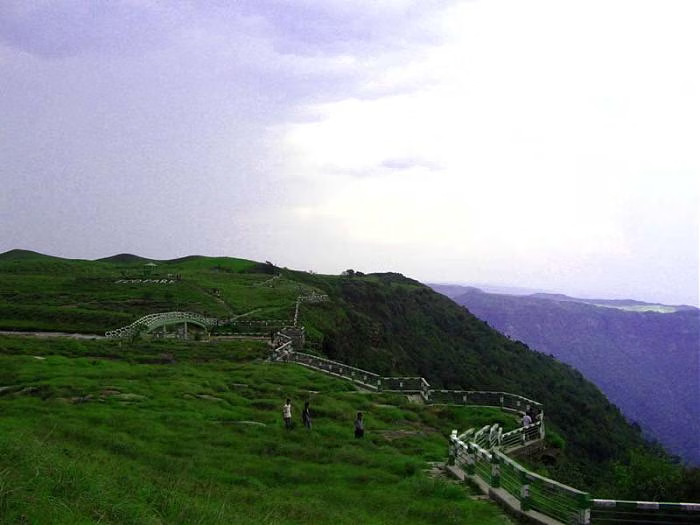
Activities and Things to Do
While Eco Park Meghalaya is primarily a place for relaxation and nature appreciation, there's plenty to do during your visit. Whether you prefer active pursuits or quiet contemplation, you'll find activities that suit your interests. Here are some of the most popular things to do at Eco Park.Nature Photography
Eco Park is a paradise for photographers of all skill levels. The variety of subjects available – from sweeping landscapes to intimate macro shots – means you can spend hours behind the camera and still not capture everything. The changing light throughout the day creates different moods and opportunities, so consider spending an extended period at the park if you're serious about photography. For the best landscape shots, head to the viewpoints during golden hour – the hour after sunrise or the hour before sunset. The soft, directional light brings out the textures and colors of the hills, creating stunning images. Even smartphone cameras can capture impressive shots from these vantage points. For close-up and macro photography, focus on the incredible variety of plants in the gardens. Orchids, ferns, and exotic flowers make beautiful subjects. The park's biodiversity means you'll find interesting subjects no matter where you look.Birdwatching
The diverse vegetation and elevation of Eco Park make it an excellent spot for birdwatching. While you won't find rare or endemic species here, the park attracts a good variety of common bird species native to the region. Early morning is typically the best time for birdwatching, as birds are most active when the day begins and the air is cool. Bring binoculars if you have them, and consider carrying a bird identification guide or app to help you identify the species you spot. Walk quietly along the trails, stopping frequently to listen and look for movement in the trees and bushes.Picnicking
As mentioned earlier, picnicking is one of the most popular activities at Eco Park. The designated picnic areas provide perfect spots to enjoy a meal surrounded by nature. Many local families spend entire days here, bringing homemade food and enjoying the relaxed atmosphere. If you're planning a picnic, arrive early to secure a good spot, especially if you're visiting on a weekend or holiday. Bring a mat or blanket to spread on the grass, along with your food and drinks. Remember to carry all your trash back with you – keeping the park clean is everyone's responsibility.Walking and Light Trekking
The network of trails in Eco Park provides excellent opportunities for walking and light trekking. While these aren't challenging hikes by any means, they do allow you to explore the park thoroughly and get some exercise while enjoying nature. Different trails cater to different fitness levels and interests. Some are flat and easy, perfect for a leisurely stroll or for families with small children. Others involve some elevation gain and take you to the best viewpoints. Wear comfortable walking shoes with good grip, especially if you're visiting during or soon after the monsoon when trails might be damp.Nature Study and Learning
For those interested in botany, ecology, or simply learning more about the natural world, Eco Park offers excellent opportunities for nature study. The educational displays throughout the park provide valuable information about the local ecosystem. Take your time to read these displays and learn about the plants you're seeing. If you're visiting with children, use the park as an outdoor classroom. Help them identify different plants, discuss the importance of environmental conservation, and point out the birds and insects that call the park home. It's a fantastic way to combine education with recreation.Meditation and Yoga
The peaceful atmosphere of Eco Park, especially in the early morning before the crowds arrive, makes it an ideal place for meditation or yoga. Find a quiet spot away from the main areas – perhaps on a bench overlooking the hills or on a patch of grass in a secluded corner – and spend some time in quiet contemplation or practice. The fresh air, natural surroundings, and absence of city noise create perfect conditions for mindfulness practices. Many visitors find that even a short period of meditation at Eco Park leaves them feeling refreshed and centered.Socializing and People Watching
>Eco Park is a popular spot for locals, and spending time here can give you interesting insights into local culture and lifestyle. On weekends, you'll see families, groups of friends, and couples all enjoying the park together. Observing these interactions can be as interesting as exploring the natural attractions. If you're traveling solo or feeling social, don't be shy about striking up conversations with local visitors. People in Meghalaya are generally friendly and welcoming, and you might make some interesting connections or get local tips about other places to visit.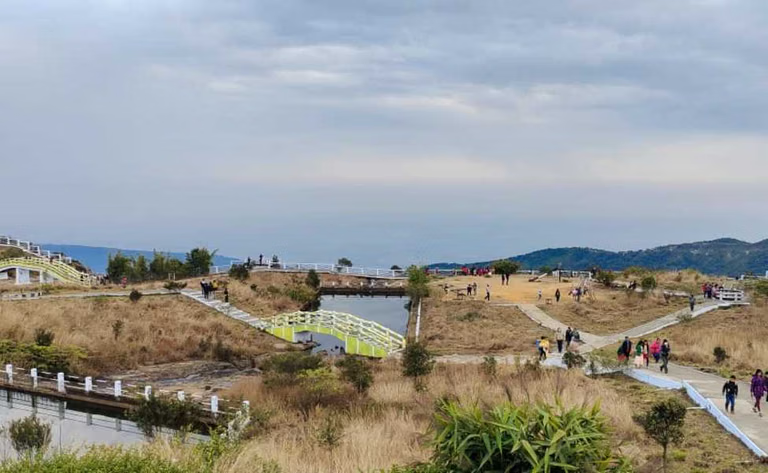
Nearby Attractions
One of the great advantages of visiting Eco Park is its proximity to other major attractions in and around Shillong. You can easily combine a visit to the park with stops at several other nearby destinations, making for a full and varied day of sightseeing. Here are some of the attractions you might want to consider visiting along with Eco Park.Shillong Peak
Located just a short distance from Eco Park, Shillong Peak is one of the highest points in the area and offers even more spectacular panoramic views than the park itself. At 1,965 meters above sea level, it provides a 360-degree view of Shillong city, the surrounding hills, and on clear days, even the plains of Bangladesh. The peak is home to an Indian Air Force radar station, so visitors need to show ID at the checkpoint before proceeding. There's a viewing platform that's accessible to the public, and while you can't enter the radar station itself, the views from the platform are well worth the visit. Sunrise and sunset are particularly magical times to be at Shillong Peak.Elephant Falls
Elephant Falls is perhaps Shillong's most famous waterfall and is located relatively close to Eco Park. Named after an elephant-shaped rock that once stood at its base (which was destroyed in an earthquake), Elephant Falls is actually a series of three waterfalls, each with its own unique character. The falls are easily accessible via well-constructed stone steps and viewing platforms. What makes Elephant Falls particularly appealing is how close you can get to the water – the viewing platforms put you right in front of the cascading water, making it an incredibly immersive experience. The area around the falls also has a small market selling local handicrafts and souvenirs.Lady Hydari Park
Named after the wife of the first Governor of Assam, Lady Hydari Park is often compared to a Japanese garden for its carefully manicured lawns, flower beds, and water features. It's located in Shillong city and makes for a pleasant contrast to the more natural setting of Eco Park. The park is home to a small zoo that's particularly popular with families, featuring various species of animals and birds native to the region. Even if you're not interested in the zoo, the park itself is a lovely place to take a leisurely stroll, enjoy a picnic, or simply sit and enjoy the peaceful atmosphere.Ward's Lake
>Located in the heart of Shillong, Ward's Lake is a beautiful artificial lake surrounded by lush gardens. It's the perfect place for a peaceful boat ride, and you can rent paddle boats at very reasonable rates. The lake is particularly beautiful in the early morning or late afternoon when the light is soft and the water is calm. A wooden bridge spans the lake, offering lovely views of the water and the surrounding gardens. There's also a small cafeteria where you can enjoy a cup of tea or a snack while watching the boats drift by. The gardens around the lake are filled with colorful flowers and are a favorite spot for local photographers.Police Bazar
No visit to Shillong is complete without exploring Police Bazar, the city's main market area. This bustling commercial district is where you'll find everything from local handicrafts and textiles to modern restaurants and cafes. It's the perfect place to shop for souvenirs, try local Khasi cuisine, or simply soak in the vibrant atmosphere of Shillong. Some things to look out for in Police Bazar include traditional Khasi textiles, handmade bamboo crafts, and local food items. Don't miss the chance to try Jadoh, a traditional Khasi dish made with rice and meat, or Tungrymbai, a fermented soybean dish that's a local specialty.Don Bosco Museum
For those interested in learning more about the culture and history of Northeast India, the Don Bosco Museum in Shillong is a must-visit. It's one of the finest museums in the region, showcasing the indigenous cultures of the Northeast through an impressive collection of artifacts, photographs, and displays. The museum is spread over multiple floors, with each section dedicated to different aspects of Northeastern culture – from traditional costumes and weapons to musical instruments and household items. It provides excellent context for understanding the region you're exploring.Mawsmai Cave
If you're interested in exploring Meghalaya's famous caves, Mawsmai Cave is one of the most accessible and visitor-friendly options. Located a bit further from Shillong than the other attractions mentioned, it's still within reach for a day trip if you're planning efficiently. The cave is lit with electric lights, making it easy to explore without specialized equipment. The limestone formations inside are impressive, with stalactites and stalagmites creating fascinating shapes. Note that the cave can get slippery, so wear appropriate footwear.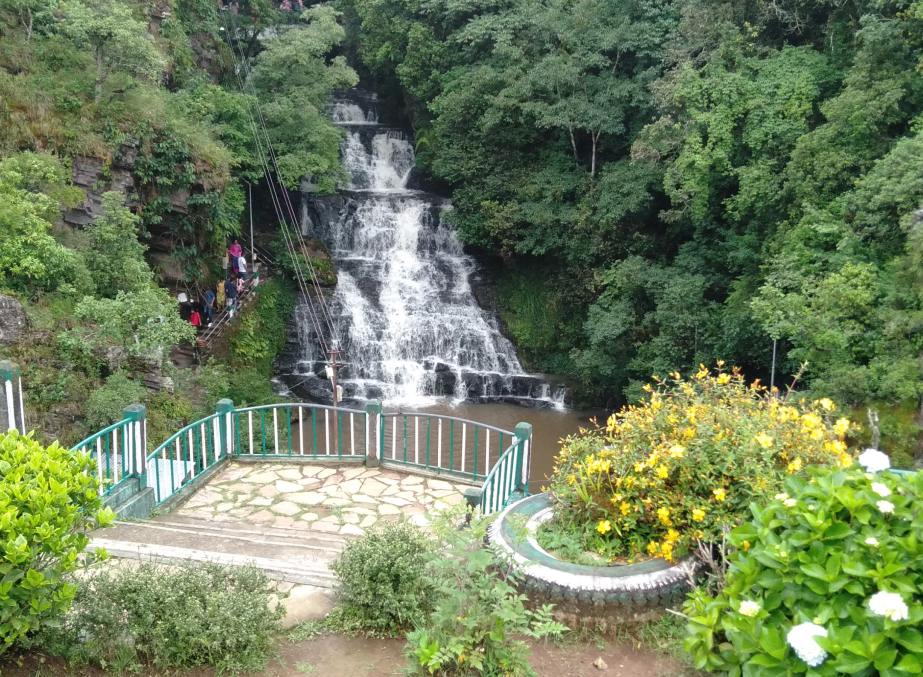
Tips for Visitors
To make the most of your visit to Eco Park Meghalaya and ensure a safe, enjoyable experience, keep these practical tips in mind. These suggestions will help you prepare for your visit and avoid common pitfalls that can detract from your experience.What to Carry
- Comfortable Walking Shoes: This is the most important item. You'll be doing a fair bit of walking, and the trails can be uneven, especially after rain. Avoid sandals or flip-flops.
- Rain Gear: If you're visiting during the monsoon season or even just in the months around it, carry a good raincoat or umbrella. The weather in Meghalaya can change quickly.
- Water Bottle: Stay hydrated, especially if you're visiting during warmer months. There may not be readily available drinking water in the park.
- Sunscreen and Hat: If you're visiting during sunny months, protect yourself from the sun. The elevation can make the sun feel stronger than you might expect.
- Insect Repellent: While not usually a major problem, mosquitoes and other insects can be present, especially in the monsoon season.
- Camera: With extra batteries or a power bank. You'll take more photos than you expect.
- Snacks: There are limited food options within the park, so carry some snacks, especially if you're traveling with children.
- Trash Bag: Help keep the park clean by carrying your trash back with you.
Best Practices
- Arrive Early: Visiting early in the day has multiple advantages – better lighting for photography, fewer crowds, cooler temperatures, and more active wildlife.
- Respect Nature: Stay on marked trails, don't pick flowers or damage plants, and maintain a respectful distance from any wildlife you encounter.
- Keep the Park Clean: This should go without saying, but carry all your trash back with you and dispose of it properly. The park's authorities work hard to maintain this beautiful space – help them out by not littering.
- Respect Other Visitors: Keep noise levels down, especially in quiet areas. Not everyone is there to socialize – some visitors come for peace and contemplation.
- Follow Photography Etiquette: Be respectful when taking photos of people. Always ask for permission before photographing locals, especially in close-up shots.
- Check the Weather: Meghalaya's weather can be unpredictable. Check the forecast before you go, and be prepared for sudden changes, especially during the monsoon season.
- Carry Cash: Digital payment options may not always work, especially in remote areas or during power outages. Carry small change for entry fees and small purchases.
Safety Considerations
- Stay on Marked Paths: Venturing off marked trails can be dangerous and damages the fragile ecosystem.
- Watch Your Step: Trails can be uneven and slippery, especially after rain. Pay attention to where you're walking.
- Keep Children Close: If you're visiting with children, keep an eye on them, especially near viewpoints and on trails.
- Stay Hydrated: It's easy to get dehydrated when you're walking around, even in cooler weather. Drink water regularly.
- Protect Your Belongings: While the park is generally safe, it's always wise to keep an eye on your belongings, especially in crowded areas.
Making the Most of Your Visit
- Allow Enough Time: Don't rush your visit. Allow at least 2-3 hours to explore the park properly, more if you're interested in photography or picnicking.
- Combine with Other Attractions: Plan to visit nearby attractions like Shillong Peak or Elephant Falls on the same day to make the most of your travel time.
- Talk to Locals: If you see local visitors, don't be shy about asking for recommendations or insights. They might know about spots or activities that aren't in any guidebook.
- Visit Multiple Times: If you're staying in Shillong for a while, consider visiting Eco Park at different times of day and in different weather conditions. Each visit offers a different experience.
- Disconnect to Connect: Consider putting your phone away (except for photos) and really immersing yourself in the natural environment. You'll get much more out of the experience.
Why Visit Eco Park Meghalaya?
After exploring all the practical details, you might still be wondering whether Eco Park is worth including in your Meghalaya itinerary. Here are some compelling reasons why this park deserves a place on your travel plans.Accessible Nature Experience
One of the best things about Eco Park is that it makes experiencing Meghalaya's incredible natural beauty accessible to everyone. Unlike some attractions in the state that require challenging treks or long journeys, Eco Park can be enjoyed by people of all ages and fitness levels. Families with young children, older adults, and anyone with mobility issues can all appreciate the natural beauty of Meghalaya from the comfort of well-maintained paths and viewing platforms.Environmental Education
>In an age when environmental conservation is more important than ever, places like Eco Park play a crucial role in educating visitors about sustainability and biodiversity. The park demonstrates how tourism and conservation can work together, creating a space where people can enjoy nature without harming it. A visit here is not just enjoyable – it's also educational and inspiring, potentially changing how you think about your relationship with the natural world.Photography Opportunities
For photography enthusiasts, Eco Park offers endless opportunities to capture stunning images. The combination of panoramic landscapes, exotic plants, interesting wildlife, and changing light conditions means you could spend a whole day here with your camera and still not exhaust all the photographic possibilities. Whether you're shooting with a professional DSLR or just your smartphone, you'll come away with photos that beautifully capture the essence of Meghalaya.Peace and Relaxation
>In our busy, connected lives, finding places of true peace and quiet is increasingly rare. Eco Park provides exactly that – a space where you can escape the noise and stress of modern life and simply be present in nature. Whether you're meditating on a quiet bench, reading a book on a grassy slope, or just sitting and watching the clouds roll over the hills, the park offers a respite that's becoming harder to find in our fast-paced world.Cultural Insight
>Visiting Eco Park also gives you insight into local culture and values. The park reflects the deep respect for nature that is central to Khasi culture, and seeing how local families use and enjoy the space provides a window into contemporary life in Meghalaya. In an increasingly homogenized world, these authentic cultural experiences are precious and increasingly rare.Supporting Sustainable Tourism
>By visiting Eco Park, you're supporting a model of tourism that prioritizes sustainability and conservation. The entry fees help maintain the park and support environmental education initiatives. Your visit demonstrates that there's demand for responsible tourism that benefits both visitors and the destination. In a region facing development pressures, supporting sustainable tourism options is one way travelers can make a positive impact.Perfect Family Destination
>If you're traveling with family, Eco Park is one of those rare attractions that appeals to all ages. Children love the space to run around and play, adults appreciate the peaceful atmosphere and beautiful views, and older family members can enjoy the park at their own pace without exhausting themselves. It's a place where families can spend quality time together without the distractions of screens and entertainment that so often dominate family life. Eco Park Meghalaya may not be the most dramatic or adventurous attraction in the state, but it's undoubtedly one of the most enjoyable and accessible. It represents a side of Meghalaya that's often overlooked in favor of more dramatic attractions – a quieter, gentler side that's equally deserving of attention. In a state famous for its extreme landscapes and adventurous activities, Eco Park offers a different but equally valuable experience – one of peace, beauty, and harmony with nature.
Location
Frequently Asked Questions
Q1.What is Eco Park Meghalaya famous for?
Q2.What are the opening timings of Eco Park Shillong?
Q3.What is the entry fee for Eco Park Meghalaya?
Q4.How do I reach Eco Park from Shillong city center?
Q5.What is the best time to visit Eco Park Meghalaya?
Q6.How much time should I spend at Eco Park?
Q7.Is Eco Park suitable for children and elderly visitors?
Q8.What should I carry when visiting Eco Park Meghalaya?
Q9.Are there food options available at Eco Park?
Q10.Can I combine Eco Park visit with other Shillong attractions?
Q11.Is photography allowed at Eco Park Meghalaya?
Q12.Is Eco Park open during monsoon?
Recommended For You
Highest Rainfall in India: Mawsynram vs Cherrapunji Explained
Explore why Mawsynram and Cherrapunji record India's highest rainfall, when to visit, and how to plan a safe, weather-smart Meghalaya trip.
Krem Puri Meghalaya: Longest Sandstone Cave, Access & Exploration Tips
Explore Krem Puri, Asia's longest sandstone cave in Meghalaya. Complete guide to this 24.5km underground wonder - discovery, geology, access, and expedition planning.
Mawsmai Cave Cherrapunji: Entry Fee, Timings & Visit Tips
Complete Mawsmai Cave guide covering cave formations, timing, entry fee, how to reach, safety tips, and nearby Cherrapunji attractions.
Never Miss an Adventure
Get the latest trekking guides, travel tips, and exclusive offers delivered straight to your inbox.
