
Wari Chora Meghalaya: Cave Route, River Access & Local Travel

Ananya Sharma
February 20, 2026
Explore Wari Chora in Meghalaya's South Garo Hills. Trek guide, how to reach, best time to visit, cave exploration & adventure tips for this hidden gem.
Introduction: Meghalaya's Hidden Wonder
Wari Chora, located in Meghalaya's South Garo Hills, represents everything that makes Meghalaya a truly special destination—a hidden natural wonder, challenging adventure, authentic cultural experience, and pristine landscapes untouched by mass tourism. This spectacular cave system and the surrounding area offer intrepid travelers the chance to explore Meghalaya beyond the famous Cherrapunji waterfalls and Shillong's popular attractions.
What sets Wari Chora apart is its remoteness and the sense of discovery it provides. Unlike developed tourist sites where everything is marked and managed, Wari Chora feels like a genuine exploration where you're blazing a trail (or rather, following ancient paths used by locals for generations). The area combines limestone caves with stunning natural arches, underground streams, and diverse flora that creates an otherworldly atmosphere.
For adventure seekers, cave enthusiasts, and travelers who want to experience Meghalaya's wilder side, Wari Chora delivers an unforgettable experience that challenges and rewards in equal measure. The journey to reach this hidden gem is as memorable as the destination itself, passing through beautiful Garo Hills landscapes and traditional villages.
About Wari Chora
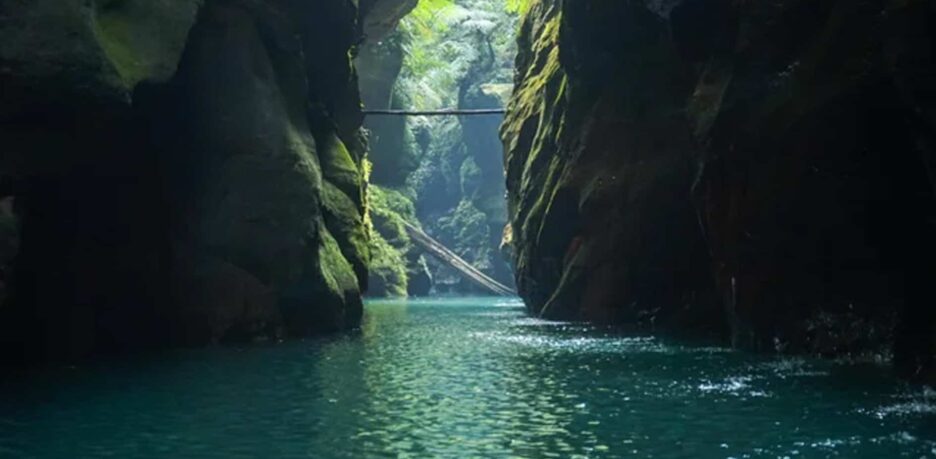
Wari Chora is primarily known for its impressive limestone cave, though the name refers to the broader area including the cave, natural rock formations, and surrounding forest. The cave features beautiful limestone formations including stalactites, stalagmites, and interesting rock shapes created by centuries of water erosion. What makes this cave particularly special is the presence of a natural arch—a rare geological formation where the cave roof has collapsed in a way that creates an opening to the sky above.
The cave system extends for several hundred meters, with multiple chambers and passages to explore. Some sections are spacious enough to walk upright, while others require crawling or squeezing through narrow openings—making exploration both exciting and challenging. The cave temperature remains cool year-round (around 18-20°C), providing relief from the humid tropical climate outside.
The surrounding Wari Chora area features beautiful forest landscapes, traditional Garo villages, and scenic valleys. The region is part of Meghalaya's South Garo Hills district, which has a distinct culture and language from the Khasi-dominated areas of the state. This cultural difference adds another layer of interest to visitors who venture this far off the tourist trail.
The Cave Experience
Exploring Wari Chora cave is an adventure that requires preparation, respect for safety, and a spirit of exploration. Physical Requirements: The cave exploration involves walking on uneven surfaces, some scrambling over rocks, and possibly crawling through narrow sections depending on which passages you explore. Moderate fitness is required, and anyone with claustrophobia should reconsider cave exploration.
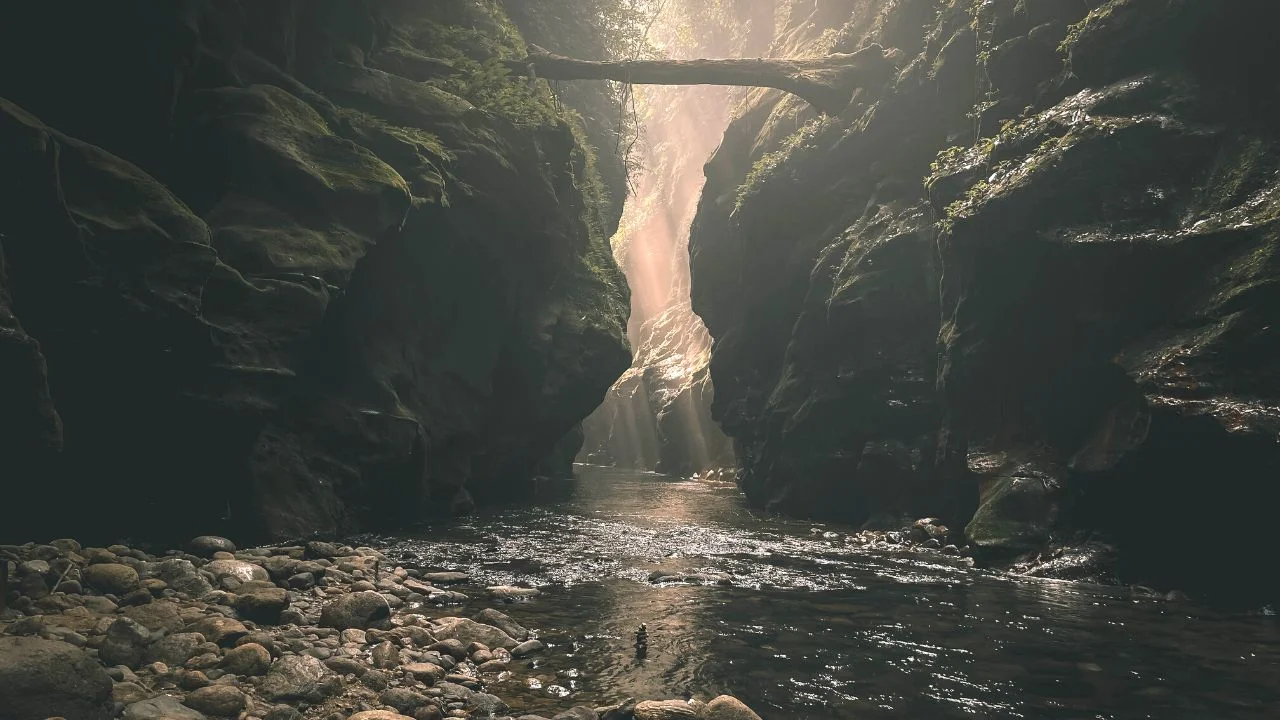
Inside the Cave: The cave features impressive limestone formations accumulated over thousands of years. Stalactites (formations hanging from the ceiling) and stalagmites (formations rising from the floor) create spectacular shapes and patterns. Some sections have interesting acoustics where sounds echo dramatically. The natural arch is a highlight—a collapsed section of ceiling that creates a window to the sky above, letting light stream in and creating an otherworldly atmosphere.
Equipment Needed: Bring reliable flashlights or headlamps (the cave is pitch black without artificial light). Wear sturdy shoes with good grip for slippery surfaces. Carry water and light snacks. Some explorers bring gloves for protection against rough surfaces. A first-aid kit is always advisable for cave exploration.
Guidance: Hiring a local guide is strongly recommended. They know the cave's layout, safe routes, and can point out interesting features you might miss independently. Guides also understand the cave's cultural significance to local communities and can share stories and legends associated with the area.
Best Time to Visit
Winter (December-February): Offers easiest access with dry ground and comfortable temperatures (15-25°C). Winter is ideal for first-time visitors or those who want easier trekking conditions. Cave exploration is comfortable without dealing with mud or slippery surfaces.
Post-Monsoon (October-November): The area is lush and green after rains, creating beautiful scenery. However, trails near the cave might still be muddy and slippery. Cave conditions during this period can be more challenging with possible water dripping inside.
Monsoon (June-September): The South Garo Hills receive heavy rainfall during monsoon. While the area looks spectacularly green and the cave might have active water features, access becomes extremely difficult. Trails turn to mud, leeches are prevalent in forests, and safety risks increase significantly. Only experienced cavers with proper equipment should visit during monsoon.
How to Reach
Wari Chora is located in South Garo Hills district, approximately 300 kilometers from Shillong (8-10 hours by road) and 180 kilometers from Guwahati (5-6 hours by road). The nearest major town is Tura, approximately 50 kilometers away (1.5-2 hours by road).
The final stretch to Wari Chora involves village roads that can be challenging, especially during monsoon. A local guide from the nearest village can lead you to the cave entrance. Public transport is limited to intermittent shared taxis—having your own vehicle or hiring a taxi for the day from Tura is the most practical option.
Nearby Attractions
Balpakram National Park: One of Meghalaya's premier wildlife sanctuaries, located in South Garo Hills. Home to diverse wildlife including elephants, leopards, and rare bird species.
Siju Bird Sanctuary: Another excellent wildlife area in South Garo Hills, particularly known for birdwatching.
Nokrek National Park: Known for its red panda population and pristine cloud forests.
Travel Tips
• Hire a local guide for cave exploration and village interaction. • Wear appropriate clothing and sturdy footwear. • Carry sufficient water, snacks, and first-aid supplies. • Respect local culture and customs in Garo villages. • Avoid visiting during monsoon unless you're an experienced adventurer. • Get necessary permits if required for the region. • Be prepared for basic facilities—this is truly offbeat Meghalaya.
Route Breakdown and Ground Reality
Wari Chora trips are often underestimated because maps show a single distance figure. In reality, travel usually has three parts: long highway movement to the Garo Hills belt, a local road segment that may be slow in wet conditions, and a final approach section where local guidance becomes essential. This is why two groups leaving from the same city can report very different total travel times.
A practical model is to base yourself in or near Tura for one night, then continue early toward the trailhead area. This reduces fatigue and gives you better daylight control for cave exploration. Attempting Wari Chora as a rushed same-day out-and-back from Shillong is possible only for highly time-disciplined travelers with reliable transport and strong local coordination.
What the Experience Feels Like
Wari Chora is not a polished tourist attraction with fences, directional lighting, and fixed visitor corridors. It feels raw, natural, and remote. For some travelers this is exactly the appeal; for others it can feel uncomfortable if expectations are set by mainstream cave tourism. Inside the cave environment, wet surfaces, low ceilings, and variable footing demand constant attention.
The reward is the atmosphere: filtered light from natural openings, textured limestone walls, and the sense of being in a truly offbeat Meghalaya landscape. If you enjoy nature where infrastructure is minimal and the experience is led by terrain, Wari Chora can be exceptional.
Safety and Planning Workflow
| Step | What to Do | Reason |
|---|---|---|
| 1. Pre-day confirmation | Recheck access route and weather | Avoid late surprises at remote trail points |
| 2. Local guide lock-in | Confirm guide and start time in advance | Improves route safety and cultural coordination |
| 3. Early movement | Start before peak heat and cloud build-up | Better visibility and safer return window |
| 4. Hard turnaround time | Set fixed return cut-off before entering deep sections | Prevents risky late exits |
| 5. Recovery buffer | Keep post-activity rest and food window | Reduces fatigue-related travel mistakes |
Do not treat this as a casual selfie stop. If rain starts heavily or visibility drops, descend early. Conservative decision-making is a strength in remote cave-trail environments.
What to Carry: Practical Checklist
- High-grip trekking shoes with wet-surface confidence.
- Headlamp plus spare battery or secondary torch.
- Lightweight rain layer and quick-dry clothing.
- Water, oral rehydration, and compact energy snacks.
- Basic first-aid plus personal medications.
- Dry pouch for phone/documents.
- Simple gloves for rough limestone contact points.
If you are combining multiple Meghalaya outdoor days, align effort levels with broader trip plans from hiking in Meghalaya so you avoid back-to-back overexertion.
Nearby Add-Ons for a Better Itinerary
Wari Chora works best as part of a South Garo Hills circuit instead of an isolated tick-mark visit. You can pair it with biodiversity-focused locations and cave-linked landscapes nearby. Consider extending your route with Siju Caves Meghalaya or protected-area nature planning via Balpakram National Park Meghalaya.
This creates a stronger thematic trip: cave systems, forest landscapes, and remote Meghalaya terrain in one region. The result is less transfer waste and better travel depth.
Sample 2-Day Wari Chora Plan
Day 1: Reach Tura-side base, finalize guide and route check, early rest.
Day 2: Morning departure to Wari Chora, cave/trail exploration, controlled return before late evening.
For longer Meghalaya routes, keep one fallback day for weather uncertainty. This single buffer often saves your trip from avoidable cancellations.
Conclusion
Wari Chora represents Meghalaya at its most authentic and adventurous. This hidden cave system and surrounding area offer intrepid travelers the chance to explore incredible underground landscapes, experience Garo culture, and venture far from the tourist crowds that dominate more accessible parts of the state. For those willing to make the effort to reach this remote corner of Meghalaya, Wari Chora delivers an experience that's both challenging and deeply rewarding.
Location
Frequently Asked Questions
Q1.Where is Wari Chora located in Meghalaya?
Q2.How to reach Wari Chora from Shillong?
Q3.What is the difficulty of Wari Chora cave trek?
Q4.What is the best time to visit Wari Chora?
Q5.Is Wari Chora worth visiting?
Q6.Are there entry fees for Wari Chora?
Q7.What should we carry for Wari Chora cave exploration?
Q8.Is a guide required for Wari Chora?
Recommended For You
Hiking in Meghalaya: Top Trails, Difficulty & Season
Explore hiking in Meghalaya with complete trail guides, difficulty levels, best seasons, and essential tips for root bridges, David Scott Trail, and Khasi Hills adventures.
Meghalaya in Monsoon: Travel Guide & Tips
Explore Meghalaya in monsoon - wettest place on Earth. Waterfalls, root bridges, safety tips & travel guide.
Best Time to Visit Meghalaya: Rainfall, Season & Waterfall Views
Understand Meghalaya weather by season with practical month-wise planning tips for waterfalls, root bridges, caving, and safer route timing.
Never Miss an Adventure
Get the latest trekking guides, travel tips, and exclusive offers delivered straight to your inbox.
