
Stargazing in Spiti Valley: Best Spots, Months & Night Sky Conditions

Priya Mehta
January 20, 2026
Experience stargazing in Spiti Valley! Guide to best locations like Kaza, Chandratal, photography tips, best time & what to expect.
Stargazing in Spiti Valley: A Celestial Wonderland
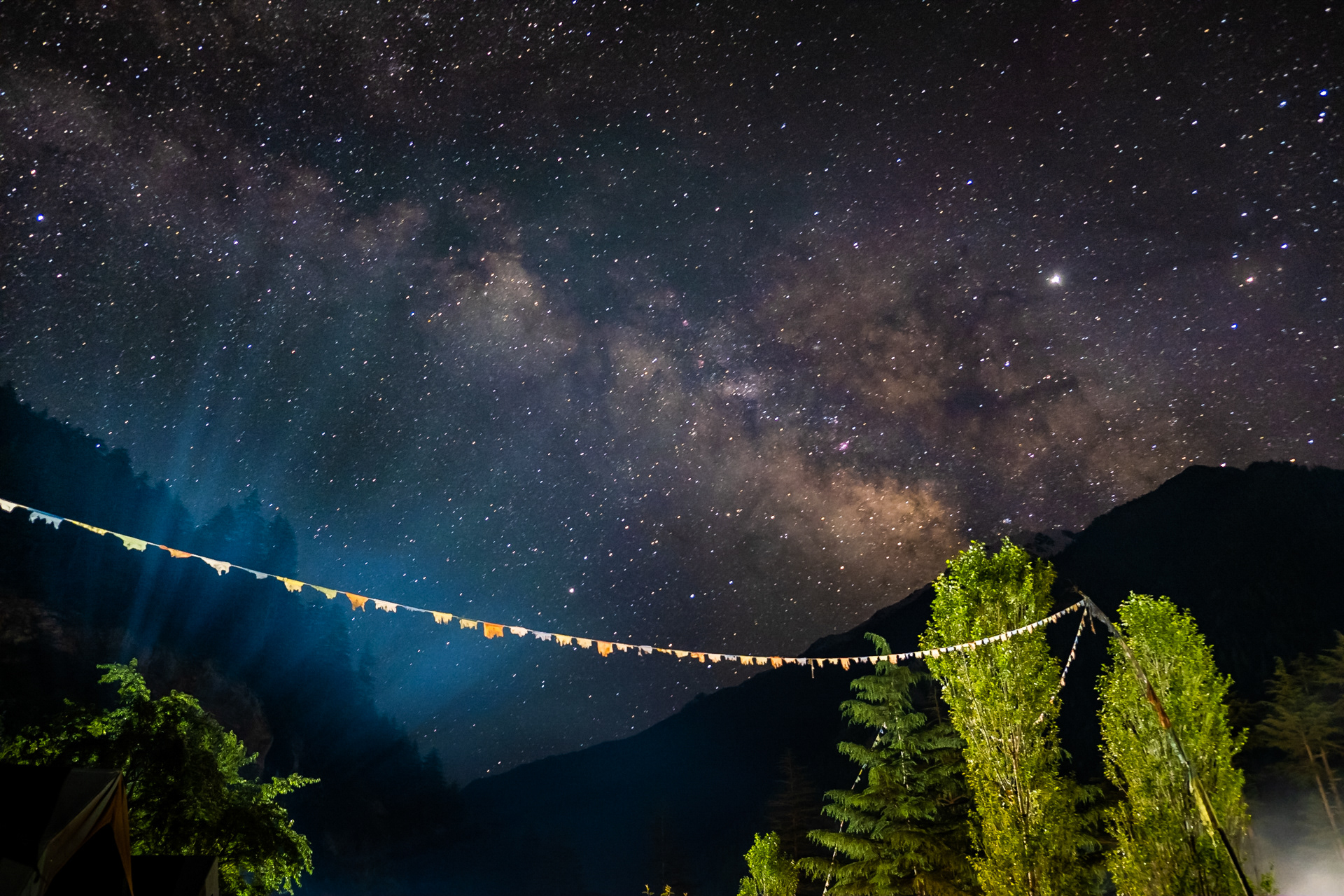
High in the Himalayas, far from the light pollution of cities, lies one of India's most spectacular destinations for astronomy enthusiasts and nature lovers alike. Spiti Valley, with its high-altitude desert landscape, minimal atmospheric disturbance, and crystal-clear skies, offers an unparalleled stargazing experience that will leave you mesmerized. The valley's remote location, situated at elevations between 3,500 to 4,500 meters, provides some of the darkest skies in the country, making it a paradise for those seeking to witness the cosmos in all its glory. What makes Spiti truly special for stargazing is its unique geographical position. The valley is protected by towering mountain ranges on all sides, which shield it from weather systems and urban light pollution. The dry, desert-like climate means minimal cloud cover, especially during the pre-monsoon and post-monsoon seasons, resulting in consistently clear night skies. When you look up in Spiti on a clear night, you're not just seeing stars—you're witnessing the Milky Way stretching across the heavens, countless constellations, planets, and if you're lucky, even shooting stars streaking across the darkness.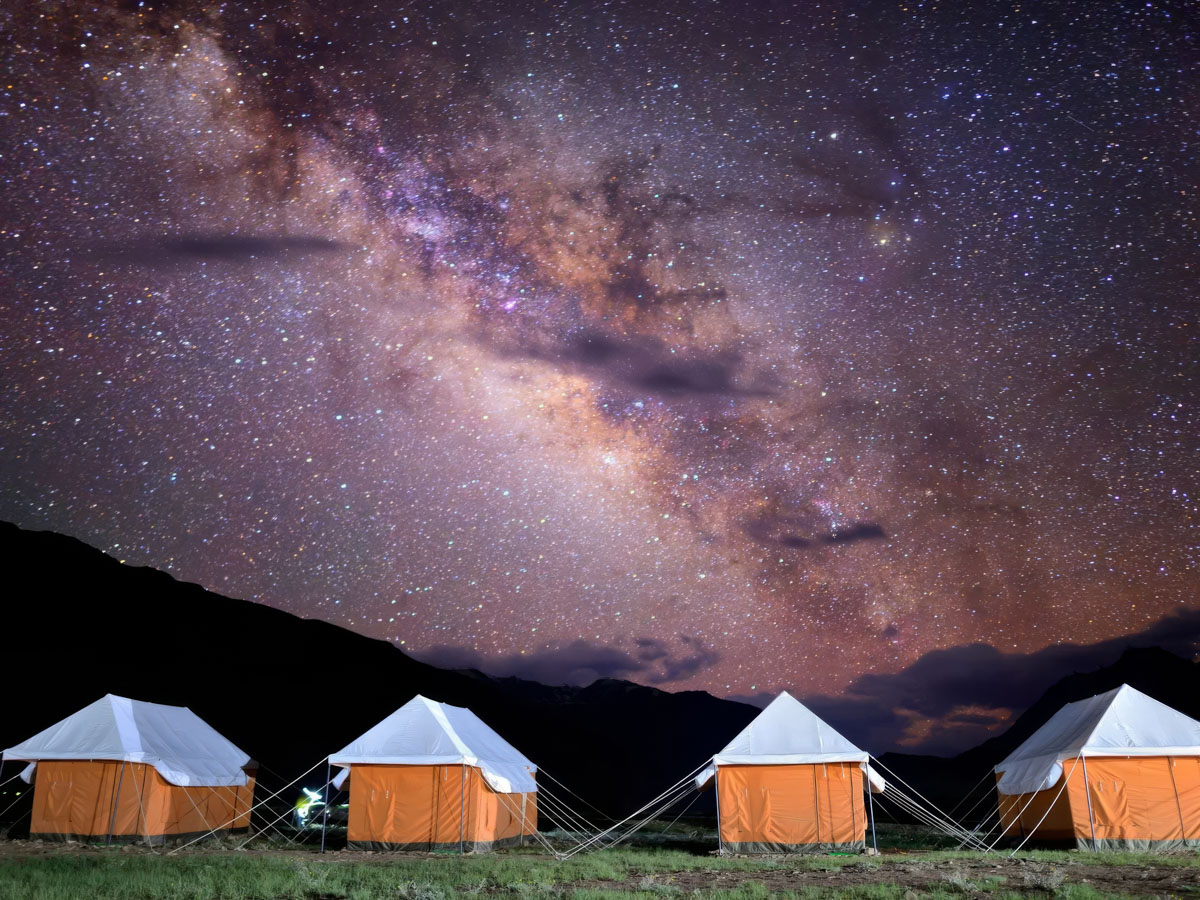
Best Stargazing Locations in Spiti Valley
Spiti Valley offers numerous exceptional locations for stargazing, each with its own unique charm and advantages. The key is to find spots away from any artificial light, at high elevations, with unobstructed views of the horizon. Here are the most remarkable locations that promise unforgettable celestial experiences.Chandratal Lake: The Mirror of Stars
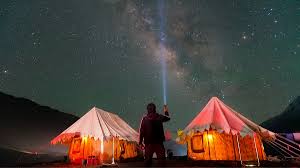
Perhaps the most magical stargazing location in all of Spiti, Chandratal Lake (Moon Lake) sits at an altitude of 4,300 meters and lives up to its name. The lake's crystal-clear waters create a perfect reflection of the night sky, effectively doubling the celestial display. Imagine gazing at the Milky Way above while its reflection shimmers in the calm waters below—it's an experience that borders on the surreal. The lake is accessible only during summer months (June to October) and requires a journey of about 60 km from Kaza. Most visitors camp overnight, which allows for exceptional stargazing opportunities. The absence of any nearby settlements ensures complete darkness, and the high altitude means thinner atmosphere and clearer views. The best spot is slightly elevated from the lakeshore, where you can set up your camera or simply lie back and take in the cosmic show.Kaza: Valley Floor Stargazing
As the largest town in Spiti, Kaza might seem like an unlikely choice, but the areas just outside town offer excellent stargazing opportunities. The advantage of Kaza is accessibility—it's easier to reach, has accommodation options, and you don't need to trek far to find dark skies. Head to the outskirts of town, particularly towards the south and west where the lights of the settlement don't interfere. The roof of your hotel or guesthouse in Kaza can also be surprisingly good for stargazing, especially if it's away from the main market area. Many accommodations in Kaza are accustomed to astronomy enthusiasts and can guide you to the best nearby spots. The advantage of staying in Kaza is that you can combine your stargazing with visits to nearby attractions during the day. Explore more things to do in Spiti Valley to plan your complete itinerary.Langza: The Fossil Village Under Stars
Situated at about 4,400 meters, Langza is famous for its fossil deposits and the magnificent golden Buddha statue that overlooks the village. But it's equally remarkable for stargazing. The village's remote location, high altitude, and minimal artificial light make it one of the best spots in Spiti for night sky observation. What makes Langza special is its position on a mountainside, offering unobstructed views in all directions. The village has a few homestays, allowing you to stay overnight and experience the full glory of the night sky. The silhouette of the Buddha statue against the star-filled sky creates a composition that's both spiritual and visually stunning. Many photographers consider Langza one of the premier locations in India for night sky photography.Komic: Asia's Highest Village
At 4,587 meters, Komic holds the distinction of being one of the highest inhabited villages in Asia. This extreme elevation means you're literally closer to the stars than almost anywhere else in the country. The village is small, with just a few houses and a monastery, ensuring virtually no light pollution. The Komic Monastery itself offers an excellent spot for stargazing. The monks are accustomed to visitors and may allow you to use the monastery grounds for night sky observation. The cold at this altitude can be intense, even during summer, so come prepared with warm clothing. The clarity of the sky at Komic is extraordinary—you can see details in the night sky that are simply invisible from lower elevations.Dhankar: Above the Ancient Monastery
The dramatic location of Dhankar Monastery, perched precariously on a cliff edge, provides not just spectacular daytime views but also exceptional stargazing opportunities. The area around the monastery, especially the spots that overlook the confluence of the Spiti and Pin rivers, offers panoramic views of the night sky. For the truly adventurous, the trek to Dhankar Lake (4,270 meters) from Dhankar village rewards you with one of the most secluded stargazing spots in Spiti. The lake reflects the stars just like Chandratal, but it's far less visited, offering a more solitary experience with the cosmos.Pin Valley: Remote Wilderness Stargazing
For those seeking complete wilderness, Pin Valley National Park offers unparalleled opportunities. The valley is even more remote than the main Spiti Valley and sees far fewer visitors. The lack of any settlements, combined with the park's protected status, ensures pristine dark skies. The best approach is to camp in the valley with proper permits. The park is also home to the snow leopard and other rare wildlife, so night visits combine the excitement of potential wildlife sightings with spectacular celestial displays. The cold in Pin Valley can be extreme, even in summer, so this option is best for experienced campers with proper equipment.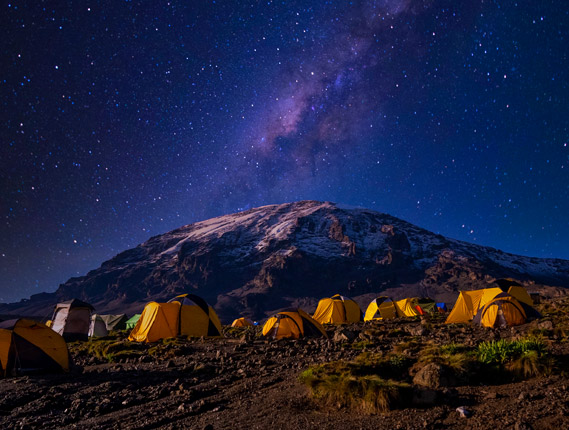
What You Can See in Spiti's Night Sky
The clarity and darkness of Spiti's skies reveal celestial wonders that most people have only seen in photographs. Here's what you can expect to witness during your stargazing adventure in the valley.The Milky Way Galaxy
The most dramatic sight in Spiti's night sky is undoubtedly the Milky Way. From June to September, during the new moon phase, our home galaxy appears as a spectacular band of light stretching across the heavens. To the naked eye, it appears as a glowing river of countless stars. With a camera or binoculars, you can begin to resolve individual stars, nebulae, and star clusters within it. The Milky Way is brightest in the early morning hours (2 AM to 4 AM) during these months. From Spiti's high altitude, the galactic center—the brightest and most detailed part of the Milky Way—rises in the southeast and arcs across the southern sky. Photographing the Milky Way in Spiti is a dream for astrophotographers, with the dramatic landscape providing the perfect foreground.Planets
Several planets in our solar system are regularly visible from Spiti and appear particularly bright due to the clear atmosphere. Jupiter, with its four Galilean moons (visible through binoculars), is a brilliant object in the night sky for much of the year. Saturn, with its distinctive rings (visible through a telescope), is another highlight. Mars appears as a distinctly red object and can be exceptionally bright during its closest approaches to Earth. Venus, visible as either the morning or evening star depending on the time of year, is so bright it can sometimes cast faint shadows. A basic star chart or smartphone app will help you identify which planets are visible during your visit.Constellations
All major constellations visible from the northern hemisphere can be seen from Spiti with remarkable clarity. The Summer Triangle (composed of Vega, Deneb, and Altair) dominates the summer sky. Orion, with its distinctive belt of three stars, is a winter highlight but begins to appear in the late night hours by September. Other notable constellations include Scorpius with its bright red star Antares, the Big Dipper (part of Ursa Major), Cassiopeia with its distinctive W shape, and the Southern Cross, which can be seen low on the southern horizon during certain months.Shooting Stars and Meteor Showers
Spiti's dark skies make it an excellent location for observing meteor showers. On any given night, you might see several sporadic shooting stars—space rocks burning up in Earth's atmosphere. But during annual meteor showers, the display can be extraordinary. The Perseid meteor shower in mid-August is typically the most reliable, with up to 50-100 meteors per hour at its peak. The Geminids in December are also spectacular but coincide with extremely cold weather. The Quadrantids in January and the Leonids in November offer additional opportunities. The key for meteor shower viewing is to time your visit during the new moon phase to maximize darkness.| Meteor Shower | Peak Dates | Rate Per Hour | Visibility Conditions |
|---|---|---|---|
| Perseids | August 11-13 | 50-100 | Summer, accessible |
| Geminids | December 13-15 | 100-150 | Winter, very cold |
| Quadrantids | January 3-4 | 40-100 | Winter, extremely cold |
| Leonids | November 17-18 | 10-20 | Late autumn, cold |
Satellites and the International Space Station
From Spiti's dark skies, you can frequently see satellites moving across the heavens. They appear as steady points of light moving in straight lines, distinct from airplanes which have blinking lights. The International Space Station (ISS) is particularly bright and can be even brighter than Venus at times. Various websites and apps can predict when the ISS will be visible from Spiti during your visit.Best Time for Stargazing in Spiti Valley
Timing is crucial for the best stargazing experience in Spiti. Several factors need to align—clear skies, darkness, and accessible locations. Here's a detailed guide to planning your stargazing trip.Seasonal Considerations
The best seasons for stargazing in Spiti are late spring (May-June) and autumn (September-October). During these periods, the weather is relatively stable with minimal cloud cover, the temperatures are manageable (though still cold at night), and all areas of Spiti are accessible via the roads from Manali and Shimla. Summer (July-August) can also be good for stargazing, but these months coincide with the monsoon, which can bring unpredictable cloud cover. However, even during monsoon, there are often clear nights, and the advantage of visiting in summer is that the Milky Way is most prominent during these months. Winter (November-April) offers the clearest skies of the year, but extreme cold (temperatures dropping to -20°C or lower) and road closures make it challenging. Only experienced winter travelers with proper equipment should attempt stargazing during this period. The reward, however, is exceptionally clear skies and the possibility of seeing aurora-like phenomena during periods of high solar activity.Moon Phases
The phase of the moon is critical for stargazing. A full moon illuminates the sky and washes out all but the brightest stars. For the best experience, plan your visit during the new moon phase (when the moon is not visible in the night sky) or during the first quarter (when the moon sets in the early evening). A good rule of thumb is to avoid the week before and after the full moon. During the week around the new moon, conditions are optimal. You can check moon phase calendars online to plan your trip accordingly. Even if you can't visit during the new moon, the last quarter moon (which rises after midnight) still gives you several hours of darkness before moonrise.Time of Night
The best time for stargazing is typically between 10 PM and 3 AM. During these hours, the sky is darkest, and more celestial objects are visible. In summer, the Milky Way is most prominent in the pre-dawn hours (2 AM onwards). In autumn, it rises earlier and may be visible by 11 PM or midnight. If you're photographing the night sky, the hours around astronomical midnight (when the sun is farthest below the horizon) offer the darkest skies. This varies by season but is typically around midnight to 1 AM.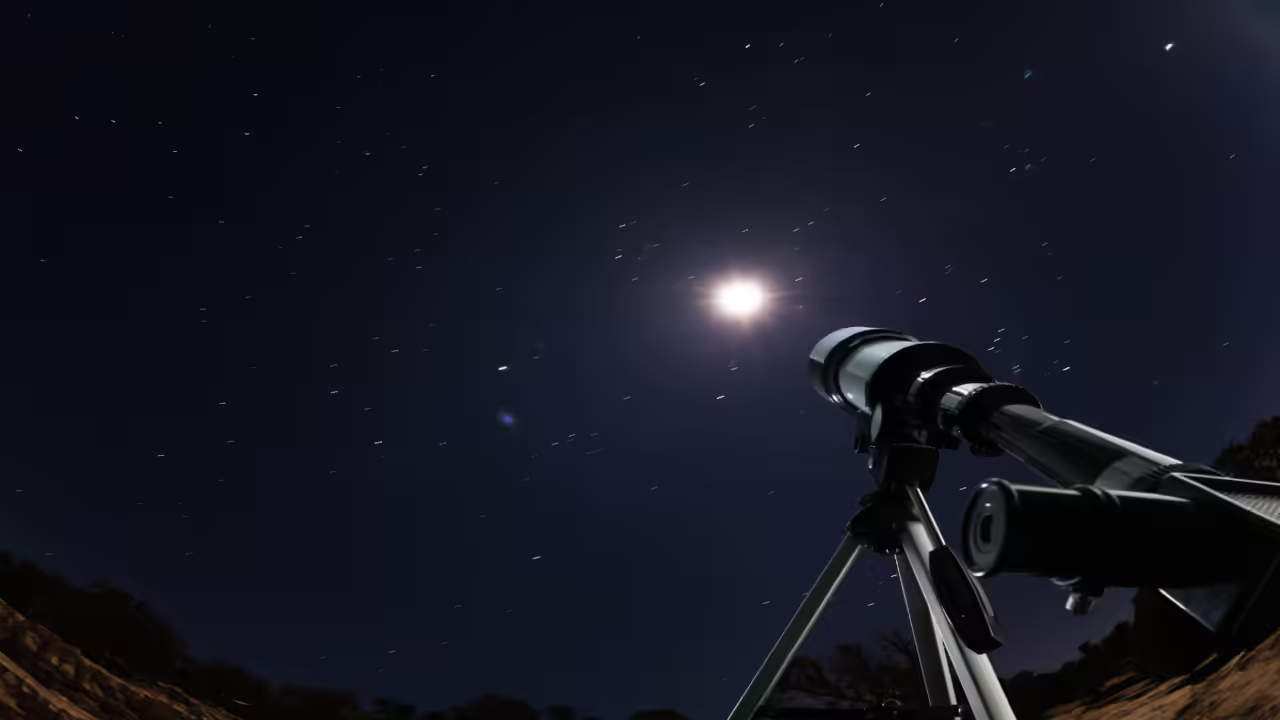
Photography Tips for Night Sky in Spiti
Capturing the beauty of Spiti's night sky requires some specialized knowledge and equipment, but the results can be truly spectacular. Here's what you need to know for astrophotography in the valley.Essential Equipment
A DSLR or mirrorless camera with manual mode capability is essential. The camera should allow you to take long exposures (30 seconds or more) and have adjustable ISO settings. Full-frame cameras generally perform better in low light, but modern crop-sensor cameras can also produce excellent results. A wide-angle lens with a large aperture is ideal. Look for lenses in the 14-24mm range with apertures of f/2.8 or wider. The wider the lens, the more of the sky you can capture, and the larger the aperture (smaller f-number), the more light you can gather. A sturdy tripod is non-negotiable. Your camera will be taking long exposures (sometimes 20-30 seconds), and any camera shake will blur the image. In Spiti's often windy conditions, a heavy, stable tripod is worth the extra weight. A remote shutter release or intervalometer allows you to trigger the camera without touching it, preventing camera shake. If you don't have one, you can use your camera's built-in timer function.Camera Settings
For Milky Way photography, a good starting point is:- Aperture: Wide open (f/2.8 or the lowest number your lens allows)
- ISO: 3200-6400 (adjust based on noise levels)
- Shutter Speed: 20-30 seconds (any longer and stars will begin to trail)
- Focus: Manual focus set to infinity (use live view to focus on a bright star)
- File Format: RAW (essential for post-processing)
Composition
What makes Spiti special for astrophotography is the dramatic landscape. Including elements of the landscape—mountains, monasteries, villages, trees—adds scale and interest to your images. The golden Buddha statue in Langza, prayer flags, chortens, and traditional Spitian architecture all make excellent foregrounds. Experiment with different angles and perspectives. Sometimes a low angle that includes more foreground works well. Other times, pointing the camera almost straight up to capture more of the Milky Way is effective. Don't be afraid to try multiple compositions.Post-Processing
RAW files from night photography often need post-processing to bring out the best in your images. Basic adjustments include increasing exposure, boosting contrast, adjusting white balance (cooler temperatures often look better for night skies), and reducing noise. For more advanced processing, you can stack multiple exposures to reduce noise, or combine separate exposures for the sky and foreground (blending) to get the best exposure for both elements. Various software options are available for astrophotography post-processing.What to Bring for Stargazing in Spiti
Proper preparation is essential for a comfortable and enjoyable stargazing experience in Spiti's harsh environment. Here's a comprehensive packing list.Clothing
Even during summer, night temperatures in Spiti can drop to freezing or below. Layered clothing is essential:- Base Layer: Thermal tops and bottoms (merino wool is excellent)
- Mid Layer: Fleece jacket or sweater
- Outer Layer: Windproof and waterproof jacket
- Bottoms: Trekking pants with thermal base layer
- Extremities: Warm hat, gloves, thick socks, and a scarf
Comfort Items
- Headlamp: Essential for moving around in the dark. Choose one with a red light mode to preserve night vision.
- Portable Chair or Mat: Sitting or lying on the cold ground for hours is uncomfortable. A lightweight camping chair or foam mat makes a big difference.
- Blanket: Even with warm clothing, having a blanket to wrap yourself in is welcome during long observation sessions.
- Hot Beverages: A thermos with hot tea, coffee, or soup helps maintain body temperature.
- Snacks: High-energy foods like nuts, chocolate, or granola bars keep your energy up.
Electronics
- Power Bank: Cold drains batteries faster. A fully charged power bank is essential for your phone or camera.
- spare Batteries: Keep camera batteries warm in an inner pocket to preserve their charge.
- Smartphone Apps: Download star chart apps like Stellarium, SkyView, or Photo Pills to help identify stars and plan shots.
Accommodation for Stargazing
Where you stay significantly affects your stargazing experience. Here are the best options for astronomy enthusiasts in Spiti.Homestays in Remote Villages
For the most authentic experience, consider staying in homestays in Spiti Valley in villages like Langza, Komic, or Kibber. These family-run accommodations offer basic but comfortable rooms, traditional Spitian meals, and hosts who can guide you to the best stargazing spots nearby. The advantage of homestays is that you're already in dark sky locations—just step outside and look up. Popular homestays include:- Langza Homestay: Basic but clean rooms with incredible views
- Komic Village Homestay: One of the highest accommodations in the world
- Kibber Homestay: Comfortable options at 4,200 meters
Chandratal Camping
For the ultimate stargazing experience, camping near Chandratal Lake is unmatched. Several operators set up tented camps near the lake during summer (June to October). These camps provide tents, sleeping bags, and meals. The luxury level varies from basic dome tents to more comfortable Swiss tents with beds. Book Chandratal camps in advance through Kaza-based operators. Note that the camps are seasonal and weather-dependent—if conditions turn bad, operators may cancel for safety reasons.Kaza Hotels and Guesthouses
For those who prefer more amenities, Kaza offers various hotels and guesthouses. While Kaza has some light pollution, the outskirts of town and rooftops of hotels away from the main market can still offer good stargazing. Some hotels in Kaza even organize stargazing sessions with telescopes. Notable options include:- The Chamba Retreat: Mid-range hotel with rooftop access
- Spiti Holiday Inn: Comfortable rooms and helpful staff
- Hotel Sakya Abode: Budget-friendly with mountain views
Safety and Practical Considerations
Stargazing in Spiti comes with certain risks and challenges. Here's how to stay safe and comfortable.Altitude Sickness
Spiti's high elevation can cause acute mountain sickness (AMS). Symptoms include headache, nausea, dizziness, and shortness of breath. To minimize risk:- Acclimatize properly—spend at least 2-3 days at intermediate altitudes before reaching Spiti
- Stay hydrated—drink 3-4 liters of water per day
- Avoid alcohol and sedatives
- Descend if symptoms worsen
Cold Weather Risks
Hypothermia and frostbite are real risks, especially during nighttime observation sessions. Watch for:- Shivering (early sign of hypothermia)
- Numbness in extremities (frostbite risk)
- Confusion or drowsiness (advanced hypothermia)
Wildlife
Spiti is home to snow leopards, Tibetan wolves, and other wildlife. While attacks on humans are extremely rare, it's important to:- Never leave camp alone at night
- Store food properly to avoid attracting animals
- Carry a whistle or noise-making device
- Respect wildlife—observe from a distance
Leave No Trace
Spiti's ecosystem is fragile. Practice responsible stargazing:- Carry back all trash
- Avoid damaging vegetation
- Respect local customs and religious sites
- Minimize light pollution—use only necessary lights with red filters
Planning Your Stargazing Trip to Spiti
A well-planned trip ensures the best stargazing experience. Here's a suggested itinerary and planning tips.Sample 7-Day Stargazing Itinerary
For those comparing high-altitude destinations, you might also be interested in reading about Spiti vs Ladakh road trip comparisons.
| Day | Location | Activity |
|---|---|---|
| Day 1 | Manali/Simla | Acclimatization, preparation |
| Day 2 | Kaza | Travel to Kaza, rest |
| Day 3 | Kaza | Visit Key Monastery, night stargazing near Kaza |
| Day 4 | Langza | Travel to Langza, Buddha statue visit, night stargazing |
| Day 5 | Komic | Travel to Komic, monastery visit, night stargazing |
| Day 6 | Chandratal | Travel to Chandratal, camping, night stargazing |
| Day 7 | Kaza/Return | Return journey |
Budget Considerations
A week-long stargazing trip to Spiti typically costs:- Transportation: ₹15,000-25,000 (hiring a vehicle from Manali/Shimla)
- Accommodation: ₹3,000-8,000 (homestays/guesthouses)
- Food: ₹2,000-4,000
- Permits and Fees: ₹500-1,000
- Miscellaneous: ₹2,000-5,000
Conclusion
Stargazing in Spiti Valley is more than just an astronomical observation—it's a transformative experience that connects you with the cosmos in one of the most dramatic settings on Earth. The combination of high altitude, minimal light pollution, and spectacular Himalayan landscapes creates conditions that are hard to match anywhere else in India. Whether you're an experienced astrophotographer seeking the perfect Milky Way shot, a casual observer who wants to see the stars as they're meant to be seen, or someone simply looking for a unique adventure, Spiti delivers in ways that exceed expectations. The memories of watching the cosmos unfold above ancient monasteries, reflecting in high-altitude lakes, and illuminating jagged peaks will stay with you long after you've returned to the lights of civilization. The key to a successful stargazing trip to Spiti lies in careful planning, proper preparation, and respect for the fragile environment and local culture. Come prepared for the cold, time your visit during the new moon, choose the right locations, and you'll be rewarded with one of the most spectacular shows in the universe—the star-filled sky over Spiti Valley.Location
Frequently Asked Questions
Q1.Where is the best stargazing in Spiti Valley?
Q2.What is the best time for stargazing in Spiti?
Q3.Can we see the Milky Way in Spiti Valley?
Q4.Is stargazing good at Chandratal Lake?
Q5.How to photograph the night sky in Spiti?
Q6.What can we see in Spiti's night sky?
Q7.Is it cold during stargazing in Spiti?
Q8.What should I wear for stargazing in Spiti?
Recommended For You
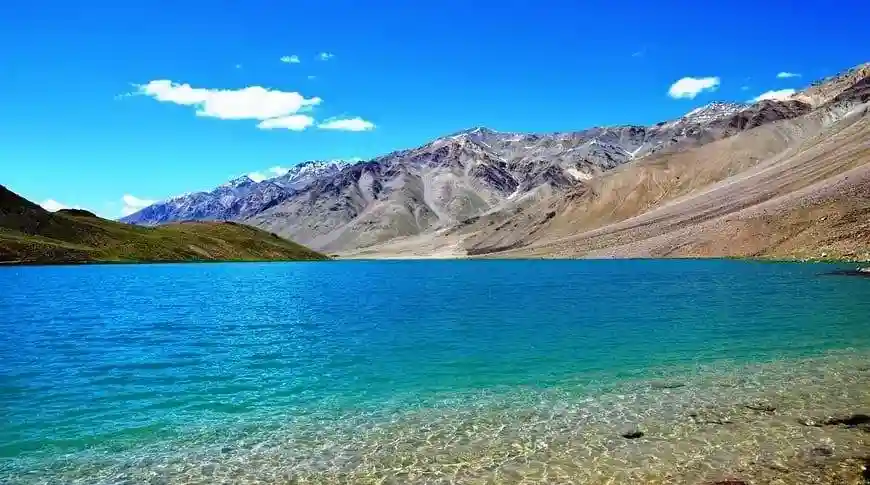
Things to Do in Spiti Valley: Monasteries, Villages & Routes
Discover the top 15 things to do in Spiti Valley including Key Monastery, Chandratal Lake, Pin Valley, ancient villages, and high-altitude adventures. Complete guide with itineraries, costs, and travel tips.
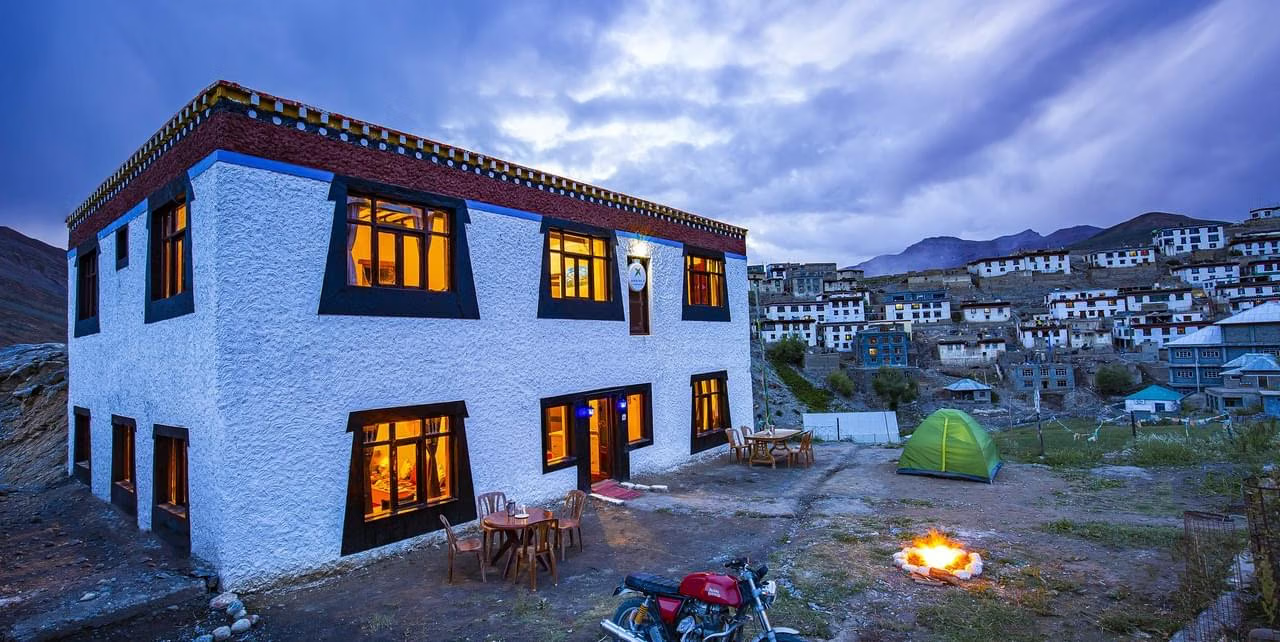
Best Homestays in Spiti Valley: Villages, Prices and Tips
Best homestays in Spiti Valley with village-wise stay options, pricing, facilities, booking strategy, and practical travel tips for high-altitude comfort.
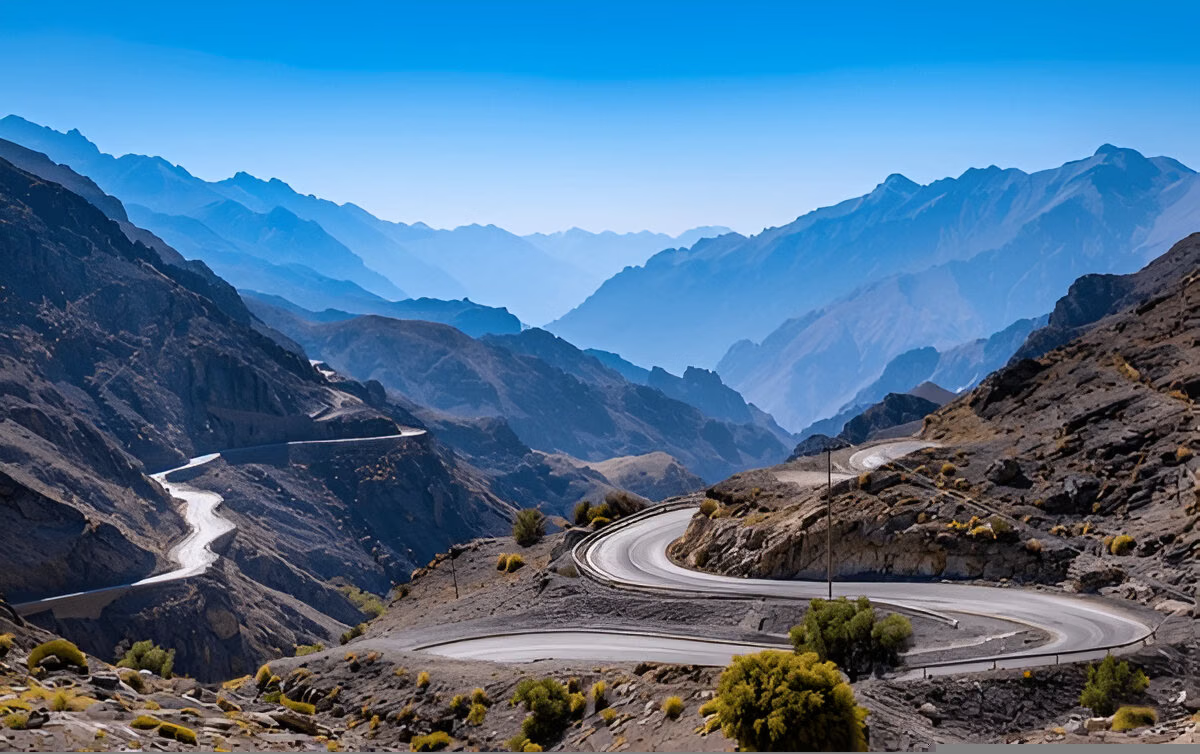
Spiti vs Ladakh: Which is Better?
Comprehensive comparison between Spiti and Ladakh road trips covering difficulty, cost, best time to visit, scenery, and which destination to choose.
Never Miss an Adventure
Get the latest trekking guides, travel tips, and exclusive offers delivered straight to your inbox.
