
Best Homestays in Spiti Valley: Villages, Prices and Tips

Rahul Garg
February 20, 2026
Best homestays in Spiti Valley with village-wise stay options, pricing, facilities, booking strategy, and practical travel tips for high-altitude comfort.
Introduction: Staying Local in the High Himalaya
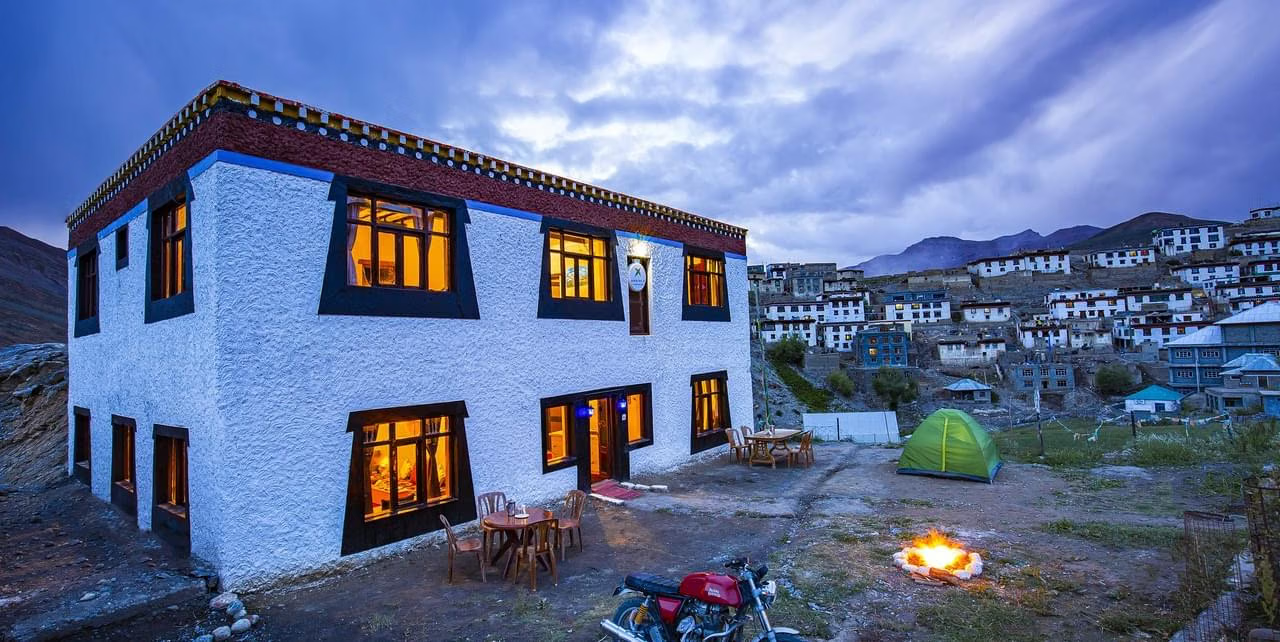
Spiti Valley is one of the few mountain destinations where accommodation directly shapes how deeply you experience the place. You can visit monasteries, lakes, and villages on a fixed route and still miss the core of Spiti if your stay remains detached from local life. Homestays change that. They bring you into homes adapted to altitude, limited resources, and long winters, while giving you a practical base for daily travel in the valley.
From Kaza to Tabo, Kibber to Langza, each village has a different rhythm. Staying with local families helps you understand that Spiti is not one uniform destination. Food patterns, architecture, weather response, and local movement vary from village to village. This is why many travelers who choose homestays report a more memorable trip than those who stay only in standard hotels.
This guide explains where to stay, what homestays in Spiti usually cost, how facilities differ by village, booking strategy for peak season, and realistic expectations at high altitude. If you need a base-town-specific breakdown first, check this focused guide to homestays in Kaza and then build your multi-village plan.
Why Homestays Are the Best Way to Experience Spiti Valley
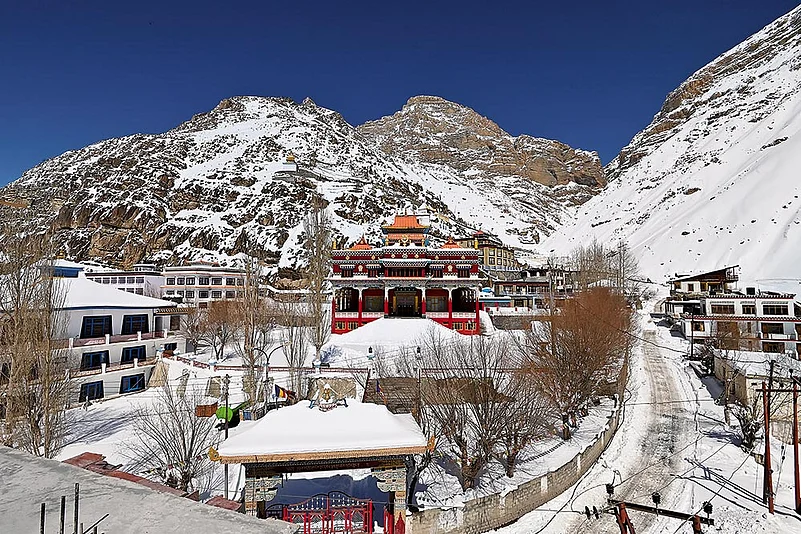
At 3,000 to 4,500 meters across many routes, Spiti demands practical travel habits. Homestays naturally support these habits because hosts live the same conditions year-round. They know which roads are risky after a weather shift, when to leave for passes, how to pace meals, and how to help visitors acclimatize better.
Main benefits of homestays in Spiti
- Cultural immersion: Real interaction with Spitian families, not packaged tourism.
- Better mountain advice: Local route and weather guidance every morning.
- Affordable comfort: Better value than many mid-range valley hotels.
- Home-cooked meals: Consistent food access in remote villages.
- Community support: Your booking directly helps local households.
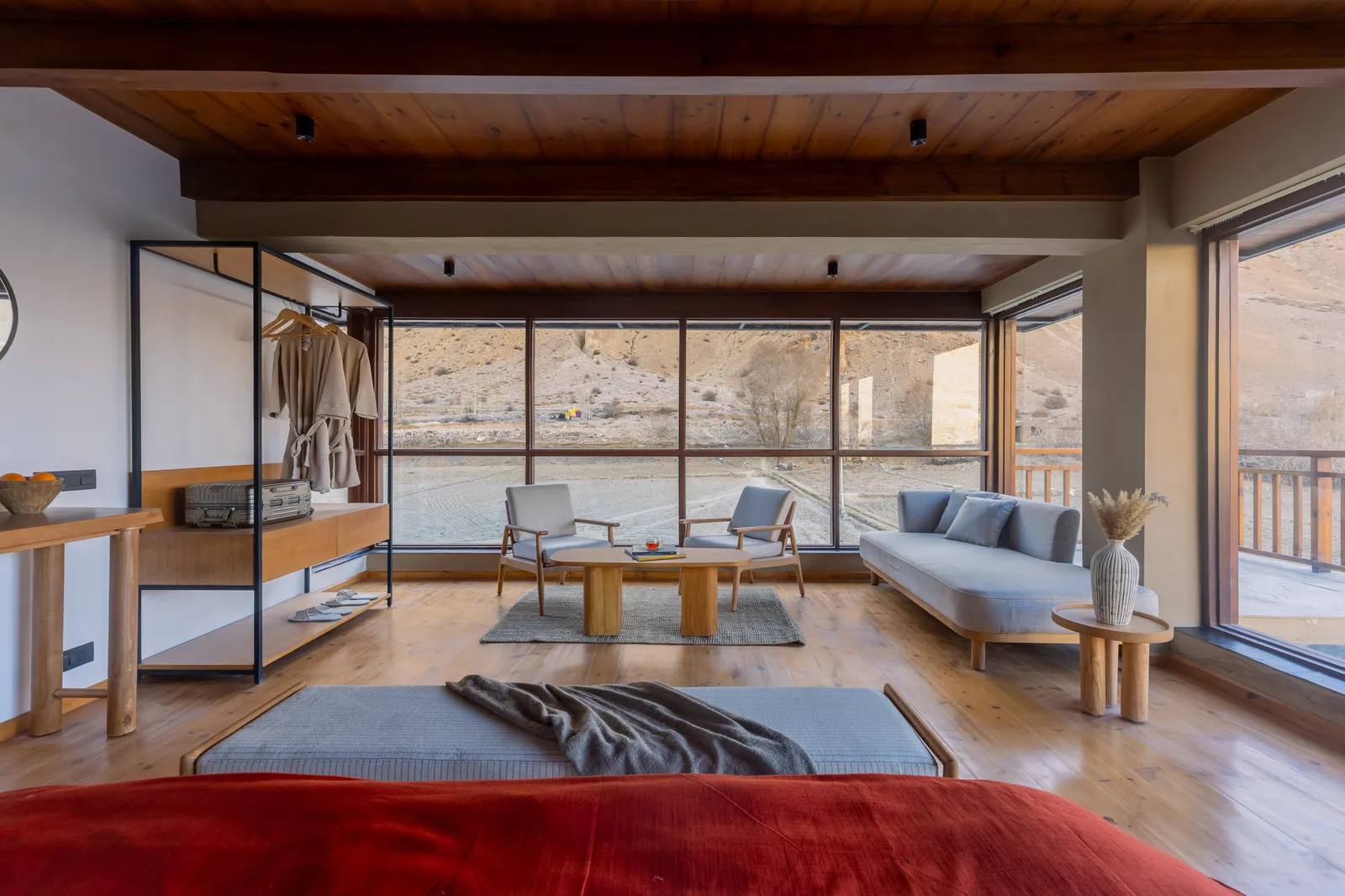
In high-altitude regions, reliability matters more than luxury branding. A simple room with good insulation, warm bedding, and timely meals is often better for overall trip quality than a visually attractive but underprepared property.
Best Villages for Homestays in Spiti Valley
Each village gives a distinct experience. The best approach is to pick one logistics hub and one or two cultural villages, depending on your trip length.
Kaza: logistics hub with maximum options
- Most accommodation inventory in Spiti.
- Good base for Key-Kibber-Langza-Hikkim day loops.
- Better access to cafes, repair shops, and transport.
Tabo: heritage and spiritual depth
- Ideal for monastery-focused travelers.
- Calmer pace than Kaza.
- Good stop when entering/exiting from the Shimla side.
Kibber: altitude and wide plateau views
- Great for landscape-focused travelers.
- Traditional homes and dramatic terrain.
- Excellent sunrise and night-sky conditions in clear weather.
Langza, Hikkim, Komic cluster
- Strong village immersion and slower travel rhythm.
- Useful for travelers who prioritize local life over convenience.
- Expect simpler facilities and limited connectivity.
If you want monastery-rich planning with village stays, this guide to stays in Tabo Village can help you structure your nights better.
Spiti Homestay Price Range and Inclusions
Prices vary by village, road access, season, and room quality. Popular routes and peak weeks naturally cost more.
| Category | Typical Price/Night | Common Inclusions |
|---|---|---|
| Budget Homestay | INR 700-1,200 | Basic room, simple bedding, shared/attached bath |
| Mid-Range Homestay | INR 1,200-2,000 | Better room quality, attached bath, hot water windows |
| Premium Local Stay | INR 2,000+ | Larger rooms, better views, meal-focused service |
Dinner and breakfast may be included or separately charged. Confirm this clearly before payment. In remote villages, food availability after evening hours is limited, so meal inclusion is usually practical and cost-effective.
What changes pricing
- Peak months (May-June, September)
- Attached washroom vs shared setup
- Heating type and reliability
- View-facing rooms and location altitude
- Group size and duration discounts
Facilities: What to Expect and What to Verify
Spiti is remote. Even good homestays run under real mountain constraints. Verify essentials instead of assuming urban standards.
Essential pre-booking checklist
- Hot water: Fixed timing, solar dependency, or bucket service.
- Heating: Bukhari/room heater availability and extra charge rules.
- Electricity: Backup during outage windows.
- Washroom: Attached vs shared and winter usability.
- Meal timings: Early breakfast possible for long day trips.
- Parking access: Especially for bikes and SUVs in narrow lanes.
- Network: Usually weak; do not plan office-critical calls.
Some homestays provide excellent warmth and meal quality but minimal network. Others have stronger access roads but thinner insulation. Pick according to your travel priority: comfort, connectivity, or immersion.
How to Book Homestays in Spiti Valley
Booking strategy should match your route and flexibility. If you are doing a strict day-by-day drive, pre-booking avoids stress. If your schedule is weather-dependent, keep at least one night adaptable.
Recommended booking flow
- Finalize route first: Shimla side entry or Manali side entry.
- Shortlist stays by village cluster, not just by rating.
- Confirm exact location pin and road approach status.
- Get meal/heating/hot-water details in writing.
- Pay only reasonable advance and keep screenshots.
- Reconfirm 1-2 days before arrival.
If you are unsure of seasonal conditions, first review best time to visit Spiti Valley. It helps you avoid mismatched expectations around weather and road accessibility.
Tips for a Better Homestay Experience in Spiti
- Acclimatize in Kaza before moving to higher villages.
- Keep evenings relaxed; altitude fatigue is real.
- Carry reusable bottles and stay hydrated through the day.
- Respect local customs and remove shoes where requested.
- Use water thoughtfully; mountain resources are limited.
- Carry cash for smaller villages where digital payment fails.
- Pack warm sleepwear even in summer months.
Homestays are relationship-driven spaces. Small gestures like eating with hosts when invited, asking before photographing private areas, and following local timing etiquette go a long way. Responsible behavior makes your stay smoother and more respectful.
Sample 6-Day Homestay Split in Spiti Valley
| Day | Night Stay | Focus |
|---|---|---|
| Day 1 | Kaza | Arrival and acclimatization |
| Day 2 | Kaza | Key-Kibber side excursion |
| Day 3 | Langza/Komic area | Village immersion and stargazing |
| Day 4 | Tabo | Monastery and heritage focus |
| Day 5 | Tabo or Kaza | Flexible weather buffer |
| Day 6 | Departure | Exit via planned route |
This split gives a good balance between logistical convenience and authentic village stays. Travelers with more time can add Pin Valley or extra nights in remote villages.
Village-by-Village Homestay Personality Guide
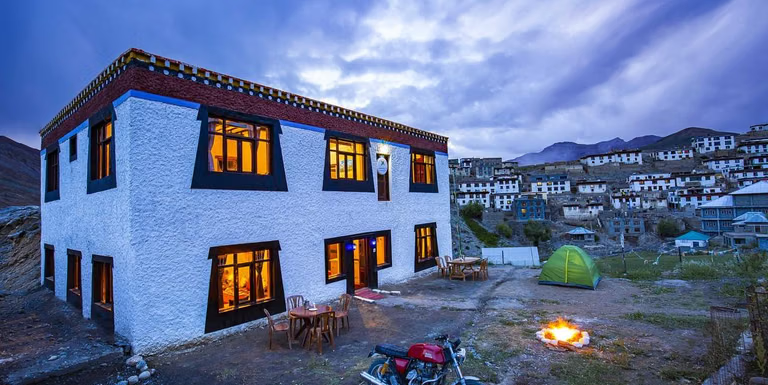
Choosing a village in Spiti is not just about distance. Each location has a distinct stay personality that affects mood, comfort, and trip tempo. Kaza is function-first: easiest supplies, better transport options, and fast access to popular circuits. It suits first-timers, families, and travelers with tight schedules. Kibber feels more open and rugged, with wide landscapes and a stronger sense of high-altitude remoteness. Travelers who enjoy quieter evenings and broad plateau views usually prefer it.
Tabo is ideal for heritage-minded visitors who want monastery access and slower pacing. It works especially well for travelers entering from the Shimla side because it breaks long drives and adds cultural depth early in the trip. Langza and Komic are better for immersion and sky-focused travel. Expect simpler facilities but richer village interaction and memorable sunrise-sunset windows. Hikkim adds a unique stop value in this cluster and can be combined as a half-day loop.
If your trip is 5-6 days, a practical split is 2 nights in Kaza plus 1 night in a higher village plus 1 night in Tabo-side accommodation. This gives you logistical security, visual variety, and meaningful local interaction without excessive transfers. For 7+ days, add an extra village night and one weather buffer day to reduce rush. Travelers who follow this split usually report higher satisfaction than those staying only in one base.
Packing and Etiquette for Homestay Comfort
Comfort in Spiti homestays depends on personal preparedness as much as property quality. Pack layered clothing, thermal sleepwear, light indoor slippers, and reusable water bottles. Carry basic medicines, moisturizers, and lip care because the dry cold can affect sleep and hydration quickly. A small torch and power bank are useful in case of short outages. Keep cash for smaller villages where digital payment may fail.
Respectful behavior is equally important. Ask before photographing hosts or private rooms. Remove shoes where local custom requires it. Keep noise low in evening hours and inform hosts early if you need sunrise departure breakfast. These small habits improve your experience and strengthen trust with local families. In high-altitude destinations, hospitality runs on mutual respect and practical coordination.
Weather, Roads and Stay Flexibility
Even in peak season, Spiti weather can shift quickly and affect road pacing between villages. Travelers who keep rigid transfer plans often lose quality time to delays. A better approach is to plan one flexible movement day and confirm road status with hosts each evening. Homestay families usually have the most current local view, especially for routes where water crossings or road work can create unpredictable slowdowns.
If your itinerary includes higher villages, consider shorter driving windows and earlier starts. This reduces fatigue and gives enough daylight buffer for check-in and acclimatization. Homestays work best when travel pace matches mountain conditions rather than city-style schedules.
Final Verdict
Homestays in Spiti Valley are the most meaningful way to stay if you want more than checklist tourism. They combine value, local insight, and practical high-altitude support in a way standard properties often cannot. The best choice is not the most expensive room, but the stay with reliable warmth, clear communication, and responsive hosts.
Plan village nights thoughtfully, keep one buffer day in your itinerary, and book with realistic expectations. If you do that, your Spiti accommodation will become part of the journey itself, not just a place to sleep between viewpoints.
Location
Frequently Asked Questions
Q1.What is the average homestay price in Spiti Valley?
Q2.Which village is best for homestays in Spiti Valley?
Q3.Do homestays in Spiti provide meals?
Q4.Are Spiti homestays suitable for families?
Q5.Is advance booking required for Spiti homestays?
Q6.Can I rely on Wi-Fi in Spiti Valley homestays?
Q7.What should I expect from facilities in remote village homestays?
Q8.How many nights should I keep for a Spiti homestay trip?
Recommended For You
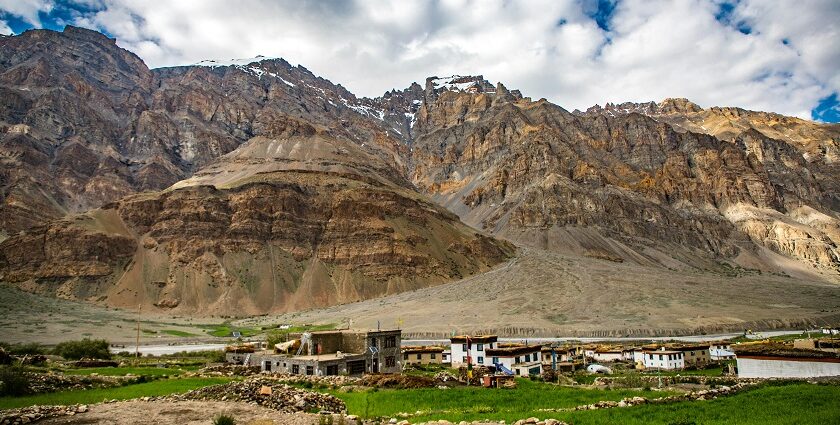
Kaza Spiti Valley: Itinerary, Stays, Route & Permit Information
Complete travel guide to Kaza in Spiti Valley! Find best time to visit, how to reach from Manali/Shimla, weather, hotels, places to visit, and essential travel tips.
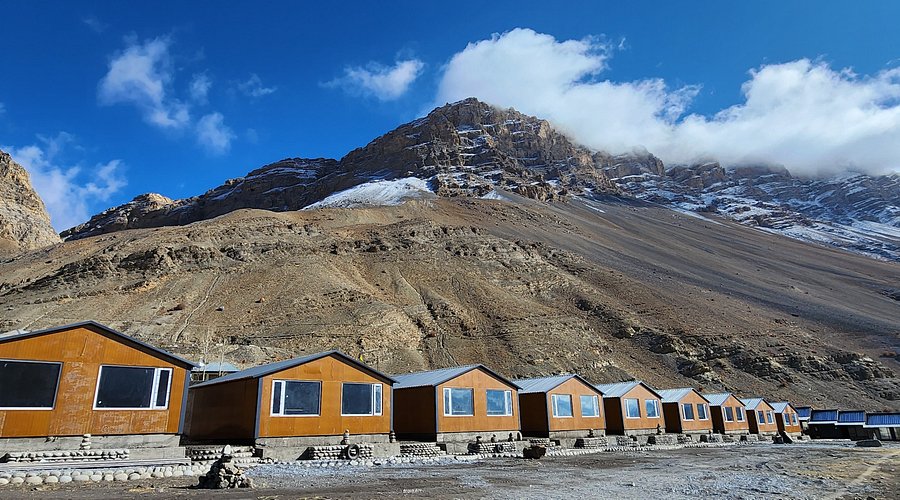
Best Hotels in Spiti Valley: Areas, Budget and Tips
Choose the best hotels in Spiti Valley with area-first planning, season timing, and practical booking tips for reliable stays.
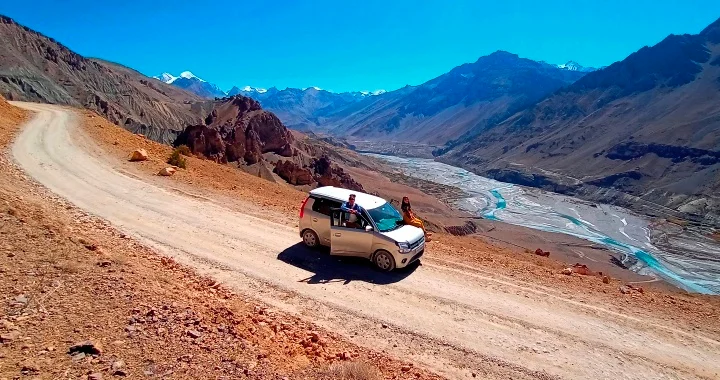
How To Reach Spiti Valley: Routes And Travel Options
Planning a trip to Spiti Valley? Learn how to reach Spiti from Manali & Shimla by road, flight & train. Get routes, timings, permits & essential travel tips.
Never Miss an Adventure
Get the latest trekking guides, travel tips, and exclusive offers delivered straight to your inbox.
