
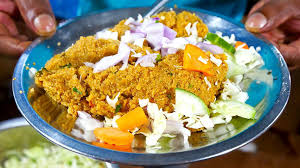
Street Food in Kannur: 15 Must-Try Dishes & Local Spots

Rohit Verma
February 18, 2026
Discover the best street food in Kannur - from legendary Thalassery biryani and spicy Kerala beef fry to crispy pazhampori and Malabar breakfast staples. Explore 15+ must-try dishes, local food spots, and authentic Malabar cuisine experiences.
Kannur, the crown of North Kerala's Malabar region, offers a street food scene that's as rich and layered as its history of spice trade and cultural exchanges. While most travelers associate Kerala with its backwaters and beaches, the culinary landscape of Kannur tells a different story—one shaped by Arab traders, Portuguese influences, and centuries-old Mappila (Muslim) cuisine traditions. The city's street food culture thrives in its thattukadas (roadside stalls), busy food streets near railway stations, and beachside shacks that come alive after sunset.
What makes Kannur's street food special is its distinctive Malabar character—bold use of coconut, fried snacks perfected over generations, seafood that's fresh from the Arabian Sea, and a unique breakfast culture that's unlike anywhere else in South India. Whether you're craving a spicy beef fry, crispy pazhampori with evening tea, or the legendary Malabar biryani, Kannur's streets have something to satisfy every palate.
Why Kannur's Street Food Scene is Unique
Kannur sits in the heart of the Malabar region, an area historically known as the spice coast of India. This legacy is visible in its food—the aromatic use of spices, the influence of Mappila cuisine (traditional Muslim cooking of Kerala), and a breakfast culture that's uniquely North Kerala in spirit. Unlike South Kerala's dominance of rice-based breakfast items like idli and dosa, Kannur mornings are built around wheat-based dishes like Puttu and hearty meat curries.
The city's proximity to the coast means seafood features prominently in street food offerings. From fried fish to prawn preparations, the catch from the Arabian Sea finds its way into small stalls and shacks across the city. The Muslim culinary tradition, especially the Thalassery style of cooking, has given Kannur some of its most iconic dishes—Thalassery biryani, Kerala beef fry, and an array of wheat-based snacks that are now beloved across the state.
Must-Try Street Food Dishes in Kannur
Thalassery Biryani: The Crown Jewel
Thalassery biryani is not just a dish—it's an institution in North Kerala, and Kannur being part of the Thalassery region serves some of the most authentic versions you'll find. What sets this biryani apart from its Hyderabadi or Lucknowi cousins is the use of Khaima rice (a short-grain, fragrant variety called Kaima) instead of Basmati, and a distinct ghee-roasted technique that gives the rice a beautiful, nutty aroma.
The meat—chicken, mutton, or beef—is marinated in yogurt and spices, then cooked separately before being layered with partially cooked rice. The dum (slow cooking) process allows the flavors to meld together perfectly. What makes Thalassery biryani special is the subtle sweetness from raisins and cashews, the generous use of ghee, and the fact that it's less oily than other biryani varieties while being equally flavorful.
In Kannur, you'll find small stalls and budget restaurants serving this biryani, especially near the railway station area and in busy commercial streets. It's typically served with pickles, papad, and sometimes a chammanthi (coconut chutney). A plate costs between ₹120-200 depending on the meat and portion size. For the best experience, try it during lunch hours when it's freshest.
Kerala Beef Fry (Erachi Ularthiyathu)
Beef fry is more than just a dish in Kannur—it's a cultural icon that represents the region's Muslim culinary heritage. The beef is slow-cooked with shallots, ginger, garlic, curry leaves, and a special spice blend until tender, then fried until dark and caramelized with coconut slivers. The result is tender, caramelized beef with crispy coconut bits—spicy, savory, and incredibly addictive.
The secret to great Kerala beef fry lies in the slow cooking process. The beef first simmers in its own juices with spices until almost dry, then gets a final fry with coconut oil and roasted coconut pieces. This two-stage cooking technique ensures the meat is falling-apart tender while developing that characteristic dark, caramelized exterior.
You'll find beef fry at small thattukadas and Muslim-run eateries across Kannur. It's typically served with Kappa (mashed tapioca) or Appam, making for a hearty, satisfying meal. A plate costs between ₹150-250 depending on the portion. For those trying it for the first time, be warned—it's spicy but absolutely worth it.
Pazhampori (Ethakka Appam): The Evening Essential
Walk down any street in Kannur during tea time (4-6 PM), and you'll find stalls frying golden banana fritters. Pazhampori, also known as Ethakka Appam, is Kerala's beloved evening snack. Ripe Nendran bananas—a variety native to Kerala—are sliced lengthwise, dipped in a sweetened batter, and deep-fried to golden perfection.
The choice of banana is crucial here. Nendran bananas are firm, less sweet than dessert bananas, and hold their shape beautifully when fried. The batter—made with flour, sugar, and a pinch of salt—creates a crispy exterior that contrasts perfectly with the soft, sweet banana inside. Pazhampori is the quintessential Kerala evening snack, enjoyed with a cup of hot tea.
You'll find pazhampori at every local tea shop, beachside stall, and roadside eatery in Kannur. It's especially popular during the monsoon season when there's nothing quite like hot fritters and tea to go with the rain. A piece typically costs ₹15-25, making it an affordable treat for anyone.
Puttu and Kadala: The Breakfast Legend
Puttu is perhaps the most iconic breakfast dish of Kerala, and in Kannur, it's a morning ritual you must experience. This cylindrical steamed rice cake is made by layering ground rice and grated coconut in a special mold and steaming to perfection. What makes Puttu special is its texture—soft, crumbly, and slightly earthy from the bamboo steam.
It's typically served with Kadala curry (black chickpea curry) cooked with roasted coconut, spices, and a tempering of mustard seeds and curry leaves. The combination is wholesome, filling, and deeply satisfying. Many Keralites also enjoy Puttu with ripe yellow bananas, papad, or even fish curry.
In Kannur, you'll find Puttu being prepared fresh at small stalls and breakfast eateries, especially in areas near the city center and close to the railway station. It's a breakfast that fuels you for hours and represents the simplicity and genius of Kerala's traditional cuisine. A plate costs between ₹30-60 depending on the accompaniments.
Chaat and Pani Puri: The North Indian Influence
While Kerala has its own rich snacking traditions, Kannur's street food scene also embraces North Indian chaat items. You'll find stalls serving bhelpuri, sevpuri, and pani puri, especially near commercial areas and during evening hours. These chaat items have been adapted to local tastes—often a bit sweeter and less spicy than their North Indian counterparts.
Pani puri, known as gol gappe in some parts of India, is particularly popular. These crispy hollow puris are filled with a mixture of potatoes, chickpeas, and spices, then dipped in tangy mint water and popped into your mouth whole. The experience of eating pani puri is as important as the taste itself—you stand at the stall while the vendor hands you one puri at a time.
In Kannur, you'll find pani puri stalls in areas near the bus stand, commercial streets, and sometimes even near beaches. A plate typically costs ₹30-50 and includes 5-6 puris. For hygiene-conscious eaters, look for stalls that offer filtered water options.
Kuzhi Paniyaram: The South Indian Snack
Kuzhi Paniyaram is a traditional South Indian snack that's popular in Kannur's street food scene. These are small, dumpling-like balls made from fermented rice and urad dal batter, cooked in a special pan with molds. The result is crispy outside, soft inside, and perfectly savory.
What makes Kuzhi Paniyaram special is the tempering that's added to the batter—mustard seeds, curry leaves, ginger, and sometimes green chilies. Some versions include onions, grated coconut, or even coriander for extra flavor. It's typically served with coconut chutney or tomato chutney.
You'll find Kuzhi Paniyaram at breakfast stalls and some evening snack shops in Kannur. It's lighter than fried snacks and makes for a great tea-time accompaniment. A plate typically costs ₹30-50 and includes 6-8 pieces depending on the size.
Samosa and Bajji: Fried Snack Staples
No street food guide is complete without mentioning fried snacks, and Kannur has plenty to offer. Samosas—triangular pastries filled with spiced potatoes and peas—are ubiquitous across the city. You'll find them at tea shops, railway stalls, and dedicated snack shops.
Bajji, or vegetable fritters, are another staple. Slices of potato, onion, plantain, or chili are dipped in gram flour batter and deep-fried to golden perfection. They're crispy outside, soft inside, and perfect with hot tea. In Kannur, you'll especially find plantain bajji (ethakka bajji) being sold at evening tea stalls.
These fried snacks are affordable, with a samosa costing ₹10-15 and bajji pieces costing ₹5-10 each. They're perfect for a quick bite while exploring the city or waiting for transport.
Seafood Street Food Specialties
Fried Fish and Prawn Fry
Being a coastal city, Kannur's street food scene features prominently fresh seafood. You'll find small stalls and shacks, especially near Payyambalam Beach and other coastal areas, serving fried fish and prawn fry. The fish—usually varieties like mackerel (ayala), sardines (mathi), or pearl spot (karimeen)—is marinated in spices, coated in semolina or flour, and shallow or deep-fried to perfection.
The result is fish that's crispy outside, moist inside, and packed with flavor. The coastal breeze, the sound of waves, and hot fried fish make for an experience that's quintessentially Kannur. Prices vary depending on the fish variety and size, typically ranging from ₹100-250 per portion.
Fish Curry and Kappa
While not strictly "street food" in the sense of quick snacks, you'll find small eateries serving fish curry with Kappa (mashed tapioca). This is a traditional Kerala combination that's especially loved in coastal regions. The fish curry—usually made with coconut milk, tamarind, and spices—pairs perfectly with Kappa, which is soft, slightly sour, and perfect for soaking up the curry.
This is more of a meal than a snack, but it's an essential Kannur food experience. You'll find it at small Muslim-run eateries and some thattukadas that specialize in seafood meals. Prices typically range from ₹150-200 for a full meal.
Beverages and Drinks
Sulaimani Chai: The Malabar Tea Tradition
Sulaimani is a unique style of black tea that originated in the Malabar region through Arab trade connections. Unlike the milky, sweet chai common in North India, Sulaimani is a light, refreshing black tea flavored with cardamom, sometimes mint, and finished with a squeeze of lemon.
The name "Sulaimani" is believed to refer to Solomon, and the tea was traditionally served after meals to aid digestion. It's less milky than regular chai, making it lighter and more refreshing. The lemon adds a bright note that cuts through the richness of spicy snacks and fried foods.
In Kannur, especially in areas with strong Muslim culinary traditions, you'll find Sulaimani being served at certain tea shops and after meals at some eateries. It's a perfect ending to a rich Malabar meal and a beverage that's uniquely tied to this region's history.
Special Tea and Filter Coffee
Regular milky tea (called "special tea" in Kerala) is ubiquitous across Kannur's street food scene. Every tea shop, every thattukada, and every railway stall serves this sweet, milky brew that's the fuel for millions of Keralites. What makes Kannur's special tea worth trying is the unique brewing style—strong tea leaves boiled with milk and sugar, sometimes with a hint of ginger or cardamom.
Filter coffee, while more associated with South Indian cities, is also available in Kannur, especially at Brahmin-run eateries and certain Udupi restaurants. The South Indian filter coffee—strong, frothy, and slightly sweet—is a morning ritual for many.
Prices are incredibly affordable—a cup of special tea costs ₹10-15, while filter coffee typically costs ₹20-30. These beverages are the perfect accompaniment to any of Kannur's street food offerings.
Fresh Fruit Juice and Sharbats
Given Kerala's tropical abundance, you'll find stalls selling fresh fruit juices across Kannur. Popular options include pineapple juice, mango juice, and tender coconut water (nariyal paani). These are refreshing, healthy options especially welcome in Kerala's humid climate.
Sharbats—sweet, diluted fruit squashes—are also popular, especially rose sharbad and lemon sharbad. These cooling drinks are perfect for washing down spicy snacks. Prices typically range from ₹20-50 per glass depending on the juice variety.
Famous Street Food Locations in Kannur
Near Kannur Railway Station
The area around Kannur railway station is a hub for street food, especially budget-friendly options catering to travelers. You'll find stalls serving everything from Thalassery biryani to beef fry, tea and snacks, and quick bites. The high turnover means food is generally fresh, and the competitive pricing keeps costs reasonable.
This area is especially bustling in the mornings with breakfast options and in the evenings with snacks and tea. It's a good place to sample multiple items in one go, as you can hop from one stall to another.
Payyambalam Beach Area
Payyambalam Beach, one of Kannur's most popular beaches, has its share of street food stalls, especially in the evenings. You'll find vendors selling fried fish, pazhampori, tea, and other snacks. The combination of sea breeze and hot snacks makes for a perfect evening.
The beach is also a great place to try tender coconut water from vendors who set up shop here. The fresh coconut water is refreshing after a walk along the beach.
City Center and Commercial Streets
The city center and main commercial areas of Kannur have numerous street food options. From small thattukadas serving tea and snacks to slightly more established eateries specializing in Malabar cuisine, you'll find plenty of options here.
These areas are especially busy in the evenings when people finish work and stop for a quick bite before heading home. The variety is excellent—you can try everything from chaat to beef fry to biryani within a small radius.
Thavakkara and Nearby Areas
Thavakkara, a bustling commercial area in Kannur, has its share of street food stalls and budget eateries. This is a good place to try local favorites like beef fry, biryani, and traditional Kerala breakfast items. The competitive nature of the area means quality is generally good, and prices are reasonable.
Street Food by Time of Day
Morning Breakfast Culture (7-10 AM)
Mornings in Kannur are built around hearty breakfast options. Unlike South Kerala's dominance of idli and dosa, Kannur mornings favor Puttu with Kadala, Appam with stew, and sometimes even meat curries for breakfast. You'll find breakfast stalls near residential areas, close to the railway station, and in certain commercial areas that open early.
The morning breakfast culture here is unique—meat curries, especially beef fry and chicken curry, are not uncommon breakfast items in Kannur's Muslim-influenced food culture. If you're an early riser, this is the best time to experience authentic Kannur breakfast traditions.
Afternoon Options (12-3 PM)
Afternoon is when many eateries serve full meals, including biryani, fish curry meals, and traditional Kerala thali options. While not strictly "street food," you'll find small, budget eateries serving these meals at very reasonable prices.
The railway station area and commercial zones are good places to find lunch options. Biryani is especially popular as a midday meal, and many places specialize in Thalassery-style biryani that's worth trying.
Evening Snack Time (4-7 PM)
This is perhaps the best time to explore Kannur's street food scene. As the workday ends, streets come alive with tea stalls and snack vendors. Pazhampori being fried, the aroma of freshly made samosas and bajjis, and the buzz of people gathering for evening tea create an atmosphere that's uniquely Kannur.
Tea stalls are at their busiest during these hours, serving hot cups of special tea alongside an array of snacks. Beach areas also come alive in the evenings, with vendors setting up stalls selling fried fish and other seaside snacks.
Late Night Options (8-11 PM)
While Kannur doesn't have the same late-night food culture as cities like Mumbai or Bangalore, you can still find options after dinner. Some eateries, especially those serving biryani and full meals, remain open late. Certain thattukadas in busy areas also operate past 10 PM, catering to night-shift workers and late-night diners.
Options at this hour are more limited, but you can usually find biryani, beef fry, and tea if you know where to look. The railway station area is a good bet for late-night food options.
Hygiene and Safety Tips
While Kannur's street food is delicious and generally safe, it's wise to take some basic precautions. Choose stalls that are busy with customers—high turnover usually means fresh food. Look for stalls where food is being cooked fresh in front of you rather than items that have been sitting out.
Hot, freshly cooked food is generally safer than cold dishes. Fried items like pazhampori, samosas, and bajjis are usually safe as the high heat kills most bacteria. Pay attention to the water source—stalls that use filtered or bottled water are generally safer, especially for chaat items and beverages.
Carry hand sanitizer and use it before eating. If you have a sensitive stomach, start with milder dishes like Puttu before trying spicier items like beef fry. Finally, trust your instincts—if a place doesn't look clean or the food doesn't smell fresh, it's better to skip it.
Vegetarian and Non-Vegetarian Options
Kannur's street food scene has a good balance of vegetarian and non-vegetarian options. Vegetarians can enjoy pazhampori, samosas, bajjis, chaat items, pani puri, Puttu (when served with vegetarian accompaniments), and various tea-time snacks.
Non-vegetarians are in for a treat—Kannur's Mappila cuisine tradition means excellent beef fry, chicken fry, fish preparations, and meat-based biryani. The non-vegetarian options here are often the star attractions and represent the region's culinary heritage at its best.
Combining Street Food with Sightseeing
One of the best ways to experience Kannur's street food is to combine it with sightseeing. Payyambalam Beach offers both beautiful views and excellent street food options—you can spend an evening walking along the beach and sampling snacks from beachside stalls.
The St. Angelo Fort area has historical significance and nearby food options, making it a good combination. The city center has shopping areas where you can explore local markets and take breaks for street food snacks. If you're visiting Kannur, plan your food stops around your sightseeing itinerary for the best experience.
Price Guide for Kannur Street Food
Kannur's street food is incredibly affordable, offering excellent value for money. Budget snacks like pazhampori, samosas, and bajjis typically cost under ₹30 per piece. Tea and coffee range from ₹10-30 per cup. Mid-range items like Kuzhi Paniyaram, chaat items, and pani puri usually cost ₹30-60 per plate.
Fuller meals like biryani, beef fry with accompaniments, and fish curry meals range from ₹120-250 depending on the portion and ingredients. Prices are very reasonable compared to restaurant meals, making street food an excellent way to experience local cuisine without breaking the bank.
Street Food Etiquette and Tips
When eating at Kannur's street stalls, it's common to stand and eat, especially at tea stalls and quick-snack places. For fuller meals at small eateries, you'll usually find basic seating. Pay after you finish eating in most places—order, eat, and then settle the bill at the counter.
Tipping is not mandatory at small street stalls, but leaving small change (₹5-10) is appreciated, especially at places you frequent. Don't be afraid to ask for less spicy versions—most vendors will accommodate your request, especially for beef fry and biryani.
Finally, be adventurous but sensible. Try new dishes, ask vendors for recommendations, and don't hesitate to sample items that locals are eating. The best street food experiences often come from following the crowd and being willing to step outside your comfort zone.
Seasonal Specialties
While most street food items are available year-round in Kannur, some items have seasonal connections. Pazhampori and other fried snacks are especially popular during the monsoon season (June-September) when there's nothing quite like hot snacks and tea in the rain.
During Ramadan, areas with Muslim populations see special food items being prepared for Iftar (breaking of the fast). While not strictly street food, this is a great time to explore Kannur's culinary traditions if you have local connections to guide you.
Conclusion: The Flavor of North Kerala
Kannur's street food scene is a reflection of its history, geography, and culture—the Arab spice trade influences, the Mappila culinary traditions, the bounty of the Arabian Sea, and Kerala's love for coconut and spices. From the legendary Thalassery biryani to the humble pazhampori with evening tea, every dish tells a story of this region's unique place in Kerala's culinary landscape.
What makes Kannur's street food special is its authenticity. Unlike touristy areas where food is often adapted to international tastes, Kannur's street food remains unapologetically local—spicy, flavorful, and rooted in tradition. Whether you're a seasoned food traveler or someone trying Malabar cuisine for the first time, Kannur's streets offer a gastronomic adventure that's both accessible and deeply satisfying.
So the next time you're in North Kerala, skip the restaurants for a meal and head to the streets instead. That's where the real flavor of Kannur lies—in its thattukadas, tea stalls, and beachside shacks serving food that's been perfected over generations. Your taste buds will thank you.
Location
Frequently Asked Questions
Q1.What is the most famous street food in Kannur?
Q2.Where can I find the best Thalassery biryani in Kannur?
Q3.What are the must-try street foods in Kannur for first-time visitors?
Q4.Is Kannur street food safe to eat?
Q5.What is the best time to explore Kannur street food?
Q6.What is Thalassery biryani and how is it different?
Q7.Where are the best street food locations in Kannur?
Q8.What is Kerala beef fry and where can I try it in Kannur?
Q9.What is pazhampori and when is it popular in Kannur?
Q10.How much does street food cost in Kannur?
Recommended For You
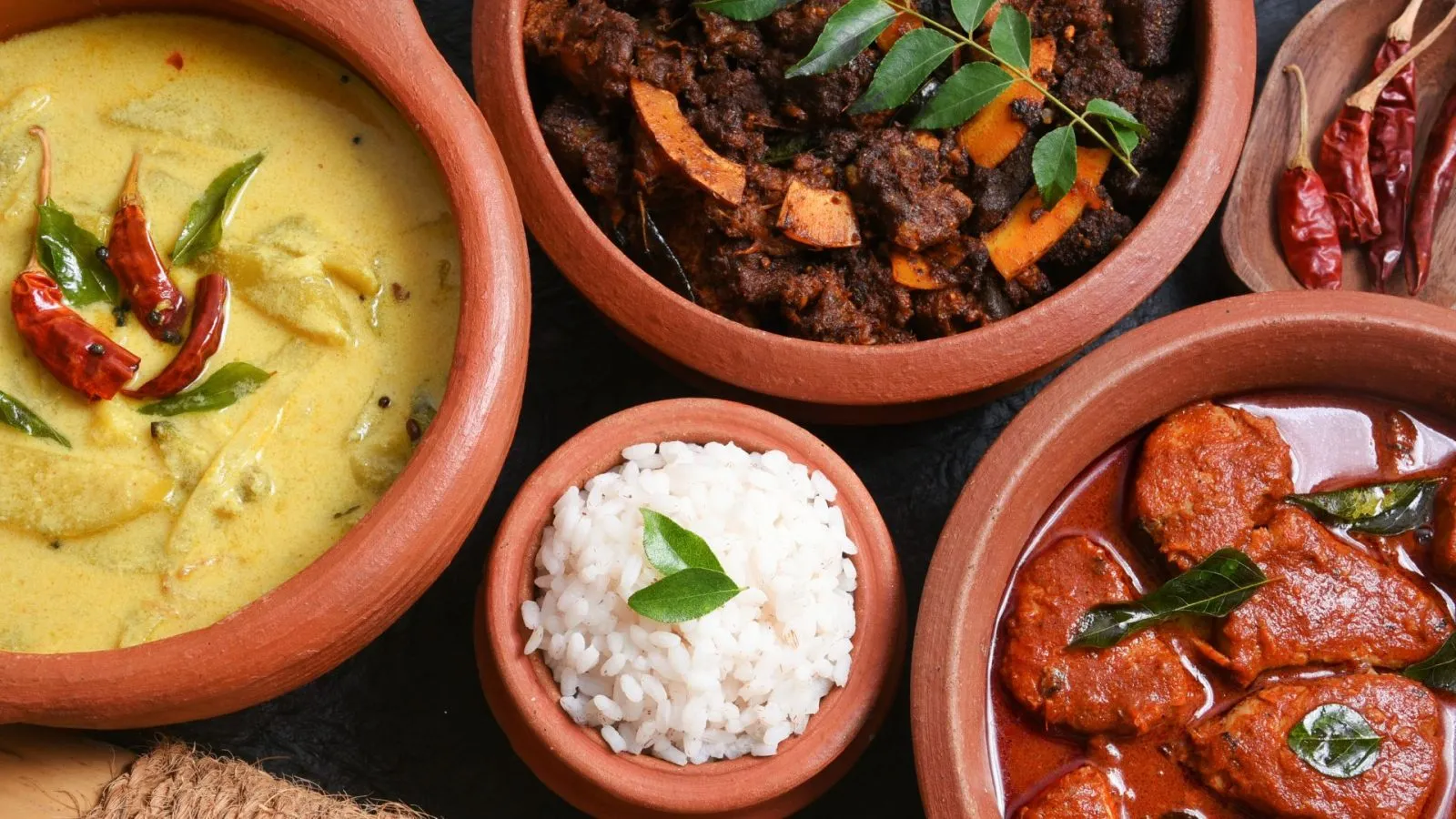
Famous Food in Kerala: 15 Must-Try Dishes
Discover the famous food of Kerala. From Appam & Stew to Karimeen Pollichathu and Sadhya. A culinary journey through God's Own Country with 15 must-try dishes.
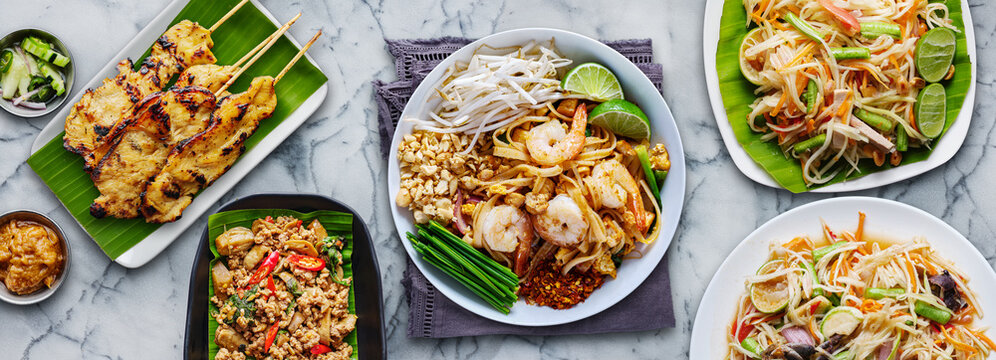
Best Food in Thailand: 20 Must-Try Dishes & Street Eats
Discover the best food in Thailand. From Pad Thai to Tom Yum Goong. A complete guide to Thai street food, curries, and local delicacies for every foodie.
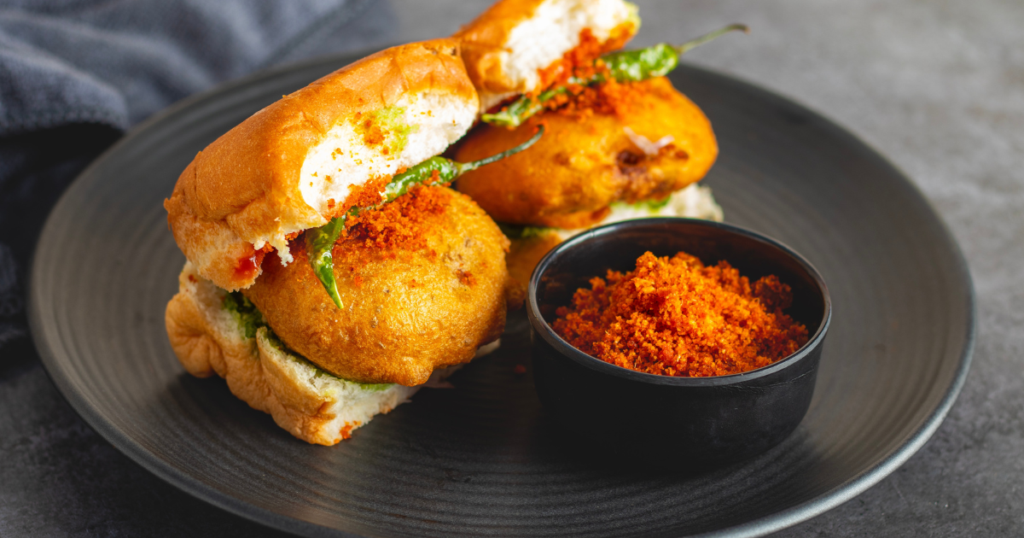
Best Street Food in Mumbai: Top 25 Must-Try Dishes & Locations
Discover the best street food in Mumbai - from iconic vada pav and buttery pav bhaji to spicy misal pav and delicious chaat. Explore 25+ must-try dishes, famous food locations, hygiene tips, and price guides in this comprehensive Mumbai street food guide.
Never Miss an Adventure
Get the latest trekking guides, travel tips, and exclusive offers delivered straight to your inbox.
