

Tallest Buildings in the World: Height Rankings, Design & Visitor Access

Priya Mehta
February 28, 2026
Explore the tallest buildings in the world with practical planning tips, ranking logic, and best visitor experiences across major skylines.
Why the Tallest Buildings Still Define Modern Cities
The tallest buildings in the world are more than engineering records. They represent how cities compete for global attention, business confidence, and tourism value. A supertall tower changes skyline identity, but it also influences transit planning, mixed-use real estate, and neighborhood economics around it. That is why travelers, urban planners, and architecture enthusiasts keep tracking new height milestones every year.
If you are planning a skyline-themed itinerary, combine this guide with things to do in Dubai, futuristic design highlights from Museum of the Future in Dubai, and premium stay comparisons in 7-star hotels in the world. For broader iconic landmarks, review wonders of the world before finalizing your route.

How Height Is Actually Measured in Global Rankings
Most credible rankings follow architectural height, not antenna height. This means permanent design elements count, while temporary structures and certain technical extensions do not. Understanding this rule is important because many buildings appear to break records in headlines, but only some meet official architectural criteria.
Height rankings also shift when projects are completed in phases. A tower can top out physically yet remain excluded from some lists until major structural and occupancy milestones are reached. For travelers, this often affects what areas are open to visitors during the first year after launch.
Why Dubai, Shanghai, and Kuala Lumpur Keep Leading the Race
Super-tall construction usually appears in cities with strong capital flows, ambitious branding goals, and supportive policy frameworks. Dubai used vertical architecture to accelerate destination positioning. Shanghai used it to symbolize financial scale. Kuala Lumpur used landmark towers to reinforce regional prominence and mixed-use urban renewal. Each city followed a different strategy, but all connected height with long-term city marketing.
Tall towers in these cities are not isolated attractions. They are integrated with hotels, observation decks, malls, transit links, and event venues. This integration is one reason visitors can spend a full day around one landmark district without feeling limited.
Top Visitor Experiences Inside Supertall Towers
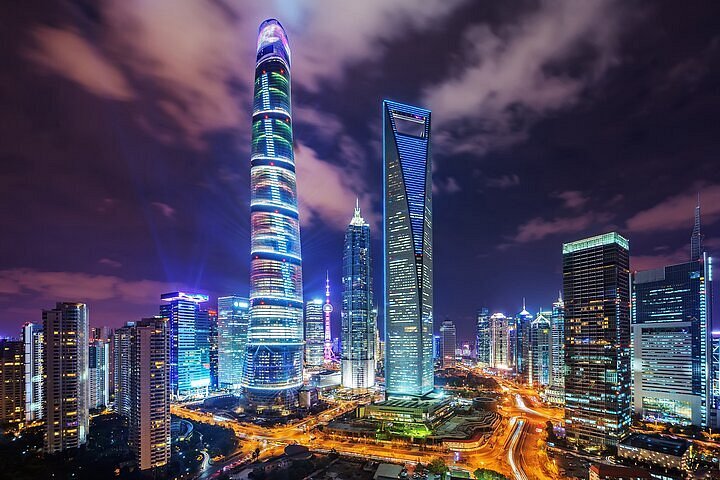
Observation decks remain the most popular experience, but quality differs by tower. The best decks offer timed slots, crowd management, multi-angle city views, and layered storytelling through digital exhibits. Some also include fine-dining, sky lounges, and sunrise/sunset packages that improve photography quality and reduce peak-hour wait stress.
Another high-value experience is nighttime skyline viewing from a deck and then from ground-level public zones. This dual perspective helps you understand scale better than a quick one-time visit. If your schedule allows, visit the same tower once in daylight and once after dark.
Common Mistakes Travelers Make
The biggest mistake is booking only the tower ticket and ignoring district logistics. High-traffic landmark zones often need preplanned transport, especially on weekends and festival periods. Another mistake is underestimating weather visibility. Haze, humidity, and cloud cover can reduce skyline clarity even when conditions feel good at street level.
Travelers also overspend by choosing premium slots without checking inclusions. Sometimes a lower-cost slot plus a nearby rooftop experience creates better total value. Review ticket terms, refund rules, and expected queue times before payment.

How to Plan a One-Day Supertall Building Circuit
Start with an early observation deck slot to avoid crowds. Keep a late-morning architecture walk around the financial district. Use afternoon hours for museum or design spaces in the same area. Return for sunset viewing from either the same tower or a nearby contrasting vantage point. This structure balances cost, visibility, and overall city experience.
If you are traveling for content creation, keep buffer time for security checks and elevator waits, which are often longer than expected during prime evening windows. A well-paced circuit outperforms an overloaded schedule every time.
Engineering Realities Behind the Skyline
Supertall towers depend on wind engineering, deep foundations, tuned mass dampers, and high-performance vertical transport systems. The real innovation is not only height but how safely and efficiently buildings manage movement, vibration, and energy performance. Many projects now include sustainability targets such as efficient glazing, water recycling, and smart climate control to reduce operational impact.
This technical layer is often invisible to visitors, but it defines whether a record-breaking tower remains practical after launch. In long-term city planning, usable height matters more than symbolic height.
What to Track in the Next Decade
Future skyline competition will likely focus on mixed-use resilience rather than pure height. Cities are now evaluating whether towers support daily urban life through retail, co-working, hospitality, and transit connectivity. The next generation of landmark buildings will still chase records, but market success will depend on livability and adaptability.
For travelers, this means better experiences beyond observation decks: curated events, public plazas, integrated art, and cultural programming inside landmark districts.
How to Compare Observation Deck Value Across Cities
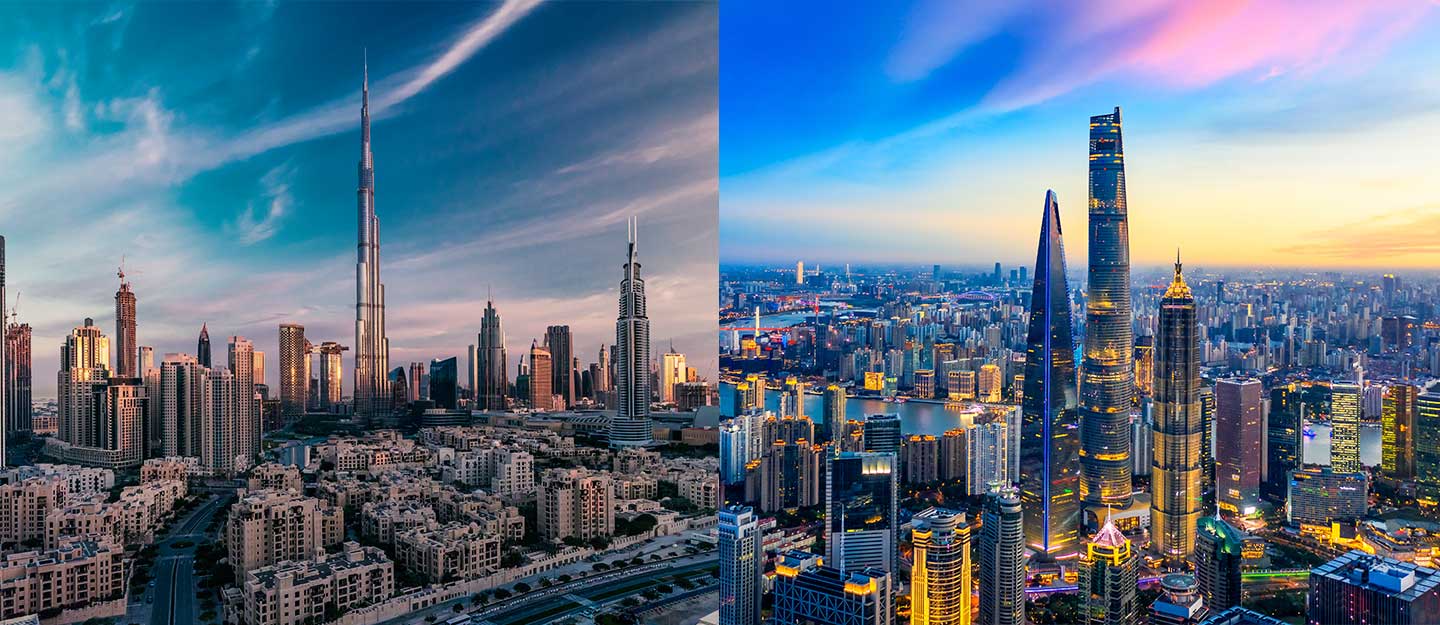
Travelers often choose observation decks based only on headline height, but total experience value depends on multiple factors: entry flow, deck design, window quality, crowd density, and how much contextual interpretation is provided. A lower deck with excellent curation and less crowd pressure can feel more rewarding than a higher deck with poor visibility and long queues. Before booking, compare what each ticket includes, expected stay duration, and whether you get unrestricted movement across levels.
Another useful approach is pairing one premium deck with one free or low-cost skyline vantage point in the same city. This gives visual contrast and improves photography outcomes. In many destinations, skyline parks, river promenades, and elevated public plazas create stronger compositional frames than enclosed deck windows. Combining premium and public viewpoints keeps budget balanced while increasing overall trip quality.
Photography Strategy for Supertall Travel
Good skyline photography depends more on timing than equipment. Early morning gives cleaner atmospheric conditions in many cities, while blue-hour windows provide balanced light for urban contrast. If you are shooting from inside a deck, dark clothing and lens-to-glass technique reduce reflections. If reflections are unavoidable, focus on storytelling shots that include interior elements to make the frame intentional rather than forced.
At street level, wide-angle compositions work best when foreground geometry is clear. Use roads, bridges, and waterlines to direct attention upward. On crowded evenings, scout your frame early and return at the exact light window. This planning saves time and improves shot quality significantly without requiring advanced gear.
How Supertall Districts Affect Local Urban Life
Landmark towers bring economic activity, but they also reshape local mobility and land value. Retail concentration rises, hospitality models shift upward, and public-space demand grows around transit nodes. In successful districts, planners integrate pedestrian movement and mixed-use zones so residents and visitors can share infrastructure effectively. In weaker designs, iconic towers become isolated islands that function mainly as tourism capsules.
As a traveler, observing this urban layer adds depth to your visit. Instead of only checking height stats, notice how people use plazas, how transit lines feed the district, and whether public areas remain active beyond peak tourist hours. These signals reveal whether a skyline landmark has matured into a functional city asset.
Future Outlook: Beyond Pure Height Records
The next phase of skyscraper competition is likely to focus on operational intelligence rather than extreme height alone. Building systems now prioritize climate adaptation, energy efficiency, and user comfort under changing environmental conditions. Towers that perform well in these dimensions will remain relevant longer than those built mainly for one-time records.
For travelers, this means future visits may include interactive sustainability exhibits, advanced sky mobility concepts, and integrated cultural programming inside landmark districts. Skyline tourism is evolving from passive viewing to multi-layer urban experience, and that shift will define why the tallest buildings continue to matter in global travel.
Conclusion
The tallest buildings in the world remain powerful symbols of ambition, design, and urban transformation. The best way to explore them is with structured timing, realistic visibility expectations, and district-level planning instead of only a single ticket stop. When approached this way, skyline travel becomes a complete city experience rather than a rushed photo moment.
Location
Frequently Asked Questions
Q1.How are tallest building rankings measured?
Q2.Which time is best for observation decks?
Q3.Do weather conditions affect skyline views?
Q4.Can one tower fill a full day itinerary?
Q5.Are premium deck tickets always worth it?
Recommended For You

25 Best Summer Holiday Destinations in the World for 2026
Discover the 25 best summer holiday destinations worldwide - from Swiss Alps to Greek islands, Bali beaches to Canadian Rockies. Complete guide with weather, costs & itineraries.

7-Star Hotels in the World: Luxury Stays, Features & Price Range
Discover the world's only true 7-star hotels including Burj Al Arab, Emirates Palace, Taj Falaknuma & more. Complete guide with prices, amenities, and booking details.

15 Most Expensive Hotels in the World
Explore the world's most expensive hotels with rates over $50,000/night. From Burj Al Arab's Royal Suite to New York's penthouses and Maldives' private islands.
Never Miss an Adventure
Get the latest trekking guides, travel tips, and exclusive offers delivered straight to your inbox.
