

Wonders of the World: Complete Guide to All 8 Wonders

Neha Kapoor
December 20, 2025
Explore all Wonders of the World - Ancient Seven, New Seven, and Natural Wonders. Complete guide to Great Wall, Taj Mahal, Petra, Machu Picchu and more.
Wonders of the World: Practical Guide for Indian Travelers
The phrase "Wonders of the World" usually refers to iconic global landmarks celebrated for scale, history, engineering, and cultural symbolism. For Indian travelers, understanding these sites as itinerary systems rather than bucket-list names helps build smarter international plans. A strong wonders-focused journey balances visa rules, route efficiency, seasonal timing, and realistic day-wise pacing.
Instead of chasing too many countries in one trip, choose thematic clusters and travel windows that support quality. For cross-reference planning, combine this with cheapest countries europe and world heritage sites india.
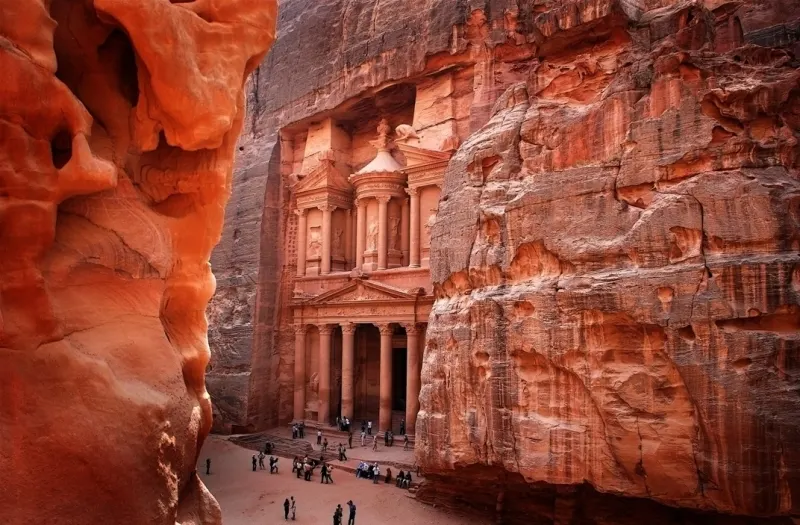
How to Plan a Wonders-Focused Trip
Start with one region, one transit hub, and 2-3 major sites. This keeps logistics manageable and improves on-ground experience. Overpacking global icons in short time usually leads to airport-heavy fatigue and superficial visits.
Use a four-part framework: entry requirements, season strategy, transfer buffers, and site-specific ticket timing. This framework works whether you are planning Europe, Southeast Asia, or mixed-region routes.
Site Experience Strategy
- Research peak-hour windows and avoid overcrowded slots
- Book priority entries where available
- Allocate context time, not only photo time
- Use one rest segment after major monument days
- Plan local mobility in advance for high-demand cities
Budget and Time Management
Big monuments are often in high-cost zones. Save budget by controlling transfers, choosing off-peak stay dates, and prioritizing fewer but deeper site visits. Time is the biggest hidden cost in international travel, so route geometry matters more than discount hunting.
For mixed planning, compare with best places to visit vietnam, petronas twin towers kl, and taj mahal agra as accessible benchmark experiences.

Common Mistakes to Avoid
- Trying to cover too many countries in one itinerary.
- Ignoring visa processing time and documentation detail.
- Booking tight connections with no delay buffer.
- Visiting major sites only at peak tourist hours.
- Treating heritage stops as photo tasks without context.
A wonders-focused trip succeeds when planned for depth, not count. Choose fewer sites, spend more quality time, and build each day around energy-aware movement.
Extended Planning Framework
A strong destination visit is shaped less by attraction count and more by sequencing quality. Travelers who define a primary objective before arrival usually have better outcomes. Your objective can be architecture interpretation, cultural immersion, pilgrimage depth, photography output, or road-trip flow. Once this goal is clear, day plans become simpler and better aligned. Without a goal, itineraries become overloaded and attention gets scattered. This is a common reason travelers leave major sites with only surface impressions. With one clear objective, each stop has purpose and each pause has value.
A practical model is the two-pass method. First pass: orientation and full-route understanding. Second pass: detail capture and contextual reading. Most visitors do only one pass and miss important transitions, inscriptions, and design logic. The second pass does not need much time, often just 20 to 30 minutes, but it greatly improves retention. This method is especially useful at heritage compounds, museum environments, and layered hill destinations where first impressions can be misleading. It also helps with family travel, because everyone can move together on pass one and then pursue focused interests on pass two.
On-Site Workflow That Improves Results
Use a simple field workflow at every destination. Step one: note conditions on arrival, including weather, crowd level, and movement constraints. Step two: read baseline context from on-site boards or prepared notes. Step three: complete one structured walk without rushing. Step four: record three takeaways before exit, one historical, one visual, and one practical. This workflow turns passive sightseeing into active learning. It also helps content creators write better summaries later because details are captured while fresh. A trip becomes more meaningful when you collect insight, not only images.
Photography should follow narrative structure. Begin with one wide contextual frame, then medium architectural frames, then detail shots. Many travelers do the opposite and end with disconnected images that lack story. The wide frame is critical because it shows how the site sits in terrain or city fabric. Medium frames explain spatial organization. Detail shots then add texture and craft depth. This three-level approach works across forts, temples, museums, mountain passes, and cultural streets. It also improves sharing quality for blogs and social content without adding extra time burden.
Timing and Energy Management
Destination quality is strongly affected by time-of-day decisions. Heritage-heavy and physically demanding sites should be placed in morning windows when attention and energy are highest. Keep lighter scenic, market, or café segments for later hours. Avoid stacking three high-intensity stops without recovery breaks. Heat, altitude, or city traffic can quickly reduce decision quality and enjoyment if pacing is poor. A 10-minute hydration and note break between major stops can improve the rest of the day significantly. Good travel design is about sustainable rhythm, not constant motion.
Route geometry matters. Circular or directional itineraries are usually better than zig-zag plans. Use one anchor stop, one secondary stop, and one optional stop. If delays happen, drop the optional segment and protect the core experiences. Travelers who follow this principle consistently report better trips than those who try to maximize count. The optional-stop model is also useful for weather-sensitive regions and mountain routes where conditions can shift quickly. It gives flexibility without sacrificing quality.
Respect, Etiquette, and Preservation
Every heritage and natural site has a preservation threshold. Repeated small behaviors from visitors can either protect or degrade the place. Stay on designated paths, avoid touching carved or painted surfaces, and keep sacred zones quiet. In museums, follow photography rules and avoid flash where restricted. In natural settings, carry waste out if disposal systems are limited. Responsible behavior is not a formality; it directly impacts site survival. Travelers who adopt preservation discipline improve the experience for everyone.
Cultural respect also includes language and framing. Avoid simplistic or sensational narratives for complex places. If a site has layered political or colonial memory, present it with nuance. If a site is active for worship, prioritize decorum over content creation. Thoughtful interpretation builds trust with local communities and improves the quality of travel information online. This responsibility is part of high-standard travel writing and planning.
Final Review Before Exit
Before leaving a major stop, perform a quick quality check. Did you understand why the site exists? Did you identify at least three distinctive features? Did you capture one practical lesson for future travelers? If yes, your visit was meaningful. If not, take a brief second round and fill the gap. This final review turns rushed tourism into purposeful exploration and helps ensure each destination adds long-term value.
Apply this framework consistently across trips and your travel quality improves noticeably. You return with stronger memory, better notes, and clearer insight instead of fatigue and fragmented impressions.
One final recommendation is to keep a short post-visit summary for each destination: what worked, what timing was best, and what you would do differently next time. This helps future planning and improves the quality of repeated travel across similar sites. Even a few clear notes can prevent common mistakes and make the next itinerary much more efficient and enjoyable.
If you keep this one extra buffer and review step in every itinerary, your destination experience quality improves consistently and long-term travel planning becomes much easier.
Location
Frequently Asked Questions
Q1.What are the original Seven Wonders of the Ancient World?
Q2.What are the New Seven Wonders of the World?
Q3.Which Wonder of the World is in India?
Q4.How many of the original Seven Wonders still exist?
Q5.What is the difference between Ancient Wonders and New Wonders?
Q6.What are the Seven Natural Wonders of the World?
Q7.Can you visit all the New Seven Wonders in one trip?
Q8.Which is the most visited Wonder of the World?
Recommended For You

Taj Mahal Agra: Ticket Price, Timings, Entry Gates & Tips
Visit Taj Mahal in Agra - the world's most beautiful monument and one of the Seven Wonders. Complete guide with timings, tickets, history, and travel tips.

Best Places to Visit Vietnam: Top 15 Spots
Discover Vietnam's top 15 must-visit destinations including Ha Long Bay, Hoi An, Hanoi, and Da Nang. This comprehensive travel guide covers the best time to visit, costs, itineraries, and essential tips for exploring Southeast Asia's most captivating country.

Cheapest Countries to Visit in Europe from India: Budget Breakdown
Discover Europe's most affordable destinations! Complete budget guide covering Albania, Bosnia, Bulgaria, Hungary & more. Daily costs, accommodation, food, and money-saving tips.
Never Miss an Adventure
Get the latest trekking guides, travel tips, and exclusive offers delivered straight to your inbox.
