
Offbeat Places in Kerala: Hidden Gems for Unique Travel Experiences
Rahul Garg
December 17, 2025
Discover Kerala's hidden gems beyond tourist trails. Explore Vagamon, Silent Valley, Gavi, Munroe Island & more with this comprehensive guide to offbeat places in Kerala.
Introduction: Beyond the Tourist Trail in God's Own Country
Beyond the famous houseboats of Alleppey and tea gardens of Munnar lies a Kerala that few travelers ever discover. While mainstream destinations attract millions each year, the state harbors countless hidden gems offering pristine nature, authentic culture, and peaceful solitude. These offbeat places in Kerala promise experiences that go beyond typical tourist trails, rewarding adventurous souls with untouched landscapes and genuine connections with local life.Kerala's offbeat destinations range from mist-covered hill stations to secret beaches, from eco-tourism villages to unexplored forests. What makes these places special is their ability to transport you to a simpler time—one where nature reigns supreme and crowds don't exist. Whether you seek silence, adventure, or cultural immersion, these hidden corners of Kerala have something extraordinary to offer.
This guide will take you through Kerala's best-kept secrets, from the pine forests of Vagamon to the untouched wilderness of Silent Valley. We'll explore practical travel tips, the best time to visit, and why these destinations deserve a spot on your travel bucket list. Get ready to discover a Kerala that most tourists never see.
Hidden Hill Stations: Vagamon, Nelliyampathy, and Ponmudi
Kerala's popular hill stations like Munnar and Ooty often overflow with tourists, but several hidden gems offer equally stunning views without the crowds. These lesser-known hill stations combine natural beauty with tranquility, making them perfect for travelers seeking peace.
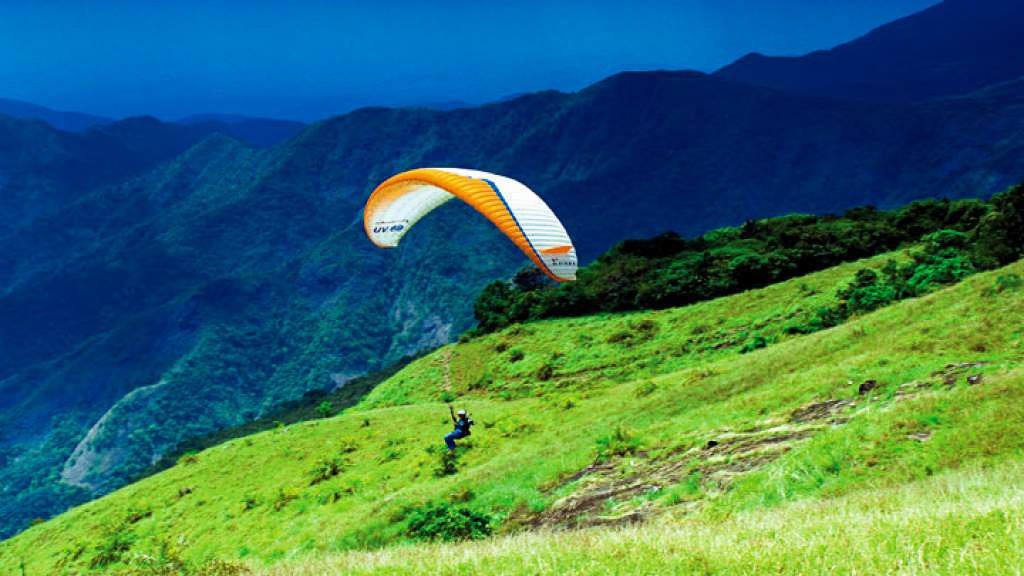
Vagamon, often called the Scotland of India, sits at 1,100 meters above sea level. This meadow town is famous for its rolling green hills, pine forests, and tea plantations. Unlike more commercialized hill stations, Vagamon maintains a serene atmosphere where you can walk for hours without encountering another soul. The waterfalls near Vagamon are particularly stunning, especially during monsoon when they cascade at full force.
Nelliyampathy, located in Palakkad district, is a treasure trove of orange orchards, coffee plantations, and bio-farms. The journey itself is an adventure—you'll drive through hairpin bends offering spectacular valley views. At the top, you'll find the Pothundi Reservoir and Seetharkundu Viewpoint, both offering panoramic vistas of the Western Ghats. It's significantly quieter than Munnar and ideal for those who love nature walks through cardamom and coffee estates.
Ponmudi, meaning "Golden Peak" in Malayalam, rises near Thiruvananthapuram. The winding road to the summit is an experience in itself, with 22 hairpin curves through lush forests. At the top, you're rewarded with sweeping views of the Arabian Sea and surrounding hills. It's less developed than other hill stations, making it perfect for trekking and photography. The Golden Peak is particularly beautiful during sunrise when mist lifts to reveal layers of green mountains.
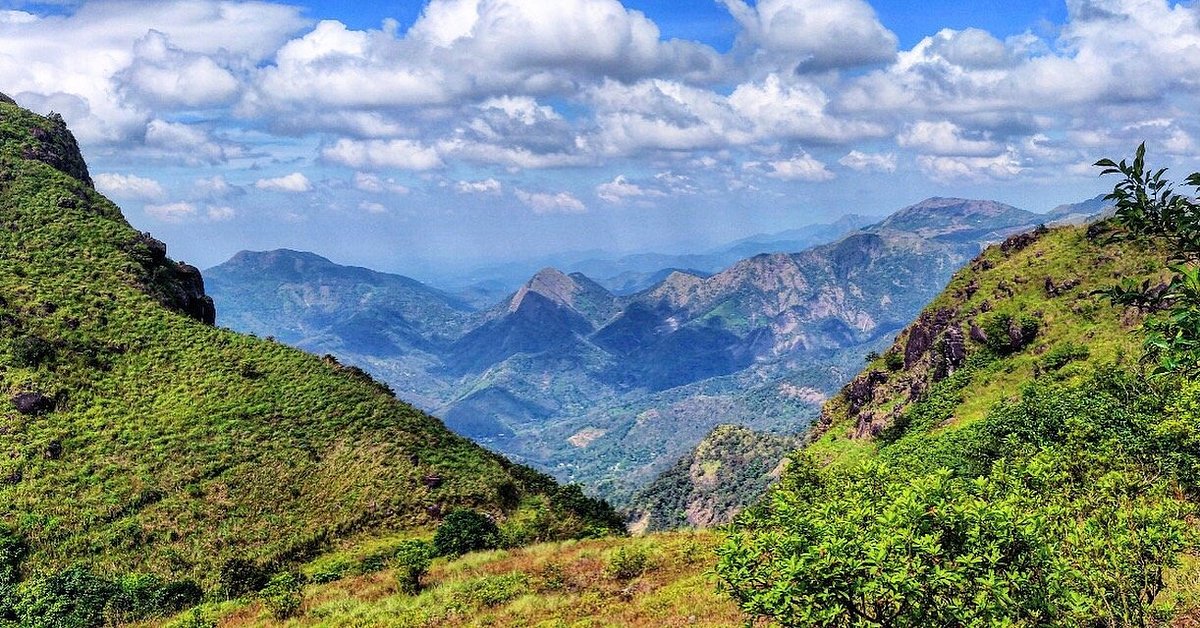
What makes these hill stations special is their commitment to sustainable tourism. Many homestays in these areas are run by families who've lived here for generations, offering authentic experiences like tea plucking, spice garden tours, and traditional Kerala meals prepared with locally-sourced ingredients.
Untouched Villages: Munroe Island, Kakkathuruthu, and Marayoor
Kerala's villages offer a window into traditional life that modern development hasn't touched. These places preserve ancient customs, sustainable fishing practices, and crafts that have been passed down through generations.
Munroe Island is a network of eight islands in the backwaters of Kollam district. What makes it unique is the island is slowly sinking due to rising sea levels, yet life goes on as it has for centuries. The canal cruises here are intimate experiences—narrow boats navigate through waterways flanked by coconut palms and traditional homes. You'll witness coir making, prawn farming, and toddy tapping, activities that define local livelihoods for generations.
Kakkathuruthu, meaning "Island of Crows," gained fame when National Geographic listed it among Asia's best sunset destinations. This tiny island near Kochi can be reached only by boat, ensuring it remains completely cut off from mainland development. The golden hour here is magical—fishing boats return silhouetted against the setting sun, while the sky transforms through brilliant hues of orange and purple. It's a photographer's paradise and a place where time seems to stand still.
Marayoor in Idukki district is famous for its sandalwood forests, the only one of its kind in Kerala. Ancient dolmens (megalithic burial chambers) dot the landscape, evidence of human habitation from 1,000 BC. The area is also known for jaggery making—you can watch traditional production of this sweetener from sugarcane juice. Walking through Marayoor feels like stepping back in time, where life follows rhythms of nature rather than tourism demands.
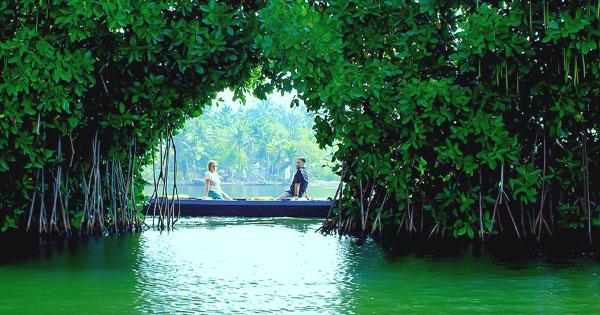
These villages welcome visitors who respect their way of life. Homestays are simple but comfortable, offering home-cooked Kerala meals featuring fresh fish from backwaters, vegetables from family gardens, and traditional dishes like puttu and kadala. The mornings here start with bird songs, not tourist buses, giving you a genuine taste of village tranquility.
Unexplored Forests: Gavi, Silent Valley, and Thenmala
For wildlife enthusiasts and nature lovers, Kerala's lesser-known forests offer incredible biodiversity without the tourist crowds. These protected areas are gateways to primal ecosystems that have remained largely undisturbed.
Gavi in Pathanamthitta district is an eco-tourism project that's become legendary among Kerala travelers. Entry requires prior booking with the Forest Department, which limits visitor numbers and preserves the environment. The village is surrounded by the Periyar Tiger Reserve, offering opportunities to spot elephants, gaurs (Indian bison), and rare birds. Gavi Lake reflects the surrounding forests perfectly, creating mirror-like surfaces ideal for boating and photography.
The Silent Valley National Park in Palakkad district is one of the last undisturbed rainforest areas in the Western Ghats. Named for the absence of cicadas (or perhaps the legend that silence prevails), it's a UNESCO World Heritage Site home to the endangered lion-tailed macaque, Nilgiri tahr, and numerous endemic species. Trekking here requires permits, and visitors must follow strict eco-guidelines—no plastic, no noise, stay on designated paths. The reward is immersion in forest that has changed little in millennia.
Thenmala in Kollam district is India's first planned ecotourism destination. The area integrates adventure, leisure, and nature education seamlessly. You can try the rope bridge suspended over the Kallada River, go on guided forest treks, or visit the deer rehabilitation center. What's unique is Thenmala's approach to sustainable tourism—everything from accommodations to activities is designed to minimize environmental impact while maximizing visitor experience.
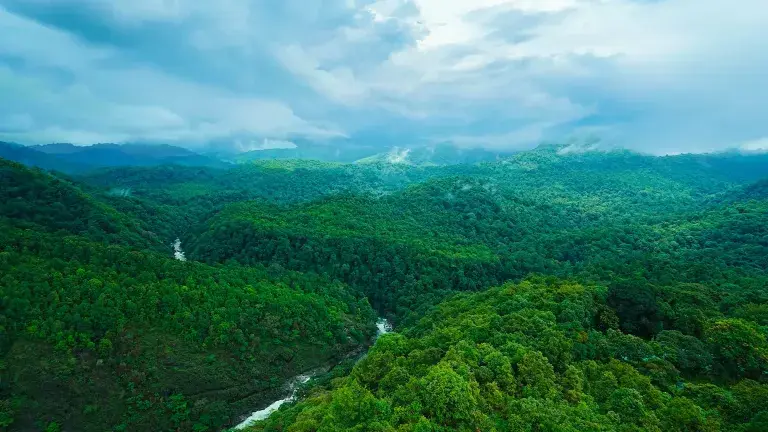
These forests require advance planning. Bookings for Gavi and Silent Valley must be made weeks or months ahead, especially during peak season. The best way to explore them is through guided tours organized by the Forest Department or certified eco-tour operators who understand local ecosystems and conservation requirements.
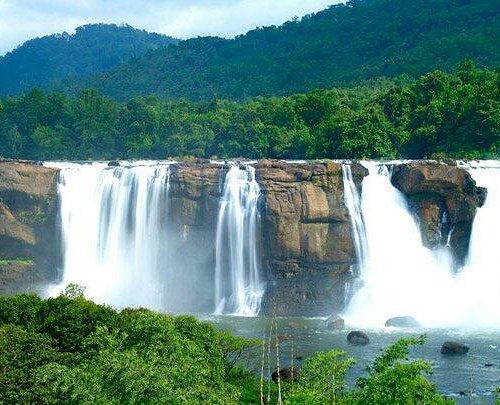
Secret Waterfalls: Thusharagiri and Meenmutty
Kerala is blessed with countless waterfalls, but few tourists venture beyond the popular ones to discover these hidden cascades that offer more intimate experiences with nature.
Thusharagiri Waterfalls in Kozhikode district means "snow-capped mountains" in Malayalam, named for the white foam that resembles snow. The trek to the falls takes you through spice plantations, rubber estates, and rocky terrain, making it an adventure in itself. There are actually multiple falls here—each cascading at different levels. The main fall drops from 75 feet, creating a spectacular pool below perfect for swimming during summer months.
Meenmutty Waterfalls in Wayanad is a three-tiered beauty that requires a challenging trek through dense jungle. The path winds through coffee plantations and ancient trees, occasionally crossing streams on makeshift bridges. The effort is worth it—the first tier offers a serene pool, the second creates a dramatic curtain of water, and the third plummets 300 feet into a rocky gorge. It's significantly less crowded than Athirappilly and offers a more raw, adventurous experience.
These waterfalls are best visited during or just after monsoon (September to February) when they're at full flow. The surrounding forests teem with life—butterflies, birds, and occasionally small wildlife. Carry waterproof clothing, sturdy shoes, and be prepared to get wet—the spray from these falls is refreshing but intense.
Quiet Backwaters: Poovar and Valiyaparamba
While Alleppey and Kumarakom dominate Kerala's backwater tourism, quieter alternatives exist that offer equally magical experiences with minimal commercialization.
Poovar near Thiruvananthapuram is where Neyyar River meets the Arabian Sea, creating a unique estuary system. The highlight is the golden sand beach where the river, sea, and lake converge. Accessible only by boat, Poovar Island offers floating cottages and traditional Kerala houseboats that provide ultimate privacy. Watching the sunset here is unforgettable—the sky turns purple, the sea turns silver, and the estuary glows golden, all reflected in the calm waters.
Valiyaparamba in Kasaragod district is the largest backwater stretch in north Kerala, yet remarkably uncrowded. A boat ride here takes you through a network of canals lined with mangrove forests, coconut groves, and traditional villages. Unlike Alleppey, you won't find hundreds of houseboats here—instead, you'll see fishing boats, country canoes, and villagers going about their daily lives. It's the place to experience authentic backwater culture without the tourist trappings.
These backwaters support unique ecosystems. Mangrove forests are nurseries for marine life, while the calm waters attract countless bird species. Early morning or late evening boat rides are magical—fishing boats return with their catch, birds take flight, and the water reflects colors of dawn or dusk like a mirror.
Offbeat Beaches: Kappil and Muzhuppilangad
Kerala's beaches are world-famous, but most visitors flock to Kovalam or Varkala. Two hidden coastal gems offer equally stunning shores with far fewer crowds.
Kappil Beach in Varkala district is unique because a road separates the beach from the backwaters. On one side, the Arabian Sea crashes against golden sand; on the other, calm backwaters reflect coconut palms. This rare geography creates two distinct experiences in one visit—beach activities on one side, peaceful canoeing on the other. The sunset point here is spectacular, offering views of both sea and backwater.
Muzhuppilangad Drive-in Beach in Kannur district is Kerala's—and perhaps India's—longest drive-in beach. Stretching for 4 kilometers along golden sand, it allows you to drive right up to the water's edge. The beach is clean, uncrowded, and flanked by black rocks that create natural pools during low tide. It's perfect for families who want beach fun without navigating steep cliffs, and the drive itself is an experience, with sea breeze rushing through open windows.
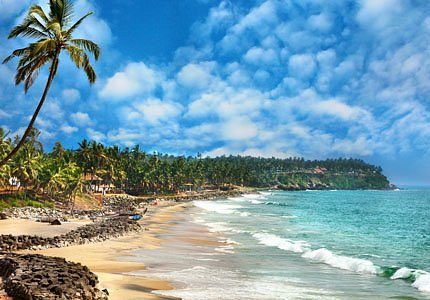
These beaches maintain natural charm without overdevelopment. You won't find beach shacks selling overpriced snacks or water sports operators harassing you. Instead, you'll meet local fishermen, find shells undisturbed by tourists, and witness sunsets that rival anywhere in the world.
North Kerala Hidden Gem: Bekal Fort and Valiyapara
North Kerala, particularly Kasaragod district, harbors treasures that most south Kerala tourists never explore. This region offers a blend of history, culture, and natural beauty that's distinct from rest of the state.
Bekal Fort is the largest and best-preserved fort in Kerala, dominating 40 acres of headland overlooking the Arabian Sea. Unlike many historical sites in India, Bekal Fort feels accessible and romantic—you can walk along massive ramparts imagining the armies that once defended these walls. The observation towers offer 360-degree views of the sea, and during sunset, the fort glows golden against the purple sky. The nearby Bekal Beach is equally beautiful, with shallow waters perfect for swimming.
Valiyapara in Kannur district is a scenic viewpoint where the Western Ghats dramatically meet the sea. The journey here itself is breathtaking—a winding road through villages, spice plantations, and eventually hairpin bends that reveal the ocean. At the viewpoint, you can see layers of hills fading into the distance, with the vast Arabian Sea spreading before you. It's a place that inspires silence and contemplation, far removed from tourist circuits.
This region also offers unique cultural experiences. Theyyam performances—the spectacular ritual dance of North Kerala—happen here during temple festivals. These nighttime performances, with elaborate costumes and dramatic face painting, are among India's most captivating cultural experiences. Staying in a homestay near these locations gives you access to authentic north Kerala life.
How to Reach These Offbeat Destinations
Getting to Kerala's hidden gems requires some planning, as they're not always connected by tourist-friendly infrastructure. Here's a practical breakdown:
| Destination | Nearest Railway Station | Nearest Airport | Best Transport |
|---|---|---|---|
| Vagamon | Kottayam (90 km) | Cochin Int'l (110 km) | Road travel from Kottayam |
| Nelliyampathy | Palakkad (50 km) | Coimbatore (55 km) | Taxi from Palakkad |
| Ponmudi | Trivandrum (50 km) | Trivandrum (45 km) | Road travel from Trivandrum |
| Gavi | Kottayam (120 km) | Cochin Int'l (140 km) | Forest Department vehicle |
| Silent Valley | Palakkad (45 km) | Coimbatore (55 km) | Taxi + Forest Permit |
| Munroe Island | Kollam (25 km) | Trivandrum (75 km) | Road to Kollam + Boat |
| Thusharagiri | Kozhikode (50 km) | Calicut (45 km) | Taxi from Kozhikode |
| Poovar | Trivandrum (30 km) | Trivandrum (35 km) | Road to Poovar + Boat |
| Bekal | Kasaragod (15 km) | Mangalore (85 km) | Road travel from Kasaragod |
Most destinations require final leg by road, as rail connectivity is limited in these remote areas. Renting a car with driver is recommended for flexibility, especially if you plan to visit multiple offbeat locations. Some places like Gavi and Silent Valley require permits—check Kerala Forest Department websites for booking procedures well in advance.
Best Time to Visit Offbeat Kerala
Timing your visit correctly can dramatically enhance your experience at these hidden destinations. Here's what to expect throughout the year:
Winter (December to February) offers pleasant weather across all destinations. Hill stations like Vagamon and Nelliyampathy are misty and romantic—perfect for couples. Waterfalls are at their most dramatic flow. This is also peak season for wildlife viewing in forests, as animals come to water sources and vegetation is thinner. However, it's also the busiest time, so book accommodation early.
Summer (March to May) brings hot weather, but hill stations provide relief. Vagamon and Nelliyampathy become particularly popular as locals flee the heat. This is the best time for trekking—clear skies make for excellent views, and temperatures are manageable at higher altitudes. Backwaters and beaches can be hot, but the water offers refreshing swims. Silent Valley and Gavi can be uncomfortable due to humidity.
Monsoon (June to September) transforms Kerala completely. Hill stations become ethereal in mist—Vagamon's meadows carpet in wildflowers. Waterfalls reach their peak glory. Backwaters swell and turn emerald green. Forests come alive with sounds of insects and birds. However, road conditions can be challenging, and some areas like Gavi may close due to landslides. If you love rain and solitude, this is the magical time to visit.
Post-Monsoon (October to November) is arguably the best overall period. The landscape is freshly washed and incredibly green. Waterfalls still cascade powerfully, but crowds are thinner than winter. Temperatures are pleasant across all regions. This is the sweet spot for photographers—skies are dramatic with post-rain clouds, and everything looks newly vibrant.
Unique Experiences: Theyyam and Treehouse Stays
Part of offbeat travel is experiencing things unavailable on tourist trails. North Kerala offers two such experiences that should be on every curious traveler's list.
Theyyam is a ritual dance form that dates back centuries. Performances typically happen between November and March in temples across Kasaragod and Kannur districts. The preparation itself is fascinating—artists spend hours applying elaborate makeup, wearing massive headgear, and painting their faces in intricate patterns. The dance involves storytelling through movement, with each character representing gods or spirits. Watching a Theyyam at night, illuminated by torches and accompanied by drums, is an experience that transcends performance—it's spiritual theater.
Staying in a traditional treehouse in Wayanad or the forests offers another unique experience. These aren't luxury resorts but simple structures built on trees using eco-friendly materials. Waking up to bird songs, surrounded by canopy, watching mist rise through the branches—this is nature immersion at its finest. Most treehouses come with platforms for wildlife viewing, allowing you to spot elephants or birds from your room. The experience fosters a connection with nature that conventional hotels cannot match.
Both experiences require some research. Theyyam schedules vary by temple and season, so check local calendars. Treehouses should be booked through reputable operators who prioritize sustainability and safety. These authentic touches add layers to your Kerala journey that go beyond sightseeing.
Travel Tips for Exploring Offbeat Kerala
Getting the most from these hidden destinations requires preparation and respect for local culture. Here are practical tips to ensure your offbeat Kerala adventure is smooth and memorable.
Book in Advance: Places like Gavi, Silent Valley, and some treehouses require reservations months ahead, especially during winter and post-monsoon seasons. The Forest Department has limited daily entry permits, and popular dates sell out quickly. Don't assume walk-in bookings will be available—plan your itinerary and secure stays early.
Carry Cash: ATMs are scarce in villages and forest areas. Many homestays and eco-resorts in offbeat locations don't accept cards or digital payments. Carry sufficient cash in smaller denominations. This is particularly important for Munroe Island boat operators, small eateries in Vagamon, and entry fees to various viewpoints.
Respect Local Culture: Kerala's villages and temples have conservative dress codes and customs. When visiting Theyyam performances or entering temples, dress modestly. Always ask permission before photographing people, especially during ceremonies. Respect religious practices—if a shrine area is closed, don't insist on entering. These small gestures of respect go a long way in building connections with locals.
Be Eco-Conscious: Many offbeat destinations in Kerala are ecologically fragile. Silent Valley and Gavi have strict plastic bans. Carry reusable water bottles, avoid single-use plastics, and pack out all trash. Stay on designated trails in forests. The beauty of these places lies in their pristine nature—help preserve it by minimizing your footprint.
Stay Connected: Network coverage is unreliable in remote areas like Gavi, Nelliyampathy, and forest regions. Inform family about your itinerary before departure. Download offline maps. Carry a power bank. Most homestays in offbeat areas provide basic Wi-Fi, but don't count on it for emergencies. Enjoy the disconnection—it's part of the offbeat charm.
Hire Local Guides: For Silent Valley, Gavi, and trekking routes, certified guides are mandatory or highly recommended. They know the forests, can spot wildlife you'd miss, and ensure safety on challenging terrain. Their fees support local communities and conservation efforts. Plus, stories from guides—who've grown up in these areas—add invaluable context to your experience.
Conclusion: Kerala Beyond the Guidebooks
Kerala's offbeat destinations offer something increasingly rare in today's world—authentic experiences in pristine environments. From the silence of Vagamon's pine forests to the dramatic dances of Theyyam, these places reward travelers who venture beyond tourist circuits. You'll return home not just with photos, but with stories of genuine encounters and memories of landscapes untouched by mass tourism.
The beauty of exploring offbeat Kerala lies in its diversity. One day you're trekking through ancient rainforests, the next you're floating on tranquil backwaters, and the next you're watching a cultural performance that seems from another world. Each destination reveals a different facet of Kerala's heritage and natural wealth.
So pack your sense of adventure and respect for nature. These hidden gems aren't just places to visit—they're invitations to slow down, observe, and connect. Kerala's magic extends far beyond its famous attractions, waiting for those willing to look deeper. The offbeat path may be less traveled, but it's infinitely more rewarding.
For more Kerala adventures, explore Best Hill Stations in Kerala and Tea Plantations of Kerala: A Complete Guide. If you're planning a comprehensive Kerala trip, Backwaters of Kerala: Beyond Alleppey covers more serene waterways.
Location
Frequently Asked Questions
Q1.Which is the best offbeat hill station in Kerala?
Q2.Is Gavi open for tourists?
Q3.What is special about Munroe Island?
Q4.Are these offbeat places safe for families?
Q5.Can we drive to these offbeat places in Kerala?
Q6.What is the best time to visit offbeat places in Kerala?
Q7.Do I need permits for Silent Valley and Gavi?
Q8.What is unique about Theyyam in North Kerala?
Recommended For You
Silent Valley National Park Kerala: Entry Rules, Trails & Best Time
Visit Silent Valley National Park in Kerala. Guide with entry fee, timings, trekking, how to reach, booking & best season.
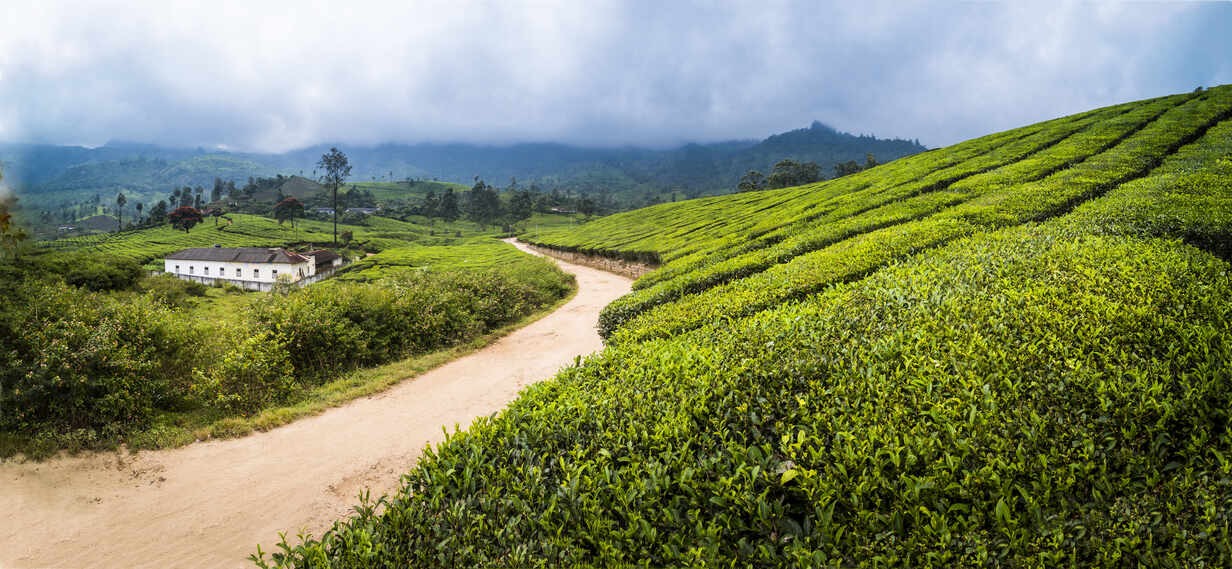
Tea Plantations in Kerala: Munnar Estate Visits, Timings & Photo Spots
Explore Kerala's tea plantations in Munnar. Guide to tea gardens, plantation tours, Tata Tea Museum & best places to experience Kerala's tea estates with tasting sessions.
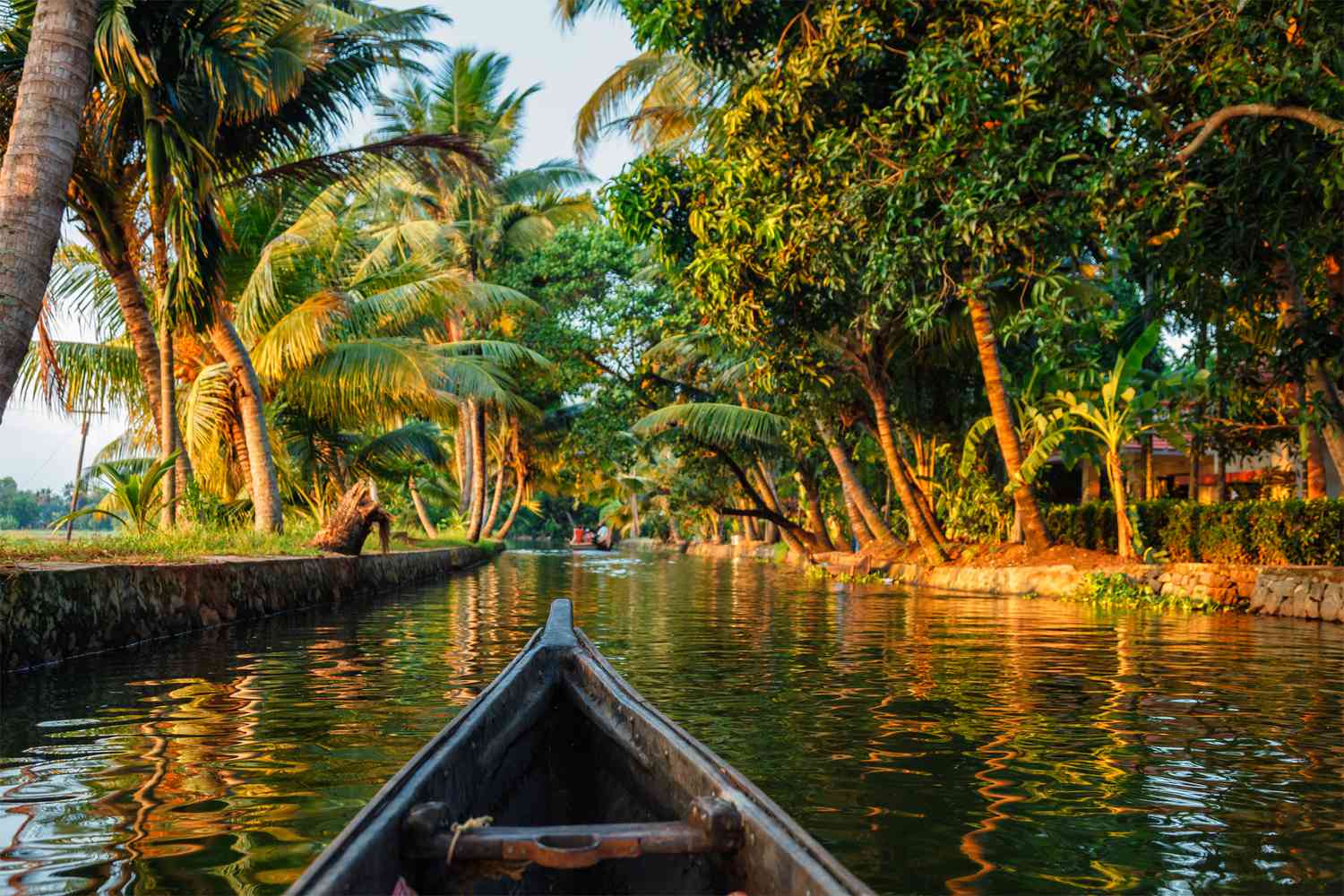
Backwaters of Kerala: Best Routes, Houseboats & Ideal Season
Explore Kerala backwaters with houseboats, Alleppey-Kumarakom routes, pricing & authentic experiences. Complete travel guide.
Never Miss an Adventure
Get the latest trekking guides, travel tips, and exclusive offers delivered straight to your inbox.
