
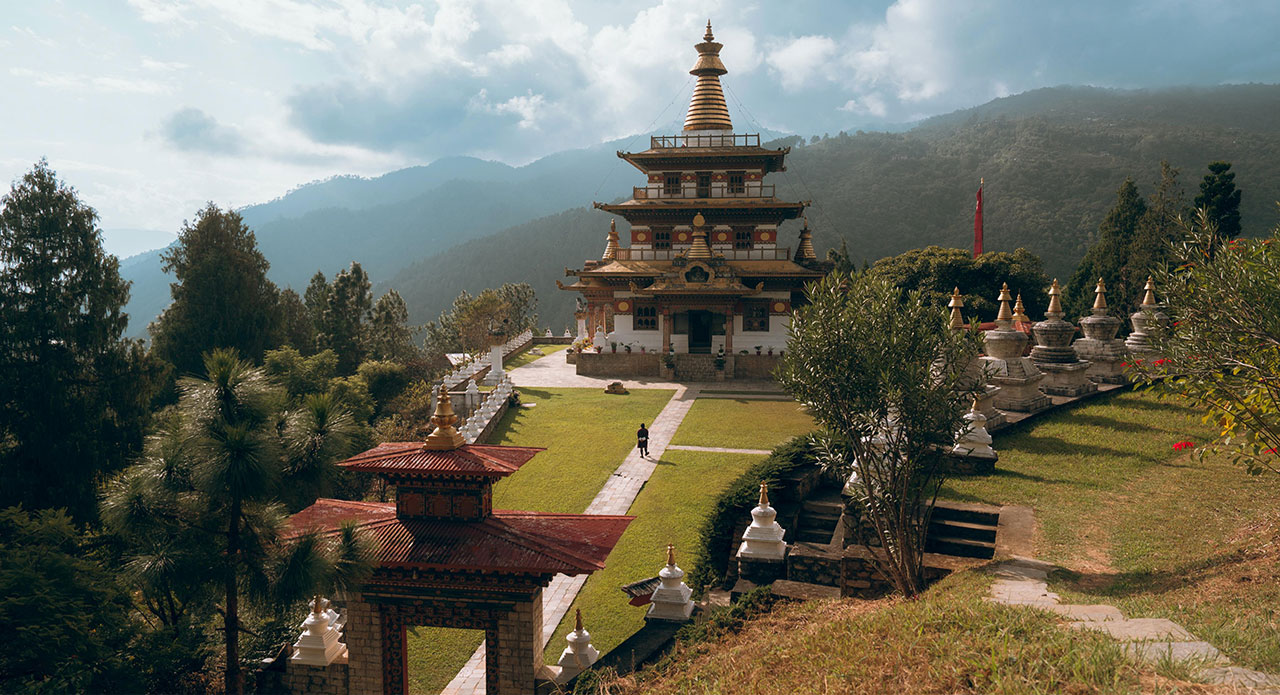
Temples in Bhutan: 15 Sacred Sites
Rohit Verma
January 25, 2026
Discover 15 most sacred temples in Bhutan. From Tiger's Nest to Punakha Dzong, explore Buddhist monasteries & spiritual sites.
Introduction: Land of Thunder Dragon
Bhutan, known as the Land of Thunder Dragon, is a Himalayan kingdom where Buddhism permeates every aspect of life and culture.
The country's landscape of majestic mountains and pristine valleys provides a natural setting for countless temples and monasteries, each with its unique character and spiritual significance. This guide explores 15 of Bhutan's most sacred temples, from cliff-hanging monasteries to fortress temples, offering pilgrims and travelers a comprehensive journey through Bhutan's spiritual heart.
The sacred nature of Bhutan means that temple visits are not just tourist experiences but spiritual journeys. Each temple represents a unique facet of Buddhist philosophy and Tibetan Buddhist tradition. From ancient dzongs to modern monasteries, from iconic Tiger's Nest to hidden sanctuaries, Bhutan's temples offer diverse opportunities for cultural and spiritual exploration.
Whether you're drawn by the natural beauty, cultural heritage, or spiritual seeking, Bhutan's temples offer transformative experiences that combine awe, learning, and connection with ancient traditions. This guide provides insights for planning meaningful visits that honor both the sacred sites and your own spiritual journey.
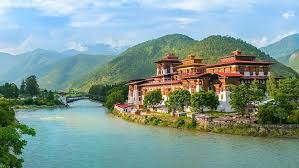
Explore Bhutan's spiritual heritage by visiting its most sacred temples. Paro for comprehensive information on Bhutan, travel logistics, and cultural experiences that will enhance your temple visit. For accommodation options near temples, experiencing Bhutanese traditional cuisine provides culinary insights that complement your spiritual journey.
Tiger's Nest (Paro Taktsang) and Punakha Dzong
Tiger's Nest, also known as Paro Taktsang, is one of Bhutan's most iconic and architecturally impressive monasteries. Located in the Paro Valley at an altitude of 3,120 meters, the monastery dominates the landscape with its golden chortens, white walls, and distinctive red stripes on its roof.
The monastery was built in the 15th century and has served as the winter residence of Bhutan's central monastic body for over 400 years. Tiger's Nest is a masterpiece of Bhutanese architecture that combines artistic beauty with spiritual function, creating a sacred space that inspires awe and devotion.
The monastery's strategic location in the Paro Valley provides easy access for pilgrims and travelers. The golden chortens shine brightly in sunlight, creating a visual landmark that can be seen from miles away. The monastery has extensive facilities including quarters for visiting monks and spaces for teaching.
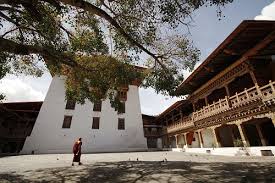
Punakha Dzong Temple
Punakha Dzong, located in western Bhutan, represents one of the country's most important spiritual centers. The temple's unique location in the Punakha Valley creates a spectacular setting, with the Mo Chhu river curving below, creating a sense of harmony between the temple and its natural surroundings.
The temple's fortress-like appearance, with fortified walls and watchtowers, gives it the appearance of a protector watching over the valley. This architectural choice reflects both the need to protect sacred sites and Buddhist concept of a spiritual fortress.
For more information about this important Bhutanese monastery, visit Kyichu Lhakhang Temple provides comprehensive insights into Bhutanese monastic traditions and the strategic importance of Punakha Valley.
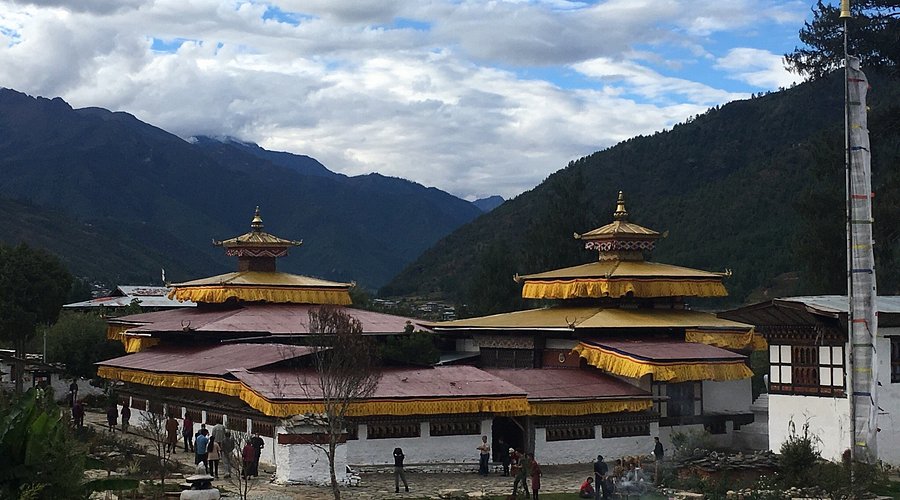
Kyichu Lhakhang Temple
Kyichu Lhakhang, situated near Punakha Dzong in central Bhutan, is one of the country's oldest continuously operating monasteries. Dating to the 7th century, this temple has maintained its spiritual traditions for over 800 years, making it a living treasure of Buddhist heritage. The temple's historical continuity and ongoing importance make it a fascinating destination for those interested in Buddhist history and culture.
The temple's strategic location made it an important center for Buddhist learning and administration. Over centuries, it has guided Bhutan's monastic education and supported spiritual practices. The temple's historical continuity and ongoing importance make it a fascinating destination for those interested in Buddhist history and culture.
Gangtey Monastery
Gangtey Monastery, nestled in eastern hills of Bhutan, offers visitors a serene and contemplative environment. Founded in 17th century, this monastery represents a different architectural style that emphasizes harmony with nature rather than domination of landscape.
The monastery's wooden buildings with intricately carved windows and balconies blend seamlessly into surrounding forest. The central courtyard with its prayer wheel provides a peaceful gathering space for monks. Gangtey Monastery's location and design create a tranquil atmosphere that encourages meditation and reflection.
The monastery's importance in Bhutanese monastic tradition is demonstrated through its continuous operation for over 300 years. As a teaching monastery, it has trained generations of monks who have gone on to establish new monasteries across Bhutan and Himalayas.
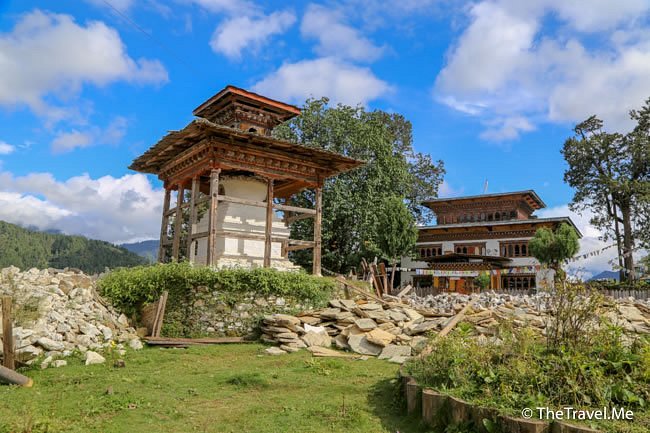
Cheri Lakhang Temple
Cheri Lakhang, located in central Bhutan, is famous for its spiritual energy and beautiful murals. The temple features intricate paintings depicting important events from Buddhist history and life of Buddha. These artworks serve both religious and educational purposes, teaching devotees about Buddhist philosophy and practice through visual storytelling.
The murals' vibrant colors and skilled execution create a visual feast that engages visitors while conveying deep spiritual teachings. Cheri Lakhang is particularly recommended for those interested in Buddhist art and iconography.
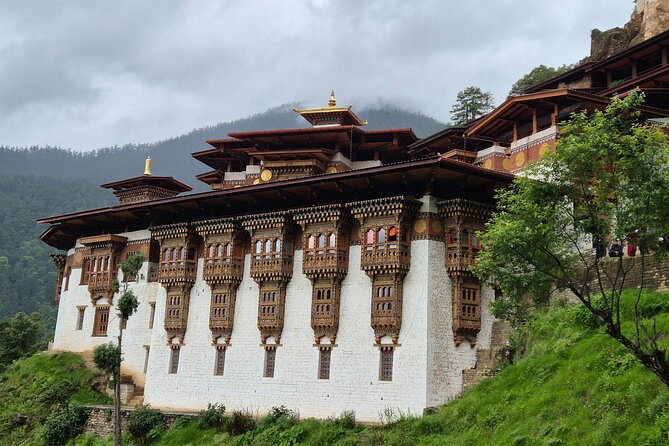
Buddha Dordenma Statue
The Buddha Dordenma statue in Thimphu is the largest Buddha statue in the world and one of Bhutan's most visited sacred sites. Standing at 51 meters, the golden statue dominates Thimphu's skyline and can be seen from various viewpoints across the valley.
The statue's sheer scale is impressive—enough to house several hundred people within its bronze throne room. The golden exterior catches sunlight, creating a magnificent presence that symbolizes enlightenment and compassion. The statue represents Bhutan's commitment to preserving Buddhist heritage while creating a modern spiritual landmark.
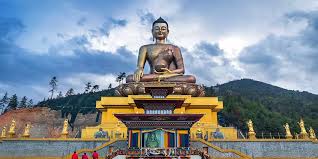
Taktshang (Chimi) Lhakhang
Located in eastern Bhutan, Chimi Lhakhang is one of Bhutan's oldest and most sacred monasteries. Dating to the 15th century, it has served as a central institution of Bhutan's monastic tradition for over 500 years. The monastery houses central body of Bhutan's reincarnated lama system, making it a repository of Buddhist learning and practice.
The monastery's architectural importance is matched by its spiritual significance. Its construction established patterns that would be followed by generations of Bhutanese monasteries. Chimi Lhakhang continues to train young monks in Buddhist philosophy and preserve ancient traditions that form the foundation of Bhutanese Buddhism.

Jamyang Kyesang Choling
Jamyang Kyesang Choling, located in central Bhutan, is Bhutan's largest dzong and one of the country's most historically significant religious sites. The dzong houses 108 chortens or shrines, each containing sacred relics and statues, creating a sacred space that has served pilgrims for centuries.
The dzong's spiritual significance and historical importance make it a must-visit for pilgrims and history enthusiasts. Walking among the chortens and viewing sacred relics provides a profound connection to Bhutan's Buddhist past and living traditions that continue at monastery to this day.
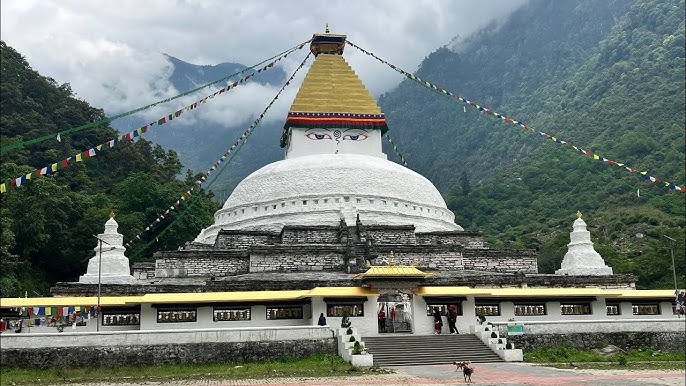
Punakha Temple
Punakha Temple, another sacred site in western Bhutan, features one of the country's most unusual architectural elements. The temple's design includes beautiful painted wooden ceilings and murals that depict celestial beings and Buddhist deities. These artistic features create an ethereal atmosphere that transports visitors to a different spiritual realm.
The temple's architectural uniqueness and beautiful artwork make it a fascinating destination for those interested in Buddhist iconography and religious art. Each painted element carries symbolic meaning and contributes to the overall spiritual experience of sacred space.
Comparing Bhutan's Temples with Himalayan India
Travelers who find Bhutan's monastic architecture compelling often continue their Himalayan Buddhist journey into Ladakh, where Hemis Monastery hosts a masked-dance festival comparable in scale to Bhutan's tsechus, and Shanti Stupa offers a similarly striking hilltop silhouette to Tiger's Nest. Both regions share Tibetan Buddhist roots but express them through distinct regional architecture and ritual calendars.
Temple Etiquette and Travel Tips
Visiting temples in Bhutan requires respect for local customs and traditions. Most temples are active places of worship where photography may be restricted, particularly inside sacred chambers. Visitors should dress modestly, with shoulders and knees covered. Silence and respectful behavior are essential for maintaining sacred atmosphere.
For multi-temple itineraries, consider travel logistics and timing. Some remote temples require advance planning for transportation and accommodation. Hiring local guides can enhance understanding of each temple's significance and history.
Conclusion
Bhutan's temples offer more than just sightseeing—they provide gateways to understanding Buddhist philosophy, experiencing Tibetan culture, and connecting with spiritual traditions that have sustained this Himalayan kingdom for centuries. From architectural splendor of Tiger's Nest to ancient wisdom of Kyichu Lhakhang, from golden majesty of Buddha Dordenma to 108 chortens of Jamyang Kyesang Choling, each sacred site contributes its unique energy to Bhutan's spiritual landscape.
Whether you're a spiritual seeker making a pilgrimage, a history enthusiast exploring ancient monasteries, or simply a traveler drawn to Bhutan's beauty and culture, these temples offer transformative experiences. The sacredness, natural beauty, and rich heritage of these 15 sites create memories that last a lifetime.
Plan your temple circuit thoughtfully, choosing sites that resonate with your interests and pace. Respect sacred traditions, follow dress codes, and approach each temple as holy space it is. In doing so, you'll not just see Bhutan—you'll experience its spiritual heart and cultural soul.
Location
Frequently Asked Questions
Q1.What are the most famous temples in Bhutan?
Q2.How difficult is Tiger's Nest trek?
Q3.What is the best time to visit temples in Bhutan?
Q4.Are there dress codes for Bhutan temples?
Q5.Can tourists enter all temples in Bhutan?
Recommended For You
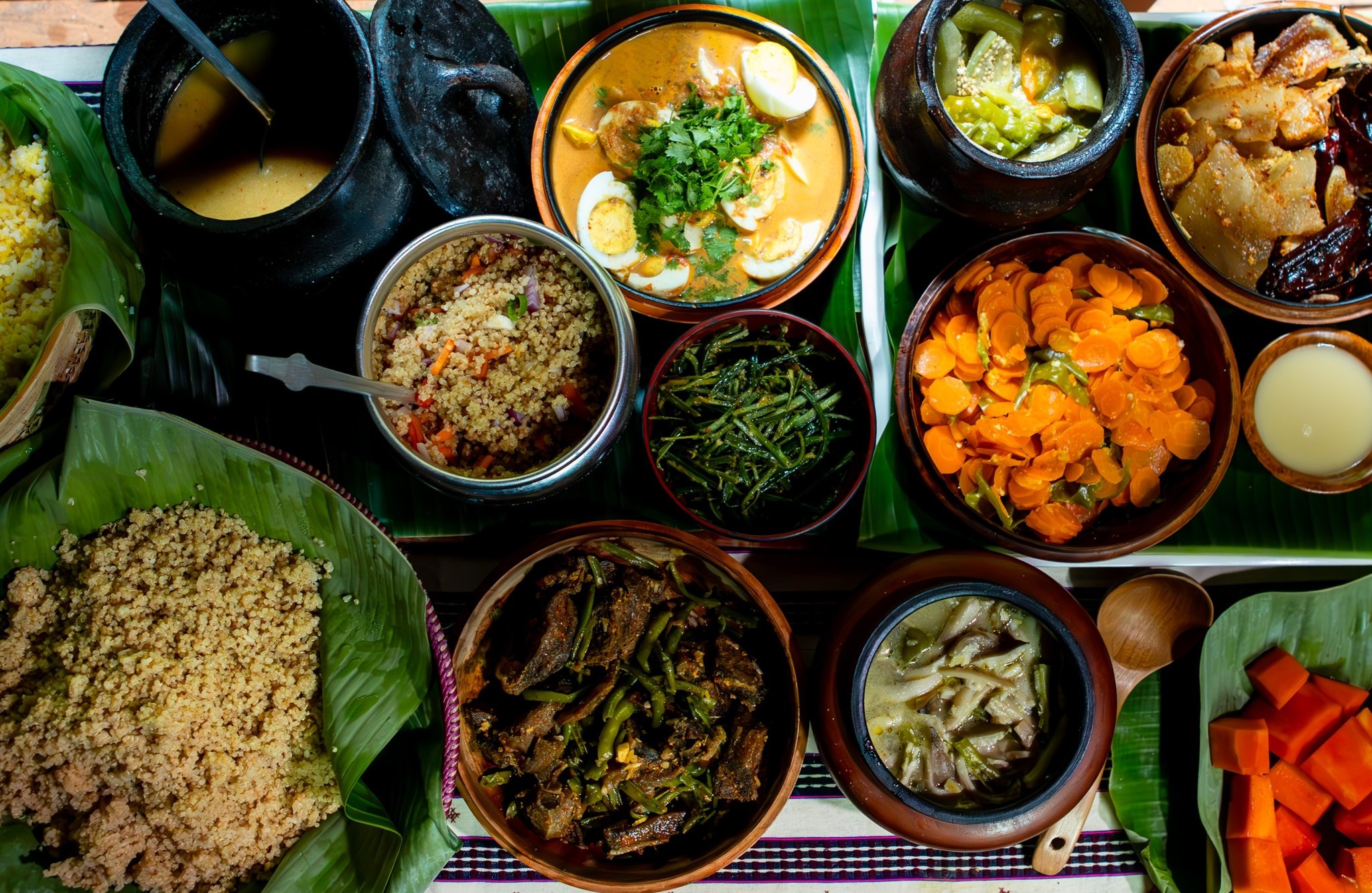
Traditional Cuisine of Bhutan: Signature Dishes & Food Culture
Discover the traditional cuisine of Bhutan with Ema Datshi, regional dishes, beverages, dining etiquette, and practical food tips for first-time travelers.
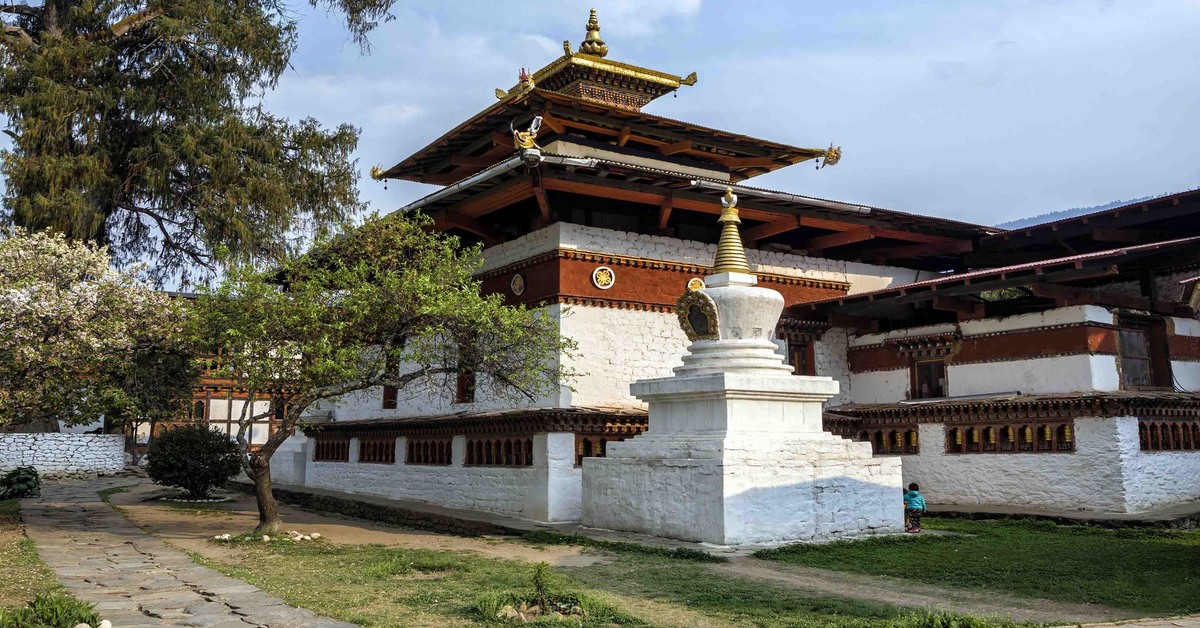
Kyichu Lhakhang Bhutan: History, Rituals & Visitor Information
Visit Kyichu Lhakhang Bhutan with historical context, etiquette guidance, architecture highlights, and practical Paro route planning tips.
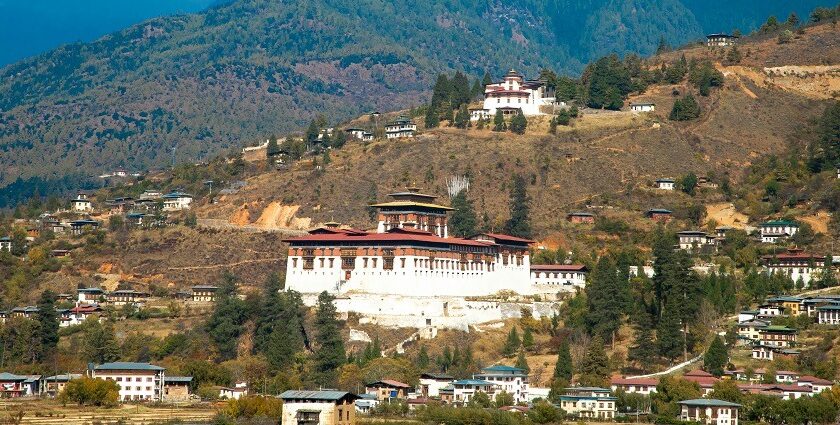
Paro Bhutan: Complete Travel Plan Places And Weather
Plan your Paro Bhutan trip with top attractions, itinerary structure, budget guidance, seasonal advice, and practical first-time travel tips.
Never Miss an Adventure
Get the latest trekking guides, travel tips, and exclusive offers delivered straight to your inbox.
