
Traditional Cuisine of Bhutan: Signature Dishes & Food Culture

Rahul Garg
February 20, 2026
Discover the traditional cuisine of Bhutan with Ema Datshi, regional dishes, beverages, dining etiquette, and practical food tips for first-time travelers.
Introduction: Why Bhutanese Food Feels Different
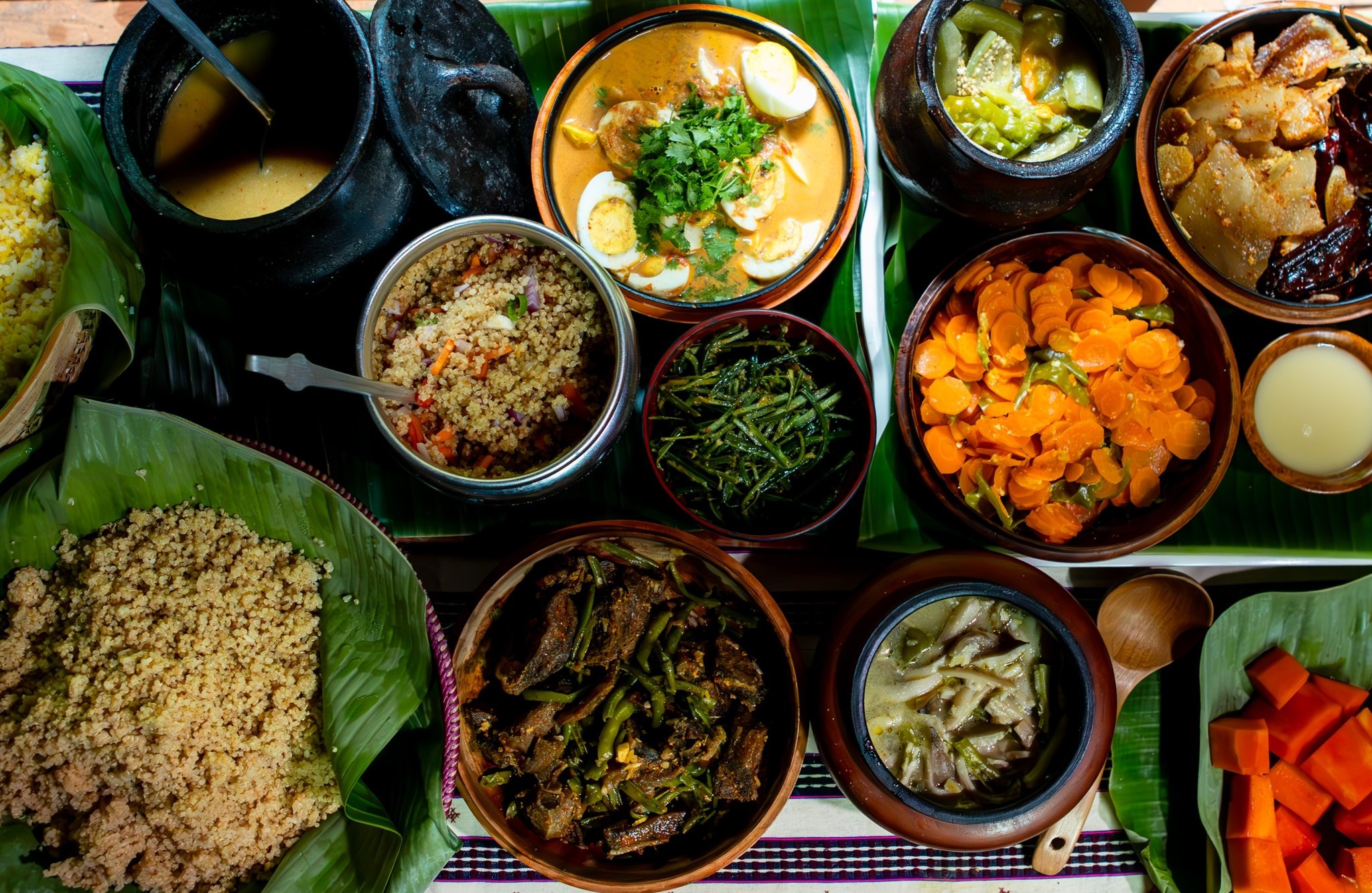
Traditional cuisine of Bhutan is deeply tied to altitude, climate, agriculture, and everyday community life. Unlike many destination food scenes built around restaurant trends, Bhutanese cuisine is still strongly shaped by home-style cooking patterns, seasonal produce, and practical mountain nutrition. This is why first-time visitors often find the food simple in structure but intense in flavor, especially through chili-forward preparations and cheese-based gravies.
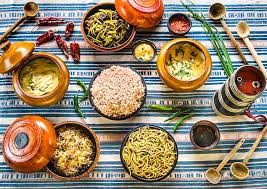
Many travelers searching for Bhutanese food expect only one iconic dish, Ema Datshi, but the cuisine is much broader. You will find variations of datshi dishes, pork and dried-meat preparations, red rice staples, dumplings, noodle soups, and region-linked beverages that reflect both local identity and shared Himalayan influence. The best way to understand Bhutan's food culture is to look at ingredients, not just menus: chilies, yak or cow dairy, grains like red rice and buckwheat, and preserved foods for cold seasons. This guide covers major dishes, drinks, dining etiquette, vegetarian concerns, and where to try authentic meals. For trip planning context, pair this with best time to visit Bhutan, Thimphu Bhutan, and Paro travel guide.
The Core Philosophy of Bhutanese Cuisine
Bhutanese food values warmth, satiety, and ingredient practicality. This is a cuisine designed for mountain weather and local agricultural cycles, not for over-complicated presentation. Meals are often built around rice, vegetable or meat sides, and chili-cheese combinations that provide both heat and comfort.
What Shapes the Cuisine
- Highland climate and seasonal availability.
- Farm-to-kitchen habits in many households.
- Use of chilies as a core food component, not just seasoning.
- Regional variation across valleys and altitude zones.
This makes Bhutanese cuisine taste robust and functional while still culturally rich.
Ema Datshi: The National Dish and Its Variations
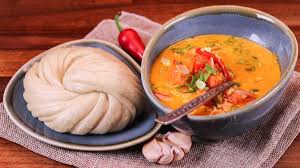
Ema Datshi is the dish most associated with Bhutan: a chili-and-cheese preparation served hot, usually with red rice. The name itself reflects its two central components. For visitors, this dish defines the "first taste" of Bhutan, but local variations can differ in chili intensity, cheese texture, and added ingredients.
How It Is Typically Prepared
- Green and/or red chilies cooked with local cheese.
- Simple seasoning with minimal complexity.
- Served with rice as a complete meal base.
Popular Datshi Variants
- Kewa Datshi: Potato and cheese.
- Shamu Datshi: Mushroom and cheese.
- Khatam Datshi: Spinach style variants in some kitchens.
If you are spice-sensitive, ask for milder versions in advance; some local kitchens can adjust heat.
Popular Bhutanese Main Dishes Beyond Ema Datshi
While Ema Datshi dominates search intent, Bhutan's meal culture includes several important mains.
1. Phaksha Paa
A pork-based dish commonly cooked with red chilies and vegetables such as radish in many local styles. It is a strong-flavor dish and often a favorite among non-vegetarian visitors.
2. Jasha Maroo
A spicy chicken preparation with chopped ingredients and aromatic heat profile. Often served with rice in local eateries and homestay setups.
3. Sikam Paa
Dried pork cooked with chilies and related elements; reflects preservation traditions relevant to mountain conditions.
4. Red Rice as a Core Staple
Bhutanese red rice is central to meal structure and pairs with almost every major curry or datshi dish.
5. Hoentoe and Local Dumpling Traditions
Buckwheat-based dumpling styles appear in regional contexts and are especially associated with local cultural food events.
| Dish | Type | Flavor Profile |
|---|---|---|
| Ema Datshi | Chili-cheese main | Spicy, creamy, bold |
| Phaksha Paa | Pork dish | Savory, chili-forward |
| Jasha Maroo | Chicken dish | Spicy, aromatic |
| Kewa Datshi | Vegetarian side/main | Mild to medium creamy heat |
| Red Rice | Staple grain | Nutty, earthy base |
Soups, Stews, and Cold-Weather Comfort Foods
Given Bhutan's climate patterns, warming dishes are important in day-to-day food habits.
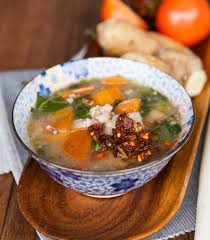
- Thukpa-type noodle soups: popular in Himalayan food culture belts.
- Stew-style preparations: practical for colder evenings.
- Dumpling soups: found in local and family-style meal contexts.
These foods are especially useful for travelers acclimatizing to cooler conditions in higher-altitude areas.
Snacks and Street-Style Eating in Bhutan
Street-food culture in Bhutan is more moderate and localized compared to large metro markets, but travelers still find snack-friendly options in town zones and market areas.
Common Snack-Type Foods
- Momo varieties in local eateries.
- Fried breads and stuffed items in some markets.
- Quick noodle meals and tea-side savory plates.
Food quality can vary by location, so choose busy, clean outlets with good turnover.
Traditional Bhutanese Beverages
Drinks are an important part of Bhutan's food identity and social context.
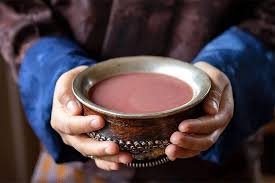
Suja (Butter Tea)
A salted butter tea style linked to Himalayan cold-weather adaptation and local tea culture.
Ara
A traditional local alcoholic beverage associated with regional grain-based fermentation practices (availability and legal serving context can vary by place).
Chang and Other Local Alcohol Styles
Barley and grain-linked drinks are part of broader mountain-region beverage traditions.
Herbal and Local Tea Patterns
Beyond butter tea, travelers also encounter regular tea-service forms in towns and stays.
If you want deeper beverage context, see Bhutan local drinks.
Is Bhutanese Food Very Spicy?
In many kitchens, yes. Chilies are often treated as a vegetable component, not just a flavor accent. This can surprise first-time visitors.
How to Handle Spice Better
- Request low-spice versions when ordering.
- Choose potato/mushroom datshi variants first.
- Pair hot dishes with rice and mild side items.
- Avoid over-ordering on first meal in Bhutan.
Most hospitality-focused restaurants can suggest beginner-friendly options.
Vegetarian Food in Bhutan: What to Expect
Bhutan has useful vegetarian options, though many signature dishes still revolve around chili and dairy.
- Datshi variants without meat are common.
- Rice-and-vegetable meal combinations are widely available.
- Potato, mushroom, leafy vegetables, and seasonal produce appear often.
If you are vegan or have dietary restrictions, communicate clearly before meal preparation.
Dining Etiquette and Food Culture
Food in Bhutan is connected to respect and shared eating culture. Visitors should follow basic courtesy in homes and local eateries.
- Respect host guidance if invited for local meals.
- Serve and accept food politely.
- Avoid waste; portion realistically.
- Dress and behave respectfully in traditional settings.
Cultural sensitivity improves your experience and local interaction quality.
Where to Try Authentic Bhutanese Cuisine
For travelers, the most practical food strategy is mixing local eateries with one or two trusted restaurant experiences in larger towns.
Best Places to Explore Food
- Thimphu: broad mix of local and traveler-friendly dining.
- Paro: easy access to classic dishes and café-style options.
- Homestays/farmhouse experiences: strongest cultural immersion for traditional meal patterns.
For destination-specific planning, see Thimphu travel, Paro guide, and Bhutan street food.
Sample Bhutan Food Day Plan for First-Time Visitors
| Meal Slot | Suggested Try | Reason |
|---|---|---|
| Breakfast | Light local tea + simple warm dish | Easier acclimatization for new palate |
| Lunch | Kewa/Shamu Datshi + red rice | Balanced intro to datshi style |
| Evening snack | Momo or local savory snack | Quick taste of casual food culture |
| Dinner | Phaksha Paa or Jasha Maroo (if non-veg) | Richer flavor experience |
This sequence helps gradual adaptation to spice and local textures.
Common Mistakes to Avoid
- Assuming all Bhutanese dishes are mild.
- Ordering too many spicy mains in first meal.
- Ignoring dietary communication before cooking starts.
- Confusing tourist-fusion menus with traditional preparations.
- Skipping local food outside hotel buffets.
Simple planning gives a better and more authentic culinary experience.
Regional Differences and How to Order Better as a Visitor
Bhutanese cuisine is not completely uniform across the country. Taste intensity, ingredient availability, and cooking style can shift by region, altitude, and household tradition. In larger towns, menus may be adapted slightly for visitors, while local family kitchens often keep stronger spice levels and traditional textures. This is why two versions of the same dish, especially Ema Datshi or meat preparations, can feel very different in heat and richness.
A smart approach for first-time visitors is to build meals in layers. Start with one familiar base item like red rice, add one moderate-spice datshi dish, then add one new item (for example pork/chicken preparation or dumpling soup). This helps you enjoy variety without overwhelming your palate. If you are traveling in a group with mixed spice tolerance, ask the kitchen to keep one mild and one regular-spice dish. Most traveler-facing restaurants can accommodate this if asked clearly before preparation starts.
| Dining Situation | Better Choice | Why It Helps |
|---|---|---|
| First meal in Bhutan | Mild datshi + red rice | Gentle introduction to local flavor profile |
| Group with mixed spice tolerance | Dual-spice order request | Avoids food waste and discomfort |
| Cold-weather evening | Soup/stew + staple rice | Comforting and easier digestion |
| Homestay meal experience | Ask host for local seasonal specialties | Higher authenticity and cultural context |
This region-aware strategy improves both taste experience and trip comfort, especially for first-time visitors navigating spice-heavy Bhutanese meal structures across cities and homestays.
Conclusion
Traditional cuisine of Bhutan is one of the strongest ways to understand the country's identity, climate adaptation, and everyday cultural rhythm. From Ema Datshi and red rice staples to local beverages and homestyle dishes, Bhutanese food rewards travelers who approach it with curiosity and respect.
Start with balanced spice choices, explore beyond one signature dish, and include at least one local-style meal experience in your itinerary. Continue your planning with best time to visit Bhutan, backpacking Bhutan, and Bhutan tourist places.
Location
Frequently Asked Questions
Q1.What is the national dish of Bhutan?
Q2.Is Bhutanese food very spicy?
Q3.What are common ingredients in Bhutanese cuisine?
Q4.What are other popular dishes besides Ema Datshi?
Q5.Are there vegetarian food options in Bhutan?
Q6.What is Suja in Bhutan?
Q7.Where can I try authentic Bhutanese cuisine?
Q8.Is Bhutanese street food safe for tourists?
Recommended For You

Backpacking Bhutan: Budget Planning, Route & Permit Details
Complete backpacking Bhutan guide: visa requirements, daily fee, budget tips, best season, trekking, cultural sites & 7-day itinerary for the Land of the Thunder Dragon.
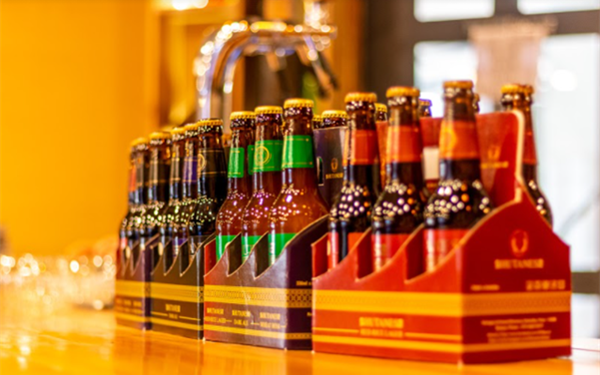
Bhutan Local Drinks: Traditional Beverages Guide Tips
Bhutan local drinks guide with cultural context, tasting sequence, hydration tips, and practical beverage planning for travelers.
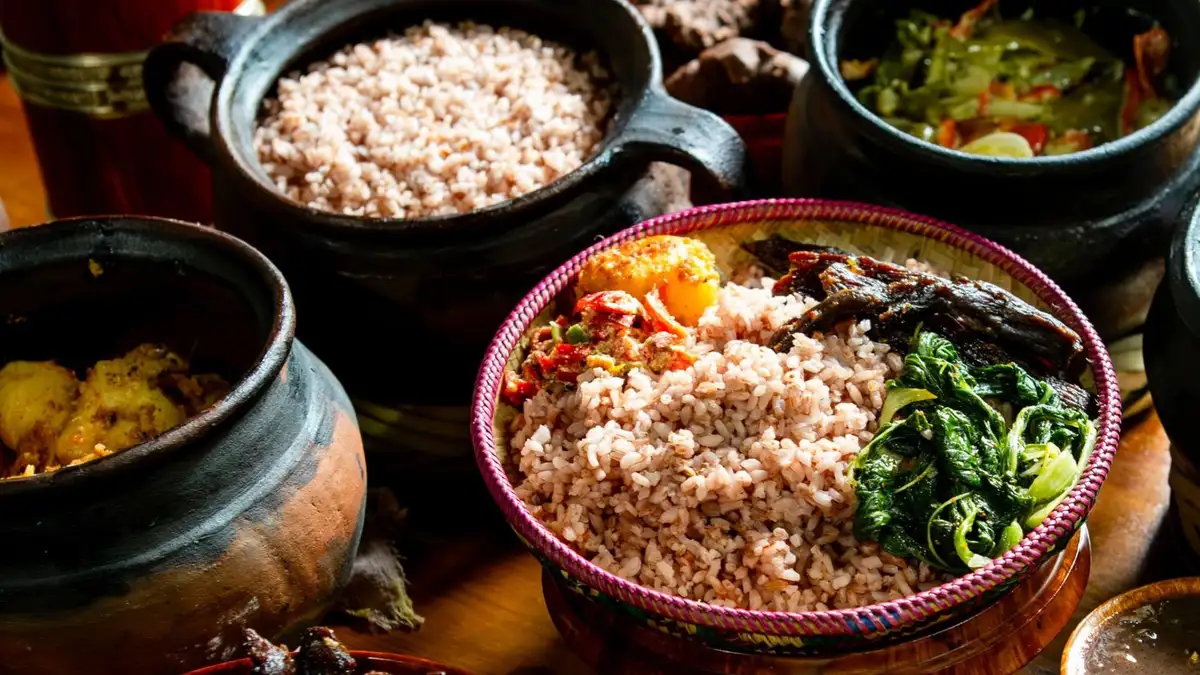
Bhutan Street Food: Local Flavors and Tasting Tips
Bhutan street food guide with practical tasting order, hygiene checks, budget pacing, and cultural etiquette for smarter local food exploration.
Never Miss an Adventure
Get the latest trekking guides, travel tips, and exclusive offers delivered straight to your inbox.
