
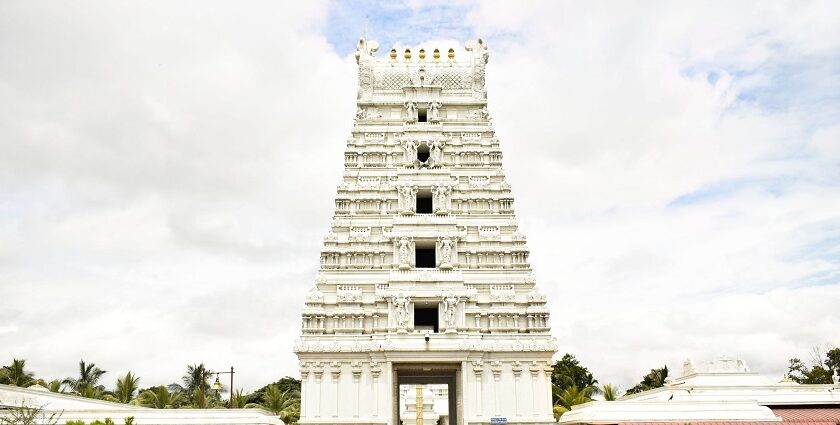
Temples in Guwahati: 15 Sacred Sites

Rohan Malhotra
January 27, 2026
Explore 15 famous temples in Guwahati, Assam. From Kamakhya to Umananda, discover Shakti Peeth & spiritual heritage.
Introduction to Guwahati Temple Heritage
Guwahati, as the largest city in Northeast India and gateway to Assam, holds a profound spiritual heritage that reflects centuries of devotion, tantric traditions, and temple architecture unique to this region. The city's temple landscape is dominated by the magnificent Kamakhya Temple, one of India's most revered Shakti Peeths, but extends well beyond to include numerous sacred sites dedicated to various deities and spiritual traditions.
What makes Guwahati's temple scene particularly fascinating is this blend of orthodox Hindu worship with tantric practices that are part of the region's spiritual DNA. From temples on river islands to those perched on hills with panoramic views of the Brahmaputra, Guwahati offers temple experiences that combine devotion, nature, and cultural immersion. For travelers exploring Northeast India, understanding this spiritual dimension adds meaningful depth to their journey.
This guide covers Guwahati's most important temples, practical information for visits, and temple circuit planning tips. Whether you're a devotee seeking blessings at a Shakti Peeth, a cultural traveler exploring Northeast traditions, or a spiritual enthusiast interested in tantric practices, Guwahati temples deliver unique and powerful experiences.
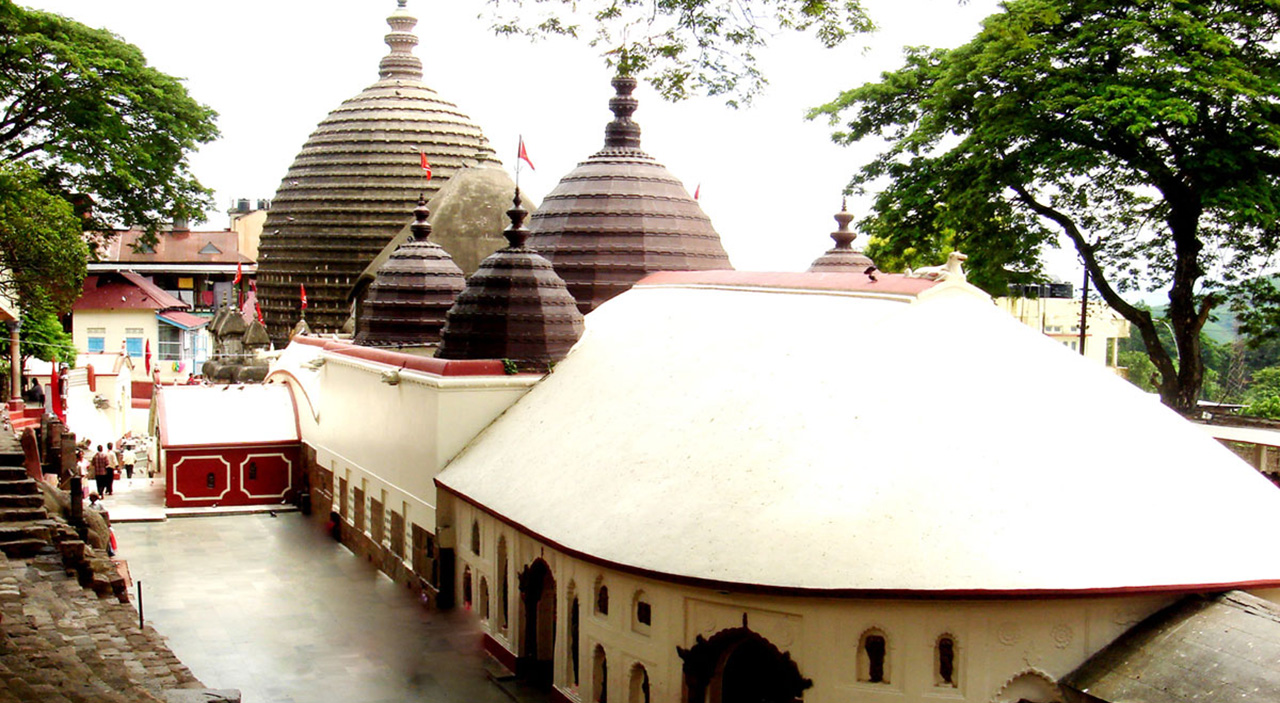
Kamakhya Temple (Nilachal Hill)
Kamakhya Temple stands as Guwahati's most important spiritual landmark and one of the 51 Shakti Peeths in India. Located on Nilachal Hill, approximately 10 kilometers from Guwahati city center, the temple is dedicated to Goddess Kamakhya, a form of Shakti (divine feminine energy). The temple's significance in tantric worship and Shakti tradition makes it one of India's most unique sacred sites.
The temple's architecture is distinctive, featuring a beehive-shaped dome that sets it apart from more common temple designs. While the temple's origins are ancient, the current structure dates back to 17th-century reconstruction efforts. What makes Kamakhya truly special is the belief that Goddess Sati's yoni (female genitalia) fell at this spot, making it one of the most important Shakti Peeths.
For a deeper dive into darshan timings, rituals, and the temple's tantric traditions, see our dedicated Kamakhya Temple guide.
Spiritual Significance and Festivals
The temple's spiritual atmosphere reaches its peak during two major periods. Ambubachi Mela, typically held in June, celebrates the annual menstruation period of Goddess Kamakhya. During this time, the temple remains closed for three days, and devotees gather in massive numbers from across India to be present when the temple reopens. The festival is one of Assam's largest religious gatherings.
Navratri, particularly the autumn Navratri, draws another wave of devotees seeking blessings. The temple follows tantric traditions alongside orthodox worship, which gives it a unique spiritual character compared to most mainstream temples.
Practical Information
| Detail | Information |
|---|---|
| Location | Nilachal Hill, 10 km from Guwahati city center |
| Timings | 5:30 AM - 1:30 PM, 3:30 PM - 10:00 PM |
| Duration | 3-4 hours including travel and darshan |
| Best Time | Ambubachi Mela period (June) for festival experience, or regular Navratri |
| Darshan | Token system available; queues can be long during festivals |
| Dress Code | Traditional, modest clothing recommended |
| Photography | Not allowed in main sanctum; outer areas permitted |
Umananda Temple (Peacock Island)
Umananda Temple offers one of Guwahati's most unique temple experiences, situated on Peacock Island, the smallest inhabited river island in the world. Located in the middle of Brahmaputra River, the temple is dedicated to Lord Shiva in his form as Umananda. The journey to the temple itself is an experience, involving a scenic ferry ride across the Brahmaputra with excellent river views.
The temple was built by Ahom King Gadadhar Singha in the 17th century and follows traditional Assamese architectural style. The island is home to golden langurs, which visitors often spot during temple visits. The combination of river journey, island location, and temple architecture makes Umananda a distinctive stop in Guwahati's temple circuit.
Journey and Experience
The ferry ride from Kachari Ghat to Peacock Island takes about 10-15 minutes and operates roughly every 30 minutes during daylight hours. The journey itself provides beautiful views of the Brahmaputra and Guwahati city skyline. On reaching the island, a short walk leads to the temple. The island's peaceful atmosphere and river surroundings create a serene setting for darshan.
Practical Information
- Location: Peacock Island, Brahmaputra River
- Timings: 5:30 AM - 6:00 PM
- Duration: 2-3 hours including ferry journey
- Best Time: Morning ferry ride for calmer river conditions
- Access: Ferry from Kachari Ghat; tickets available at ghat
- Special: Golden langurs on island; scenic Brahmaputra views
- Architecture: Traditional Assamese style temple
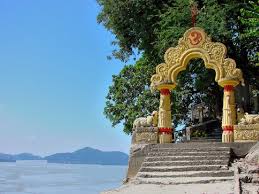
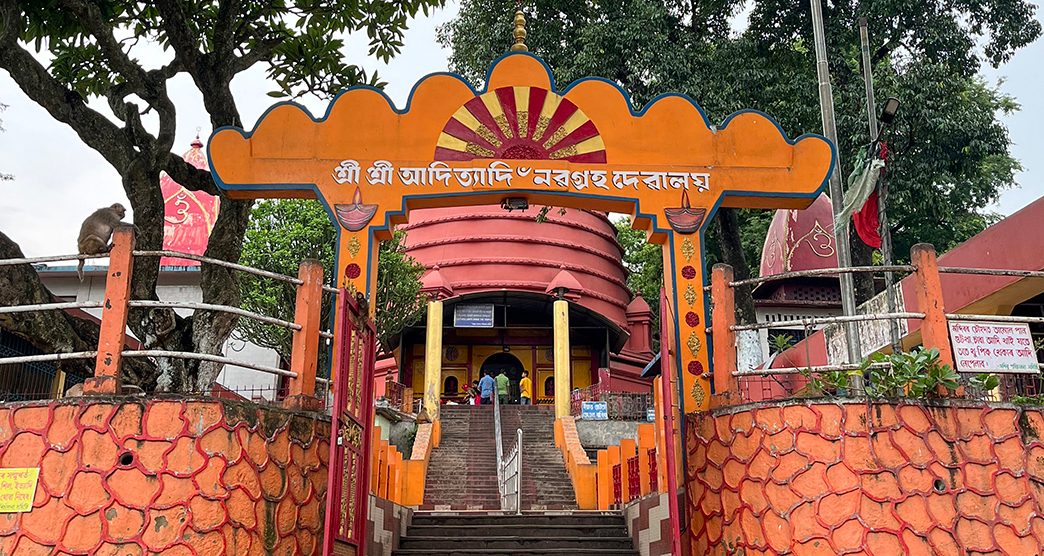
Navagraha Temple
Navagraha Temple, located on Chitrachal Hill, is unique among Guwahati temples for being dedicated to the nine celestial bodies (Navagrahas) that influence human destiny according to Hindu astrology. The temple was constructed in the 18th century during the Ahom period and represents the importance of planetary worship in Assamese spiritual tradition.
The temple houses nine planetary deities: Surya (Sun), Chandra (Moon), Mangala (Mars), Budha (Mercury), Brihaspati (Jupiter), Shukra (Venus), Shani (Saturn), Rahu, and Ketu. Devotees visit to seek relief from planetary afflictions or to strengthen favorable planetary positions. Sunday mornings are particularly busy as many visitors choose this day for Navagraha worship.
The temple's location on Chitrachal Hill provides panoramic views of Guwahati city, making the visit worthwhile both for spiritual reasons and sightseeing. The combination of planetary worship, hilltop location, and city views makes Navagraha Temple a distinctive stop for those interested in astrology and traditional beliefs.
Practical Information
- Location: Chitrachal Hill, Guwahati
- Timings: 6:00 AM - 1:00 PM, 3:00 PM - 9:00 PM
- Duration: 1-2 hours for darshan
- Best Time: Sunday mornings; days of planetary transitions if significant in your horoscope
- Access: Auto or taxi from city center; short uphill walk
- Special: Nine planetary deities; city views from hill
- Astrology: Consult temple priests for specific planetary remedies
Sukreswar Temple
Sukreswar Temple, located in Guwahati's city center near the Brahmaputra River, is a significant Shiva temple with historical roots in the Ahom period. Dedicated to Lord Shiva in his form as Sukreswar, the temple is associated with the story of Bhakta Prahlada and represents devotion and faith.
The temple's location near the Brahmaputra provides beautiful river views, creating a peaceful atmosphere for worship. The 18th-century construction dates this temple to the Ahom dynasty's rule, reflecting that period's temple-building traditions. Mahashivratri and Pradosham days see increased footfall, with special worship conducted during these occasions.
Practical Information
- Location: Guwahati city center, near Brahmaputra River
- Timings: 6:00 AM - 12:00 PM, 4:00 PM - 9:00 PM
- Duration: 1 hour for standard visit
- Best Time: Mahashivratri for special celebrations
- Access: Easy access by city transport; walkable from many central areas
- Special: Bhakta Prahlada story association; Brahmaputra River views
Basistha Temple
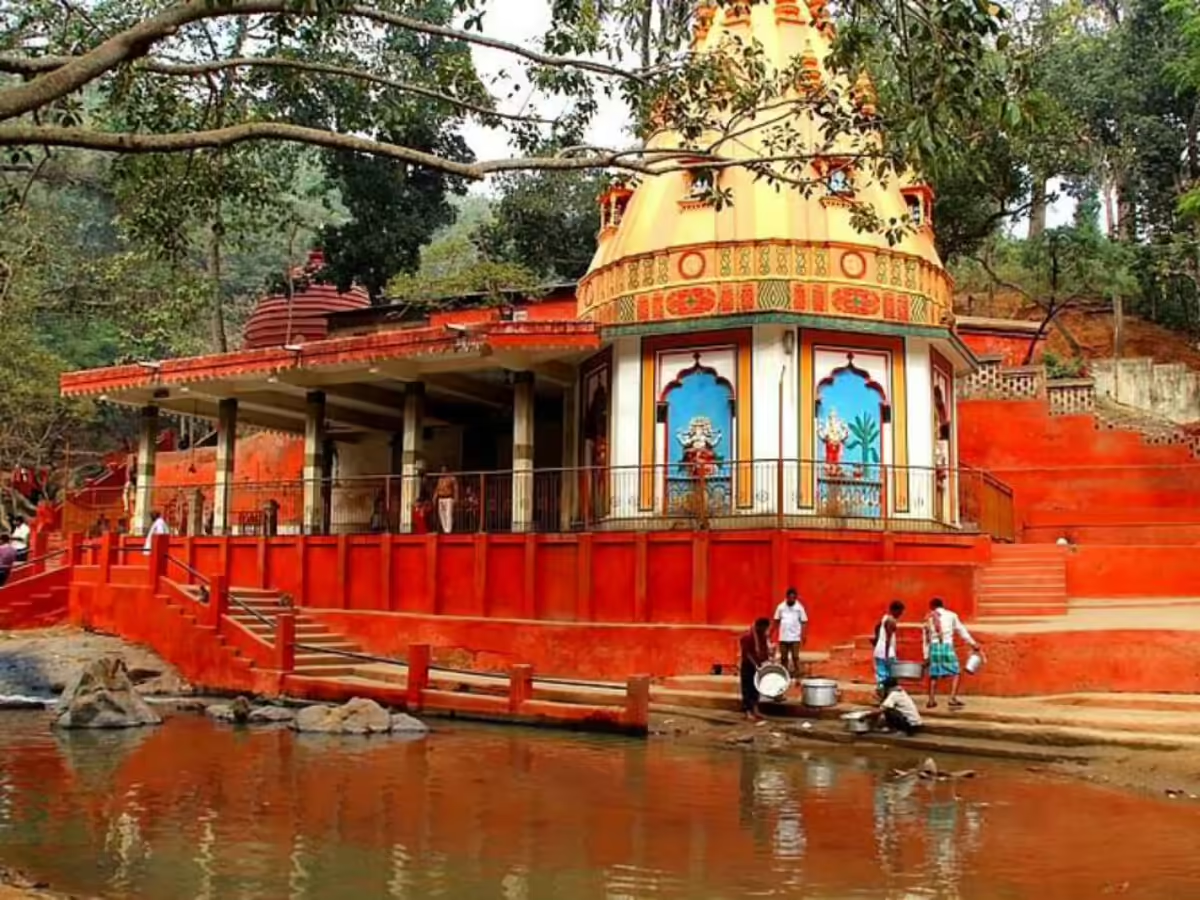
Basistha Temple, located in the Basistha Ashram area, is connected to Vedic sage Vashistha (also known as Basistha in local tradition). The temple is dedicated to Lord Shiva and is set in a natural environment surrounded by forests. The ashram setting and nearby waterfall create a peaceful retreat-like atmosphere for temple visits.
The temple's location away from the city center makes it quieter compared to more prominent Guwahati temples. The connection to sage Vashistha adds mythological significance, as Vashistha was one of the Saptarishis (seven sages) in Hindu tradition. Visitors seeking a more contemplative temple experience often prefer Basistha for its serene surroundings.
Practical Information
- Location: Basistha Ashram area, Guwahati outskirts
- Timings: 6:00 AM - 12:00 PM, 4:00 PM - 8:00 PM
- Duration: 1-2 hours including surrounding exploration
- Best Time: Winter months for comfortable weather; Shivratri for special events
- Access: Taxi or auto from city center
- Special: Ashram setting; nearby waterfall; forest surroundings
Dirgheshwari Temple
Dirgheshwari Temple, located on Dirgheshwari Hill, is another important Shakti Peeth temple in the Guwahati region. Dedicated to Goddess Dirgheshwari, a form of Goddess Durga, the temple holds significance among devotees who seek blessings for protection and strength. The hilltop location provides scenic views of the Brahmaputra Valley.
The temple's history spans several centuries, though the current structure has undergone renovations and improvements over time. Navratri and Durga Puja periods see increased devotee activity, with special worship and decorations marking these festivals. The combination of Shakti worship, hilltop location, and valley views makes Dirgheshwari Temple a meaningful stop for Shakti devotees visiting Guwahati.
Practical Information
- Location: Dirgheshwari Hill, Guwahati
- Timings: 6:00 AM - 1:00 PM, 3:00 PM - 9:00 PM
- Duration: 2 hours for visit including temple exploration
- Best Time: Navratri and Durga Puja for festival experience
- Access: Road journey from city center
- Special: Scenic hilltop location; Brahmaputra Valley views
Other Notable Temples in Guwahati
Beyond the major temples covered above, Guwahati has several other sacred sites that contribute to its spiritual landscape:
Janardana Temple: A Vishnu temple located in Guwahati city, dedicated to Lord Janardana (another form of Vishnu). The temple is popular among Vaishnava devotees and follows traditional worship patterns.
Doul Govinda Temple: A significant Vaishnava temple with historical importance in Guwahati's spiritual history. The temple is associated with Krishna worship and maintains a regular devotee following.
Lankeswar Temple: Another Shiva temple in Guwahati, known among locals for its spiritual significance and regular worship activities. The temple contributes to the city's strong Shiva worship tradition.
Ganesh Temple: A modern Ganesh temple that has gained popularity for its Ganesh Chaturthi celebrations. The temple represents newer additions to Guwahati's temple landscape.
Aswaklanta Temple: A Vishnu temple located near the Brahmaputra, known for its scenic river location and traditional worship practices.
Temple Circuit Planning Tips
Best Time to Visit Guwahati Temples
October to March offers the most comfortable weather for temple visits in Guwahati. Winter months provide cool, pleasant conditions for exploring hill temples and outdoor areas. Summer months can be hot and humid, making early morning or evening visits more comfortable. Monsoon season (June-September) brings rain but also transforms the landscape into lush green; however, some hill temples may have accessibility challenges during heavy rain.
Duration for Temple Tour
A comprehensive temple circuit covering 4-6 temples typically requires 2-3 days when planned from a Guwahati base. Kamakhya Temple alone needs 3-4 hours including travel. Umananda Temple requires 2-3 hours due to ferry logistics. Other temples like Sukreswar (city center), Navagraha (Chitrachal Hill), Basistha (outskirts), and Dirgheshwari (hill) can be efficiently combined in a 2-3 day itinerary.
Transportation
Guwahati offers taxis, auto-rickshaws, and app-based cabs for temple visits. Umananda Temple requires a ferry from Kachari Ghat—plan ferry timing according to your schedule. Hill temples like Kamakhya and Navagraha involve uphill walks; vehicles drop visitors at base points, from where a climb is required. Hiring a cab for full-day temple circuit is practical and cost-effective for covering multiple temples.
Accommodation
For temple-focused stays, options near Kamakhya Temple area or Guwahati city center work well. Near-Kamakhya accommodations put you close to the most important temple. City center stays provide easier access to restaurants, transport hubs, and multiple temples. Guwahati has hotels across budget ranges, from budget options to premium properties.
Dress Code and Temple Etiquette
Modest, traditional clothing is recommended for all Guwahati temples. Footwear must be removed before entering temple premises. Many temples, especially Kamakhya, have specific dress guidelines—carrying a dupatta or scarf is advisable. Photography rules vary by temple; check and respect guidelines, especially in main sanctums where photography is typically prohibited.
Food and Prasadam
Most temples distribute prasadam, which can be accepted as blessings. Guwahati's Assamese cuisine is worth exploring after temple visits. Local food, including fish preparations, traditional thalis, and Assam tea, adds cultural dimension to your trip. If you enjoy café culture, you can explore best cafes in Guwahati for a break between temple visits.
Conclusion
Guwahati's temple landscape offers a profound spiritual journey through Shakti worship, Shiva devotion, planetary traditions, and the unique tantric heritage of Assam. From the majestic Kamakhya Temple on Nilachal Hill to the serene Umananda on Peacock Island, from the unique Navagraha Temple to the peaceful Basistha Ashram setting, Guwahati provides diverse and powerful temple experiences.
Whether you're seeking blessings at a Shakti Peeth, exploring Northeast India's spiritual traditions, or experiencing temple visits in river and hill settings, Guwahati temples deliver meaningful and unforgettable encounters. Plan your temple circuit with realistic time allocation, respect temple customs and tantric traditions, and combine spiritual visits with Guwahati's other cultural experiences for a complete Northeast India journey.
For broader Assam exploration, you can also read about temples in Dibrugarh or plan your Nagoland visit through Kohima travel guide.
Location
Frequently Asked Questions
Q1.What are the famous temples in Guwahati?
Q2.How far is Kamakhya Temple from Guwahati city?
Q3.Can we cover all Guwahati temples in one day?
Q4.What is special about Kamakhya Temple?
Q5.How to reach Umananda Temple?
Q6.What is the best time to visit Guwahati temples?
Q7.What are Kamakhya Temple timings?
Q8.Are there accommodations near Kamakhya Temple?
Recommended For You
Temples in Erode: 12 Sacred Sites
Explore 12 famous temples in Erode, Tamil Nadu. From Thindal Murugan to historic Shiva temples, discover spiritual heritage.
Temples in Guntur: 15 Sacred Sites
Explore 15 famous temples in Guntur, Andhra Pradesh. From Amaravati to Mangalagiri, discover spiritual heritage sites.
Temples in Hyderabad: 20 Sacred Sites
Explore 20 famous temples in Hyderabad. From Birla Mandir to Chilkur Balaji, discover spiritual sites, timings & heritage.
Never Miss an Adventure
Get the latest trekking guides, travel tips, and exclusive offers delivered straight to your inbox.
