
The London Eye: Ticket Options, Timings & Best Ride Time

Ananya Sharma
January 8, 2026
Complete London Eye guide with ticket types, timings, best visit windows, transport options, and practical tips for a smoother skyline experience.
Introduction: Why The London Eye Remains a Must-Do Experience
The London Eye is one of the most recognized attractions in the UK and one of the most practical ways to see central London from above in a short amount of time. Located on the South Bank of the River Thames, this giant observation wheel combines skyline views, easy city-center access, and a predictable ride duration, making it suitable for first-time London visitors, families, and short itineraries.
Since opening in 2000, the London Eye has become a defining part of modern London's visual identity. On clear days, visibility can extend far across the city, and key landmarks like Big Ben, the Houses of Parliament, and St Paul's Cathedral become easier to orient from the capsule perspective. If you are building a wider city plan, pair this with best-time planning for London and adjacent Westminster-side attractions. This guide covers tickets, opening hours, best timing, what to expect on-site, transport options, and practical tips that help avoid common mistakes.
About The London Eye: Height, Design and Why It Is Iconic
The London Eye stands approximately 135 meters (443 feet) high and is widely known as the world's largest cantilevered observation wheel. It features 32 enclosed capsules, each representing one of London's boroughs in symbolic numbering. A full rotation usually takes about 30 minutes, which is slow enough for stable viewing and photography.
One key detail many visitors miss: your timed ticket usually refers to your queue join time, not immediate boarding. This is standard for high-demand operations and is important for itinerary planning. Structurally, the Eye is engineered for smooth continuous movement, so most guests board while capsules move at low speed.
Beyond engineering, the London Eye remains relevant because it works for multiple traveler types. It is equally usable for casual tourists, architecture enthusiasts, families with children, and travelers doing a compact half-day London circuit.
London Eye Tickets: Types, Price Range and Booking Strategy
Ticket pricing can vary by date, demand, and package combinations. Online pre-booking is usually the best-value route and reduces day-of uncertainty.
| Ticket Type | What You Get | Typical Price Pattern |
|---|---|---|
| Standard Entry | General queue access for one rotation | Lower than premium options, demand-based |
| Fast Track | Priority queue with shorter wait time | Higher than standard, useful in peak periods |
| Combo Passes | London Eye + other Merlin attractions | Often better value for multi-attraction itineraries |
| VIP/Experience Tickets | Enhanced services, add-ons like lounge or drinks | Premium pricing |
The official site frequently runs dynamic offers, so fixed price assumptions can become outdated quickly. If you have a tight schedule, choose Fast Track. If your schedule is flexible, standard online booking is usually sufficient and more budget-friendly.
Booking Tips That Actually Help
- Book online in advance, especially for weekends and school holidays.
- Aim for a time slot outside midday peaks for smoother flow.
- Treat your ticket slot as queue-entry time, not pod-entry time.
- Use official channels for clearer modification and policy support.
London Eye Timings and Operating Schedule
Opening hours vary by season and selected dates, and closing windows can change with demand and special events. The Eye is generally closed on Christmas Day and during a short annual maintenance period in January.
| Timing Topic | Planning Note |
|---|---|
| Typical Daytime Opening | Often starts around mid-morning |
| Typical Closing Range | Commonly evening, varies by season and demand |
| Last Rotation | Usually shortly before official closing time |
| Holiday and Weekend Effect | Longer queues and higher demand |
| Maintenance | Short annual closure period, usually January |
Always confirm same-day hours on the official opening-hours page before you travel. This is one of the easiest ways to avoid avoidable schedule issues.
Best Time to Visit The London Eye
The best slot depends on your priority: skyline clarity, photography style, or queue reduction.
For Best Light and Photos
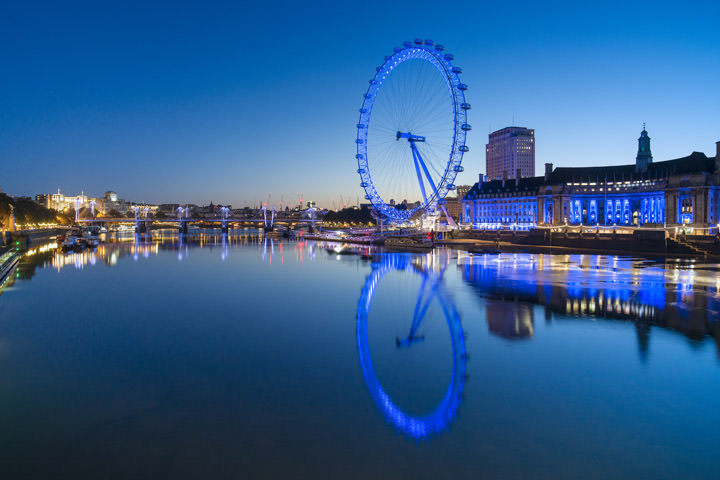
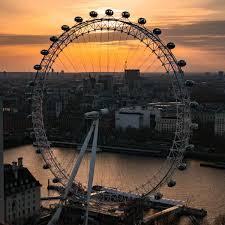
Late afternoon into golden hour often gives the strongest visual experience, especially when city facades warm up and river reflections improve. Blue-hour and early evening rides can be excellent for city-lights shots.
For Lower Crowds
Weekday mornings are generally calmer than weekends. During school holidays and major city event periods, demand rises significantly, so fast-track tickets become more useful.
For Weather Reliability
Clear-weather days naturally produce better long-distance visibility. If views are your priority, check forecast windows and be ready to adjust your slot when possible.
What to Expect During the Experience
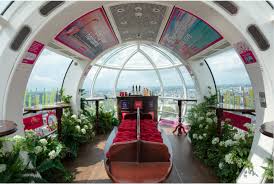
The ride itself is smooth, enclosed, and accessible for most travelers. Each capsule is climate-controlled and designed for standing viewing, with limited seating available. Expect an organized flow from entry screening to queue staging, then boarding.
On Arrival
- Reach the site early enough for security and queue processing.
- Follow your ticket category signage for standard or fast-track entry.
- Keep digital tickets ready and brightness high for scanning.
In the Capsule
- A full rotation is approximately 30 minutes.
- Movement is slow, so photography is usually manageable.
- Landmark spotting is easiest when visibility is clear.
Landmarks You Can Usually Spot
Depending on weather, you can often identify Westminster complex, the Thames curve, central bridges, and several major skyline markers. First-time visitors often find this orientation helpful before exploring street-level routes.
How to Reach The London Eye
The Eye sits in one of the most connected parts of central London. Public transport is usually the most efficient option.
| Transport Mode | Practical Notes |
|---|---|
| London Underground | Waterloo and Westminster connections are commonly used |
| National Rail | Waterloo station gives short walking access |
| Bus | Multiple central routes stop near Westminster Bridge area |
| River Services | Useful scenic option from selected Thames piers |
| Taxi/Rideshare | Convenient but traffic can cause delays in peak windows |
Private parking near the attraction is limited and expensive, so public transport is usually better. If you are combining attractions, check walking links with Tower Bridge and nearby Westminster routes in advance.
Is The London Eye Worth It?
For most first-time London visitors, yes. The Eye offers quick panoramic context that improves the rest of your city exploration. You understand river alignment, landmark positioning, and neighborhood scale in one half-hour session.
If you have already visited multiple high viewpoints in London and are optimizing budget, value depends on your interest in the experience itself. But for first-timers and families, it remains one of the highest-yield attractions in central London.
Common Mistakes and How to Avoid Them
- Assuming the ticket time means immediate boarding.
- Buying on-site during high-demand periods and losing schedule control.
- Ignoring weather when skyline visibility is a key goal.
- Overpacking same-hour plans before or after the ride.
- Reaching late and missing the effective queue window.
Fixing these five issues usually turns an average visit into a smooth one.
Sample Half-Day Plan Around The London Eye
A practical first-time route is South Bank walk + London Eye + Westminster zone. Keep buffer time before your ticket slot, then continue into nearby attractions. Travelers with kids can keep the day light by adding one family activity from London theme park planning options on a separate day rather than stacking too much into one afternoon.
Accessibility, Safety and Family Considerations
The London Eye is generally accessible for a wide range of travelers, including families and visitors with mobility requirements. However, planning details still matter. If you need step-free movement support, check accessibility guidance during booking and arrive with extra buffer time so staff can assist without pressure. For families with children, the ride duration is manageable, but queue windows can feel long during peak periods, so snacks, water, and realistic timing expectations help significantly.
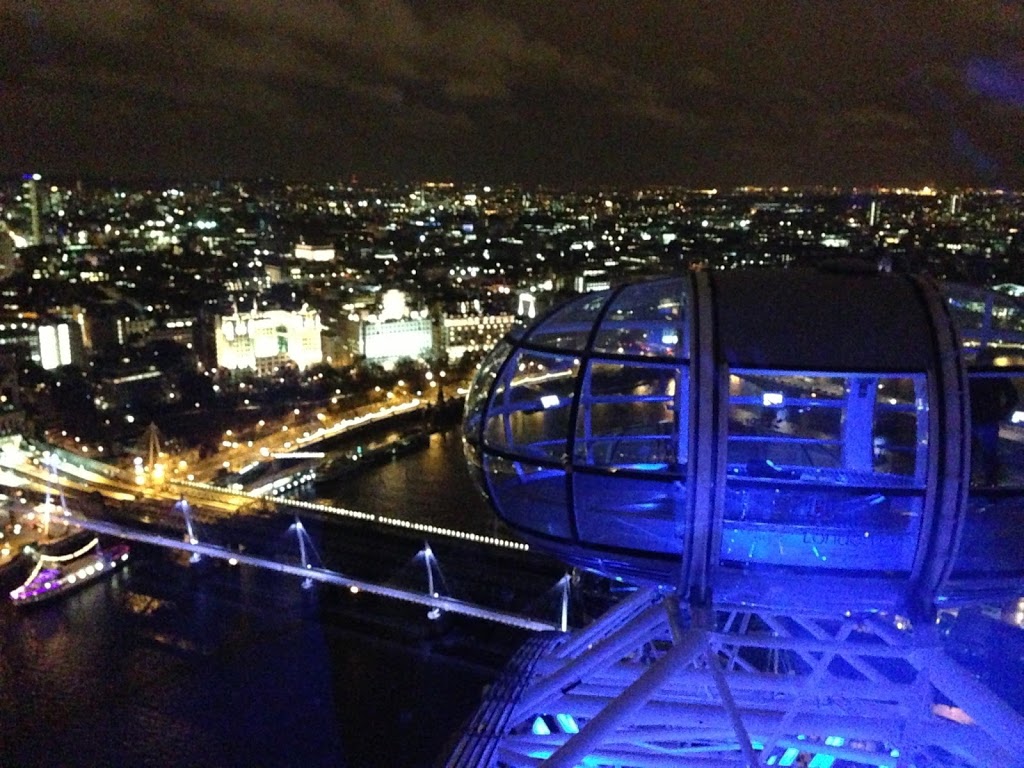
Security checks are standard and similar to other major attractions in central London. Keep your ticket QR ready, avoid carrying unnecessary bulky items, and follow staff instructions for lane movement. Inside capsules, movement is calm and controlled, but it is still best to keep personal belongings secure and avoid blocking shared viewing space for other passengers. If anyone in your group is sensitive to heights, choose a daytime slot first, when visibility and orientation are easier than at night.
In colder months, temperature differences between outside waiting zones and indoor spaces can be noticeable, so layered clothing is useful. In summer, direct sun exposure during queue phases can be tiring, especially for children and older travelers. Simple preparation improves comfort more than most people expect.
How to Fit The London Eye into a One-Day London Plan
A practical way to use the Eye is as a location anchor, not a standalone event. You can place it between two walking segments and avoid long crosstown transfers. A common structure is Westminster-side morning exploration, London Eye mid-block, then South Bank continuation. This keeps movement efficient and reduces transport friction.
| Plan Style | Suggested Sequence | Who It Suits |
|---|---|---|
| Half-Day Core | Westminster walk -> London Eye -> South Bank | First-time visitors |
| Evening Focus | Late afternoon Eye slot -> river walk -> dinner | Photography-focused travelers |
| Family Pace | Morning light sightseeing -> early slot -> rest break | Families with children |
Final Tips Before You Go
- Pre-book online and re-check opening hours on the same day.
- Choose weekday morning for lighter crowd flow or sunset for best visuals.
- Use fast-track on tight schedules.
- Keep your phone/camera battery ready for a full 30-minute capture window.
- Leave enough buffer after the ride for easy onward travel.
Conclusion
The London Eye remains one of the easiest high-impact experiences in central London: accessible, photogenic, and structurally reliable for short itineraries. With smart booking and realistic timing, it delivers excellent value for first-time visitors and families.
Plan the slot carefully, go with clear weather if possible, and pair it with nearby South Bank and Westminster movement for a smooth city day.
Location
Frequently Asked Questions
Q1.How tall is The London Eye?
Q2.How long does a London Eye ride take?
Q3.What is the best time to visit London Eye?
Q4.How much are London Eye tickets?
Q5.Should I book London Eye tickets in advance?
Q6.What is the difference between standard and fast track tickets?
Q7.Is The London Eye worth visiting?
Q8.Is the London Eye scary?
Recommended For You
International Destinations Under 1.5 Lakh from India: Budget Trip Ideas
Discover international destinations under 1.5 lakh! Explore 15+ budget-friendly countries from India with cost breakdown, visa info & complete budget travel guide.
International Driving License India: Application Process, Documents & Fees
Understand international driving license process in India with eligibility, documents, validity, and practical travel checks.
7 Best Theme Parks in London & Near London
Discover the 7 best theme parks in London and near London, including Thorpe Park, LEGOLAND Windsor, Chessington, and Alton Towers. Complete guide with attractions, tips, and how to get there.
Never Miss an Adventure
Get the latest trekking guides, travel tips, and exclusive offers delivered straight to your inbox.
