
Thimphu Bhutan: Complete Travel Guide and Top Places

Ananya Sharma
February 8, 2026
Plan your Thimphu Bhutan trip with top attractions, best season, India access routes, local transport, stay options, and practical sightseeing tips.
Introduction: Why Thimphu Feels Different from Other Capitals
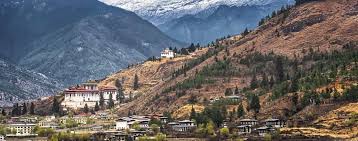
Thimphu, the capital of Bhutan, is one of South Asia's most distinctive city experiences. It is modern enough for comfortable travel yet strongly rooted in Buddhist culture, traditional architecture, and local rhythm. Visitors often describe it as the capital where life moves at a calmer pace. You will find government buildings and cafés, but also prayer wheels, monasteries, mountain viewpoints, and locals in traditional dress as part of daily life.
For most travelers, Thimphu is not about rushing through a checklist. It works best as a cultural base where you explore a few major landmarks deeply, spend time in local markets, and understand how Bhutan balances development with heritage. If you are planning a wider route, combine this with Paro travel planning and nearby valley extensions. This guide covers top attractions, best season, travel logistics from India, local transport, where to stay, and practical tips for a smoother first trip.
Top Attractions in Thimphu Bhutan
Thimphu sightseeing is compact but rich. Most major places are within practical driving distance, and a well-paced plan can cover key sites in two to three days.
Tashichho Dzong
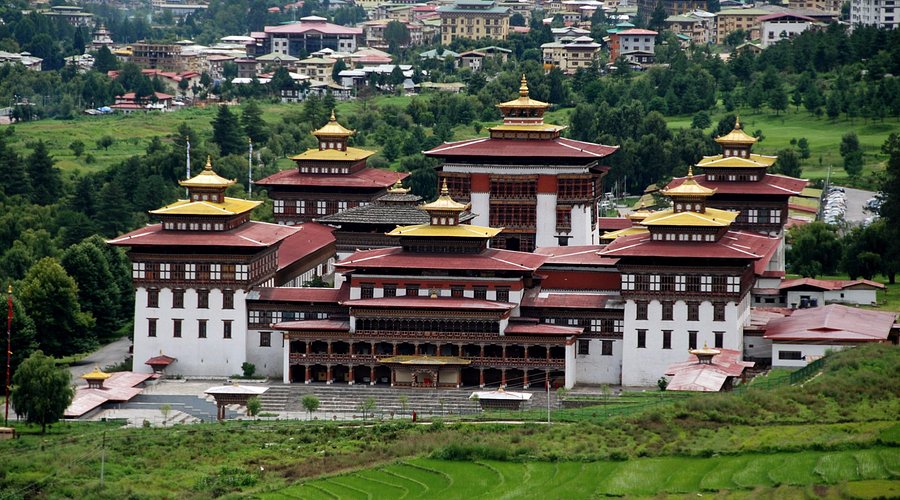
Tashichho Dzong is one of the most important landmarks in Thimphu. It functions as a major administrative and religious center and is known for its elegant Bhutanese architecture, manicured grounds, and strong evening atmosphere. Many visitors prefer late afternoon when the light is softer and the complex looks especially dramatic. Entry procedures can vary by section and day, so check current visitor access with local authorities or your guide.
Buddha Dordenma
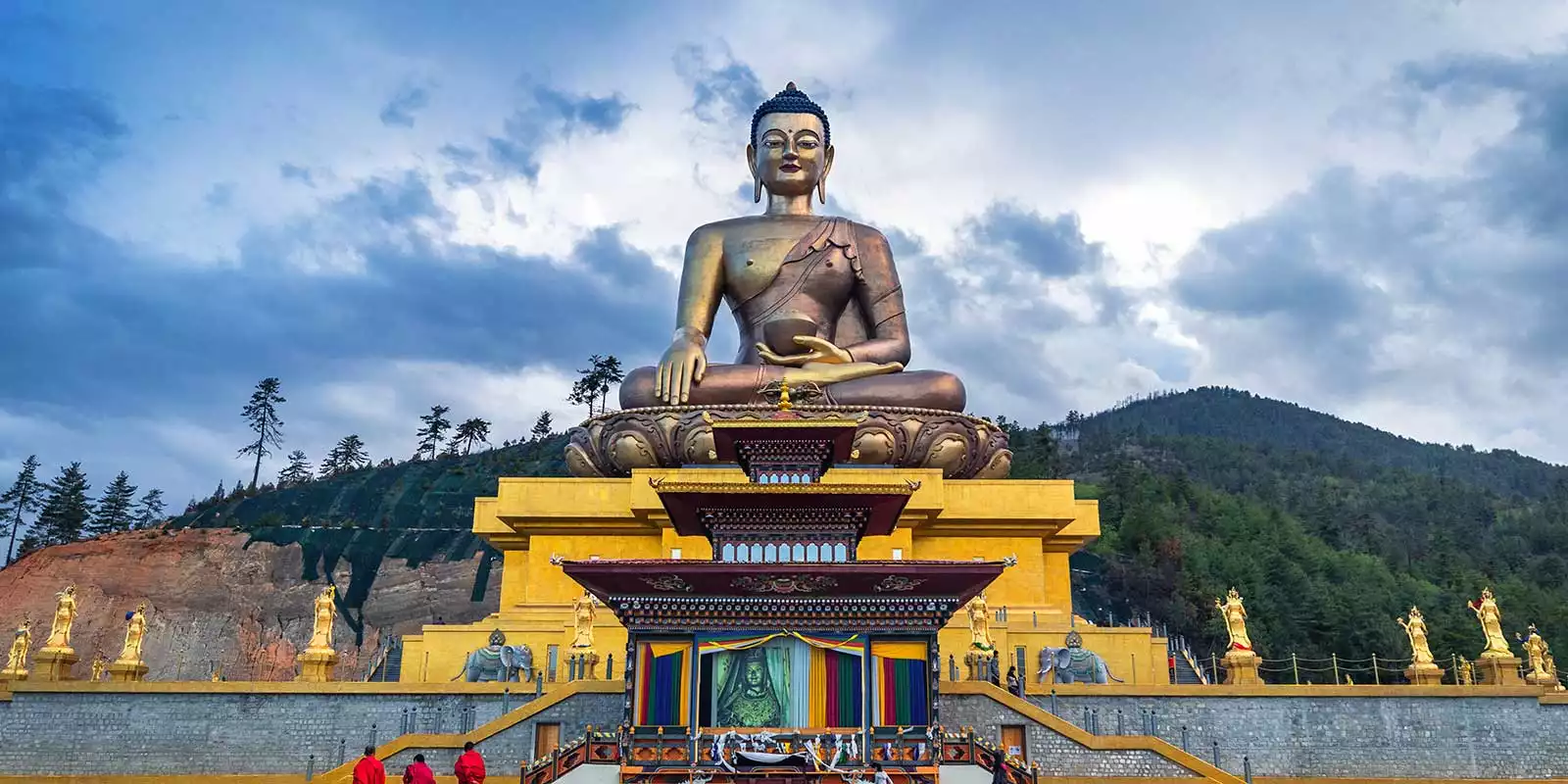
This giant Buddha statue overlooking the valley is among Thimphu's most recognizable sights. The elevated location gives wide views of the city and surrounding mountains, making it a top photography stop. The site is spacious, peaceful, and suitable for short reflective visits as well as longer photo sessions.
National Memorial Chorten
Memorial Chorten is one of the best places to observe everyday spiritual life in Thimphu. Local residents often walk around the stupa, spin prayer wheels, and gather for quiet devotion. Respectful behavior and modest clothing are recommended, as this is both a tourist stop and an active religious space.
Motithang Takin Preserve
The preserve protects takin, Bhutan's national animal. It is a short, easy visit and works well for families. The setting is green and accessible, and it adds a nature element to city sightseeing days.
Weekend Market and City Center Walks
The weekend market offers produce, local products, and a useful look at everyday commerce. Even if you do not shop heavily, walking through the market helps you understand local food preferences and daily culture.
Cultural Experiences Worth Prioritizing
Thimphu is strongest when you treat it as a cultural destination, not only a monument list.
Folk Heritage and Textile Experiences
Bhutan's textile and craft traditions are central to national identity. Museums and cultural centers in Thimphu can help you understand weaving, local materials, and ceremonial clothing. These visits provide context for what you see in markets and festivals.
Traditional Arts and Craft Schools
Institutions focused on Bhutan's traditional arts (often referred to as Zorig Chusum) show how skills are preserved through formal training. For travelers interested in design, religious art, or handmade craft processes, these are highly rewarding stops.
Archery and Local Social Life
Archery is Bhutan's national sport and has a social energy very different from tourist performances. If timing aligns, watching a local match can be one of the most memorable cultural experiences in Thimphu.
Best Time to Visit Thimphu
Season matters because weather shapes both visibility and comfort. The two most popular periods are spring and autumn.
| Season | Months | Travel Experience | Recommendation |
|---|---|---|---|
| Spring | March to May | Pleasant temperatures, clearer skies, blooming landscapes | Excellent |
| Summer/Monsoon | June to August | Greener scenery, rain interruptions possible | Good with buffer days |
| Autumn | September to November | Clear mountain views, festival season in many regions | Excellent |
| Winter | December to February | Colder mornings/nights, fewer crowds | Good for quiet travel |
If you want a balance of pleasant weather and easy sightseeing, target spring or autumn. For current climate and route planning, compare this with best time to visit Bhutan guidance before locking flights.
How to Reach Thimphu from India
Most international travelers enter Bhutan through Paro by air, then continue by road to Thimphu. Overland entry via the India-Bhutan border is also used by many regional travelers.
By Air: India to Paro, Then Road to Thimphu
Direct or connecting flights to Paro are available from select Indian cities depending season and airline schedules. Paro to Thimphu is roughly 50 km and typically takes around 1 to 1.5 hours by road under normal traffic and weather conditions.
By Road: Via Border Entry
Travelers also enter from India through the Phuentsholing side and then continue on mountain roads to Thimphu. The onward drive is scenic but longer, so keep time buffers for traffic and weather.
Permits and Documentation
Entry processes, permit rules, and fee structures can change. Indian travelers should verify the latest official requirements before travel dates. If you are planning a full route from India, use this detailed Bhutan access guide from India as a planning base and re-check current official updates before departure.
Getting Around Thimphu
Thimphu is spread enough that most travelers use a mix of car travel and short walks. The central areas are walkable, but key attractions are distributed across elevations and neighborhoods.
- Taxi: Convenient for point-to-point city sightseeing.
- Hired car with driver: Best for full-day multi-stop itineraries.
- Walking: Good for city center cafés, markets, and short neighborhood explorations.
- Guided travel: Useful if you prefer cultural context and simplified logistics.
Road discipline is generally good, and travel speed is slower than in major Indian metros. Keep modest day schedules rather than overpacking stops.
A practical approach is to group attractions by zone rather than by popularity. Keep one half-day for central religious landmarks and another for viewpoints and museum visits. This reduces backtracking and gives more unhurried time at each stop. If you are sensitive to mountain-road movement, ask for shorter transfer blocks and planned breaks between major locations.
Where to Stay in Thimphu
Thimphu has accommodation across budget levels, from luxury stays to smaller mid-range and guesthouse options.
Luxury
High-end properties offer strong service standards, heating, curated dining, and better comfort in colder months. These are suitable for travelers prioritizing relaxation and premium facilities.
Mid-Range
Mid-range hotels are often the best value for first-time visitors: decent location, comfortable rooms, and practical support for local transport planning.
Budget and Guesthouses
Budget options are available, especially for travelers focused on sightseeing rather than hotel amenities. Confirm heating and hot-water reliability if visiting in winter.
Choose location based on your trip style. Closer to city center means easy access to shops and food, while outer areas can offer quieter evenings and broader mountain views.
Sample 2-3 Day Thimphu Sightseeing Plan
Day 1: Core City Landmarks
Start with Memorial Chorten and city center orientation, then visit Tashichho Dzong and conclude with Buddha Dordenma around sunset.
Day 2: Culture and Local Life
Focus on museums, arts/craft institutions, and market exploration. Keep a flexible evening slot for archery viewing or café time.
Day 3 (Optional): Slow Travel or Nearby Extension
Use an optional day for slower photography, shorter hikes, or onward travel planning toward Paro/Punakha based on route goals.
Practical Travel Tips for Thimphu Bhutan
- Carry layered clothing. Even in pleasant seasons, evenings can get cool.
- Respect dress and behavior norms in religious spaces.
- Keep cash/card flexibility; payment options vary by shop and area.
- Hydrate well, especially during active sightseeing days.
- Build buffer time for mountain road travel and weather shifts.
- Confirm permits and official travel rules close to departure date.
Thimphu is generally considered safe for travelers, including families and solo visitors. As with any city, basic awareness and respectful behavior go a long way.
Conclusion
Thimphu Bhutan works best for travelers who want meaningful cultural travel, not rushed checklists. Its mix of spiritual landmarks, mountain setting, living traditions, and manageable city scale makes it one of the most rewarding capitals in the region. Plan two to three days, keep your itinerary balanced, and include both landmark visits and unstructured local time.
Even a simple evening walk through central Thimphu, followed by quiet time near prayer wheels or a local café, can add context that no checklist attraction can replace. Easily.
If you approach Thimphu with patience and curiosity, the city offers more than sightseeing: it offers a clear glimpse into Bhutan's values, identity, and everyday rhythm.
Before finalizing your itinerary, keep one flexible half-day unassigned. This buffer helps if weather shifts, permit formalities take longer, or you discover a place where you want more time. Thimphu rewards slower observation: watching local routines near the chorten, spending extra time at viewpoint roads, or simply enjoying a long café break with mountain views can become highlights. Travelers who keep realistic pacing usually leave with a deeper understanding of Bhutanese urban life than those trying to cover every stop in a single day.
Location
Frequently Asked Questions
Q1.How many days are enough for Thimphu?
Q2.What is Thimphu famous for?
Q3.What is the best time to visit Thimphu?
Q4.What are the top places to visit in Thimphu?
Q5.Is Thimphu worth visiting?
Q6.How can I reach Thimphu from India?
Q7.How to get around Thimphu?
Q8.Is Thimphu safe for tourists?
Recommended For You
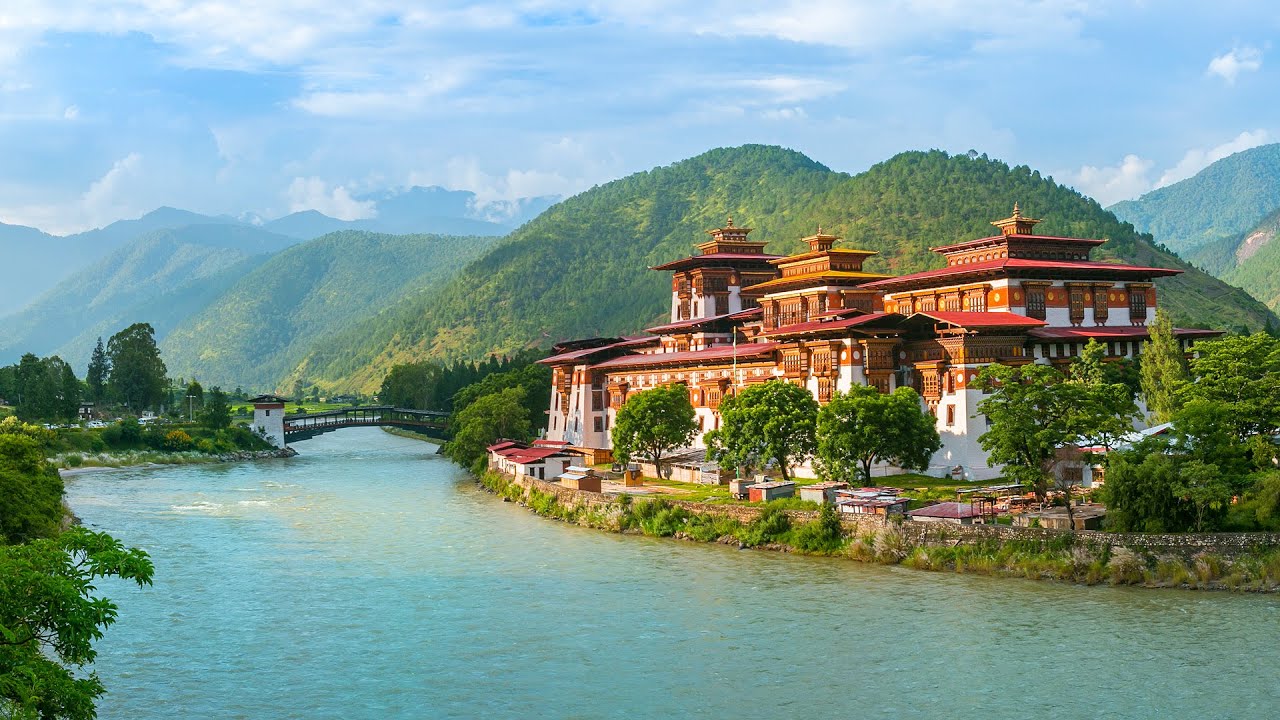
Best Time to Visit Bhutan: Season Guide and Travel Tips
Plan your Bhutan trip with season-wise timing, route strategy, and practical travel tips for smoother and more meaningful journeys.
How to Reach Bhutan from India: Complete Travel Guide 2026
Complete guide on how to reach Bhutan from India - flights, road routes, permits, costs, best time to visit, and practical travel tips for Indian travelers.
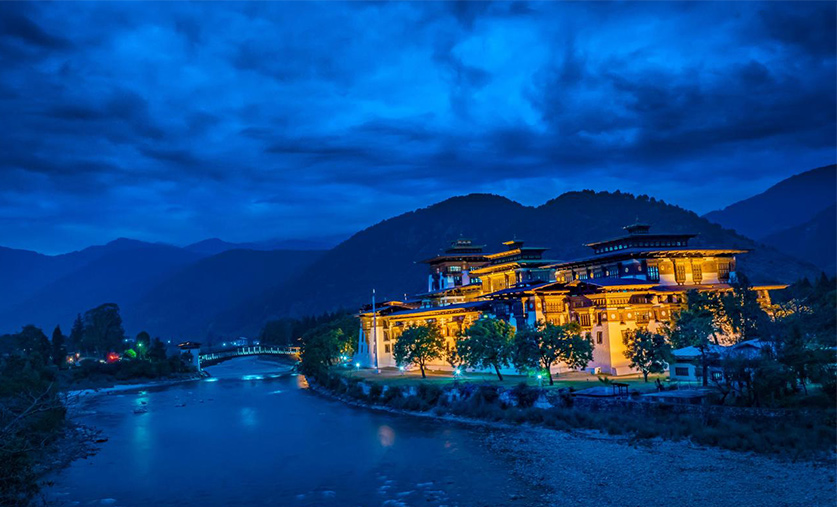
Things to Do in Paro Bhutan: Culture, Monasteries & Trekking Routes
Plan things to do in Paro Bhutan with Tiger’s Nest trek, Paro Dzong, Chele La Pass, temples, and practical 2-3 day itinerary guidance.
Never Miss an Adventure
Get the latest trekking guides, travel tips, and exclusive offers delivered straight to your inbox.
