
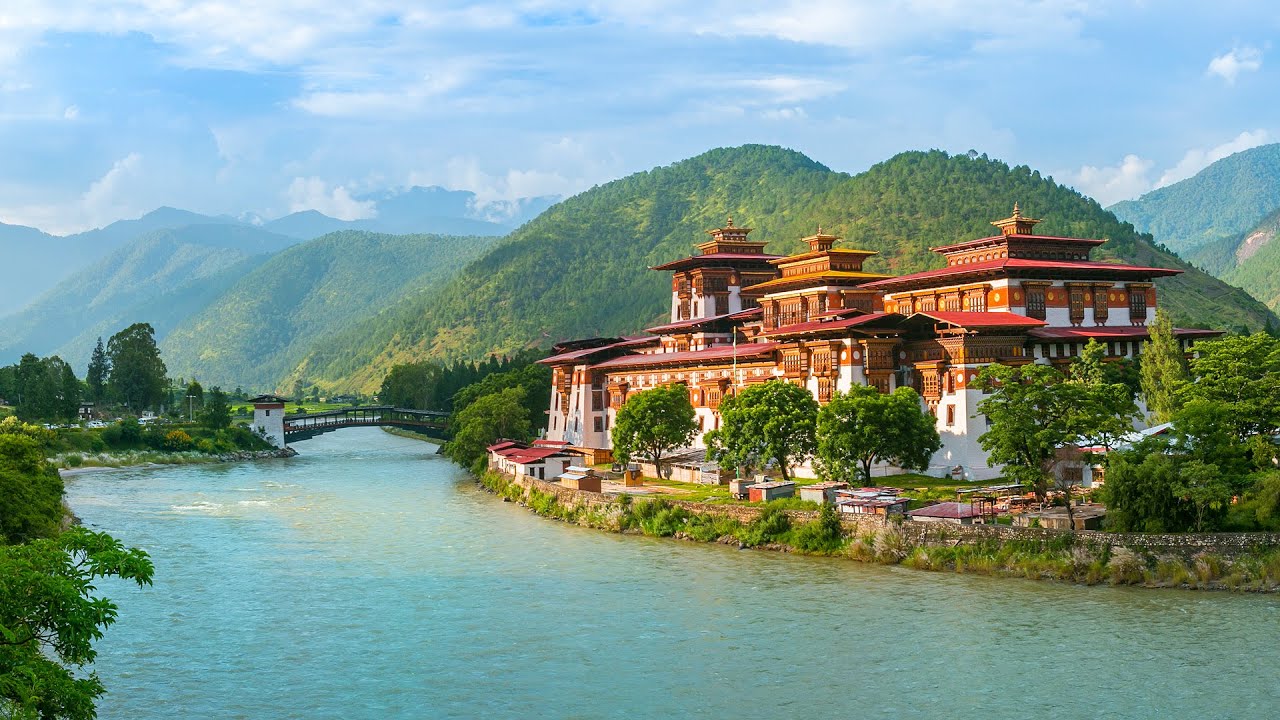
Best Time to Visit Bhutan: Season Guide and Travel Tips

Ananya Sharma
February 18, 2026
Plan your Bhutan trip with season-wise timing, route strategy, and practical travel tips for smoother and more meaningful journeys.
Best Time to Visit Bhutan: Seasons, Festivals, and Travel Goals
The best time to visit Bhutan depends on your primary travel intent: clear mountain views, cultural festivals, trekking windows, or budget-friendly quiet travel. Bhutan is not a one-season destination. It offers very different experiences in spring bloom, monsoon greenery, autumn clarity, and winter serenity. Choosing dates without matching your activity goals can lead to avoidable disappointment, especially for first-time visitors expecting both festival immersion and perfect trekking conditions in a single short trip.
This guide breaks Bhutan timing by season, activity type, and practical planning logic. If you are building a route beyond Thimphu and Paro, also use punakha bhutan, paro travel guide, and best tourist places bhutan for deeper destination planning.

Bhutan Climate Overview
Bhutan’s weather varies with altitude, so season planning should include region and elevation. Valleys may remain pleasant while higher passes become cold or uncertain. This is why flexible pacing is important, especially for travelers combining cultural cities, monasteries, and mountain day trips in one itinerary.
A practical rule: build your trip around one core priority and one secondary goal. If your priority is trekking, center your dates on stable trail windows. If your priority is festivals and monastery circuits, choose dates around major religious events and comfortable valley weather.
Spring (March to May): Bloom Season and Balanced Travel
Spring is one of the strongest windows for first-time travelers. Landscapes become colorful, valley temperatures are usually pleasant, and visibility is often good for sightseeing. Many visitors prefer spring for cultural circuits, monastery visits, and moderate trekking routes.
This season also aligns with key festival windows in some years, making it a strong option for travelers who want both scenery and cultural immersion. If your schedule matches spring festival dates, book stays early in Paro and Thimphu zones.
Summer/Monsoon (June to August): Green Landscapes, Lower Rush
Monsoon months bring lush scenery, cloud drama, and fewer crowds. This period can be attractive for budget-conscious travelers and repeat visitors who prefer a slower pace. However, heavy rain can affect trail quality, road timing, and visibility in mountain areas.
If you travel in monsoon, keep a flexible day-to-day plan. Use shorter transfer days, leave margin for weather delays, and avoid rigid multi-destination movement on back-to-back days.

Autumn (September to November): Peak Clarity and Festival Strength
Autumn is widely considered one of the best times to visit Bhutan for clear skies and stronger mountain views. Trekking conditions often improve, and cultural events in this period attract many travelers. This is an excellent season for photography, heritage exploration, and mixed itineraries.
The tradeoff is higher demand and limited availability in popular zones. Flights, permits, and stays should be locked early if you are traveling in peak autumn windows.
Winter (December to February): Quiet, Crisp, and Cultural
Winter brings colder temperatures, especially in high-altitude areas, but also lower crowd density and calm travel rhythm. Travelers who enjoy quiet heritage days and clean mountain light can have a rewarding winter experience. Some higher routes may be restricted during cold spells, so route flexibility is essential.
If your trip includes winter-specific planning, compare seasonal conditions with bhutan in april to understand contrast in trail and visibility expectations.
Best Time by Activity Type
| Activity | Best Season Window | Planning Note |
|---|---|---|
| Cultural festivals and monasteries | Spring and Autumn | Book early for high-demand dates |
| Trekking and mountain routes | Spring and Autumn | Match altitude to fitness and weather |
| Budget and low-crowd travel | Monsoon and Winter shoulder | Use flexible daily scheduling |
| Photography-focused trips | Autumn and selected Spring weeks | Prioritize clear-sky windows |
Festival Timing Strategy
Bhutan festivals are major cultural highlights, but dates and crowd intensity can influence movement, accommodation availability, and daily pacing. If festivals are your main goal, place event dates at the center of your itinerary and build surrounding days with shorter transfers. This protects experience quality and avoids rushed travel before major ceremonies.
For pass and heritage route references, include dochula pass in bhutan and temples bhutan in pre-trip planning.

Budget and Comfort Tradeoff
Peak spring and autumn windows provide better weather confidence but come with stronger booking pressure and higher costs. Monsoon and winter can offer better value, though they require flexibility and season-appropriate packing. Travelers who optimize by comfort should prioritize shoulder windows with manageable weather and moderate crowd levels.
The best value does not always mean lowest price. It often means better daily usability of your itinerary with fewer weather interruptions and less transit stress.
Suggested 6-Day Bhutan Framework by Season
Day 1: arrival and gentle acclimatization.
Day 2: city heritage and monastery route.
Day 3: valley transfer with scenic stops.
Day 4: cultural immersion or moderate trek day.
Day 5: flexible weather buffer with local exploration.
Day 6: departure with short activity window.
This structure works across seasons with minor adjustments for weather and altitude.
What to Pack by Bhutan Season
- Spring/Autumn: layered clothing, light thermal support, and comfortable walking shoes.
- Monsoon: rain shell, quick-dry clothing, and traction-friendly footwear.
- Winter: insulated layers, gloves, and cold-evening essentials.
- All seasons: modest attire for temples and backup medication for altitude and motion.
Pack for variable conditions across elevation changes, not just city averages.

Final Recommendation
For most travelers, spring and autumn are the best time to visit Bhutan due to strong weather balance, cultural depth, and better mountain visibility. Monsoon suits flexible budget travelers, while winter suits those seeking quieter experiences and crisp landscapes. Align your season with your main activity goal, and Bhutan will deliver a much richer trip.
How to Decide Bhutan Month in One Step
Pick your first priority from three choices: trekking, festivals, or low-crowd cultural travel. If trekking is your priority, spring and autumn remain the strongest windows. If festivals are your priority, align your itinerary with event dates and plan accommodation early near major hubs. If you prefer calm heritage travel and fewer tourists, selected winter weeks can be very rewarding.
The best Bhutan trips are not the ones with most locations, but the ones with proper altitude pacing and enough time at each cultural site. Keep one recovery window in longer itineraries and avoid rushing between valleys on consecutive days unless conditions are stable.
Location
Frequently Asked Questions
Q1.What is best season to visit Bhutan?
Q2.Can I travel all regions in one trip?
Q3.How important is weather in Bhutan planning?
Q4.Should I keep route buffers?
Q5.Can Bhutan suit first-time international travelers?
Q6.What improves trip experience most?
Q7.Is monastery-focused travel season-specific?
Q8.How many days are practical?
Recommended For You
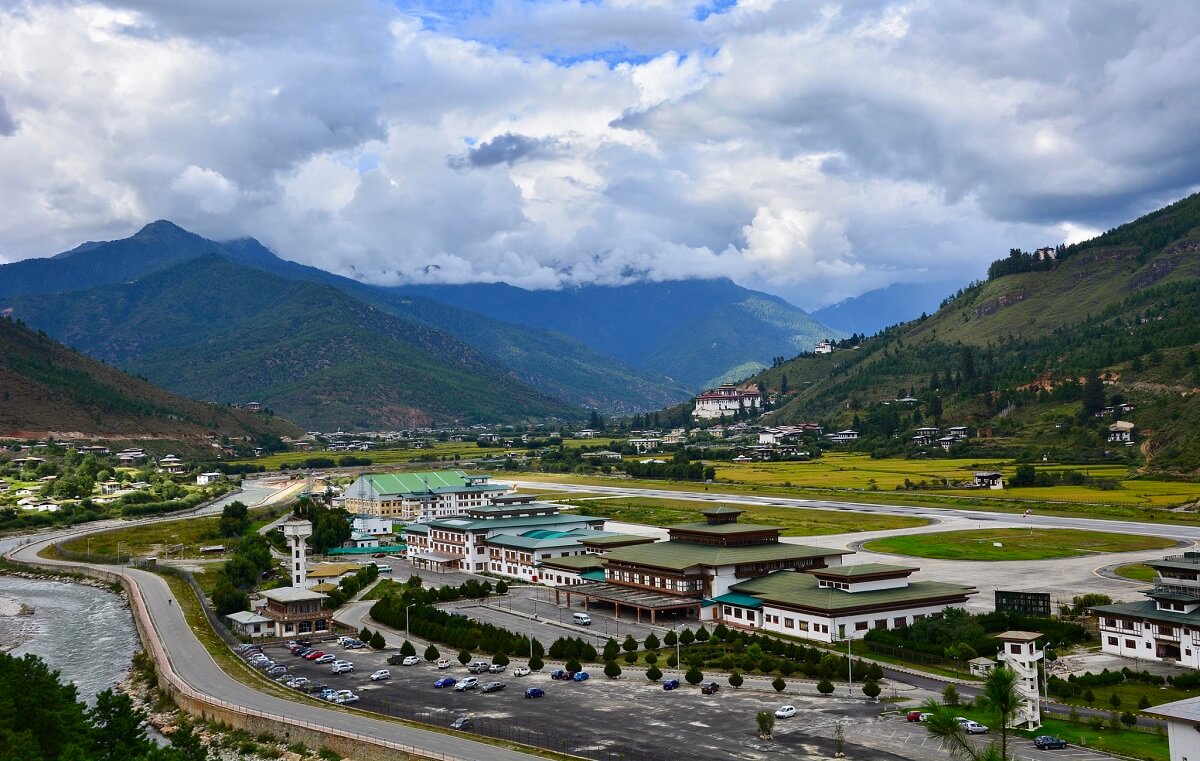
Bhutan Hill Stations: Scenic Regions and Travel Tips
Plan Bhutan hill-station travel with valley-based routing, season-aware pacing, and practical mountain transfer strategies.
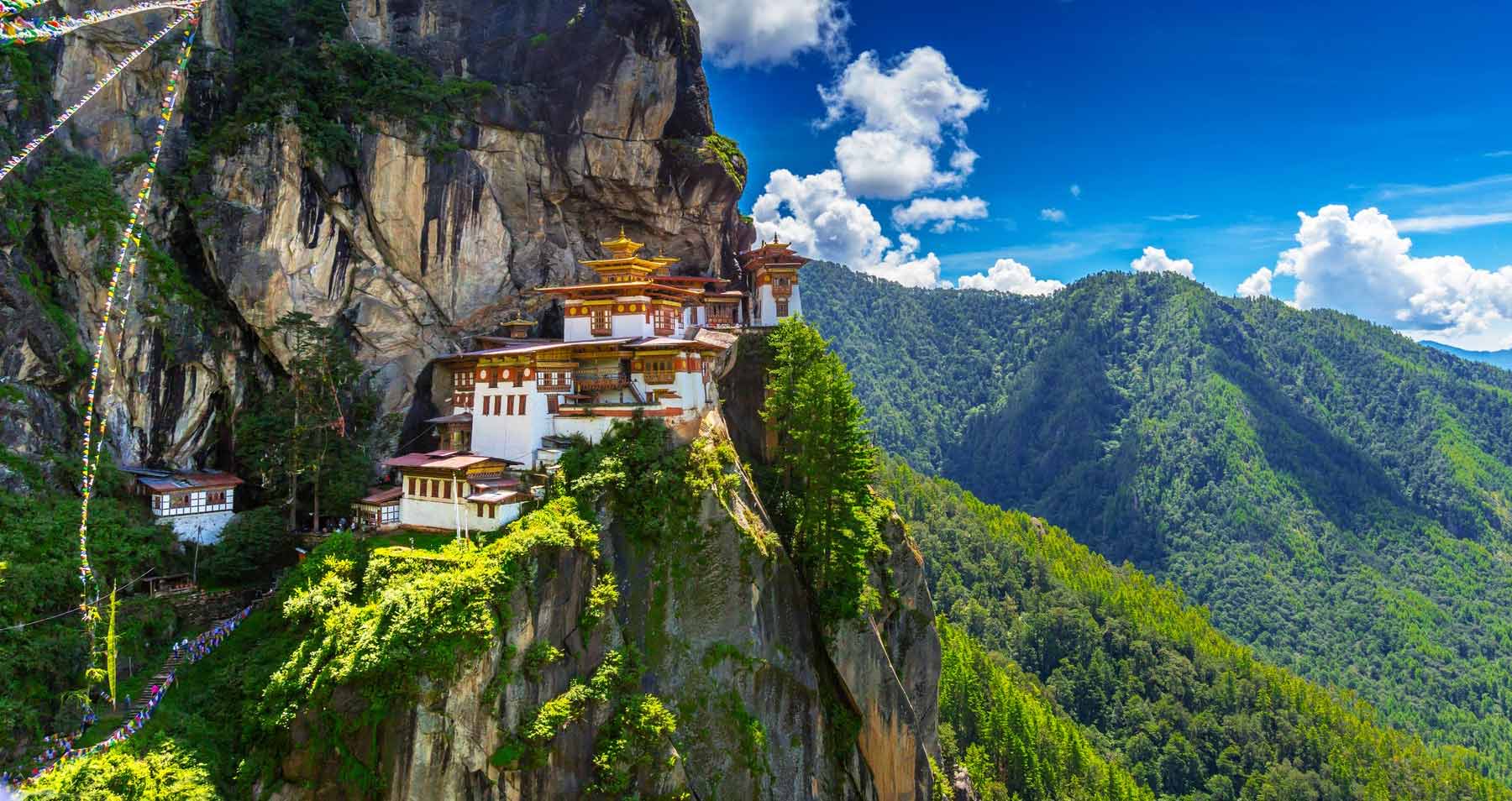
Best Tourist Places in Bhutan: Region-Wise Attractions & Itinerary Ideas
Explore the best tourist places in Bhutan with region-wise highlights from Paro, Thimphu, Punakha, Bumthang, and Phobjikha, plus practical travel planning tips.
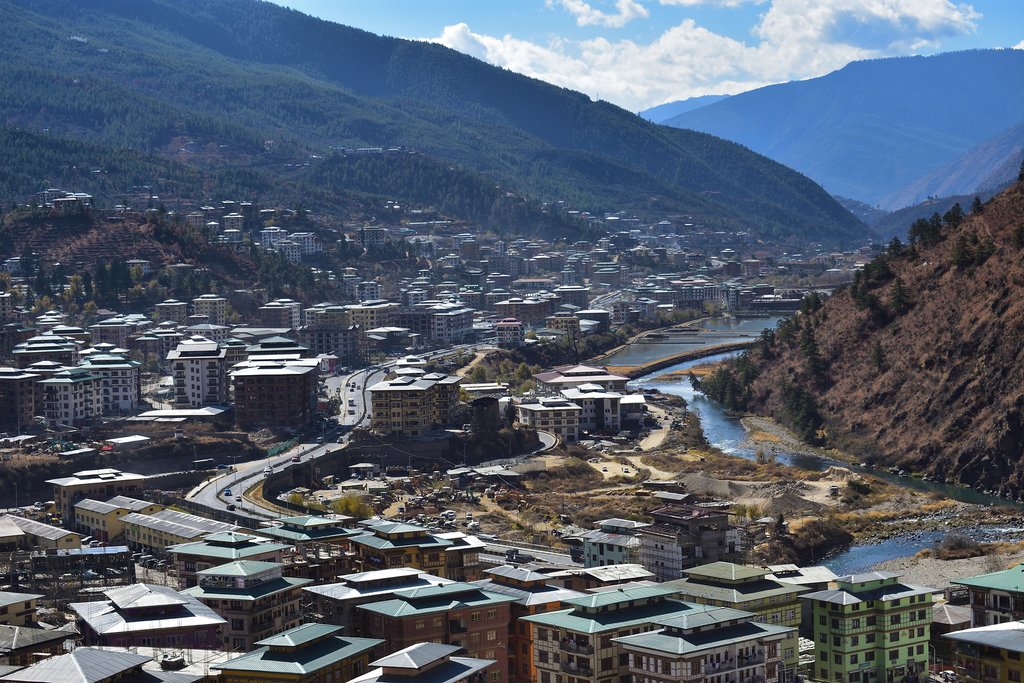
Bhutan in April: Weather, Routes and Travel Tips
Travel Bhutan in April with weather-wise route planning, festival-aware timing, and practical tips for a smooth spring itinerary.
Never Miss an Adventure
Get the latest trekking guides, travel tips, and exclusive offers delivered straight to your inbox.
