
Backpacking
Backpacking Bhutan: Budget Planning, Route & Permit Details
Rohit Verma
January 18, 2026
24 min read4,905 views
Complete backpacking Bhutan guide: visa requirements, daily fee, budget tips, best season, trekking, cultural sites & 7-day itinerary for the Land of the Thunder Dragon.
Introduction: Welcome to the Last Shangri-La
Nestled high in the eastern Himalayas, Bhutan remains one of the world's most enigmatic and captivating destinations. Often called the "Last Shangri-La," this Buddhist kingdom has successfully preserved its ancient traditions, stunning monasteries, and pristine environment while carefully embracing modernity. Unlike anywhere else on Earth, Bhutan measures success not by GDP but by Gross National Happiness – a philosophy that prioritizes spiritual wellbeing, environmental conservation, and cultural preservation over material wealth. What makes backpacking Bhutan truly special is the opportunity to experience a country that has deliberately chosen a different path. While the rest of the world raced toward industrialization, Bhutan banned television until 1999, only allowed internet access in 2000, and still requires most visitors to book through licensed tour operators. This careful approach to tourism has created an authentic destination where medieval fortresses (dzongs) dominate town centers, monks clad in red robes are a common sight, and Himalayan peaks remain sacred rather than conquered. This comprehensive guide covers everything you need to know about backpacking through this magical kingdom – from understanding Bhutan's unique daily fee structure and visa requirements to discovering the best treks, cultural sites, and budget-friendly ways to experience the Land of the Thunder Dragon.Quick Facts: Bhutan at a Glance
| Fact | Details |
|---|---|
| Official Name | Kingdom of Bhutan (Druk Yul) |
| Location | Eastern Himalayas, South Asia |
| Capital | |
| Population | 777,000 |
| Currency | Ngultrum (BTN) - pegged to Indian Rupee |
| Language | Dzongkha (English widely spoken) |
| Religion | Vajrayana Buddhism (75%), Hinduism (23%) |
| Best Time to Visit | March-May, September-November |
| Time Required | 7-10 days minimum |
| Daily Budget | Varies by season ($100-200/day SDF) |
| Visa for Indians | Entry permit (no visa required) |
| Famous For | Monasteries, Himalayas, Gross National Happiness |
Understanding Bhutan's Daily Fee Structure
Before planning your Bhutan adventure, it's crucial to understand the country's unique tourism policy. Bhutan operates on a "High Value, Low Volume" tourism philosophy, meaning visitors pay a daily fee that covers almost everything – accommodation, meals, transport, licensed guide, and internal taxes.
The Sustainable Development Fee (SDF)
As of 2023, Bhutan significantly revised its fee structure to make tourism more accessible:- SDF Rate: $100 USD per person per day (all year round for most nationalities)
- Indian Nationals: ₹1,200 per person per day (approximately $15 USD)
- Children 6-12: 50% of SDF rate
- Children under 6: Exempt from SDF
- Sustainable Tourism Fee: The core fee supporting national development
- Accommodation: 3-star hotels (or certified homestays)
- All Meals: Breakfast, lunch, and dinner
- Transport: Private vehicle with driver for entire trip
- Guide Services: Licensed English-speaking guide
- Internal Taxes: All government taxes and permits
- International flights to/from Bhutan
- Travel insurance (mandatory)
- Personal expenses (souvenirs, alcohol, snacks)
- Optional activities (rafting, hot stone baths, cultural programs)
- Tips for guide and driver (10-15% of SDF recommended)
Budget-Friendly Options for Indians
Indian citizens have a significant advantage. With the SDF at just ₹1,200 per day, Bhutan becomes remarkably affordable compared to international visitors. Indians can also:- Travel independently without booking through a tour operator (mandatory for other nationalities)
- Use Indian currency freely (₹1 = 1 Nu, perfect exchange rate)
- Enter by road through multiple border crossings without arranging flights
- Stay in budget accommodations ranging from ₹500-2,000 per night
Visa Requirements & Entry Permits
For Indian Citizens
Indians don't need a visa for Bhutan but require an entry permit:- Entry Permit: Free, obtained at border checkpoints or Paro Airport
- Documents Required: Valid passport OR voter ID card ( Aadhar card alone is insufficient)
- Photos: 2 passport-sized photos
- Processing Time: Immediate (processed on arrival)
- Validity: 7 days, extendable in Thimphu for up to 6 months
For International Visitors
Non-Indian visitors must:- Book through licensed Bhutanese tour operator (can't travel independently)
- Pay SDF in advance to secure visa approval
- Obtain e-visa online before travel (processing: 3-5 working days)
- Documents: Passport scan, recent photo, travel insurance
- Visa Cost: $40 USD (one-time fee)
Special Permits Required
Beyond the entry permit, certain areas require additional permits:- Thimphu: Entry permit extension (free, process in Thimphu immigration office)
- Punakha, Wangdue, Paro: Route permit (included with package tour)
- Bumthang, Eastern Bhutan: Special area permit (guide processes this for you)
- Trekking Areas: Additional permits from Tourism Council of Bhutan
Best Time to Visit Bhutan
Bhutan's climate varies dramatically by altitude and region. Understanding the seasons will help you plan the perfect backpacking adventure.| Season | Months | Temperature | Best For |
|---|---|---|---|
| Spring | March-May | 15-25°C | Rhododendrons, trekking, festivals |
| Summer | June-August | 20-28°C | Monsoon, fewer tourists, lush greenery |
| Autumn | Sept-Nov | 15-25°C | Clearest skies, festivals, trekking |
| Winter | Dec-Feb | 5-15°C | Low season prices, clear mountain views |
Spring (March - May)
Spring is arguably the best time to visit Bhutan. The hillsides burst into color with rhododendrons, magnolias, and wildflowers. March and April offer comfortable temperatures perfect for trekking without the summer crowds. This is also festival season – the famous Paro Tshechu typically falls in March or April, drawing thousands of Bhutanese in traditional dress. The weather is generally stable with clear mornings, mild afternoons, and cool nights. Temperature in Thimphu ranges from 10-20°C, while higher passes can still see snow in early March.Summer (June - August)
The monsoon season brings heavy rainfall, especially in southern Bhutan. While it's the wettest time to visit, it's also when the countryside is at its most lush and vibrant. Rain typically comes in afternoon showers, leaving mornings relatively clear. This is the low season for tourism, meaning you'll have major sights mostly to yourself. Some high-altitude treks may be closed due to landslides. However, the Punakha and Paro valleys remain accessible and beautiful even in rain. Hotels may offer discounts of 20-30%.Autumn (September - November)
Autumn is widely considered the absolute best time for Bhutan backpacking. The monsoon has cleared, leaving the Himalayas visible in crystalline detail. October offers the most reliable mountain views – perfect for photography and trekking. This is festival season with Thimphu Tshechu (September) and Jambay Lhakhang Drup (October/November). Temperatures are pleasant (15-25°C), and the rice harvest turns valleys into gold. The only downside is higher tourist numbers, so book well in advance.Winter (December - February)
Winter is cold but offers unique advantages. The crowds disappear completely, and you'll have major sites to yourself. The air is crystal clear, offering spectacular mountain views. December and January are coldest – temperatures in Thimphu can drop to -5°C at night. While high mountain passes may be snowed in, the western circuit (Paro, Thimphu, Punakha) remains accessible. This is the best time for low-altitude cultural exploration. Some hotels close for renovations, and the SDF may be discounted during these months.How to Reach Bhutan
By Air: The Paro Airport Experience
Paro International Airport is Bhutan's sole international airport and one of the world's most challenging landings. Surrounded by mountains peaking at 18,000 feet, only a handful of pilots are certified to land here.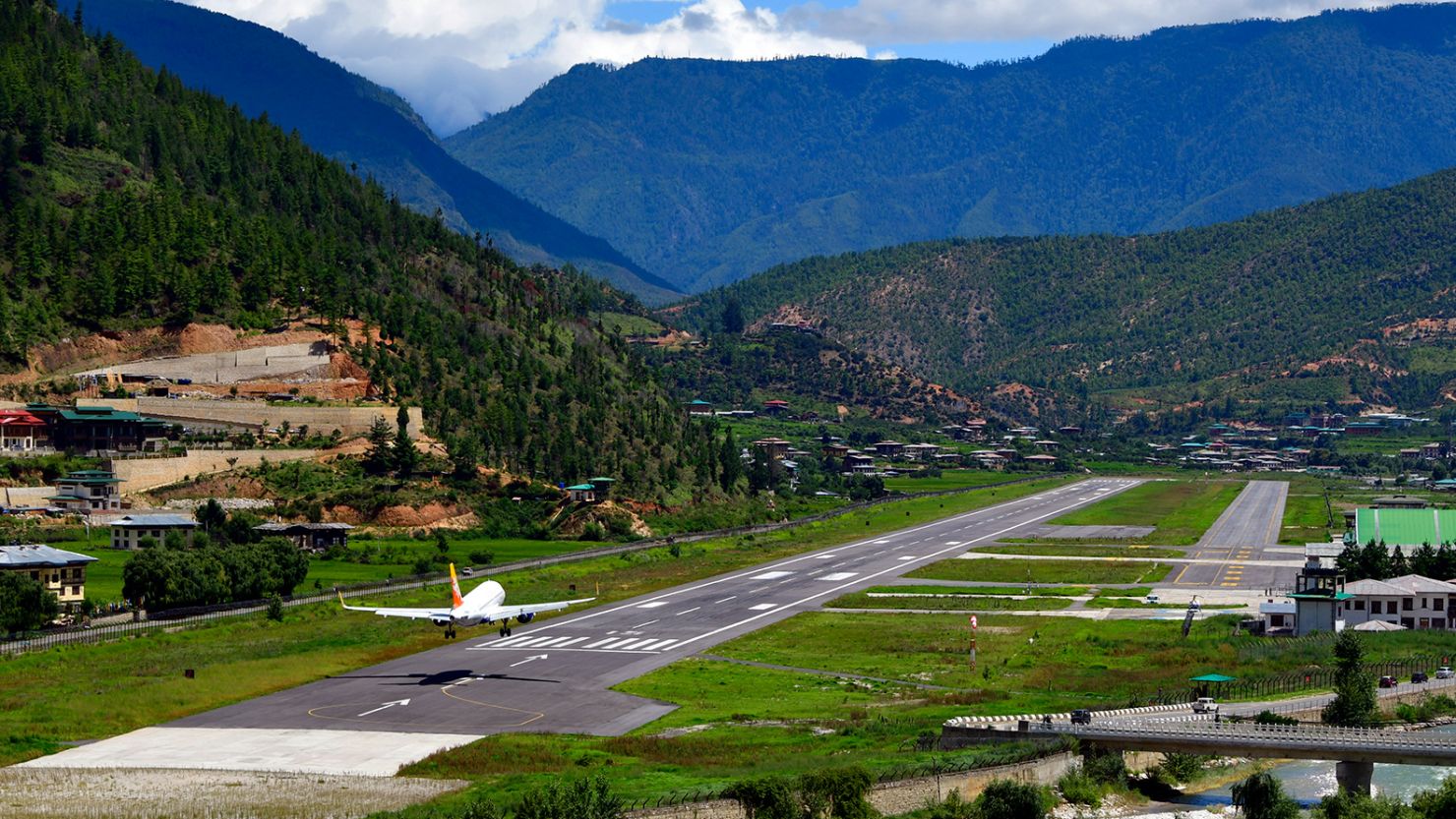 Airlines: Druk Air (Royal Bhutan Airlines) and Bhutan Airlines operate flights from:
- India: Delhi, Mumbai, Kolkata, Bagdogra, Guwahati, Gaya
- Southeast Asia: Bangkok, Singapore, Kathmandu
- Other: Dhaka, Yangon (seasonal)
By Road: Overland Adventures
For Indian Citizens: You can enter Bhutan by road through several border crossings:- Phuentsholing: Main entry point from West Bengal (Jaigaon). Most popular route with frequent buses from Siliguri, Kolkata, and Guwahati. 5-6 hours from Bagdogra Airport.
- Gelephu: Central entry point from Assam. Less developed, fewer facilities.
- Samdrup Jongkhar: Eastern entry from Assam. Good if exploring eastern Bhutan.
- Siliguri/Bagdogra: 4-5 hours by road to Phuentsholing
- Kolkata: 16-18 hours by train or overnight bus to Siliguri, then 4-5 hours to Phuentsholing
- Guwahati: 6-7 hours to Phuentsholing via National Highway
Getting Around Bhutan
Once in Bhutan, transportation options depend on your nationality:- For Non-Indians: Private vehicle included in SDF – you'll have a dedicated car and driver for your entire trip
- For Indians: Multiple options: - Bus: Public buses connect major towns (₹50-150). Cheap but crowded and uncomfortable on winding roads. - Shared Taxi: The most popular option. 4WD vehicles shared between 4 passengers. Thimphu-Paro: ₹250, Thimphu-Punakha: ₹400. - Private Taxi: Can be hired for day trips or intercity travel. Thimphu-Paro day trip: ₹3,000-4,000. - Rental Car: Not available to foreigners without special permit
Budget Planning for Bhutan
Indian Backpacker Budget
With the daily SDF of just ₹1,200, Bhutan is surprisingly affordable for Indian travelers. Here's a realistic budget breakdown for a 7-day backpacking trip:| Expense Category | Budget Traveler | Mid-Range Traveler |
|---|---|---|
| SDF/Permits | ₹8,400 (7 days × ₹1,200) | ₹8,400 (7 days × ₹1,200) |
| Accommodation | ₹3,500 (₹500-700/night) | ₹7,000 (₹1,000/night) |
| Food | ₹2,100 (₹300/day) | ₹4,200 (₹600/day) |
| Transport | ₹3,500 (shared taxis) | ₹7,000 (private taxi) |
| Activities | ₹1,000 (museums, monasteries) | ₹2,500 (guided activities) |
| 7-DAY TOTAL | ₹18,500 | ₹29,100 |
International Visitor Budget
For non-Indian travelers, the SDF is the major expense:- 7-Day Trip: Approximately $1,200-1,500 USD total - SDF (7 days × $100): $700 - Flights: $400-600 - Tips, insurance, extras: $100-200
- 10-Day Trip: Approximately $1,500-2,000 USD total - SDF (10 days × $100): $1,000 - Flights: $400-600 - Tips, insurance, extras: $100-400
Money-Saving Tips
- Travel Off-Season: June-July and December-January may offer SDF discounts
- Stay Longer: The daily fee encourages longer stays – get more value by extending your trip
- Group Up: For international visitors, the SDF is per person but vehicle costs are shared
- Eat Local: For Indians, try local restaurants (₹150-250/meal) instead of hotel restaurants (₹400-600/meal)
- Negotiate Taxis: For day trips, negotiate full-day rates instead of per-kilometer charges
- Camp on Trek: Lower costs for multi-day treks compared to hotel stays
Top Cultural Sites & Monasteries
Paro Taktsang (Tiger's Nest)
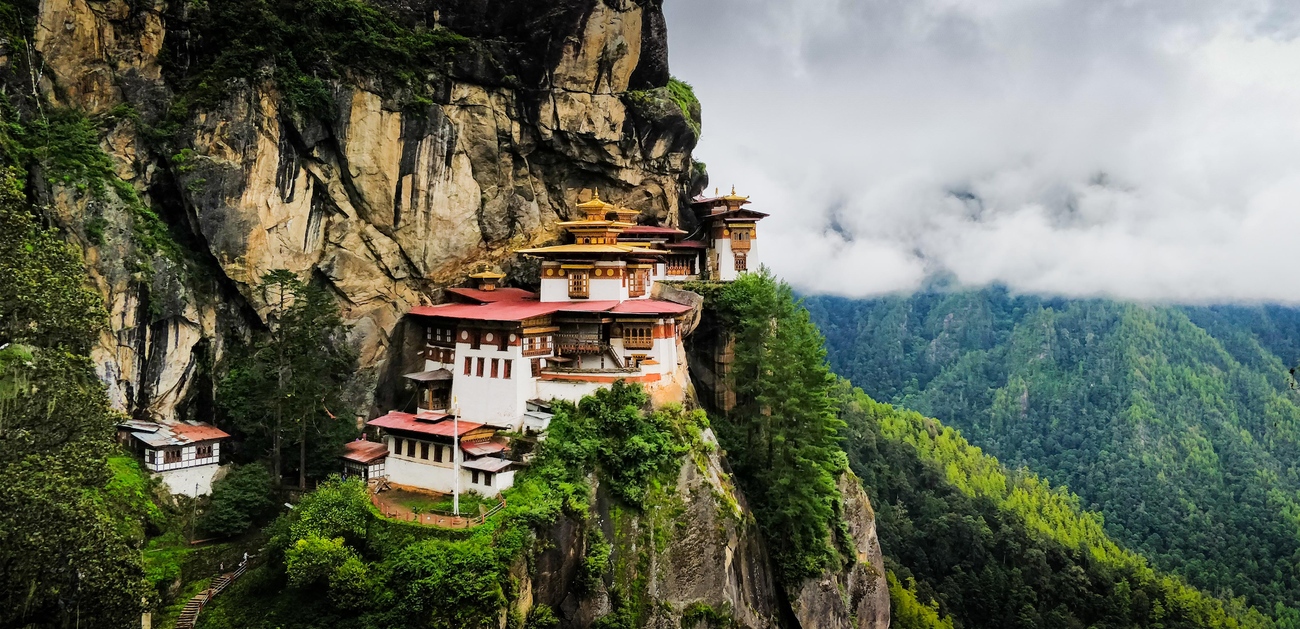
Perched dramatically on a cliff face 900 meters above the Paro Valley, the Taktsang Palphug Monastery – universally known as Tiger's Nest – is Bhutan's most iconic sight and arguably the Himalayas' most photographed location. Legend holds that Guru Rinpoche, the father of Tibetan Buddhism, flew here on the back of a tigress in the 8th century and meditated in a cave for three years, subduing local demons.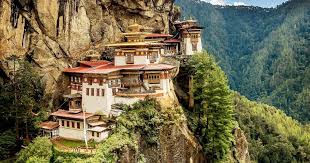 The hike to Tiger's Nest is a challenging but rewarding 2-3 hour climb each way. The trail winds through pine forests festooned with prayer flags, past a waterfall said to be Guru Rinpoche's bathing spot, and finally to the monastery itself. The main temple clings impossibly to the cliff face, with monks going about their daily routines seemingly oblivious to the sheer drop below.
Hiking Details:
The hike to Tiger's Nest is a challenging but rewarding 2-3 hour climb each way. The trail winds through pine forests festooned with prayer flags, past a waterfall said to be Guru Rinpoche's bathing spot, and finally to the monastery itself. The main temple clings impossibly to the cliff face, with monks going about their daily routines seemingly oblivious to the sheer drop below.
Hiking Details:
- Distance: 6.5 km round trip
- Elevation Gain: 600 meters
- Time Required: 4-6 hours round trip
- Entry Fee: ₹1,000 for foreigners, ₹500 for Indians
- Best Time: Start early morning (8-9 AM) to avoid clouds and crowds
- Fitness Level: Moderate – steep sections but well-maintained stone steps
Punakha Dzong
The Punakha Dzong, officially known as Pungthang Dewachen Phodrang (Palace of Great Happiness), is arguably Bhutan's most beautiful dzong. Situated at the confluence of the Pho Chhu (Father River) and Mo Chhu (Mother River), this magnificent fortress-monastery has served as Bhutan's administrative center and winter home of the central monk body for over 300 years. Built in 1637 by Zhabdrung Ngawang Namgyal, the unifier of Bhutan, the dzong's six-story tall white-washed walls feature elaborate woodwork, giant prayer wheels, and precious thangkas (religious paintings). The central utse (tower) houses the sacred remains of the Zhabdrung and incredible murals depicting Buddhist cosmology. The Punakha Dzong gained historical significance as the coronation site of Bhutan's first king in 1907 and remains the venue for the royal wedding of the current King Jigme Khesar Namgyel Wangchuck in 2011. Visit Details:- Entry Fee: ₹500 for foreigners, ₹300 for Indians
- Time Required: 1-2 hours
- Best Time: Late winter/early spring when the jacaranda trees bloom purple around the dzong
- Dress Code: Modest clothing required (cover shoulders and knees)
Thimphu Chorten (Memorial Chorten)
This prominent stupa in the heart of Thimphu was built in 1974 in memory of Bhutan's third king, Jigme Dorji Wangchuck, often called the "Father of Modern Bhutan." Unlike other chortens built to honor Buddhist masters, this is the only one dedicated to a worldly leader. The chorten is continuously circled by elderly Bhutanese spinning prayer wheels and chanting mantras. Inside, statues and shrines represent the peaceful and wrathful aspects of Buddhist deities. It's an excellent place to observe Bhutanese spiritual practice and encounter locals who are often eager to explain the significance of different rituals. Visit Details:- Entry Fee: ₹300 for foreigners, free for Indians
- Time Required: 30 minutes
- Best Time: Early morning or late afternoon when locals come to pray
Trongsa Dzong
Perched high above the Mangde Chhu river, the massive Trongsa Dzong is the largest fortress-monastery in Bhutan and of immense historical significance. Traditionally, the governor of Trongsa was the most powerful position in the country, and the crown prince traditionally served as Trongsa Penlop (governor) before becoming king. The dzong's maze of corridors, courtyards, and 25 temples contain incredible woodwork and centuries-old murals. The watchtower (Ta Dzong) has been converted into a museum with fascinating royal memorabilia. Visit Details:- Entry Fee: ₹500 for foreigners, ₹300 for Indians
- Time Required: 2 hours
- Location: Central Bhutan on the way to Bumthang
Buddha Dordenma Statue
Thimphu's most iconic modern landmark is the massive Buddha Dordenma statue, sitting atop a hill overlooking the valley. At 51 meters tall and made of bronze and gilded in gold, this is one of the largest Buddha statues in the world. The statue contains 125,000 smaller Buddha statues within it. Built to commemorate the 60th anniversary of the fourth king, the site offers spectacular panoramic views of Thimphu Valley. The interior meditation hall features intricate murals and a massive Buddha statue. Visit Details:- Entry Fee: ₹500 for foreigners, ₹300 for Indians
- Time Required: 1 hour
- Best Time: Sunset for golden hour photography
Chimi Lhakhang (Fertility Temple)
This small temple on a hillock in the Punakha valley is dedicated to Drukpa Kunley, the "Divine Madman" – a 15th-century saint known for his unconventional teaching methods involving humor, songs, and sexual symbolism. Couples hoping to conceive visit Chimi Lhakhang to receive blessings from the lama. The temple is famous for its phallus symbols, painted on houses throughout the region as symbols of protection and fertility. The 20-minute walk through rice paddies from the road is charming. Visit Details:- Entry Fee: ₹300 for foreigners, ₹200 for Indians
- Time Required: 45 minutes plus 1-hour walk round trip
- Best Time: Morning when farmers are working in rice paddies
Trekking in Bhutan
Bhutan offers some of the Himalayas' most pristine and least-crowded trekking experiences. From gentle day walks to challenging multi-day expeditions, the trails wind through remote villages, high-altitude lakes, and beneath some of the world's highest unclimbed peaks.Druk Path Trek
Bhutan's most popular trek connects Paro and Thimphu, following a historic trade route used for centuries. The moderate trail passes through remote villages, high-altitude lakes, and stunning rhododendron forests.- Duration: 5-6 days
- Difficulty: Moderate
- Highest Point: 4,200 meters (Phume La pass)
- Best Season: March-May, September-November
- Cost: SDF + camping fees (~$150-200/day for international visitors)
- Highlights: Jimilang Tsho lake, spectacular mountain views, ancient lhakhangs
Snowman Trek
One of the world's most challenging and beautiful high-altitude treks, the Snowman crosses 11 passes over 4,500 meters and takes nearly a month to complete. Only about 50% of trekkers finish due to altitude and weather challenges.- Duration: 25-30 days
- Difficulty: Extremely challenging
- Highest Point: 5,300 meters (Gangla Karchung La)
- Best Season: September-October only
- Highlights: Remote Lunana region, pristine glaciers, nomadic communities
Jhomolhari Base Camp Trek
This trek offers spectacular views of Mount Jhomolhari (7,314 meters), Bhutan's sacred mountain, and passes through semi-nomadic settlements where yak herding remains the primary livelihood.- Duration: 7-9 days
- Difficulty: Moderate to challenging
- Highest Point: 4,890 meters (Yak La pass)
- Best Season: April-May, September-October
- Highlights: Jhomolhari views, Lingshi dzong, yak hair tents
Chele La Nature Trek
For those wanting a gentler introduction to Bhutanese trekking, this short trek near Haa Valley offers stunning Himalayan views without the altitude challenges of longer routes.- Duration: 3-4 days
- Difficulty: Easy to moderate
- Highest Point: 3,810 meters (Chele La pass)
- Best Season: April-May, September-November
- Highlights: Chele La (Bhutan's highest motorable road), pristine rhododendron forests, Haa valley
7-Day Bhutan Itinerary
This classic western Bhutan circuit covers the major highlights without feeling rushed. It's perfect for first-time visitors and can be easily extended to 10 days if you want to add Bumthang.Day 1: Arrive in Paro
Fly into Paro Airport – try to get a window seat on the left side for views of Mount Everest, Kanchenjunga, and Bhutan's Himalayan peaks. The descent through the mountains is thrilling. Complete immigration formalities (entry permit for Indians, visa for others). Transfer to your hotel in Paro town. Spend the afternoon acclimatizing to the altitude (2,200 meters). Visit the National Museum of Bhutan in Ta Dzong (watchtower) for an excellent introduction to Bhutanese culture, history, and art. The museum features thangkas, textiles, stamps, and natural history. Stroll around Paro town's main street, exploring local handicraft shops. Visit Kyichu Lhakhang, one of Bhutan's oldest and most sacred temples dating to the 7th century. Overnight: ParoDay 2: Tiger's Nest Hike
Start early (8 AM) for the hike to Taktsang Palphug Monastery (Tiger's Nest). The 2-3 hour climb winds through pine forests decorated with prayer flags. Take breaks at the tea house overlooking the monastery – the views get progressively more dramatic. The final section involves steep stone steps and requires a reasonable level of fitness. Upon reaching the monastery, remove your shoes and explore the various temples and caves where Guru Rinpoche meditated. The atmosphere is intensely spiritual with butter lamps flickering, monks chanting, and the sheer cliff face dropping away below. Descend slowly (2 hours) – your knees will thank you for taking it easy. Lunch at the cafeteria halfway down. Return to Paro town and rest your tired legs. Overnight: ParoDay 3: Paro to Thimphu (1.5 hours)
Drive to Thimphu, Bhutan's capital, following the Paro Chhu river upstream. Check into your hotel and head out to explore the world's only capital city without traffic lights. Visit the Memorial Chorten to observe Bhutanese circumambulating and spinning prayer wheels. Continue to the Buddha Dordenma statue for panoramic valley views. Lunch at a local restaurant – try ema datshi (chili cheese), the national dish. Afternoon options: Visit the National Textile Museum to see incredible Bhutanese weaving traditions, the Folk Heritage Museum for traditional Bhutanese life, or the Takin Preserve to see Bhutan's national animal (a strange goat-antelope hybrid). Evening stroll around the weekend market (if Thursday-Sunday) or Clock Tower Square. Overnight: ThimphuDay 4: Thimphu Exploration
Morning visit to Tashichho Dzong, the massive fortress that houses the throne room, king's offices, and central monk body. The beautiful architecture and manicured grounds make this one of Bhutan's most impressive dzongs. Visit the Institute for Zorig Chusum (traditional arts and crafts school) where students learn thangka painting, woodcarving, and sculpture. The Motithang Takin Preserve nearby is home to Bhutan's unusual national animal. Afternoon trip to Cheri Monastery, a 1-2 hour hike through pine forests to a small monastery where the first monastic body was established in 1620. The trail crosses a covered bridge and offers peace just minutes from the capital. Evening: Try archery, Bhutan's national sport, at the Changlingmethang archery range. Overnight: ThimphuDay 5: Thimphu to Punakha (3 hours)
Drive over Dochu La pass (3,100 meters) – on a clear day, the panoramic views of the eastern Himalayas are spectacular. The pass is marked by 108 chortens built by the queen mother. Stop at the small drubcho (hot spring) for lunch. Descend into the subtropical Punakha Valley, which feels dramatically warmer. Check into your hotel and visit Chimi Lhakhang, the fertility temple dedicated to the Divine Madman. The walk through rice paddies is beautiful. Visit the magnificent Punakha Dzong at the confluence of two rivers. The jacaranda trees bloom purple in spring, creating a stunning contrast with the white-washed walls. Overnight: PunakhaDay 6: Punakha Valley
Morning hike to Khamsum Yulley Namgyal Chorten, a modern chorten built by the queen mother. The 45-minute climb through rice paddies offers great views and the chorten itself features incredible contemporary Buddhist art. Afternoon excursion to the suspension bridge over the Po Chhu river – one of Bhutan's longest suspension bridges. The valley views are excellent. Option: Visit the nunnery at Sangchhen Dorji Lhendrup Lhakhang, housing 120 nuns and offering meditation courses. Overnight: PunakhaDay 7: Punakha to Paro (4 hours) & Departure
Drive back to Paro via Dochu La pass. Stop again if the weather is clear – mountain views are often different in the morning. Last-minute souvenir shopping in Paro town. Popular items include Bhutanese textiles, handmade paper, thangkas, Buddhist prayer wheels, and cherry blossom honey. Transfer to Paro Airport for your flight. Depart with memories of a kingdom that measures success in happiness rather than GDP.Where to Stay in Bhutan
Accommodation Options for Indians
Since Indians don't have to book through tour operators, you have complete freedom in choosing accommodations:- Budget Homestays: ₹500-1,000 per night. Run by local families, offering authentic Bhutanese hospitality, home-cooked meals, and cultural immersion. Book through platforms like Airbnb or local contacts.
- Guesthouses: ₹800-2,000 per night. Simple but clean rooms with attached bathrooms in family-run properties. Often attached to restaurants.
- 3-Star Hotels: ₹2,500-4,000 per night. Comfortable rooms, hot water, room service, and restaurants. Most include breakfast.
- Boutique Hotels: ₹4,000-7,000 per night. Unique properties like Taj Tashi (Thimphu), Uma by COMO (Paro, Punakha), and Gangtey Palace offer luxury with Bhutanese character.
Accommodation for International Visitors
Non-Indian travelers stay in 3-star hotels (or certified homestays) included in the SDF. These are typically:- Standard Hotels: Comfortable, clean, with ensuite bathrooms and heating (essential in winter)
- Boutique Properties: Many tour operators work with charming boutique hotels like the Terma Linca or Olathang Hotel
- Homestays: Authentic cultural experiences in traditional Bhutanese homes
Bhutanese Cuisine Guide
Bhutanese food is unique, flavorful, and not for the faint of heart. The national dish, ema datshi, literally means "chili cheese" – and Bhutanese take this literally. It's a spicy stew of chili peppers and cheese, often considered a vegetable dish rather than a condiment.Must-Try Dishes
- Ema Datshi: The national dish – green chilies cooked in cheese sauce. Usually served with red rice. Start with a milder version if you're sensitive to spice.
- Jasha Maru: Spicy chicken stew with tomatoes, onions, and coriander. Comforting and flavorful.
- Momo: Tibetan-style dumplings filled with meat or vegetables, served with spicy tomato chutney. Bhutan's go-to snack.
- Phaksha Paa: Pork cooked with spicy red chilies, bok choy, and radishes. A hearty, flavorful dish.
- Hoentoe: Buckwheat dumplings stuffed with cheese, spinach, and other ingredients. A specialty of Haa and Bumthang regions.
- Sikam Paa: Dried pork strips fried with chili and spices. Crispy, chewy, and addictive.
- Gondo Datshi: Egg cooked with cheese and chili. A simpler, milder cheese dish.
- Red Rice: Bhutan's staple grain – nutty, pink, and grown at high altitude. Pairs perfectly with spicy dishes.
- Suja: Butter tea – salty tea made with yak butter. An acquired taste but essential for high-altitude treks.
Dining Tips
- Ask for spice level: Many restaurants can adjust spice levels for foreigners
- Try local restaurants: For Indians, skip hotel restaurants and eat where locals eat for authentic flavors and lower prices
- Vegetarian options: While Bhutanese eat meat, many dishes can be made vegetarian. Look for kewa datshi (potato cheese)
- Chang: Try local rice beer – mild, slightly sour, and traditionally drunk from bamboo containers
- Ara: Strong local spirit distilled from rice, maize, or barley. Usually served warm
Packing List for Bhutan
Clothing
- Layers: Weather can change quickly from hot valleys to cold passes. Pack light layers
- Hiking pants: Comfortable, quick-drying pants for trekking and temple visits
- T-shirts and long-sleeved shirts: Cotton or moisture-wicking materials
- Fleece jacket or sweater: Essential for evenings and higher altitudes
- Warm jacket: Down or synthetic, especially if visiting in winter or going on treks
- Rain jacket: Waterproof and breathable, essential during monsoon season
- Comfortable walking shoes: Broken-in hiking shoes or sturdy sneakers with good grip
- Sandals: For wearing indoors (shoes are removed in temples and homes)
- Modest clothing: For temples – clothes covering shoulders and knees
- Underwear and socks: Merino wool socks are excellent for trekking
Essential Gear
- Daypack: 20-30L for daily excursions
- Sun protection: Hat, sunglasses, high-SPF sunscreen (UV is strong at altitude)
- Lip balm: With SPF – lips get chapped quickly in the dry mountain air
- Water bottle: Reusable bottle (tap water is safe to drink in most places)
- Headlamp/flashlight: Power cuts can happen in rural areas
- Power adapter: Bhutan uses 230V, Type D, F, and G plugs (same as India)
- Portable charger: Essential for long travel days and limited charging opportunities
Health & First Aid
- Personal medications: Bring sufficient supply plus prescriptions
- Altitude medication: Consult your doctor about Diamox for high-altitude treks
- Motion sickness tablets: For winding mountain roads
- Basic first aid kit: Band-aids, antiseptic, pain relievers, blister treatment
- Hand sanitizer: Useful before meals and after temple visits
- Wet wipes: For days when hot showers aren't available
Documents
- Passport/Voter ID: For Indians (original plus 2 photocopies)
- Passport photos: 4-5 passport-sized photos for permits
- Travel insurance: Mandatory for international visitors, recommended for Indians
- Permit copies: Keep copies of all entry and route permits
- Cash: Indian rupees (widely accepted) and Ngultrum (exchange at banks or authorized dealers)
Practical Travel Tips
Cultural Etiquette
- Dress modestly: Especially when visiting dzongs, monasteries, and government buildings. Cover shoulders and knees. Remove hats when entering religious sites.
- Remove shoes: Always remove shoes before entering temples, monasteries, and homes. Leave them at the entrance.
- Walk clockwise: Always circumambulate chortens, stupas, and mani walls in a clockwise direction.
- Don't point: Pointing at religious objects, statues, or people with your finger is considered rude. Use an open palm with fingers extended.
- Ask before photographing: Always ask permission before photographing people, especially monks and religious ceremonies. Many religious sites prohibit photography inside.
- Respect silence: Keep voices low in religious sites. Avoid interrupting ceremonies or prayer sessions.
- Don't touch people's heads: The head is considered the most sacred part of the body.
Health & Safety
- Altitude sickness: Thimphu (2,300m) and Paro (2,200m) are moderate altitudes. Most people adjust fine, but drink plenty of water, avoid alcohol initially, and take it easy the first day.
- Water: Tap water is generally safe to drink in cities and towns. If you have a sensitive stomach, stick to bottled water.
- Food safety: Restaurant hygiene is generally good. Avoid raw vegetables if you're concerned.
- Travel insurance: Mandatory for international visitors, highly recommended for Indians. Medical evacuation can be extremely expensive.
- Road safety: Roads are winding and sometimes narrow. Don't pressure your driver – they know the conditions.
- Emergency numbers: 110 for ambulance, 113 for fire, 119 for police
Connectivity
- SIM Cards: Tashi Cell and Bhutan Telecom offer good coverage in towns. SIMs cost ₹100-200 with data packages available. 4G is available in major towns.
- WiFi: Most hotels offer free WiFi. Speed is generally adequate for messaging and email. Don't expect streaming quality.
- Internet: Facebook, WhatsApp, and international calling work fine. Some services may be restricted during religious ceremonies or national mourning.
- Language: Dzongkha is the official language, but English is widely spoken, especially in tourism. Hindi is also understood in border areas.
Money Matters
- Currency: Ngultrum (Nu) is pegged to the Indian Rupee at 1:1. Indian currency is widely accepted everywhere.
- ATMs: Available in Thimphu, Paro, and Punakha. Accept international Visa/Mastercard. Don't rely solely on ATMs.
- Credit cards: Major hotels and some shops accept cards. Cash is essential for smaller establishments.
- Budgeting: For Indians, budget ₹500-1,000/day for meals and incidentals beyond SDF.
Festivals of Bhutan
Attending a tshechu (religious festival) is one of Bhutan's most incredible cultural experiences. These annual festivals celebrate Guru Rinpoche with masked cham dances, elaborate costumes, and deep spiritual significance.Paro Tshechu
- When: March or April (dates vary by lunar calendar)
- Where: Paro Dzong courtyard
- Highlights: Unfurling of the giant thangka (thongdrel) at dawn on the final day – believed to liberate all who view it
Thimphu Tshechu
- When: September or October
- Where: Tashichho Dzong, Thimphu
- Highlights: Largest festival in Bhutan with elaborate masked dances depicting stories of Buddhist masters
Punakha Tshechu & Drubchen
- When: February or March
- Where: Punakha Dzong
- Highlights: Recreation of the 17th-century battle against Tibetan invaders, with warriors in traditional dress
Jambay Lhakhang Drup
- When: October or November
- Where: Bumthang
- Highlights: Fire blessing ceremony (Mewang) where locals pass beneath a large flaming gate
Extended Route: Eastern Bhutan
If you have more than 7-10 days, consider venturing beyond the western circuit into Eastern Bhutan. This region sees far fewer tourists and offers incredible cultural and natural experiences.Bumthang
The spiritual heartland of Bhutan, Bumthang comprises four valleys dotted with ancient temples and monasteries. Key sites include:- Jambay Lhakhang: One of Bhutan's oldest temples (7th century)
- Kurjey Lhakhang: Where Guru Rinpoche meditated, leaving body prints in the rock
- Tamshing Lhakhang: Ancient monastery with incredible murals
- Mebar Tsho: Sacred lake where Terton Pema Lingpa discovered treasure texts
Mongar & Lhuntse
These eastern districts are known for their distinctive culture, weaving traditions, and dzongs:- Mongar Dzong: Modern dzong built in traditional style without using nails
- Lhuntse Dzong: Ancient dzong in a spectacular location
- Khoma Village: Famous for Kushithara weaving (intricate silk textiles)
Trashigang & Trashiyangtse
The far eastern region offers a glimpse of traditional Bhutanese life that has remained unchanged for centuries:- Trashigang Dzong: Fortress overlooking the Dangme Chhu river
- Gom Kora: Sacred temple where Guru Rinpoche meditated
- Chorten Kora: Magnificent stupa similar to Nepal's Boudhanath
- Tashiyangtse: Quiet town known for wooden bowl making and paper making
Souvenir Shopping Guide
Bhutan offers excellent shopping opportunities for unique handicrafts that support local artisans:- Textiles: Handwoven fabrics, kira (women's dress), gho (men's robe). Look for authentic patterns from different regions.
- Handmade Paper: Made from daphne plant bark. Beautiful, deckle-edged paper with flower petals.
- Thangkas: Religious paintings on cotton or silk. Ensure they're painted by trained monks, not mass-produced.
- Buddhist Statues: Small bronze or copper statues. Quality varies – buy from reputable shops.
- Prayer Flags: Colorful flags printed with prayers. Carry them to bless friends and family back home.
- Prayer Wheels: Handheld wheels or larger table-top versions. Ensure they're filled with mantras.
- Cherry Blossom Honey: Delicious honey from Bhutan's high-altitude flowers.
- Chili Products: Dried chilies, chili cheese, and spicy condiments for brave souls.
Conclusion
Bhutan is unlike any other destination on Earth. This Himalayan kingdom has deliberately chosen a path of preservation over development, cultural continuity over globalization, and wellbeing over wealth. The result is a country that feels both ancient and alive, where medieval fortresses dominate modern towns, where Gross National Happiness matters more than GDP, and where Buddhism permeates every aspect of daily life. For backpackers, Bhutan offers the perfect balance of adventure and accessibility. The infrastructure is sufficiently developed for comfortable travel, but the country retains an authenticity that's increasingly rare in our globalized world. Whether you're meditating at Tiger's Nest as mists swirl around the cliffs, attending a colorful tshechu with masked dancers and ancient rituals, or simply sharing a meal of ema datshi with a local family, Bhutan rewards those who travel slowly and mindfully. The key to experiencing Bhutan is to come with curiosity rather than expectations. Leave behind the rush to see everything, check off lists, and capture the perfect Instagram shot. Instead, allow yourself to be present – to spin prayer wheels alongside elderly Bhutanese, to listen to monks chanting at dawn, to watch prayer flags flutter in mountain winds, to understand why this kingdom prioritizes happiness above all else. For Indian travelers, Bhutan offers international adventure without international barriers – no visa hassles, no currency exchange confusion, and affordable daily costs that make extended exploration possible. For international visitors, the SDF ensures that your visit directly benefits Bhutanese people and funds the country's remarkable commitment to preserving its unique culture and environment. What makes Bhutan truly special isn't just the spectacular dzongs, the dramatic Himalayan scenery, or the incredible trekking. It's the warmth of the people, their pride in their unique heritage, their commitment to values that seem almost anachronistic in the modern world, and their genuine happiness. In a world that often seems to be losing its way, Bhutan offers a different model of development – one that prioritizes human and environmental wellbeing above material progress. Pack your hiking boots, your curiosity, and your appetite for spicy food. Leave behind your expectations, your rush, and your attachment to constant connectivity. The Thunder Dragon is waiting – and if you approach with respect and openness, Bhutan will change how you see the world. For those inspired to explore more of the Himalayan region, consider extending your journey to Sikkim's ancient monasteries and rhododendron forests or Darjeeling's colonial charm and tea gardens, which offer fascinating contrasts to Bhutan's unique culture. Adventure trekkers might also be interested in our complete guide to the Goecha La trek, one of Sikkim's most spectacular high-altitude routes with incredible Kanchenjunga views.Location
Frequently Asked Questions
Q1.Is Bhutan expensive for backpackers?
Bhutan can be expensive for international travelers due to the $100/day Sustainable Development Fee (SDF), which covers accommodation, meals, transport, and guide. However, for Indian citizens, Bhutan is remarkably affordable with a daily fee of just ₹1,200. Indians can travel independently without booking through tour operators, staying in budget guesthouses for ₹500-1,000/night and eating local meals for ₹200-400. A 7-day Bhutan trip for Indian backpackers costs approximately ₹18,500-25,000 including everything except travel to/from Bhutan. The best way to reduce costs is to travel off-season (June-July, December-January) when SDF discounts may be available, and to stay longer to spread the fixed daily fee over more days.
Q2.How many days are enough for Bhutan?
Minimum 7 days for a classic western Bhutan circuit covering Paro, Thimphu, and Punakha. This itinerary includes the iconic Tiger's Nest hike, cultural sites in Thimphu, and the beautiful Punakha Dzong without feeling rushed. For a more comprehensive experience including Bumthang's spiritual sites or eastern Bhutan's remote regions, plan 10-14 days. Serious trekkers should allocate 14+ days to include multi-day hikes like the Druk Path or Jhomolhari Base Camp trek. Bhutan rewards slow travel – don't try to cram everything into 4-5 days. The mountain roads are slower than they appear on maps, and altitude requires gradual acclimatization. Each valley has its own character worth exploring properly rather than just passing through.
Q3.Do Indians need a visa for Bhutan?
Indian citizens don't need a visa for Bhutan but require an entry permit available at border crossings or Paro Airport. The permit is free and processed immediately upon arrival. Required documents include a valid passport OR voter ID card (Aadhar card alone is insufficient) plus 2 passport-sized photos. The initial permit is valid for 7 days and can be extended in Thimphu for up to 6 months. Indians can enter by road through Phuentsholing (from West Bengal), Gelephu, or Samdrup Jongkhar (from Assam), or fly directly to Paro. Indian currency is accepted everywhere at 1:1 exchange rate with the Bhutanese Ngultrum. This makes Bhutan one of the most hassle-free international destinations for Indian travelers.
Q4.What is the best time to visit Bhutan?
The best times to visit Bhutan are spring (March-May) and autumn (September-November). Spring offers blooming rhododendrons, pleasant temperatures (15-25°C), and major festivals like Paro Tshechu. Autumn provides the clearest mountain views, ideal for trekking and photography. October is particularly spectacular for Himalayan vistas. Summer (June-August) brings monsoon rains, lush landscapes, and fewer tourists – some hotels offer 20-30% discounts. Winter (December-February) is cold (5-15°C) but offers crystal clear air, excellent mountain views, and minimal crowds. High-altitude passes may be snowed in, but the western circuit remains accessible. For Indian travelers, March-April and October-November strike the perfect balance of good weather, festivals, and manageable tourist numbers.
Q5.How difficult is the Tiger's Nest hike?
The Tiger's Nest (Paro Taktsang) hike is moderately challenging but achievable for most reasonably fit people. The trail is 6.5 km round trip with 600 meters elevation gain, taking 4-6 hours total. The well-maintained path winds through pine forests with stone steps and rest areas. The first two-thirds can be done on horseback (₹1,500), but the final steep section to the monastery must be completed on foot. The biggest challenges are the altitude (starting at 2,400m, reaching 3,100m) and the steep stone steps. Start early (8-9 AM) to avoid afternoon clouds and crowds. Rent a walking stick (₹50) for stability on the descent. The incredible views of the monastery clinging to the cliff face make every step worthwhile. Wear proper hiking shoes, carry water, and take breaks as needed.
Q6.What is Bhutan famous for?
Bhutan is famous for several unique features: (1) Gross National Happiness – measuring success by wellbeing rather than GDP, (2) Tiger's Nest Monastery – the iconic cliff-side temple that's become Bhutan's symbol, (3) Ancient Buddhist culture – with monasteries, festivals (tshechus), and monks in red robes, (4) Pristine environment – over 70% forest cover and carbon-negative status, (5) Unique architecture – dramatic dzongs (fortress-monasteries) dominate every town, (6) Textiles and weaving – each region has distinctive patterns and techniques, (7) Sustainable tourism – the daily fee model keeps tourism low-impact, (8) Himalayan scenery – including some of the world's highest unclimbed peaks, (9) Spice-heavy cuisine – ema datshi (chili cheese) is the national dish, (10) Being the last Buddhist kingdom – preserving traditions that have disappeared elsewhere.
Q7.Is Bhutan safe for solo female travelers?
Yes, Bhutan is extremely safe for solo female travelers. In fact, it's one of Asia's safest destinations with very low crime rates. Violent crime against tourists is virtually unknown. Women traveling alone rarely report harassment or unwanted attention. The culture, influenced by Buddhist values of compassion and respect, is generally very welcoming to all visitors. The main considerations are practical: altitude acclimatization, remote locations with limited connectivity, and cultural modesty. Dress modestly (cover shoulders and knees), especially when visiting religious sites. For international travelers, the mandatory guide means you're never truly alone – your licensed guide can help with any issues. For Indian women traveling independently, normal precautions apply but Bhutan is safer than most Indian cities. Many women travel solo to Bhutan for trekking and cultural immersion without problems.
Q8.What is included in Bhutan's SDF fee?
The Sustainable Development Fee (SDF) of $100/day for international visitors and ₹1,200/day for Indians covers most expenses. For international visitors, it includes: 3-star hotel accommodation, all meals (breakfast, lunch, dinner), private vehicle with driver for the entire trip, licensed English-speaking guide, all internal taxes, and 65% royalty that funds free healthcare, education, and infrastructure. For Indians paying the lower ₹1,200 SDF, it covers the permit fees and royalty contribution, but Indians handle accommodation, food, and transport independently. Not included in the SDF: international flights to/from Bhutan, travel insurance (mandatory), tips for guide/driver (10-15% recommended), personal expenses (souvenirs, alcohol, laundry), and optional activities (hot stone baths, rafting, cultural programs). The all-inclusive nature of the SDF makes budgeting straightforward for international visitors.
Recommended For You
Adventure
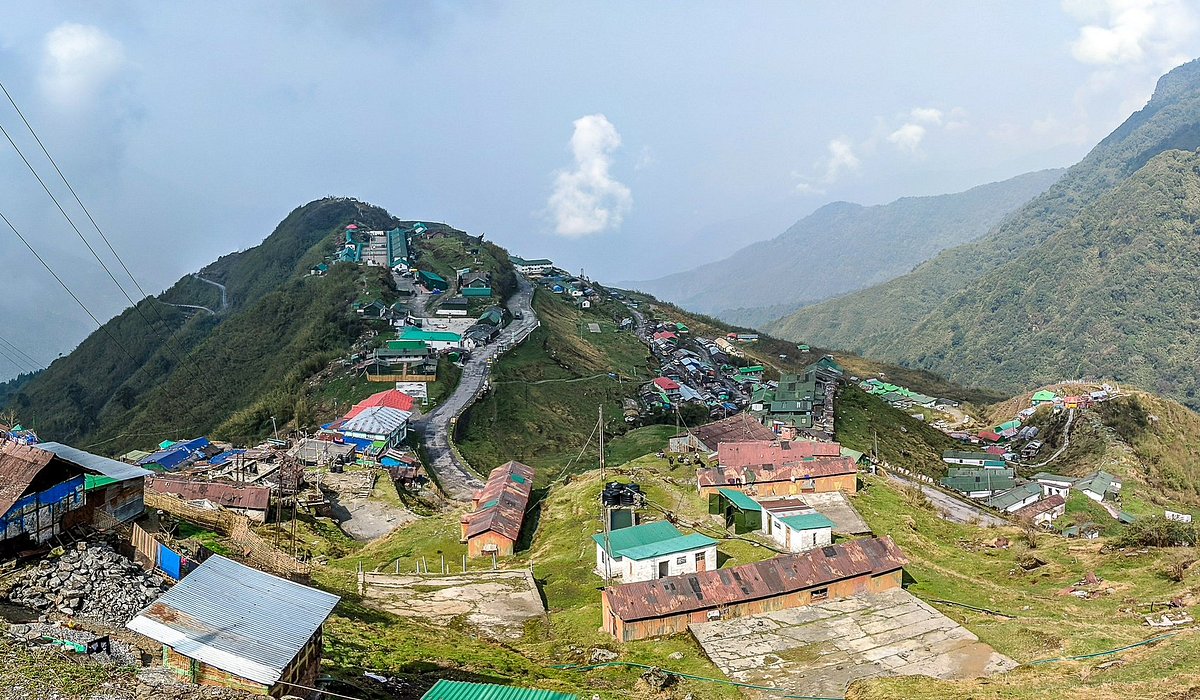
Top 25 Things to Do in Sikkim: Monasteries, Lakes & Adventure Picks
Discover the best things to do in Sikkim from Tsomgo Lake to Nathula Pass. Complete travel guide with trekking, monasteries, and adventure activities.
Jan 17Read More
Festivals
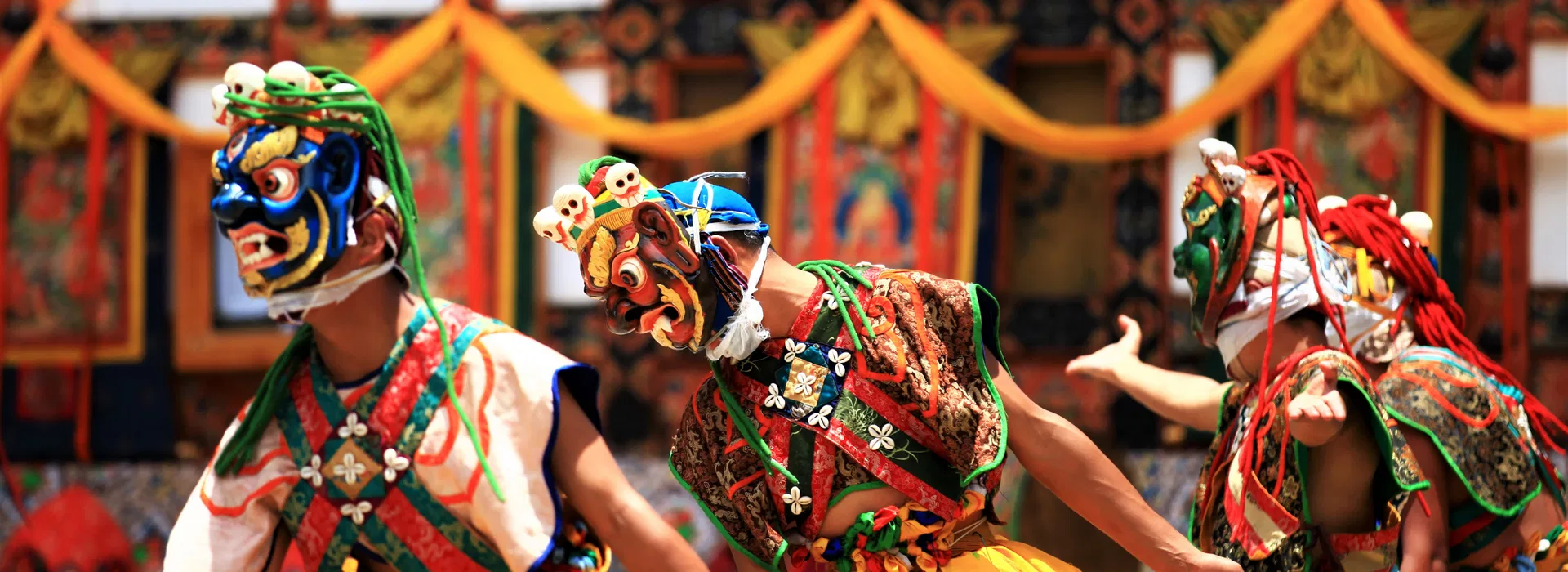
Bhutan Festivals: Tsechu Dates, Monasteries & Cultural Experiences
Experience Bhutan's vibrant festivals: Tsechu, Paro, Thimphu & Punakha celebrations. Complete guide to dates, masked dances, Cham performances & cultural experiences.
Nov 16Read More
Romance
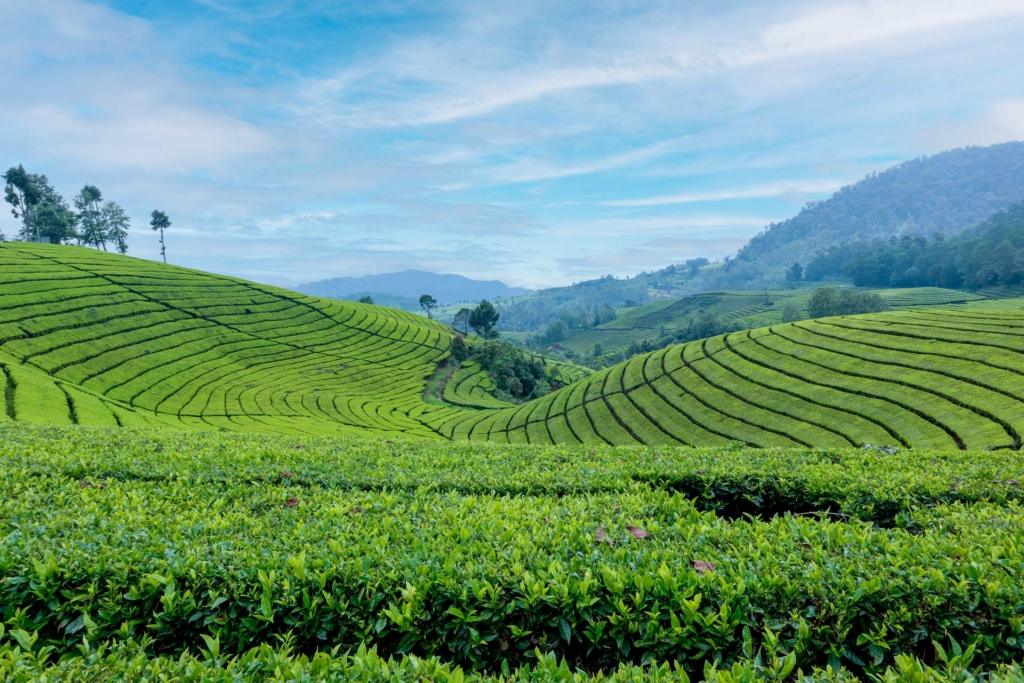
Darjeeling Honeymoon: Romantic Stays, Itinerary & Best Time
Plan your honeymoon in Darjeeling with our complete guide. Discover best time, hotels, places to visit, romantic spots & itinerary ideas.
Feb 20Read More
Never Miss an Adventure
Get the latest trekking guides, travel tips, and exclusive offers delivered straight to your inbox.
