
Things to Do in Paro Bhutan: Culture, Monasteries & Trekking Routes

Ananya Sharma
February 20, 2026
Plan things to do in Paro Bhutan with Tiger’s Nest trek, Paro Dzong, Chele La Pass, temples, and practical 2-3 day itinerary guidance.
Introduction
Paro is one of Bhutan’s most iconic destinations and combines monastery trekking, dzong architecture, mountain views, and traditional town culture in a compact valley setting. If you are planning things to do in Paro Bhutan, the best approach is to balance one adventure block, one cultural block, and one relaxed local block each day. This creates depth without travel fatigue.
This guide covers Tiger’s Nest planning, Paro Dzong and museum experiences, Chele La Pass options, temple circuits, and practical itinerary structure for first-time Bhutan travelers. For deeper route context, pair this with things to do in Paro and related destination reads like Chele La Pass and Kyichu Lhakhang.
Tiger's Nest Trek (Taktsang) Planning
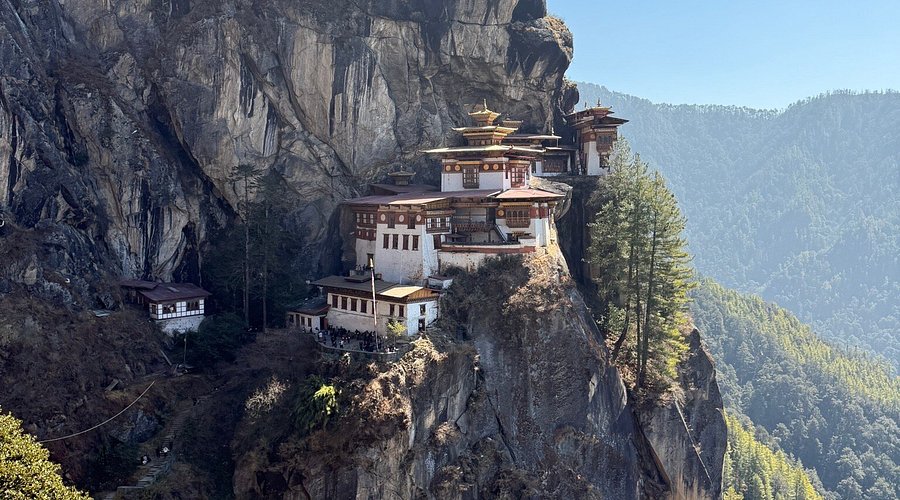
Tiger’s Nest is the most famous activity in Paro and deserves careful planning. Start early, pace conservatively, and carry water and light layers. The trek can be demanding for first-time visitors at altitude, so prioritize steady movement over speed. Weather and visibility can change, so flexible timing helps.
If full ascent is difficult, partial-route viewpoints can still deliver strong experience quality. The key is to maintain safe decision-making and avoid late descents in poor light.
Paro Dzong and Cultural Heart
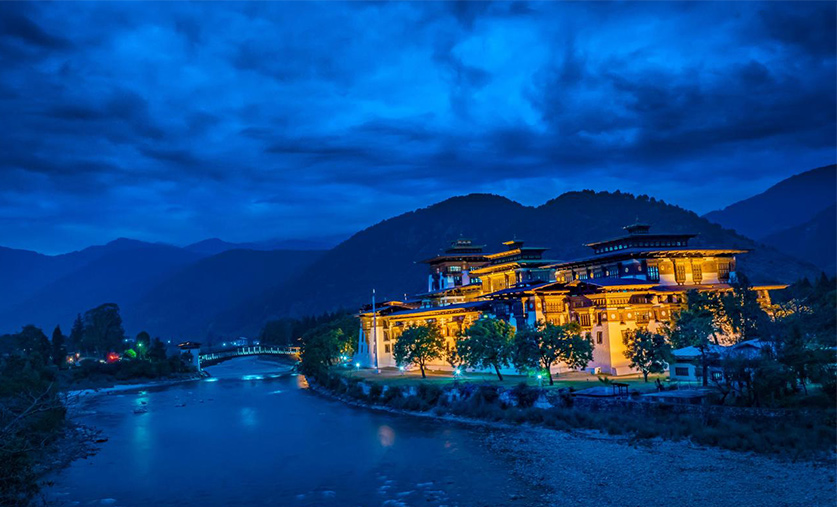
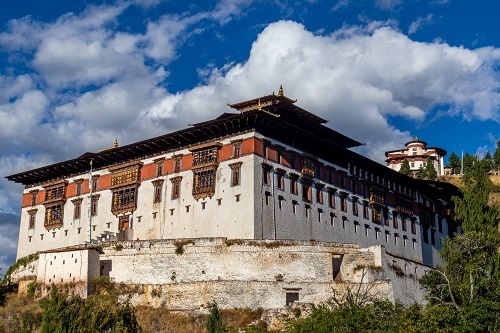
Paro Dzong is a central cultural and architectural highlight. Its setting, traditional design, and historical significance make it essential in any Paro itinerary. Allocate at least one focused hour and follow local rules on dress and behavior.
Pair this with town-side walking and one cultural conversation stop if available through guides. This creates better cultural context than stand-alone monument visits.
National Museum and Heritage Context
Paro’s museum circuit adds depth on Bhutanese history, traditions, and artistic heritage. Use museum sessions in midday when outdoor conditions are harsher or when you need lower-intensity travel blocks. Travelers interested in textiles, thangka art, and regional history should reserve enough time to engage meaningfully.
A short note-taking approach can turn this from passive sightseeing into memorable learning.
Paro Town, Local Markets, and Food
Paro town is ideal for relaxed cultural immersion, traditional shop browsing, and local cuisine sampling. Keep one evening for market and cafe walking rather than adding another long transfer. Town pace in Paro is part of the experience and should not be rushed.
For food, mix one traditional Bhutanese meal with familiar options if you are adapting to local spice and flavor profiles.
Chele La Pass and Scenic Drives
Chele La Pass offers panoramic mountain views and is a high-value add-on for travelers who want visual depth beyond central Paro. Route planning should account for weather shifts and road timing. Keep warm layers and avoid overstacking the same day with heavy trekking.
Scenic drives are best used as standalone half-day experiences with one or two brief stops, not as rushed add-ons.
Temple and Ruin Circuit
Kyichu Lhakhang and nearby heritage sites can be combined into a calm spiritual and historical circuit. These visits add balance to the trip after physically demanding trek days. Keep behavior respectful and follow temple etiquette closely.
If festival timing aligns with your trip, cultural experiences can be exceptionally rewarding; plan stays early for such periods.
2-Day and 3-Day Itinerary Models
| Duration | Suggested Paro Plan |
|---|---|
| 2 Days | Tiger's Nest + Paro Dzong + local market and town walk |
| 3 Days | Add Chele La Pass and temple/museum depth |
Keep one flexible weather slot if your itinerary depends on mountain views.
Best Time to Visit Paro
Spring and autumn are generally preferred for clear views and trekking comfort. Winter can still be rewarding with crisp conditions but requires stronger layering. Monsoon periods need additional flexibility for outdoor plans.
For trek-heavy plans, always confirm current conditions through local sources before departure.
Budget, Logistics, and Entry Planning
- Budget style: simple stays, focused activity list, efficient local transfers
- Mid-range style: curated experiences with balanced comfort and mobility
- Premium style: private-guided routes and slower high-comfort pacing
Paro trips are easiest when your daily plan includes one anchor activity and one backup option. This reduces stress and keeps itinerary quality high.
Common Mistakes to Avoid
Do not combine Tiger’s Nest and long scenic-pass travel in one overloaded day. Another common error is ignoring acclimatization and hydration in high-altitude movement. Keep decisions conservative and pace realistic.
Also avoid treating Paro as only a photo destination. Cultural engagement is the real differentiator here.
Paro for First-Time Bhutan Travelers
Paro is often the first Bhutan destination for international visitors, so itinerary design should prioritize adjustment and acclimatization. Keep arrival day light with one short town or temple block and avoid scheduling the Tiger’s Nest trek immediately after travel fatigue. A gradual first day improves energy and makes the rest of the itinerary more enjoyable.
If you are sensitive to altitude or long uphill walks, build an adaptation morning before major trekking. Conservative pacing in Bhutan is not a limitation; it is usually the most effective strategy for consistent travel quality.
Tiger's Nest Day: Practical Execution Tips
Start early, carry water, and use a sustainable pace from the first segment. Many trekkers burn out by climbing too fast initially. Break the route into manageable stages and keep descent energy in reserve. Weather can shift quickly in mountain areas, so flexible timing is crucial.
If clouds or rain reduce visibility, focus on safe movement and experiential value rather than summit-photo pressure. The route itself is culturally and visually rich even on less-than-perfect weather days.
Culture, Architecture, and Local Interaction
Paro’s monasteries, dzongs, and museums are most rewarding when visited with context. Use local guides where possible, ask about symbolism and historical function, and spend time reading interpretive material. This approach makes each site meaningful and avoids repetitive sightseeing fatigue.
Paro town also deserves unstructured time. Evening walks, traditional shop visits, and quiet food sessions provide everyday cultural texture that large attractions cannot offer.
3-Day Balanced Itinerary Pattern
Day 1: Paro town orientation + temple stop + early rest.
Day 2: Tiger’s Nest trek + recovery evening.
Day 3: Paro Dzong + museum + Chele La or heritage extension.
This pattern balances physical effort, cultural depth, and visual experiences while keeping contingency room for weather and travel delays.
Responsible Travel in Paro
Respect dress codes at religious sites, avoid loud behavior in sacred spaces, and follow local photography rules. Carry reusable bottles and keep trails litter-free, especially on monastery routes. These practices support sustainable tourism and preserve Paro’s cultural atmosphere for future travelers.
Conclusion
The best things to do in Paro Bhutan come from blending monastery trekking, dzong heritage, temple visits, and slower town immersion with practical pacing. A two- or three-day structure is usually enough for a rich first experience.
Prioritize one key activity per day, respect altitude and culture, and keep weather flexibility in your route for a smoother Paro trip.
Paro Route Planning for 48-72 Hours
Paro can deliver high value in two or three days when planned with clear daily themes. A first day focused on town and cultural orientation helps you settle into altitude and local pace. The second day can be dedicated to Tiger’s Nest trek with post-hike recovery in the evening. The third day can combine Paro Dzong, museum insights, and a scenic drive toward Chele La based on weather.
This theme-based flow is more effective than mixing long trek and long drive on the same day. It protects energy and allows better engagement with each experience.
Altitude Awareness and Physical Pacing
Even moderate activities in Paro can feel harder if you are not acclimatized. Drink water regularly, avoid rushing uphill segments, and use short controlled breaks. Recovery evenings matter: early meals and proper rest improve next-day performance significantly.
If you are traveling with varying fitness levels, use optional split plans and reunite at fixed meeting points. This keeps group morale high and prevents pace pressure.
Cultural Etiquette that Improves Experience
Respecting local customs in monasteries and temples is essential. Dress modestly, follow photography guidance, and keep conversations quiet in sacred areas. Engage with local stories through guides where possible; contextual understanding makes every site more meaningful.
Responsible behavior on trails and in town also supports sustainable tourism in a sensitive mountain-cultural environment.
Paro as a Base for Wider Bhutan Travel
Paro often serves as a transition base before moving to Thimphu or other Bhutan regions. Keep transfer-day schedules lighter and avoid packing major activities before departure. A relaxed transition improves trip continuity and reduces stress.
With practical pacing and cultural attention, Paro can be one of the most memorable segments of any Bhutan itinerary.
Paro rewards travelers who leave room for quiet observation between headline activities. Even one unstructured hour in a monastery courtyard, a riverside stretch, or a local cafe lane can create stronger recall than rushing to additional stops. This reflective pace aligns with Bhutan’s broader travel ethos and makes the destination feel more personal and less transactional.
Keep one buffer hour daily for weather-led changes in mountain conditions.
Pack layers even in mild weather windows; Paro temperatures can shift quickly.
Keep weather and route flexibility in every Paro day plan.
Respect local pace and travel patiently.
Location
Frequently Asked Questions
Q1.How many days are enough for Paro?
Q2.What are top things to do in Paro Bhutan?
Q3.Is Tiger's Nest trek difficult?
Q4.Can I visit Paro in 2 days?
Q5.Best time to visit Paro?
Q6.Is Paro suitable for first-time Bhutan travelers?
Q7.What should I pack for Paro?
Q8.Can I combine Paro and Thimphu in one trip?
Recommended For You
Thimphu Bhutan: Complete Travel Guide and Top Places
Plan your Thimphu Bhutan trip with top attractions, best season, India access routes, local transport, stay options, and practical sightseeing tips.
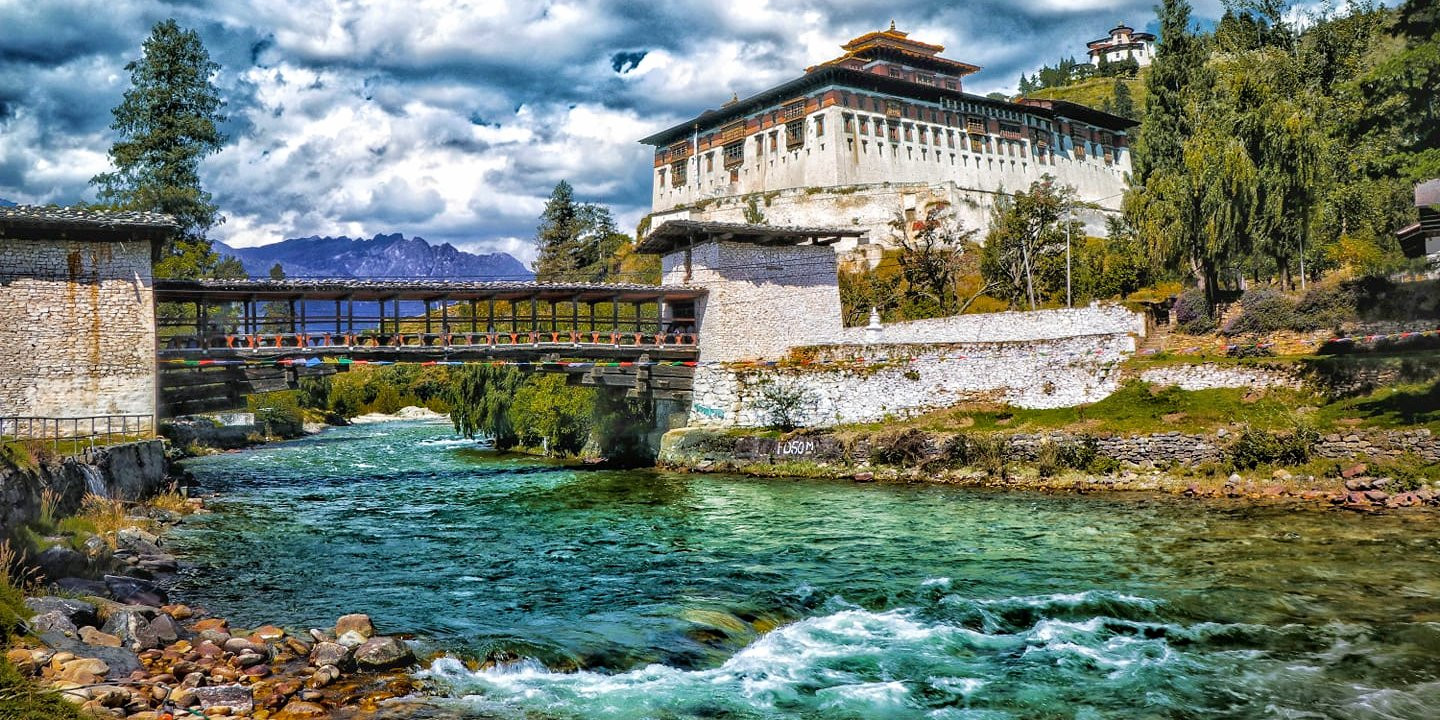
Rinpoche Dzong Bhutan: Fortress History, Architecture & Visit Information
Explore Rinpung Dzong Bhutan with location details, architectural highlights, spiritual significance, and the best time to visit Paro Valley.
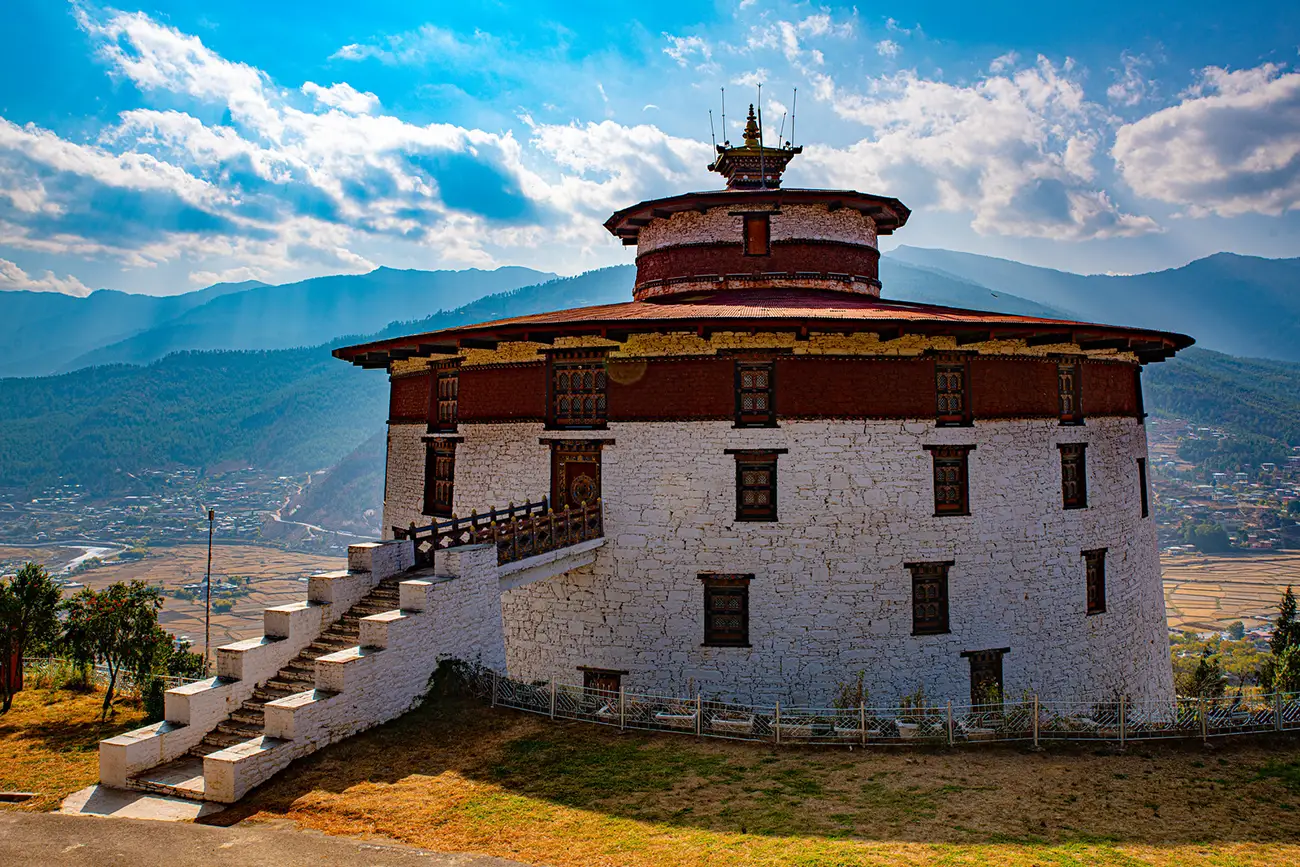
Ta Dzong Bhutan: National Museum Highlights, Timings & Tickets
Ta Dzong Bhutan guide covering watchtower history, National Museum exhibits, timings, entry planning, access from Paro, and nearby heritage pairings.
Never Miss an Adventure
Get the latest trekking guides, travel tips, and exclusive offers delivered straight to your inbox.
