

Things to Do in Malaysia: City Tours, Islands & Nature Activities

Rohan Malhotra
February 20, 2026
Plan top things to do in Malaysia with Kuala Lumpur highlights, Penang food and culture, Langkawi beaches, and practical multi-day itinerary guidance.
Introduction
Malaysia is one of the most versatile destinations in Asia for travelers who want modern cities, island breaks, rainforest experiences, and food diversity in one trip. If you are planning things to do in Malaysia, the key is to divide the country into experience zones: Kuala Lumpur for urban attractions, Penang for culture and cuisine, Langkawi for beaches and cable-car views, and Borneo for wildlife and rainforest depth. This structure helps you plan efficiently and avoid rushed transit-heavy itineraries.
This guide is built for first-time visitors and repeat travelers looking for better sequencing, budget clarity, and practical route logic. It combines city activities with nature-focused options and includes advice for 7-day and 10-day plans. For supporting reads, use places to visit in Malaysia, things to do in Malaysia highlights, and destination-specific details like Batu Caves.
Kuala Lumpur: Urban Highlights and Culture
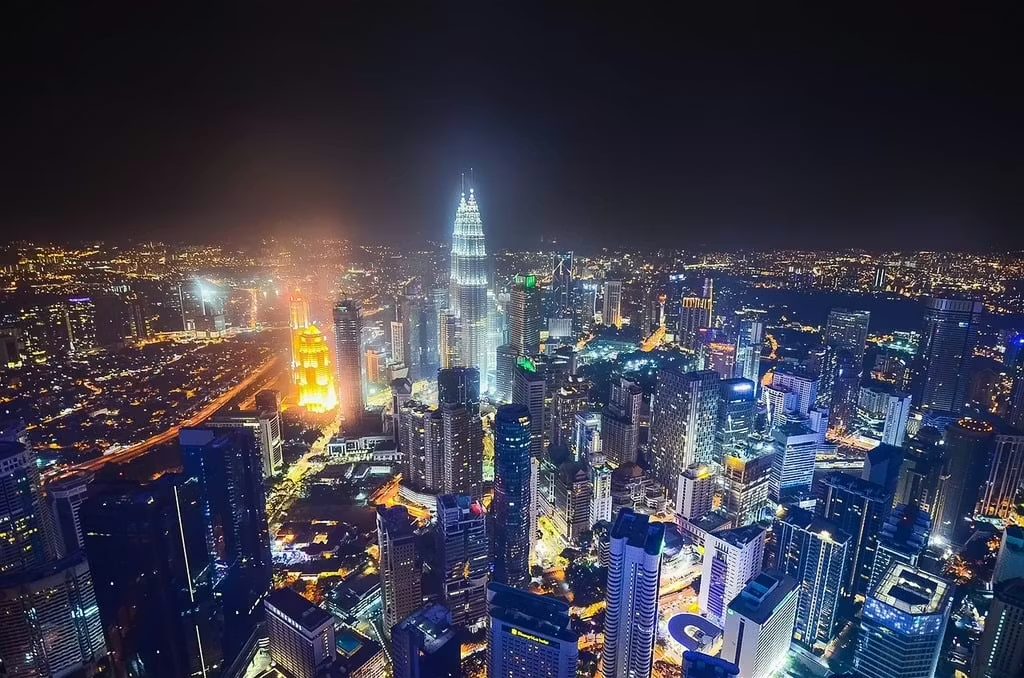
Kuala Lumpur is usually the entry point and offers a strong mix of architecture, culture, shopping, and food. Start with iconic locations like Petronas and central city districts, then add heritage and religious landmarks such as Batu Caves, old market streets, and multicultural neighborhoods. Instead of seeing KL as only a photo stop, treat it as a two-layer city: modern skyline by day and food-nightlife energy by evening.
A practical Kuala Lumpur day includes one skyline attraction, one culture/heritage stop, one market walk, and one curated dinner block. This gives range without overloading traffic-heavy movement. If you have only one day, keep your route compact and avoid long opposite-side transfers during peak hours.
Langkawi: Island and Sky Bridge Experience
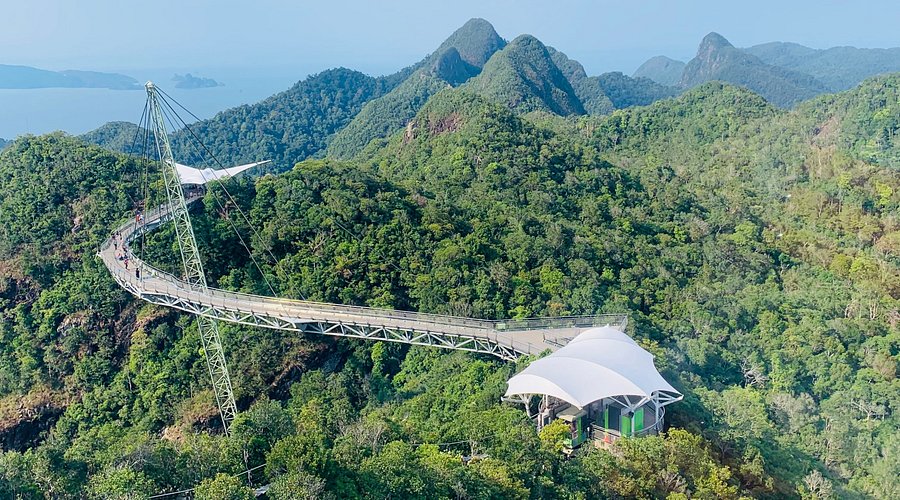
Langkawi is ideal for travelers who want a coastal reset after city days. The cable car and sky bridge are headline experiences, but the island is best enjoyed when balanced with beach downtime, short viewpoints, and one activity-led excursion. You can mix relaxed mornings with sunset-focused evenings and keep one half-day for island hopping or marine park options.
For first-time visitors, avoid overbooking paid activities. Langkawi works best with one major activity per day and plenty of recovery time. If weather changes, shift to cafes, local markets, or scenic drives rather than forcing sea-based plans.
Penang: Heritage, Street Art, and Food
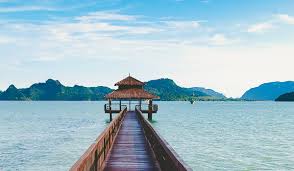
Penang offers one of Malaysia’s richest combinations of culture and cuisine. George Town’s heritage lanes, murals, temples, and food streets make it a high-value destination for slow exploration. Keep at least one full day here if your schedule allows. Morning and late-afternoon walking windows work best for comfort and photography.
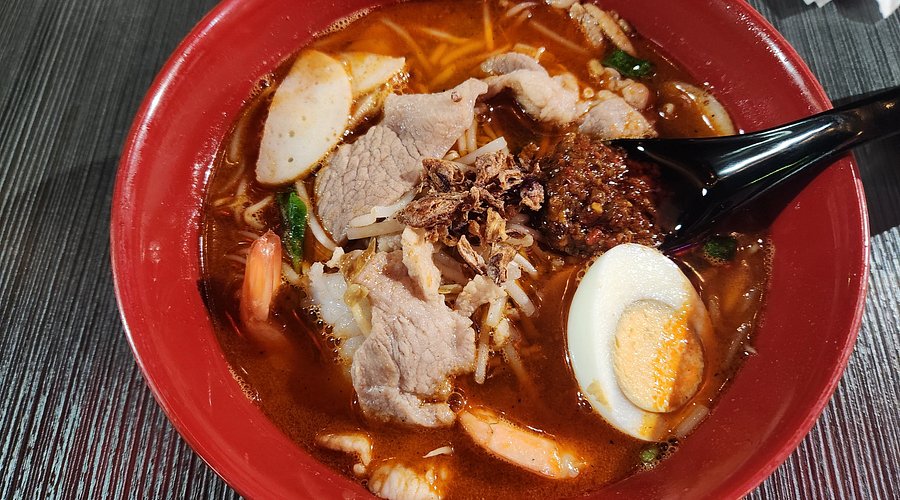
For food-led travelers, a planned street-food circuit is more effective than random snacking. Mix one guided or researched food block with one free-form evening market session. This gives both reliability and discovery. Penang is especially strong for travelers who enjoy history and culinary depth in equal measure.
Borneo and Wildlife Experiences
Malaysia’s Borneo segment is where nature-focused travel becomes deeper. Rainforest lodges, wildlife sanctuaries, and biodiversity experiences offer a different pace from peninsular city and island tourism. If you include Borneo, allocate enough days for meaningful activity; rushed one-night windows rarely do justice to the region.
Wildlife experiences should be chosen with responsible operators and realistic expectations. Sightings vary by season and location. Plan with flexibility and focus on overall ecosystem experience rather than guaranteed animal encounters.
Cameron Highlands and Cooler Escapes
If your itinerary includes warm coastal and city segments, Cameron Highlands can provide climate balance. Tea landscapes, light trekking, and slower scenic travel work well for families and couples. It is also useful as a mid-trip recovery segment before moving to another high-activity destination.
Keep transport timing conservative, as intercity road movement can take longer than expected. Use one full day for plantations and viewpoints and another for gentle nature activities if you have time.
Food Experiences Across Malaysia
Food is one of the top things to do in Malaysia because of the country’s multicultural culinary base. Malay, Chinese, Indian, and regional influences create high variety even in short itineraries. A practical strategy is to sample one local breakfast format, one market lunch, and one curated dinner each day.
For depth, include one destination-specific food goal per city: street-food night in Penang, market and hawker mix in KL, and seafood-focused meal in coastal areas. Keep hydration and spice tolerance in mind when planning back-to-back tasting days.
7-Day and 10-Day Itinerary Models
| Duration | Suggested Route |
|---|---|
| 7 Days | Kuala Lumpur (2) + Penang (2) + Langkawi (3) |
| 10 Days | Add Borneo or Cameron Highlands with extra transit buffers |
Choose depth over spread. Fewer destinations with fuller days usually outperform rushed multi-city lists.
Best Time to Visit Malaysia
Malaysia can be visited year-round, but weather patterns vary by region. The best approach is to choose destination sequence based on seasonal conditions rather than trying to optimize every location at once. Keep flexible day slots for rain and use indoor alternatives in city segments when needed.
If your plan depends on specific island or wildlife activities, verify local conditions before confirming fixed dates.
Budget Planning and Practical Logistics
- Budget style: value stays, public transport, market food, selected paid activities
- Mid-range style: domestic flights where useful, curated food, mixed paid experiences
- Premium style: resort stays, private transfers, guided nature and city experiences
Malaysia can fit different budgets effectively. The biggest cost differences come from intercity transport choices and stay category, not from everyday food costs.
Common Mistakes to Avoid
Over-packing too many destinations into a short trip is the most common error. Another is underestimating intercity transfers and checking out too late for same-day activity windows. Keep one arrival/recovery slot after long movement days.
Also avoid copying generic itineraries without adapting to your interests. Malaysia offers very different traveler paths, and personalization improves outcome quality.
Malaysia for Different Travel Styles
Malaysia can be adapted for multiple traveler types without major compromise. Couples often prefer Kuala Lumpur and Langkawi combinations with curated dining and slower beach evenings. Families usually benefit from mixed city-and-nature plans with fewer transfer days and more predictable activity windows. Solo travelers can build efficient public-transport routes between major hubs and focus on food and culture-heavy experiences in Kuala Lumpur and Penang.
For adventure-led travelers, Borneo and mountain regions offer stronger activity depth. For comfort-led travelers, island resorts plus city stopovers deliver a balanced trip. The destination’s strength is flexibility, so route design should follow traveler profile rather than generic internet lists.
Detailed 10-Day Sequence Example
Days 1-2: Kuala Lumpur landmarks, markets, night dining zones.
Days 3-4: Penang heritage walks, street-food circuits, cultural neighborhoods.
Days 5-7: Langkawi beaches, cable-car experience, one marine activity.
Days 8-10: Borneo or Cameron Highlands depending on nature interest and flight logic.
This sequence reduces backtracking and keeps activity intensity balanced. It also provides enough recovery slots between transfer-heavy blocks.
Entry, Connectivity, and On-Ground Efficiency
Before travel, verify entry requirements and keep digital plus offline copies of key documents. Use app-based transport in large cities and pre-book domestic transfers for high-demand periods. Local SIM or eSIM setup on arrival improves navigation and real-time logistics decisions. These basics prevent avoidable friction and help maintain itinerary flexibility.
Within cities, cluster attractions by district and reserve one backup indoor option for rainy windows. For intercity travel, avoid ultra-tight same-day connections that leave no room for delays. Practical buffers protect both budget and trip mood.
How to Avoid Itinerary Fatigue in Malaysia
One of the biggest mistakes in Malaysia travel is treating every day as a full-day excursion. Heat, humidity, and intercity movement can drain energy faster than expected. Keep every third day lighter with one major activity plus free time. This pacing improves sleep, digestion, and overall enjoyment, especially on food-centric routes.
When in doubt, choose fewer cities and deeper experiences. Malaysia rewards depth far more than attraction count.
Malaysia Transit Strategy and Time Management
Intercity planning is the backbone of a good Malaysia trip. Use flights for long jumps when time is limited, and combine rail or road options for shorter regional movement. Keep at least half-day buffers before critical onward travel, especially if your itinerary includes islands or weather-dependent activities. Travelers who try to chain tight same-day transfers often lose core experience windows.
A practical rhythm is two activity-heavy days followed by one lighter movement or recovery day. This pattern prevents decision fatigue and keeps energy stable across longer routes.
What to Prioritize If You Have Only 5-6 Days
If your trip is under one week, choose two primary zones only. A high-value combination is Kuala Lumpur + one of Penang or Langkawi. This keeps logistics simple while still offering cultural depth and visual variety. Add Borneo only when your timeline allows at least three focused days there.
Shorter trips benefit from hotel location strategy: stay near activity clusters instead of choosing cheaper stays far from your day plans.
Family and Couple Optimization Notes
Families should prioritize predictability: fewer hotel changes, child-friendly meal windows, and limited same-day long transfers. Couples often gain more from slower evenings, curated food experiences, and one signature activity per day rather than dense checklists. Both profiles should avoid overcommitting to weather-sensitive bookings without fallback options.
With these adjustments, Malaysia becomes much easier to navigate and significantly more rewarding.
Conclusion
The best things to do in Malaysia come from balancing city energy, island downtime, cultural neighborhoods, and nature depth with smart sequencing. A well-planned route can deliver very high travel value in one week or ten days.
Start with clear priorities, choose realistic transfers, and keep weather flexibility in your schedule to experience Malaysia with less stress and more depth.
Location
Frequently Asked Questions
Q1.How many days are enough for Malaysia?
Q2.What are the top things to do in Malaysia?
Q3.Is Malaysia good for first-time international travelers?
Q4.Which is better for tourists: Langkawi or Penang?
Q5.What is the best time to visit Malaysia?
Q6.Is Malaysia expensive?
Q7.Can I do Malaysia in one week?
Q8.What food should I try in Malaysia?
Recommended For You
Langkawi Sky Bridge: Ticket Price, Cable Car Timings & Tips
Plan your Langkawi Sky Bridge Malaysia visit with tickets, timings, cable car details, weather tips, photo spots, and nearby attractions for a smooth island day.
Kuala Lumpur Nightlife: Rooftop Bars, Clubs & Areas
Kuala Lumpur nightlife guide covering Bukit Bintang, Bangsar, KLCC rooftops, top clubs, prices, dress code, safety tips, and a practical one-night plan.
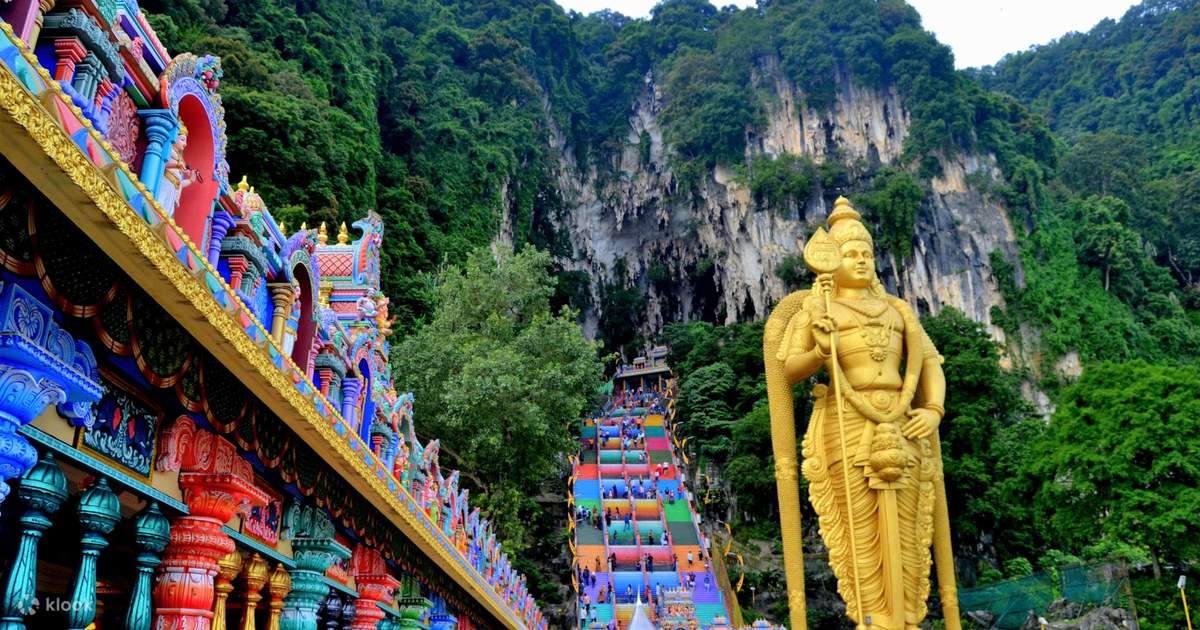
Batu Caves Malaysia: Timings, Dress Code & Climb Information
Visit Batu Caves Malaysia with practical timing, dress code, access strategy, and Kuala Lumpur route-pairing tips for a smoother pilgrimage-style trip.
Never Miss an Adventure
Get the latest trekking guides, travel tips, and exclusive offers delivered straight to your inbox.
