
Things to Do in Patna: Heritage Walks, Museums & Riverfront

Rohit Verma
February 20, 2026
Explore top things to do in Patna with historical landmarks, museum stops, Sikh heritage sites, and practical one-day or two-day planning tips.
Introduction
Patna is one of India's oldest continuously relevant cities, with historical roots in ancient Pataliputra and a modern identity as Bihar's capital. Many travelers pass through Patna for onward travel, but the city itself has enough heritage, riverfront activity, and cultural sites for a meaningful itinerary. The best things to do in Patna include a mix of monuments, museums, religious sites, and relaxed evening stops along the Ganga.
This guide is built for first-time visitors who want depth without overplanning. It works for one-day and two-day schedules with optional extensions. Pair this with local food of Patna and cafes in Patna for a better city experience.
Golghar: The Most Recognizable Landmark
Golghar is one of Patna's best-known historical structures and a practical starting point for city orientation. Built in the colonial era as a granary, it remains a visual icon and a quick history stop. Visit in the morning or late afternoon for better weather comfort and photography.
Combine this with nearby heritage points rather than treating it as a standalone destination.
Museums and Cultural Stops
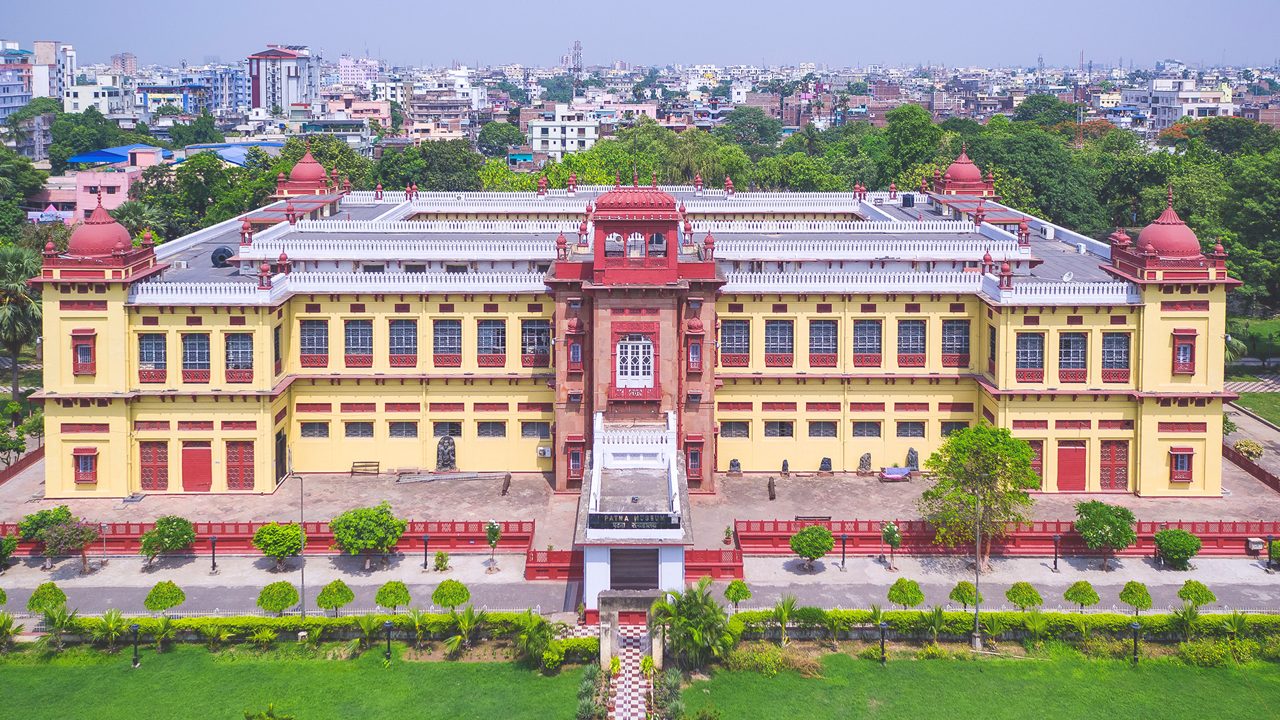
Patna Museum and nearby cultural institutions add important historical context. Collections connected to ancient Bihar, regional art, and archaeological material make this segment worthwhile for travelers interested in long-form history. Keep enough time for at least one museum instead of rushing through multiple galleries.
If traveling with children, choose one museum plus a park stop in the same area to keep the day balanced.
Gandhi Ghat and Riverside Evenings
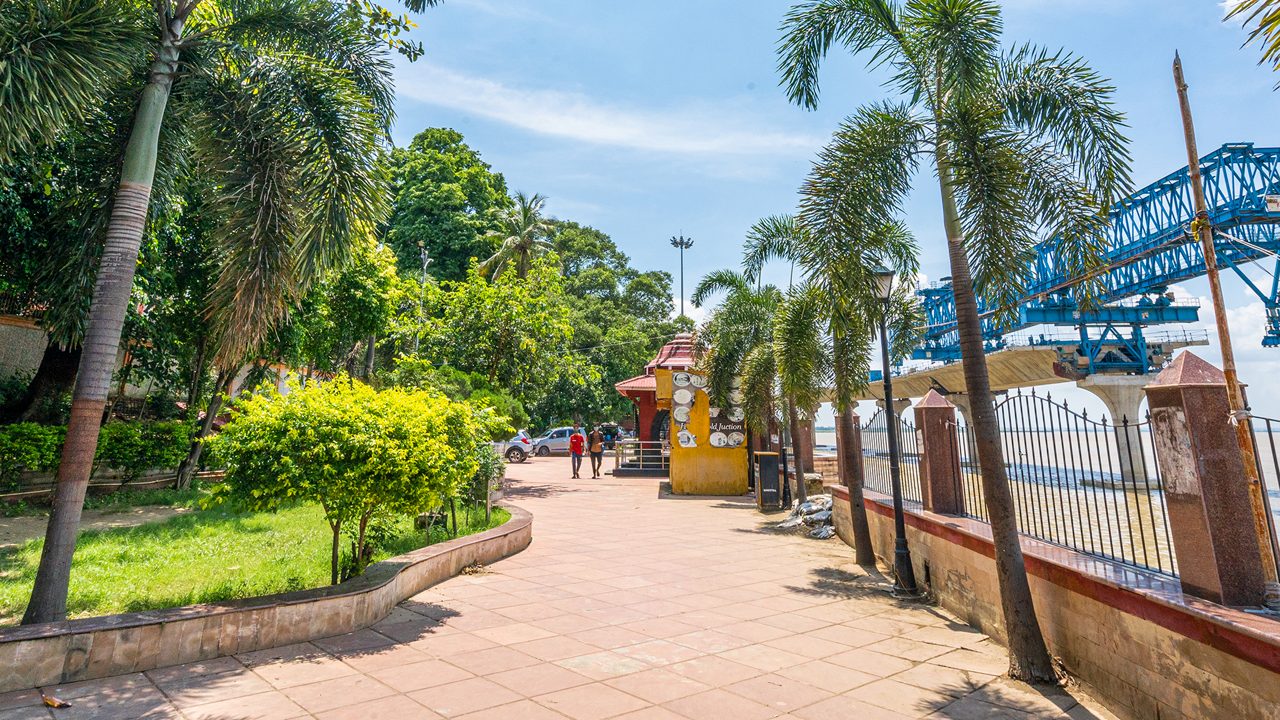
Gandhi Ghat is one of the best evening slots in Patna, especially for river views and sunset atmosphere. It works as a low-stress end to a history-heavy day. During festival periods and weekends, start earlier to avoid crowd pressure.
| Site | Best Time | Travel Value |
|---|---|---|
| Golghar | Morning / late afternoon | Quick history + city orientation |
| Museum block | Mid-day | Culture and heritage depth |
| Gandhi Ghat | Sunset | Relaxed riverfront finish |
Ancient Heritage: Kumhrar and Pataliputra Context
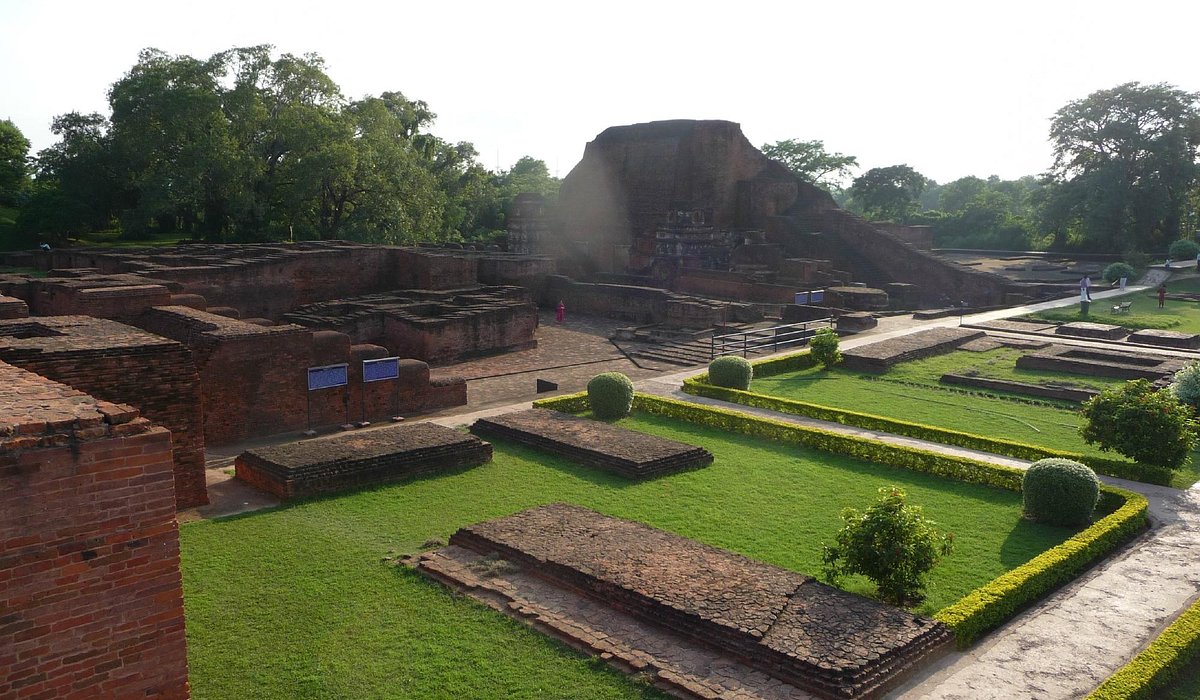
Kumhrar and related archaeological references connect modern Patna to the ancient Pataliputra timeline. If you are interested in Mauryan-era context, this section is essential. Keep expectations realistic: archaeological sites are interpretive spaces, not theme-park style attractions.
Reading basic historical context before visiting improves the experience significantly.
Sikh Pilgrimage Significance
Takht Sri Patna Sahib is one of the most important Sikh pilgrimage sites in India. The site has high spiritual value and attracts visitors from across the country. Dress respectfully, follow gurdwara etiquette, and allocate enough time instead of treating it as a quick stop.
Patna's multi-faith character is one of its strongest identity layers and worth understanding during your trip.
Parks and Family-Friendly Stops
For travelers with children or multi-generational groups, parks and open spaces help balance museum-heavy schedules. City parks, zoo zones, and landscaped public spaces can be used as lighter blocks between heritage stops.
Patna One-Day vs Two-Day Plan
- One day: Golghar + museum + Patna Sahib + Gandhi Ghat.
- Two days: Add Kumhrar, park stops, local markets, and slower food exploration.
- Extra day: Consider nearby heritage and pilgrimage extensions.
For shopping add shopping places in Patna and keep market time in the evening slot.
Travel Tips
- Use app cabs or planned local transport for smoother movement.
- Keep extra buffer during peak traffic windows.
- Carry hydration in summer months; daytime heat can be intense.
- Plan religious visits with respectful dress and behavior.
- Keep one flexible slot for delays or local recommendations.
Patna’s Historical Layers: What to Prioritize
Patna is one of India’s oldest continuously inhabited urban regions, and its value lies in connecting ancient Pataliputra history with present-day city life. For first-time visitors, it helps to prioritize one historical monument, one museum block, and one riverfront experience in the same day. This sequence avoids context loss and gives a complete narrative from ancient polity to modern Bihar identity.
Travelers often under-allocate time to museum interpretation, but that is where many historical links become clear. Keep at least 60-90 minutes in your key museum stop and use short notes to track timelines and personalities.
Golghar and Riverfront Planning
Golghar is one of Patna’s most recognizable landmarks and works best when combined with a broader city-view block. Pair it with Gandhi Ghat in evening hours for a stronger visual and cultural contrast. This pairing gives you architecture, river mood, and local movement in one manageable route.
If you are visiting in summer, keep this route in early morning or late evening to avoid heat-heavy hours. In cooler months, late afternoons are usually ideal for comfortable movement and better light.
Sikh, Buddhist, and Multi-Faith Heritage
Patna’s spiritual profile is diverse and includes important Sikh and Buddhist relevance in addition to Hindu heritage. This multi-faith context is one of the city’s biggest strengths for cultural travelers. Plan one spiritual route block with respectful timings and modest dress, then add one heritage or market segment nearby for efficient movement.
Travelers interested in sacred circuits can expand to nearby regional destinations, but even a city-only plan can be highly meaningful when executed with focus.
One-Day and Two-Day Route Design
One day: Golghar + museum + Patna Sahib or heritage stop + Gandhi Ghat evening.
Two days: Add Kumhrar, science/cultural spaces, market-food trail, and slower neighborhood observation.
The two-day format is ideal for travelers who value both history and city rhythm, while one-day plans suit short business or transit visits.
Local Food and Urban Experience
A Patna itinerary is incomplete without local food sampling. Keep one dedicated meal for regional specialties and one evening tea/snack window in an active market area. Combine this with references from local food of Patna, restaurants in Patna, and shopping context from shopping places in Patna.
These additions convert a monument-led itinerary into a fuller city experience.
Practical Travel Tips for Patna
Use area clustering to reduce traffic impact, especially during busy city windows. Keep hydration and sun-protection in warmer months, and verify opening hours of museums before departure. A simple pre-planned route with one backup option will outperform a long unstructured checklist.
Patna rewards travelers who plan for depth and context, not just attraction count.
Patna for Different Traveler Types
Patna can be tailored for multiple travel styles. History-first travelers should prioritize museum clusters, Golghar context, and archaeological references. Spiritual travelers can focus on Sikh and temple circuits with slower devotional pacing. Family travelers usually do best with mixed schedules: one educational stop, one relaxed riverfront or park window, and one food-led evening block. This profile-based approach prevents fatigue and makes the day feel balanced.
If you are on a business trip with limited free time, a half-day plan can still be meaningful: one heritage point, one museum corridor, and one local meal experience. Patna does not require high attraction volume to be rewarding when route logic is clear.
Museum-Led Learning Circuit
A museum-led circuit is one of the most efficient ways to understand Patna’s long timeline. Start with an anchor museum in the late morning, then move to a connected historical site in afternoon. Keep a short reading list of key dynasties and events before visiting; this small preparation improves comprehension on-site and helps connect artifacts to real historical shifts.
Students and researchers should reserve extra time for note-taking and interpretation boards. This city is especially useful for educational travel when explored with intention.
Food and Evening City Rhythm
Patna evenings can be used for local food exploration and market movement near your primary zone. Try one regional specialty meal and one snack stop rather than overloading dining options. This keeps the experience focused and improves comfort after a full sightseeing day. You can also use evening windows for riverfront or short heritage-lit routes when available.
For practical planning, keep return transport pre-arranged and avoid unnecessary late-night cross-city movement.
Extended 3-Day Option
Day 1: Golghar, museum block, local market and dinner.
Day 2: Sikh heritage and old-city context routes.
Day 3: archaeological and cultural add-ons with slower pacing.
This extended format is ideal for travelers who want deeper context beyond quick city checklists.
Travel Readiness Checklist
Carry water, comfortable shoes, and weather-appropriate clothing. Verify museum timings in advance, especially around holidays. Keep digital and offline route points saved for smoother movement. Patna rewards prepared travelers with richer context and better trip flow.
Conclusion
The best things to do in Patna come from understanding the city's dual identity: ancient historical depth and modern urban movement. With the right route, Patna becomes much more than a transit point and offers a rewarding, culture-rich experience.
For best results, keep one museum and one heritage anchor as non-negotiable stops in every Patna itinerary.
If your time is limited, prioritize historical continuity over attraction count. One strong route with context beats several rushed stops.
Patna is most rewarding when you travel with a narrative, not a checklist. Begin with ancient context, move through colonial and modern institutions, and end with contemporary city life at the riverfront or local markets. This progression helps visitors understand why Patna matters historically and culturally. If you are returning for a second visit, choose one theme per day such as archaeology, museum learning, or spiritual circuits to avoid repetition and gain deeper insight. A thematic approach turns Patna into a layered destination rather than a quick stopover.
Location
Frequently Asked Questions
Q1.What is Patna famous for?
Q2.Is one day enough for Patna sightseeing?
Q3.Which are the top places to visit in Patna?
Q4.When is the best time to visit Patna?
Q5.Is Patna good for family travel?
Q6.How should I travel within Patna?
Q7.Can I include Patna Sahib in a one-day plan?
Q8.What should I add for food and shopping in Patna?
Recommended For You
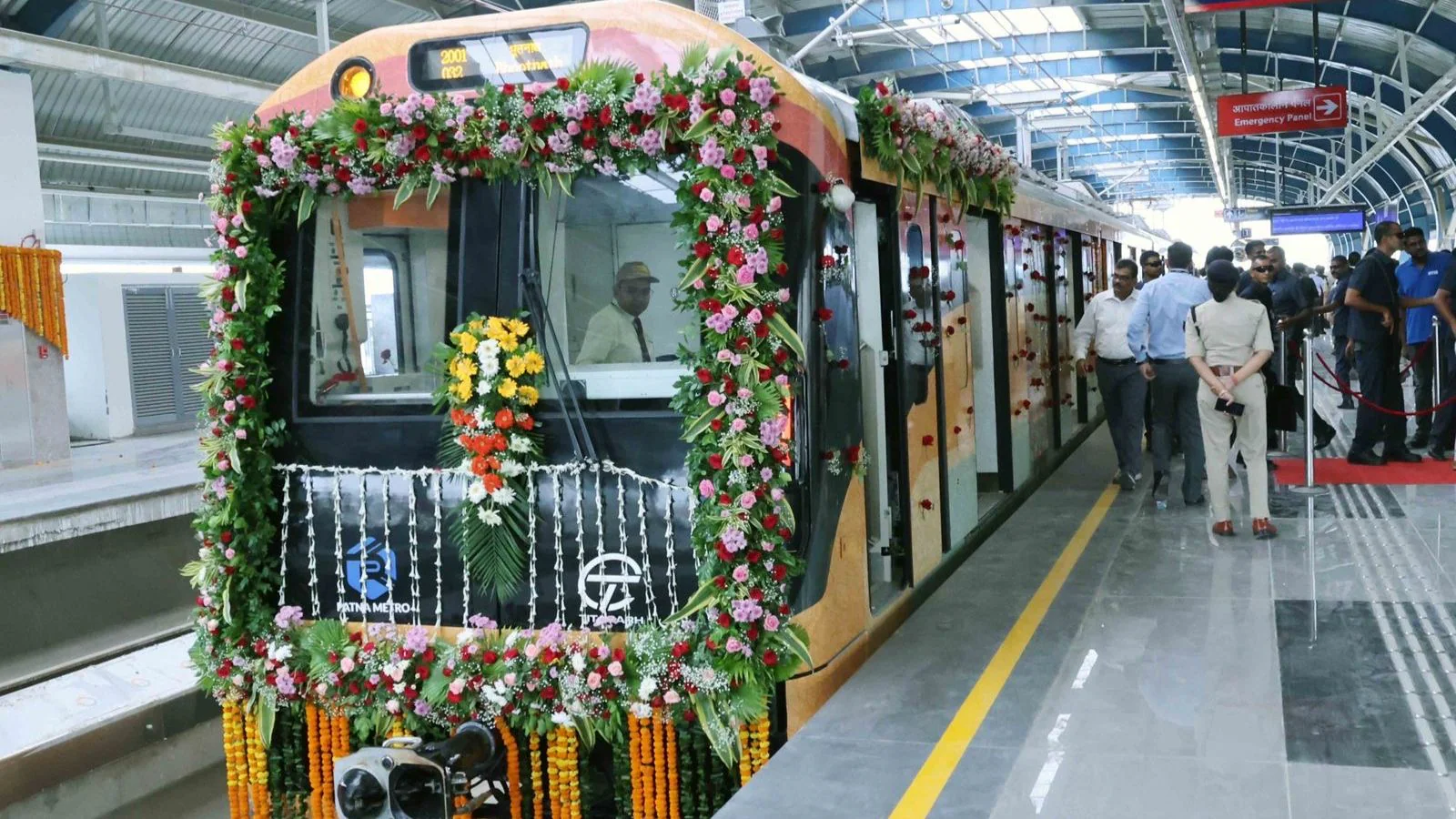
Patna Metro Connectivity: Complete Route Guide & Network Map
Complete guide to Patna Metro connectivity. Explore routes, stations, intermodal transfers, fares & timings for Bihar's modern rapid transit system.
10 Best Restaurants in Patna: Bihari Flavors, Cafes & Fine Dining
Discover the best restaurants in Patna. From authentic Litti Chokha to rooftop cafes and fine dining. Complete food guide to family & couple-friendly spots.
Places to Visit in Patna: Historic Landmarks, Museums & Ghats
Discover top places to visit in Patna, from Golghar and Patna Sahib to museums, ghats, and heritage sites with practical travel tips and route planning.
Never Miss an Adventure
Get the latest trekking guides, travel tips, and exclusive offers delivered straight to your inbox.
