
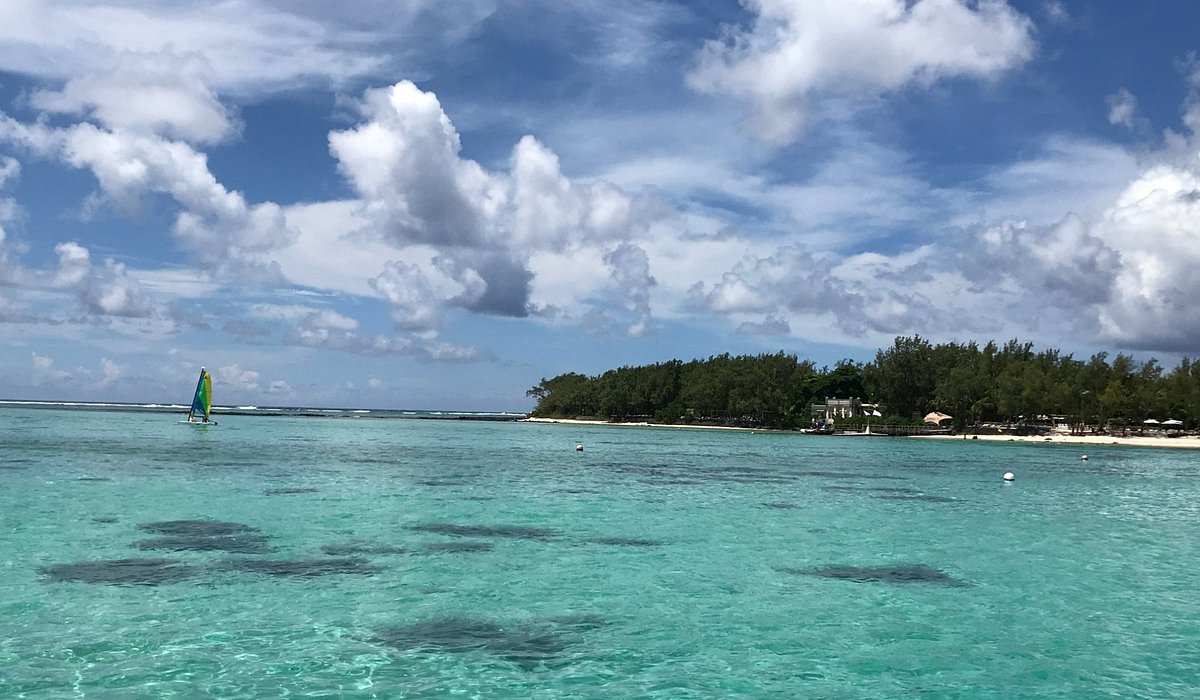
Things to Do in Port Louis: Capital Attractions, Markets & Waterfront

Rohit Verma
February 20, 2026
Explore Port Louis, Mauritius' vibrant capital city. Discover top attractions including Central Market, Aapravasi Ghat, Caudan Waterfront, and more in this complete travel guide.
Discover the Vibrant Heart of Mauritius
Welcome to Port Louis, the captivating capital city of Mauritius that beautifully blends rich history, diverse cultures, and modern sophistication. Nestled between the sparkling Indian Ocean and majestic mountain ranges, this bustling port city offers travelers an unforgettable mix of colonial heritage, vibrant markets, world-class museums, and stunning natural attractions. As the economic and cultural center of Mauritius, Port Louis has evolved from a strategic trading post into a dynamic metropolis that attracts visitors from around the globe. Whether you're a history enthusiast, a food lover, or simply seeking authentic Mauritian experiences, this comprehensive guide will help you discover the best things to do in Port Louis.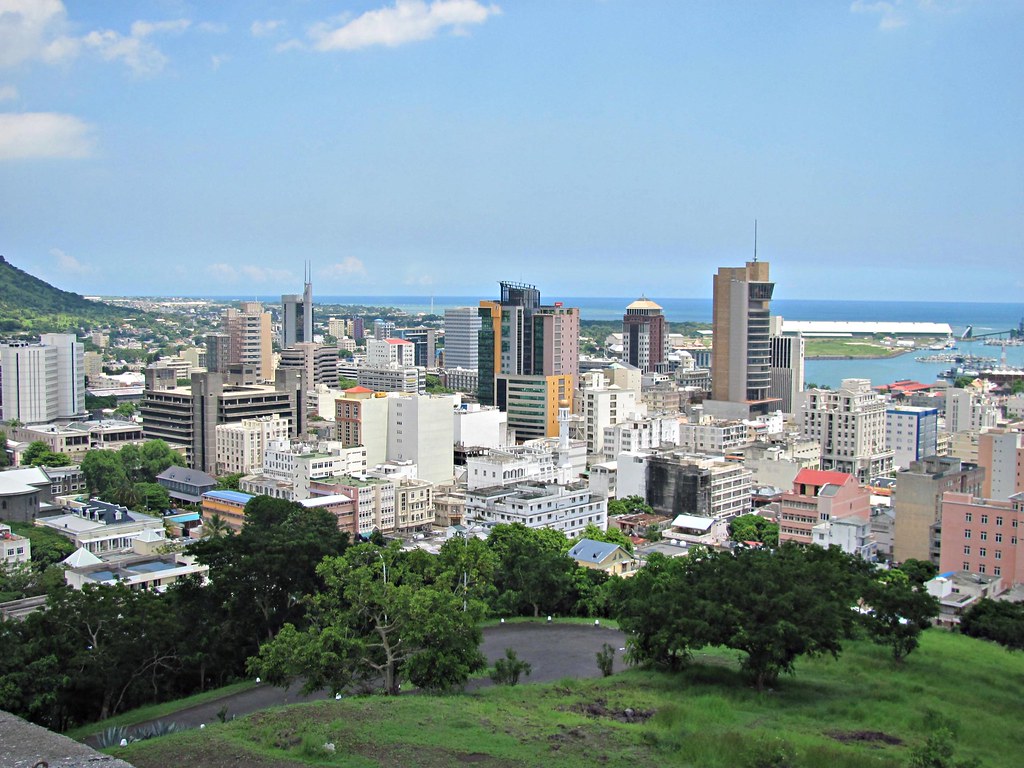 Founded in 1736 by the French governor Bertrand-François Mahé de La Bourdonnais, Port Louis has served as a crucial maritime hub for centuries. The city witnessed the arrival of indentured laborers from India, the struggle for independence, and the transformation into a multicultural paradise that Mauritius is today. Walking through its streets, you'll encounter architectural marvels from the French colonial period, bustling markets that have operated for generations, and modern developments that showcase the nation's progressive spirit.
Top Attractions and Things to Do in Port Louis
1. Explore the Central Market (Le Marché Central)
No visit to Port Louis is complete without immersing yourself in the vibrant atmosphere of the Central Market. Established in 1830, this bustling marketplace is the oldest and largest in Mauritius, offering an authentic glimpse into local life. The market operates from early morning until late afternoon, with weekends being particularly lively. As you navigate through the colorful stalls, you'll discover an incredible variety of goods: fresh tropical fruits like mangoes, pineapples, and lychees; aromatic spices including vanilla, turmeric, and saffron; traditional Mauritian crafts such as basketry, wooden carvings, and textiles; and an array of street food that will tantalize your taste buds.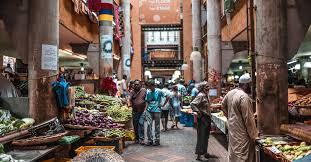 Don't miss trying some local favorites like dholl puri (flatbread filled with lentils), gateaux piment (chili cakes), and fresh coconut water. The market is also an excellent place to purchase souvenirs, including handmade textiles, spices, and traditional Mauritian tea. Remember to bargain politely – it's expected and part of the shopping experience!
2. Visit the Aapravasi Ghat UNESCO World Heritage Site
The Aapravasi Ghat (Immigration Depot) stands as a powerful testament to Mauritius' history as the "Great Experiment" of the British Empire. This UNESCO World Heritage Site is where approximately half a million indentured laborers from India first arrived between 1834 and 1920, fundamentally transforming the island's demographic and cultural landscape. Today, the remains of this immigration depot serve as a moving memorial to the ancestors of the majority of Mauritian citizens. The site features interpretive exhibits explaining the indentured labor system, the conditions endured by workers, and their profound impact on Mauritian society. Walking through these historic buildings offers a profound connection to the past and helps visitors understand the foundations of modern Mauritius. The site is open daily from 9:00 AM to 5:00 PM, with guided tours available in multiple languages. Admission is free, though donations are appreciated to help preserve this important heritage site. Allow at least 1-2 hours to fully explore and absorb the significance of this location.3. Discover the Blue Penny Museum
Philately enthusiasts and history buffs alike will appreciate the Blue Penny Museum, home to one of the world's most valuable stamps. The museum's crown jewel is the famous 1847 "Post Office" stamps – among the first stamps ever issued globally, featuring Queen Victoria's profile. Beyond these rare philatelic treasures, the museum offers fascinating exhibits covering Mauritius' maritime history, the colonial period, the indentured labor system, and the island's journey to independence. The collection includes antique maps, historical documents, colonial artifacts, and stunning photographs that chronicle the island's evolution from a Dutch trading post to an independent nation. The museum is located at the Caudan Waterfront and is open daily from 9:00 AM to 5:00 PM. The entrance fee is approximately 200 MUR for adults and 100 MUR for children. Allow about 1-1.5 hours for your visit. The museum is fully air-conditioned, making it a perfect escape from the midday heat.4. Wander Through the Caudan Waterfront
The Caudan Waterfront represents Port Louis' modern face, combining shopping, dining, and entertainment in a beautifully designed complex overlooking the harbor. This vibrant area is perfect for leisurely strolls, shopping for international brands, enjoying waterfront dining, and experiencing the city's contemporary culture. The waterfront features over 170 stores ranging from luxury boutiques to local craft shops, numerous restaurants offering everything from fine dining to casual bites, a cinema complex, a casino, and regular cultural events and live performances. The architecture seamlessly blends colonial elements with modern design, creating a unique atmosphere that honors the past while embracing the future.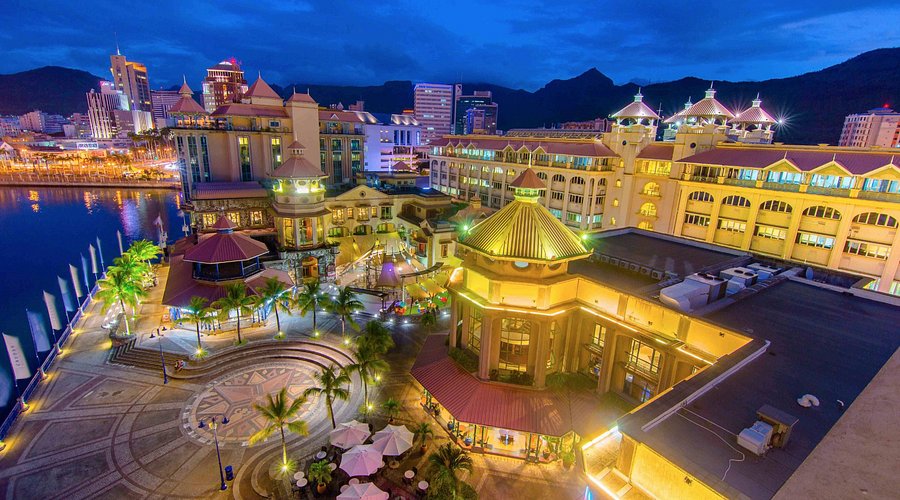 Don't miss the Craft Market, where local artisans sell handmade goods including textiles, jewelry, wooden carvings, and artwork. The waterfront is particularly beautiful at sunset, when the harbor comes alive with activity and the sky transforms into a canvas of brilliant colors.
5. Explore Fort Adelaide (Citadel)
Perched atop a hill overlooking the city, Fort Adelaide (also known as La Citadelle) offers panoramic views of Port Louis and its surrounding harbor. Built by the British between 1834 and 1840, this fortress was named after the wife of William IV and never actually saw combat. Today, the fort's well-preserved ruins provide a fascinating glimpse into 19th-century military architecture and strategic planning. The climb to the top rewards visitors with breathtaking 360-degree views of the city, harbor, and surrounding mountains. It's an excellent spot for photography, especially during the golden hours of sunrise and sunset. The fort is open daily from 9:00 AM to 5:00 PM, and admission is free. The walk up takes about 15-20 minutes and can be steep, so wear comfortable shoes and bring water, especially during the hotter months. Guided tours are available and provide historical context about the fort's construction and its role in Mauritius' colonial history.6. Visit the Mauritius Natural History Museum
Located in a beautiful colonial building in the heart of the city, the Mauritius Natural History Museum is a must-visit for anyone interested in the unique flora and fauna of Mauritius and the broader Indian Ocean region. Founded in 1889, this museum houses an impressive collection of specimens and exhibits. The museum's highlights include displays about the now-extinct dodo bird, Mauritius' most famous former resident; numerous specimens of endemic reptiles and birds; marine life from the surrounding coral reefs; and geological exhibits explaining the volcanic origins of Mauritius. The dodo exhibit is particularly poignant, featuring skeletons, reconstructions, and information about human impact on island ecosystems. The museum is open Monday to Friday from 9:00 AM to 4:00 PM and on Saturdays from 9:00 AM to noon. Admission is very affordable (around 100 MUR for adults), making it an excellent value for budget-conscious travelers. Allow about an hour for your visit.7. Experience China Town
Port Louis' Chinatown is one of the oldest and most vibrant in the Indian Ocean region, reflecting the significant Chinese community that has called Mauritius home for generations. This colorful neighborhood is centered around Rue Royale and Rue Desforges, where traditional Chinese shops, restaurants, and cultural institutions create a unique atmosphere. Walking through Chinatown, you'll encounter herbal medicine shops, Chinese grocery stores, Buddhist temples, and some of the best Chinese food in Mauritius. The area comes alive during Chinese New Year celebrations, when dragon dances, lantern displays, and traditional performances fill the streets. Be sure to visit the Kwan Tee Pagoda, the oldest Chinese temple in Mauritius, dating back to 1842. The temple's beautiful architecture and serene interior offer a peaceful retreat from the bustling streets outside. For food lovers, Chinatown offers authentic Chinese cuisine at very reasonable prices – try the dumplings, noodles, and roasted meats.8. Marvel at the Jummah Mosque
The Jummah Mosque, constructed in the 1850s, is one of Port Louis' most beautiful religious buildings and a testament to Mauritius' religious diversity. This stunning mosque blends Indian, Islamic, and Creole architectural styles, creating a unique aesthetic that reflects the multicultural nature of Mauritian society. The mosque features intricate carvings, beautiful arches, and a peaceful courtyard that offers respite from the busy city streets. Non-Muslim visitors are welcome outside of prayer times, but modest dress is required (women should cover their heads, and both men and women should cover their arms and legs). The mosque is located in the Muslim quarter of Port Louis, surrounded by halal restaurants and traditional shops. Guided tours are available and provide insight into the history of Islam in Mauritius and the mosque's role in the community. The best time to visit is in the morning when the light streams beautifully through the windows.9. Stroll Through the Botanical Garden (SSR Botanic Garden)
While technically located in nearby Pamplemoussies, the Sir Seewoosagur Ramgoolam Botanical Garden (often called the Pamplemoussies Garden) is easily accessible from Port Louis and is absolutely worth the short journey. Founded in 1770, it's one of the oldest botanical gardens in the Southern Hemisphere. The garden spans over 37 hectares and features an incredible collection of exotic plants from around the world, including giant water lilies (Victoria amazonica), spice gardens, medicinal plants, and an impressive collection of palm trees. The highlights include the giant water lily pond, where leaves can grow up to 3 meters in diameter; the Talipot palm, which flowers once every 30-100 years; and the spice garden, where you can see vanilla, pepper, and nutmeg growing. Allow at least 2-3 hours to explore the gardens properly. Guided tours are available and highly recommended, as the guides share fascinating stories about the plants and the garden's history. The garden is open daily from 8:30 AM to 5:30 PM, and the entrance fee is approximately 200 MUR for adults.10. Visit the Champ de Mars Racecourse
The Champ de Mars Racecourse holds the distinction of being the oldest racecourse in the Southern Hemisphere, established in 1812. Horse racing is deeply embedded in Mauritian culture, and attending a race day at Champ de Mars offers a unique insight into this beloved tradition. The race season runs from May to November, with races typically held on Saturdays. The atmosphere is electric, with locals dressed in their finest, placing bets, and cheering on their favorite horses. Even if you're not interested in gambling, the spectacle of well-dressed crowds, the parade of horses, and the excitement of the races make for a memorable experience. Admission is very affordable (around 100 MUR), and you can choose between the general public areas and the more exclusive stands. The racecourse is located just a short walk from the city center. Check the local schedule for race times, and arrive early to soak up the atmosphere.Best Time to Visit Port Louis
The timing of your visit to Port Louis can significantly impact your experience. Mauritius has a tropical climate with two main seasons: a warm, humid summer from November to April, and a cooler, drier winter from May to October.| Season | Months | Temperature | Pros | Cons |
|---|---|---|---|---|
| Winter | May - Oct | 20°C - 26°C | Pleasant weather, less humidity, ideal for sightseeing | Peak tourist season, higher prices |
| Summer | Nov - Apr | 25°C - 32°C | Lush landscapes, fewer tourists, lower prices | High humidity, occasional cyclones (Jan-Mar) |
How to Reach Port Louis
Port Louis is easily accessible from various parts of Mauritius and is well-connected to the island's main entry point, Sir Seewoosagur Ramgoolam International Airport.| Transport Mode | Time | Cost (Approx.) | Best For |
|---|---|---|---|
| Taxi from Airport | 1 hour | 1500-2000 MUR | Convenience, door-to-door service |
| Airport Bus | 1.5 hours | 200 MUR | Budget travelers |
| Car Rental | Flexible | 1500-2500 MUR/day | Flexibility and independence |
| Hotel Shuttle | 1 hour | Varies | Hassle-free transfer |
Where to Stay in Port Louis
Port Louis offers accommodation options ranging from luxury hotels to budget guesthouses. The best area to stay depends on your priorities – whether you want to be in the heart of the action, prefer sea views, or are looking for convenience.City Center
Staying in the city center puts you within walking distance of major attractions like the Central Market, Caudan Waterfront, and museums. This area is perfect for travelers who want to experience the urban energy and have easy access to restaurants and shopping. However, it can be noisy, and street views might not be as picturesque as other areas.Waterfront Area
The waterfront area around Caudan offers modern hotels with stunning harbor views and easy access to restaurants and entertainment. This is a great choice if you prefer a more upscale experience and want to be close to the waterfront attractions. Prices tend to be higher here, but the convenience and views justify the cost for many travelers.surrounding Suburbs
For a quieter experience, consider staying in the suburbs like Grand Baie or Flic en Flac and making day trips to Port Louis. These areas offer beach resorts and a more relaxed atmosphere, though you'll need to factor in transportation time and costs for visiting the capital.Local Cuisine and Dining
Mauritian cuisine is a beautiful fusion of Indian, Chinese, Creole, and European influences, reflecting the island's diverse cultural heritage. Port Louis offers an incredible array of dining options, from street food to fine dining.Must-Try Local Dishes
Dholl Puri: Often called the national dish, these thin flatbreads filled with yellow split peas are typically served with bean curry, chutney, and pickles. You'll find them at street food stalls and casual restaurants throughout the city. Gateaux Piment: These spicy deep-fried chili cakes are a popular snack. Be warned – they pack some heat! They're perfect for a quick bite while exploring the market. Briani: A fragrant rice dish with meat (usually chicken or beef) and aromatic spices, this dish reflects the Indian influence on Mauritian cuisine and is perfect for sharing. Seafood: Being an island nation, Mauritius offers excellent seafood. Try the fresh fish, prawns, and octopus prepared in various styles – Creole, Chinese, or Indian. Alouda: A refreshing milk-based drink with agar agar, basil seeds, and vanilla syrup – perfect for cooling down on a hot day.Best Places to Eat
Street Food at Central Market: For the most authentic and affordable local experience, try the street food vendors at the market. You'll find everything from snacks to full meals at very reasonable prices. Chinatown Restaurants: For excellent Chinese food at great prices, explore the restaurants in Chinatown. The dumplings and noodle dishes are particularly good. Caudan Waterfront Restaurants: For a more upscale dining experience with harbor views, the waterfront offers numerous restaurants serving international cuisine as well as local specialties.Shopping in Port Louis
Port Louis offers diverse shopping experiences, from traditional markets to modern malls. Whether you're looking for souvenirs, local crafts, or international brands, you'll find plenty of options.Central Market
The Central Market is perfect for purchasing souvenirs, spices, textiles, and local crafts. It's an excellent place to buy vanilla beans, tea, spices, and handmade goods. Remember to bargain, but do so politely and with a smile.Caudan Waterfront
For modern shopping with international brands, jewelry, and designer goods, the Caudan Waterfront has over 170 stores. It's also home to the Craft Market, where you can find higher-quality local handicrafts.China Town
Chinatown offers unique shopping opportunities, including Chinese goods, herbs, traditional medicines, and authentic Asian ingredients. It's a great place to browse and experience a different side of Mauritian culture.Port Louis Market (Bazaar)
Located near the Central Market, this bazaar specializes in clothing, textiles, and fabrics. It's an excellent place to buy colorful fabrics, traditional clothing, and have custom-made clothing created.Practical Travel Tips
Currency
The Mauritian Rupee (MUR) is the local currency. ATMs are widely available in Port Louis, and credit cards are accepted in most hotels, restaurants, and larger stores. However, carry cash for market purchases and smaller establishments.Language
English is the official language and is widely spoken, especially in tourist areas. French and Creole are also commonly spoken. Most signs and menus are in English or French, making navigation easy for international visitors.Safety
Port Louis is generally safe for tourists, but like any city, it's important to take standard precautions. Avoid walking alone in quiet areas at night, keep valuables secure, and be aware of your surroundings in crowded areas. The tourist areas around the waterfront and market are generally safe during the day.What to Pack
Pack light, breathable clothing for the tropical climate, along with a hat, sunglasses, and sunscreen. Comfortable walking shoes are essential, as you'll likely be doing a lot of exploring on foot. If you plan to visit religious sites, pack modest clothing that covers shoulders and knees.Getting Around
The city center is walkable, but for attractions further afield, consider using taxis or ride-sharing apps. The local bus system is comprehensive and very affordable, though it can be crowded during peak hours. Renting a car gives you the most flexibility but be prepared for traffic and limited parking in the city center.Respecting Local Customs
Mauritius is a multicultural society with diverse religious practices. When visiting religious sites, dress modestly and remove shoes before entering temples and mosques. Always ask permission before photographing people or religious ceremonies.Day Trips from Port Louis
While Port Louis has plenty to offer, consider exploring nearby attractions to make the most of your Mauritius experience.Pamplemoussies Botanical Garden
Located just 20 minutes from Port Louis, this world-renowned botanical garden is home to an incredible collection of exotic plants, including the famous giant water lilies. It's perfect for nature lovers and makes for a peaceful half-day trip.Domaine Les Pailles
This nature park and cultural center offers activities including horse riding, quad biking, and traditional rum distillery tours. It's located just 10 minutes from the city center and offers great views of Port Louis.Moka Mountains
For hiking enthusiasts, the Moka mountain range offers trails with stunning views over Port Louis and the surrounding areas. The hikes range from easy to challenging, so there's something for every fitness level.Conclusion
Port Louis is a city that rewards curious travelers who take the time to explore beyond the obvious attractions. From the sensory explosion of the Central Market to the quiet contemplation of historical sites, from the modern energy of the waterfront to the timeless traditions of its diverse neighborhoods, Mauritius' capital offers a rich tapestry of experiences. Whether you're spending a day in Port Louis as part of a broader Mauritius itinerary or basing yourself in the capital for a deeper exploration, this guide will help you make the most of your visit. The city's unique blend of cultures, cuisines, and landscapes makes it a fascinating destination that stays with visitors long after they've left its shores. So pack your bags, bring your sense of adventure, and prepare to discover the many treasures waiting in Port Louis – a city where history comes alive, cultures converge, and every street corner offers a new discovery.Useful Internal Guides for Port Louis Planning
For deeper Mauritius planning, combine this guide with regional island planning ideas, city-food context from street-food style planning references, and market-led travel approaches from shopping route strategy. These additions help structure stronger city days.
Location
Frequently Asked Questions
Q1.What is Port Louis famous for?
Q2.How many days do I need to explore Port Louis?
Q3.What is the best time to visit Port Louis?
Q4.Is Port Louis safe for tourists?
Q5.What should I buy in Port Louis Central Market?
Q6.How do I get around Port Louis?
Q7.What is the Aapravasi Ghat and why is it important?
Q8.What are the must-try foods in Port Louis?
Q9.Is English widely spoken in Port Louis?
Q10.What currency is used in Port Louis?
Recommended For You
International Destinations Under 1.5 Lakh from India: Budget Trip Ideas
Discover international destinations under 1.5 lakh! Explore 15+ budget-friendly countries from India with cost breakdown, visa info & complete budget travel guide.
Best Things to Do in Vietnam: Top Activities
Discover the best things to do in Vietnam with practical city, nature, food, and adventure ideas for a balanced trip.

Visa-Free Europe for Indians 2026: Entry Rules & Eligible Destinations
Updated 2026 guide to visa-free and easier-entry Europe options for Indian passport holders, including conditional waivers, e-visa routes, and document rules.
Never Miss an Adventure
Get the latest trekking guides, travel tips, and exclusive offers delivered straight to your inbox.
