
Things to Do in Rameswaram: Temple Rituals, Beaches & Day Trips

Neha Kapoor
February 20, 2026
Plan things to do in Rameswaram with temple circuits, Pamban Bridge, Dhanushkodi, beaches, and practical two-day spiritual travel planning.
Introduction
Rameswaram is one of India’s most important spiritual destinations and also a uniquely scenic island journey with bridges, beaches, and Ramayana-linked landmarks. If you are researching things to do in Rameswaram, the best approach is to combine temple rituals, heritage spots, and coastal viewpoints in a structured route. This creates a complete experience instead of a single-site pilgrimage rush.
This guide is designed for pilgrims, family travelers, and South India route planners. It covers the Ramanathaswamy Temple circuit, Pamban Bridge planning, Dhanushkodi, beaches, local food, and practical two-day flow. For focused reads, pair this with Rameswaram activity ideas, places to visit in Rameswaram, and coastal route context from Tamil coastal road links.
Ramanathaswamy Temple: Core Spiritual Experience
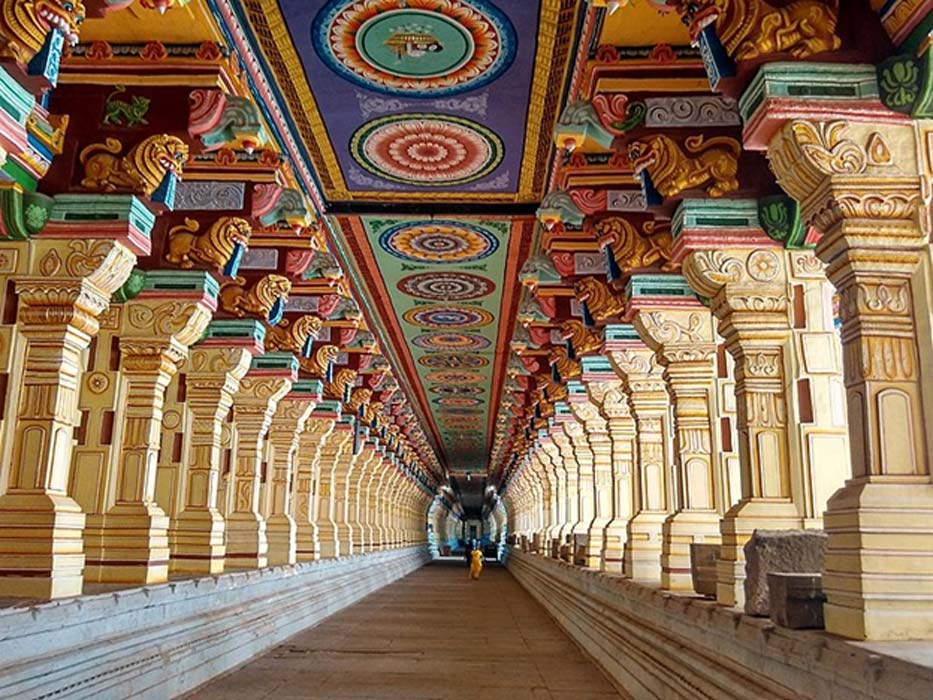
Ramanathaswamy Temple is the heart of most Rameswaram itineraries. The architecture, corridors, and sacred theerthams make it one of the most revered temple experiences in India. Start early for smoother darshan flow and less crowd pressure. If ritual bathing is part of your plan, keep enough time and carry practical change items so movement stays orderly.
Temple etiquette matters: modest attire, respectful behavior, and clear sequencing help avoid confusion in busy pilgrimage windows. For first-time visitors, a local guide can add context and improve navigation.
Pamban Bridge and Transit Views
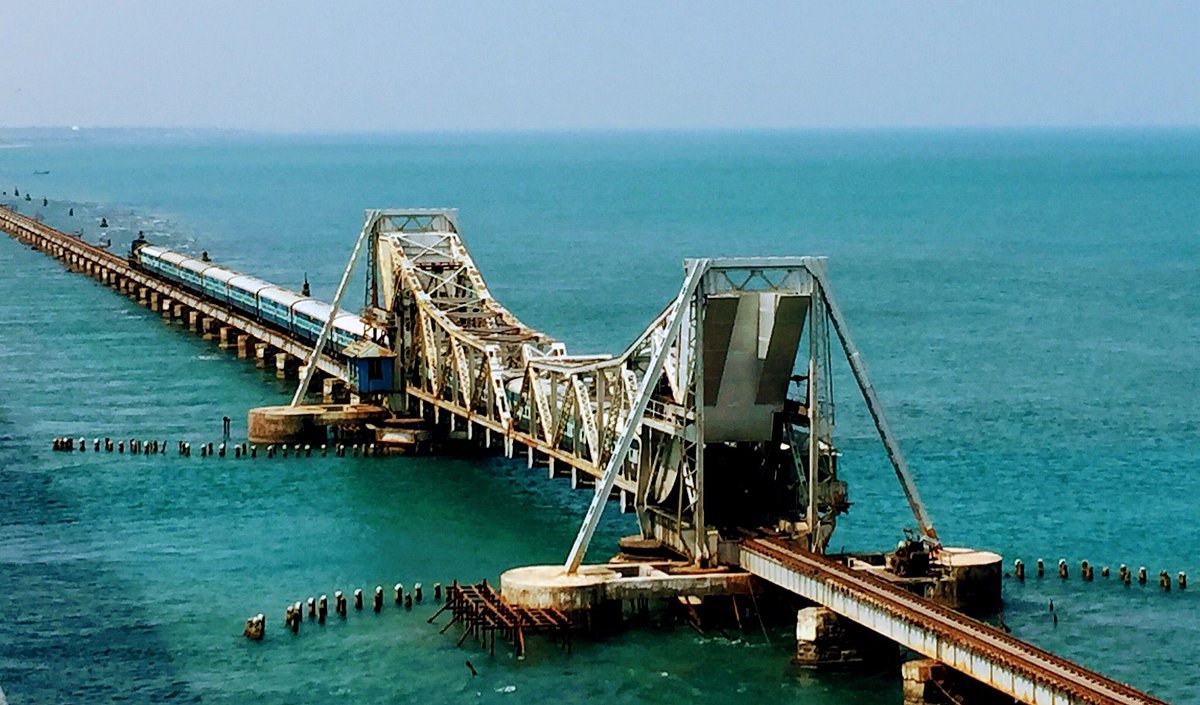
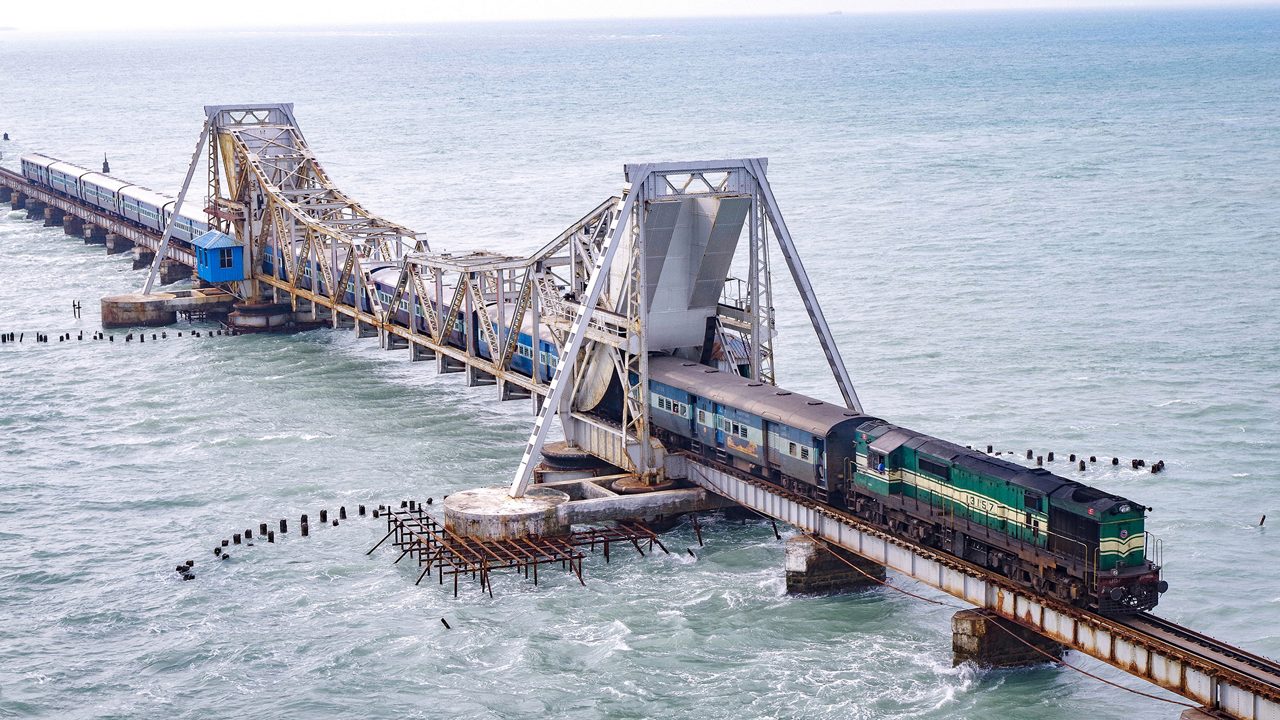
Pamban Bridge is one of the most memorable parts of a Rameswaram trip. Whether arriving by rail or road, this crossing sets the tone for the island experience. Keep camera windows ready but prioritize safe stopping points when traveling by road.
Early-morning and late-afternoon light is ideal for bridge photography and sea vistas. If time allows, include one dedicated viewpoint stop rather than taking rushed roadside pictures.
Dhanushkodi and Coastal Edge Landscapes
Dhanushkodi is among the top things to do in Rameswaram for travelers who enjoy dramatic landscapes and historical atmosphere. The route is scenic, and the destination carries strong narrative significance linked to both myth and history. Keep weather and road advisories in mind before departure.
Plan Dhanushkodi as a half-day block with water, sun protection, and light snacks. Return before late dusk if road visibility changes. This is a high-value excursion when paced safely.
Beaches, Theerthams, and Ritual Stops
Agni Theertham and related coastal points are spiritually important and commonly included in pilgrim routes. Keep expectations clear: these are devotional and cultural spaces first. Follow local advisories for water safety and avoid risky sections during rough conditions.
For non-ritual travelers, short sunrise and sunset sessions can still be meaningful for scenic and reflective experience.
Temple Circuit Beyond the Main Shrine
Rameswaram has multiple associated sites such as Hanuman-linked temples and Ramayana landmarks that can be grouped into a second-day spiritual circuit. Instead of jumping across too many points, choose a few high-significance stops and spend more time at each.
This slower approach creates better understanding and avoids pilgrimage fatigue, especially for families and senior travelers.
Food and Local Experience
Food planning in Rameswaram should be practical: one local meal stop, one simple snack break, and hydration focus throughout the day. Pilgrimage movement can be physically demanding in warm weather. Use cleaner, high-turnover outlets and avoid heavy experimentation before long transit segments.
If you are combining Rameswaram with Madurai or coastal Tamil Nadu routes, keep meals aligned with travel windows to avoid delays.
Two-Day Itinerary Structure
| Day | Plan |
|---|---|
| Day 1 | Temple darshan, theertham sequence, local market and evening rest |
| Day 2 | Pamban viewpoint, Dhanushkodi excursion, secondary temple circuit |
This model provides spiritual depth and scenic diversity without overloading transport.
Best Time to Visit and Seasonal Tradeoffs
Cooler months are generally more comfortable for temple queues and open coastal movement. Summer travel is possible with strict morning-evening scheduling and hydration discipline. Monsoon planning should include weather flexibility and route checks.
Festival windows can be culturally rich but require advance booking and extra crowd buffers.
Budget and Logistics Tips
- Budget: temple-focused route + simple stays + local transport
- Mid-range: structured cab route + curated stays + guided add-ons
- Comfort: private movement + slower spiritual itinerary + scenic extensions
Main spend differences come from transport and stay category, not attraction entry.
Common Mistakes to Avoid
A common mistake is trying to complete too many rituals, temples, and Dhanushkodi in one day. Another is underestimating heat and water needs. Keep the route simple, respectful, and weather-aware for better outcomes.
Rameswaram works best when pilgrims and leisure travelers both follow a calm, structured pace.

Conclusion
The best things to do in Rameswaram combine spiritual significance, coastal beauty, and practical route planning. A thoughtful two-day plan can deliver a deeply meaningful and comfortable journey.
Prioritize temple timing, protect coastal safety windows, and keep logistics simple to experience Rameswaram with depth and clarity.
Detailed Area-Wise Planning for Rameswaram
Travelers usually get better results in Rameswaram when they split the day into clear area clusters instead of moving continuously. Start with one primary zone in the morning, hold a midday rest window, and finish with one scenic or cultural block in the evening. This approach reduces travel fatigue, keeps decision-making simple, and leaves room for unplanned discoveries. It also helps families and mixed-age groups move at a common pace without conflict. If your group includes senior travelers, preserve two longer rest breaks and avoid stacking more than two heavy segments in the same day. Route discipline matters more than attraction count, and this is the main difference between a rushed checklist and a genuinely satisfying trip.
Another effective method is to assign one experience goal to each half-day: spiritual, scenic, food, heritage, or activity. When each block has a clear goal, transport decisions become easier and the itinerary feels coherent. Keep buffers for traffic, weather, and local queue conditions. A fixed template works well: first hour for transit and orientation, next two hours for activity depth, then a recovery or meal slot. Repeat this pattern through your trip. Most travelers who follow this structure end up seeing fewer places but enjoying more quality time at each stop. That tradeoff is valuable because memory quality usually improves when pace and context are balanced.
Family-Friendly and Senior-Friendly Route Design
Rameswaram can be comfortable for families if you plan around walking tolerance and meal timing. Children generally respond better to shorter attraction windows with snack breaks and simple visual goals such as bridges, viewpoints, or easy garden sections. Senior travelers benefit from lower stair-load routes, smoother transport transitions, and early-day activity blocks. Build one optional skip-stop into every day so no one feels forced to complete the full circuit. This improves group morale and helps keep energy stable for evening sessions. A practical tactic is to pre-decide regroup points where one part of the group can rest while others do a short extension.
For larger family groups, appoint one person to handle tickets and another to coordinate transport calls. This prevents confusion and avoids repeated delays at each stop. Keep essential items in one shared daypack: basic medicine, light layers, water, and digital payment backups. When weather is uncertain, always have one indoor fallback nearby so plans do not collapse. This level of preparation may feel excessive before the trip, but on ground it saves meaningful time and prevents stress spikes. A calm route with predictable transitions is usually the biggest driver of satisfaction for family travel in Rameswaram.
Local Food Timing and Practical Dining Strategy
Food planning is often underestimated, but in Rameswaram it can define how smooth each day feels. The simplest rule is to keep heavier meals after major movement blocks and lighter meals before high-activity sessions. This reduces fatigue and keeps the day productive. Try one local-specialty stop daily rather than frequent random snacking. That gives cultural depth without adding unnecessary delays. When traveling during peak season, pre-identify two backup dining options near your main attractions. This prevents schedule drift if a preferred restaurant is crowded or closed for local reasons.
Hydration discipline is equally important, especially on routes with open sun, altitude shifts, or extended transit. Carry refillable bottles and schedule water breaks instead of waiting for thirst. For groups with children, pack familiar quick snacks to avoid energy crashes between attraction clusters. If your itinerary includes dawn starts, arrange early tea or breakfast in advance with your stay provider. Small pre-planned food decisions prevent last-minute compromises and help preserve a consistent trip rhythm. Strong dining logic also protects evening plans, because delayed lunches are one of the main reasons travelers lose sunset or market windows.
Transport Logic, Safety, and Contingency Planning
Transport choices should match your itinerary density, not just budget. Shared options can work well for flexible travelers, but private movement is often better when you have strict timelines, seniors, or children. In Rameswaram, pre-booking key transfers can significantly reduce uncertainty during peak windows. Before every departure, verify route conditions and expected travel time with a local source. Use conservative estimates and avoid chaining too many distant points in one day. A reliable plan includes one cancellation-safe activity near your base so a weather disruption does not waste the entire day.
Safety planning should be practical and lightweight: confirm driver contact details, keep offline map copies, and store emergency numbers where all adults in the group can access them. If your route includes remote stretches, leave buffer fuel and cash margins. Weather-aware clothing, power bank readiness, and basic first-aid coverage are simple measures that dramatically improve resilience. Travelers often focus on perfect itineraries, but the most successful trips are the ones that can absorb change without losing quality. In other words, contingency design is not optional; it is a core part of high-performing travel plans in Rameswaram.
Sample Extended Itinerary and Decision Framework
A high-quality extended itinerary for Rameswaram should be modular. Build three blocks each day: one must-do experience, one optional add-on, and one recovery or exploration window. If time slips, drop the optional block and keep the day intact. This prevents the common end-of-day disappointment caused by unrealistic planning. Use a simple decision framework: if transit is delayed by more than thirty minutes, switch to the nearest planned cluster and protect the next day’s flagship experience. This keeps the whole trip coherent and avoids cascading schedule failures.
In Rameswaram specifically, spiritual timings and coastal weather windows should drive sequence decisions, with temple-first mornings and coastal excursions later. This creates a richer outcome than random movement because each day has a narrative flow. Capture this in your notes before traveling: morning anchor, afternoon depth, evening unwind. Even spontaneous travelers benefit from this structure because it preserves flexibility while reducing waste. Most importantly, leave one half-day unscheduled in longer itineraries. That open buffer can absorb weather changes, additional rest, or a repeat visit to your favorite stop. When used intentionally, unscheduled time becomes one of the most valuable parts of the trip. For more travel inspiration, see our guide on places to visit in Nagapattinam. Travelers extending their eastern India coastal trip often continue north to Visakhapatnam; our guide to things to do in Visakhapatnam covers that leg.
Location
Frequently Asked Questions
Q1.How many days are enough for Rameswaram?
Q2.What is Rameswaram famous for?
Q3.Is Dhanushkodi worth visiting?
Q4.Best time to visit Rameswaram?
Q5.Can Rameswaram be done in one day?
Q6.What should I carry for Rameswaram?
Q7.Are beaches in Rameswaram good for swimming?
Q8.How to plan temple and sightseeing together?
Recommended For You
Restaurants in Nagapattinam: Coastal Cuisine, Seafood & Local Meals
Find the best restaurants in Nagapattinam for seafood, traditional Tamil meals, Chettinad flavors, and budget-friendly vegetarian options.
Coimbatore to Nagapattinam Road Trip: Route, Distance & Key Stops
Complete road trip guide from Coimbatore to Nagapattinam. Discover temples, heritage sites, beaches & itinerary.

Shopping in Nagapattinam: Local Markets and Buying Tips
Plan shopping in Nagapattinam with market zones, textile and saree picks, seafood buying tips, timings, souvenirs, and practical local shopping advice.
Never Miss an Adventure
Get the latest trekking guides, travel tips, and exclusive offers delivered straight to your inbox.
