
Tran Quoc Pagoda Hanoi: History, Timings & Entry Details

Rohit Verma
February 18, 2026
Visit Tran Quoc Pagoda in Hanoi with a practical guide to history, architecture, timings, dress code, and the easiest routes from Old Quarter and West Lake.
1. Introduction: Hanoi’s Oldest Pagoda on West Lake
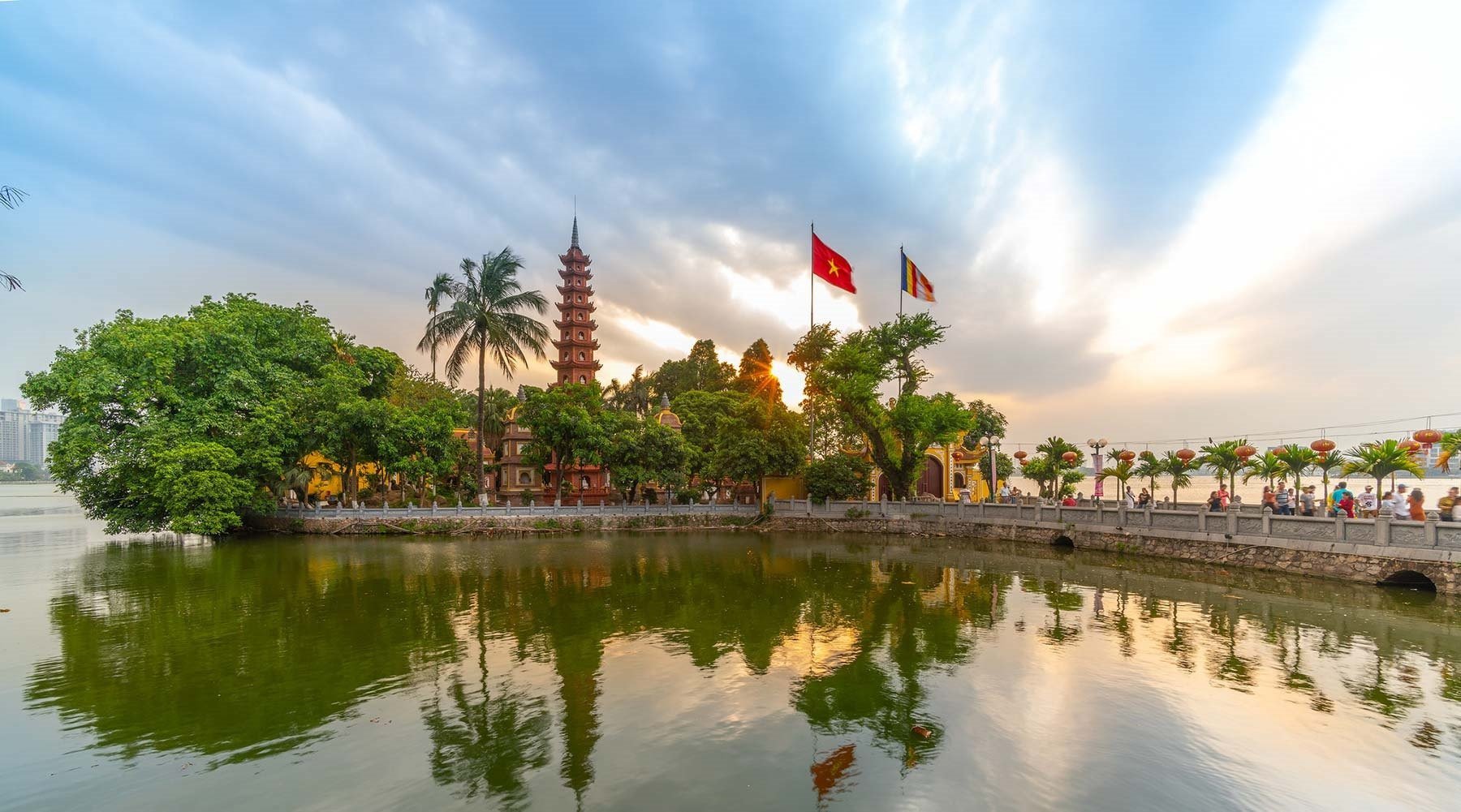
Tran Quoc Pagoda is one of Hanoi’s most atmospheric cultural stops: a working Buddhist temple complex set on a small islet along West Lake. It’s often described as the oldest pagoda in the city, and what visitors feel on-site is a calm contrast to Hanoi’s busy streets—incense, bells, shaded courtyards, and water views that soften the city’s pace.
This guide focuses on what most travelers actually need: a short and accurate history, what to look for once you enter, practical visitor rules (timings, dress code, etiquette), and the easiest ways to reach the pagoda from central Hanoi. If you’re building a walkable day plan, start at Hoan Kiem Lake Hanoi, explore nearby lanes in Old Quarter Hanoi, then add Tran Quoc as a quieter lakeside stop.
2. History & Significance
Tran Quoc Pagoda’s story is woven into Hanoi’s long timeline and Vietnam’s Buddhist traditions. The pagoda’s origins trace back to the 6th century, when an early temple was built during the Lý era, a period often connected with the growth of Buddhism and state patronage in the Red River Delta. Over time, the temple’s names changed with dynasties and historical contexts—an easy clue that this place has lived through centuries of political and cultural change.
One of the most important moments in the pagoda’s history is its relocation. The original temple site faced the Red River, but riverbank erosion threatened the structure. In the early 17th century, the temple was moved to its current West Lake setting on Kim Ngư (Golden Fish) islet, creating the scenic “water-and-temple” composition that visitors recognize today. The causeway link from the shore makes the approach feel ceremonial without being difficult: you cross water and enter a quieter space that signals respect and slowing down.
Beyond age, Tran Quoc matters because it functions as both a living religious site and a public heritage landmark. Locals come to pray, offer incense, and visit on lunar calendar days; travelers come for architecture, photographs, and cultural context. If you want to connect this visit with other major heritage sites in Hanoi, consider pairing it with the city’s scholarly landmark at Temple of Literature Vietnam or using it as a stop inside a wider “north Vietnam first-timer” route built from Things to Do in Vietnam.
What the name means
The current name “Tran Quoc” is commonly interpreted as “Protecting the Nation.” You’ll see this idea reflected in the temple’s long association with royal patronage, national identity, and ceremonies that linked religion with public life.
3. Architecture & Layout: What You’re Actually Looking At
Tran Quoc is not a single hall you enter and leave in five minutes. It’s a compact complex of courtyards, shrines, and worship areas arranged to guide movement: you enter, adjust to the quiet, then progress through spaces that feel increasingly devotional. The visual language is Vietnamese Buddhist—layered roofs, red and gold accents, carved details, and a layout that creates a gentle sense of sequence rather than a straight corridor.
The setting is part of the architecture. West Lake frames the temple with open sky and water, which is one reason sunrise and late afternoon visits feel memorable. Even if you’re not deeply interested in religion, the “place design” is immediately understandable: greenery, shade, water, and a rhythm of gates and courtyards that slow you down.
Key elements to notice
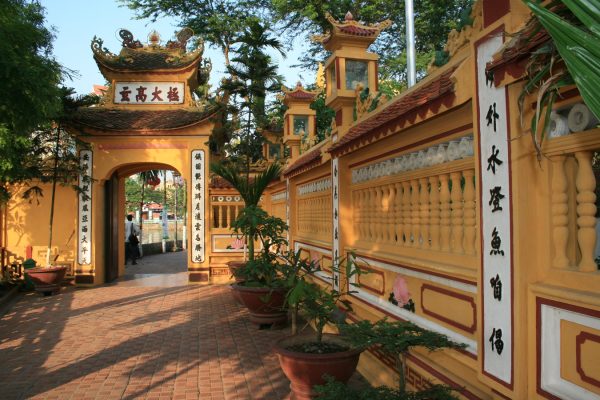
- Entrance and courtyards: The first courtyard is where visitors adjust—lower your voice, step aside for worshippers, and observe how locals move through the space.
- Main worship hall: This is the core devotional zone. If you enter, move slowly, avoid blocking others, and do not use flash.
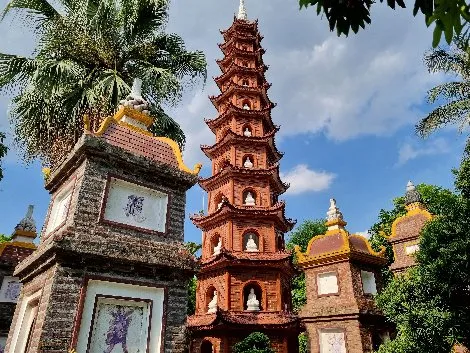
- Stupa and vertical landmark: The tall, multi-storey stupa stands out immediately. It’s a focal point for photos but also a symbol-rich structure linked to Buddhist relic traditions.
- Water-facing edges: Walk the perimeter for lake breezes and wide views. This is where the temple’s calm feels most distinct.
4. Main Attractions: Highlights Inside Tran Quoc Pagoda
Because the site is compact, the best way to experience it is by “slow scanning” rather than rushing from one headline attraction to the next. A good visit has three layers: (1) the overall setting on West Lake, (2) the main devotional structures, and (3) small details you notice only if you pause—bells, inscriptions, incense rituals, and how locals interact with the space.
The stupa complex
The stupa is the most obvious landmark. Its red-brick tone stands out against greenery and the lake, and it visually anchors your visit. Spend a minute to read the scene rather than just taking a picture: worshippers may circle, pause, or place offerings nearby, and the stupa’s vertical lines feel intentionally “uplifting” in a space built for contemplation.
The bodhi tree
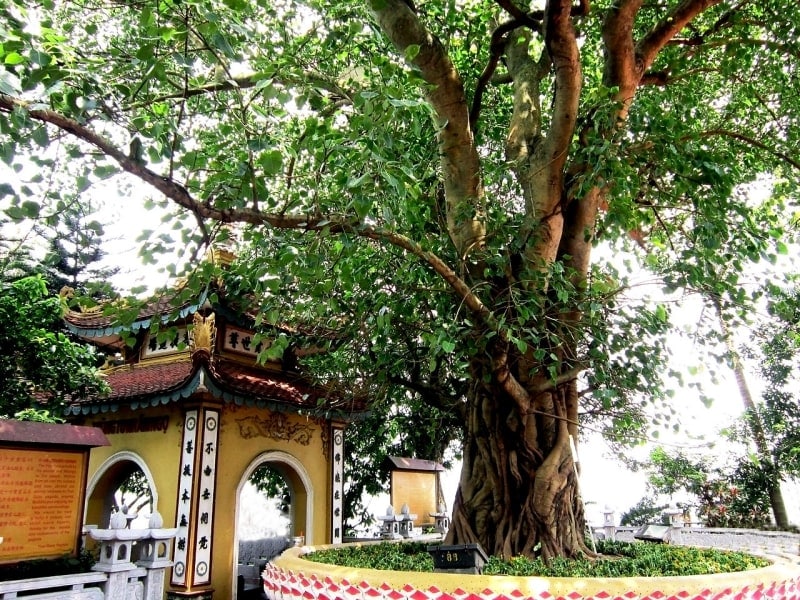
One of Tran Quoc’s most meaningful features is its bodhi tree. The tree is associated with Buddhist symbolism of awakening and is treated with special respect by visitors. Even if you’re visiting as a tourist, it’s worth pausing here—this is one of the clearest points where the site’s religious meaning becomes visible in visitor behavior.
Prayer spaces and etiquette in practice
Expect incense, quiet movement, and personal prayers. If you see people offering flowers or small donations, give them space and avoid photographing faces closely. Your experience improves when you treat the temple as a living place, not a museum.
5. Visitor Information: Timings, Entry Fee, Dress Code
Tran Quoc Pagoda is easy to visit without much planning, but a few details help you avoid common mistakes. The site is generally friendly to travelers, and the rules are simple: dress modestly, keep noise down, respect worshippers, and take shoes off where requested.
| Visitor Detail | What to Know |
|---|---|
| Timings | 8:00 AM to 6:00 PM (typical visiting window) |
| Entry fee | Free |
| Suggested duration | 60–120 minutes |
| Dress code | Cover shoulders and knees |
| Photography | Allowed outside; avoid flash inside prayer areas |
| Shoes | Remove shoes where indicated |
How to behave respectfully
- Keep your voice low, especially inside prayer halls.
- Do not touch statues, altars, or offerings.
- Step aside for locals who are praying or carrying offerings.
- If you want photos, prioritize wide shots and architecture over close-ups of worshippers.
6. Best Time to Visit: Light, Crowds, and Weather
Tran Quoc Pagoda can fit into almost any Hanoi itinerary, but timing affects the experience. For calm and photographs, choose early morning (around opening time) or late afternoon, when the lake light softens and the site feels cooler. Weekdays tend to be more relaxed than weekends, and festival days can be crowded and more devotional in tone.
Season-wise, Hanoi is typically most comfortable from October to April, when humidity is lower and walking the West Lake area is more pleasant. In hotter months, late afternoon visits often feel easier than midday. If your day begins around the Old Quarter, you can spend the cooler morning doing city walking and save Tran Quoc for a slower late-afternoon stop.
7. How to Reach Tran Quoc Pagoda from Old Quarter (and Other Areas)
Tran Quoc Pagoda sits near West Lake, connected by Thanh Niên Road. From the Old Quarter, the route is short and straightforward, which is why many travelers combine the pagoda with lakeside cafes or a West Lake sunset walk.
Fast route overview
- From Old Quarter: Roughly 5 km. Taxi and ride-hailing apps are the easiest options.
- From Hoan Kiem Lake: Roughly 4–5 km depending on starting point and traffic.
- By taxi/ride-hailing: Convenient and common for visitors; plan extra time in peak traffic.
- By motorbike: Flexible if you’re comfortable with Hanoi traffic; use designated parking areas.
- By public bus: Several routes serve the West Lake zone; check the latest route map at your accommodation.
How to combine the visit
If you prefer a structured day, a strong sequence is: early walk at Hoan Kiem Lake Hanoi, lunch and street exploration in Old Quarter Hanoi, then Tran Quoc Pagoda for late-afternoon light and quieter pacing. For a more academic-and-heritage angle, add Temple of Literature Vietnam earlier in the day.
Location
Frequently Asked Questions
Q1.Where is Tran Quoc Pagoda located?
Q2.What are Tran Quoc Pagoda timings?
Q3.Is there an entry fee for Tran Quoc Pagoda?
Q4.What is the dress code at Tran Quoc Pagoda?
Q5.How old is Tran Quoc Pagoda?
Q6.Why is Tran Quoc Pagoda famous?
Q7.How do I reach Tran Quoc Pagoda from Old Quarter?
Q8.Is parking available at Tran Quoc Pagoda?
Recommended For You
Best Time to Visit Vietnam: Regional Weather by North, Central & South
Plan the best time to visit Vietnam with month-wise weather, dry and wet season differences, regional timing tips, and practical advice for beaches and Halong Bay.

Hanoi: 15 Best Places to Visit in Vietnam’s Capital
Explore the best places to visit in Hanoi, from Hoan Kiem Lake and Old Quarter to Temple of Literature and French Quarter, with a practical 3-day route.
Best Things to Do in Vietnam: Top Activities
Discover the best things to do in Vietnam with practical city, nature, food, and adventure ideas for a balanced trip.
Never Miss an Adventure
Get the latest trekking guides, travel tips, and exclusive offers delivered straight to your inbox.
