

Tuy Hoa Vietnam: Beaches, Food & Local Attractions

Neha Kapoor
December 12, 2025
Explore Tuy Hoa in Phu Yen, Vietnam. Hidden beaches, stunning cliffs, local culture, how to reach, best time & travel tips for an authentic experience.
Introduction: Vietnam's Hidden Coastal Gem
Tuy Hoa, the capital city of Phu Yen Province in central Vietnam, is one of the country's best-kept secrets. While millions of tourists flock to nearby Nha Trang and Da Nang, Tuy Hoa remains refreshingly authentic - a coastal city where pristine beaches meet dramatic mountains, and traditional Vietnamese life unfolds at its own pace. This underrated destination offers everything that makes Vietnam special without the overwhelming crowds.
What makes Tuy Hoa truly special is its remarkable diversity of natural attractions. From the unique hexagonal rock formations at Ganh Da Dia to the untouched golden sands of Bai Xep Beach, from the easternmost point of Vietnam at Mui Dien Lighthouse to the serene beauty of O Loan Lagoon, Phu Yen Province packs an incredible punch for such a compact region. Whether you're a beach lover, adventure seeker, or cultural enthusiast, Tuy Hoa serves as the perfect base for exploring one of Vietnam's most beautiful coastal regions.
About Tuy Hoa & Phu Yen Province
Tuy Hoa is the capital and largest city of Phu Yen Province, located on Vietnam's south-central coast. Situated approximately halfway between Ho Chi Minh City and Da Nang, this coastal city of around 200,000 people serves as the perfect gateway to explore one of Vietnam's most untouched regions.
Location & Geography
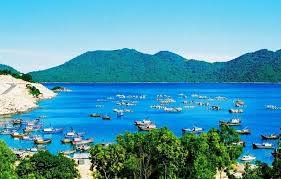
Phu Yen Province stretches along about 100 kilometers of coastline, characterized by its dramatic landscape where the Truong Son Mountains meet the South China Sea. The province's geography creates stunning natural contrasts - rugged cliffs, pristine beaches, fertile river valleys, and protective bays. This unique topography has earned Phu Yen the nickname "the land of yellow flowers" after the beautiful wildflowers that blanket the region each spring.
Tuy Hoa itself sits on a flat coastal plain, backed by the majestic Chop Chai Mountain range. The city is divided by the Da Rang River, with the main urban area on the north bank and industrial areas on the south bank. The iconic Nhan Tower, a Cham temple ruin, sits atop a hill overlooking the city, serving as a reminder of the region's ancient cultural heritage.
History & Culture
Phu Yen has a rich history dating back over 400 years. The region was historically part of the Champa Kingdom, and Cham influences remain visible in the architecture and local culture. The Nhan Tower, built between the 11th and 13th centuries, stands as testament to this ancient civilization.
The province became an important trading port during the Nguyen Dynasty, and its strategic coastal location made it significant throughout Vietnam's history. During the Vietnam War, Tuy Hoa was the site of a major American airbase, remnants of which can still be seen today. Despite this tumultuous past, the region has maintained its peaceful character and traditional way of life.
Today, Tuy Hoa remains primarily a fishing and agricultural center. The local economy relies on fishing, rice cultivation, and increasingly, tourism. The city has a relaxed, authentic atmosphere where visitors can experience genuine Vietnamese coastal culture without the commercialization found in more developed tourist destinations.
Best Time to Visit Tuy Hoa
Choosing the right time to visit Tuy Hoa is crucial for making the most of your trip. Phu Yen Province has a tropical climate with two distinct seasons - dry season and rainy season. Here's what you need to know:
| Season | Months | Weather | Best For |
|---|---|---|---|
| Dry Season | January - August | Sunny, 23-30°C | Beach activities, sightseeing |
| Peak Season | June - August | Hot, dry, 28-32°C | Beach lovers, swimming |
| Rainy Season | September - December | Frequent rain, rough seas | Luxury resorts, lower prices |
| Shoulder Season | March - May | Pleasant, 25-28°C | All activities, fewer crowds |
Dry Season (January - August)
The dry season is undoubtedly the best time to visit Tuy Hoa. From January through August, you can expect plenty of sunshine, minimal rainfall, and ideal conditions for exploring beaches and outdoor attractions. The sea is calm and perfect for swimming during these months.
January and February are particularly pleasant with cooler temperatures around 23-25°C, making it comfortable for sightseeing and motorbike exploration. These months also feature the beautiful yellow flower fields that Phu Yen is famous for - vast expanses of wildflowers in bloom creating stunning photo opportunities.
Peak Season (June - August)
June through August represents the peak tourist season, and for good reason. The weather is at its best with consistent sunshine and warm temperatures around 28-32°C - perfect beach weather. These months offer ideal conditions for swimming, snorkeling, and enjoying all water activities. However, be aware that this is also when domestic Vietnamese tourists travel, so accommodations may be pricier and some attractions more crowded.
Rainy Season (September - December)
The rainy season brings frequent downpours, rough seas, and unpredictable weather. September through December sees the highest rainfall, with October and November typically the wettest months. During this period, many water activities are not possible due to rough seas, and some remote attractions may be difficult to access.
However, traveling during the rainy season has its advantages. You'll find significantly lower accommodation prices, fewer tourists, and a more relaxed atmosphere. The landscape becomes lush and green after rainfall, creating beautiful scenery. If you don't mind the occasional shower and plan indoor activities, this can be a peaceful time to visit.
How to Reach Tuy Hoa
Getting to Tuy Hoa has become increasingly easy, with several convenient options depending on your starting point and budget.
By Air - Tuy Hoa Airport (TBB)
Tuy Hoa Airport (TBB) is located just 10 kilometers south of the city center, making it extremely convenient for travelers. The airport has seen recent expansion and now offers regular flights from major Vietnamese cities.
- From Ho Chi Minh City: Vietnam Airlines and Vietjet Air operate multiple daily flights. Flight time is approximately 1 hour. Tickets typically cost between 1,500,000 - 3,000,000 VND ($65-130) depending on the season.
- From Hanoi: Direct flights are available but less frequent. Flight time is approximately 1 hour 45 minutes.
- From Da Nang: Short connecting flights available, perfect if you're combining central Vietnam destinations.
From the airport, you can take a taxi to Tuy Hoa city center for approximately 100,000-150,000 VND ($4-6). Many hotels also offer airport transfers if arranged in advance.
By Train - Reunification Express
The Reunification Express, Vietnam's main north-south railway line, stops at Tuy Hoa station. This is a scenic way to reach the city, especially if you're traveling from Hanoi, Da Nang, or Ho Chi Minh City.
- From Ho Chi Minh City: Approximately 8-9 hours by train. Overnight sleeper trains are available. Prices range from 400,000-1,500,000 VND ($17-65) depending on seat type.
- From Da Nang: About 4-5 hours by train. Day trains offer beautiful coastal views.
- From Nha Trang: Roughly 2-3 hours, making this a convenient connection.
The train station is located close to the city center, and you can easily walk or take a short taxi ride to most hotels.
By Bus
Long-distance buses are the most economical option and connect Tuy Hoa to major cities throughout Vietnam.
- From Nha Trang: Approximately 3 hours by bus. This is a popular route for travelers exploring the central coast. Buses run frequently throughout the day.
- From Ho Chi Minh City: About 8-9 hours, depending on traffic and stops. Overnight sleeper buses are available.
- From Da Nang: Around 5-6 hours by bus.
Several bus companies operate these routes, including Sinh Tourist, Phuong Trang, and Hung Thanh. Prices are very reasonable, typically 150,000-300,000 VND ($6-13) depending on distance and bus type.
By Road - Highway 1A
If you're traveling by car or motorbike, Highway 1A, Vietnam's main north-south arterial road, passes directly through Tuy Hoa. This is an excellent option if you're planning a road trip along Vietnam's central coast. The drive from Nha Trang to Tuy Hoa is particularly scenic, hugging the coastline for much of the way.
Top Attractions & Things to Do in Tuy Hoa
Phu Yen Province packs an incredible variety of attractions into a relatively small area. Here are the must-visit places that should be on every traveler's itinerary:
Bai Xep Beach
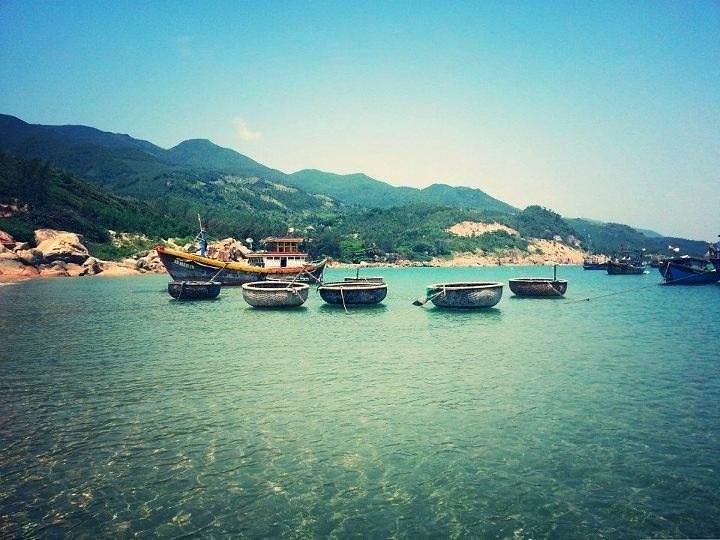
Bai Xep Beach is arguably Phu Yen's most beautiful stretch of coastline. This pristine beach features golden sand lapped by crystal-clear turquoise waters, backed by rolling hills and traditional fishing villages. Unlike more developed destinations, Bai Xep remains largely untouched, with only a few basic accommodations and restaurants.
The beach is about 12 kilometers east of Tuy Hoa city center, easily accessible by motorbike or taxi. What makes Bai Xep special is its unspoiled beauty - no high-rise hotels, no crowds, just nature at its finest. The swimming here is excellent during dry season when the sea is calm, and the snorkeling opportunities are decent near the rocky outcrops at either end of the beach.
Several simple seafood restaurants operate right on the beach, serving incredibly fresh catch of the day. There's nothing quite like enjoying grilled fish and cold beer with your toes in the sand while watching the sunset over the East Sea.
Ganh Da Dia
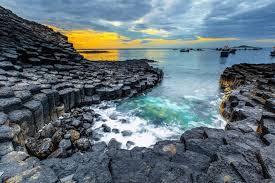
Ganh Da Dia (also known as the Giant's Plateau) is one of Vietnam's most unique geological formations. This spectacular site features massive basalt columns arranged in perfect hexagonal and pentagonal shapes, creating a landscape that looks like something from another planet. The rock formations extend from the shore into the sea, creating dramatic contrasts with the crashing waves.
Located about 30 kilometers northeast of Tuy Hoa, Ganh Da Dia is believed to be the result of ancient volcanic activity - essentially a volcanic fissure eruption that created these remarkable columnar jointings. Similar formations exist in very few places worldwide, most notably the Giant's Causeway in Northern Ireland.
The site is particularly beautiful at sunrise when the first light hits the dark rock formations. There's no entrance fee, but the path down to the rocks can be slippery, so wear appropriate footwear. Several basic cafes nearby serve refreshments, but it's best to bring your own water and snacks.
Mui Dien Lighthouse
Mui Dien (Dien Cape) holds special significance as the easternmost point of Vietnam, making it the first place in the country to see the sunrise each day. The lighthouse here sits at the tip of a dramatic cape, surrounded by stunning coastal scenery.
Built in the 1890s during French colonial times, the white lighthouse stands guard over rocky cliffs and crashing waves. The journey to Mui Dien is an adventure in itself - located about 50 kilometers from Tuy Hoa city, the final stretch requires hiking or taking a motorbike along a narrow path.
Many visitors make the early morning journey to catch Vietnam's first sunrise - a magical experience as the sun emerges from the sea over the horizon. The views from the lighthouse are spectacular, with pristine beaches visible in both directions. There are minimal facilities here, so come prepared with water, snacks, and sun protection.
O Loan Lagoon
O Loan Lagoon is a massive tidal lagoon covering about 1,500 hectares, connected to the sea by a narrow channel. This shallow body of water is a birdwatcher's paradise and one of Phu Yen's most important ecological areas.
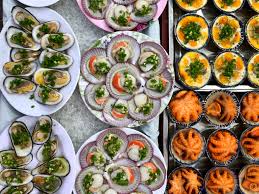
The lagoon is particularly famous for its seafood, especially the blood cockles that thrive in its nutrient-rich waters. Several stilt-house restaurants serve incredibly fresh seafood pulled directly from the lagoon - try the grilled cockles, steamed clams, and various fish preparations.
The best time to visit is early morning when fishermen return with their catch and the lagoon is calm. The reflection of the surrounding mountains on the still water creates picture-perfect scenes. It's about 20 kilometers from Tuy Hoa city center, an easy motorbike ride through beautiful countryside.
Chua Da Trang (White Pagoda)
Chua Da Trang, or the White Pagoda, is a beautiful Buddhist temple located on a hillside overlooking Tuy Hoa. The temple gets its name from its pristine white structures that stand out dramatically against the blue sky and surrounding greenery.
Built in the 17th century, this historic temple features traditional Vietnamese Buddhist architecture with curved roofs, intricate decorations, and multiple prayer halls. The peaceful atmosphere and panoramic views of Tuy Hoa and the Da Rang River make it worth the climb up the hill.
Visit early in the morning or late afternoon when the light is best for photography and the temperature is cooler. The temple is still active, so remember to dress modestly and speak quietly out of respect for worshippers.
Nhan Tower
The Nhan Tower (Thap Nhan) is a Cham temple ruin perched on a hill overlooking Tuy Hoa. Built between the 11th and 13th centuries, this brick tower is one of the few remaining structures from the once-great Champa Kingdom that ruled this region.
The tower stands approximately 20 meters high and features characteristic Cham architectural elements. While smaller and less famous than Cham towers in My Son or Po Nagar, Nhan Tower is significant because it represents the southernmost extent of Champa influence.
The location offers excellent views of Tuy Hoa city, the Da Rang River, and the coastline beyond. There's a small museum at the site with information about Cham history and culture. Sunset is a particularly beautiful time to visit when the tower glows golden in the evening light.
Local Cuisine & Food Specialties
Phu Yen cuisine is characterized by incredibly fresh seafood, bold flavors, and unique regional specialties. The coastal location means an abundance of fish, shellfish, and other seafood forms the foundation of most local dishes.
Banh Xeo Tuy Hoa
Banh Xeo (Vietnamese savory pancakes) is popular throughout Vietnam, but the Tuy Hoa version is special. These large, crispy yellow pancakes are made from rice flour and turmeric, filled with shrimp, pork, bean sprouts, and mung beans. What makes the Tuy Hoa version unique is the size - these pancakes are enormous, often spanning the entire diameter of a large frying pan.
The pancakes are eaten by breaking off pieces, wrapping them in lettuce leaves with herbs, and dipping in nuoc cham (fish sauce dipping sauce). It's an interactive, hands-on dining experience that's perfect for sharing. Local restaurants in Tuy Hoa serve excellent versions of this dish.
Bun Cha Ca
Bun Cha Ca is a fish cake noodle soup that's a Tuy Hoa specialty. Unlike other Vietnamese noodle soups, this one features a clear, flavorful broth made from fish, topped with homemade fish cakes, fresh fish pieces, tomatoes, and pineapple. It's served with rice vermicelli noodles and a plate of fresh herbs.
The quality of the fish makes all the difference in this dish, and in Tuy Hoa, the seafood doesn't get any fresher. Local restaurants near the market serve excellent versions of this soup for breakfast or lunch. It's lighter than other Vietnamese soups but equally delicious.
Com Ni (Chicken Rice)
Com Ni is a Cham-influenced dish that's become a Tuy Hoa specialty. It features chicken (sometimes other meats) cooked in a fragrant broth with various spices, served over rice that's been cooked in chicken stock. The dish is accompanied by pickled vegetables, fresh herbs, and a special sauce.
The flavors are complex and aromatic, reflecting the cultural diversity of the region. Several long-standing local restaurants in Tuy Hoa have been serving Com Ni for generations and have perfected their recipes.
Fresh Seafood
With its coastal location, Tuy Hoa offers an incredible variety of fresh seafood. The local fishing industry ensures a daily catch of fish, shrimp, squid, crabs, and shellfish that finds its way to restaurants and markets throughout the city.
For the best seafood experience, head to the seafood restaurants near the fishing port or at Bai Xep Beach. Point to the fresh catch and choose how you'd like it prepared - grilled, steamed, or in local recipes. The grilled fish with salt and chili (ca nuong muoi ot) is particularly good.
Local Market Experience
For an authentic food experience, visit Tuy Hoa's main market early in the morning. You'll see an incredible variety of fresh produce, live seafood, and prepared foods. Try the banh canh (thick noodle soup), banh bao (steamed buns), or various rice cakes prepared by local vendors.
The market is also where locals buy their ingredients, giving you insight into everyday Vietnamese culinary culture. Don't be afraid to try street food here - it's fresh, delicious, and incredibly affordable.
Accommodation Options
Tuy Hoa offers accommodation options ranging from luxury resorts to budget homestays, though the selection is more limited than in larger tourist destinations.
Beachfront Resorts
For those seeking luxury, several beachfront resorts offer excellent facilities and beautiful locations. These resorts typically feature swimming pools, spas, multiple restaurants, and direct beach access. Prices range from $80-200+ per night depending on the season and resort quality.
The area around Bai Xep Beach has some beautiful boutique resorts that blend modern comfort with natural surroundings. These properties are perfect if you want to relax in a peaceful setting away from the city center.
City Center Hotels
Tuy Hoa city center has numerous mid-range hotels convenient for exploring restaurants and markets. These hotels typically offer comfortable rooms, air conditioning, and breakfast at reasonable prices ($20-50 per night).
Staying in the city center makes it easy to access transportation, dining options, and gives you a more urban experience. Many of these hotels are family-run businesses offering personalized service.
Budget Homestays
For budget travelers or those seeking authentic local experiences, homestays are an excellent option. Several families in the Bai Xep area and countryside offer simple rooms in their homes. This is a great way to experience Vietnamese hospitality and learn about local life.
Homestays typically cost $10-20 per night and often include home-cooked meals available at additional cost. The facilities are basic but clean, and the experience is invaluable.
Whichever option you choose, book in advance during peak season (June-August) and Vietnamese holidays, as accommodations can fill up quickly.
Travel Tips for Tuy Hoa
Getting Around
The most flexible way to explore Phu Yen Province is by motorbike. Rentals are available throughout Tuy Hoa for approximately 150,000-200,000 VND ($6-9) per day. If you're not comfortable driving yourself, you can hire a motorbike taxi (xe om) or rent a car with a driver for day trips.
Taxis are readily available in Tuy Hoa city and are reasonably priced for short trips. For visiting attractions outside the city, you can negotiate a day rate with a taxi driver. Many hotels can also arrange tours and transportation.
Language
English is not widely spoken in Tuy Hoa, especially outside of hotels and tourist-oriented businesses. Learning a few basic Vietnamese phrases will greatly enhance your experience. Download a translation app and carry your hotel's business card to show taxi drivers if you get lost.
Currency & Payments
Cash is king in Tuy Hoa. Very few establishments accept credit cards, and ATMs can be unreliable in rural areas. Carry sufficient Vietnamese Dong (VND) for your needs. Hotels and some restaurants may accept USD, but the exchange rate won't be favorable.
Cultural Etiquette
When visiting temples and pagodas, dress modestly - cover shoulders and knees. Remove shoes before entering temple buildings. Always ask permission before taking photos of people, especially monks and religious ceremonies.
Be mindful of local customs and traditions. The people of Phu Yen are known for their friendliness and hospitality, and showing respect for their culture will be richly rewarded with warm interactions.
Safety
Tuy Hoa is generally very safe with low crime rates. The main concerns are traffic safety if you're driving and water safety if swimming. Be cautious of strong currents and rough seas, especially during the rainy season. Always swim in designated areas where lifeguards are present.
Tuy Hoa may not have the name recognition of Vietnam's more famous destinations, but that's precisely its appeal. This authentic coastal city offers incredible natural beauty, fascinating culture, delicious cuisine, and the warm hospitality of central Vietnam - all without the crowds and commercialization found elsewhere. If you're seeking an offbeat Vietnamese experience that feels genuine and unspoiled, Tuy Hoa and Phu Yen Province deliver in abundance.
For more inspiration on exploring Vietnam, check out our guide on the best places to visit in Vietnam. If you're planning to visit multiple regions, you might find our best time to visit Vietnam guide helpful in planning your itinerary. Travelers combining coastal Vietnam often pair Tuy Hoa with Phan Thiet further south for a longer beach-hopping route. Travelers comparing lesser-known Asian beach destinations often also look at Sri Lanka's coastline, another underrated coastal region.
Location
Frequently Asked Questions
Q1.Where is Tuy Hoa located in Vietnam?
Q2.How many days should I spend in Tuy Hoa?
Q3.Is Tuy Hoa worth visiting?
Q4.What are the best beaches in Tuy Hoa?
Q5.What is Tuy Hoa famous for?
Q6.Can we visit Tuy Hoa in monsoon?
Q7.How to reach Tuy Hoa from Ho Chi Minh City?
Q8.Is there an airport in Tuy Hoa?
Recommended For You

Haiphong Travel Guide: Attractions, Food and Route Tips
Complete Haiphong travel guide covering attractions, food, Cat Ba connections, transport from Hanoi, where to stay, and practical itinerary planning.

Caves in Vietnam: Son Doong, Phong Nha & Tour Planning
Explore caves in Vietnam with a practical guide to Son Doong, Phong Nha, Paradise Cave, tour difficulty levels, season windows, and safety planning.

Hoan Kiem Lake Hanoi Guide: History, Walks, and Tips
Explore Hoan Kiem Lake Hanoi with practical timing, history, temple visit flow, and nearby walking-route suggestions.
Never Miss an Adventure
Get the latest trekking guides, travel tips, and exclusive offers delivered straight to your inbox.
