
Caves in Vietnam: Son Doong, Phong Nha & Tour Planning

Priya Mehta
February 19, 2026
Explore caves in Vietnam with a practical guide to Son Doong, Phong Nha, Paradise Cave, tour difficulty levels, season windows, and safety planning.
Introduction
Vietnam is one of the best cave destinations in Asia because it combines record-breaking geology, easy-access show caves, and expedition-grade adventure systems in one region. Most travelers searching caves in Vietnam are trying to answer three practical questions: which cave suits their fitness level, what season is safest for entry, and how much planning or budget is required for each option. This matters because cave experiences in Vietnam range from family-friendly boardwalk routes to multi-day jungle and technical caving expeditions.
This guide gives you a clear planning structure based on current operator and destination information. You will find cave-by-cave comparisons, adventure levels, access notes, and safety priorities. For full itinerary planning, pair this with best places to visit in Vietnam, best time to visit Vietnam, and Son Doong cave Vietnam.
Why Vietnam Is Famous for Cave Exploration
Vietnam's central karst belt, especially around Phong Nha-Ke Bang, contains one of the most impressive cave ecosystems in the world. The region combines underground rivers, dry cathedral-like chambers, jungle-entry sinkholes, and active geological features that continue to attract researchers and expedition travelers. This diversity is why both casual tourists and serious adventure groups can find suitable cave experiences within the same destination cluster.
Another major advantage is tiered accessibility. You can start with simple half-day cave visits and progress to physically demanding overnight expeditions if you have the right preparation. That makes Vietnam ideal for both first-time cave visitors and experienced outdoor travelers.
| Vietnam Cave Advantage | What It Means for Travelers |
|---|---|
| Huge cave diversity | Options from easy sightseeing to advanced expedition routes |
| Strong regional clustering | Multiple famous caves can be planned from one base area |
| Guided infrastructure | Professional tours available for different difficulty levels |
| Global geological value | World-class formations and unique underground ecosystems |
Son Doong Cave: The Global Icon
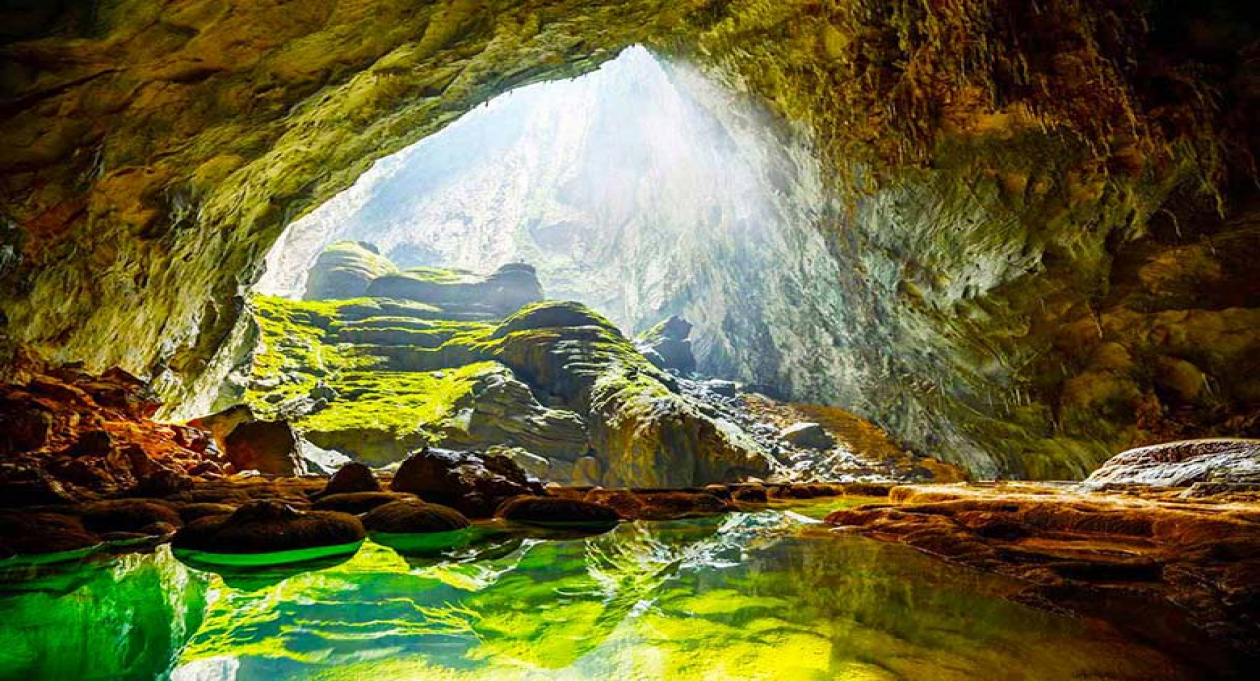
Son Doong Cave is widely recognized as the largest known cave passage by volume and remains the flagship caving experience in Vietnam. It is not a standard walk-in attraction. Access is controlled, permits are limited, and trips are typically handled through specialized multi-day guided expeditions. This is why most searches for Son Doong cave Vietnam include cost, waiting period, and fitness requirements.
Son Doong planning should be treated like an expedition project, not a casual activity add-on. Travelers need strong physical readiness, weather awareness, and enough schedule flexibility for expedition logistics.
Son Doong Reality Check
- Limited annual access windows and controlled group slots.
- Higher cost range compared to all other mainstream cave options.
- Requires advance booking and operator-level screening.
- Best suited to serious adventure travelers.
If Son Doong is not feasible for your budget or timeline, Vietnam still offers excellent alternatives with lower complexity.
Phong Nha Cave System: Accessible and Scenic
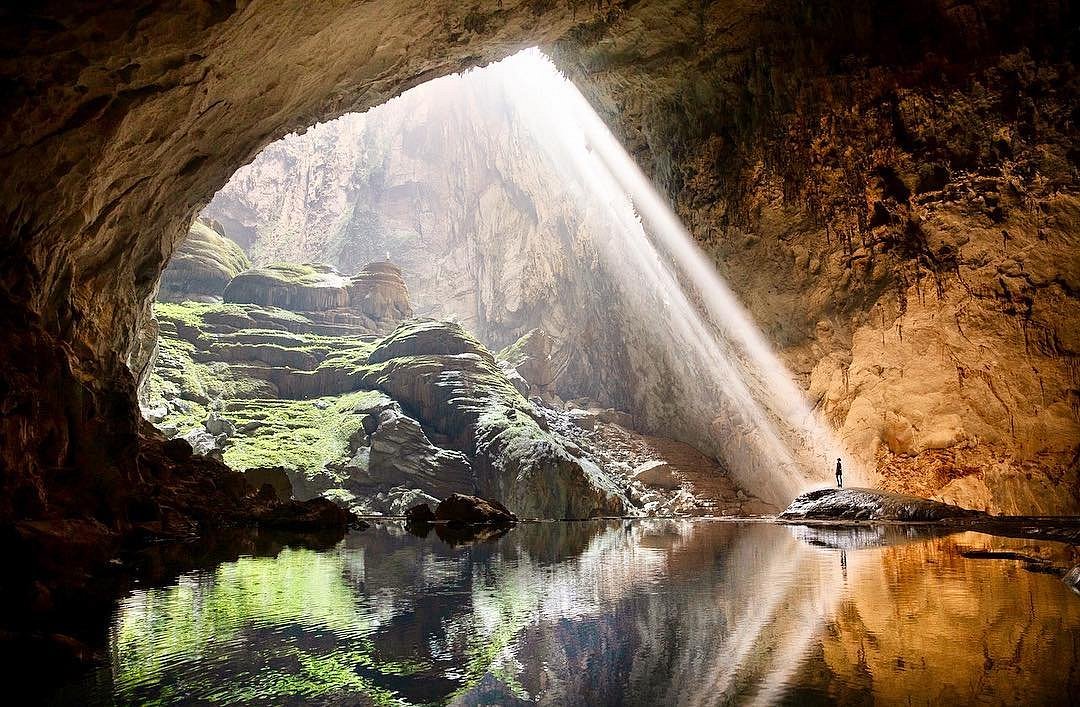
Phong Nha cave experiences are popular because they balance accessibility, landscape value, and moderate adventure. Many visitors start here to understand Vietnam cave terrain before attempting harder routes. The area is known for river-linked cave entry patterns, dramatic limestone formations, and flexible guided formats that suit both families and independent travelers.
Compared with high-commitment expedition caves, Phong Nha options are easier to slot into broader Vietnam itineraries. This makes them one of the strongest choices for first-time cave travelers.
| Phong Nha Feature | Visitor Benefit |
|---|---|
| Boat-linked access routes | Lower entry effort for many traveler profiles |
| Half-day and full-day options | Flexible planning with nearby attractions |
| Strong guide ecosystem | Easier logistics for international visitors |
| Scenic limestone interiors | High visual reward with moderate physical demand |
Paradise Cave: Best for Structured Sightseeing
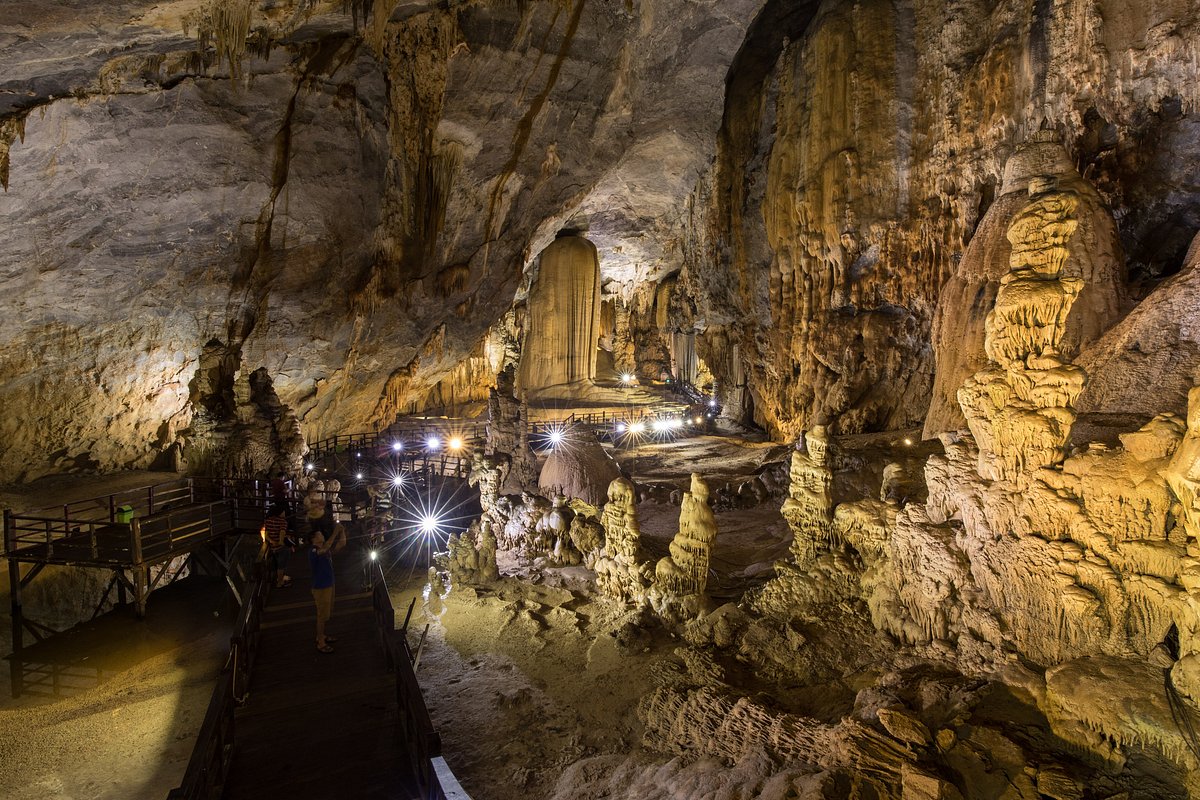
Paradise Cave is a top choice for travelers who want a visually impressive cave visit without expedition-level demands. It is known for large illuminated formations and a visitor-friendly route structure. For many people, Paradise Cave provides the best value-to-effort ratio in Vietnam cave tourism.
If your group includes mixed fitness levels, this is often the most practical common option. You still get major cave scale and geological beauty while keeping movement manageable for non-adventure travelers.
Dark Cave and Adventure-Style Options
Dark Cave and similar adventure formats are suited to visitors who want activity intensity beyond standard sightseeing. Depending on package design, these experiences can include water-based sections, gear-assisted movement, and physically active entry-exit components. They are excellent for adventure-focused travelers but less ideal for people seeking quiet, low-effort viewing.
Before booking adventure caves, confirm gear quality, guide ratio, weather policy, and activity sequence. These details vary by operator and directly affect safety and experience quality.
Other Notable Caves in Vietnam
Beyond the headline names, Vietnam has several important cave systems for specialist and repeat travelers. Some are suitable for camping-linked routes, while others are better for multi-cave exploratory packages across Quang Binh and nearby districts. The right choice depends on your trip length and tolerance for physically demanding terrain.
- Hang En corridor options: Often considered for serious adventure itineraries.
- Tu Lan cave system routes: Known for expedition-style sequencing.
- Secondary karst caves: Good for repeat visitors wanting less crowded alternatives.
If you have only one to two days, stay with well-supported cave circuits rather than fragmented long-distance cave hopping.
Best Time to Visit Caves in Vietnam
Seasonality is critical for cave planning in Vietnam. Rainfall patterns can influence accessibility, safety, and tour availability. Dry and shoulder windows are typically preferred for predictable route conditions and lower disruption risk. During wet periods, some cave operations may pause or reduce activity intensity depending on local safety decisions.
| Season Window | Cave Planning Impact | Recommendation |
|---|---|---|
| Dry and shoulder periods | Higher route reliability | Best for most cave visitors |
| Peak rain windows | Potential closures and safety limits | Keep flexible itinerary buffers |
| Festival/holiday demand | Higher crowd and booking pressure | Reserve tours in advance |
Always reconfirm operation status 24-48 hours before your cave date, especially for adventure formats.
Tour Types and Difficulty Levels
Vietnam cave tours are not one-size-fits-all. Choosing the wrong difficulty level is the most common planning mistake. Use clear criteria: walking intensity, water exposure, duration, and required technical support.
| Tour Type | Difficulty | Best For |
|---|---|---|
| Boardwalk or standard sightseeing caves | Easy | Families, first-time visitors, short itineraries |
| Moderate active cave tours | Medium | Travelers with basic outdoor fitness |
| Expedition caves | High | Experienced adventure travelers with preparation |
Ask operators for realistic exertion descriptions, not only promotional difficulty labels.
What to Pack for Vietnam Cave Trips
Packing should match cave category. For standard visits, focus on comfort and moisture control. For active caves, prioritize grip, quick-dry layers, and waterproof protection for electronics and essentials.
- Quick-dry clothing and extra socks.
- Trail-ready footwear with strong traction.
- Waterproof bag protection and dry pouches.
- Lightweight headlamp for dim transitions where relevant.
- Hydration and basic personal medical kit.
For expedition formats, follow operator-specific gear instructions exactly. Improvised gear choices reduce safety margin.
Safety and Responsible Caving Guidelines
Vietnam cave experiences are generally safe under qualified guidance, but conditions are environment-dependent and can change quickly. Stay inside briefing rules and avoid independent deviation in underground sections. Responsible behavior also matters for cave preservation, especially in sensitive formation zones.
- Never separate from guide-led movement lines.
- Do not touch fragile formations.
- Follow no-litter protocol strictly.
- Respect weather cancellations and reschedules.
- Choose operators with clear emergency procedures.
Good safety culture protects both travelers and fragile cave ecosystems.
How to Build a Smart Cave Itinerary
A practical strategy is to sequence caves by effort level. Start with an easy scenic cave, then move to moderate adventure options if conditions and stamina are favorable. Reserve expedition-level plans for dedicated trips, not compressed schedules.
Sample 3-Step Structure
- Day 1: Easy cave orientation and local base setup.
- Day 2: Medium-intensity cave tour with guide briefing focus.
- Day 3+: Optional advanced route or non-cave recovery day.
This progression improves enjoyment and reduces fatigue-driven decision errors. If you want to break up cave days with other outdoor experiences, check our roundup of adventure activities in Vietnam for options that pair well with a caving-focused itinerary.
Route and Logistics Planning from Phong Nha Base
Most cave itineraries in central Vietnam work best when you stay in or near Phong Nha and plan cave days in clusters. This reduces transfer time, keeps early-morning departure stress low, and allows better adaptation between easy and moderate-intensity cave routes. For travelers arriving from Hanoi or Ho Chi Minh City, keeping one buffer evening before the first cave day helps with rest and weather contingency decisions.
| Logistics Decision | Recommended Approach | Why It Helps |
|---|---|---|
| Base location | Stay near Phong Nha town area | Faster access to major cave routes |
| Cave sequencing | Start easy, then increase difficulty | Improves confidence and pacing |
| Transfer planning | Keep one weather buffer slot | Protects itinerary from rain disruption |
| Departure timing | Early starts on active cave days | Better temperature and lower crowd pressure |
This logistics structure is especially useful for first-time cave travelers because it lowers fatigue and improves decision quality across multiple cave days.
Common Mistakes to Avoid
- Booking advanced caves without fitness preparation.
- Ignoring seasonal weather impacts.
- Choosing tours only by lowest price.
- Underestimating transit and start-time logistics.
- Skipping hydration and recovery planning.
Most problems are avoidable with realistic scheduling and verified operator selection.
Conclusion
Caves in Vietnam offer one of the strongest adventure-to-accessibility ranges in Asia, from easy visual cave tours to world-class expedition systems. The key is matching cave type to your fitness, budget, and trip length.
Use a layered plan: choose the right cave category, travel in a suitable season window, and prioritize guide quality over shortcuts. With that approach, Vietnam cave exploration becomes safer, richer, and far more memorable.
Location
Frequently Asked Questions
Q1.What is the largest cave in Vietnam?
Q2.Where are the best caves in Vietnam located?
Q3.How much does a Son Doong cave tour cost?
Q4.Can anyone visit Son Doong cave?
Q5.What is special about Phong Nha caves?
Q6.How long is Paradise Cave in Vietnam?
Q7.What is the best time to visit caves in Vietnam?
Q8.Are cave tours in Vietnam safe?
Recommended For You
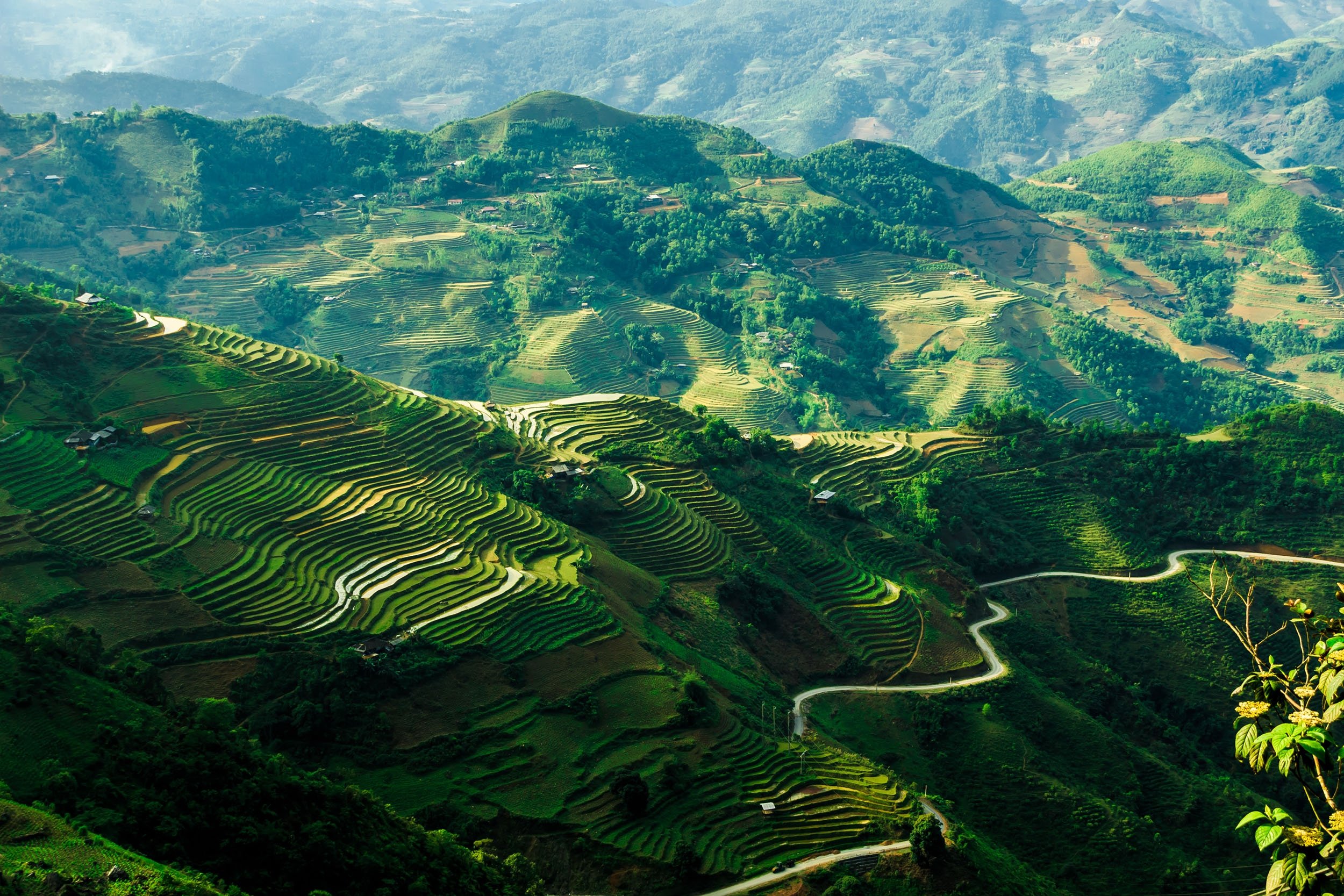
Adventure Activities in Vietnam: Caves, Mountains & Coastal Sports
Discover Vietnam's top adventure activities: caving in Phong Nha, trekking Sapa's rice terraces, kayaking Ha Long Bay, motorbiking the Ho Chi Minh Road, and more with expert tips.
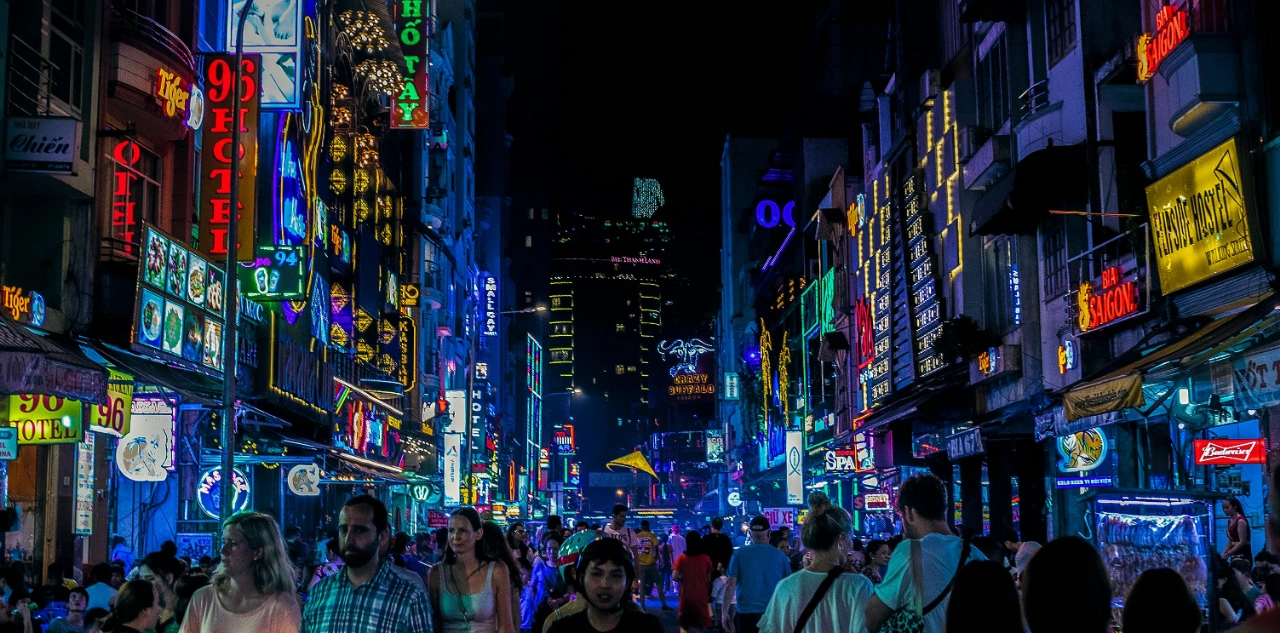
Vietnam Nightlife Guide: Bars, Clubs, Cities & Safety
Explore Vietnam nightlife city by city with practical bar, club, market, budget, legal-age, and safety guidance for Hanoi, HCMC, Da Nang, Hoi An, and beyond.
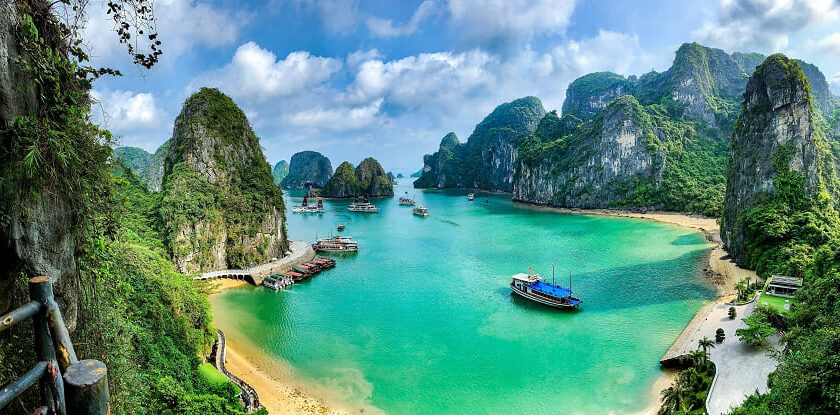
Best Things to Do in Vietnam: Top Activities
Discover the best things to do in Vietnam with practical city, nature, food, and adventure ideas for a balanced trip.
Never Miss an Adventure
Get the latest trekking guides, travel tips, and exclusive offers delivered straight to your inbox.
