
Wangdue Phodrang Bhutan: Monasteries, Valley Views & Travel Plan

Neha Kapoor
February 20, 2026
Explore Wangdue Phodrang Bhutan - dzong, festivals, sightseeing & how to reach. Complete travel guide with weather, best time to visit & nearby attractions.
Introduction: Gateway to Western Bhutan
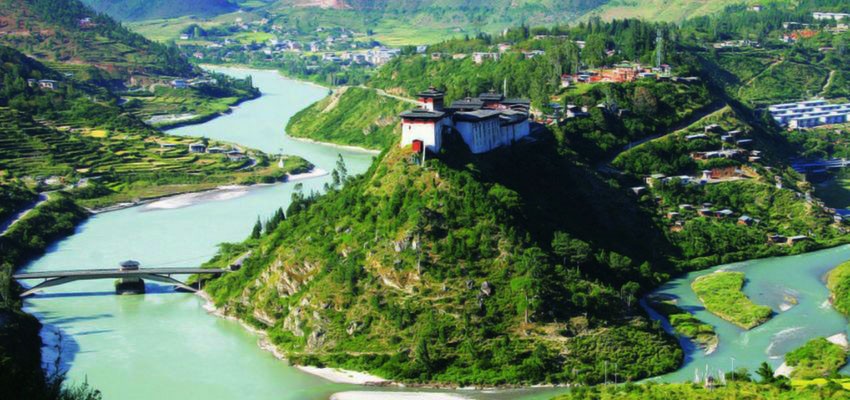
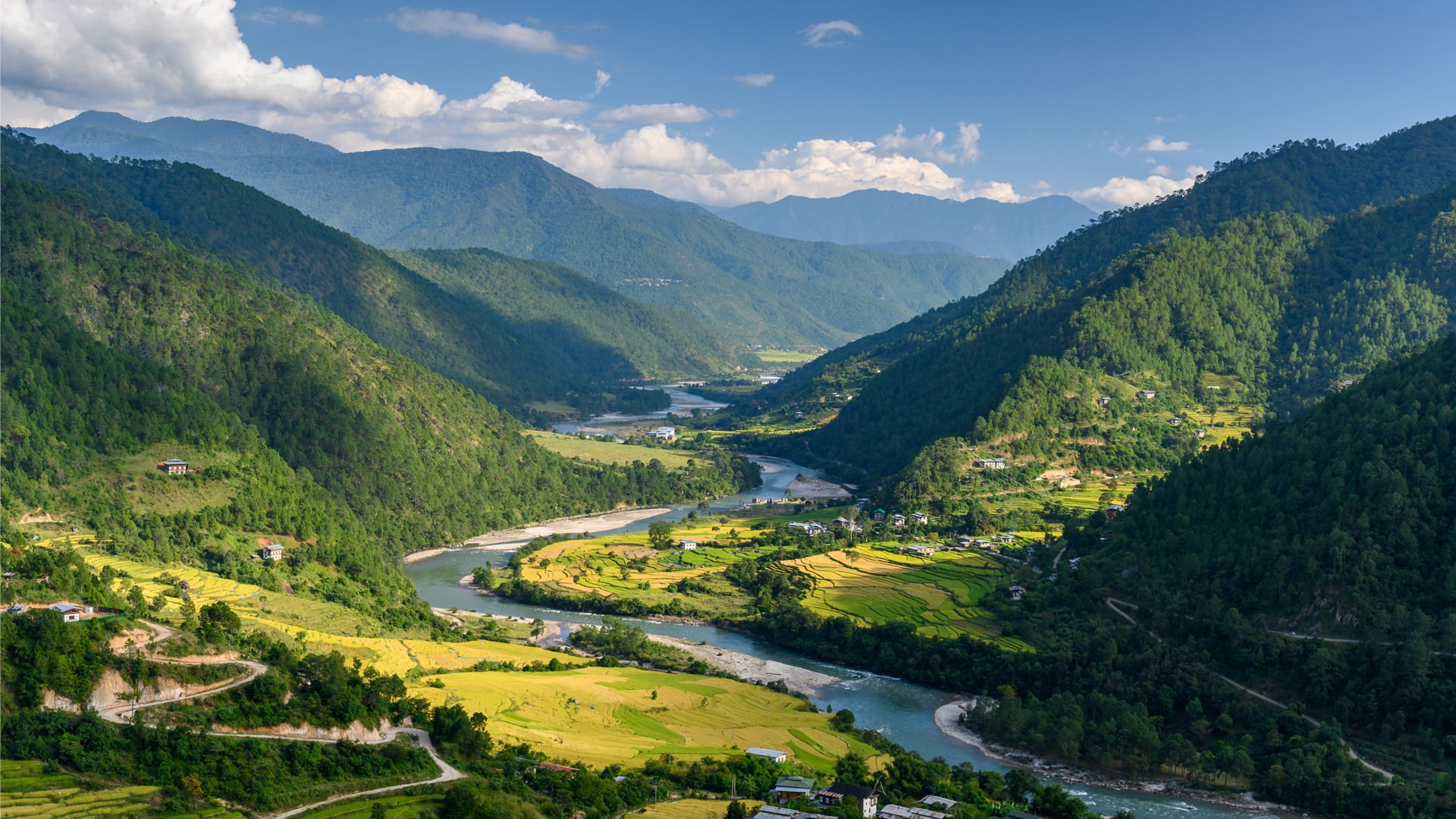
Wangdue Phodrang serves as a crucial gateway town connecting western and central Bhutan, offering travelers stunning Himalayan vistas, rich Buddhist culture, and some of the country's most significant historical sites. Located approximately 70 kilometers from Thimphu, this strategically positioned town sits at an altitude of 1,240 meters, providing pleasant weather and spectacular views of the Wangdue Phodrang Valley and surrounding mountains.
The town gained international attention for its majestic dzong (fortress-monastery), which was tragically destroyed by fire in 2012 but has since been rebuilt to even greater glory. Beyond the dzong, Wangdue Phodrang offers visitors authentic Bhutanese experiences, from traditional villages to pristine nature reserves, making it an essential stop on any Bhutan itinerary.
For travelers seeking to understand Bhutan beyond the popular tourist circuits of Paro and Thimphu, Wangdue Phodrang provides deeper insights into the country's cultural heritage, religious practices, and rural life. The town's location makes it a convenient base for exploring central Bhutan, while its own attractions merit at least a day of dedicated exploration.
About Wangdue Phodrang
Wangdue Phodrang is named after the town's location (wangdue means "where the wind collects") and the ruling clan (phodrang meaning "office"). The town sits on a ridge overlooking the convergence of two rivers—the Punatsang Chhu and Dang Chhu—creating dramatic scenery with the rivers far below and mountains rising on all sides.
The valley has been historically significant as a trading route connecting western and central Bhutan. Even today, the town serves as a commercial center for the surrounding region, with farmers bringing their produce to sell and traders connecting different parts of Bhutan through this busy junction.
The climate is pleasant year-round, with warm summers (20-30°C) and cool winters (5-15°C). The town receives moderate rainfall compared to other Bhutanese regions, making it accessible throughout the year. The fertile valley supports agriculture, and you'll see fields of rice, wheat, and vegetables surrounding the town.
Wangdue Phodrang Dzong
The Wangdue Phodrang Dzong is the town's crown jewel and most significant attraction. Built in 1638 by the Zhabdrung Ngawang Namgyal, the unifier of Bhutan, this fortress-monastery stood as a masterpiece of Bhutanese architecture for nearly four centuries until a devastating fire in 2012 destroyed much of the historic structure.
The dzong has been completely rebuilt using traditional methods and materials, reopening in 2022 as an even more magnificent example of Bhutanese architectural prowess. The rebuilt dzong features intricate woodwork, beautiful paintings, and the distinctive central tower (utse) that characterizes Bhutanese fortress-monasteries.
Religious Significance: The dzong houses both administrative offices and religious institutions, following the Bhutanese tradition of combining secular and sacred functions. Monks perform daily rituals and prayers in the temples, while government officials conduct administrative work in other sections.
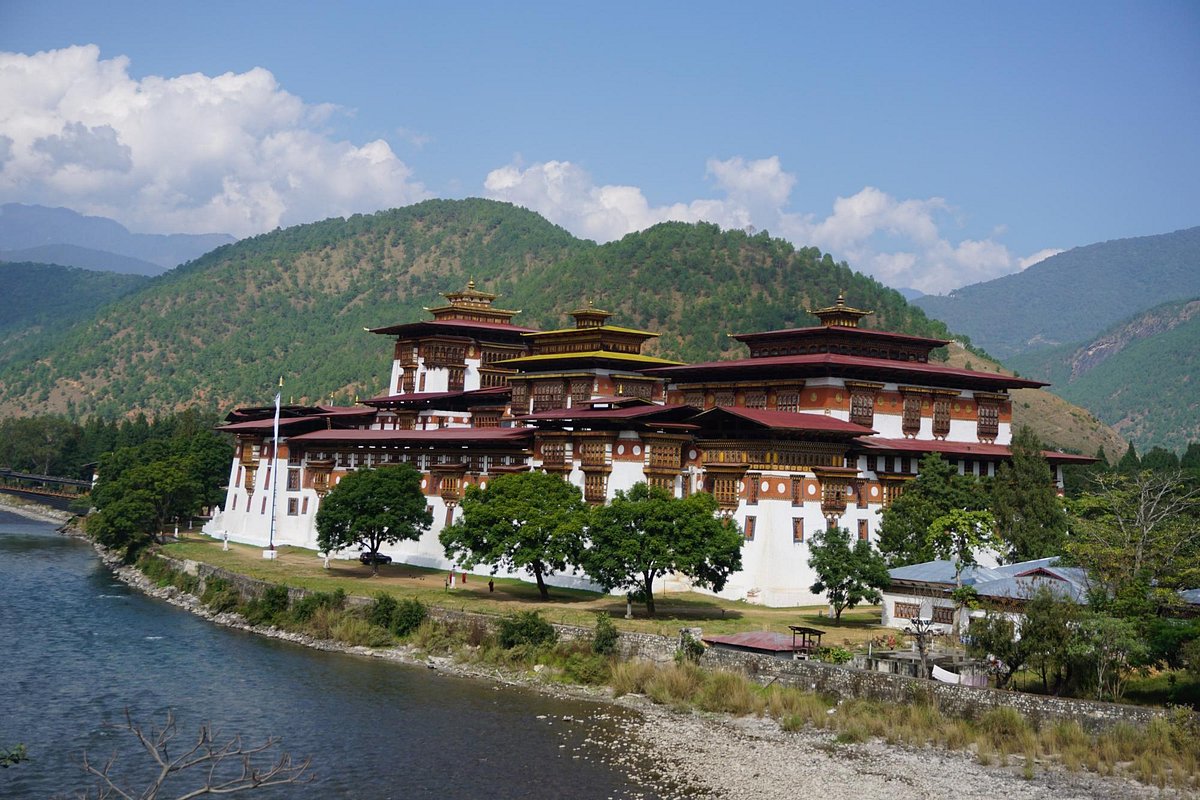
Architecture: The dzong's strategic location on a ridge provides natural defense and spectacular views. The white-washed walls with intricate wood carvings, red roofs, and golden pinnacle create a stunning visual against the blue sky and surrounding mountains. The dzong appears especially magical during festivals when monks perform masked dances in the courtyard.
Visitor Access: Unlike some dzongs that restrict access, Wangdue Phodrang Dzong welcomes visitors to most areas except the inner temples. Dress modestly (covered shoulders and knees), remove hats before entering, and maintain respectful silence. Photography may be restricted in certain religious areas—always ask permission first.
Top Attractions
Radak Neyphug Drupchhen
This ancient temple located near Wangdue Phodrang houses sacred relics and serves as an important pilgrimage site for Bhutanese Buddhists. The temple's peaceful atmosphere and beautiful location make it worth visiting for those interested in Bhutanese religious practices.
Wangdue Phodrang Bridge
The traditional cantilever bridge spanning the Punatsang Chhu River connects the town to surrounding villages. This engineering marvel, built without modern materials, represents traditional Bhutanese bridge-building techniques. The bridge offers excellent views of the river below and is particularly photogenic in the early morning mist or golden sunset light.
Traditional Villages
The villages surrounding Wangdue Phodrang provide glimpses into traditional Bhutanese rural life. Houses are built in traditional style with rammed earth walls, wooden windows, and colorful decorations. Visit villages like Gangtey or Rinchengang to see farmers working in fields, traditional weaving, and pastoral life that has continued largely unchanged for centuries.
Wangdue Phodrang Festival
The annual Wangdue Phodrang Tshechu (religious festival) typically takes place in autumn, though exact dates vary each year according to the Bhutanese lunar calendar. The festival features masked dances (cham) performed by monks and laypeople, traditional music, and religious ceremonies.
Cultural Experience: The tshechu is one of Bhutan's most important cultural events, celebrating Guru Rinpoche who brought Buddhism to Bhutan. Masked dances depict Buddhist teachings, historical events, and symbolic stories. The dances are mesmerizing to watch, with elaborate costumes, rhythmic movements, and deep spiritual significance.
Timing: Festivals typically last 3-5 days, with different dances and ceremonies each day. The final day often features the unveiling of a large thangkha (religious painting) before dawn. If planning to visit during the festival, book accommodations well in advance as hotels fill up quickly.
Best Time to Visit
Spring (March-May): Excellent weather with blooming flowers and clear mountain views. Rhododendrons and other wildflowers color the valleys. This is also festival season in some areas, offering cultural experiences alongside natural beauty.
Autumn (September-November): Perhaps the best time with clear skies, comfortable temperatures, and post-monsoon lushness. Autumn festivals including Wangdue Phodrang Tshechu take place during this period.
Winter (December-February): Cold but clear with excellent mountain visibility. Winter requires warm clothing but rewards with stunning snow-capped peaks and fewer tourists.
How to Reach
From Thimphu: Wangdue Phodrang is approximately 70 kilometers from Thimphu, a drive of about 2 hours. The road follows the Punatsang Chhu River, offering scenic views throughout the journey. Taxis and private vehicles can be hired in Thimphu.
From Paro: Approximately 125 kilometers from Paro International Airport, a drive of about 3-4 hours depending on stops and road conditions. Most visitors combine Paro, Thimphu, and Wangdue Phodrang in a single itinerary.
From Punakha: Only about 25 kilometers away (less than 1 hour drive), making these two towns easily combinable in a single day.
Nearby Attractions
Punakha Dzong: Bhutan's most beautiful dzong, located at the confluence of two rivers. A must-visit when in the region.
Gangtey Valley: Home to the black-necked cranes in winter and the impressive Gangtey Monastery.
Chimi Lhakhang: The Temple of the Divine Madman, dedicated to the eccentric saint Drukpa Kunley.
Travel Tips
• Book accommodation in advance, especially during festival seasons. • Carry cash as ATMs are limited. • Dress modestly when visiting religious sites. • Hire a local guide to enhance your cultural understanding. • Respect local customs and photography restrictions. • Purchase the required Bhutanese visa/SDF permit before travel.
Conclusion
Wangdue Phodrang offers travelers an authentic Bhutanese experience away from the most crowded tourist circuits while still providing incredible cultural and natural attractions. The magnificent dzong, traditional villages, and stunning valley views create memories that last a lifetime.
Location
Frequently Asked Questions
Q1.What is Wangdue Phodrang famous for?
Q2.How far is Wangdue Phodrang from Thimphu?
Q3.What is the best time to visit Wangdue Phodrang?
Q4.Is Wangdue Phodrang worth visiting?
Q5.How to reach Wangdue Phodrang from Paro?
Q6.What is the altitude of Wangdue Phodrang?
Q7.Can we visit Wangdue Phodrang Dzong?
Q8.When is Wangdue Phodrang Festival?
Recommended For You
Thimphu Bhutan: Complete Travel Guide and Top Places
Plan your Thimphu Bhutan trip with top attractions, best season, India access routes, local transport, stay options, and practical sightseeing tips.
Paro Bhutan: Complete Travel Plan Places And Weather
Plan your Paro Bhutan trip with top attractions, itinerary structure, budget guidance, seasonal advice, and practical first-time travel tips.
Punakha Bhutan: Dzong, Suspension Bridge & Valley Highlights
Plan Punakha Bhutan with Dzong, suspension bridge, temple stops, best season tips, and practical route planning for a smooth valley trip.
Never Miss an Adventure
Get the latest trekking guides, travel tips, and exclusive offers delivered straight to your inbox.
