
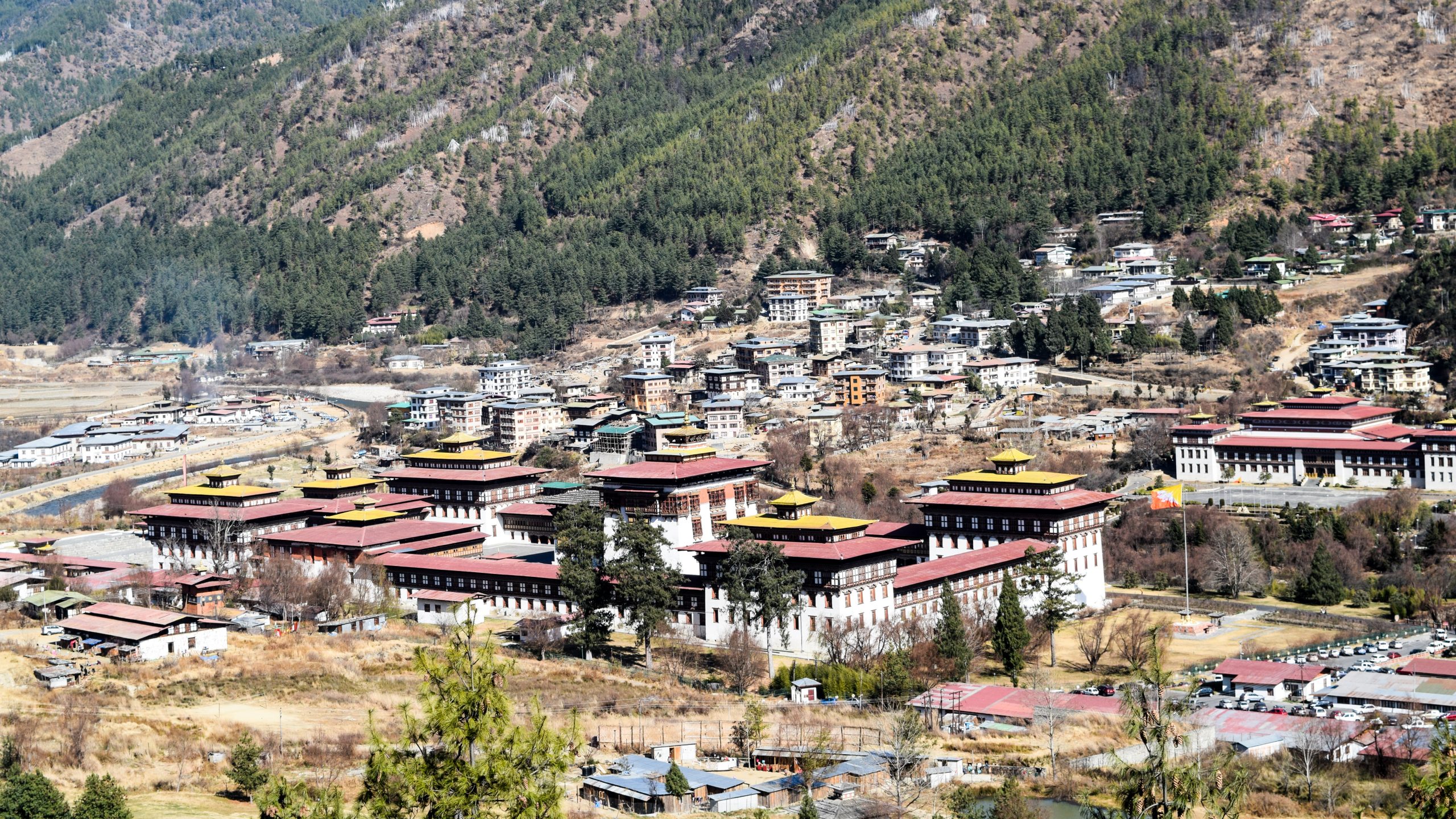
Places to Visit in Thimphu: Top 15 Attractions in Bhutan's Capital
Rahul Garg
February 3, 2026
Discover the best places to visit in Thimphu - from ancient dzongs and giant Buddha statues to vibrant markets and traditional museums. Explore 15+ top attractions in Bhutan's unique capital.
Thimphu, the capital of Bhutan, is perhaps the world's most unusual capital city. Unlike other capitals, there are no traffic lights, no high-rise buildings, and no McDonald's. What Thimphu offers instead is a perfect blend of ancient tradition and modernity, where monks in maroon robes walk alongside professionals in suits, and where Gross National Happiness is valued over GDP. Nestled in the Himalayan mountains at an altitude of 2,248 meters, this charming city deserves at least 2-3 days of exploration.
What makes Thimphu special is how it has embraced modernization while fiercely protecting its cultural heritage. The city's architecture follows traditional Bhutanese designs, and the way of life remains deeply connected to Buddhism. Whether you're exploring ancient monasteries, browsing colorful markets, or hiking to hilltop temples, Thimphu offers insights into a country that has prioritized happiness and cultural preservation over material development. For those planning to explore more of this Himalayan kingdom, check out the best time to visit Bhutan or the top tourist places in Bhutan.
Tashichho Dzong
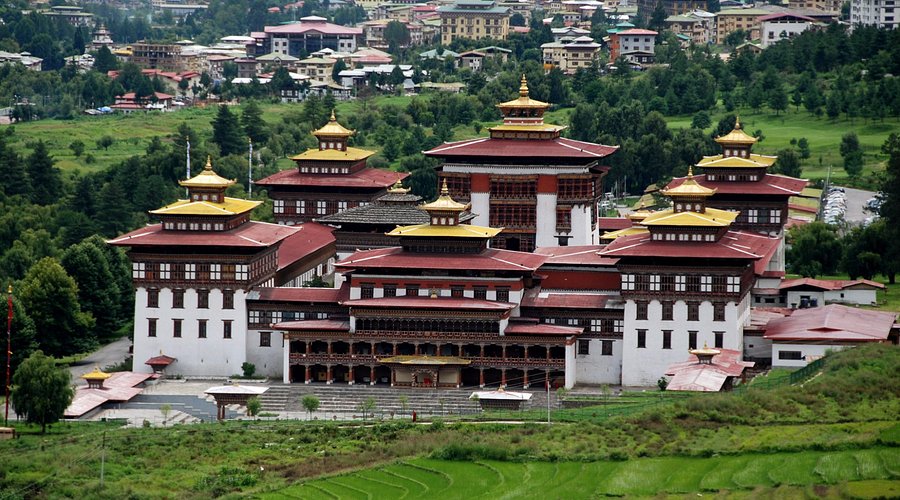
Tashichho Dzong, also known as the 'Fortress of the Glorious Religion,' is Thimphu's most iconic landmark and the seat of Bhutan's government. This impressive structure houses the throne room of the King, various government ministries, and the central monastic body. The dzong has been rebuilt twice - once after an earthquake in 1897 and again after a fire in 1962.
The dzong is particularly beautiful during the Thimphu Tshechu festival (usually in September) when monks perform masked dances in the courtyard. The architecture follows traditional Bhutanese style with whitewashed walls, intricately carved wooden windows, and a central tower (utse) that rises above the main complex. Visitors can explore the courtyards and some areas when government offices are closed, though some sections remain off-limits. The dzong is especially atmospheric in the evening when illuminated.
Buddha Dordenma Statue
Perched on a hilltop overlooking Thimphu valley, the Buddha Dordenma is one of the largest Buddha statues in the world, standing at 51.5 meters tall. This bronze statue is gilded in gold and contains 125,000 smaller Buddha statues inside it, all made of bronze and gilded as well. The site offers panoramic views of Thimphu city and the surrounding mountains.
The statue was completed in 2015 to commemorate the 60th anniversary of the fourth King of Bhutan. It's not just a tourist attraction but an important pilgrimage site for Buddhists. The meditation hall inside the base contains beautiful murals and thousands of small Buddha statues. The best time to visit is sunrise or sunset when the light is soft and the statue glows against the sky. The site is also perfect for photography, with the golden statue contrasting beautifully against blue skies and green hills.
National Memorial Chorten
This prominent stupa in the center of Thimphu was built in 1974 in memory of the third King of Bhutan, Jigme Dorji Wangchuck. Unlike other chortens built to house relics, this one was constructed to focus the minds of Bhutanese people on the Buddha's teachings. The chorten is continuously circumambulated by devotees spinning prayer wheels and reciting mantras.
The chorten's architecture is traditional with a white base, golden spires, and elaborate paintings inside depicting various Buddhist deities and teachings. The atmosphere is serene, with the sound of chanting and spinning prayer wheels creating a meditative environment. Early morning and evening are the best times to visit when local devotees are most active. There's no entrance fee, and photography is permitted from outside but not inside the main shrine room.
Changangkha Lhakhang
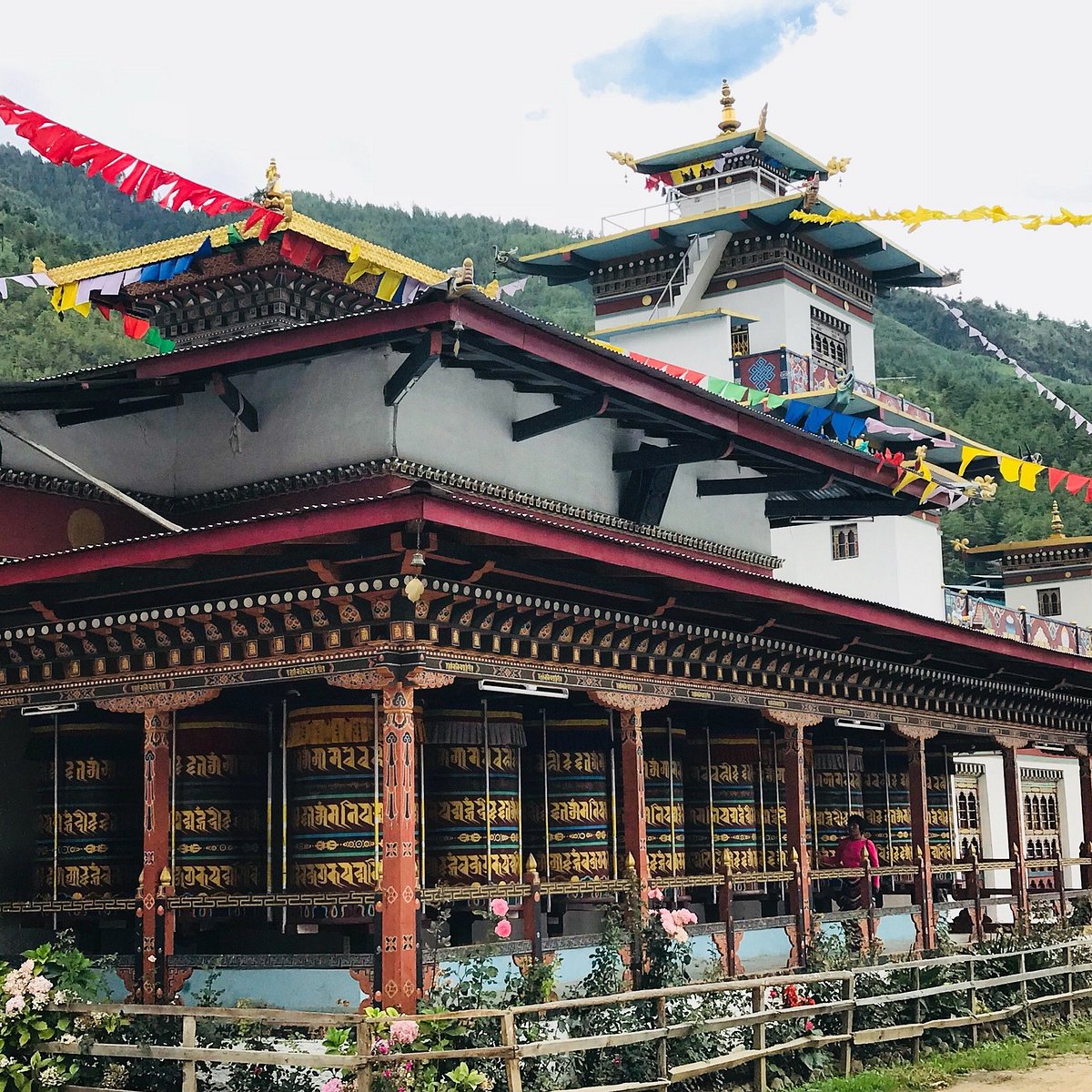
Perched on a ridge above Thimphu, Changangkha Lhakhang is one of the oldest temples in the city, dating back to the 15th century. This temple is particularly important for families with newborn children, who come here to receive names and blessings from the temple's protector deity. The temple offers beautiful views of the city and surrounding mountains.
The temple interior contains ancient statues and thangkas (Buddhist paintings). The atmosphere is deeply spiritual, with butter lamps burning continuously and the scent of incense filling the air. The temple is usually less crowded than other Thimphu attractions, making it perfect for quiet contemplation. The walk up to the temple is pleasant, passing through traditional Bhutanese neighborhoods.
Motithang Takin Preserve
The Motithang Takin Preserve is dedicated to protecting Bhutan's national animal, the takin. This unusual animal, looking like a cross between a cow and a goat, has a mythical origin story involving the divine madman Lama Drukpa Kunley. The preserve was originally a mini-zoo but was converted into a preserve when the King decreed that keeping animals in captivity was not in line with Buddhist principles.
The takins here roam freely in a large forested enclosure. Along with takins, you might also see sambar deer and barking deer. The preserve is well-maintained, and the animals seem content in their natural habitat environment. There's information about takins and their conservation status. The best time to visit is early morning when the animals are most active. The preserve is small and can be explored in about 30-45 minutes.
Simply Bhutan Museum
Simply Bhutan is a living museum that provides an excellent introduction to Bhutanese culture and traditions. Housed in a traditional Bhutanese house, this museum uses interactive displays, artifacts, and demonstrations to showcase various aspects of Bhutanese life. It's run by the Bhutan Youth Development Fund and provides employment to young Bhutanese people.
The museum covers everything from traditional weaving and archery to Bhutanese food preparation and religious practices. What makes it special is the hands-on approach - you can try on traditional clothes, learn how to play archery, and even participate in a mock Bhutanese kitchen setup. The guides are knowledgeable and enthusiastic, sharing personal stories that bring the exhibits to life. It's one of the best places in Thimphu to understand contemporary Bhutanese culture.
Thimphu Centenary Farmers Market
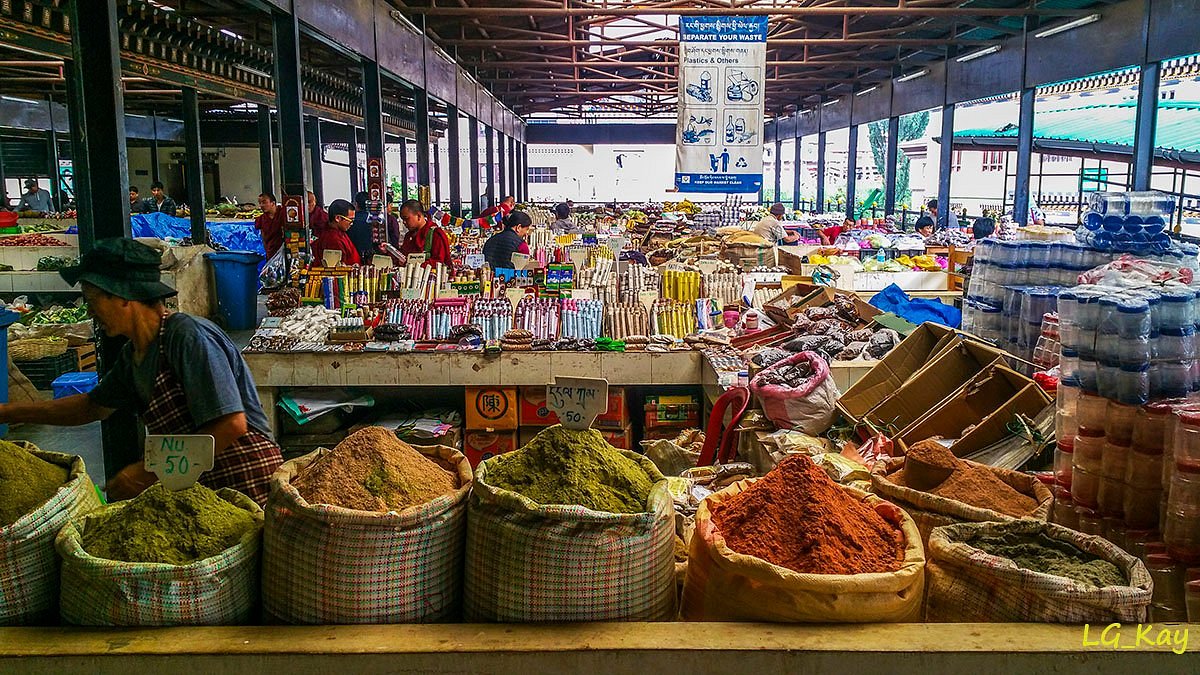
The Centenary Farmers Market is Thimphu's largest and most vibrant market, where farmers from surrounding valleys come to sell their produce. The market is housed in a large building on the banks of the Wang Chhu River and is divided into sections for vegetables, fruits, meat, and dairy products. Weekends (especially Saturday) are when the market is most bustling.
This is a great place to see local life and photograph colorful Bhutanese chilies (which are used extensively in Bhutanese cuisine), various Himalayan vegetables, and local products like cheese and butter. The market is also where local people shop for their daily needs, so it's not just for tourists. Try local snacks like putta (buckwheat pancakes) or suja (butter tea) from small stalls nearby. The market is open from early morning till evening, though weekends are more lively.
Changangkha Lhakhang Area Walks
The area around Changangkha Lhakhang offers some of the best walking opportunities in Thimphu. Traditional Bhutanese houses line the winding streets, many with prayer flags fluttering from their roofs. Walking through these neighborhoods gives you a sense of how ordinary Thimphu residents live, far from the tourist trail.
The walk from town up to Changangkha Lhakhang takes about 30-45 minutes and passes through beautiful pine forests. Along the way, you'll see chortens, prayer wheels, and perhaps locals going about their daily routines. The air is fresh and the views of the valley are excellent. It's a perfect way to spend a morning or afternoon in Thimphu, especially if you want to escape the main tourist areas.
Traditional Medicine Institute
Bhutan has a rich tradition of traditional medicine that dates back centuries, combining Tibetan medicine with indigenous Bhutanese practices. The Traditional Medicine Institute in Thimphu produces traditional medicines, trains doctors, and provides treatment to patients. Visitors can tour the facility and learn about the various plants and minerals used in traditional remedies.
The institute has a medicinal garden where you can see plants used in traditional medicine growing. The museum displays various ingredients, instruments, and preparations used by traditional doctors. You might even be able to consult with a traditional doctor if you're interested. The institute is fascinating for anyone interested in alternative medicine and Bhutanese healthcare practices.
National Library and Archives
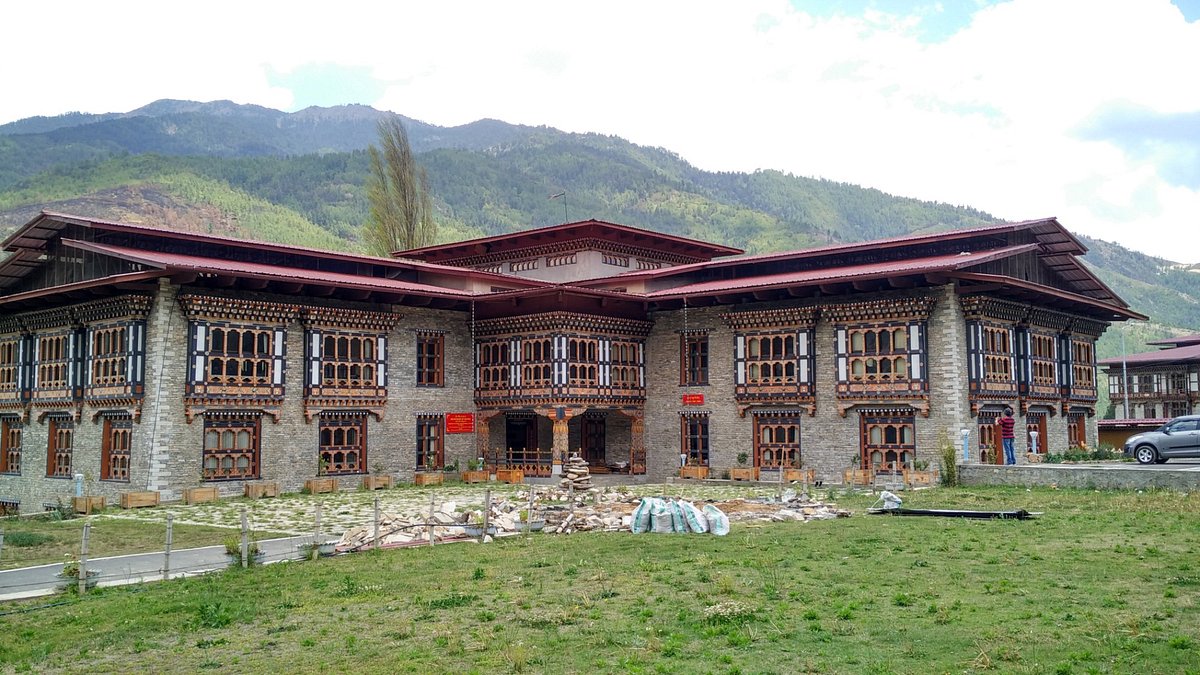
The National Library of Bhutan houses an extensive collection of ancient Buddhist manuscripts and texts, many written in classical Tibetan. The library building itself is in traditional Bhutanese style, with beautiful wood carvings and paintings. The collection includes some of the oldest printed books in the world, using traditional woodblock printing techniques.
Alongside ancient manuscripts, the library has a good collection of English books about Bhutan, Buddhism, and Himalayan culture. The archives section contains historical documents and photographs. The library is quiet and peaceful, perfect for research or quiet contemplation. Photography may be restricted in certain areas, so ask permission first.
Textile Museum
Bhutanese textiles are renowned for their beauty and complexity, and the Textile Museum in Thimphu showcases this important cultural heritage. The museum displays traditional Bhutanese textiles from different regions, showing the diversity of weaving techniques, patterns, and colors across the country. Some pieces are centuries old and represent incredible craftsmanship.
The museum also has a collection of traditional looms and demonstrates weaving techniques. You can see weavers working on actual looms, creating intricate patterns that can take months to complete. The gift shop sells high-quality Bhutanese textiles, though they're expensive given the amount of work that goes into them. If you're interested in textiles or traditional crafts, this museum is a must-visit.
Weekend Market (Saturday-Sunday)
While the Centenary Farmers Market operates daily, the weekend market is when it really comes alive. Farmers from remote valleys bring their produce, and the market expands to include handicrafts, clothes, and various other goods. It's a social event as much as a shopping trip, with people from all over Thimphu and surrounding areas coming to buy, sell, and socialize.
The weekend market is colorful, chaotic, and fascinating. You'll find everything from exotic Himalayan vegetables and wild honey to traditional Bhutanese dresses and handmade crafts. It's also a great place to try local food - look for stalls selling momos (dumplings), noodles, and various Bhutanese dishes. Bring your camera and some cash, as most vendors don't accept cards.
Sangaygang View Point
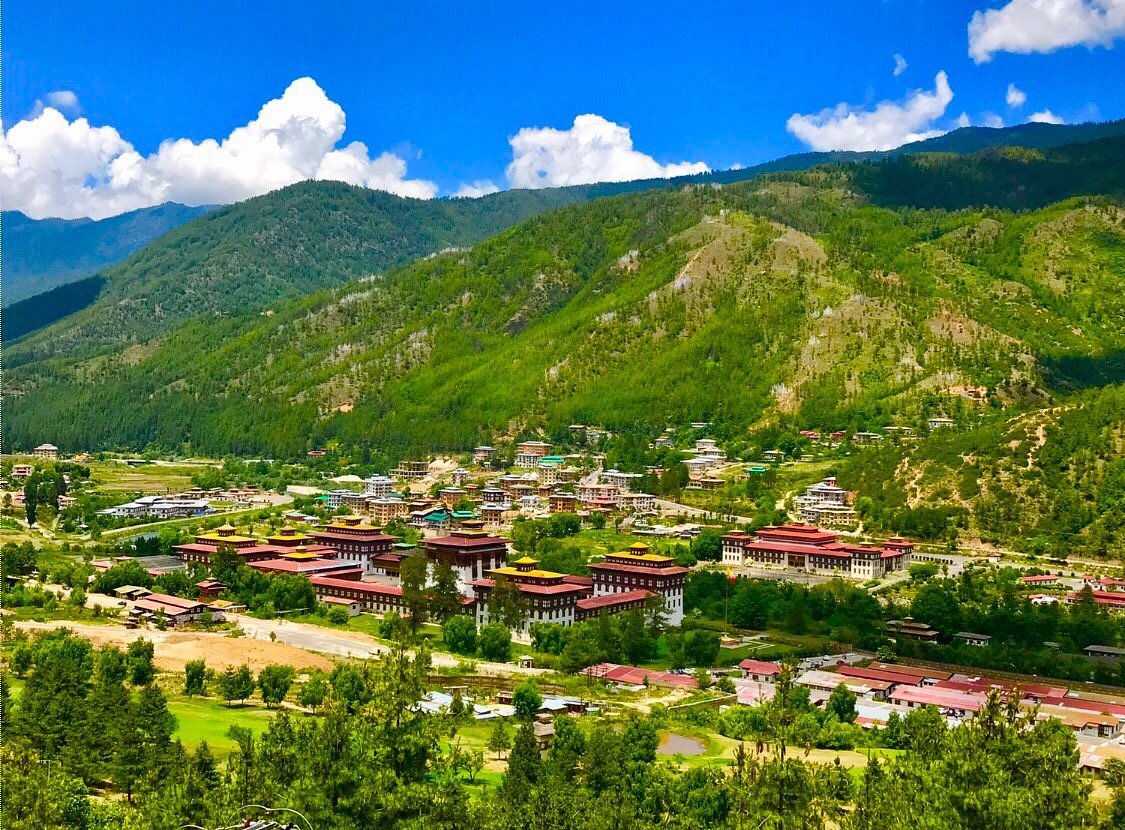
For the best views of Thimphu, head to Sangaygang View Point (also known as the BBS Tower). This hilltop location offers panoramic views of the entire Thimphu valley and surrounding mountains. The road to the top passes through pine forests and is pleasant to drive or walk.
The view point is especially beautiful at sunset when the city lights begin to twinkle below and the mountains glow in golden light. There's a small cafe at the top where you can get tea and snacks. Many locals come here for picnics on weekends. The area around the view point has several hiking trails if you want to explore further. It's one of the most romantic spots in Thimphu and popular with couples.
Archery Field (Changlimithang Stadium)
Archery is Bhutan's national sport, and watching an archery competition is a uniquely Bhutanese experience. The Changlimithang Stadium and Archery Field is where many competitions take place, especially on weekends and holidays. Traditional Bhutanese archery is different from Olympic archery - the targets are smaller, the distances greater, and the celebrations more elaborate. To learn more about this fascinating sport, read our guide on archery in Bhutan.
When a team scores, they perform victory dances and sing songs, trying to distract the opposing team. The atmosphere is festive, with plenty of cheering and joking. Spectators are welcome, and you can often get quite close to the action. If you're lucky, you might even get to try shooting a bow yourself. Archery matches are free to watch and offer great insight into Bhutanese culture.
Thimphu Tshechu Festival
If you're visiting in September, don't miss the Thimphu Tshechu, one of Bhutan's biggest religious festivals. The festival lasts for several days and features masked cham dances performed by monks and laymen. These dances tell stories of Buddhist history and mythology, with elaborate costumes and symbolic movements.
The Tshechu takes place in the courtyard of Tashichho Dzong and draws people from all over Bhutan. It's believed that witnessing these dances brings spiritual merit. Along with the dances, there are markets, food stalls, and general celebration. The festival is crowded but incredibly colorful and photogenic. Check the dates before planning your trip, as the Tshechu follows the lunar calendar.
Craft Bazaar and Handicrafts
Thimphu has several places where you can buy authentic Bhutanese handicrafts. The weekend market has a crafts section, but there are also dedicated handicraft shops and bazaars. Look for traditional Bhutanese paintings, wood carvings, woven textiles, paper products, and metal work.
The government-run handicraft emporium near the post office is a reliable place to shop, with fixed prices and good quality. Private shops may offer better prices but require bargaining. Popular souvenirs include traditional Bhutanese dresses (gho for men, kira for women), prayer flags, incense, and thangkas. Bhutanese postage stamps are also famous and make good gifts.
National Postal Museum
Bhutan is famous for its innovative and beautiful postage stamps, and the National Postal Museum celebrates this philatelic heritage. The museum displays Bhutan's stamps from the first issues in 1962 to the present, including the famous 3D stamps and stamps that are actually records that can be played on a turntable.
The museum also has old postal equipment, uniforms, and information about the history of Bhutan's postal service. You can even have your photo taken and printed on personalized Bhutanese stamps - a unique souvenir that you can actually use to mail letters! The museum is small but interesting, especially for stamp collectors or anyone curious about Bhutan's quirky approach to postage.
Simtokha Dzong
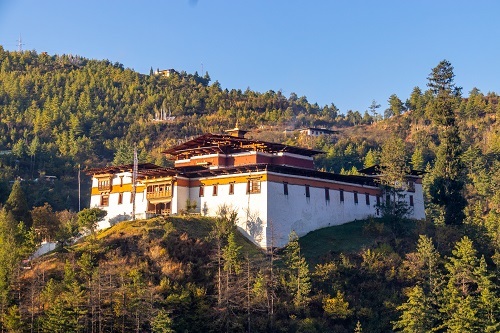
Located about 5 kilometers south of Thimphu, Simtokha Dzong is the oldest dzong in Bhutan, dating back to 1629. Unlike other dzongs that serve administrative and monastic functions, Simtokha is primarily a monastic school where young monks study Buddhist philosophy and practice.
The dzong is smaller than Tashichho but has a peaceful, scholarly atmosphere. The interior contains beautiful paintings and statues that are older than those in many other dzongs. The young monks are often friendly and happy to practice their English with visitors. Simtokha is less crowded than Thimphu's main attractions, making it a pleasant place to explore at a leisurely pace.
Where to Eat in Thimphu
Thimphu has a growing food scene with options ranging from traditional Bhutanese to international cuisine. For authentic Bhutanese food, try the Bhutan Kitchen or Folk Heritage Museum restaurant, where you can sample ema datshi (chili cheese), the national dish. For international food, try ambient places like the Swiss Bakery, amazing Bhutanese restaurant, or various cafes in town.
Many restaurants serve 'Bhutanese set meals' which include rice, various curries (including ema datshi), and sometimes meat dishes. Suja (butter tea) is the traditional beverage, though coffee is increasingly popular. Local beer is excellent and relatively cheap. For a special dinner, try one of the hotel restaurants which serve both Bhutanese and international dishes.
Practical Information for Visiting Thimphu
Getting There
Most visitors arrive in Bhutan at Paro Airport and then drive to Thimphu (about 1 hour by car). The drive is scenic, passing through villages and along rivers. Thimphu is also accessible by road from Phuentsholing (the border town with India), a journey of about 6 hours through beautiful mountains. If you're driving from India, you might want to check the distance from Delhi to Bhutan to plan your route better.
Getting Around
Thimphu is a small city that can be explored on foot, though some attractions are outside the center and require transportation. Taxis are available and reasonably priced. Many visitors hire a car with a driver for the duration of their stay, which gives flexibility to explore at your own pace. There are no traffic lights in Thimphu - traffic is managed by policemen at major intersections.
When to Visit
The best time to visit Thimphu is during spring (March-May) and autumn (September-November) when the weather is pleasant and clear. Winter (December-February) can be cold but still manageable. Summer (June-August) is the monsoon season when it rains frequently. September is particularly good if you want to see the Thimphu Tshechu festival.
Where to Stay
Thimphu has accommodation for all budgets, from luxury hotels like the Taj Tashi to mid-range guesthouses and basic homestays. Most hotels are in traditional Bhutanese style with modern amenities. Book in advance during festivals when accommodation can be scarce. Many hotels offer excellent views of the city and mountains.
Conclusion: The Heart of Bhutanese Modernity
Thimphu is a city like no other - a capital that has deliberately chosen a different path of development, prioritizing cultural preservation and happiness over material growth. It's a place where ancient traditions coexist with modern life, creating a unique atmosphere that's both timeless and contemporary. Whether you're exploring ancient dzongs, meditating in peaceful temples, or simply walking the streets and watching life go by, Thimphu offers insights into a way of life that's increasingly rare in our globalized world.
The city rewards those who take the time to explore beyond the main sights - to wander through neighborhoods, visit local markets, and interact with the friendly Bhutanese people. It's a city that stays with you long after you've left, reminding us that there are other ways to live and other values to prioritize. For these reasons and more, Thimphu deserves to be not just a stopover on a Bhutan trip, but a destination in its own right.
Location
Frequently Asked Questions
Q1.What are the top attractions in Thimphu?
Q2.How many days should I spend in Thimphu?
Q3.What is the best time to visit Thimphu?
Q4.Is Thimphu worth visiting?
Q5.How do I get to Thimphu?
Q6.What is Thimphu famous for?
Q7.What can I buy in Thimphu?
Q8.What food should I try in Thimphu?
Q9.Is Thimphu expensive?
Q10.Do I need a guide in Thimphu?
Recommended For You
Thimphu Bhutan: Complete Travel Guide and Top Places
Plan your Thimphu Bhutan trip with top attractions, best season, India access routes, local transport, stay options, and practical sightseeing tips.
Temples in Bhutan: 15 Sacred Sites
Discover 15 most sacred temples in Bhutan. From Tiger's Nest to Punakha Dzong, explore Buddhist monasteries & spiritual sites.
Things to Do in Paro Bhutan: Culture, Monasteries & Trekking Routes
Plan things to do in Paro Bhutan with Tiger’s Nest trek, Paro Dzong, Chele La Pass, temples, and practical 2-3 day itinerary guidance.
Never Miss an Adventure
Get the latest trekking guides, travel tips, and exclusive offers delivered straight to your inbox.
