
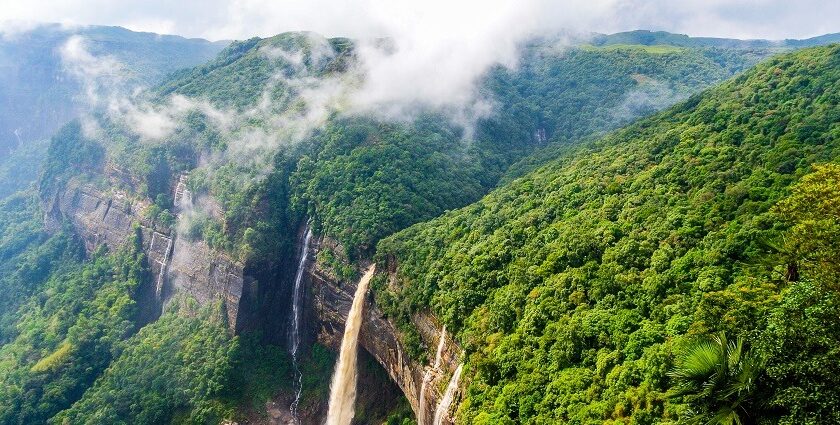
Waterfalls in Cherrapunji: 10 Best Falls with Route Details

Rohit Verma
February 8, 2026
Discover the best waterfalls in Cherrapunji including Nohkalikai, Seven Sisters, Wei Sawdong, and Dainthlen with practical route planning and season tips.
Introduction: Why Cherrapunji Is a Waterfall Paradise
Cherrapunji, also known as Sohra, is one of India's most spectacular waterfall regions. Heavy rainfall, dramatic cliffs, and plateau edges create perfect conditions for tall plunge falls, segmented cascades, and photogenic valley drops. In this landscape, waterfalls are not single attractions; they shape the identity of the entire destination.
Many travelers visit Meghalaya for living root bridges and caves, but waterfalls in Cherrapunji often become the trip highlight. You can see famous viewpoints like Nohkalikai and Seven Sisters with minimal effort, or combine them with more adventurous stops like Wei Sawdong and route-based hidden cascades. The best way to plan is by cluster and season, not random map pins.
This guide covers the best waterfalls in Cherrapunji with practical route planning, timing, access notes, and safety tips. If you want to build a realistic itinerary for two days in Sohra, this article gives you a route-first framework that works for couples, families, and photography-focused travelers.
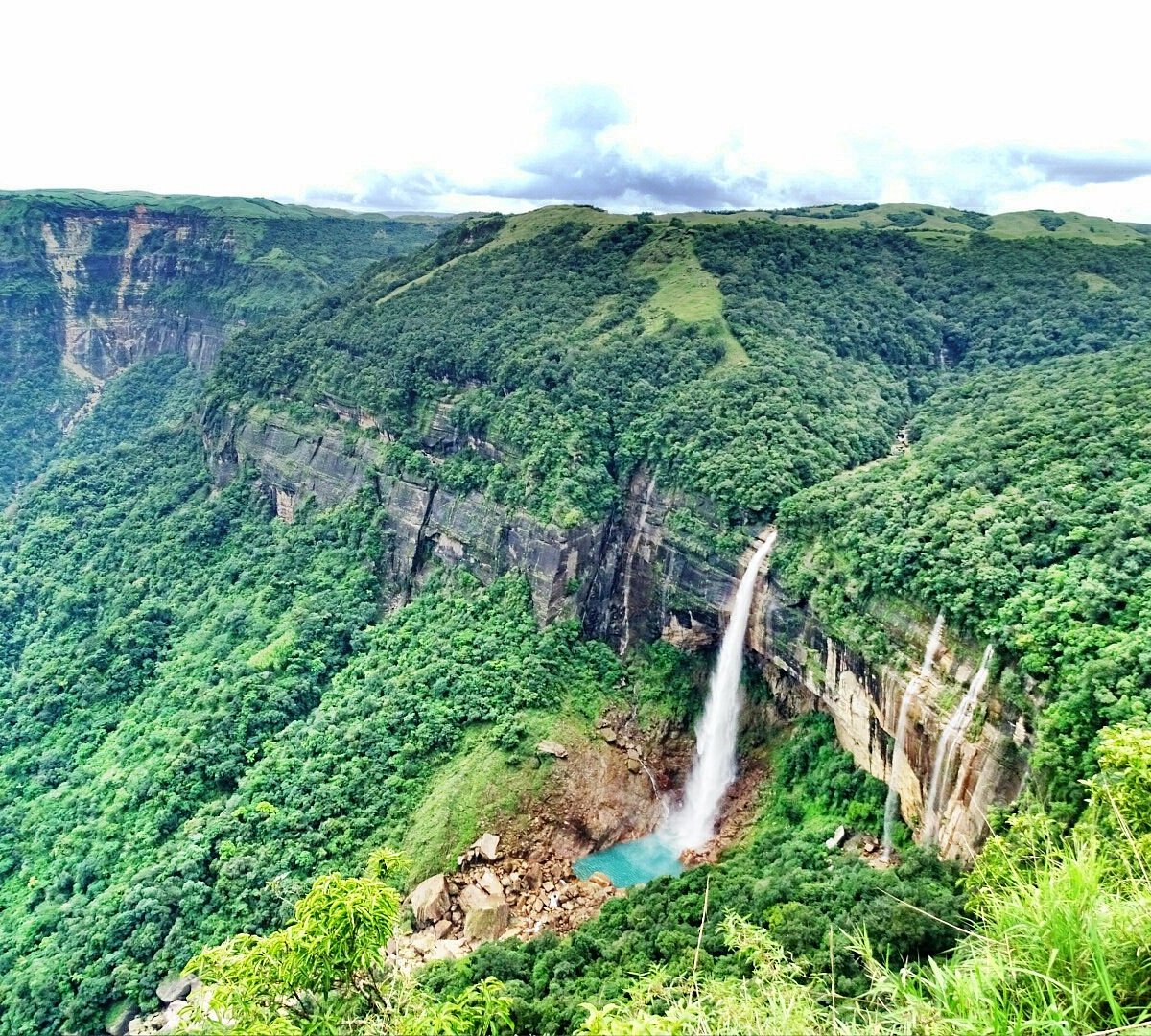
Nohkalikai Falls: The Signature Waterfall of Sohra
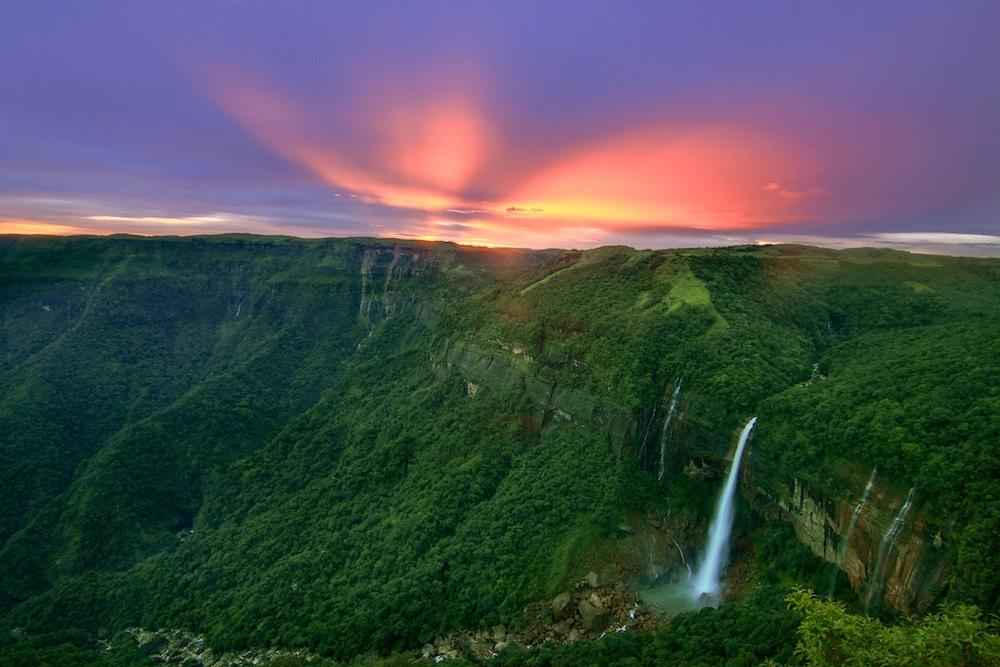
Nohkalikai Falls is the most iconic waterfall in Cherrapunji and one of India's tallest plunge waterfalls. Meghalaya Tourism lists the drop at over 340 meters, with the falls descending into a striking blue-green pool. The dramatic vertical profile, cliff setting, and cloud patterns make it one of the most memorable waterfall viewpoints in Northeast India.
Why travelers prioritize Nohkalikai:
- Very high plunge with clear viewing platform access.
- Strong visual impact in monsoon and post-monsoon months.
- Easy inclusion in a same-day Sohra sightseeing circuit.
- Excellent sunrise and soft-light photography potential.
During peak rain, mist and cloud movement can partially block views, so keep a time buffer. If visibility is low on first visit, return later in the day instead of forcing a rushed schedule.
Internal read: Nohkalikai Waterfalls guide.
Seven Sisters Falls (Nohsngithiang): The Monsoon Showstopper
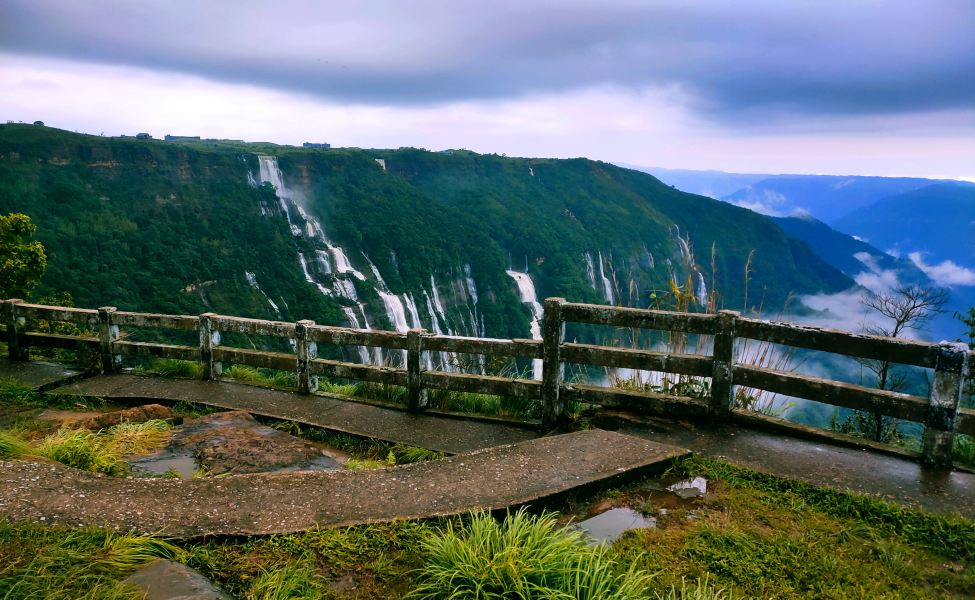
Nohsngithiang Falls, popularly called Seven Sisters Falls, is one of Sohra's most photogenic monsoon attractions. Meghalaya Tourism describes it as a segmented waterfall dropping over 300 meters from limestone cliffs, with the streams becoming most dramatic during heavy rainfall months.
The sunset window here is especially popular. As light shifts over the cliffs and mist, the segmented streams create layered depth that is difficult to capture at midday. Many travelers pair this stop with Eco Park, which offers one of the strongest vantage points in the area.
What makes Seven Sisters unique:
- Segmented cliff-drop pattern unlike single-column plunge falls.
- Best seasonal force during monsoon months.
- Strong panorama potential with canyon and plains views.
- Easy road-based access from Sohra side.
Reference: Seven Sisters Falls.
Wei Sawdong Falls: Three-Tier Beauty with Trek Effort
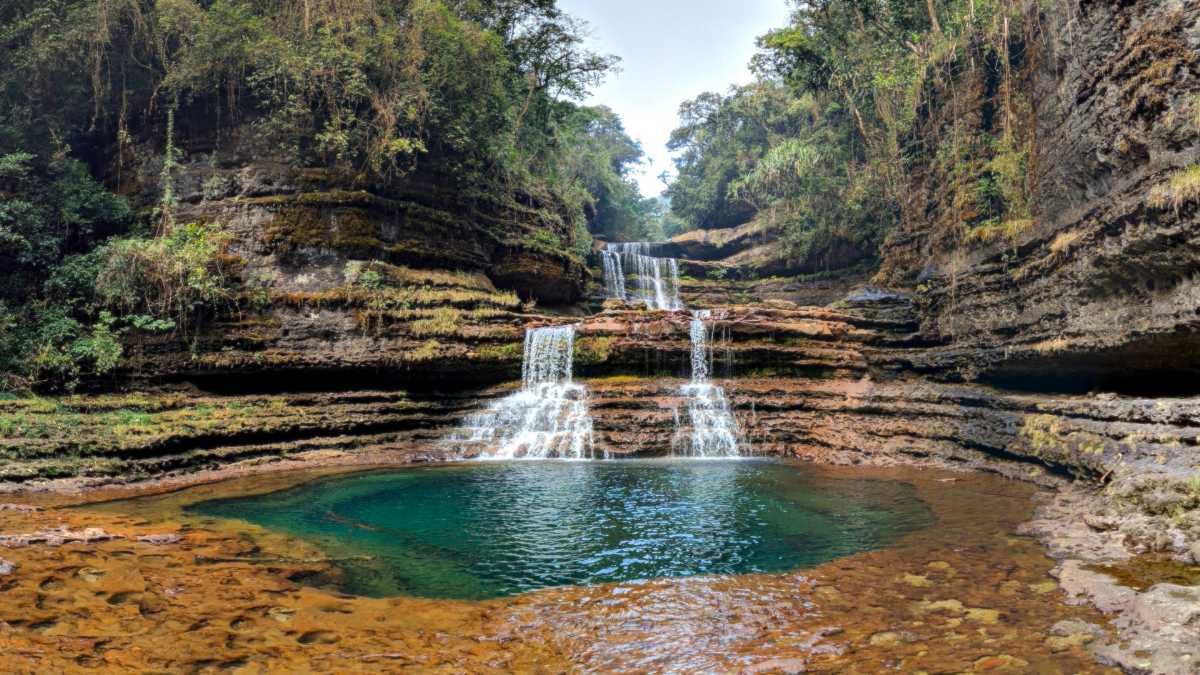
Wei Sawdong is frequently rated among the most beautiful waterfalls near Cherrapunji because of its layered three-tier pool structure and vivid water color in favorable conditions. Unlike viewpoint-only waterfalls, this one requires descent effort, so treat it as an activity stop, not a 15-minute halt.
The approach can be slippery and steep, especially after rain. Good shoes and stable pacing are essential. If your group has mobility constraints, decide in advance whether lower-level access is practical.
Best use-case:
- Adventure-oriented visitors comfortable with short descents.
- Travelers who prioritize close-up waterfall photography.
- Groups with enough time for ascent and return buffer.
Detailed article: Wei Sawdong Waterfall.
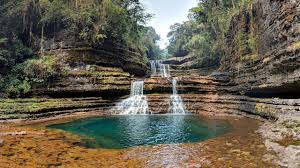
Dainthlen Falls: Mythology, Plateau Edge, and Dramatic Drop
Dainthlen Falls is one of the most atmospheric waterfalls in Sohra, known for broad rocky surroundings and local legend connected to the serpent Thlen. Meghalaya Tourism's World Water Day feature highlights it as an important cultural and natural point in the region.
Unlike narrow viewpoint experiences, Dainthlen gives a wider terrain feel with strong winds, open plateau edges, and changing water behavior across seasons. In drier periods, surrounding rock formations become more visible; in wet periods, the waterfall feels more forceful and dramatic.
Why add Dainthlen:
- Different landscape character from Nohkalikai and Seven Sisters.
- Cultural storytelling value linked to local Khasi legend.
- Good stop for travelers who enjoy broad terrain compositions.
Kynrem Falls: Tall Multi-Tier Drop Seen from Park Routes
Kynrem Falls is another major high-drop waterfall in the Cherrapunji region, often associated with Thangkharang/park-side viewpoints depending on current route access and local conditions. It is known for multi-tier formation and strong monsoon expression.
Travelers who already plan canyon and park viewpoints can include Kynrem without major route detour. In low-visibility weather, patience is key as moving cloud layers can hide and reveal the falls repeatedly.
Related post: Kynrem Falls Meghalaya.
Wah Kaba Falls: Roadside-View Advantage from Shillong Route
Wah Kaba Falls is commonly seen on the Shillong-Sohra route and works as an excellent transition stop. It is a strong option for travelers who want waterfall views without committing to long trail movement. In monsoon and post-monsoon months, flow usually looks best against the deep green valley backdrop.
If you are arriving from Shillong and want to break the drive with short scenic pauses, Wah Kaba is one of the most efficient waterfall stops before entering the main Sohra cluster.
Guide: Wah Kaba Falls.
Other Notable Waterfalls Around Cherrapunji
Beyond the top names, several nearby falls and cascade viewpoints can be added based on weather and available time:
- Rainbow Falls for trekking-style waterfall experiences.
- Langshiang Falls for high-drop scenic value in broader Meghalaya circuit.
- Scenic waterfalls in Meghalaya for region-wide comparisons.
- Seasonal cliff streams near Mawsmai and Sohra canyon edges.
Do not overstack these in one day. Cherrapunji routes look short on maps but can take longer due to weather, viewpoint stops, and road pace.
Best Time to Visit Cherrapunji Waterfalls
| Season | Waterfall Experience | Planning Reality |
|---|---|---|
| June to September | Strongest flow, full monsoon drama, dense greenery | Frequent rain, slippery routes, visibility shifts |
| October to November | Excellent flow with better clarity in many windows | Best balance for most travelers |
| December to February | Lower flow at some waterfalls but cleaner skies | Easier road movement and broad views |
| March to May | Moderate flow and comfortable weather | Good for mixed sightseeing itineraries |
If your trip goal is maximum waterfall power, monsoon is unbeatable. If you prefer comfort plus visibility, post-monsoon is usually the most practical compromise.
How to Cover Waterfalls in Cherrapunji in 2 Days
Day 1: Core Viewpoint Circuit
- Nohkalikai Falls in morning light.
- Dainthlen Falls before afternoon weather shifts.
- Seven Sisters Falls near evening for sunset-style viewing.
Day 2: Adventure + Flexible Stops
- Early start for Wei Sawdong (time buffer essential).
- Kynrem/Wah Kaba or additional viewpoint stops depending on weather.
- Keep one flexible backup point in case rain reduces visibility.
This plan minimizes backtracking and avoids overloading one day with both deep descent and multiple long road segments.
Travel and Safety Tips for Sohra Waterfall Trips
- Follow local advisories; Sohra administration has repeatedly issued caution notices for cliffs and water bodies.
- Do not cross barriers for social-media photos.
- Use high-grip footwear and avoid smooth soles.
- Keep electronics in waterproof cover during monsoon.
- Start early and leave daylight margin for return drives.
- Avoid swimming unless clearly permitted and locally assessed safe.
Mountain weather in Sohra changes quickly. A slow, safety-first pace gives better results than aggressive checklist travel.
Photography Windows and Distance Management
In Cherrapunji, photography quality depends more on timing than camera gear. Early morning can give softer light at Nohkalikai, while late afternoon often works better for Seven Sisters and canyon-facing viewpoints. During monsoon, clouds move quickly, so wait for short visibility breaks instead of rushing to the next stop. A ten-minute hold at the right moment can produce better results than an extra location.
Distance planning also matters. Even when maps show short gaps, road curves, viewpoint halts, rain, and parking queues can slow movement. Use a simple rule: plan only two major waterfalls plus one optional stop in a half day. If weather remains stable, add a fourth point; if not, use the buffer for safer driving and relaxed exploration.
For families and mixed-age groups, split your day into one effort-based stop and one easy-viewpoint stop. Example: pair Wei Sawdong with Seven Sisters, or Nohkalikai with Wah Kaba. This keeps fatigue low and helps everyone enjoy the trip without schedule stress. The same approach works for photographers who need time to set up frames and wait for clear windows.
Common Planning Mistakes to Avoid
- Trying to cover all major falls in one rushed day.
- Ignoring visibility changes and fixed timing around cloud windows.
- Assuming every waterfall is roadside-accessible.
- Skipping meal and hydration planning on long viewpoint days.
- Underestimating walking effort at Wei Sawdong-type stops.
Fixing these mistakes immediately improves both safety and trip quality.
Final Takeaway
Waterfalls in Cherrapunji are best experienced through smart clustering: Nohkalikai and Seven Sisters for iconic views, Dainthlen for terrain and legend, and Wei Sawdong for adventure depth. Add secondary falls only when weather and energy permit.
With the right season, realistic route planning, and safety discipline, Sohra delivers one of the most impressive waterfall experiences in India, especially when routes are paced well and daylight buffer is protected for safe returns, better comfort, and stronger photo outcomes across seasons for everyone.
Location
Frequently Asked Questions
Q1.Which is the best waterfall in Cherrapunji?
Q2.How many waterfalls are there in Cherrapunji?
Q3.What is the best time to visit Cherrapunji waterfalls?
Q4.How tall is Nohkalikai Falls?
Q5.How do I reach Nohkalikai Falls from Sohra?
Q6.Can visitors swim in Cherrapunji waterfalls?
Q7.Is it safe to visit Sohra waterfalls during monsoon?
Q8.How much time is needed for a Cherrapunji waterfall tour?
Recommended For You
Cherrapunji Tourist Places: Top Attractions, Itinerary & Travel Tips
Plan your Cherrapunji trip with top tourist places, route-based itinerary ideas, weather strategy, and practical travel tips. Discover waterfalls, living root bridges, caves, and more in this comprehensive guide.
Meghalaya: Complete Travel Plan Places And Weather
Complete Meghalaya travel guide featuring living root bridges, Cherrapunji, Shillong, Dawki, caves, waterfalls & practical tips.
Best Time to Visit Cherrapunji: Rainfall, Caves & Waterfall Season
Discover the best time to visit Cherrapunji with season-wise rainfall insights, root bridge and waterfall timing, and practical planning tips for safer Meghalaya travel.
Never Miss an Adventure
Get the latest trekking guides, travel tips, and exclusive offers delivered straight to your inbox.
