
Soochipara Waterfalls Wayanad: Trek Access, Timings & Entry Fee

Rohan Malhotra
February 18, 2026
Visit Soochipara Waterfalls in Wayanad! Guide to trek, timings, entry fee, best time & how to reach Kerala's spectacular three-tiered falls.
Introduction: Three-Tier Wonder in God's Own Country
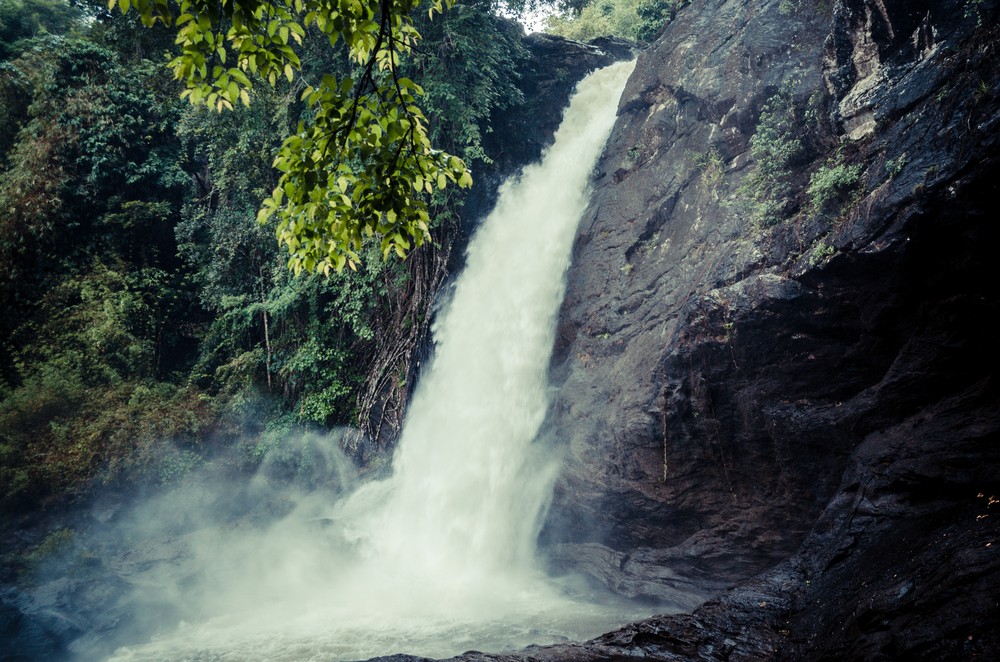
Nestled in the lush green forests of Wayanad, Kerala, Soochipara Waterfalls stands as one of nature's most spectacular creations. For travelers exploring Kerala's diverse attractions, this waterfall is an essential destination. This magnificent three-tiered waterfall, also known as Sentinel Rock Waterfalls, cascades down from a height of 200 feet, creating a mesmerizing spectacle that draws nature lovers and adventure enthusiasts from across the globe. The falls get their name from the Malayalam words 'soochi' (needle) and 'para' (rock), referring to the needle-shaped rock formation that serves as the backdrop to this stunning natural wonder.
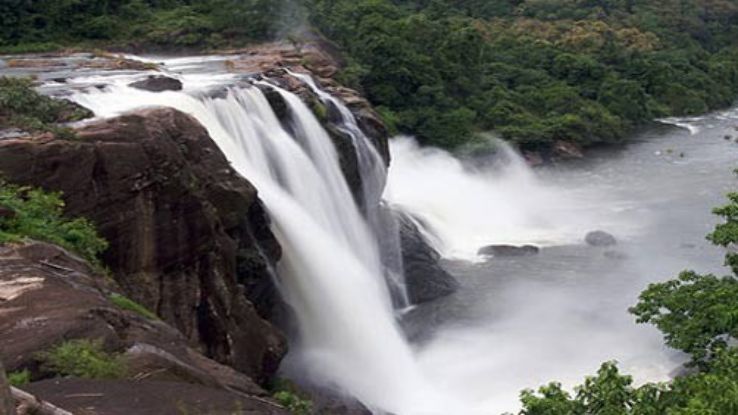
Located in the Vellarimala range of the Western Ghats, a UNESCO World Heritage Site, Soochipara Waterfalls offers much more than just visual delight. Adventure enthusiasts might also want to explore Athirappilly waterfalls in Kerala, known as the "Niagara of India". The journey to the falls is an adventure in itself, involving a scenic trek through dense forests, across rocky terrain, and alongside gurgling streams. Whether you're a trekking enthusiast, a photography buff, or simply someone seeking solace in nature's embrace, Soochipara promises an unforgettable experience that captures the essence of Kerala's pristine beauty.
About Soochipara Waterfalls
Soochipara Waterfalls is a natural marvel that exemplifies the ecological richness of the Western Ghats. The waterfall drops in three distinct tiers, each creating a natural pool that adds to the scenic beauty of the location. The surrounding evergreen forests are home to diverse flora and fauna, making this region a biodiversity hotspot that conservationists fiercely protect.
Geography and Formation
The waterfall is fed by the Soochipara River, which originates in the higher reaches of the Western Ghats. As the river flows down the rocky terrain, it creates the three-tiered cascade that has become iconic in Wayanad's tourism landscape. The rock formations around the falls are primarily granite, shaped over millions of years by the relentless force of flowing water. The name 'Sentinel Rock' comes from the towering needle-like rock that stands guard over the falls, creating a dramatic backdrop that enhances the visual appeal.
Ecological Significance
The region surrounding Soochipara Waterfalls is part of the Western Ghats biodiversity hotspot. The forests here are home to numerous endemic species of plants, birds, and animals. Visitors often spot various species of butterflies, rare orchids, and if lucky, even the occasional wildlife sighting. The forest department has implemented strict conservation measures to protect this fragile ecosystem, and visitors are expected to follow eco-friendly practices during their visit.
The Natural Pool
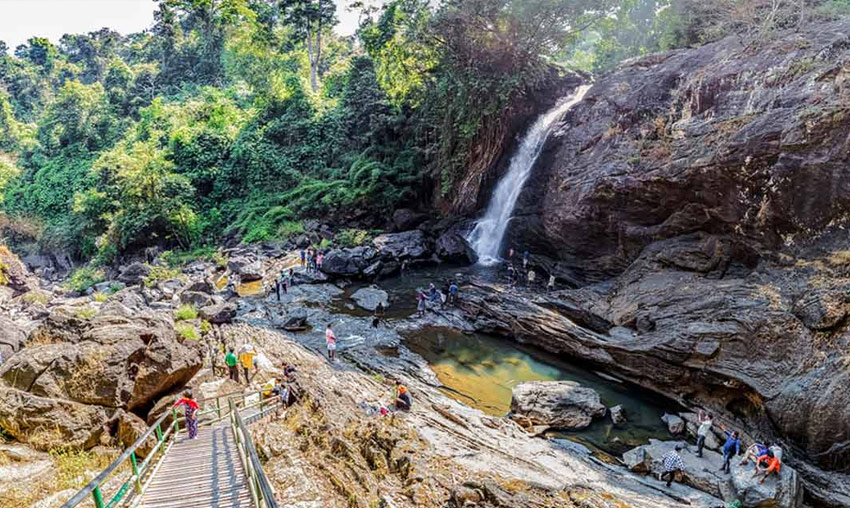
One of the most attractive features of Soochipara Waterfalls is the natural pool formed at the base of the falls. The crystal-clear water, collected in this rocky basin, offers a refreshing respite to trekkers who make the journey down. During the permissible season, visitors can take a dip in this pool, though safety guidelines must be strictly followed. The pool depth varies depending on the season, and lifeguards are present during peak tourist seasons to ensure visitor safety.
The Trek Experience
The trek to Soochipara Waterfalls is an integral part of the overall experience, transforming a simple waterfall visit into an adventure activity. The 1-kilometer trek from the entrance to the base of the falls takes visitors through some of the most scenic terrain in Wayanad.
Trek Details
Distance: The trek covers approximately 1 kilometer from the main entrance to the base of the waterfalls. While this might seem short, the terrain makes it a moderate trek that requires a reasonable level of fitness.
Duration: Most visitors complete the trek in 30-45 minutes one way. However, if you're a photography enthusiast or simply want to soak in the natural beauty, budget for 1-1.5 hours each way.
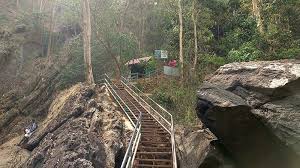
Difficulty Level: The trek is rated as easy to moderate. The path is well-defined with steps built into the rocky sections, making it accessible to most people, including children and elderly visitors (though they should take it slow).
What to Expect on the Trek
The trek begins at the forest department checkpoint where you purchase your entry tickets. From here, the path descends gradually through dense forest cover. The initial section is relatively gentle, with a well-defined walking path. As you progress, the terrain becomes rockier, and you'll encounter a series of steps carved into the natural rock formation.
The forest canopy provides welcome shade, making the trek pleasant even on sunny days. Along the way, you'll cross small streams and see numerous smaller waterfalls, especially during the monsoon season. The sound of the main waterfall grows louder as you approach, building anticipation for the spectacular view that awaits.
Tip: Wear sturdy footwear with good grip. The rocks can be slippery, especially near the waterfall where mist and spray keep the surfaces wet. Avoid wearing flip-flops or sandals that don't provide secure footing.
Safety Guidelines
While the trek is generally safe, visitors should follow some basic safety guidelines. Stay on the designated path and avoid venturing into the forest. The terrain can be slippery, so watch your step, especially on the rocky sections. If you're visiting during the monsoon, exercise extra caution as the rocks become extremely slippery. Carry a walking stick if you need additional support, and don't hesitate to take breaks if you feel tired.
Best Time to Visit Soochipara Waterfalls
Timing your visit to Soochipara Waterfalls can significantly impact your experience. The waterfall and the surrounding forest undergo dramatic transformations through the seasons, each offering a unique experience.
Monsoon Season (June to October)
The monsoon season is when Soochipara is at its majestic best. Heavy rainfall ensures that the waterfall is in full flow, creating a thunderous spectacle that can be heard from a distance. The surrounding forest transforms into a lush green paradise, with every shade of green imaginable. However, this is also when the risk is highest. The forest department often restricts access to the base during heavy rainfall days due to safety concerns. If you visit during the monsoon, check the weather forecast and local conditions before planning your visit.
Post-Monsoon (November)
November offers the perfect balance between water flow and safety. The waterfall continues to flow strongly from the monsoon rains, but the weather has improved, making the trek safer and more enjoyable. The forest is still lush and green, and the weather is pleasant. This is arguably the best time to visit if you want to see the waterfall at its full glory while maintaining reasonable safety conditions.
Winter Season (December to February)
Winter brings pleasant weather conditions ideal for trekking. The temperatures are comfortable during the day, making the climb to the waterfall enjoyable. However, water flow reduces significantly during these months, and the waterfall might not be as spectacular as it is during the monsoon. The pool at the base might have lower water levels, affecting the swimming experience. That said, the clear winter skies offer excellent photography opportunities, and the reduced mist makes it easier to get clear shots of the falls.
Summer Season (March to May)
Summer is the least recommended time to visit Soochipara. Water flow is at its lowest, and the waterfall can reduce to a trickle. The forest looks dry, and the weather can be hot and humid, making the trek uncomfortable. However, if you visit during early summer (March), you might still find reasonable water flow, and the reduced crowd levels can make for a peaceful experience.
Best Time of Day
Regardless of the season, the best time to reach the waterfall is in the morning, ideally between 9 AM and 11 AM. The morning light is perfect for photography, and you'll beat the crowds that typically arrive later in the day. If you're not an early riser, late afternoon (3 PM to 5 PM) is another good time, though you might encounter more visitors.
How to Reach Soochipara Waterfalls
Reaching Soochipara Waterfalls requires some planning, but the journey is part of the adventure. The waterfall is located in a relatively remote area, and public transport options are limited.
By Air
The nearest airport to Soochipara Waterfalls is Calicut International Airport (Kozhikode), located approximately 100 kilometers away. From the airport, you can hire a taxi or take a bus to Wayanad. The drive takes around 3-4 hours, depending on road conditions and traffic. Another option is Kannur International Airport, which is about 120 kilometers from Wayanad.
By Rail
The nearest major railway station is Kozhikode (Calicut), located about 85 kilometers from Wayanad. Regular trains connect Kozhikode to major cities like Bangalore, Chennai, and Mumbai. From the railway station, you can hire a taxi or take a Kerala State Road Transport Corporation (KSRTC) bus to Kalpetta, the headquarters of Wayanad district.
By Road
Wayanad is well-connected by road to major cities in Kerala and neighboring states. From Kalpetta, the headquarters of Wayanad district, Soochipara Waterfalls is approximately 22 kilometers away. If you're planning to explore more of Wayanad's attractions, the district offers numerous other natural wonders. The drive takes about 45 minutes to 1 hour. The route passes through scenic landscapes, including tea plantations, forests, and small villages, making the journey enjoyable.
Route from Kalpetta: Take the Meppadi Road from Kalpetta. Once you reach Meppadi, follow the signs to Soochipara Waterfalls. The last few kilometers are on a narrow road that winds through the forest, so drive carefully.
From Sulthan Bathery: The distance from Sulthan Bathery to Soochipara is approximately 25 kilometers. The drive takes about an hour. This route also offers scenic views of the Wayanad landscape.
Local Transportation
Once you reach Wayanad, you have several options to reach Soochipara Waterfalls:
- Private Taxi: The most convenient option. Taxis can be hired in Kalpetta, Sulthan Bathery, or your hotel. Rates vary depending on the distance and the type of vehicle.
- Rental Car/Scooter: If you're comfortable driving on mountain roads, renting a car or scooter gives you flexibility. Several agencies in Wayanad offer rental services.
- Bus: KSRTC operates buses to Meppadi from Kalpetta and Sulthan Bathery. From Meppadi, you'll need to hire a jeep or taxi to cover the remaining distance to Soochipara.
Parking
Parking is available at the entrance of the trek trail. The forest department charges a nominal parking fee for two-wheelers and four-wheelers. The parking area is not huge, so during peak season (weekends and holidays), arrive early to secure a spot.
Nearby Attractions
Wayanad is blessed with numerous natural and cultural attractions, many of which are located near Soochipara Waterfalls. Combining your visit with these nearby attractions can make for a fulfilling day of exploration.
Edakkal Caves (12 km)
Located just 12 kilometers from Soochipara, Edakkal Caves are a fascinating archaeological site featuring prehistoric petroglyphs (rock carvings) believed to date back to the Neolithic era. The caves are located at a height of 1,200 meters on Ambukuthi Mountain and require a short trek to reach. The carvings offer insights into human civilization from over 3,000 years ago and are a must-visit for history enthusiasts.
Kanthanpara Waterfalls (10 km)
Another beautiful waterfall in the region, Kanthanpara is smaller than Soochipara but equally charming. The falls are easily accessible, requiring minimal walking, making them suitable for those who find the Soochipara trek too challenging. The cascading waterfall creates a natural pool that's perfect for a quick dip.
Chembra Peak (8 km)
For adventure seekers, Chembra Peak offers a challenging trek to the highest point in Wayanad (2,100 meters). The highlight of the trek is the heart-shaped lake that you pass along the way – a perfect spot for a romantic photograph. Permission from the forest department is required to trek to Chembra Peak, and it's advisable to start early in the morning to complete the trek before dark.
Pookote Lake (18 km)
A natural freshwater lake surrounded by forests and hills, Pookote Lake is a popular tourist spot in Wayanad. Boating facilities are available, and there's a children's park and a freshwater aquarium nearby. The serene environment makes it an ideal place to relax after your trek to Soochipara.
Wayanad Wildlife Sanctuary (15 km)
Spread over 344 square kilometers, the Wayanad Wildlife Sanctuary is home to diverse wildlife, including elephants, tigers, leopards, and various species of deer. Jeep safaris are available, offering a chance to spot wildlife in their natural habitat. The sanctuary is divided into two parts – Muthanga and Tholpetty – both of which offer unique wildlife viewing experiences.
Banasura Sagar Dam (25 km)
The largest earthen dam in India and the second largest in Asia, Banasura Sagar Dam is a marvel of engineering. The reservoir created by the dam offers stunning views, and speed boating is available here. The islands formed in the reservoir can be explored, and the surrounding hills provide excellent trekking opportunities.
Photography Tips
Soochipara Waterfalls offers incredible photography opportunities, and with the right techniques and equipment, you can capture stunning images that do justice to this natural wonder.
Best Equipment
A wide-angle lens is ideal for capturing the full expanse of the waterfall, especially if you want to include the surrounding forest in your frame. A telephoto lens (70-200mm) allows you to capture details of the cascading water from different vantage points. If you're interested in long-exposure shots that create that silky smooth water effect, a tripod is essential. Don't forget to carry a microfiber cloth to keep your lens dry – the mist from the waterfall can quickly fog up your equipment.
Camera Settings
For sharp, crisp shots of the waterfall, use a fast shutter speed (1/500 or higher) to freeze the motion of the water. If you want that dreamy, silky water effect, use a slow shutter speed (1/4 to 2 seconds) with a tripod. A low ISO (100-200) will give you the best image quality. Use a small aperture (f/8-f/16) to keep everything in focus, or a wide aperture (f/2.8-f/4) if you want to blur the background and focus on a specific element.
Composition Tips
Experiment with different angles and perspectives. Don't just shoot from the main viewing point – look for interesting foreground elements like rocks, trees, or foliage to add depth to your images. Including people in your frame can help convey the scale of the waterfall. Shoot both horizontal (landscape) and vertical (portrait) orientations to give yourself variety during post-processing.
Best Lighting Conditions
Early morning and late afternoon provide the most flattering light for waterfall photography. The soft, diffused light prevents harsh shadows and overexposed highlights. Overcast days can actually be great for waterfall photography as the clouds act as a natural diffuser, creating even lighting. Avoid mid-day shooting when the sun is directly overhead, as this creates strong contrast that's difficult to manage.
Safety for Equipment
The waterfall environment can be harsh on camera equipment. The mist and spray can damage your gear if you're not careful. Use a rain cover or carry a plastic bag to protect your camera. Avoid changing lenses near the waterfall – water droplets can get inside your sensor. When you're done shooting, wipe down your equipment thoroughly and let it dry completely before packing it away.
Soochipara Waterfalls is more than just a tourist attraction – it's a testament to nature's grandeur and a reminder of the importance of conservation. Whether you're trekking down the rocky path, taking a refreshing dip in the natural pool, or simply soaking in the breathtaking view, the experience stays with you long after you've left. The combination of adventure, natural beauty, and ecological significance makes Soochipara a must-visit destination for anyone traveling to God's Own Country. Plan your visit during the right season, follow safety guidelines, and prepare for an experience that will leave you with memories to cherish forever.
Location
Frequently Asked Questions
Q1.Where is Soochipara Waterfalls located?
Q2.What is the entry fee for Soochipara Falls?
Q3.What are Soochipara Falls timings?
Q4.Is the trek to Soochipara difficult?
Q5.How long does it take to reach Soochipara Falls?
Q6.Can we swim in Soochipara Waterfalls?
Q7.How to reach Soochipara Waterfalls from Kalpetta?
Q8.Is parking available at Soochipara Falls?
Recommended For You
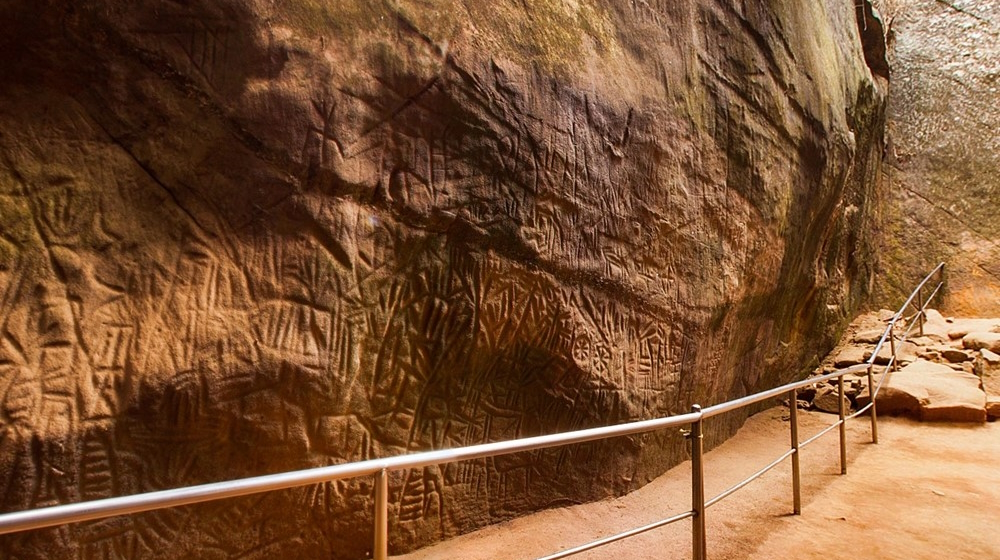
Edakkal Caves Wayanad: Complete Guide to 6000-Year-Old Petroglyphs
Discover Edakkal Caves in Wayanad, home to 6,000-year-old Neolithic petroglyphs. Our complete guide covers trekking, timings, entry fees, history, and practical tips for exploring these remarkable ancient rock shelters with South India's finest prehistoric carvings.
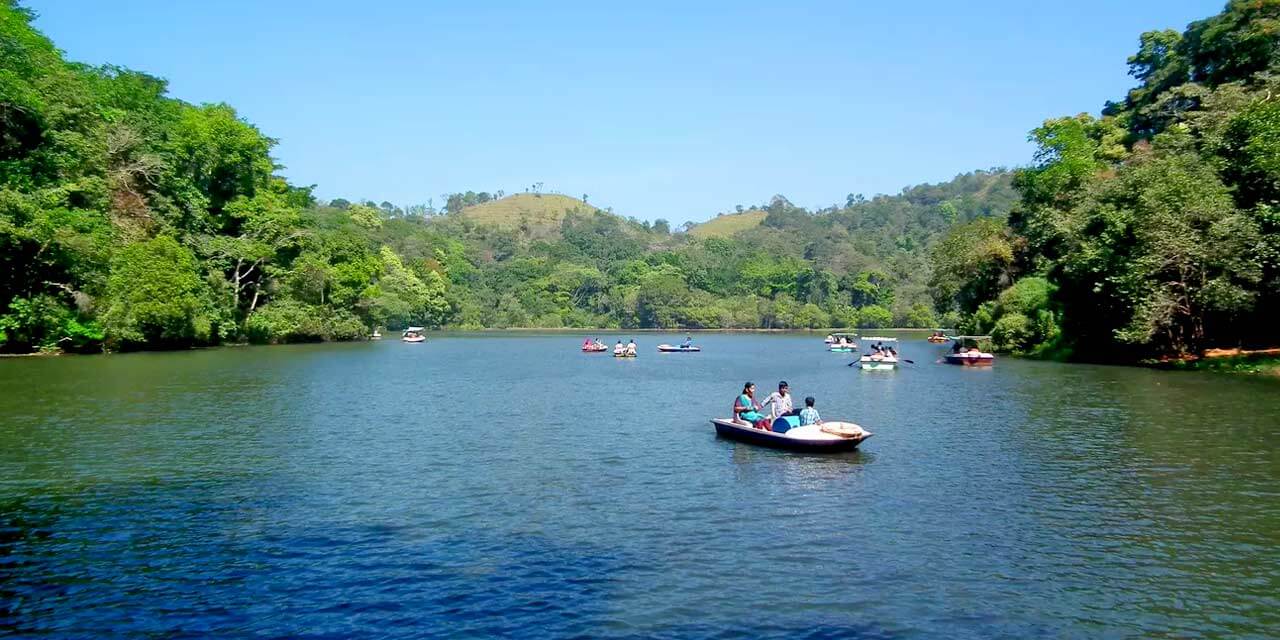
Pookode Lake Wayanad: Boating Fees, Timings & Nearby Attractions
Complete Pookode Lake guide with boating info, timings, ticket details, nearby attractions, and best season to visit this scenic Wayanad lake.
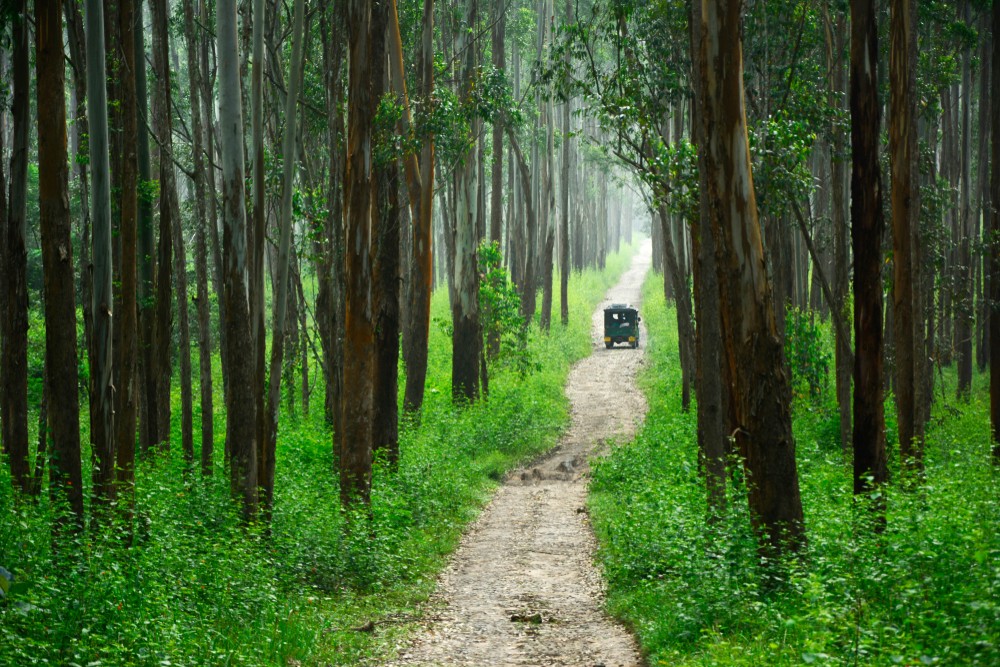
Wayanad Wildlife Sanctuary: Safari Timings, Zones & Travel Tips
Complete travel guide to Wayanad Wildlife Sanctuary Kerala - safari booking, timings, best time to visit, wildlife, and accommodation.
Never Miss an Adventure
Get the latest trekking guides, travel tips, and exclusive offers delivered straight to your inbox.
