
National Parks in Kerala: Wildlife Zones, Safari Types & Travel Tips

Priya Mehta
February 18, 2026
Explore Kerala's national parks with this complete wildlife travel guide featuring Eravikulam, Periyar, Silent Valley, and more with practical planning tips.
Introduction
Kerala's national parks offer a unique blend of tropical biodiversity, lush evergreen forests, and endangered species habitats that make them must-visit destinations for wildlife enthusiasts and nature lovers. From the iconic Nilgiri Tahr in Eravikulam to the tiger territories of Periyar, Kerala's protected areas represent some of South India's most precious ecological treasures. This comprehensive guide covers everything you need to know about exploring national parks in Kerala responsibly.
Kerala's network of national parks and wildlife sanctuaries plays a crucial role in conserving the Western Ghats biodiversity hotspot, a UNESCO World Heritage Site. These protected areas harbor diverse ecosystems ranging from shola grasslands to tropical rainforests, supporting species found nowhere else on Earth. Whether you're a serious wildlife photographer, a birding enthusiast, or simply seeking immersion in pristine nature, Kerala's national parks deliver unforgettable experiences.
Why Kerala's National Parks Are Special
The national parks in Kerala stand apart for their incredible biodiversity density and unique evolutionary history. Located within the Western Ghats, one of the world's eight biodiversity hotspots, these parks protect numerous endemic species - creatures that exist only in this region. The parks also safeguard critical watersheds that feed Kerala's rivers, making them ecologically vital beyond just wildlife conservation.
What makes Kerala's national parks particularly compelling is their accessibility combined with authentic wilderness experiences. Unlike some protected areas that require expedition-level planning, many of Kerala's parks can be visited with reasonable logistics while still offering genuine opportunities to encounter wildlife in natural settings. The presence of responsible tourism initiatives ensures that your visit supports conservation efforts while minimizing impact on sensitive habitats.
| National Park | Key Attraction | Best For |
|---|---|---|
| Eravikulam National Park | Nilgiri Tahr | Endangered species viewing |
| Periyar Tiger Reserve | Tigers & Elephants | Large mammal sightings |
| Silent Valley National Park | Untouched rainforest | Pristine wilderness experience |
| Mathikettan Shola | Shola forest ecosystem | Unique high-altitude forests |
| Anamudi Shola | Elephant corridors | Conservation tourism |
Top National Parks in Kerala
Eravikulam National Park
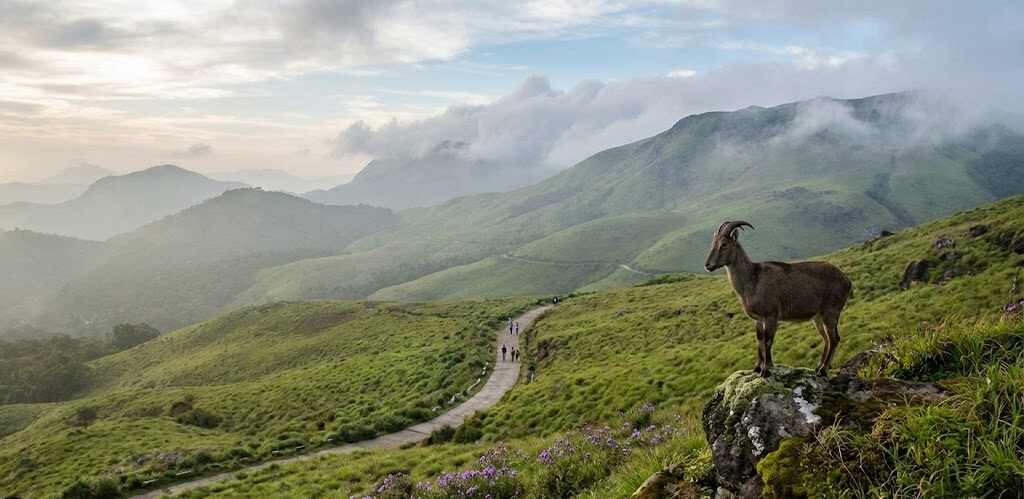
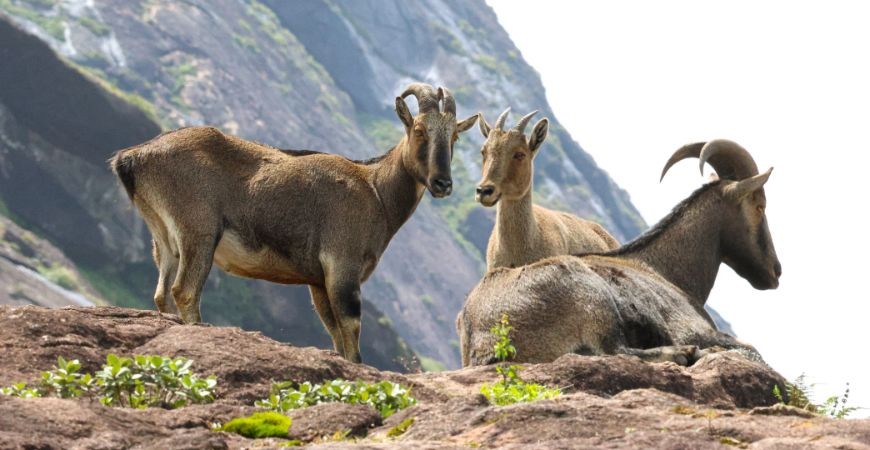
Eravikulam National Park, located in the Kannan Devan Hills of Munnar, is perhaps Kerala's most famous protected area, primarily established to safeguard the endangered Nilgiri Tahr. The park spans 97 square kilometers of rolling grasslands and shola forests, creating a stunning high-altitude ecosystem that supports this rare mountain ungulate. During the breeding season, you might witness the Tahrs in their natural habitat, often seen gracefully navigating the rocky terrain.
The park's centerpiece is Anamudi Peak, South India's highest mountain at 2,695 meters, which falls within the protected boundaries. While trekking to the summit requires special permits, the park offers well-managed tourism zones where visitors can observe Tahrs and experience the unique shola-grassland ecosystem. The Rajamalai tourism zone provides guided tours with naturalists who share insights about the park's ecology and conservation efforts.
Best time to visit Eravikulam is from September to February when the weather is pleasant and wildlife sightings are more frequent. The park remains closed during the calving months of February to March to protect the Tahrs during this sensitive period. Combine your Eravikulam visit with explorations of Munnar's tea plantations for a complete hill station experience.
Periyar Tiger Reserve
While officially a tiger reserve, Periyar functions as one of Kerala's premier national park experiences, centered around the picturesque Periyar Lake. This 925 square kilometer protected area in Thekkady is renowned for its diverse wildlife population and innovative ecotourism initiatives. The lake cruises offer unique opportunities to spot wildlife coming to drink, including elephants, gaurs, and if you're fortunate, the elusive Bengal tiger.
What sets Periyar apart is its community-based conservation model. The famous Periyar Tiger Trail involves former poachers who now work as forest guides, sharing their deep knowledge of the ecosystem while supporting sustainable livelihoods. Night walking safaris, bamboo rafting, and tribal heritage programs provide diverse ways to experience the park beyond conventional jeep safaris. The rich birdlife, including endemic species like the Nilgiri Wood Pigeon, makes Periyar a paradise for birdwatchers.
Periyar's accessibility from major Kerala destinations makes it a popular choice, but booking in advance is essential, especially for the lake cruises and special programs. The dry season from November to April typically offers better wildlife visibility around water sources.
Silent Valley National Park
Silent Valley National Park represents perhaps Kerala's most pristine wilderness experience - a 237 square kilometer stretch of undisturbed tropical rainforest in the Nilgiri Hills. The park's name derives from the absence of cicadas, creating an eerily quiet atmosphere that amplifies the sense of entering a primeval world. This isolation has preserved Silent Valley as one of the last representatives of South India's original evergreen forests.
The park's conservation history is remarkable - it was saved from a proposed hydroelectric project in the 1980s thanks to one of India's first successful environmental campaigns. Today, Silent Valley protects exceptional biodiversity, including the lion-tailed macaque, endangered orchids, and countless species yet to be documented by science. Visitor numbers are strictly limited, and access requires careful planning through the forest department, but the reward is an authentic wilderness experience virtually untouched by human intervention.
Access to Silent Valley is via Mukkali, the base camp where you'll need to arrange permits and mandatory guides. The park is best visited from December to April when trails are more accessible. This is strictly for experienced trekkers and those committed to minimal-impact tourism practices.
Mathikettan Shola National Park
Mathikettan Shola National Park, established in 2003, protects a vital shola forest ecosystem in the Idukki district. The park's name translates to "the forest that confuses," referring to how easily one could get lost in its dense vegetation. Covering just 12.8 square kilometers, this compact park plays an oversized role in conserving the unique shola-grassland ecosystem of the Western Ghats.
The park serves as an important elephant corridor connecting larger forest tracts, making it ecologically significant beyond its modest size. The shola forests - stunted evergreen trees found in high-altitude pockets - are highly specialized ecosystems that host numerous endemic species. Mathikettan's relative obscurity means fewer crowds and more intimate wildlife encounters, though infrastructure is basic compared to more popular parks.
Mathikettan is best explored as part of a broader Idukki highlands itinerary. The weather can be unpredictable, with mist and sudden rains common, so come prepared for variable conditions. The park offers excellent opportunities for shola forest education and understanding the Western Ghats' unique ecology.
Anamudi Shola National Park
Anamudi Shola National Park, comprising Mannavan Shola, Idivara Shola, and Pullardi Shola, protects crucial shola forest patches adjacent to Eravikulam. Established in 2003, this 7.5 square kilometer park represents an important conservation initiative to preserve the shola-grassland mosaic that characterizes the high-altitude Western Ghats.
The park's location near Eravikulam makes it ecologically significant as part of the larger habitat complex that supports the Nilgiri Tahr and other endemic species. The pristine shola forests harbor rich biodiversity, including rare flora and fauna adapted to these unique high-elevation conditions. The cool, misty environment and ancient trees create an atmospheric setting that feels worlds away from the Kerala coast.
Visiting Anamudi Shola requires coordination with the forest department, as access is regulated to protect the fragile ecosystem. The park is best suited for those with a genuine interest in forest ecology and conservation, rather than casual sightseeing. Combine with Eravikulam visits for a comprehensive understanding of the Western Ghats high-altitude ecosystems.
Best Time to Visit Kerala National Parks
Timing your visit to Kerala's national parks requires understanding the region's complex weather patterns and wildlife behavior. The Western Ghats experience two monsoons - the southwest monsoon from June to September and the northeast monsoon from October to December - which significantly affect accessibility and wildlife sightings.
The post-monsoon period from January to March generally offers the best wildlife viewing conditions. Animals congregate around water sources as streams begin to dry, and the reduced foliage density improves visibility. The weather is pleasantly cool in the high-altitude parks, though mornings can be chilly. This is also the peak tourist season, so advance bookings are essential.
The summer months from April to May can be rewarding for serious wildlife enthusiasts, as animals frequently visit waterholes and forest cover is reduced. However, temperatures can be high, and humidity intense. The monsoon season from June to December transforms the forests into lush green paradises but makes wildlife spotting challenging and often limits access to certain areas. Some parks close during heavy monsoon periods for safety and to allow wildlife minimal disturbance during breeding seasons.
Wildlife You Can Encounter
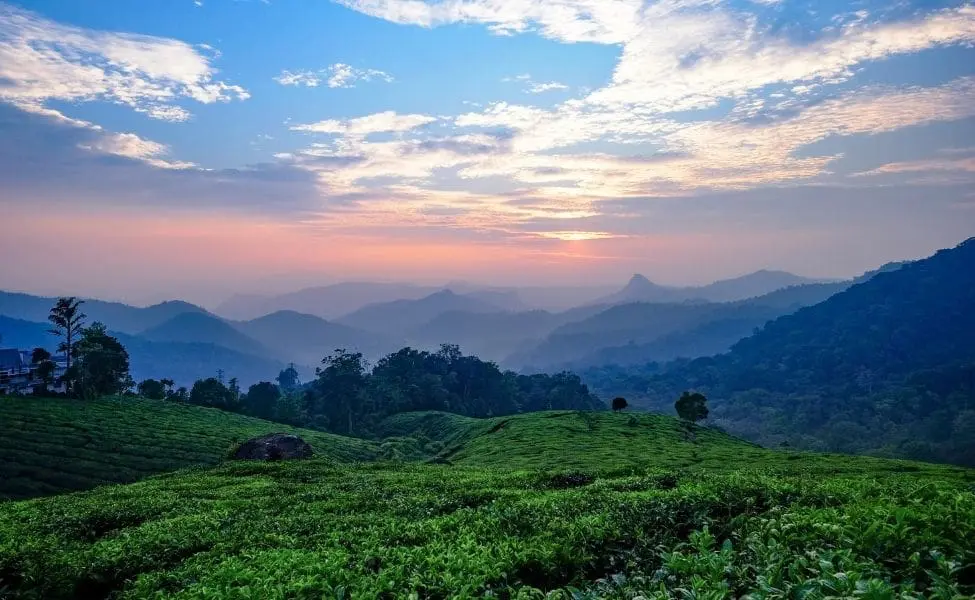
Kerala's national parks protect an astonishing diversity of wildlife, including numerous endemic and endangered species. The flagship species is undoubtedly the Nilgiri Tahr, a mountain ungulate found only in the southern Western Ghats. Eravikulam National Park harbors the largest viable population, with approximately 700-800 individuals. Seeing these sure-footed creatures navigate precipitous slopes is a highlight of any visit.
The parks are also home to significant populations of Asian elephants, often seen in Periyar and the adjacent Wayanad Wildlife Sanctuary. Though tiger sightings are rare due to the dense vegetation, Periyar maintains a healthy tiger population, and visitors occasionally glimpse these magnificent predators. Other notable mammals include the lion-tailed macaque (Silent Valley's flagship primate), leopards, sloth bears, wild dogs (dhole), and various deer species including sambar and spotted deer.
For birdwatchers, Kerala's national parks offer exceptional opportunities, with over 300 species recorded across various protected areas. Endemic birds such as the Nilgiri Wood Pigeon, White-bellied Shortwing, and Wayanad Laughingthrush are particular prizes. The parks also protect critical populations of the Great Hornbill, Malabar Grey Hornbill, and numerous raptors. Reptiles including the King Cobra and numerous endemic snakes inhabit these forests, along with amphibians that represent some of the Western Ghats' most extraordinary evolutionary treasures.
Responsible Wildlife Tourism
Visiting Kerala's national parks carries an obligation to practice responsible tourism that prioritizes conservation and minimal impact. The Kerala Forest Department has implemented progressive ecotourism policies that limit visitor numbers, mandate guided experiences, and channel tourism revenue directly into conservation and local community development. As a visitor, your behavior choices significantly impact the sustainability of these initiatives.
Core principles include maintaining strict silence during wildlife encounters, never feeding or approaching animals, following designated trails without deviation, and refraining from using flash photography. Many parks have specific dress codes (typically muted colors) to minimize wildlife disturbance. Respect local customs and seek permission before photographing tribal communities or their properties. Remove all waste and leave no trace of your presence - these are pristine ecosystems that cannot withstand pollution or careless behavior.
Choose authorized guides and official tour operators rather than unauthorized alternatives that may compromise conservation standards. Consider visiting during shoulder seasons to reduce pressure on popular parks, and support community-based tourism initiatives that directly benefit local people. Remember that wildlife sightings are never guaranteed - the privilege is experiencing these forests in their authentic state, regardless of what animals you happen to encounter.
Practical Travel Tips
Successful wildlife tourism in Kerala requires careful preparation and realistic expectations. Book accommodations and safaris well in advance, especially for popular parks like Eravikulam and Periyar during peak season (December-March). Many parks have online booking systems, and some experiences like the Periyar lake cruises sell out weeks ahead. Carry light woolens for high-altitude parks where temperatures can drop significantly, even in summer.
Binoculars and cameras with good zoom lenses dramatically enhance your experience, but remember that wildlife photography ethics prioritize animal welfare over getting the perfect shot. Wear comfortable walking shoes with good grip, as forest trails can be slippery and uneven. Carry sufficient water, basic first aid, and any personal medications. Forest department facilities are basic in most parks, so come prepared with essentials.
Most parks have specific visiting hours, typically morning and afternoon slots with closure during the hottest midday period. Arrive early - wildlife is most active in the morning hours, and you'll avoid crowds. Be patient and prepared to spend hours in silence waiting for wildlife. Understand that weather can change rapidly in the mountains, and park access may be restricted during heavy rain or landslides. Keep flexible itineraries and buffer days for weather disruptions.
Combining National Parks with Kerala Attractions
One of Kerala's greatest strengths is how seamlessly wildlife experiences integrate with other travel highlights. A typical itinerary might combine Munnar's tea gardens with Eravikulam National Park, or pair Thekkady's Periyar experiences with Kumarakom's backwaters. The hill stations of Kerala provide perfect base camps for high-altitude park explorations, with comfortable accommodations and stunning scenery.
Consider creating circuits that combine multiple parks with different ecosystems - perhaps Eravikulam's high-altitude grasslands followed by Periyar's moist deciduous forests, then concluding with coastal experiences in Kovalam or Alleppey. Each park represents a different facet of the Western Ghats' extraordinary biodiversity, and experiencing multiple protected areas provides deeper insight into this globally significant region.
Many parks are located near spice plantations, tribal villages, and cultural sites that enrich the overall experience. Engage with these complementary attractions to understand how conservation interfaces with local livelihoods and cultural traditions. The tea plantations around Munnar, the spice farms near Thekkady, and the spice gardens of Wayanad all offer fascinating windows into the human-nature relationships that shape Kerala's unique landscape.
Conclusion
Kerala's national parks represent some of South India's most precious natural heritage, offering opportunities to witness extraordinary biodiversity while supporting vital conservation efforts. From the iconic Nilgiri Tahr of Eravikulam to the pristine rainforests of Silent Valley, these protected areas provide glimpses into ecosystems that have evolved over millions of years in the Western Ghats' unique conditions.
By visiting responsibly, you contribute directly to the preservation of these forests and the communities that depend on them. The memories of mist-shrouded hills, distant calls of exotic birds, and the privilege of sharing space with wild creatures in their natural habitat will remain long after your Kerala journey concludes. Whether you're a dedicated wildlife enthusiast or simply seeking connection with pristine nature, Kerala's national parks deliver experiences that transform how you understand the natural world.
Location
Frequently Asked Questions
Q1.How many national parks are there in Kerala?
Q2.Which is the best national park to visit in Kerala?
Q3.What is the best time to visit Kerala national parks?
Q4.Can we see tigers in Kerala national parks?
Q5.What wildlife can we see in Eravikulam National Park?
Q6.Do we need permits for Kerala national parks?
Q7.Is Silent Valley National Park open to tourists?
Q8.How many days are needed for Kerala wildlife tour?
Q9.Are Kerala national parks family-friendly?
Q10.What should we carry for Kerala national parks visit?
Q11.Can we do safari in Kerala national parks?
Q12.Is photography allowed in Kerala national parks?
Q13.Which national park in Kerala has Nilgiri Tahr?
Q14.What is the entry fee for Kerala national parks?
Q15.Are there accommodations inside Kerala national parks?
Q16.Can we combine Kerala national parks with other attractions?
Q17.Is it safe to visit Kerala national parks?
Q18.What makes Kerala national parks unique?
Q19.Can we visit Kerala national parks during monsoon?
Q20.Are guides mandatory in Kerala national parks?
Recommended For You
Top 10 Hill Stations in Kerala: Misty Escapes
Explore the best hill stations in Kerala. Munnar, Wayanad, Vagamon & more. Perfect for honeymooners and nature lovers. Plan your misty mountain getaway.
Best Places to Visit Kerala: 20 Must-See Destinations
Explore the best places to visit in Kerala. From Munnar's tea gardens and Alleppey backwaters to Kochi's culture and Thekkady's wildlife. Complete Kerala travel guide.
Munnar: Complete Travel Plan Places And Weather
Complete Munnar travel guide. Best time to visit, top attractions, tea garden tours, adventure activities, accommodation, costs, and practical tips for Kerala's famous hill station.
Never Miss an Adventure
Get the latest trekking guides, travel tips, and exclusive offers delivered straight to your inbox.
