
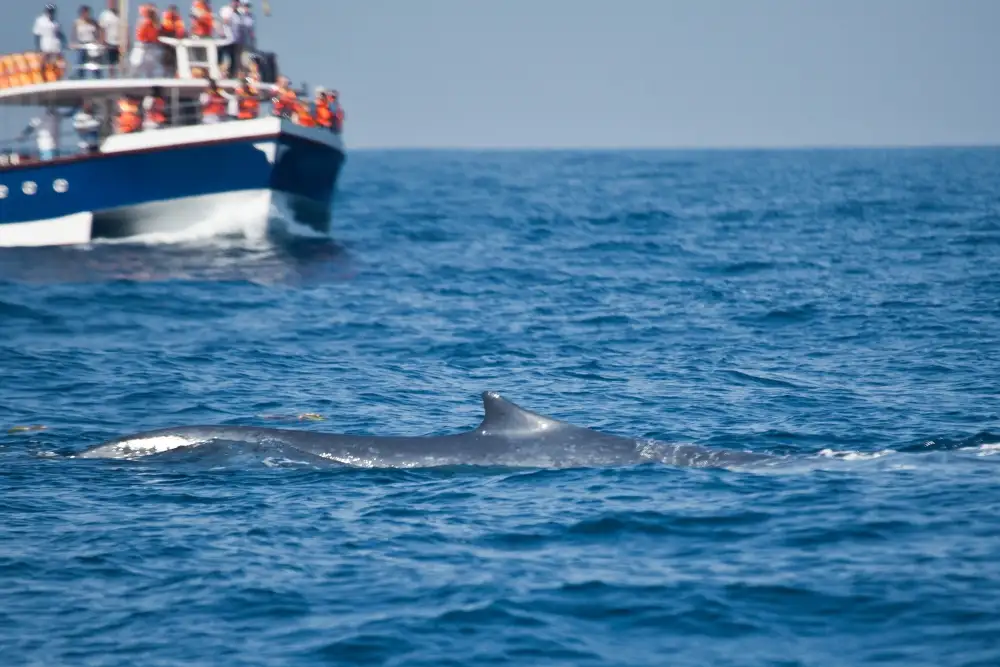
Whale Watching Sri Lanka: Mirissa, Trincomalee & Tips
Rohit Verma
November 24, 2025
Plan whale watching in Sri Lanka with coast-wise seasons, species expectations, tour prices, booking checks, and responsible marine travel tips.
Introduction: Why Sri Lanka Is a Global Whale Watching Hotspot
Whale watching Sri Lanka is among the most searched marine experiences in South Asia for one key reason: deep ocean waters are relatively close to the coast in specific zones, which improves the chances of sightings during the right season. Travelers can see large species, including blue whales, without taking multi-day expedition cruises. This has made Sri Lanka a popular destination for first-time whale watchers, wildlife photographers, and families looking for a guided ocean experience.
The two most important hubs are Mirissa on the south coast and Trincomalee on the east coast. The best location depends on season, sea conditions, and your broader itinerary. Kalpitiya is also relevant, especially for dolphin-heavy trips and mixed marine tours. In this guide, you will get practical route decisions, species expectations, booking advice, budget ranges, and responsible tourism practices so your trip is memorable and ethical.
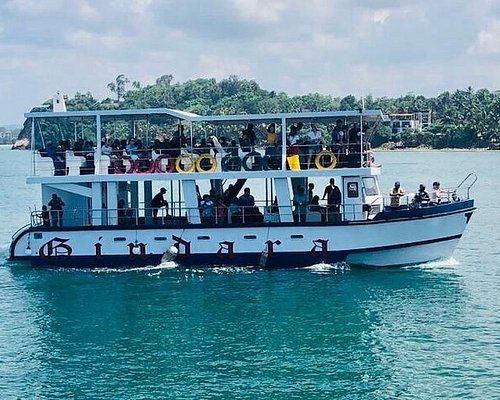
About Whale Watching in Sri Lanka
Sri Lanka's marine geography supports seasonal movement of large cetaceans close enough to shore for day tours. Sightings are never guaranteed in wildlife travel, but success rates in peak windows can be strong with experienced operators and stable sea conditions.
Why the destination works well:
- Established whale-tour infrastructure in major coastal hubs.
- Seasonal coast switching between south and east improves annual opportunities.
- Combination of whale and dolphin sightings in many routes.
- Wide range of tour formats from shared boats to private charters.
The quality of your experience, however, depends heavily on operator behavior. Responsible boat distance, controlled speed near animals, and passenger safety standards matter as much as location choice.
Top Location 1: Mirissa (South Coast)
Mirissa is the best known whale-watching base in Sri Lanka and remains the first choice for many travelers. It has the highest concentration of tour operators, easier booking options, and a large support ecosystem including hotels, cafes, and transport services.
Best season: broadly November to April, with stronger consistency in many years between December and March depending on sea state.
Tour pattern: Early-morning departures, usually before or around sunrise, with trips often lasting 3 to 6 hours depending on sightings and ocean conditions.
Why travelers prefer Mirissa:
- Large number of departures means better schedule flexibility.
- Good for first-timers because logistics are straightforward.
- Strong availability of combination island/coastal itineraries.
Important caution: Popularity can create crowding on peak dates. Choose operators with reputation for responsible viewing instead of simply picking the cheapest ticket.
Top Location 2: Trincomalee (East Coast)
Trincomalee is the east-coast counterpart to Mirissa and becomes the stronger option when eastern waters are calmer. It is often selected by travelers exploring Sri Lanka's east beaches and heritage circuits.
Best season: generally May to October, with monthly variation based on monsoon influence and current sea state.
Tour pattern: Morning departures, similar in duration to south-coast trips, though actual time can vary by species movement.
Why Trincomalee is worth considering:
- Useful seasonal alternative when south coast is rough.
- Can be paired with east-coast beach stays and cultural visits.
- Often feels less saturated than peak Mirissa windows.
For travelers building an east-side route, Trincomalee improves planning efficiency because you avoid long cross-island repositioning just for one marine activity.
Top Location 3: Kalpitiya (Northwest Focus)
Kalpitiya is more widely known for dolphin concentrations, but it can feature whale sightings in certain periods. It is a good option for marine enthusiasts who want a broader ocean-experience profile instead of whale-only expectations.
What to expect in Kalpitiya:
- Higher probability of dolphin-rich outings in many windows.
- Less commercial intensity compared to top hubs.
- Useful for travelers staying in northwest coastal plans.
If your primary goal is blue whale probability, Mirissa or Trincomalee seasonal fit is usually stronger. If your goal is mixed marine observation with lower crowd pressure, Kalpitiya can be attractive.
Whale and Dolphin Species You May See
Species presence depends on season, water conditions, and migration patterns. Commonly discussed species in Sri Lanka waters include:
Blue Whale
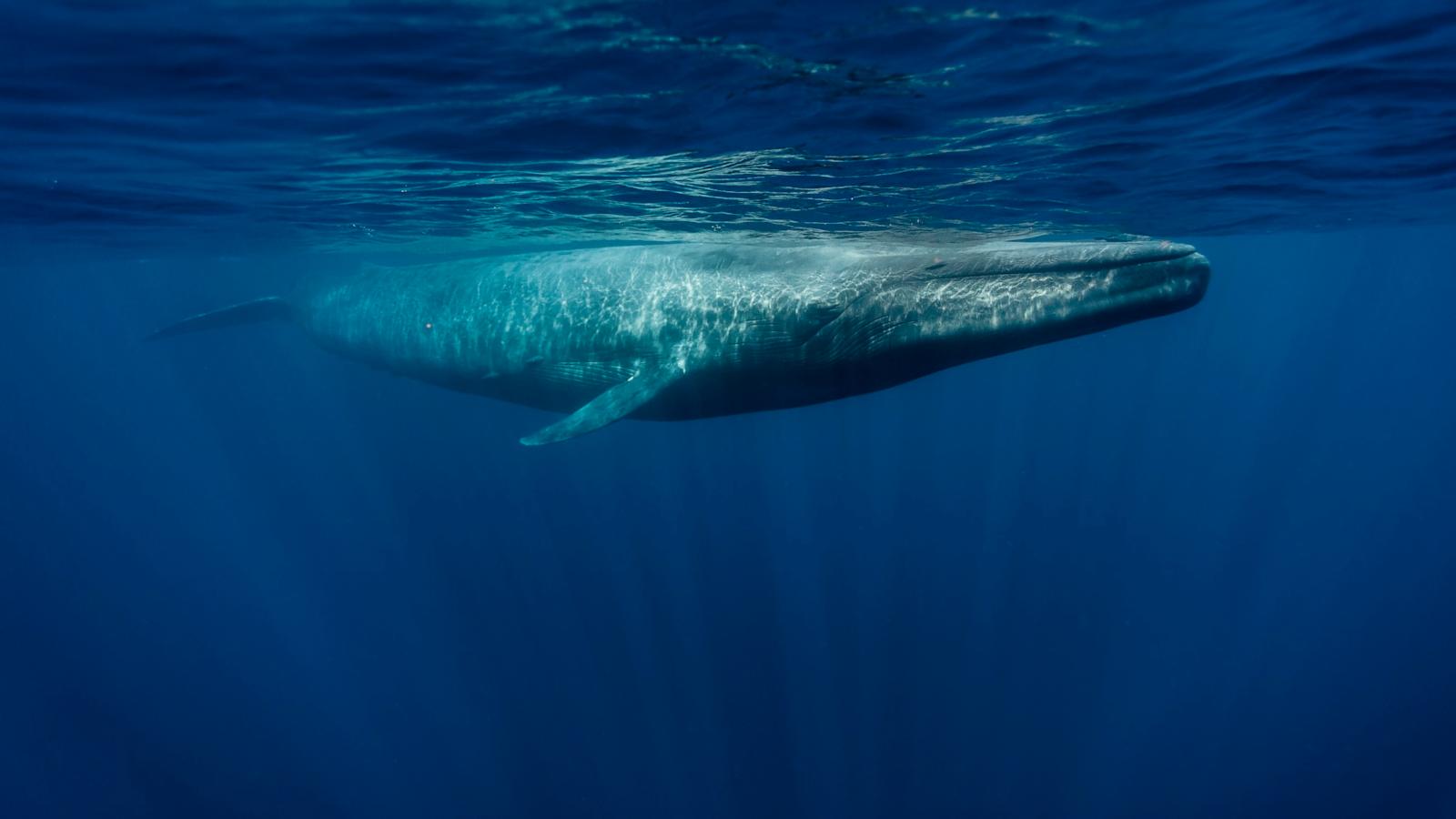
The star attraction for many visitors. Sri Lanka is one of the few places where blue whale sightings are regularly reported in commercial day-tour zones during suitable seasons.
Sperm Whale
Frequently mentioned in offshore sightings, especially on routes with deeper water movement. Not guaranteed, but possible in peak periods.
Bryde's Whale and Other Large Cetaceans
Reported occasionally depending on route and conditions. Sighting frequency varies significantly year to year.
Dolphin Species
Spinner dolphins are often highlighted in Sri Lanka marine tours, along with other dolphin types depending on region and season.
Always treat species checklists as possibility ranges, not promised outcomes.
Best Time for Whale Watching in Sri Lanka
| Region | Usual Strong Season | Planning Note |
|---|---|---|
| Mirissa (South) | Nov-Apr | Dec-Mar often preferred for steadier trips |
| Trincomalee (East) | May-Oct | Works well when east sea is calmer |
| Kalpitiya (NW) | Seasonal, dolphin-forward | Good mixed marine option |
Season shifts matter. Do not book only by destination popularity. Book by current coast condition and active whale-watching window.
If you are combining marine activities with beach stays, compare with Unawatuna Beach Sri Lanka and Hikkaduwa Beach Sri Lanka itinerary timing.
Tour Experience: What a Typical Day Looks Like
Most tours begin early because sea conditions are often better in the morning and wildlife activity windows are favorable.
- Early reporting: You check in before departure, complete briefing, and board assigned boat.
- Safety instruction: Life-jacket and onboard behavior guidance is provided.
- Offshore run: Boat moves to expected activity corridor based on daily tracking cues.
- Sighting phase: Crew scans for blows, fin activity, and movement patterns.
- Viewing window: Responsible operators keep a non-invasive distance and limited pursuit behavior.
- Return: Depending on sightings and sea state, boats return by late morning.
Common onboard variables include sea-sickness risk, sun exposure, and spray from waves. Preparation is essential for comfort.
Whale Watching Prices and Booking Strategy
Price ranges vary by season, operator type, boat size, and inclusion quality. Shared tours are usually the most accessible. Private charters cost more but offer schedule and space control.
Instead of trusting one headline number, compare these components:
- Boat category and passenger load.
- Safety equipment standards.
- Crew quality and naturalist support.
- Cancellation/refund policy for rough seas.
- Inclusions such as snacks, water, and transfer support.
Practical booking tips:
- Book 1-3 days in advance in normal periods; earlier in holiday peaks.
- Read recent reviews, not only old rating averages.
- Confirm departure time and exact reporting point in writing.
- Ask what happens if no whales are seen.
Responsible Whale Watching: Non-Negotiable Rules
Marine tourism can damage wildlife if operators chase, crowd, or corner animals. Choose companies that follow responsible behavior standards and reject thrill-chasing marketing.
Good responsible practices include:
- Maintaining controlled distance from whales and dolphins.
- Avoiding repeated aggressive circling around one pod.
- Reducing engine stress during close observation.
- Limiting passenger noise and movement.
- No littering or waste discharge into water.
As a traveler, your choices influence market behavior. Paying slightly more for responsible operators protects both wildlife and long-term tourism quality.
Sea Sickness and Safety Preparation
Even experienced travelers can feel motion sickness in open water. A few simple steps improve comfort:
- Use medically appropriate motion-sickness support before departure.
- Carry water, light snacks, and avoid heavy oily meals beforehand.
- Wear a hat, UV protection, and quick-dry layers.
- Secure phones and cameras in waterproof protection.
- Follow crew instructions immediately during rough patches.
Safety first. A shorter comfortable trip is better than forcing risky conditions for one extra sighting attempt.
Mirissa or Trincomalee: Quick Decision Framework
| If You Want | Better Pick | Why |
|---|---|---|
| Most established whale-tour ecosystem | Mirissa | Higher operator density and easier booking |
| East-coast seasonal alignment | Trincomalee | Works when east sea is favorable |
| Dolphin-heavy mixed marine focus | Kalpitiya | Strong dolphin reputation and calmer style |
Always choose by current season first, destination brand second.
Suggested Itinerary Add-ons in Sri Lanka
Whale watching usually occupies half a day. You can combine it with beaches, heritage, or food routes depending on base location.
- South coast combo: Mirissa tour + beach relaxation day.
- East coast combo: Trincomalee marine outing + cultural stopovers.
- City extension: Add urban markets and dining through places to visit in Sri Lanka itinerary blocks.
This structure helps avoid overpacked travel days after early-morning departures.
How to Evaluate Tour Operators Before Booking
Operator selection is the single biggest quality factor in whale watching Sri Lanka. Before paying, ask direct questions and compare written answers. A reliable operator should clearly explain safety protocol, approximate group size, boat capacity, and wildlife approach policy. If responses are vague or defensive, consider another provider.
Use this quick screening checklist:
- Safety first: Life jackets for all passengers, briefing before departure, and visible emergency gear.
- Responsible approach: No high-speed chasing once animals are sighted, and controlled distance from pods.
- Crew quality: Experienced skipper plus guide who can explain species behavior.
- Transparency: Clear reporting time, duration range, and cancellation policy in rough weather.
- Passenger comfort: Reasonable load per boat and realistic expectations on sea conditions.
Do not select only by cheapest ticket. Low prices can sometimes mean overloading or weak standards. For wildlife experiences, paying for responsible operations usually improves both safety and sightings quality.
Common Mistakes Travelers Make
- Booking wrong coast for the month.
- Choosing lowest price without checking safety standards.
- Ignoring sea-sickness preparation.
- Expecting guaranteed close-up whale encounters.
- Scheduling tight long-distance transfers right after the tour.
A better approach is to keep one flexible buffer day in marine destinations, especially in weather-sensitive periods.
Final Takeaway
Whale watching Sri Lanka can be extraordinary when you align coast, season, and operator quality. Mirissa and Trincomalee both work well in their respective windows, while Kalpitiya is useful for broader dolphin-plus-marine interest.
Plan responsibly, prepare for sea conditions, and prioritize ethical operators. That is the best way to enjoy Sri Lanka's ocean giants while supporting sustainable marine tourism.
Location
Frequently Asked Questions
Q1.Where is the best place for whale watching in Sri Lanka?
Q2.What is the best time for whale watching in Sri Lanka?
Q3.Can you see blue whales in Sri Lanka?
Q4.Is Mirissa or Trincomalee better for whale watching?
Q5.How long does a whale watching tour take?
Q6.What is the typical cost of whale watching in Sri Lanka?
Q7.Is Kalpitiya good for whale watching?
Q8.How do I choose a responsible whale watching operator?
Recommended For You
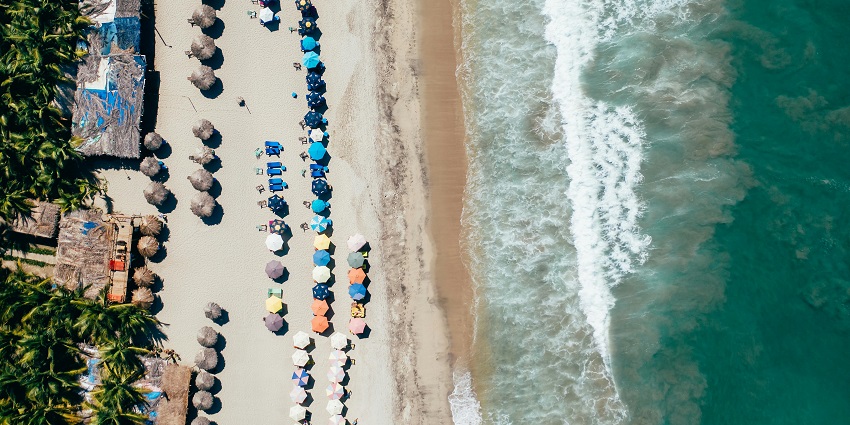
Koggala Beach Sri Lanka: Stay Areas, Surf Spots & Coastal Experiences
Explore Koggala Beach in Sri Lanka. Golden sands, turtle hatchery, activities, hotels, best time to visit & travel tips.
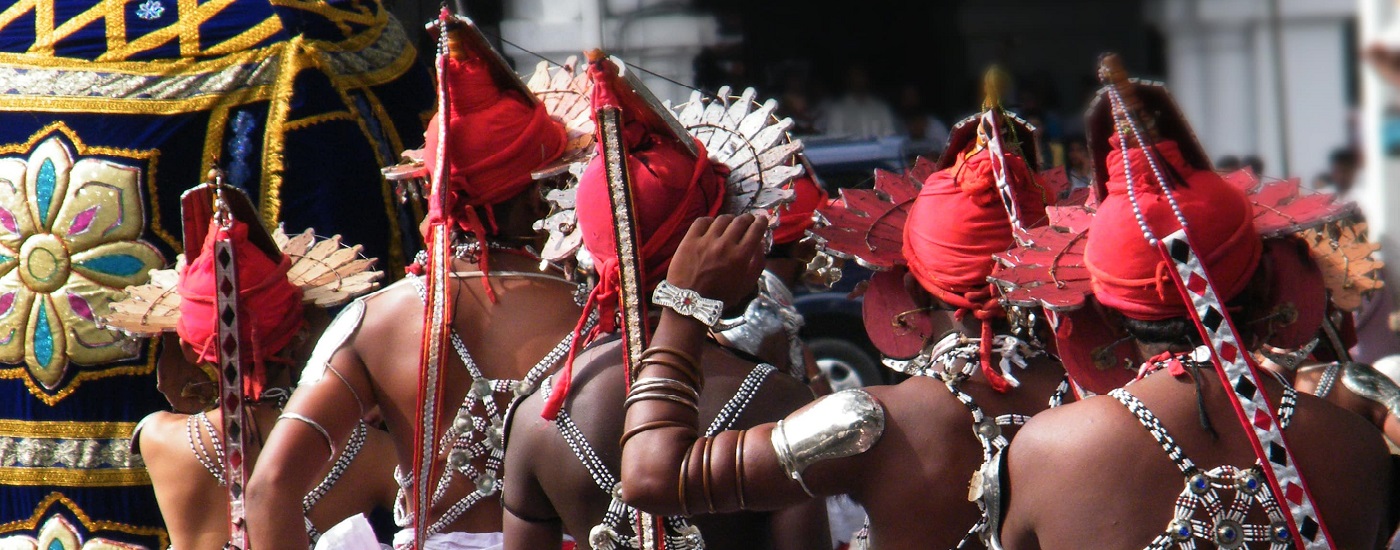
Festivals in Sri Lanka: Vesak, Perahera & Annual Event Calendar
Discover festivals in Sri Lanka including Vesak, Sinhala and Tamil New Year, Kandy Esala Perahera, and practical festival travel planning tips.
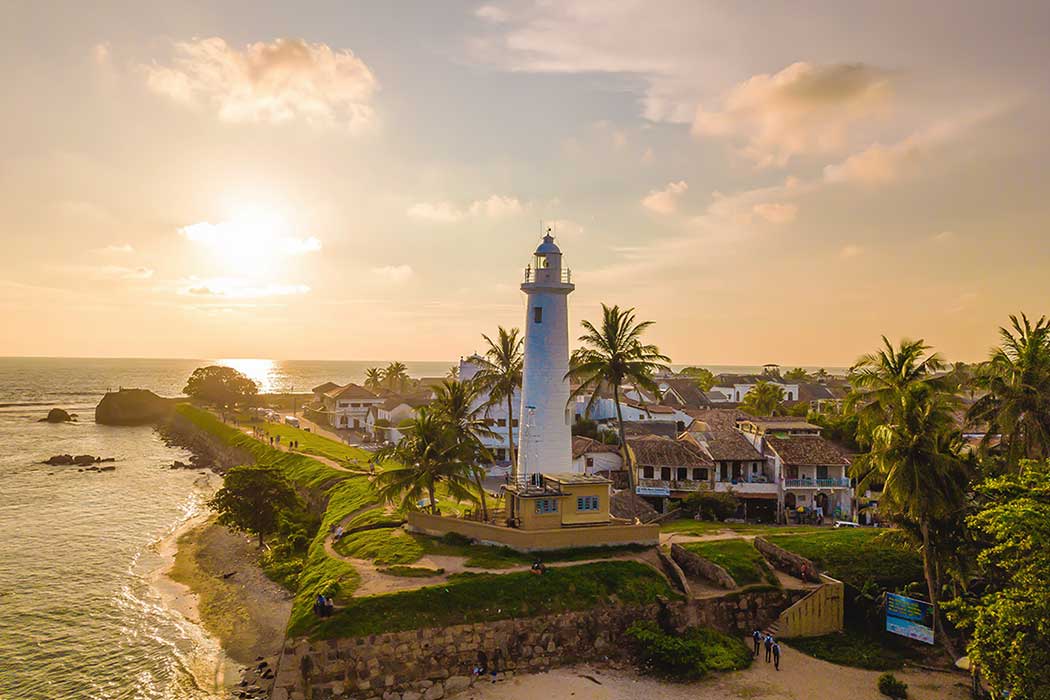
Galle Dutch Fort Sri Lanka: History, Walking Route & Nearby Cafes
Explore Galle Dutch Fort Sri Lanka: UNESCO heritage status, history, things to do, best time to visit, how to reach, shopping, food, stays, timings, and entry fee info.
Never Miss an Adventure
Get the latest trekking guides, travel tips, and exclusive offers delivered straight to your inbox.
